


Before we dive into this edition of Built on Bikes, I want to acknowledge a peer Substack, Trail Waves. They recently published a fun piece that created power rankings for trail running shoe brands. It’s a great concept that also highlights the importance of athlete sponsorships for smaller, less established brands.

Today, I’m adapting that idea to the world of gravel bike sponsors. As you can probably guess, this wasn’t an original concept, so full credit goes to Seth Lareau and Trail Waves. Go check out his article, and the Substack as a whole, to see what inspired this format. I’ll break down my scoring criteria below, but Trail Waves is where the structure came from.
My power rankings
If you’re unfamiliar with power rankings, they’re a subjective way of ranking teams or athletes based on strengths, recent performance, and future potential. When it comes to gravel bike brands, the rankings lean heavily on performance, since wins put a single bike in the spotlight. That said, I also wanted to leave room for x-factors like the social impact of sponsored athletes and whether a brand’s bike specs align with current trends.
My power rankings will be split into two sections:
Pure Performance
Based on cumulative results from each brand at the year’s biggest races.
X-factors
Based on intangible elements that can make a brand more relevant, even if it is underperforming in raw results.
I’ll start with a detailed ranking of the top ten brands based strictly on performance. From there, I’ll highlight three brands that I see as either dark horses or outperforming their results and overall brand footprint. This second section is intentionally subjective, with the goal of highlighting how important brand strategy can be when it comes to athlete sponsorships.
Scoring criteria
For the performance section of the rankings I am taking a similar approach to Seth’s shoe sponsor power rankings by selecting the largest gravel races of the year (determined by public sentiment, series association, and overall payout for top finishers) and assigning points to the top ten finishers in both the men’s and women’s events..
Not all races are created equal. Some carry far more weight than others due to media coverage, depth of field, race demands, and race structure. For these rankings, I’ve grouped races into three tiers based on their significance and applied different scoring criteria to better capture the true impact of a strong result at each event.
Tier 1
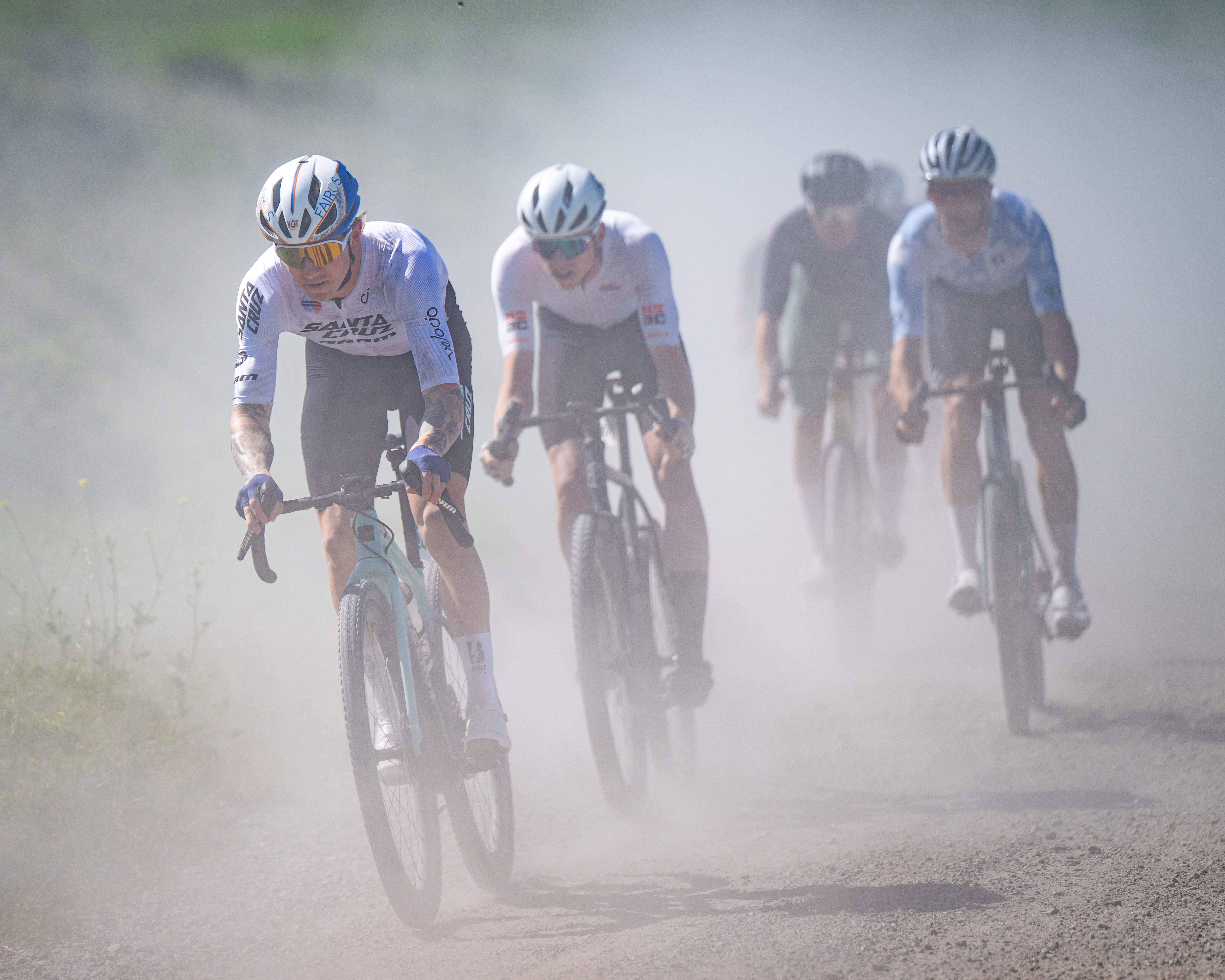
Tier 1 includes Unbound 200 and Traka 360. Unbound has earned a reputation as the unofficial gravel world championship, while Traka 360 is Europe’s most demanding event in terms of terrain and distance. Both are considered the crown jewels of gravel racing.
Results from these races will receive double points, with first place earning 20 points, second earning 18, and so on.
Tier 2
Tier 2 consists of two gravel stage races: Gravel Burn and the Oregon Trail Gravel Grinder. Gravel Burn is a seven-day stage race, while Oregon Trail spans five days. Both attracted deep fields with top riders in both the men’s and women’s races.
These events will be scored based on general classification standings, meaning cumulative time across all stages. Results will receive 1.5x points, with first place earning 15 points, second earning 13.5, and so on.
Tier 3
Tier 3 includes marquee one-day events such as Sea Otter Classic Gravel, Gravel Worlds (Nebraska), Belgian Waffle Ride California, Ranxo Gravel, and the Big Sugar Classic.
These races will use standard scoring, with first place earning 10 points, second earning 9 points, and so on.
The performance rankings
10. Trek (73 points)
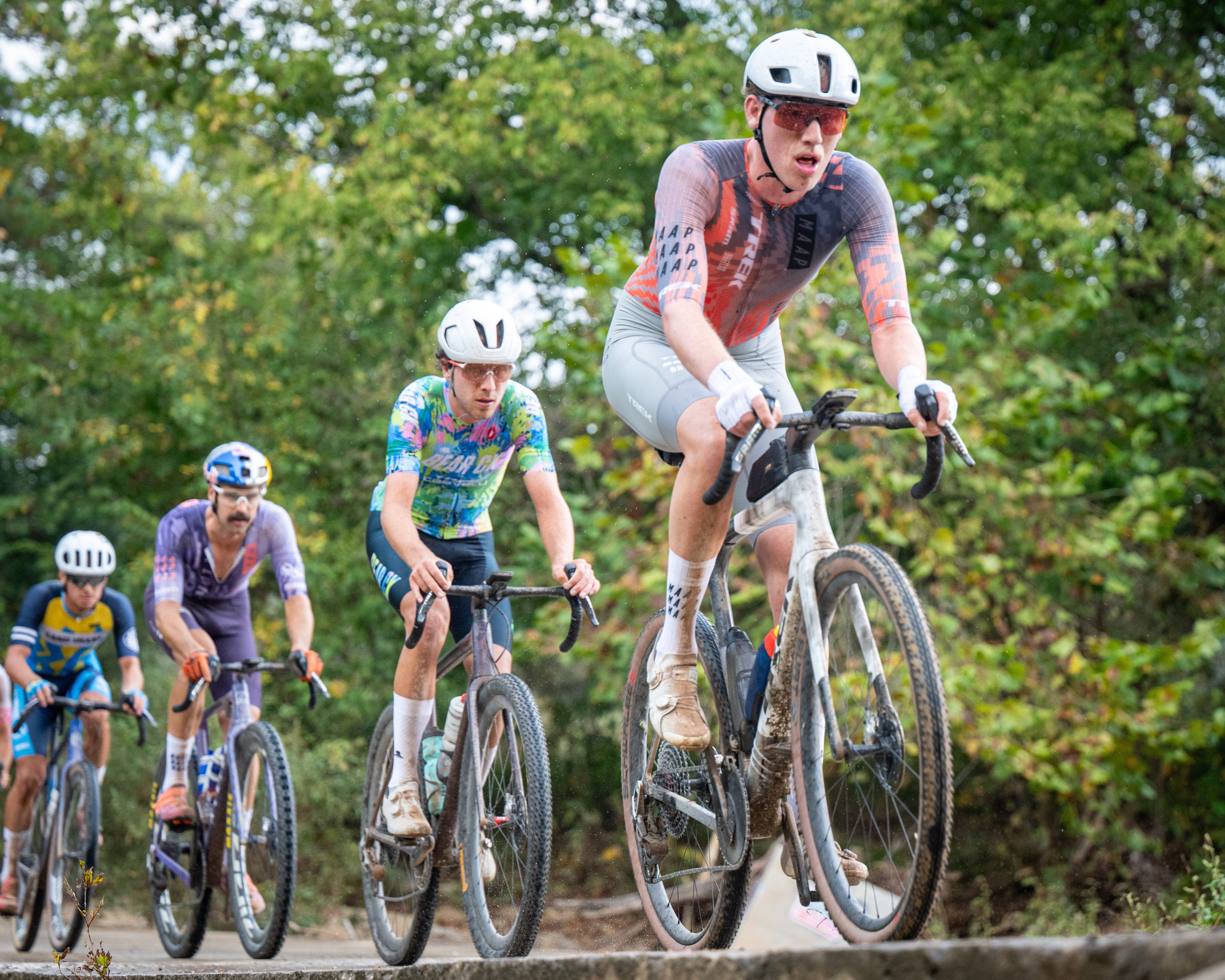
Notable results: 3rd Unbound (men), 3rd Big Sugar (men)
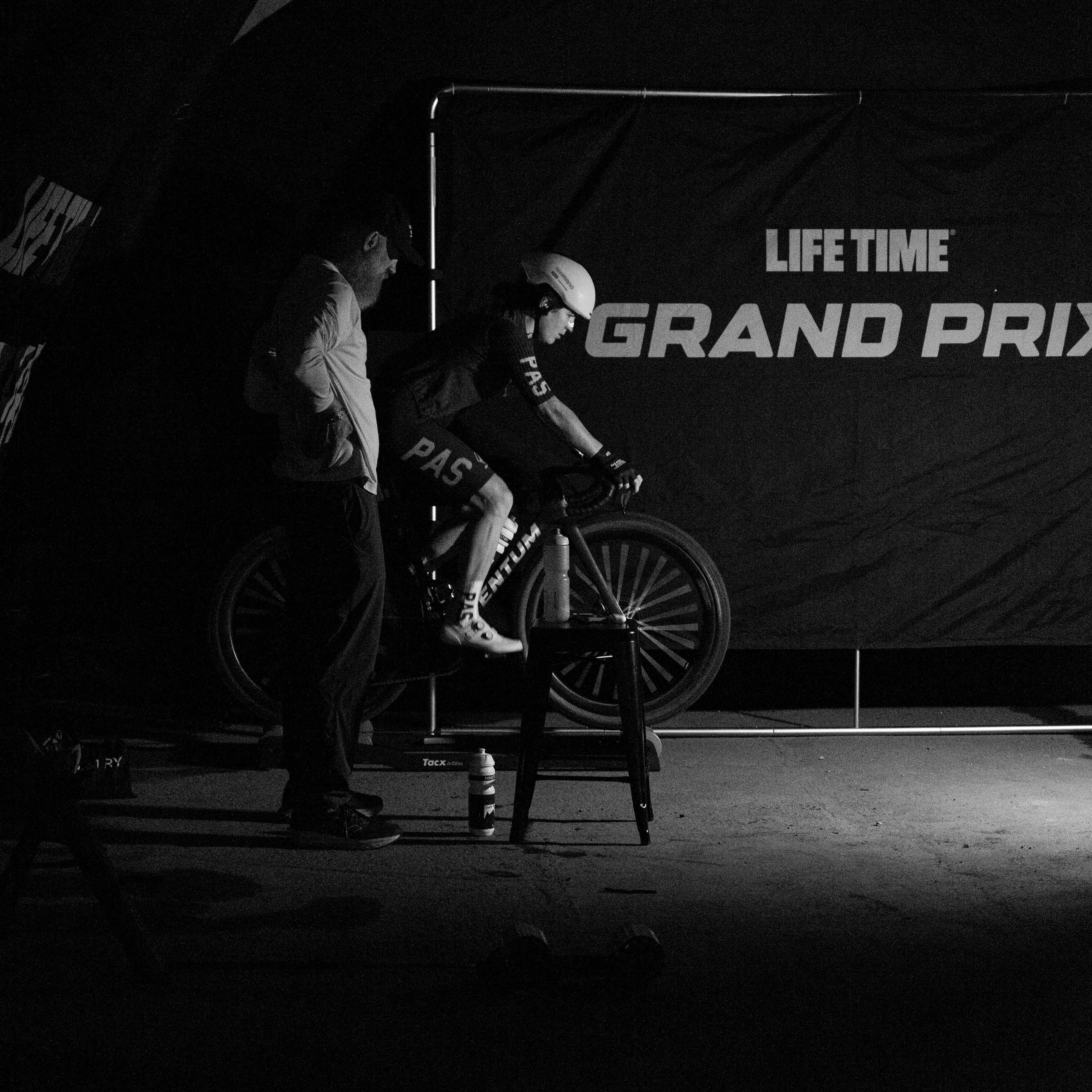
While Trek did not appear on the podium frequently in 2025, the brand consistently placed riders inside the top ten across both men’s and women’s fields. A major contributor to this performance was Trek’s dedicated off-road team, Driftless. Big budgets tend to attract strong riders, and the factory-style setup delivered solid results throughout the season, highlighted by Torbjørn Andre Røed’s 3rd place overall finish in the Life Time Grand Prix.
9. Orbea (74.5 points)
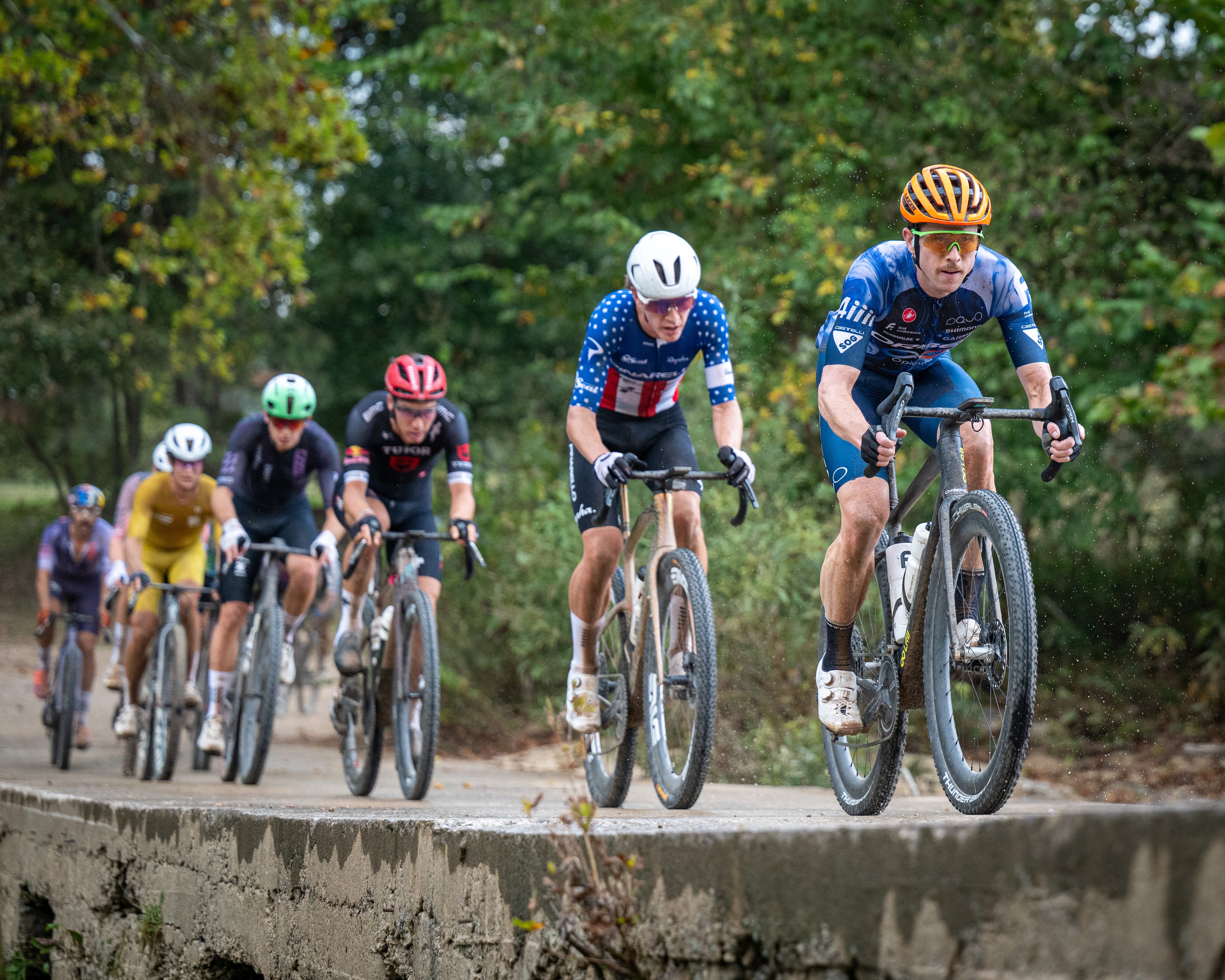
Notable results: 2nd Big Sugar (men), 5th Gravel Burn and Oregon Trail (men), 4th Oregon Trail (women), 2nd Ranxo (women)
The Spanish manufacturer took a meaningful step forward in 2025, driven by results from athletes like Morgan Aguirre (PAS Racing) and Laurence Naesen (Rapha). With race-oriented geometry and frequent prototype models appearing on course, Orbea clearly played an active role in supporting athlete performance and development throughout the season.
8. Ventum (75.5 points)
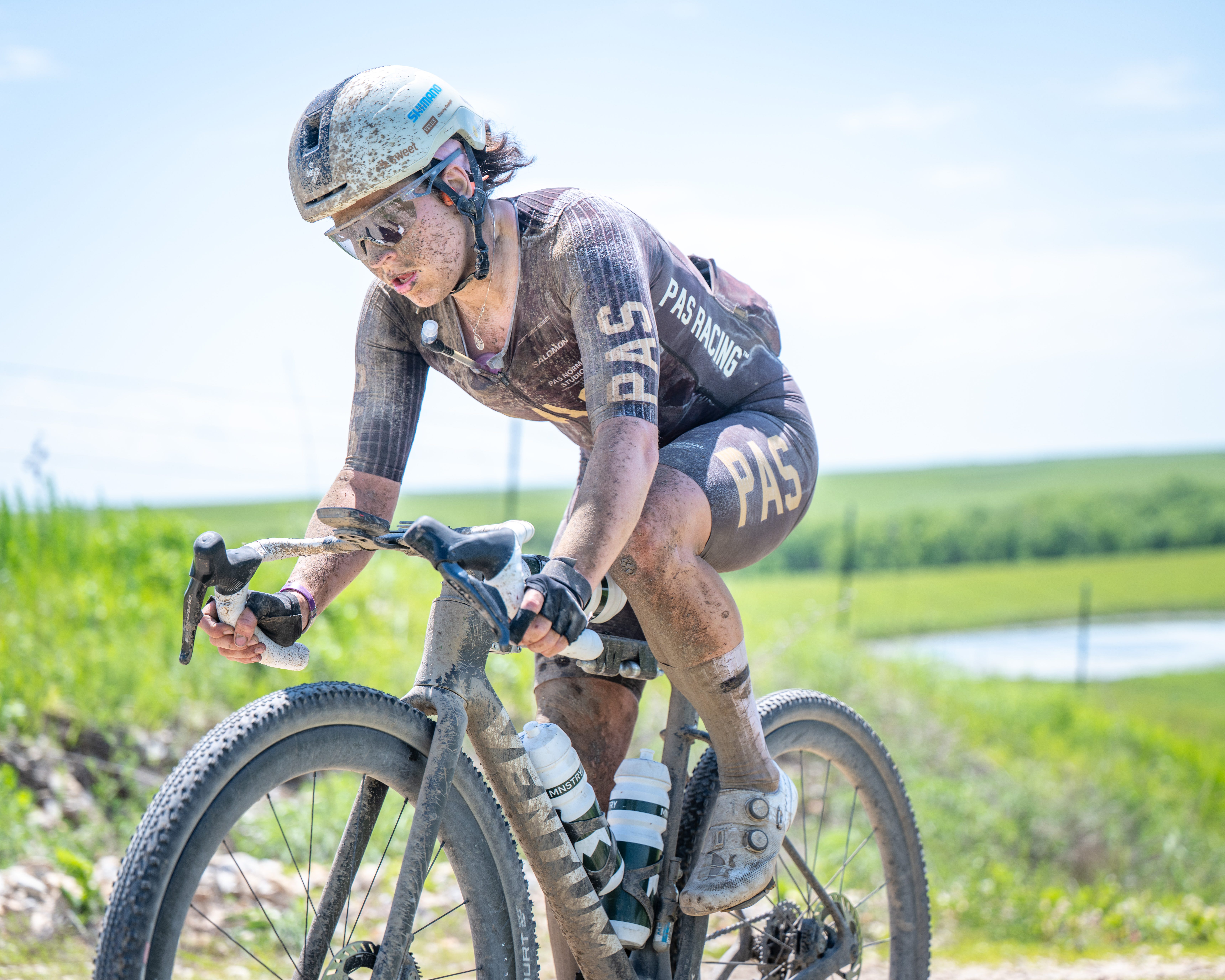
Notable results: 2nd Unbound (women), 2nd Big Sugar (women), 3rd Sea Otter Classic (women), 4th Gravel Burn (women)
Ventum likely had its most successful season to date, with one athlete in particular leading the charge: Cecily Decker (PAS Racing). Decker finished 2nd overall in the Life Time Grand Prix and collected multiple podiums across the series. Lauren Stephens also continued her dominance, securing her second consecutive U.S. Gravel National Championship win and adding to the brand’s strong 2025 resume.
7. BMC (77 points)
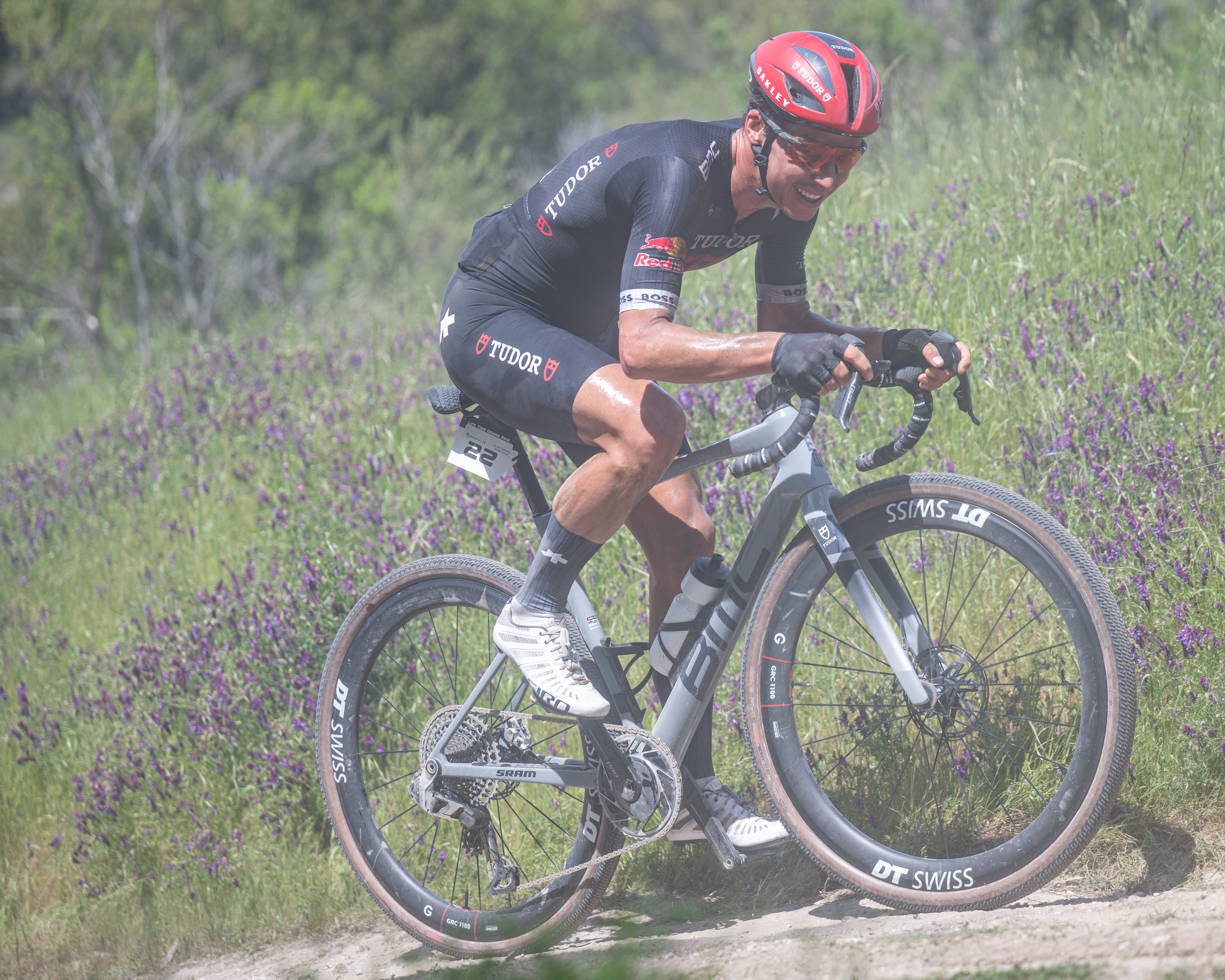
Notable results: 2nd Traka 360 (men), 2nd Unbound (men), 2nd Gravel Burn (men)
Known for carrying aero road bike design principles into their gravel offerings, BMC’s Kaius may not be ideal for the most technical courses. That said, 2025 marked a clear step forward for the brand in gravel racing, particularly at events that reward sustained speed and tactical racing. Simon Pellaud (Tudor Pro Cycling) successfully translated his road pedigree to gravel, finishing 2nd overall in the Life Time Grand Prix and earning strong results at several international races. For riders prioritizing speed, BMC made a compelling case this season.
6. Santa Cruz (84 points)
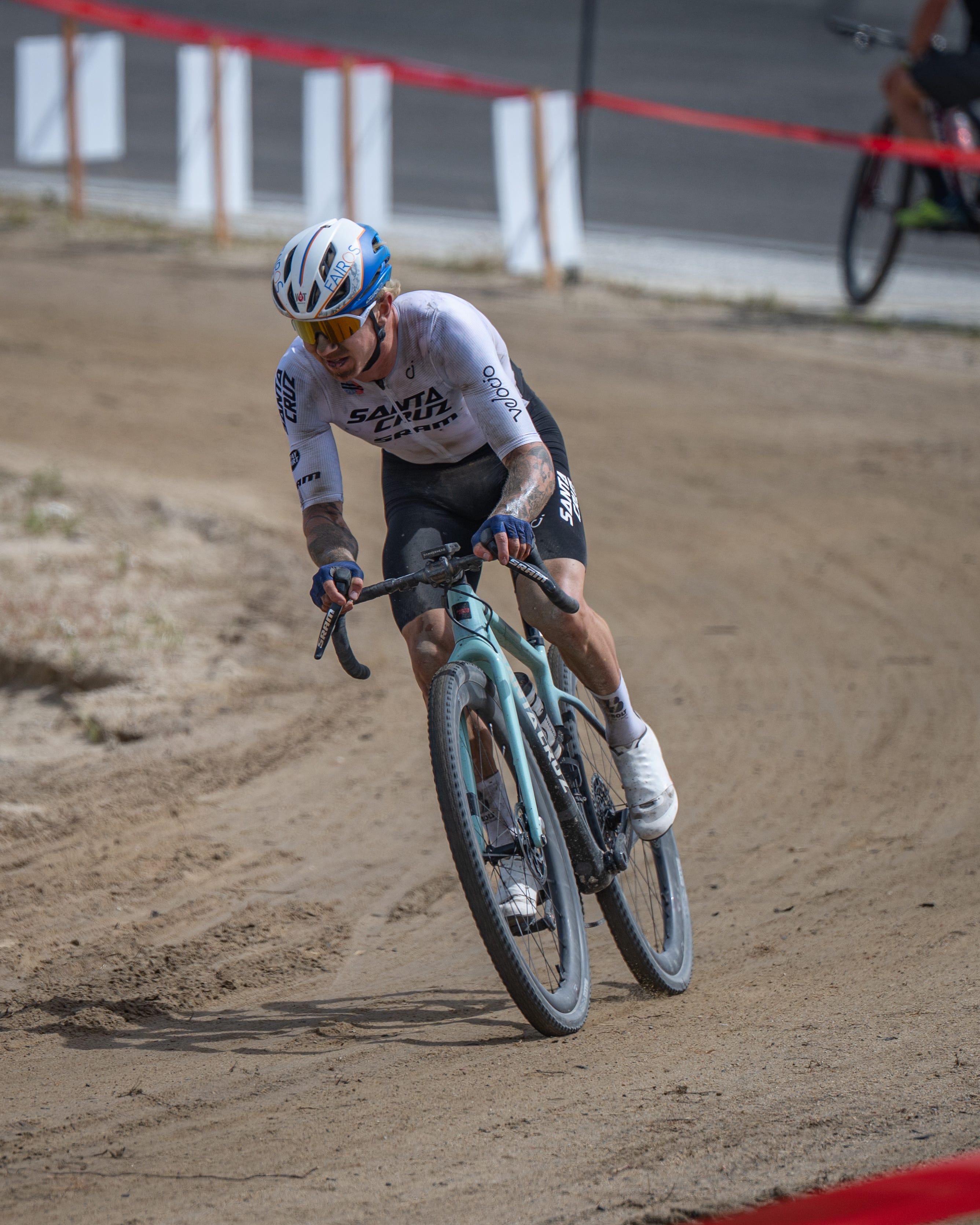
Notable results: 1st Sea Otter Classic (men), 2nd Gravel Worlds (men), 4th and 5th Big Sugar (women)
This season appeared to be a step back for Santa Cruz. In any of the past three years, the combined performances of Keegan Swenson and Alexis Skarda would have comfortably placed the brand inside the top three. While 2025 was still a strong showing, increased competition across the gravel circuit meant fewer wins for Swenson.
With little evolution to their gravel bike, the Stigmata, and rumors circulating that Swenson may move to Specialized in 2026, Santa Cruz will need to manage a transitional period carefully if they want to maintain a top ten position.
The women’s field may offer the clearest path forward. If Santa Cruz can retain and place additional top riders alongside Alexis Skarda and Ruth Holcomb, the brand has the potential to continue producing podium level results. Santa Cruz is dissolving their gravel team htSQD, so who knows what’s next for the brand.
5. Factor (87 points)
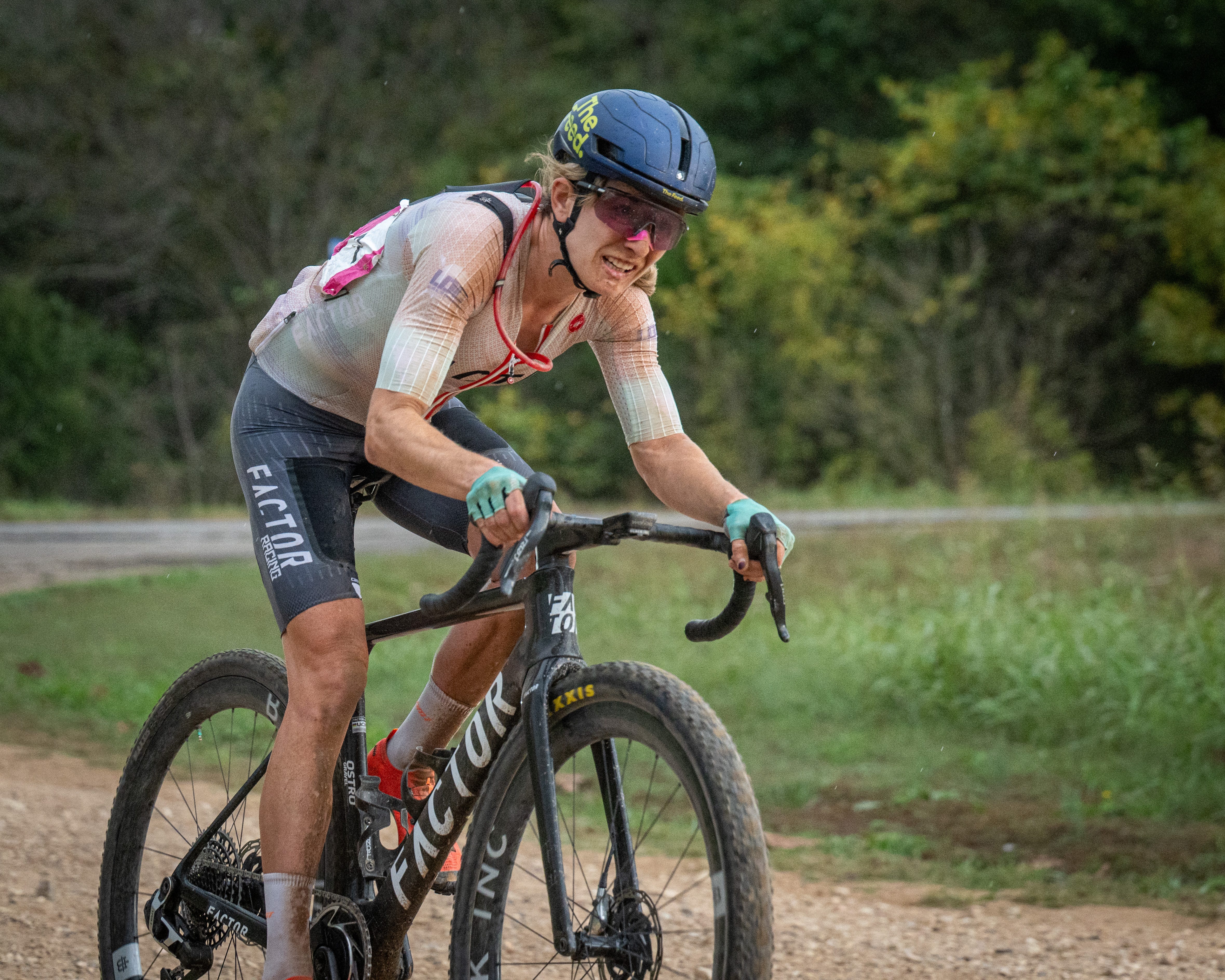
Notable results: 2nd Ranxo (men), 3rd Oregon Trail (men), 3rd Gravel Burn (women), 4th Sea Otter Classic (women)
Factor’s presence in the top ten initially surprised me, but the results tell a clear story. The brand followed a similar approach to BMC, prioritizing consistency and backing multiple high performing athletes such as Lauren De Crescenzo and Rob Britton.
While the Ostro Gravel lags behind competitors in tire clearance, its aerodynamic design proved effective on less technical courses. That focus allowed Factor riders to repeatedly place near the front and quietly build one of the more consistent seasons of any brand on this list.
4. Rose (89 points)
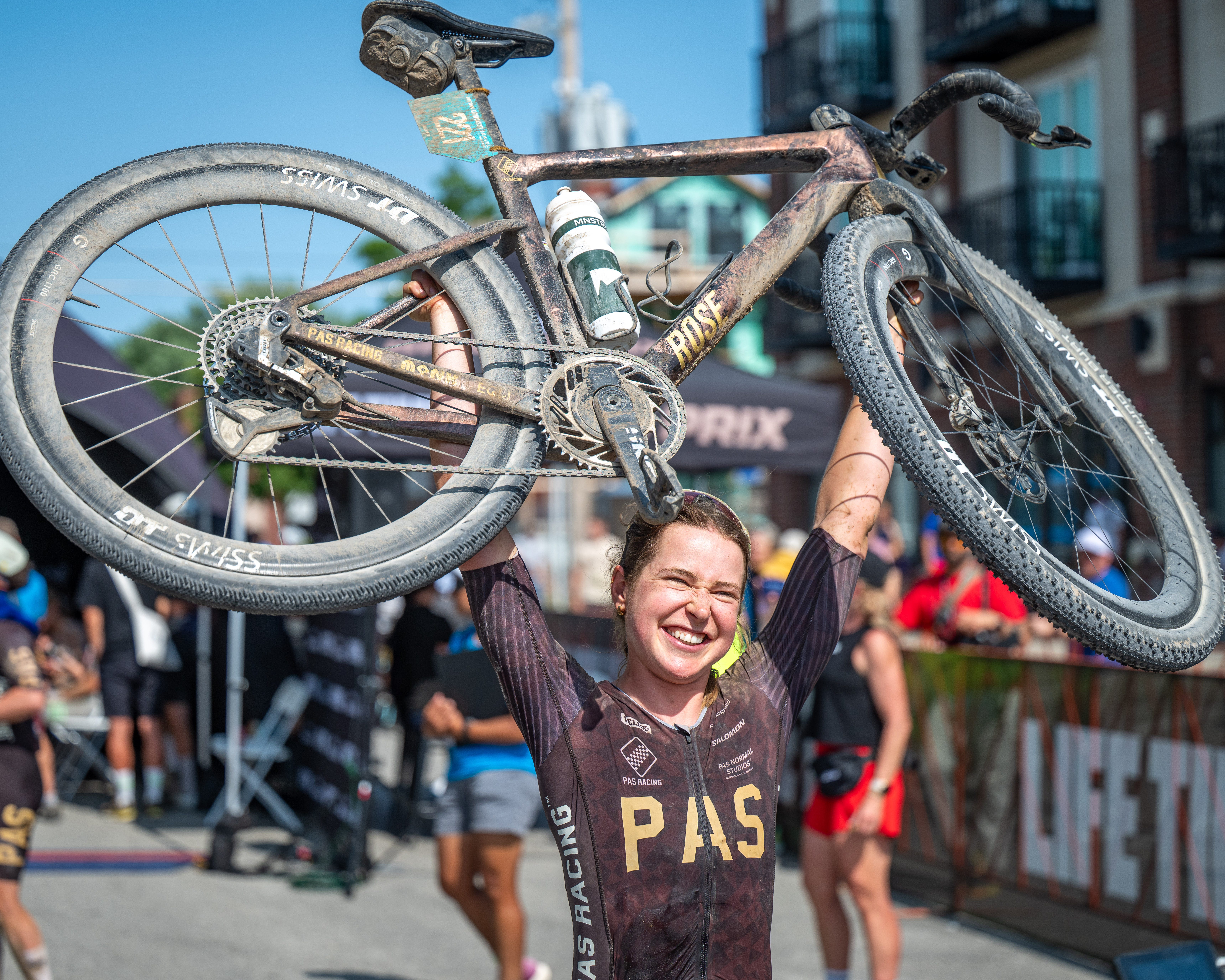
Notable results: 1st Unbound (women), 1st Traka 360 (women), 4th Ranxo (women), 3rd Ranxo (men)
Rose delivered a standout season in 2025, with consistent top-level results at the biggest gravel races on the calendar. Karo Migon (PAS Racing) won both Unbound and Traka 360 aboard the Backroad FF, cementing the brand’s place among the sport’s elite.
For a smaller and more affordable manufacturer, Rose has outperformed many larger competitors by investing directly in athletes and letting race results do the marketing. This season showed just how far that approach can go.
3. Scott (100 points)
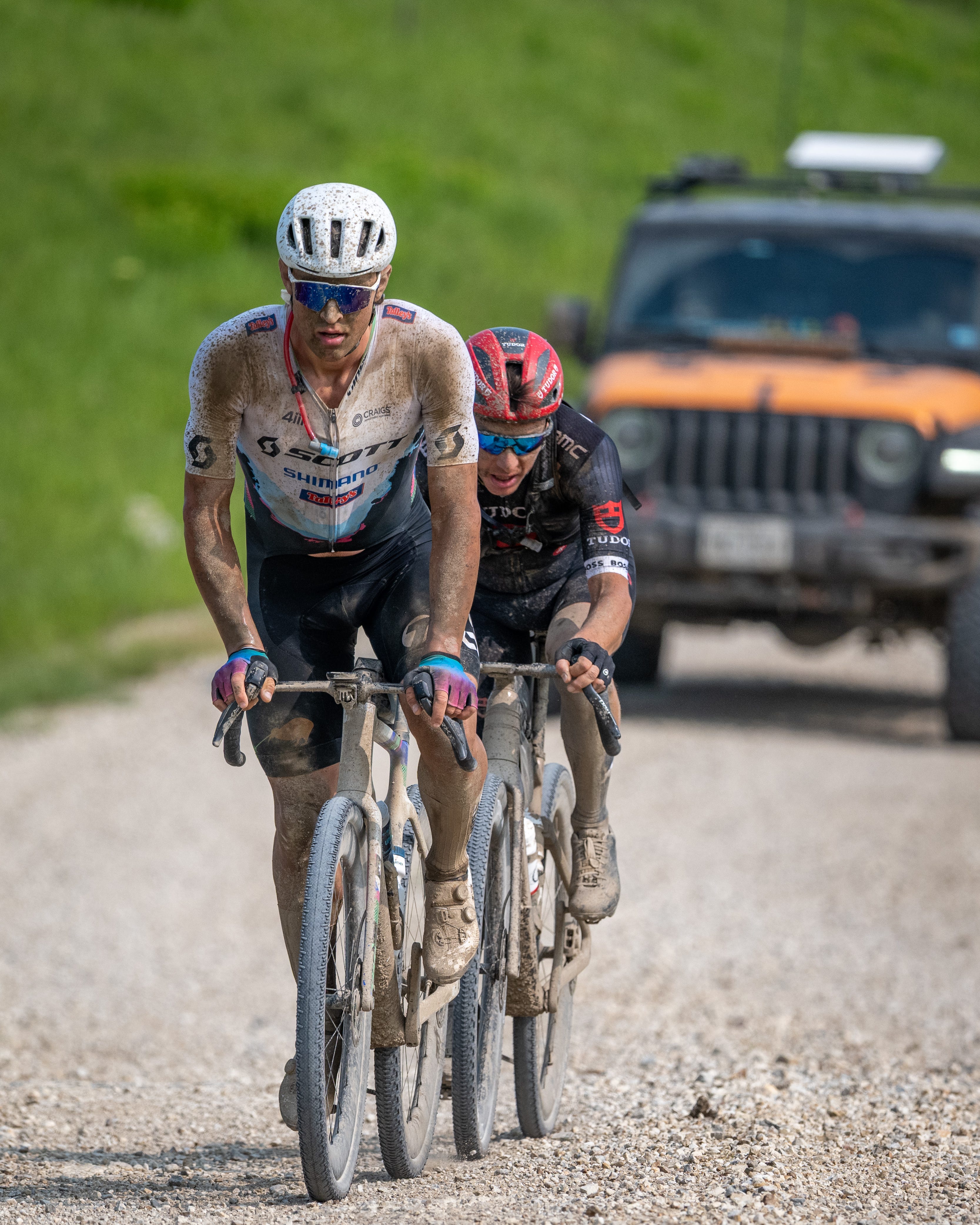
Notable results: 1st Unbound (men), 1st Oregon Trail (men), 3rd Gravel Worlds (men)
A New Zealander who entered the 2025 season as a wildcard in the Life Time Grand Prix turned out to be the wildcard that paid off for Scott. Cam Jones captured the attention of the gravel world with his laid-back personality, cross-country travel in a rented U-Haul, and parents serving as his support crew at the sport’s biggest races.
The attention only grew after his dominant solo victory at Unbound. From there, Jones went on to win the Life Time Grand Prix and establish himself as the first rider to truly dethrone Keegan Swenson. Scott capitalized on the momentum by releasing a YouTube series documenting his rise, and the brand appears well positioned to continue supporting compelling athlete stories in 2026.
2. Canyon (134 points)
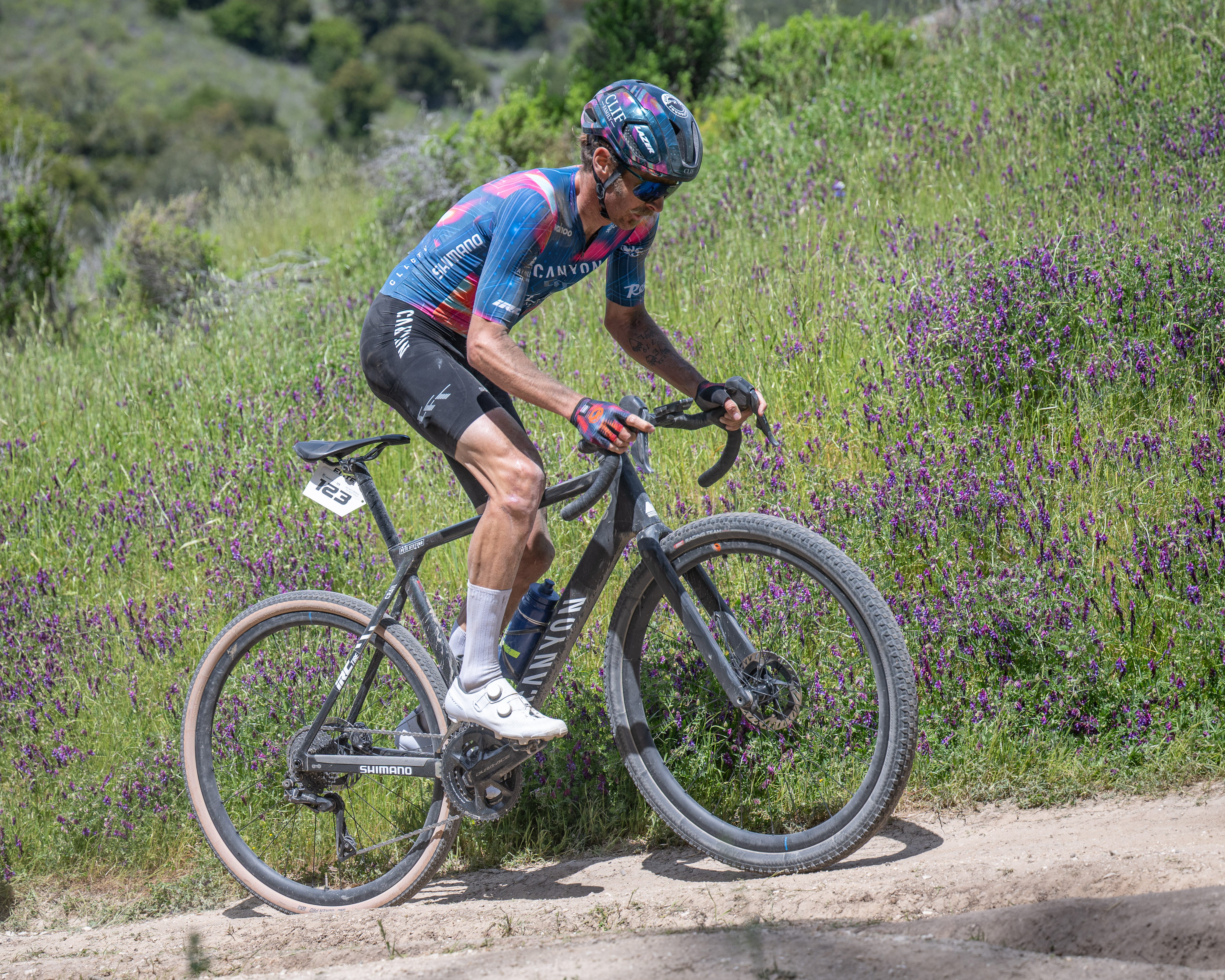
Notable results: 4th Sea Otter Classic (men), 2nd BWR California (men), 4th Ranxo (men), 4th Traka 360 (women), 4th Unbound (women), 1st Gravel Worlds (women), 1st Ranxo (women)
Canyon was an early adopter of gravel racing, sponsoring athletes like Isabel King, Peter Stetina, and Heather Jackson right when the discipline exploded. While Stetina and Jackson continue to deliver strong results, the brand’s future at the elite level looks even brighter.
Once again, the women’s field drove the bulk of Canyon’s success. After winning Unbound in 2024, Rosa Klöser left Rose to join Canyon as a hybrid road and gravel racer. In 2025, she fully established herself on gravel, consistently winning and placing herself among the discipline’s top athletes.
1. Specialized (449.5 points)
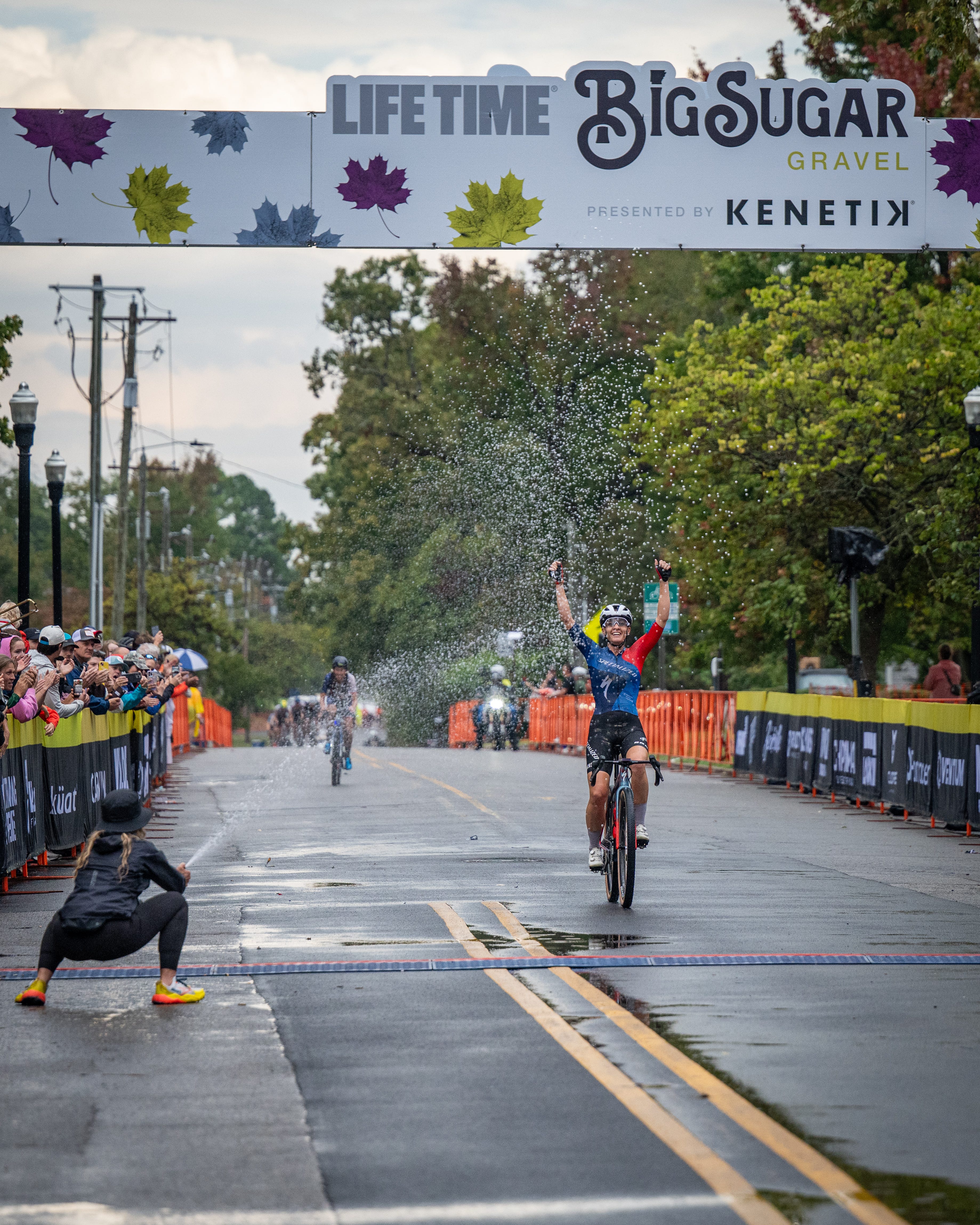
Notable results: 1st Traka 360 (men), 1st Big Sugar (men), 1st Gravel Worlds (men), 1st BWR California (men), 1st Gravel Burn (men), 1st and 2nd Sea Otter Classic (women), 2nd Gravel Worlds (women), 1st–3rd BWR California (women), 1st–3rd Oregon Trail (women)
Complete dominance is the only way to describe Specialized’s season. Athletes like Matt Beers, Sofia Gomez Villafane, Sarah Sturm, and Tobias Kongstad stacked wins and podiums at nearly every major gravel event on the calendar. Specialized does not just sponsor top athletes, they sponsor a deep roster of them. With massive budgets comes the ability to control both results and narrative.
With Keegan Swenson rumored to be joining Specialized in 2026, the brand appears positioned to extend its dominance even further.
Interestingly, Specialized’s gravel lineup has remained largely unchanged. The Crux and Diverge continue to offer roughly 50mm of tire clearance and exposed cable routing. Despite relatively stagnant product innovation, results have made it clear that athlete depth and execution have mattered far more than cutting-edge equipment in 2025.
Specialized has remained dominant and with an even stronger roster and rumored upgrades to the Crux, I don’t see anything stopping them from dominating the 2026 season.
Insights from power rankings
Sponsoring the right athlete can change everything
As we’ve seen with brands like Ventum, Rose, Canyon, and Scott, a single rider can be the difference between getting lost in a crowded field and becoming a brand that wins the sport’s most competitive gravel races.
Money can buy success and visibility
As much as we may not want to admit it, Specialized has the resources to sponsor the very best athletes and ensure their bikes dominate podiums and overall standings. By earning more than three times the points of the next closest brand, Specialized proved that they can, and will, back whichever athletes they believe will deliver results. With Keegan Swenson likely joining the team, the new Crux could quickly become known as the benchmark gravel race bike.
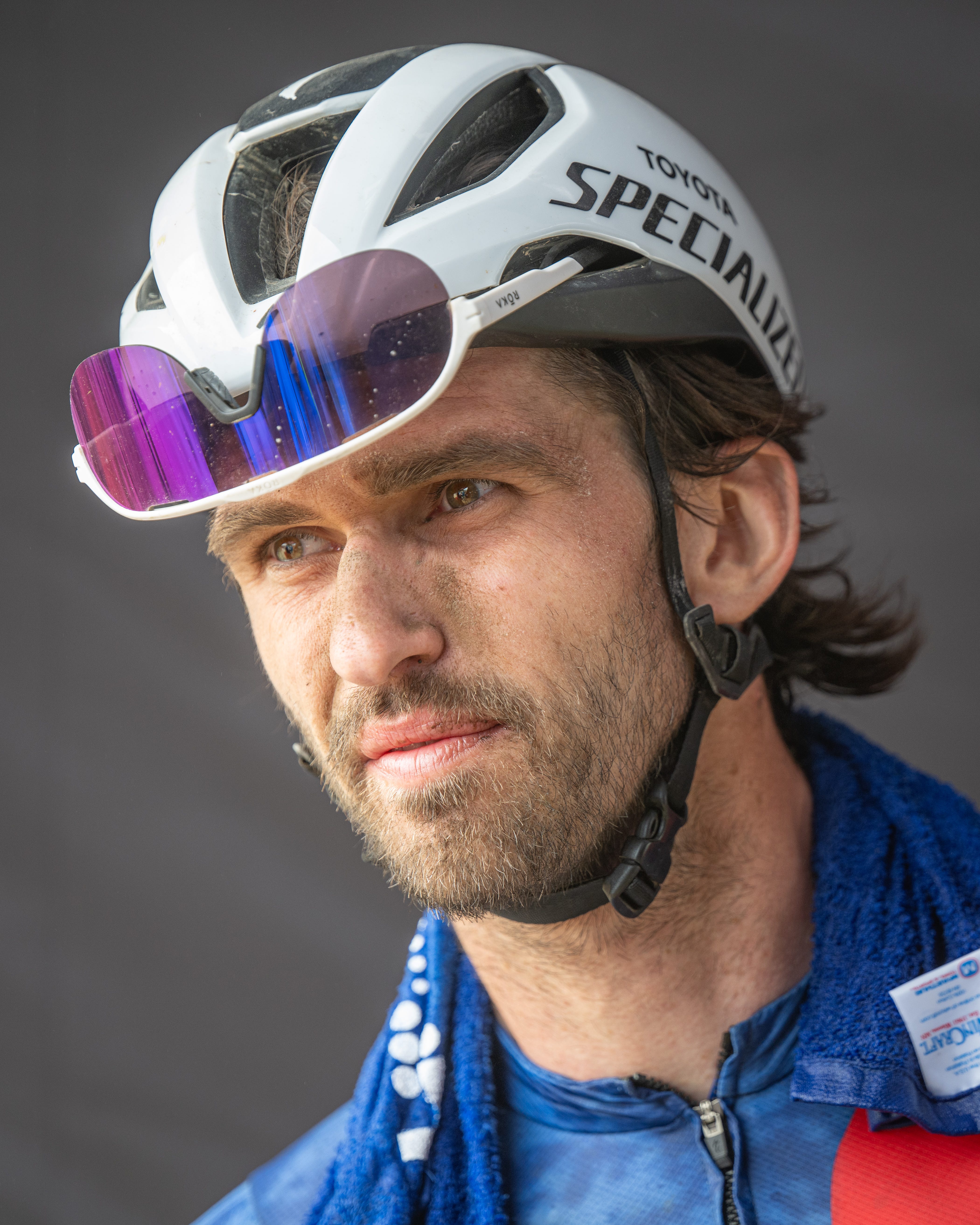
Look good, race fast
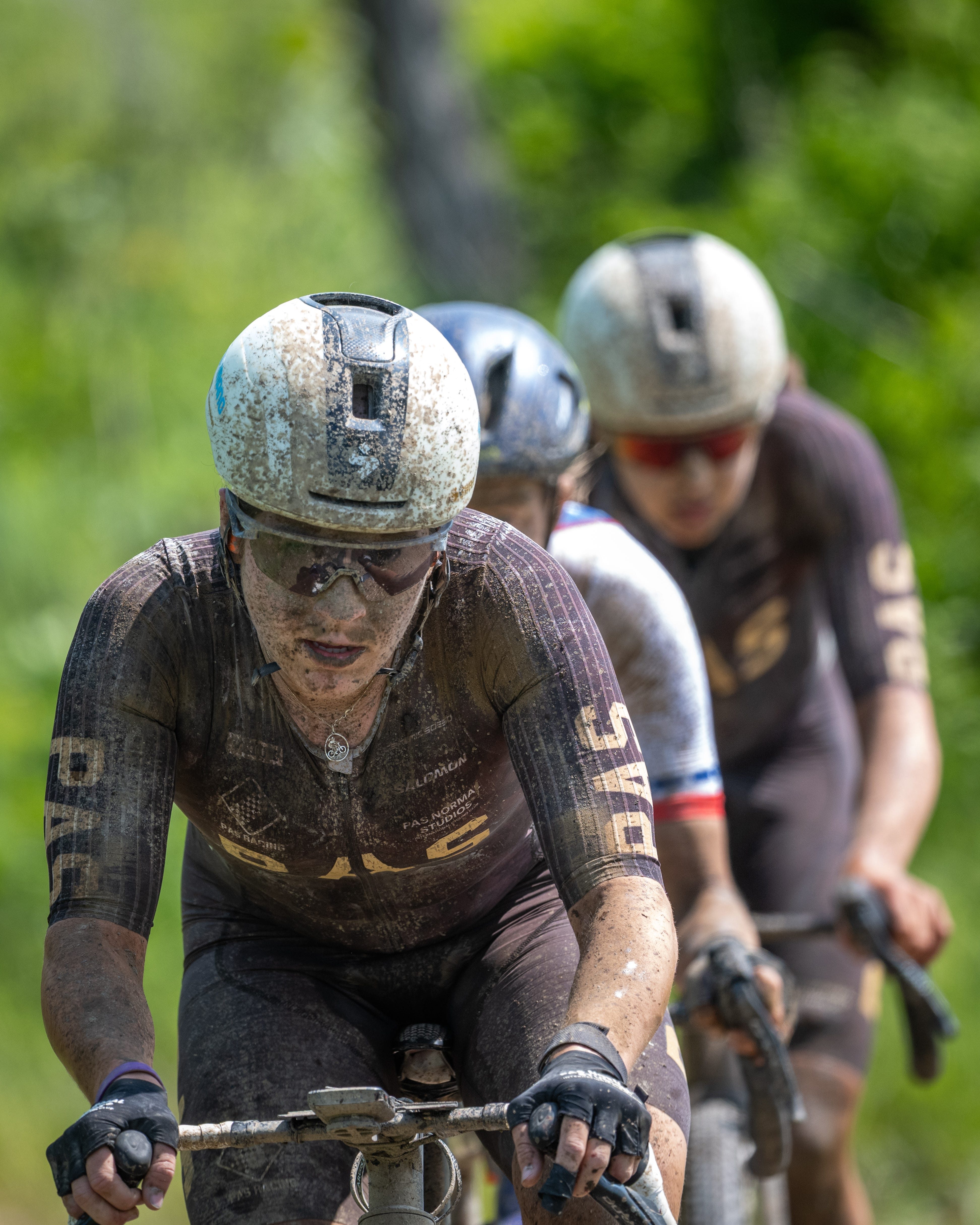
I’m not suggesting that apparel alone determines race results, but it’s hard to ignore the success of riders competing for teams sponsored by Pas Normal Studios and MAAP. Torbjørn Andre Røed and Rosa Klöser stood out in their bright, custom MAAP kits while delivering dominant performances, and athletes like Cecily Decker, Morgan Aguirre, Tobias Kongstad, and Karo Migon secured top results at the sport’s most prestigious races for PAS Racing.
The power of female athletes
Ventum, Rose, and Canyon earned the majority of their points from top finishes by women. As talent in the women’s field continues to emerge, brands should recognize just how valuable the right athlete can be. Women’s sponsorship is likely to become increasingly competitive as brands search for the next breakout gravel star.
With female athletes typically enjoying a longer performance window than their male counterparts, brands are well positioned to invest earlier and more intentionally in youth development programs to identify and support emerging talent.
The Dark Horses
As I said earlier, good results aren’t the only thing that determine success. Here are brands that I think are making moves that will continue to drive business growth.
Ventum
Earlier this year, I interviewed Travis McCabe, athlete manager for Ventum, about his philosophy on athlete sponsorship. Travis strongly believes in prioritizing unquantifiable traits when selecting riders for the team. At the top of that list is character. Athletes also need to fully embrace and maximize the additional support that comes with being a Ventum rider. For him, it is not only about results or social media reach.
It is hard to argue with the outcome of that approach. Ventum signed Cecily Decker last year, and the brand now sits high in these power rankings largely because of her performances. Cecily has become a fixture in the Life Time Grand Prix, and her Ventum GS1 has become just as recognizable.
Branding and product focus have also played a role in Ventum’s success. As a direct-to-consumer company, Ventum exclusively sells race-oriented bikes. Being a U.S.-based brand, the narrative writes itself when sponsoring an American athlete dominating the country’s fastest-growing cycling discipline. Watch closely to see who joins Ventum in 2026 as the brand continues to expand.
Rose
Remember how I mentioned the power of female athletes? Rose seems to have perfected it. Their bike has won Unbound two years in a row with two different standout riders. In 2024, Rosa Klöser (now on Canyon) took the win, and in 2025, Karo Migon claimed victory. Both riders have gone on to win some of gravel’s most prestigious events. The back-to-back wins also highlighted the versatility of both the athletes and the bike: 2024 ended in a bunch sprint, while 2025 saw Migon ride solo to victory after dropping her PAS teammate Cecily Decker.

Consistency has put the German brand on the radar of many international gravel buyers, but Rose continues to expand its overall footprint with their recent sponsorship of the UCI Pro team, Unibet Rose Rockets. While the team is fully focused on the road, they have become the sport’s most viral squad and are likely to compete in the Tour de France this year. Rose is getting exposure for their bikes from every angle, and I wouldn’t be surprised if they grow to become the next Factor or BMC.
Allied
While their athletes didn’t score consistently to place in the top ten, I think Allied Cycle Works has done an excellent job at leading the industry in innovation and athlete sponsorship. Their flagship gravel bike, the Able, features an aero, fully integrated design that can accommodate large mountain bike tires. With some of the biggest tire clearance in the gravel world, Allied has become a premium performance bike that any pro would be happy to race.
Allied also reinforces their premium, American identity with their two marque athletes, Payson McElveen and Kate Courtney. Both are Red Bull athletes with wide social reach. And, this year Allied built a World Champion bike. Kate Courtney took home the Marathon Mountain Bike World championship this year on her BC40.
Kate doesn’t race gravel and Payson missed a chunk of the season with a broken hip, so my take is that their lack of points doesn’t represent their overall performance. Look out for Kate Courtney ripping fields apart on her Allied BC40 next year!
Ride and rip,
Kyle Dawes
I have a few thoughts here.
- I respect the ranking but I think in many cases just having one athlete carrying a season doesn’t necessarily reflect truly. There is the ‘Keegan caveat’ though. If you’re winning everything big and the GOAT of the discipline. For example, I wouldn’t say BMC had a great year, Simon Pellaud had a great year. Semantics, I know.
2. Outside of Traka and Unbound, does winning races sell bikes? Not sure here - would be cool to see data points from brands.
3. Scott deserves even more credit IMO. As you mentioned, their YT series and coverage on Cam’s year alone was spectacular.
4. Did you include Mads WS in Specialized rankings? He cleaned up in Europe and won Euro Champs. Specialized really are the Nike of cycling.