


One story has continued to generate content for Built on Bikes: my piece on M&A activity in the cycling industry. Last week I wrote about AI-powered training apps, and before that, why the industry might see a renewed wave of mergers and acquisitions. To my pleasant surprise, those pieces caught the attention of some professionals in the industry, including a Managing Director at a major investment bank specializing in active lifestyle M&A.
We connected earlier this week to discuss some of the topics I covered in my M&A article as well as broader cycling industry trends. One question I asked them was whether they were seeing anything in the cycling sector related to live events. Having previously written about how race series like the Life Time Grand Prix might position for a future acquisition, I wanted to pressure test that theory with someone who operates at the deal level.
While they acknowledged that race series are growing in popularity, they pointed to cycling tourism as a particularly promising business model within live events. Cycling touring companies are well positioned to benefit from the growing consumer demand to center travel around outdoor activities, a trend closely tied to the rise of ecotourism globally.
As someone who regularly dives deep into the cycling industry, cycling tourism is a segment I have mostly overlooked. I know relatively few companies that offer this kind of bike-centric travel experience. Beyond businesses that rent bikes to explore a city, the touring companies I am most familiar with are focused on providing bike tours in Europe, exploring the famous roads and mountain passes featured in grand tours like the Tour de France.
These models largely require consumers to do their own research on providers in a specific region, and most are centered around road riding. That feels more like infrastructure tourism than ecotourism. Cycling tourism is clearly growing, but is there a way to expand its benefits to more cycling businesses, get more people out on bikes, and more directly capitalize on the rise of ecotourism?
How I combine cycling and vacation
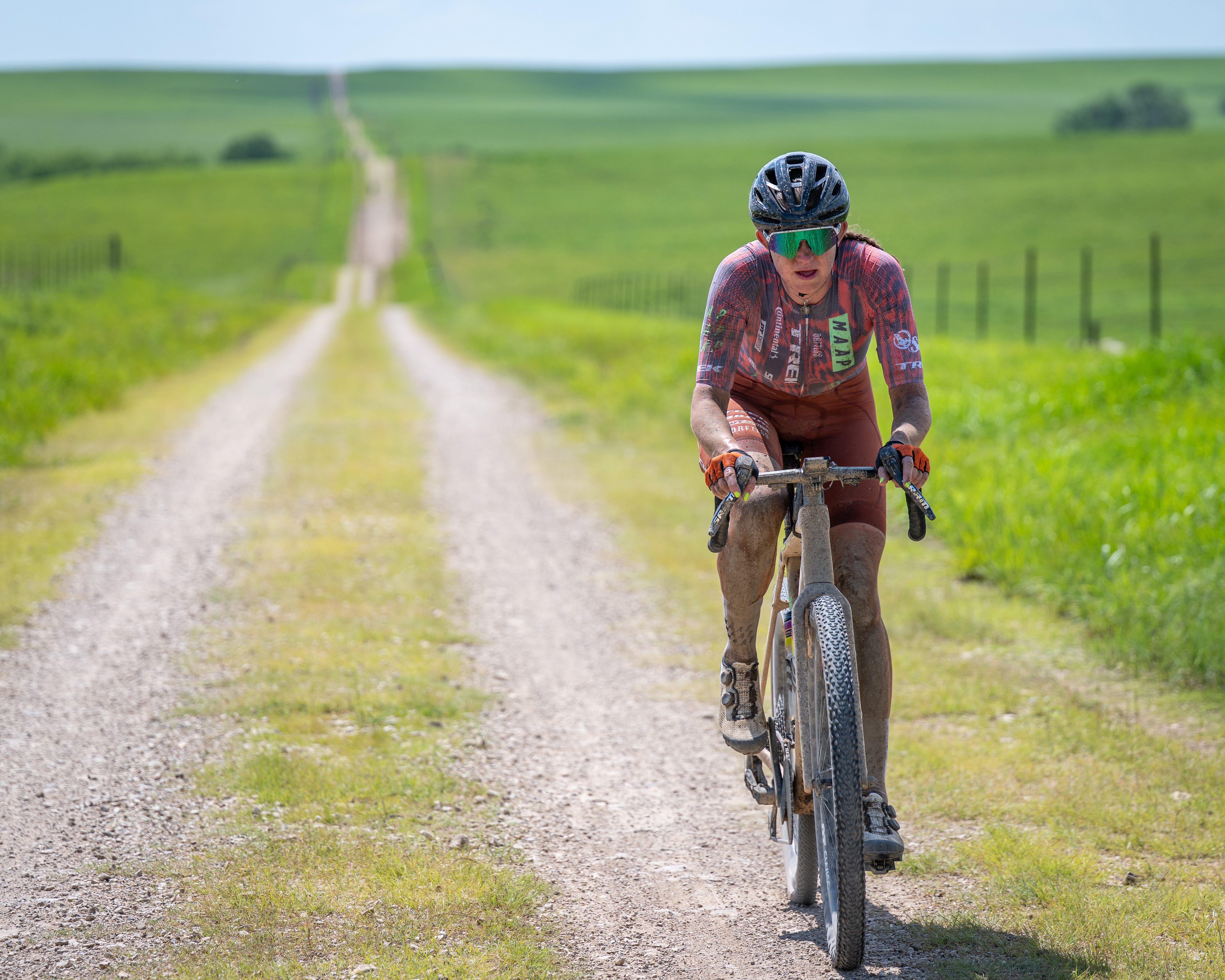
As someone who is no stranger to ecotourism or cycling in new locations, this immediately made me think about how I personally approach bike touring. The United States is home to premiere gravel racing events, and that is exactly how I combine the sport I love with exploring new natural areas. I am far from alone in this. Many cyclists have started using gravel races as an excuse to travel to new and interesting locations. Beyond having a goal tied to their travels and a built-in community to connect with, most will extend their stay at a race location to explore the surrounding area.
This got me thinking about the opportunities that could open new revenue streams for existing businesses looking to capitalize on the continued rise of ecotourism. But before diving in, let’s take a quick look at the current landscape of cycling tourism.
A largely unchanged industry with massive potential
As I mentioned, cycling tourism has historically been a business model centered around road cycling that exists and thrives in Europe. But is there massive potential to expand across continents and cycling disciplines?
To better understand the current landscape, I came across a telling report on the global bike touring industry put together by the Adventure Travel Trade Association, CycleSummit, the European Cyclists’ Federation, and EuroVelo. Compiled in 2024, the report surveyed 245 bike touring operators, roughly 70% of whom are based in Europe, and gauged market growth possibilities across disciplines and geographies. Here are the key insights I took away.
Europe dominates the market
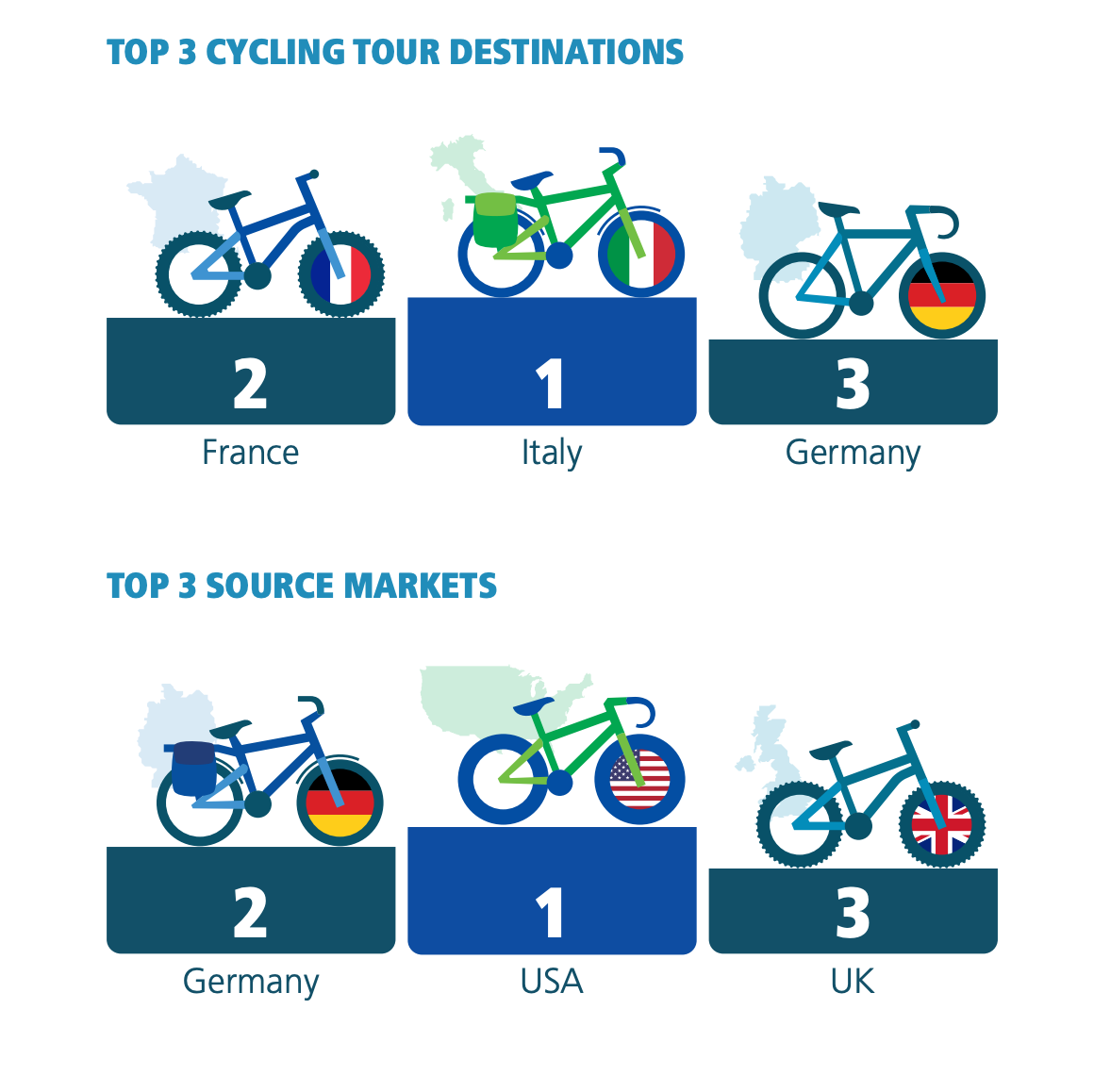
The top three touring markets, in order, are: Italy, France, and Germany
The U.S. has a large consumer base
The USA is the single largest source market globally, with 29% of operators reporting the majority of their clients come from the US
For non-European operators specifically, 51% of clients come from the US
Despite this, the US is not among the top cycling tour destinations, suggesting significant untapped domestic opportunity
Discipline breakdown
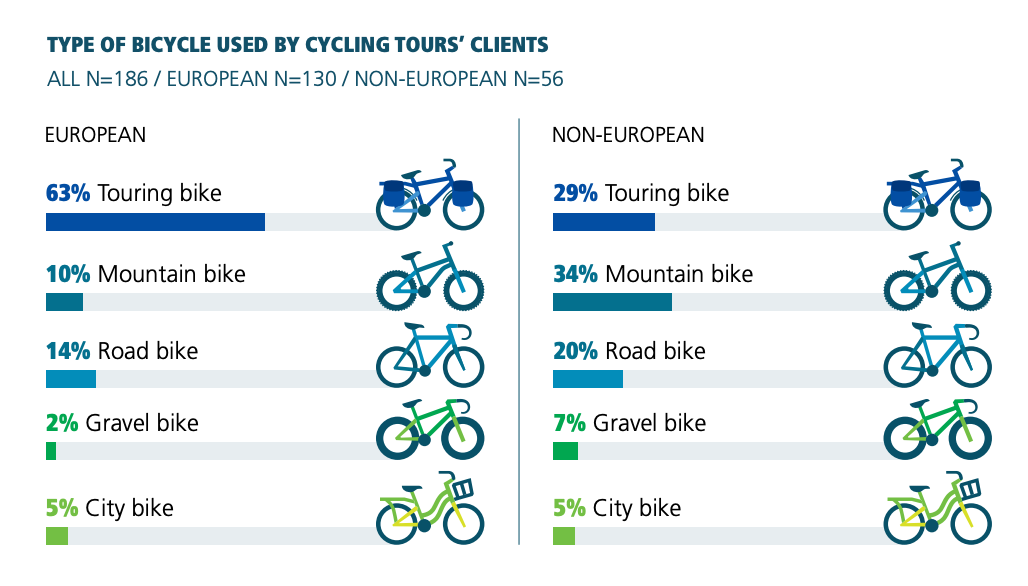
Road bikes dominate in Europe at 63% of tours
Mountain biking is the biggest discipline outside Europe at 34%
Gravel is still small but growing, representing 7% of non-European tours and 2% in Europe
Gravel cycling identified as a key emerging trend by 15% of operators
Accessibility is growing
64% of operators report at least 25% of their clients now use e-bikes
33% of operators already have more than 50% of clients on e-bikes
E-bike adoption is significantly higher in Europe at 72% versus 46% outside Europe
E-bikes are identified as the single biggest trend in cycling tourism by 51% of operators
Challenges
Marketing to new customers is the second biggest challenge at 50%
Safety and road infrastructure are significant concerns for itinerary planning
According to operators in the industry, business is growing and markets are expanding, but there is still a lot of ground to make up after years of historic stagnation. What stood out to me most were the challenges listed in the report. To me, they scream opportunity for some very specific players in the market.
A modern alternative
The market is telling us that there is an emerging appetite for off-road touring, and I believe there are already big players providing this experience, just not beyond a single day. As I mentioned, gravel racing has become a go-to way for cyclists to travel to unique destinations and center a trip around the bike. Some standalone races embrace this destination theme, but two series have scaled it into a full identity.
The Gravel Earth Series and the GRVL event series both center their brands around destination gravel events. The Gravel Earth Series consists of eleven standalone races held in some of the most unique places on earth, including Maasai Mara in Kenya and the Oregon Trail. The GRVL event series consists of three races located in Colorado, Finland, and Australia.
Both series embrace ecotourism to the fullest while making the experience unforgettable through secondary events and amenities for participants. And both have a real opportunity to profit from the challenges currently facing the bike touring industry.
With marketing and safety being the primary challenges facing bike touring operators, both series have already addressed these problems. The Gravel Earth Series and GRVL have built some of the most recognizable brands in the space, earning a reputation for putting on world class events in destinations that cyclists might not otherwise think to visit. The problem is that they are leaving significant revenue opportunities on the table, ones that would benefit organizers and bring more stability to their overall business model.
Simply put, both series and their individual race organizers should consider launching subsidiary businesses that function as bike touring companies, supplementing the revenue earned from their main race events.
There is no reinventing the wheel here. Both series would work with their individual race organizers to gauge capacity and interest in launching a touring business alongside their existing events. Unlike someone starting a touring company from scratch, these ventures would have the full backing and brand recognition of well-known race series already famous for putting on outstanding events. There are risks associated with any new business model, and the approach would look different between the two series, but there is a clear gap in the market that their efforts could fill.
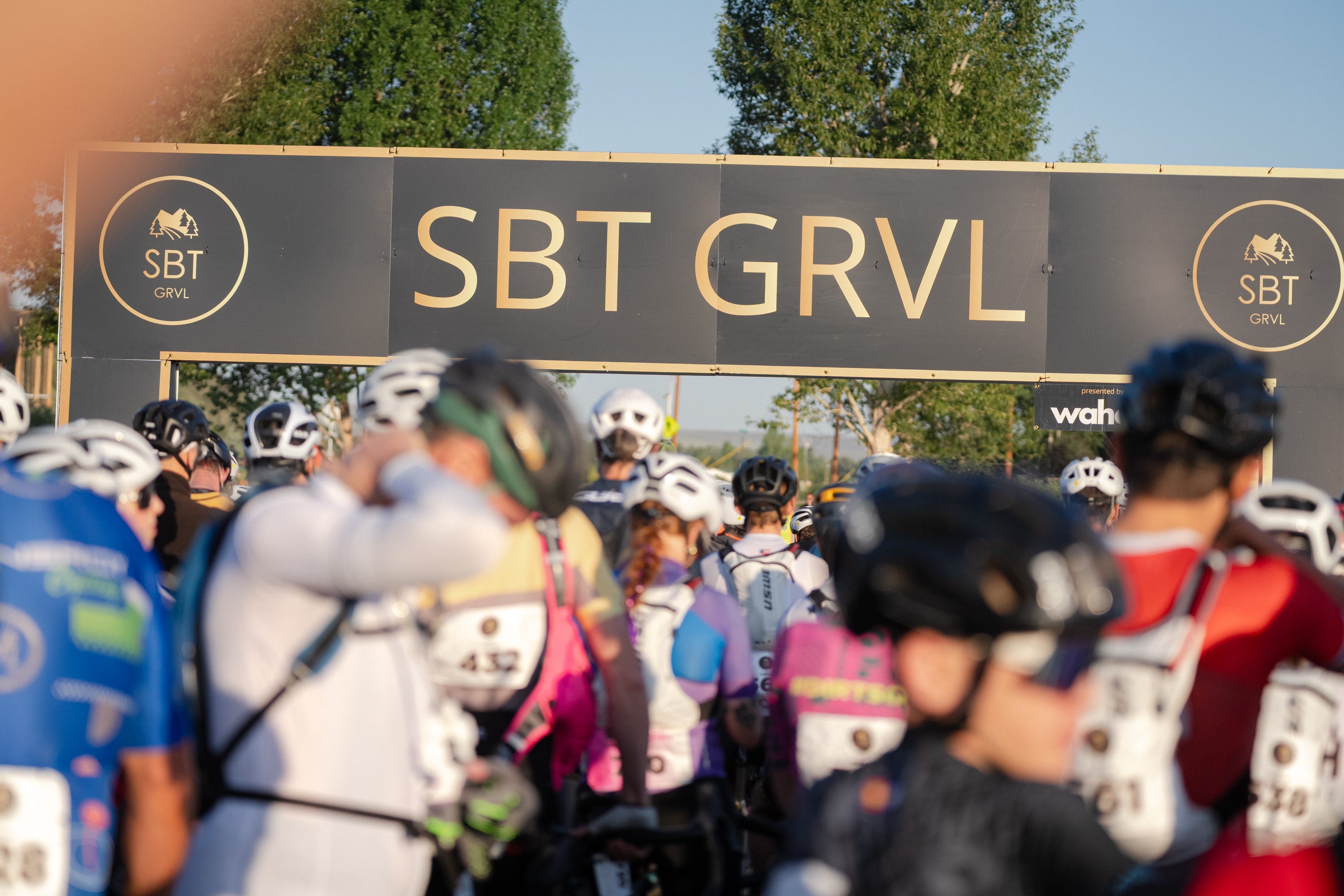
For the remainder of this piece, I will be running an abbreviated SWOT analysis, covering the strengths and weaknesses of both race series and the threats and opportunities associated with expanding their business models to include a bike touring operation.
*The GRVL event series does advertise GRVL Travel, which is the exact business model that I am pitching here. Transparently, I never knew about this venture and after talking with sources familiar with the series’ operations, it seems like this product is sporadically offered and not consistent year to year.
Both series have strengths and weaknesses
While both series have strong branding and operating structures for gravel racing, certain attributes will help and hurt their ability to launch secondary bike touring businesses.
Gravel Earth Strengths
Event location diversity will allow the series to tackle several geographic markets and offer a network of experiences operated by locals at each destination.
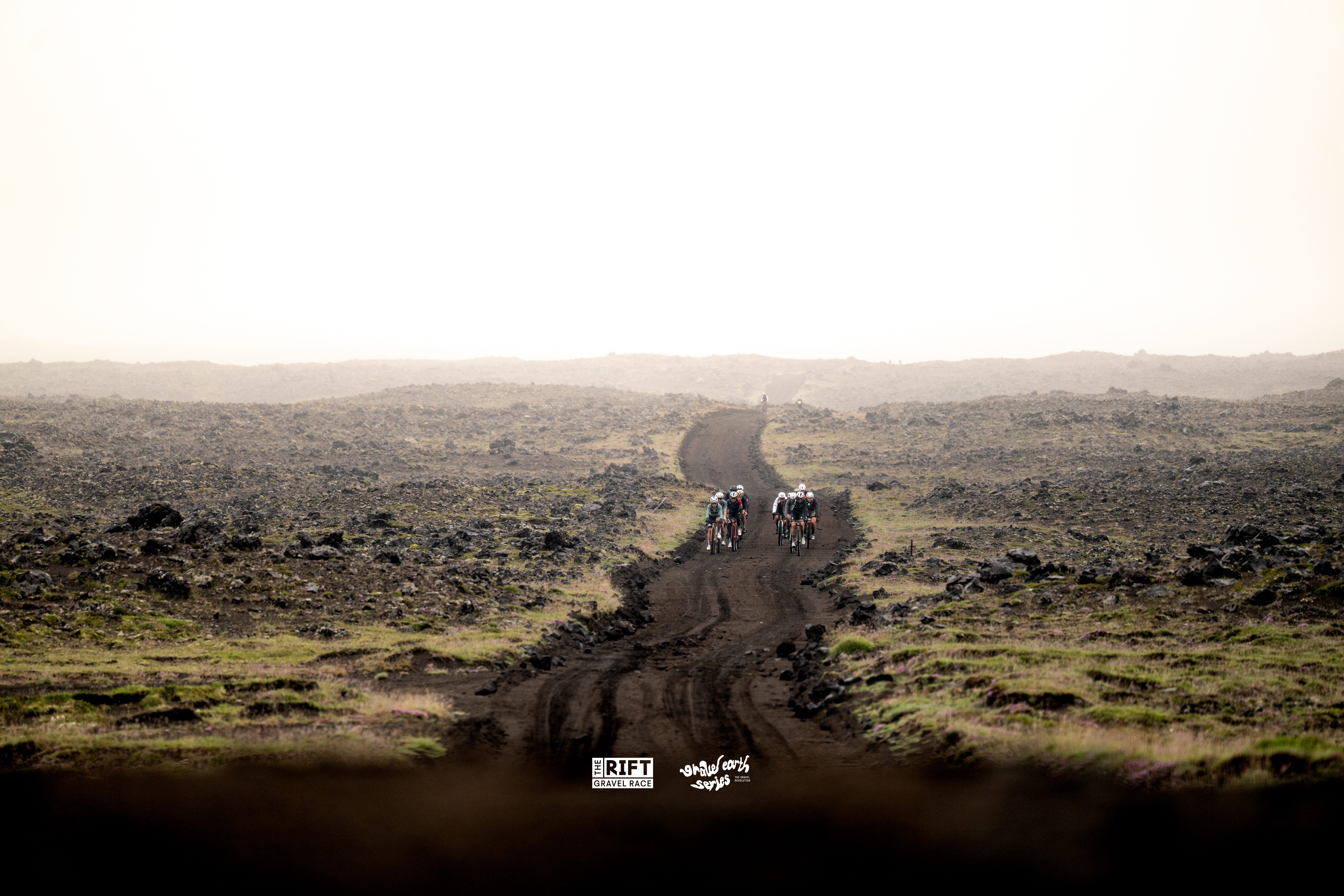
Strong brand recognition with broad reach. Gravel Earth Series is known for marquee stage races like Oregon Trail and Migration Gravel, which are essentially fully catered bike tours with a racing component. Consumers can reasonably expect that any bike tour organized through Gravel Earth Series partners will be a premium experience.
Decentralized organizational structure. While the series oversees high level strategy, race logistics remain with individual organizers. Gravel Earth essentially functions as a marketing platform, collecting commission from organizers who pay to be included in the series. The same model would translate naturally to a bike touring business.
Gravel Earth Weaknesses
The series is known for physically demanding races across a wide range of road and off-road surfaces. This could deter more casual cyclists who might assume tour routes would be equally as challenging.
The highly managed race experience means individual organizers carry significant logistics costs, tying up capital that could otherwise be directed toward launching a touring business.
GRVL Strengths
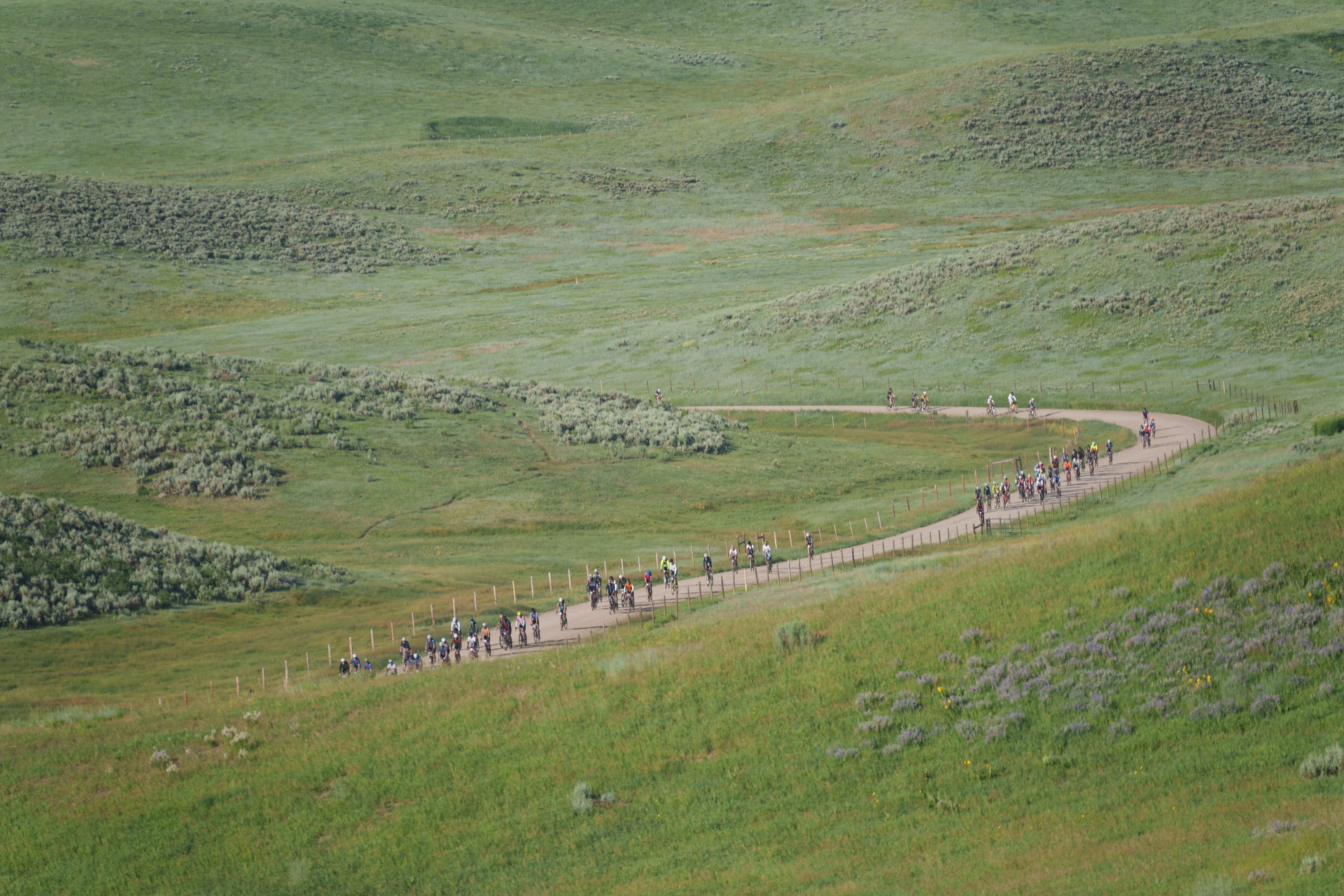
GRVL events are famously inclusive. Courses offer distances for every skill level and the atmosphere is curated around the average rider, with activations and community events built into race week.
GRVL events have a strong reputation among both racers and amateurs for exceptional event execution.
Their events are approachable to new cyclists and can be as performance oriented as an individual desires.
GRVL Weaknesses
With only three races on the calendar, opportunities to build a touring business around existing organizers with proven track records are limited.
The opportunities and threats presented by a new business model
Opportunities
When thinking purely about the business model, adding bike touring to an existing race series presents a few significant opportunities to grow revenue.
A touring business would extend the earning window and operating season for organizers. Rather than relying on a handful of days per year to generate revenue, brands could expand that timeframe to weeks or even months.
Customer bases would grow beyond riders who are primarily interested in racing. This expansion would reach across age groups, genders, and ability levels, opening the door to a much broader audience.
With the right staff in place to run the touring operation day to day, this could become a largely self-sustaining revenue stream that reports up to existing race organizers without disrupting the core business.
Threats
In many ways, the threats associated with launching a new business model mirror the opportunities that come with it.
Cannibalization is a real consideration. Once consumers are presented with more options, it becomes possible that fewer people sign up for the main race events associated with each series, ultimately hurting both business models in the long run.
If sufficient staff cannot be hired to run the touring operation, the added complexity could begin to affect the primary business, leading to inefficient use of resources and improper scaling.
What it could look like in practice
Gravel Earth
To execute effectively, Gravel Earth will need to lean into their strengths while also combating preconceived notions about their brand. The rollout of a touring business would be gradual, starting with traditional markets in Europe to build operational experience before expanding into markets like Africa. With four races in Spain and one in Italy, the series has a strong foundation in the European market, which also has an underdeveloped off-road touring scene.
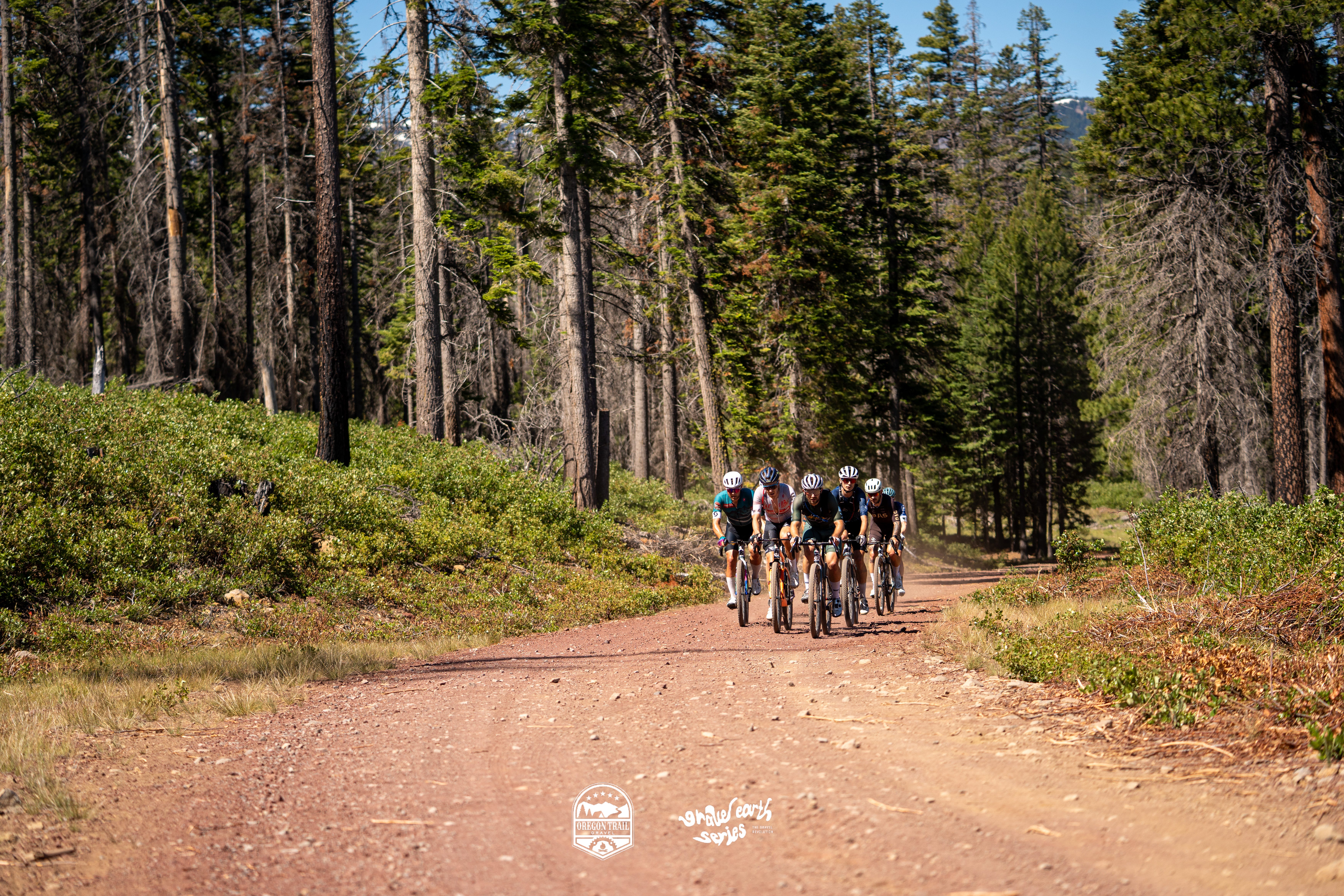
If they can pull market share away from traditional touring companies without cannibalizing their core business, it would be a strong signal that the expansion is viable. Gravel Earth would also need to reposition their image in the touring space as a brand that can support shorter, less demanding experiences at a more accessible price point.
Once initial success is proven, expanding into high growth markets like Africa, New Zealand, and Eastern Europe would be the natural next step. If they scale as quickly as their race series has, they would have a real shot at becoming a market leader in off-road touring.
GRVL
Given that the GRVL event series has already experimented with travel experiences in the past, I see two paths forward. Either the brand determines that a touring business is not a viable model for them, in which case they should double down on race events and expand their calendar, or they fully commit and launch three touring operations that correspond to each event in the series.
If the latter is the right path, a measured approach could serve them well, much like it would for Gravel Earth Series. With three races on the calendar, each organizer should consider offering a limited number of touring experiences in the early years to refine operations before scaling. This creates room for experimentation and iteration, minimizing cannibalization while ensuring the brand maintains its reputation for best in class event execution.

A space to watch
Barring negative macroeconomic trends and the impacts of climate change, ecotourism will continue to rise, and with it, the popularity of exploring outdoor spaces on two wheels. Since its inception, the bike touring industry has been predominantly focused on road riding in European markets, but the data points to a growing demand for off-road options in emerging markets around the world.
Breaking into one of these markets as a brand new touring company would be difficult without an established name behind the business to earn consumer trust. For these reasons, popular off-road race series are uniquely positioned to expand their earning potential with a business model that already plays to their existing strengths. If they can manage cannibalization risks and scale efficiently, race series have a real opportunity to evolve into true adventure platforms.
Ride and rip,
Kyle Dawes
Europe might have the edge with Right to Roam-laws, what I understand USA has some issues with closed roads etc.....