


Cycling media has always been one of the central themes of my weekly pieces and an area I have explored on multiple levels. From arguing that cycling needs the right kind of storytelling to gain mainstream popularity to examining how the media ecosystem surrounding events like the Tour de France could be better utilized, my focus has largely centered on WorldTour cycling and making the pinnacle of the sport more popular in the United States.
While those forms of media ultimately reach the largest audiences, they do not directly impact the domestic events at the center of American cycling’s growth, like gravel races, road events, and national championships. These are the events engaging communities on the ground and driving real participation gains for the sport.
The way these events reach new and existing cyclists has changed significantly over the last decade. In a simplified breakdown, 2016 to 2020 saw events grow primarily through community engagement and word of mouth. Over the last five or six years that has shifted heavily toward social media. While the largest domestic series like the Life Time Grand Prix now have fully built out live broadcasts, many events are still driving meaningful participation growth with relatively limited resources.
Smart social media strategy has become a proven growth driver for grassroots events that lack the financial and production resources of the major series. How a race presents itself on social media, especially during race weekend, can significantly affect how it is perceived, discovered, and shared. Those factors have a direct impact on pro and amateur attendance the following year.
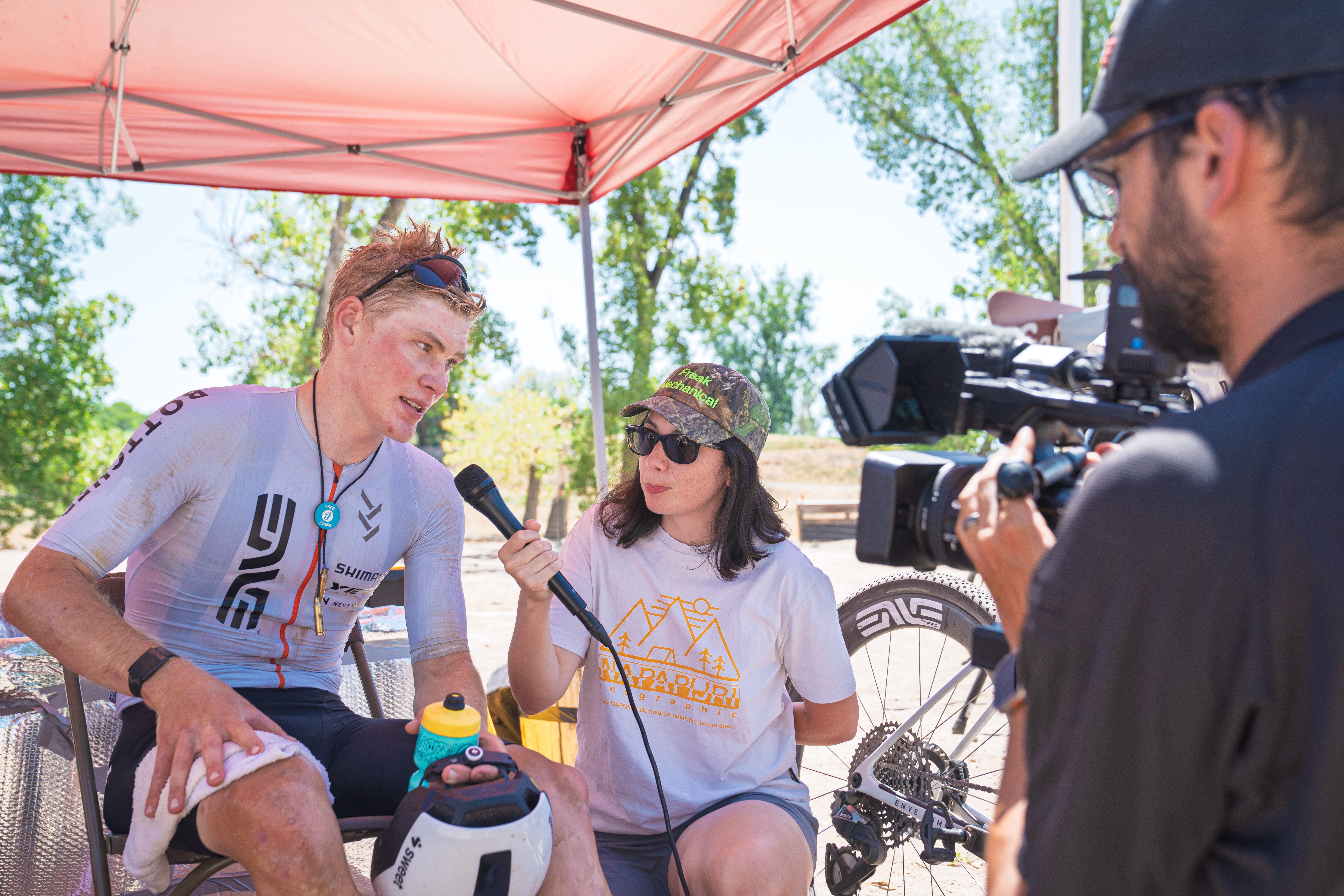
In this piece we will look at how social media can be leveraged at different levels of domestic racing to drive reach and participation. To do that I spoke with previous Built on Bikes guest Leni Carrillo, creator of Holy Spirit of Gravel. From meme page admin to a genuine culture driver within American cycling, Leni has collaborated with and helped grow the social reach of events including Traka 360, FoCo Fondo, Core 4, and Valley of Tears. My hope is that this conversation provides insights and strategies that can help grassroots races of all sizes get more out of their social media presence.
The three tiers of domestic events
Before discussing specific strategies, it is worth acknowledging that every event is different. A strategy that works for a truly grassroots race will look very different from one designed for a race with existing brand capital and an established social media presence. After speaking with Leni, we landed on three broad categories that most grassroots events fall into:
Full Production Events: races with dedicated media teams, extensive social media presence, and live broadcasting capabilities.
Established Social Media Events: races with multiple years of consistent social media presence during race weekend, reliable live race coverage, and a recognizable portrayal of the event atmosphere across platforms like Instagram.
Developing Social Media Events: races with smaller or less defined social media strategies that are not yet maximizing their reach on race weekend.
Moving from a Full Production Event to an Established Social Media Event takes years of consistency and resource accumulation. But moving from Developing to Established is achievable with more modest investment and the right strategy. That is where this piece is most useful. Leni has worked with events across all three tiers and has become a valuable resource for races making that transition. Here is what she has learned.
Leni’s experience with helping races
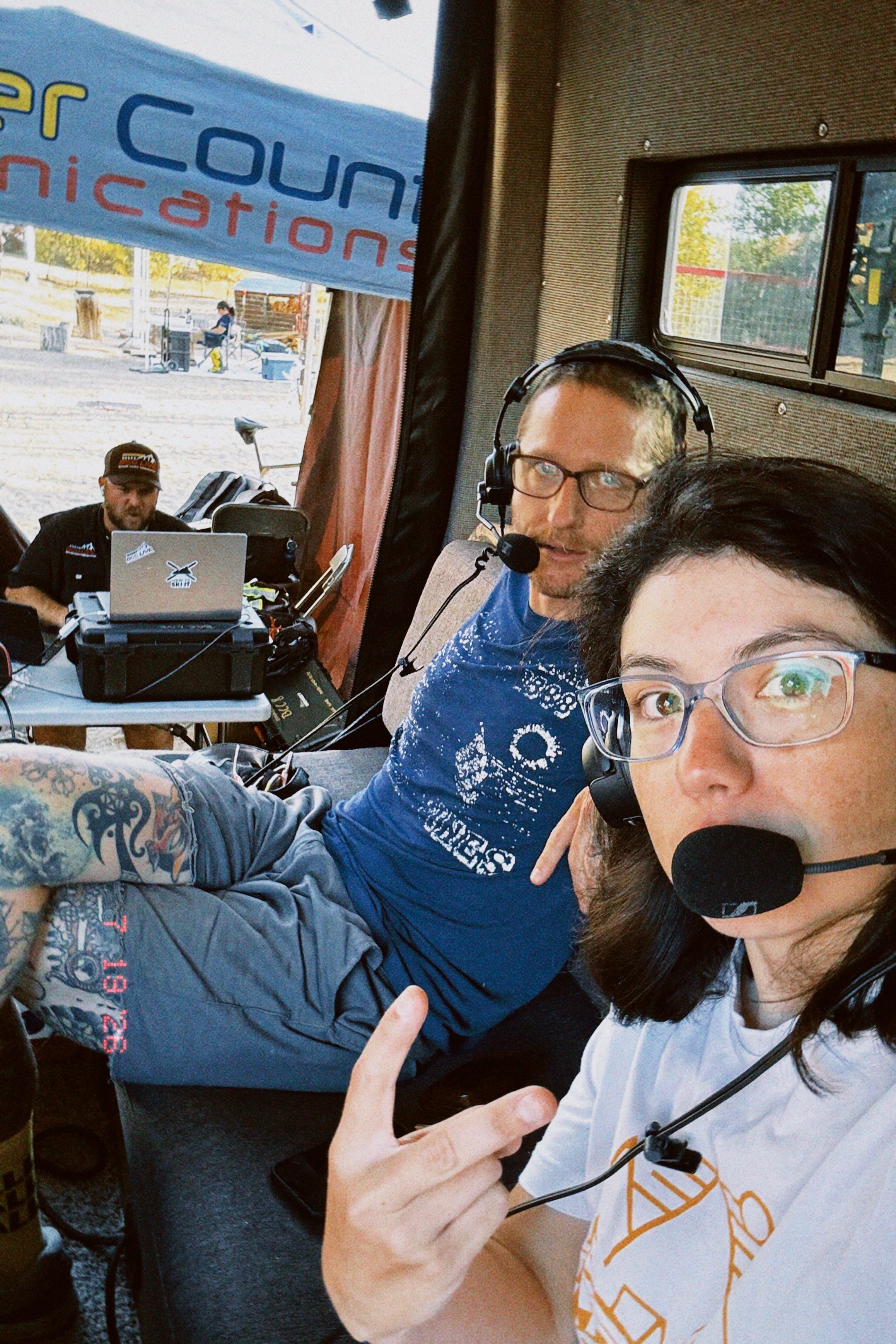
Leni’s involvement with race media has taken several forms over the last year, including live race commentary, running event social media accounts, and promoting events through her own Instagram page. The reason I consider her perspective on media strategy so valuable is that she is the one directly shaping what the viewing experience looks and feels like across each medium. I asked her what level of instruction she typically receives from race organizers.
“As far as what I was instructed to do, honestly, all the instructions have been the same. They’ve been, do your thing, talk about the race, we trust you. I’ve been very lucky. The actual task has looked different, but the instructions have all been the same.”
That consistency is not a coincidence. It reflects organizers recognizing Leni’s intuitive understanding of culture and fan experience within off-road cycling. It is the same reason I interviewed her almost a year ago, but this time I wanted to understand how that cultural instinct translates into tangible growth for the events she works with. There were five key factors that Leni outlined:
Visibility
Emphasis on storytelling
Cohesive event presentation
The power of simplicity
Commercial value
Visibility makes or breaks social perception
I want to be clear that none of this is meant as criticism of race organizers. Running an event is an incredibly complex undertaking and one of the most admirable things someone can do within the endurance community. Whether gaps in social media coverage come down to limited staffing, resource constraints, or simply competing priorities on race weekend, no organizer is doing anything wrong. The hope is that more conversation around an event’s media presentation might encourage organizers to experiment with new approaches to social media that ultimately help their events grow.
The impact of inconsistent social media coverage is real. There have been events where a year ago I felt completely dialed in on everything happening in real time, and this year I did not even realize the race had taken place until it was over. That is an anecdotal observation, but Leni shared the same sentiment, both that no organizer is to blame and on the importance of consistent visibility.
“I was like, why did I know so much more about some races last year than I did this year? I think it was because last year some of these events had their own people out there filming clips in an edited way, tagging pros, putting context and literal text into the Instagram stories, and putting it all out there. That went a long way in building a visual storytelling element for some events that felt like it was kind of missing this year.”
The reality in the United States is that most cycling events do not have the brand recognition or audience size to guarantee that fans will actively seek out race content, even if they already know when and where the event is happening. The burden falls on organizers to make their event’s presence and happenings known.
Storytelling beats play-by-play commentary
If we are being honest about off-road events, especially gravel races, the racing itself is not as dynamic or immediately thrilling as road racing. Events are longer, fields are more strung out, team tactics play a smaller role, and courses tend to be flatter and less visually varied. None of those traits lend themselves to traditional race coverage, and even dedicated fans of the discipline can find it hard to stay locked in for hours at a time.
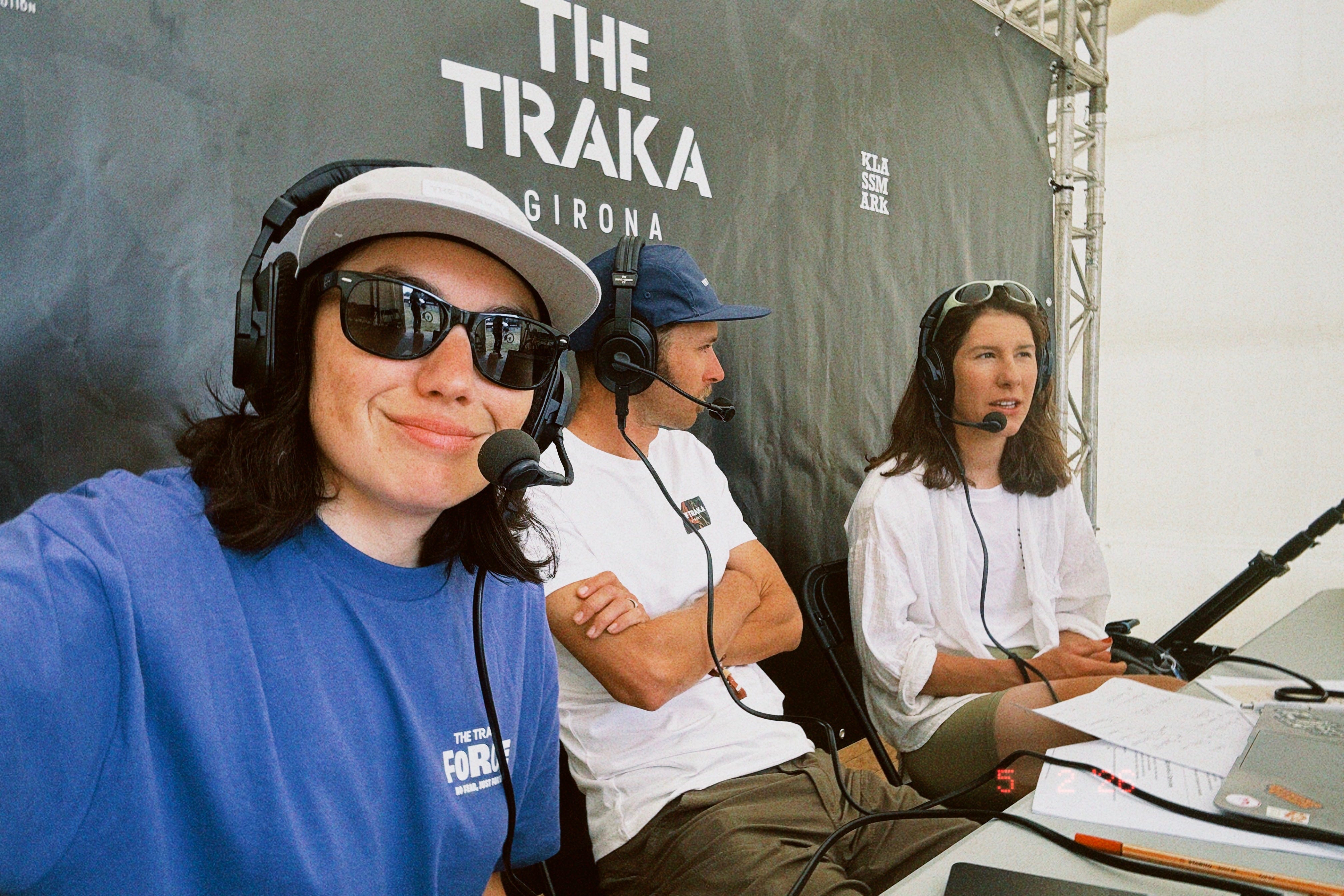
Leni has provided official race commentary for some of gravel’s biggest events including Traka 360 and FoCo Fondo, and she is clear that most people tuning into a race live stream or following updates on social media are not looking for the kind of play-by-play commentary you would hear at a WorldTour race.
“I’m always sort of coming into it with the mindset of, I’m not gonna call it like a road race, because I don’t think that serves the sport to do that. Giving the vibes-driven type commentary is what I call it. I want to describe the vibes to people that aren’t there, and I want to highlight the athletes. I’ll look at a registration and learn who’s there and learn about people that I don’t know. I want to highlight the racers and tell little anecdotes, little stories that people can attach to, and then they can build out a narrative.”
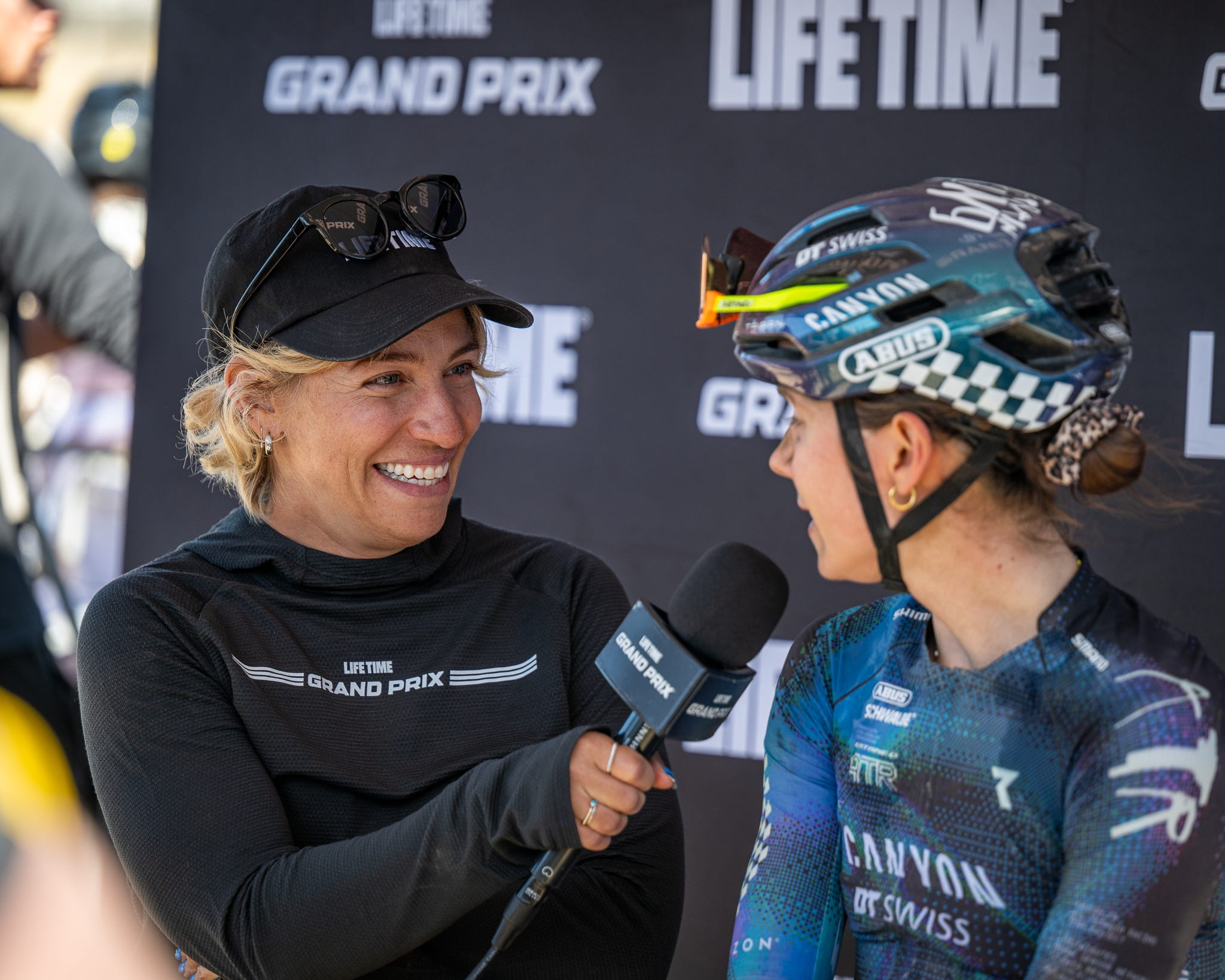
As someone who has sat through seven hour gravel livestreams, I am not tuning in for commentary on why one rider has been solo for the past two hours. I am there for deeper context and narrative. Whether it is Sarah Sturm offering insider knowledge during Life Time Grand Prix streams or Leni building storylines around riders at Traka 360, that is the content that actually holds a viewing audience.
Providing cohesive content
For races that want to present well on social media, especially those using it to provide live race updates, the way posts and stories are structured and ordered matters more than most organizers realize. If a race is happening and the event’s Instagram story is forty slides long, alternating between festival activities, on-course race updates, and announcements, the people most likely to follow the race storylines will lose the thread quickly.
This is an area where Leni has seen relatively small changes make a significant difference in how an event is perceived. She was direct about the impact of cohesive social media posting.
“You have to have a cohesive vision. If you’re just reposting other people’s stories, after a certain point race coverage and identity can get lost. It doesn’t have to come from an influencer and you don’t have to have a bunch of pros racing, but if you just have someone on your team capturing the vibes and putting text that explains what’s going on, people will get the idea much faster. Structured storytelling goes a long way toward standing out on social media.”
That sentiment reflects the broader shift toward professionalism and genuine fandom in American cycling.
“The game is getting stepped up so much that people’s expectations are rising for everything. It’s not good enough now to just repost a bunch of other people’s stories. There’s so much going on, there’s so much to watch. There are big races out there with a bunch of pros, but they don’t have a live stream, and more than that, they don’t have a cohesive Instagram strategy. I think that ultimately hurts the event.”
Not every race can bring in someone like Leni to overhaul their social media presence, so I asked her what she focuses on when an organizer hands her control of an event account during race weekend. She came back to scalability and ease of consumption.
“I think Instagram stories are a scalable way to post, because if I’m out on course I can get a live report, and then later I can upload the unedited version as a reel. That works in a way that the live stream doesn’t.”
The value of that approach became clear at a race where Leni was not even officially hired to provide coverage.
“I was posting Instagram stories of pros going by, naming them, and putting up footage tagging people, and I had people messaging me saying this race hadn’t posted anything yet. Other people were like, we hadn’t seen anything from the women’s field all day, thank you.”
Grassroots organizers should embrace simplicity
As we just saw, the balance between social media coverage’s impact and the cost and effort required to produce it weighs heavily in favor of the resource-constrained organizer. That is why Leni believes some of gravel’s most beloved events can remain in the spotlight without live stream coverage. For the average gravel fan, easily consumable social media is often a better fit than hours of live coverage anyway.
“There’s a very specific type of person that watches the live stream. Those are the people like us that are absolutely obsessed. The large majority of people that pay attention to gravel mainly get their race insights from just viewing Instagram stories and that’s the best way for them to consume it.”
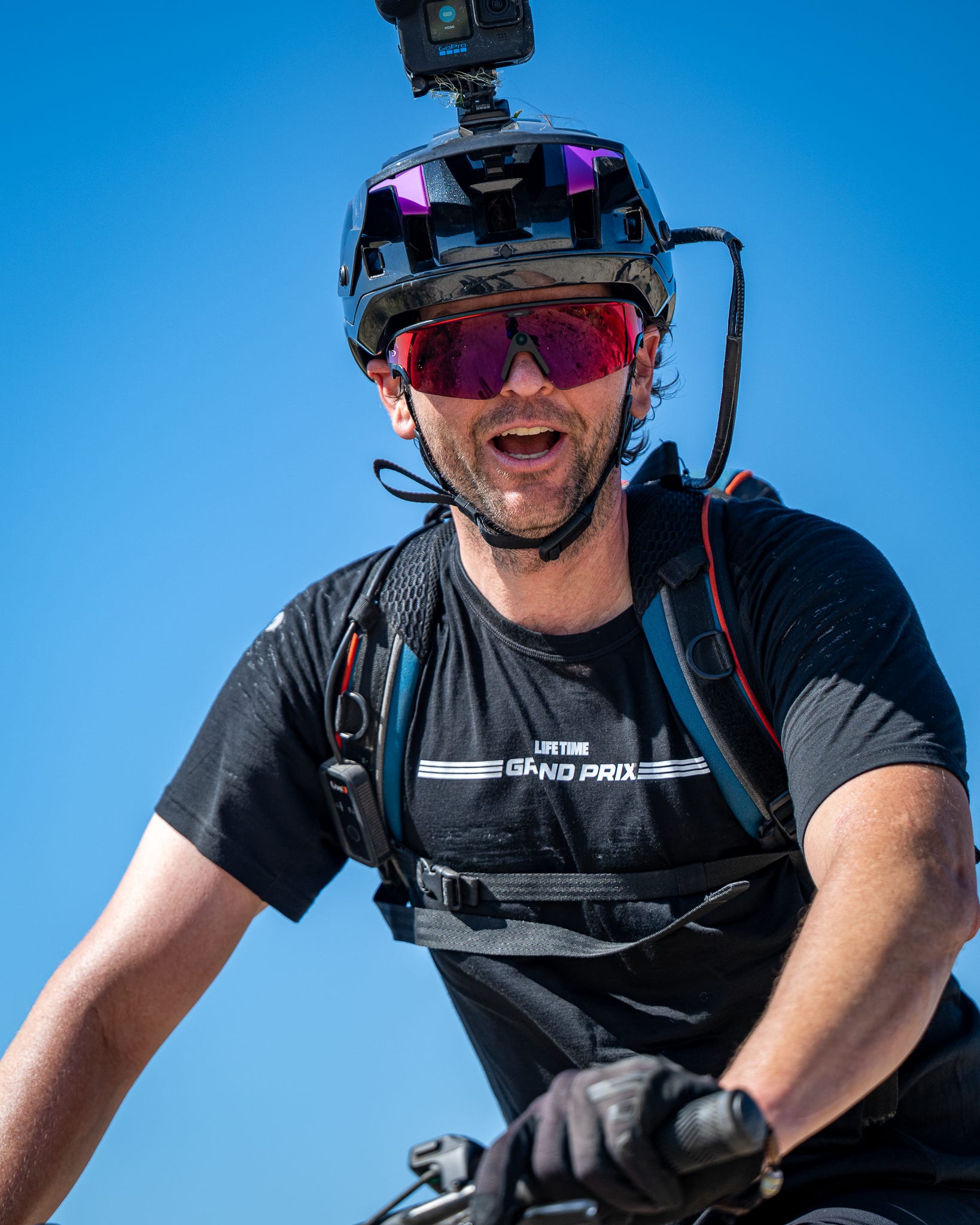
While commentating at FoCo Fondo, Leni saw firsthand how simplicity at any production level can translate into a genuinely good viewing experience. FoCo Fondo wanted to provide live stream coverage but did not have the resources to scale production to the size and complexity of a Life Time Grand Prix event. Rather than overreaching, they executed at a level they knew they could do well. Leni thought it offers a useful model for smaller events to consider.
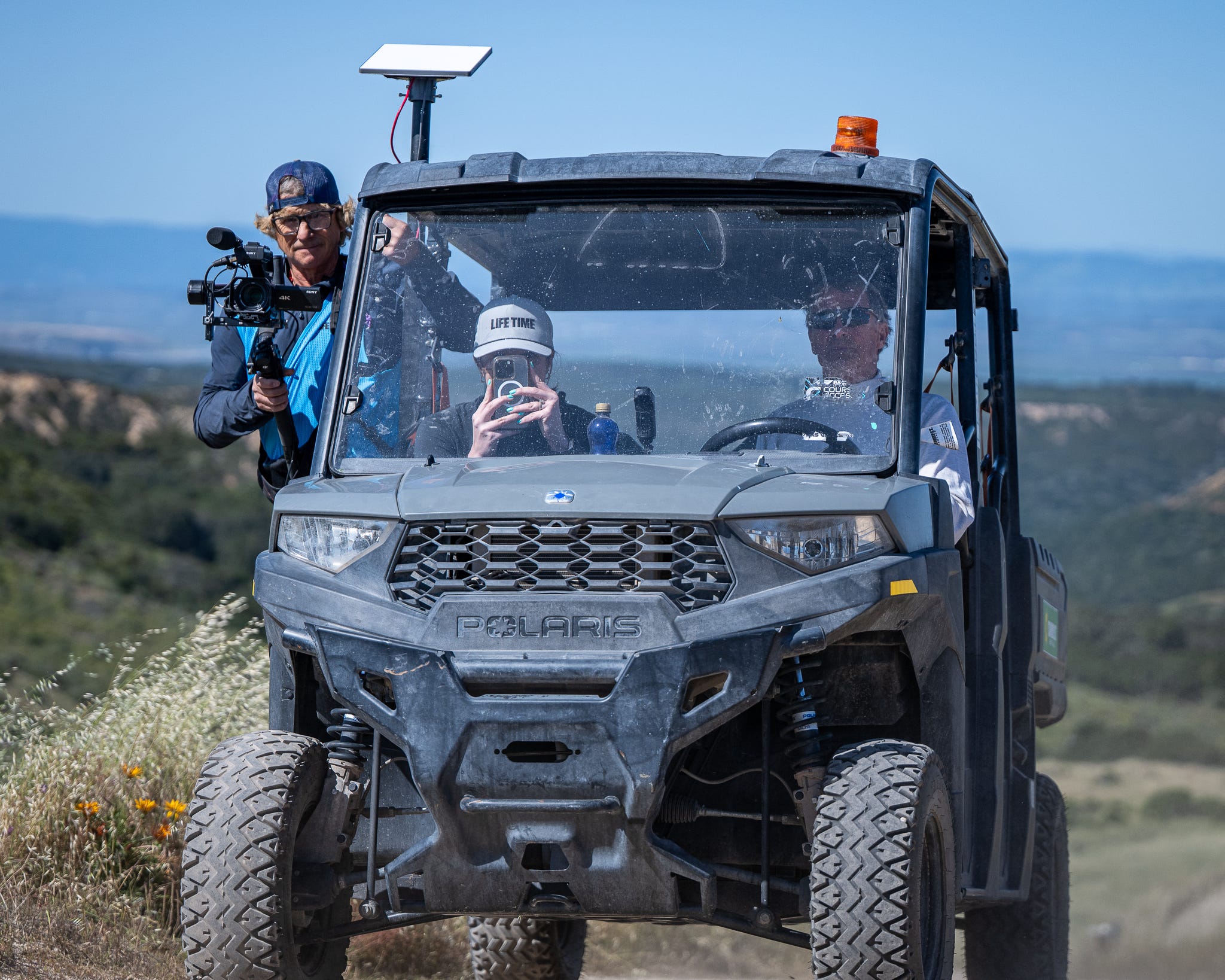
“Unless you know a live production can be done well, it doesn’t have to be super complicated. At FoCo Fondo we just had three cameras and I think it felt pretty sufficient. Production doesn’t have to be complicated, and if it looks janky at all, just do the Instagram coverage. You can just have someone driving on the course that knows it really well, and then have the phone operator that knows the racers and knows what a gravel race dynamic is.”
Provide commercial value wherever possible
The last practical social media strategy is a simple one and centers on sponsor relationships and opportunities. Race organizers will always acknowledge their sponsors, but they may not be maximizing the value they deliver to those partners during race coverage. The good news is that the most effective approach is subtle and does not come across as advertising at all. While commentating at Traka 360, Leni took questions from the livestream chat as an opportunity to highlight smaller brands that benefit most from organic media exposure.
“Someone asked, what bike does that athlete ride? So I just rattled off everything she rides, and I pointed out that she uses a Wove saddle, which I also use. Guava Bikes, this small brand out of Girona, one of their guys was there, and I was like, shout out Guava Bikes out of Girona, they’re really cool. Both brands were super happy. They texted me and were like, thank you for mentioning it. It goes to show how impactful small things can be.”
American events, embrace the KISS method!
This piece was intentionally straightforward, and I think that is a good metaphor for how we should approach the pursuit of growth for cycling in the United States. The KISS method, Keep It Simple, Stupid, rings true in most of my endeavors. Whenever I reach a state of analysis paralysis it is time to take a step back and find the most direct path from A to B.
If I were an event organizer I would take the same approach. If the goal is full live stream coverage, diverting resources away from core operations in the early years is probably not the most effective path to get there. Investing in social media first and building an engaged audience costs far less and could pay dividends when the time comes to make the jump to live production. Get people engaged early, perfect your operations, let the algorithm do its thing, and the transition to live streaming becomes a lot smoother. That is essentially what Leni described happening organically.
“I found a gravel live stream I didn’t know about before. It was on my front page and I just started watching it. I think as gravel and its content ecosystem grows, the stream will show up on someone’s front page and people will start watching it that way. But I still think it starts on Instagram.”
I have written a lot about the scrappiness required to grow cycling in the United States, and events are another area where creativity and resourcefulness can pave the way forward.
Organizers, this is another easy way to level-up your event

My hope is that this piece finds its way to event organizers who could benefit from Leni’s experience. I would also be remiss not to highlight a product that genuinely simplifies the organization of an endurance event from start to finish. Movemint is a community-forward event platform that is reshaping how organizers put on events. Since writing about their product last year, the Movemint team has consistently shown up as true knowledge partners for both Leni and myself.
Whether you are an organizer looking to simplify your operations, an athlete searching for your next event, or a brand looking to partner with races, Movemint should be the first resource you think of.
In other news
The hype is real!
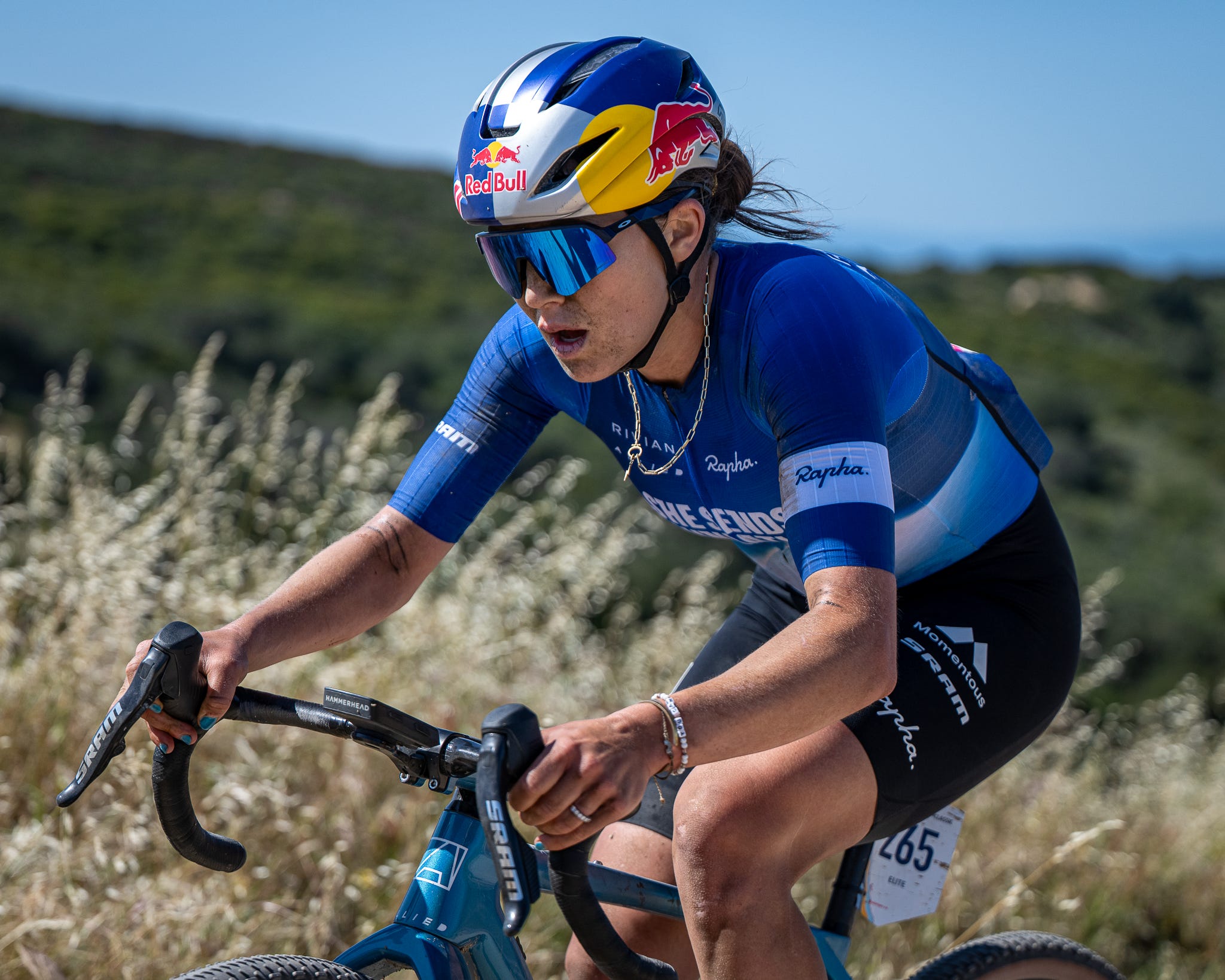
I swear I follow a wide range of athletes in cycling, but I have to continue what have become seemingly biweekly updates on Kate Courtney. People like Andrew Vontz and myself have been on the speculative hype train from day one, saying Kate has her eyes on Olympic gold on the road, and her recent announcement that she is joining the WorldTour all but confirms it, and her ability to actually do it.
Kate did not just sign with a WorldTour team. She signed with the WorldTour team, FDJ-Suez. Kate will be racing and developing alongside some of the best women in cycling including Demi Vollering, Elise Chabbey, and Franziska Koch. WorldTour teams like FDJ do not sign an athlete just for the initial marketing splash. They clearly see the world class talent Kate possesses, and that is a testament to both Kate and USA Cycling for their efforts in helping get her there.
Garmin acquires Training Peaks
Speaking of blockbuster deals, Garmin just acquired TrainingPeaks and appears to be making a serious statement in doing so. Strava recently sued Garmin over heatmap features, a lawsuit widely seen as a loose end Strava needed to tie up before their inevitable IPO. TrainingPeaks has been innovating rapidly since the rise of AI in training, and Garmin could be embarking on a significant new venture to integrate high performance training with activity tracking.
My thoughts? It is far too early to speculate on how this plays out, but I would not underestimate Garmin and TrainingPeaks’ ability to build a world class platform. I also would not underestimate the brand recognition, social awareness, and product adoption that Strava has built over the years. If Garmin does make that leap, will Strava’s moat be enough to hold off a serious new competitor? My hunch is that it will, and that Strava maintains its supremacy, but time will tell.
Ride and rip,
Kyle Dawes
