


Trusting a feeling
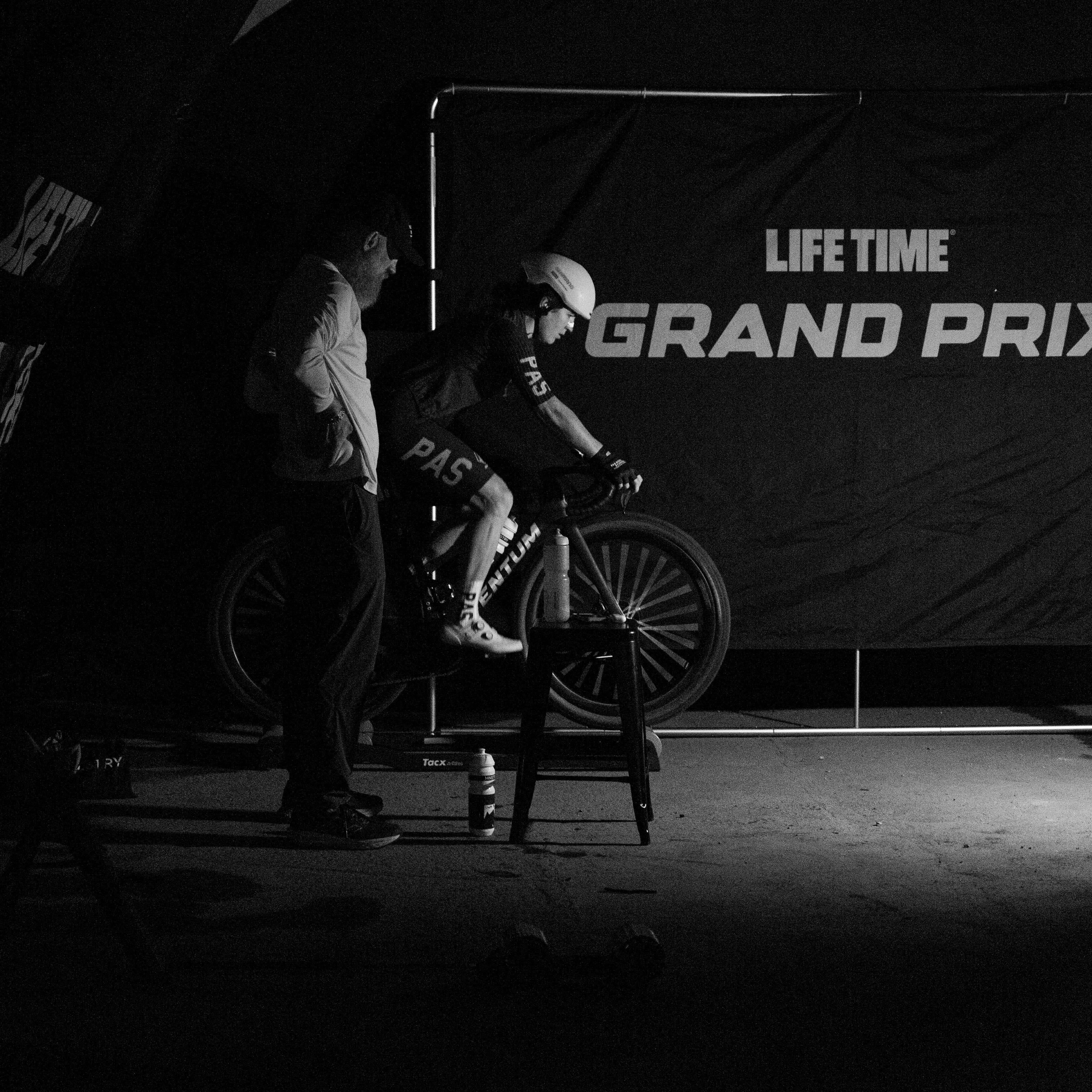
Last weekend I traveled to Bentonville, Arkansas to attend the final race of the Life Time Grand Prix, the Big Sugar Classic. When I started Built on Bikes, I never imagined I’d be flying across the country to cover a gravel race, let alone doing it with an official media pass.
Since launching this newsletter, every month seems to bring one new connection or conversation that opens unexpected doors. About a month ago, I found myself wondering how I could keep that momentum going. Attending Big Sugar popped into my head, and I couldn’t shake the idea of being at the last major cycling industry event of the year.
Two weeks before the race, I pulled some strings, secured a media pass, booked the cheapest flights I could find, and grabbed a last-minute place to stay. I landed in Bentonville knowing only a handful of people, most of whom I’d spoken to once for previous stories, and with no set plan for how I’d make the trip worth it. I was chasing stories, connections, and community, not fully realizing I’d end up finding all of them.
There’s plenty more to unpack from the weekend that will show up in future editions, but for now, I want to focus on the place that made it all possible. Bentonville is cycling-obsessed and a town that feels like it’s cracked the code on what can make certain U.S. cities cycling hubs.
But first… my experience in Bentonville
Before diving into the money and infrastructure that’s cementing Bentonville as a cycling capital, I want to share a bit about my experience visiting this low-key town in northwest Arkansas.
Turning a city into a cycling hotspot requires a lot of moving parts, but once the infrastructure is in place, the community does most of the work. They’re the ones who keep the momentum alive and bring a steady stream of new people into the sport. This was extremely evident in Bentonville.
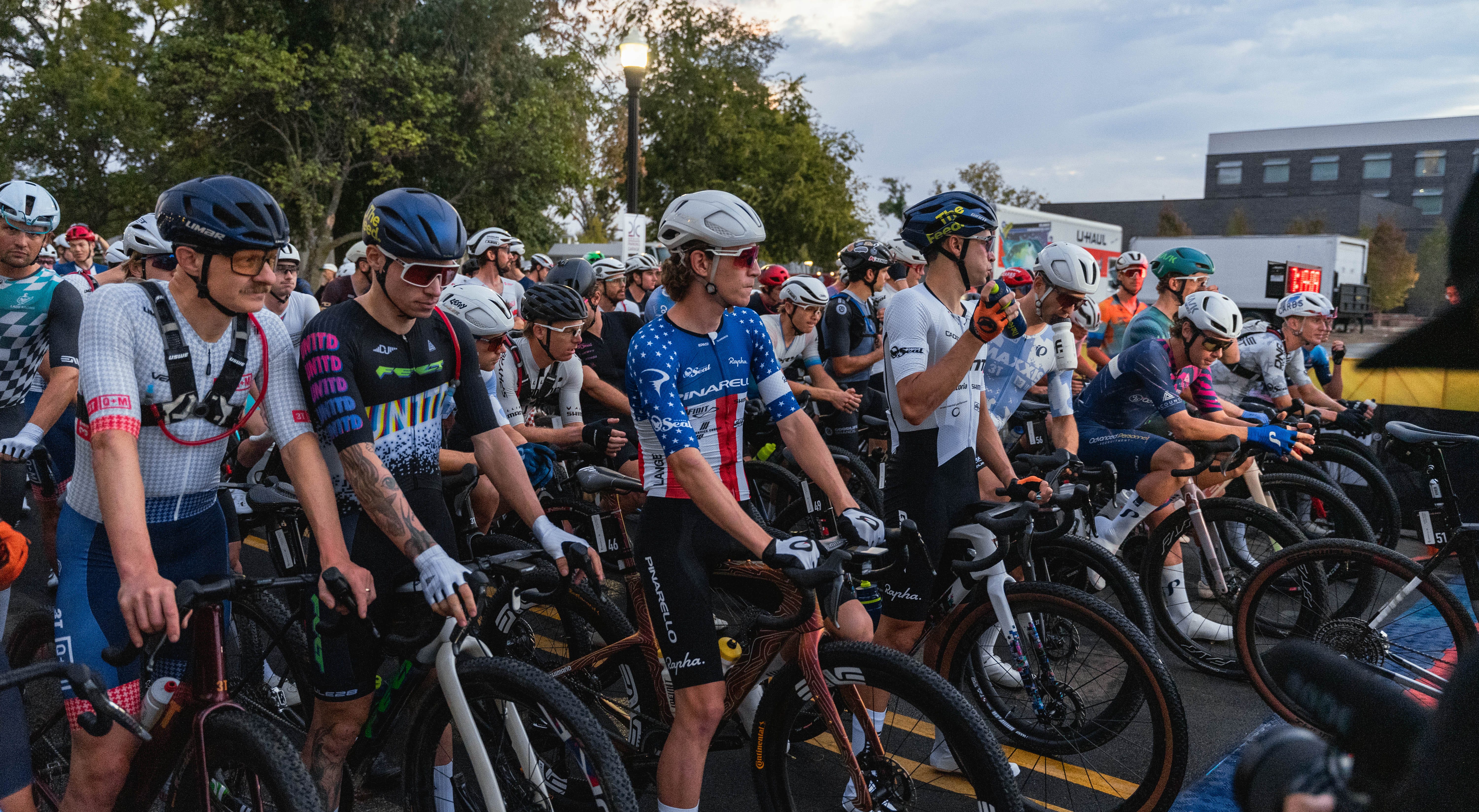
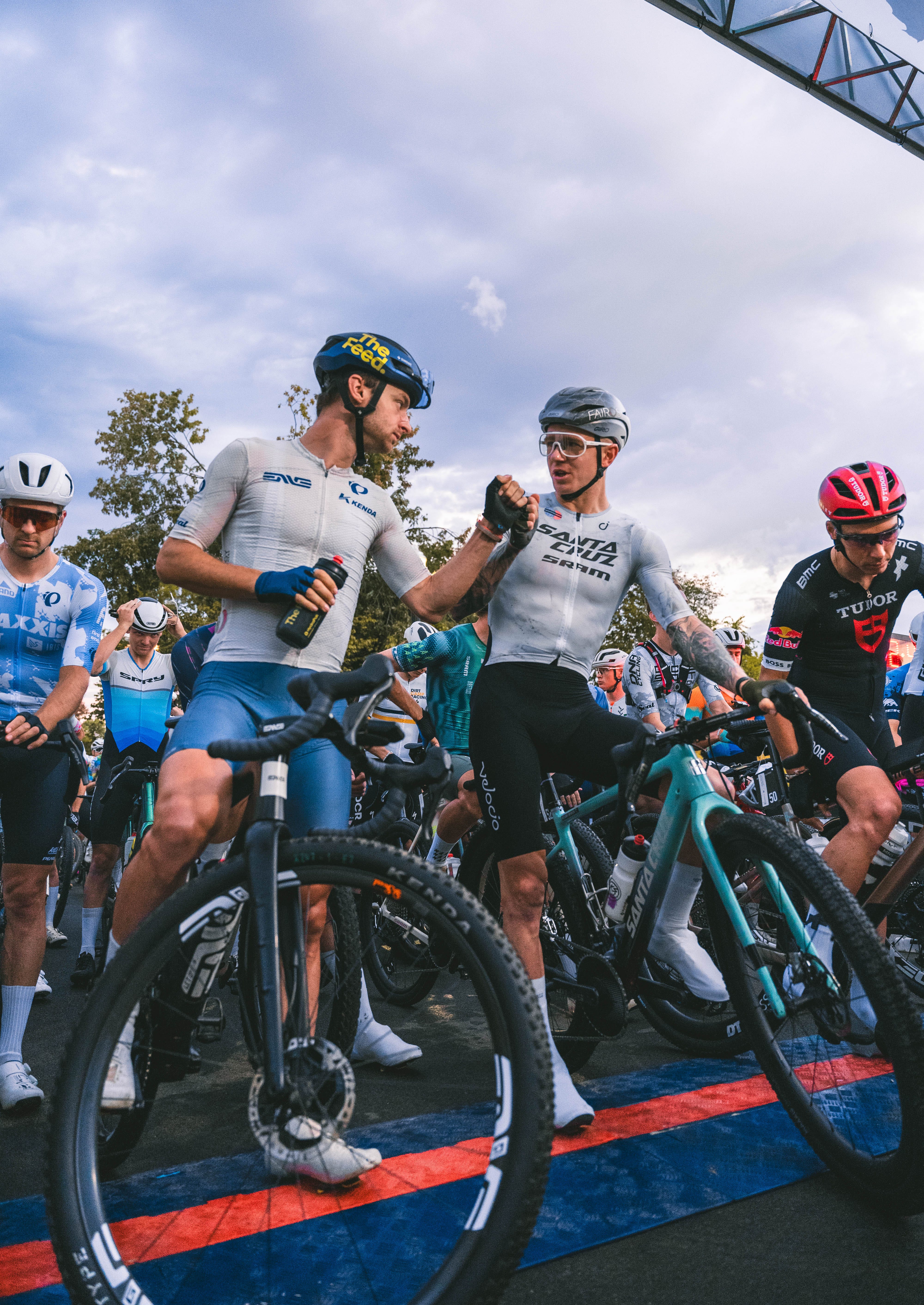
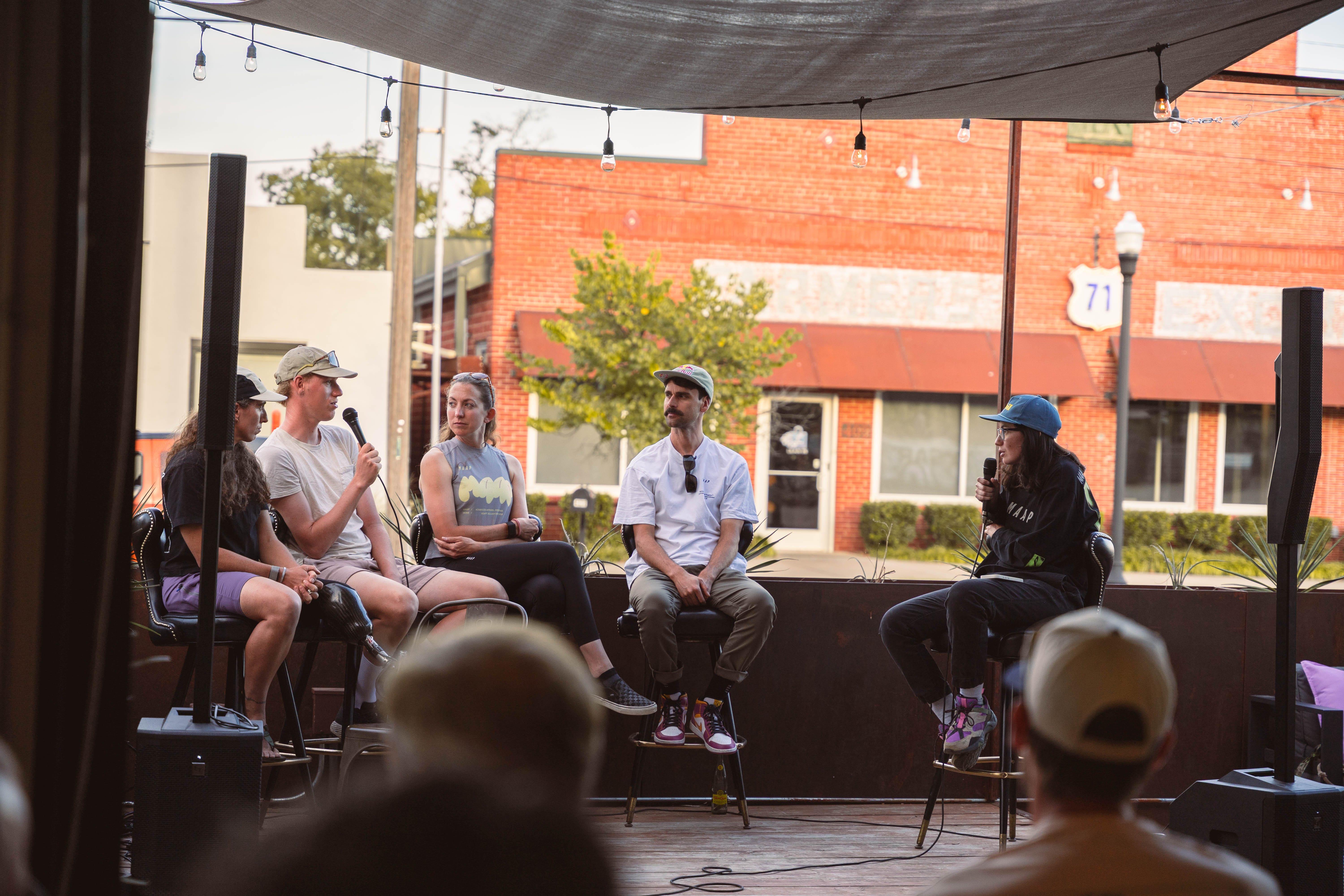
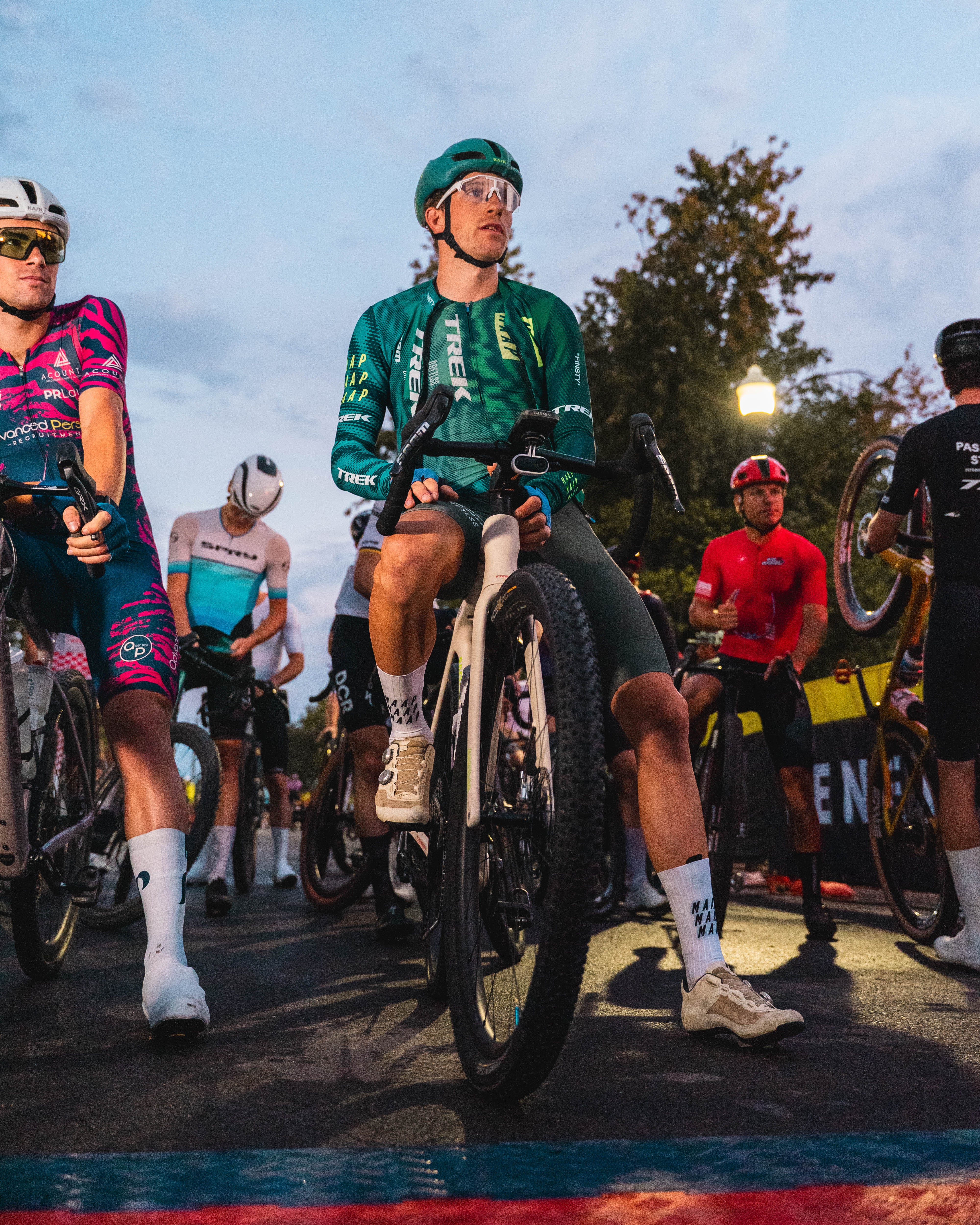
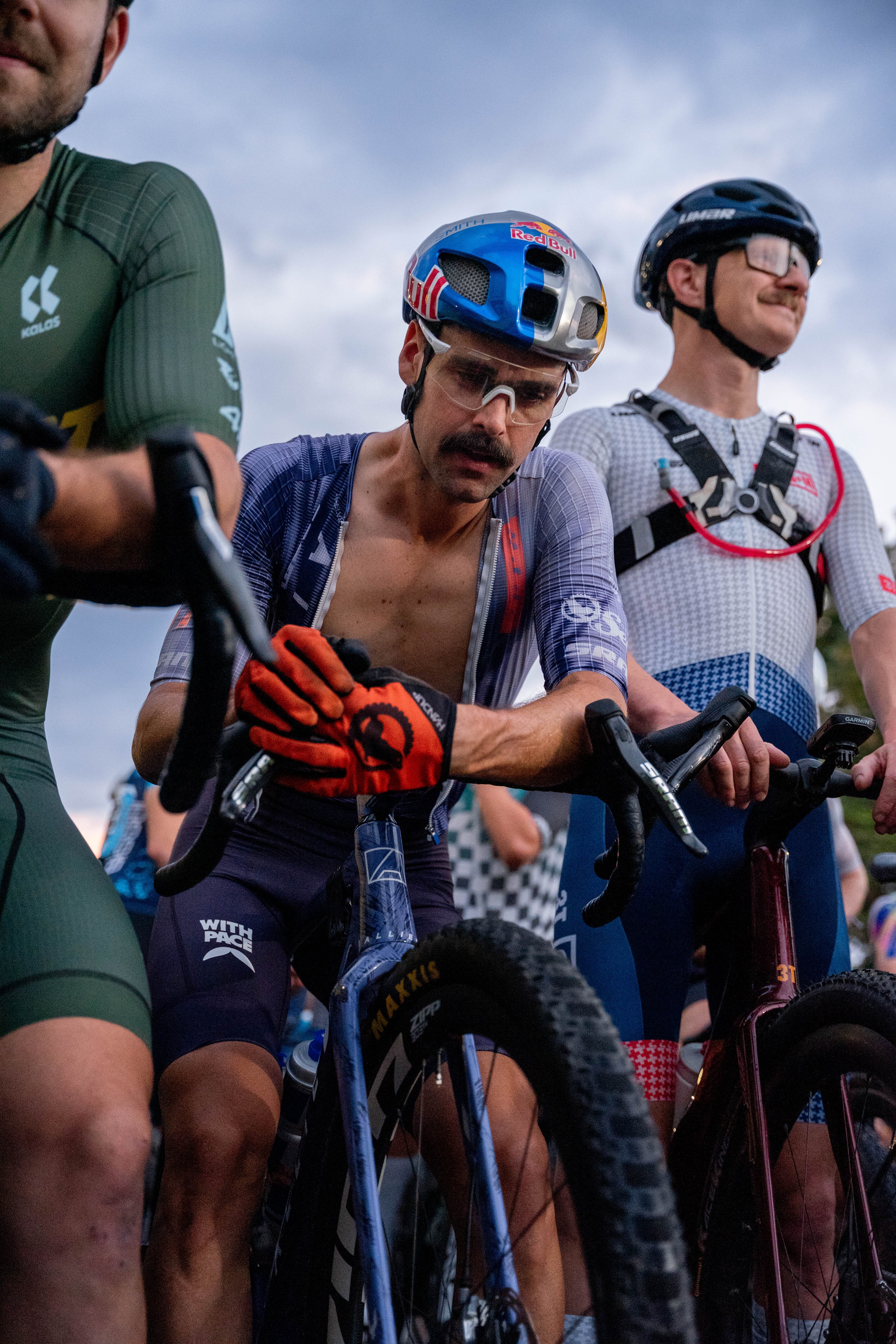
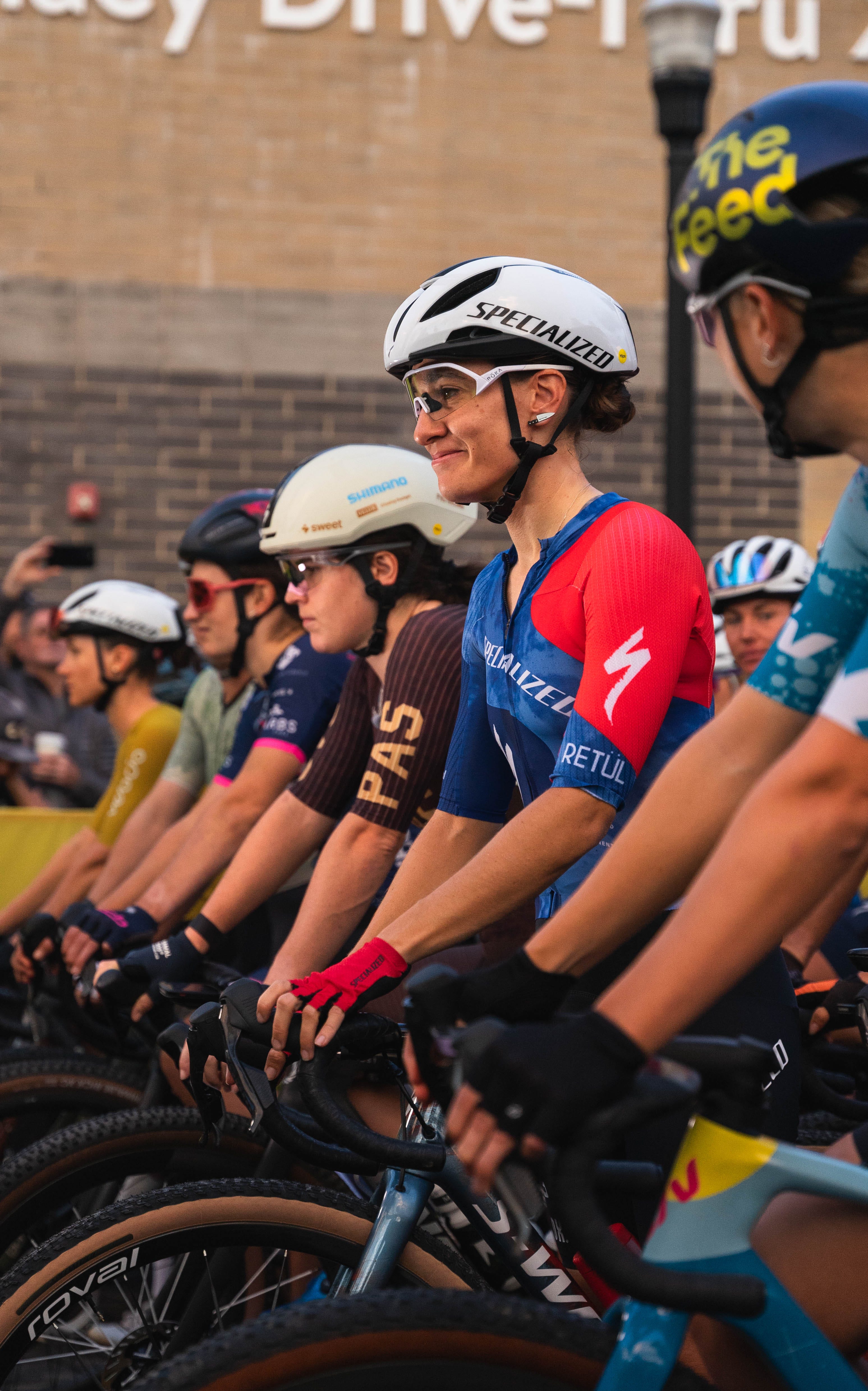
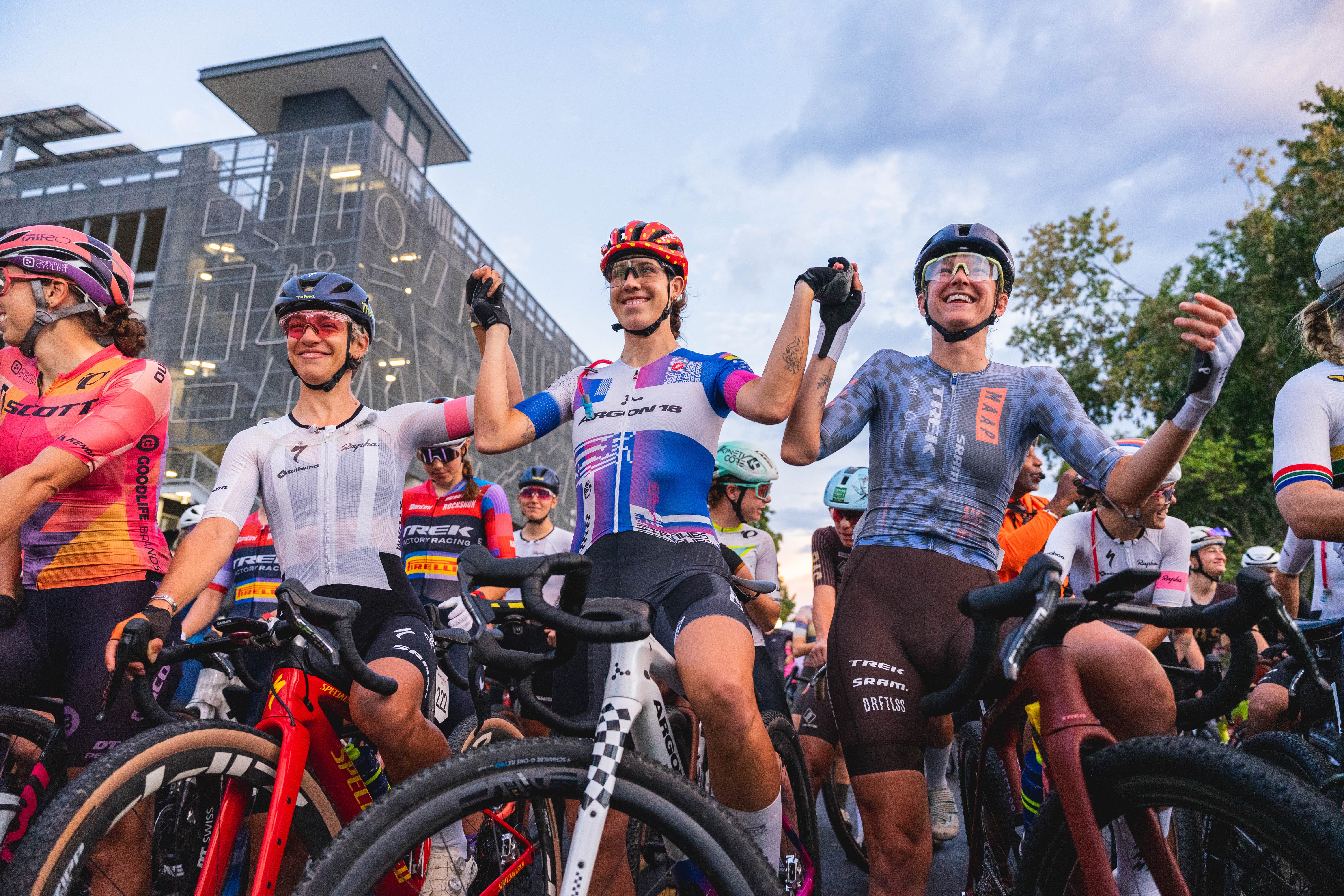
Whether it’s a mass participation race, an athlete panel at a local bar, an industry expo, or a full-blown gravel rave (yes, that’s a thing at Big Sugar), off-road cycling in the U.S. connects with fans unlike any other sport I’ve seen. Over 100 pro riders line up for Big Sugar, and with pre-race activities happening right in downtown Bentonville, you can’t walk far without bumping into a pro or stumbling upon a unique cycling experience.

If we’re being candid, most professional off-road cyclists aren’t making millions. That means there’s far less ego or status attached to the title. Beyond being a representative for their sponsors, these athletes understand how important the mass participant rider or off-road fan is to making their job possible, so it’s rare to find a pro who won’t stop to chat with you on the street.
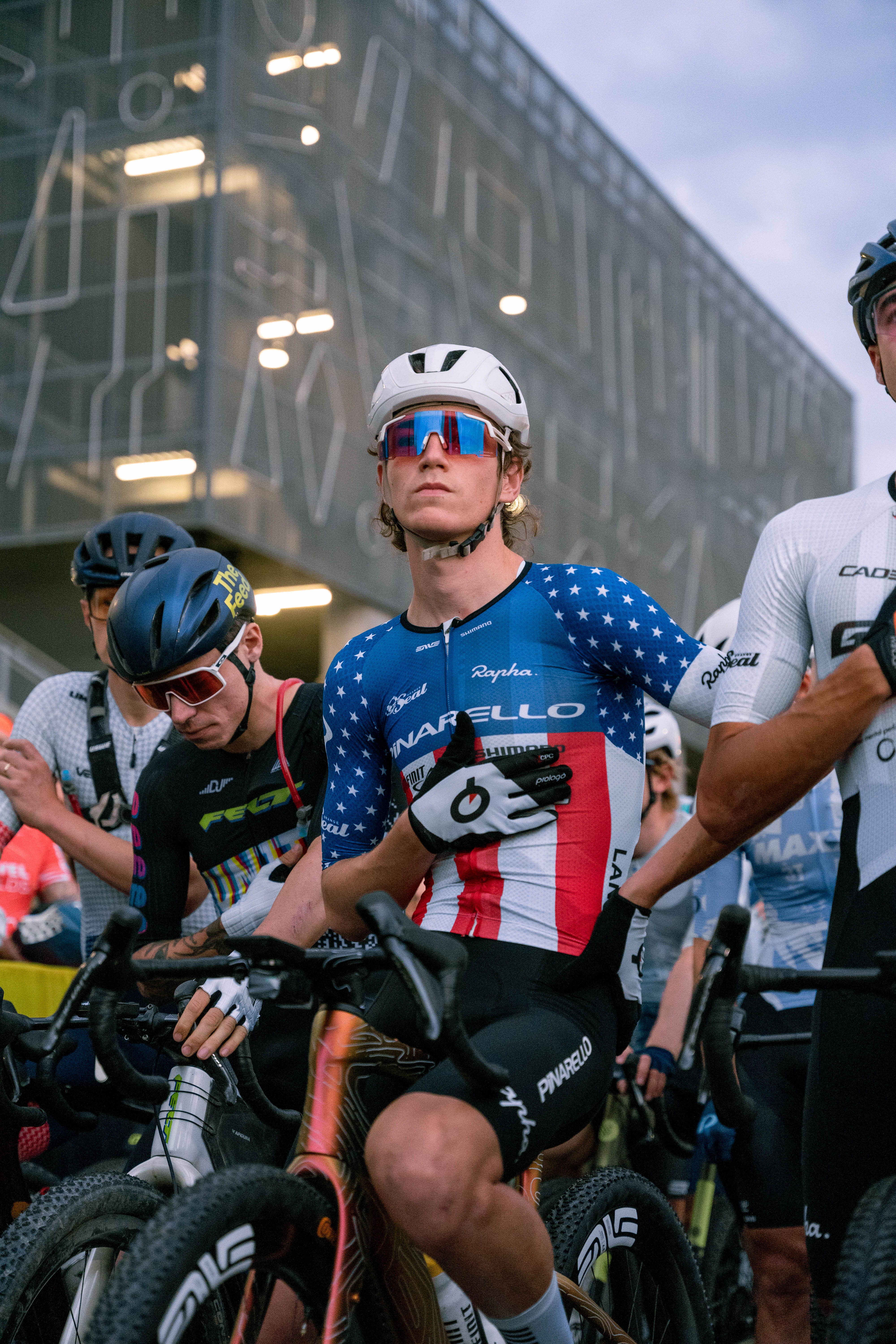
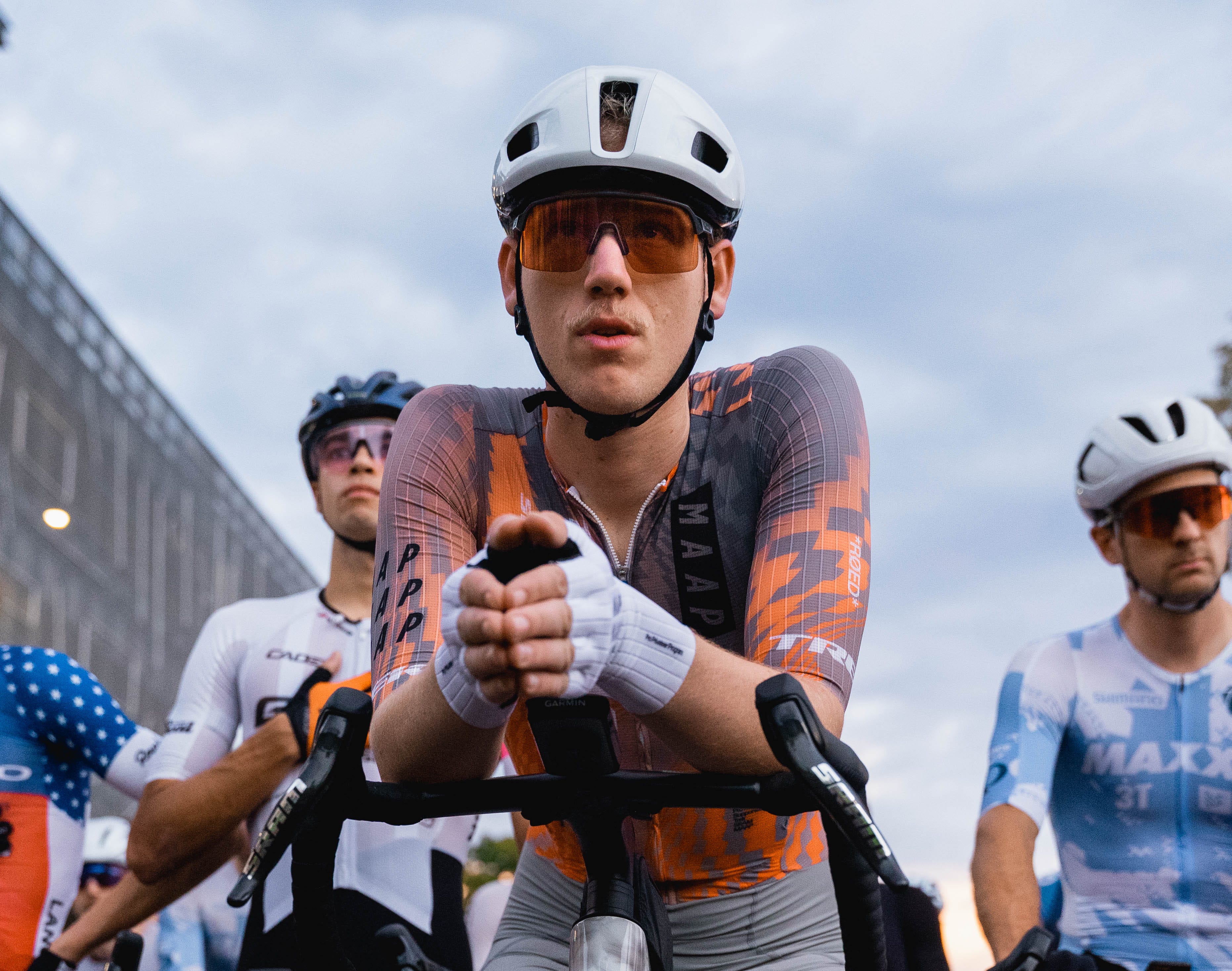
Come race day, the pros’ influence was on full display as kids were lining the starting stretch of road in awe of all the cool bikes, colorful kits, and sheer speed on two wheels. Needless to say, I’m sure their parents are now being bombarded with pleas for a bike.
The warm attitude went beyond the pros and was something I observed everywhere I went. Whether it was a bike themed bar, cafe, or restaurant there was someone with a bike there. Everyone loves sharing their stories so it was easy to ask where someone was from, how they chose their bike setup, or just chat about the town.
No matter who you are, there was a place for you in the cycling community last weekend in Bentonville. That could be the single most important way of bringing cycling to more people.
My biggest takeaway
Bentonville doesn’t have to be an outlier. Other cities can learn from its success and become the next cycling-obsessed towns in the U.S. It will take investment, supportive legislation, strong infrastructure, and a bit of that unquantifiable X factor, but the model is absolutely scalable.
Bentonville’s rise in cycling
Today, Bentonville is home to the U.S. national mountain bike team, multiple races that attract thousands of participants, and more than 400 miles of trails. But how did this once-sleepy town transform from relative obscurity into one of America’s premier cycling destinations?
The process started roughly 20 years ago and has been multi-faceted. Money, government support, volunteers, and a growing population have all contributed to Bentonville’s rise as a cycling hub. But five major factors have been especially influential in bringing the town to where it is today:
Significant investment from the Walton family
Progressive legislation that prioritizes and incentivizes cycling and creates infrastructure
Hosting premier cycling events
Ideal geography for off-road cycling
The elephant in the room
Bentonville may not be on most people’s travel radar, but it’s home to one of the most powerful economic forces in the country: Walmart. Within Bentonville alone (population 61,000), Walmart employs over 15,000 people. The company’s presence also draws countless suppliers to relocate nearby for easier collaboration, bringing thousands of new residents to the region.
First and foremost, Bentonville has been and will always be the home of Walmart, and that’s the town’s X factor in becoming a cycling powerhouse. The architects behind the cycling transformation are Tom and Steuart Walton, grandsons of Walmart founder Sam Walton. Both are avid cyclists who have used their influence and resources to strategically invest in bike infrastructure.
Through the Walton Family Foundation and Runway Group (Tom’s real estate holding company), the brothers have invested more than $74 million into building and maintaining trails throughout the Bentonville area. Much of that funding has gone toward purchasing land and supporting OZ Trails, an organization responsible for developing and maintaining trails across Northwest Arkansas.
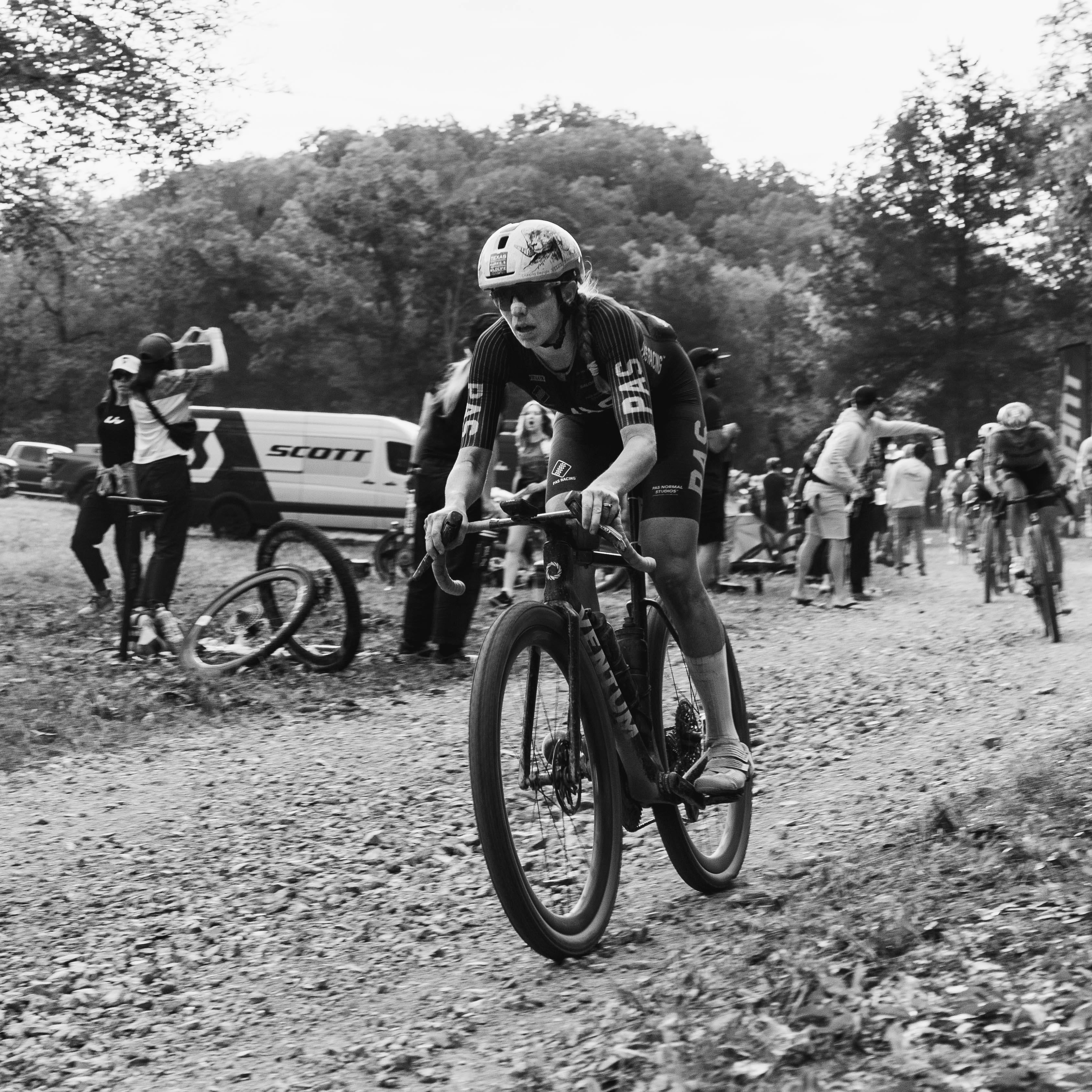
Beyond their personal love of cycling, these investments have been a strategic move for Walmart’s long-term success. Tom realized that attracting top talent to Bentonville required more than job opportunities, it required a lifestyle worth relocating for. When talking the the Northwest Arkansas Business journal, he put it like this:
“It started to kind of dawn on us [Tom and Steuart] that Bentonville needed to kind of up its game. We just thought that the community needed to become a magnet for talent. We really didn’t have much of a strategy for that other than trying to make Bentonville cool.”
The strategy has paid off in more ways than the Walton brothers could have ever imagined. Today, Bentonville is home to the U.S. National Mountain Bike Team, which trains on the same trails locals ride every day. I’d say that being home to current and future Olympians officially qualifies as pretty cool.
I certainly have my criticisms of corporate America. Walmart has long faced issues around mass wage inequity and social impact and will always be driven by profit. Its investments in cycling infrastructure are, in part, a strategic move to attract top talent to the region and maintain tax advantages tied to affordable corporate real estate.
That said, the Walton heirs stand out for how they’ve chosen to pursue those goals. They’re advancing their corporate interests through investments that genuinely benefit their community, a stark contrast to the many Fortune 100 companies that rarely invest in communities beyond providing jobs.
Investment beyond infrastructure
Tom and Steuart have also taken their passion for cycling beyond trails and infrastructure by investing directly in the cycling industry through their private equity firm, RZC Investments. The firm has backed notable cycling brands such as Wahoo Fitness and Bentonville-based Allied Cycle Works.
Their most famous — and now infamous — move was purchasing a majority stake in Rapha, the London-based premium cycling apparel brand. I dug into Rapha’s financials in a previous story, but in short, things have gone downhill since the Walton acquisition. Once valued at over £260 million, today, Rapha’s valuation has reportedly fallen to around £65 million, and its Bentonville office, along with all of it’s employees, has since been shuttered.
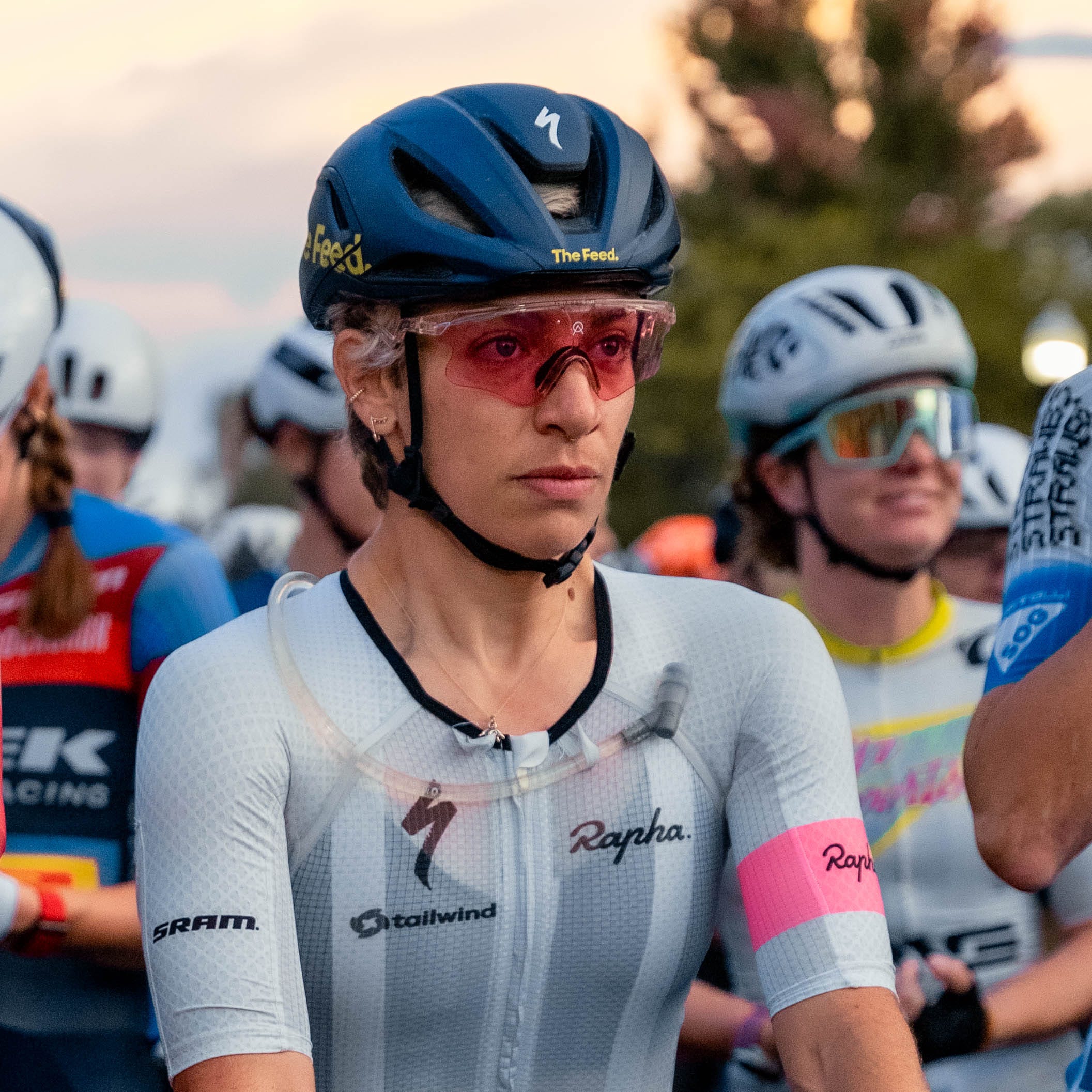
Among cyclists, the deal has drawn sharp criticism, with many arguing that the Waltons entered the industry on a whim and mismanaged one of the most beloved brands in cycling.
Whatever your take, these investments represent another layer of Bentonville’s deepening ties to the sport. By holding stakes in major cycling companies, the Waltons continue to draw industry attention to the town. Foreign brands like YT Industries have since followed suit, establishing a presence in Bentonville and further cementing its cycling identity.
Whether these ventures end up wildly successful or financial misfires, one thing is clear: the Waltons have embedded cycling into Bentonville’s DNA through sheer force of investment.
No room for unproductive politics
Usable bike infrastructure requires significant resources and presents plenty of legal challenges. Since most infrastructure is public, local governments must approve projects and see them through. So how has Bentonville and northwest Arkansas managed to move so quickly compared to other cities?
For one, the Waltons have considerable influence when it comes to local politics. Beyond that, Bentonville has implemented a set of progressive policies that actively encourage cycling. The most impactful legislation includes:
Liability protections for landowners
Rebate and relocation incentives
Common-sense riding laws
The cornerstone policy that makes Bentonville’s 400-mile trail network possible revolves around private land use and liability. Much of northwest Arkansas is privately owned, and under normal circumstances, landowners would be liable for injuries that occur on their property. To remove that barrier, the state introduced a law protecting landowners from liability for certain recreational activities, including cycling.
As long as the landowners don’t charge fees, act maliciously, or publicly advertise their property, they can open it for trail access without facing legal risk. This simple change has allowed towns across northwest Arkansas to stitch together a massive trail network that blends public and private land seamlessly.
Bentonville has also made it easier and more affordable to access cycling. The city’s e-bike rebate program offers $1,200–$1,600 to selected applicants purchasing new e-bikes, while the Northwest Arkansas Council provides $600 relocation grants for new residents to put toward a mountain bike.
Finally, Arkansas has even simplified the act of riding itself. The state adopted the Idaho Stop law, allowing cyclists to treat red lights as stop signs; it’s a small but meaningful change that improves safety and flow for riders across the region.
Combined, all these laws make cycling safer and more accessible to an entire community which results in wider bike adoption.
Perfect for the highest level of competition
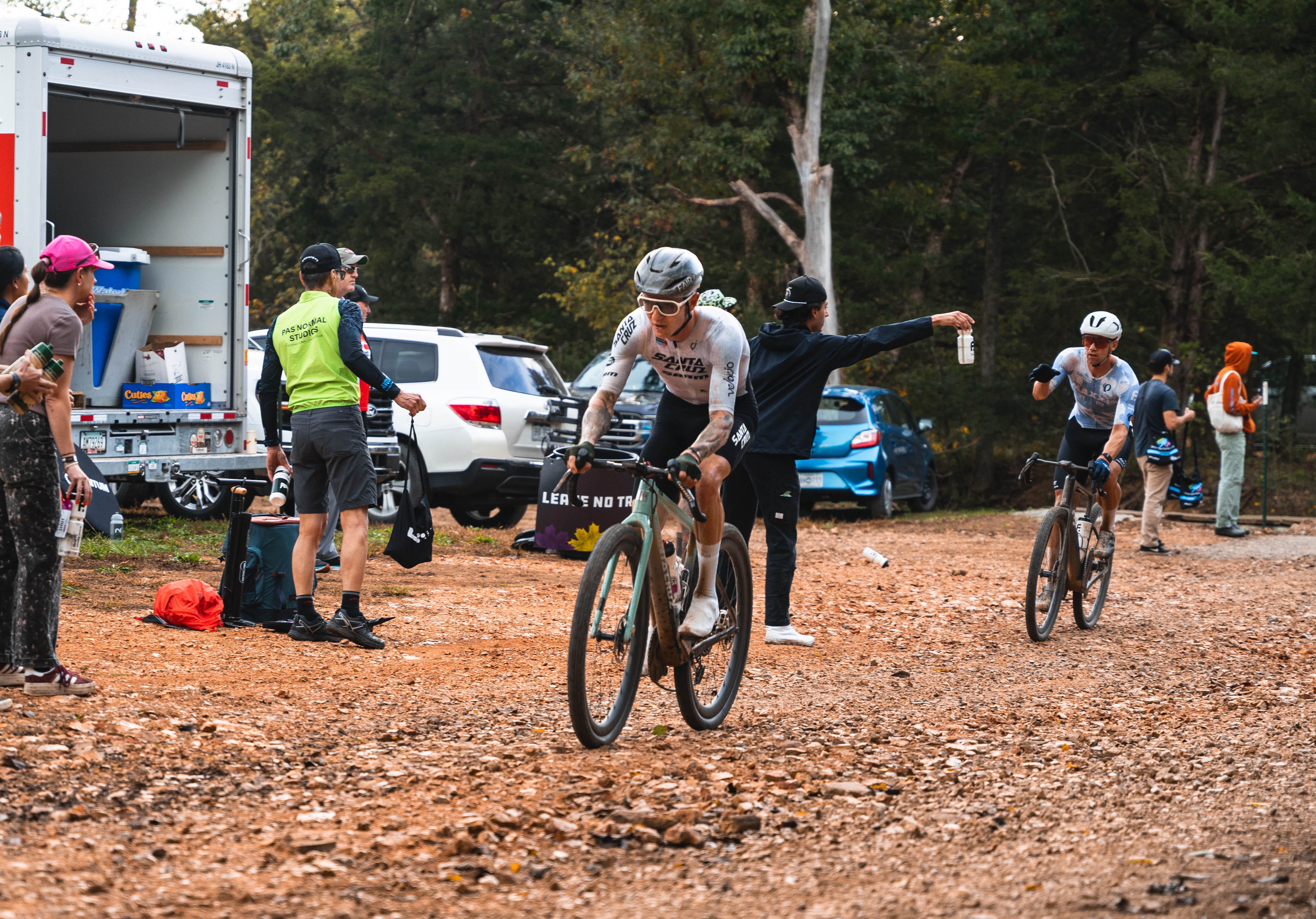
Bentonville’s trail system is vast, and the terrain quality is nearly unmatched. For gravel racing, the region’s dynamic, rolling landscape creates courses that are fast, punchy, and tactically demanding. And if being home to the U.S. national mountain bike team wasn’t enough of an indicator, the sheer variety of trails says it all. Riders can find everything from smooth, high-speed XCO circuits to rugged, technical singletrack that pushes even elite racers to their limits.
For that reason, Bentonville now hosts some of the most popular off-road races in the country, including the Little Sugar Classic MTB, Big Sugar Classic Gravel, and Oz Trails Off-Road. The ability to attract top professional riders has validated the area’s unique terrain and solidified Bentonville’s place on the map for fans and amateur racers alike.
Taken together — the legislation, the Walton investments, the terrain, and the professional events — Bentonville has become one of the most marketable cycling destinations in the U.S. Visit Bentonville holds a clear advantage over tourism offices in cities of similar size. Thanks to cycling, the town has built a thriving tourism ecosystem. Its success offers a potential blueprint for other small communities looking to reinvent themselves through outdoor recreation.
Becoming the next Bentonville
Living in San Francisco, I’m surrounded by a vibrant cycling community, but it isn’t as all-encompassing as Bentonville’s. I’ve already committed to attending Big Sugar next year, and I even have plans to visit on my own time for a vacation centered entirely around cycling. Still, I can’t help but wish there were more towns like Bentonville, places that offer a complete cycling experience, not just great riding.
Up to this point, everything I’ve discussed has been well documented by other publications. But taking things a step further, I believe more towns can become cycling capitals.
It’s taken an unbelievable amount of effort to make Bentonville what it is today, so it’s no surprise that it stands as an outlier among U.S. cities. Even so, Bentonville offers a blueprint for select towns that are willing to make similar, bold investments.
It’s not for everyone
X factors play a major role in a city’s ability to become a cycling hub. For Bentonville, those factors include being home to two of the wealthiest individuals in the country who happen to be avid cyclists, and having excellent off-road terrain for both gravel and mountain biking. Only a handful of cities may possess attributes that naturally support widespread cycling, and that scarcity is actually a good thing.
Successful cycling destinations need to stand out, and limited availability drives demand. If the U.S. can develop a few regional cycling hubs, enthusiasm for the sport would ideally radiate to surrounding areas.
Terrain will always be a key x factor, but other potential hubs will need unique characteristics that set them apart. These might include:
A distinctive history
Local specialties in cuisine, music, or culture
Seasonal attractions
Vibrant social scenes
The list could go on indefinitely, and the extra x factor that complements terrain is often only obvious to locals. That makes it challenging to replicate Bentonville’s model exactly. But, as with every piece I write, it ultimately comes down to spreading the gospel of cycling, equipping more people with the knowledge and passion to recognize and leverage the unique assets of their own communities.
Connecting the dots
I’m a dreamer, and I’ll always throw lofty ideas around freely. The concept of creating new cycling hubs in the U.S. through a somewhat cookie-cutter framework is, of course, an oversimplification of how a dream becomes reality. Years of work and millions in investment would need to align for another Bentonville to emerge.
Laying out a step-by-step plan isn’t the goal of this piece. My hope is that someone with influence or resources reads this, or experiences an event like Big Sugar, and the wheels start turning in their head.
In the very first edition of Built on Bikes, I wrote that it will take all of us to grow cycling domestically. From my conversations within the industry, I’ve learned that every once in a while, an outside-the-box idea can make even the most seasoned professionals pause and see things differently.
Changing the identity of a city and its culture might be as ambitious as it gets, but it’s been done before. My hope is that we’ll see it happen again, in another small town ready for its own cycling revolution.
Ride and rip,
Kyle Dawes
I often think about this in the context of trail running as well. There are cities like Flagstaff that have invested heavily in trail systems to connect the city, but it seems like replicating this would require significant investment, which likely only gets unlocked through significant local influence.
Bentonville seems to have the perfect confluence of factors. I wonder if it is as simple as just having a few really rich people who care deeply about a specific activity.