


Beyond exploring the cultural and financial forces shaping cycling, improving junior development pipelines in the U.S. has been a consistent theme for Built on Bikes. It’s a topic I’m deeply passionate about, and examining alternatives to current development structures is the first step toward meaningful change.
I’ve explored the challenges facing women’s cycling development with Natascha den Ouden and spoken with Alexey Vermeulen about the difficult paths American athletes must navigate to become professional road racers. One thing has become clear: the U.S. needs more accessible pathways for young athletes to enter the sport, receive consistent support, compete at meaningful levels, and develop in ways that can translate into professional careers both domestically and abroad.
In other professional sports like football, basketball, and baseball, collegiate competition serves as the gold standard for athlete development and scouting. Even endurance sports such as swimming and track use collegiate programs to identify talent for international competition.
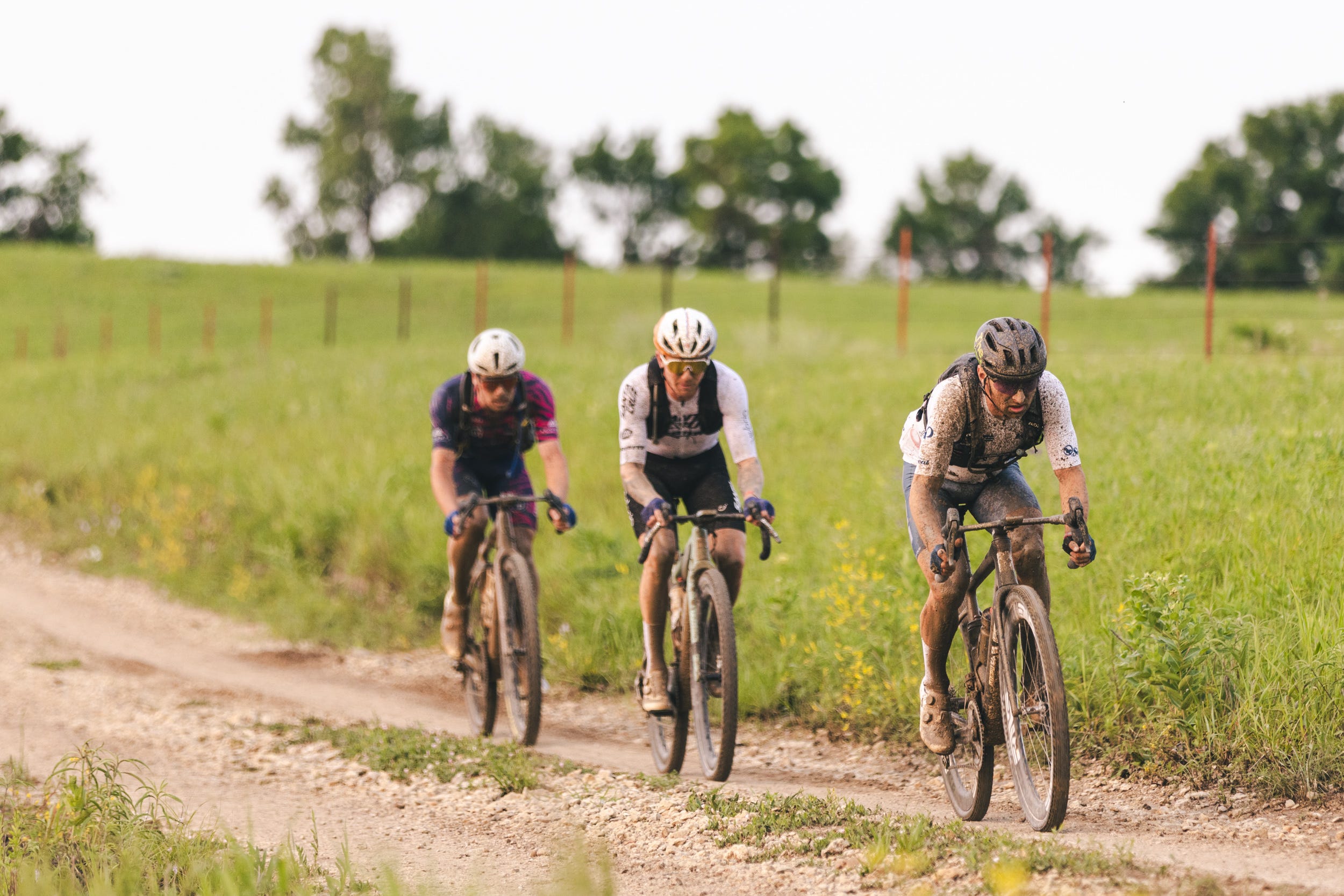
Cycling, however, has not prioritized collegiate competition to the same extent. The reasons are complex, ranging from limited popularity and financial potential to an emphasis on club and sponsor-backed programs. Whatever the cause, the result has been a system that overlooks young talent, produces fewer professional athletes than other nations, and slows domestic growth for both the sport and industry.
This week, I’ll explore the current state of collegiate cycling, covering competitive structures, significance, outside challenges, and possible alternatives to the existing model. A more robust collegiate cycling system could have profound implications for athlete development, but only if certain structural issues are addressed.
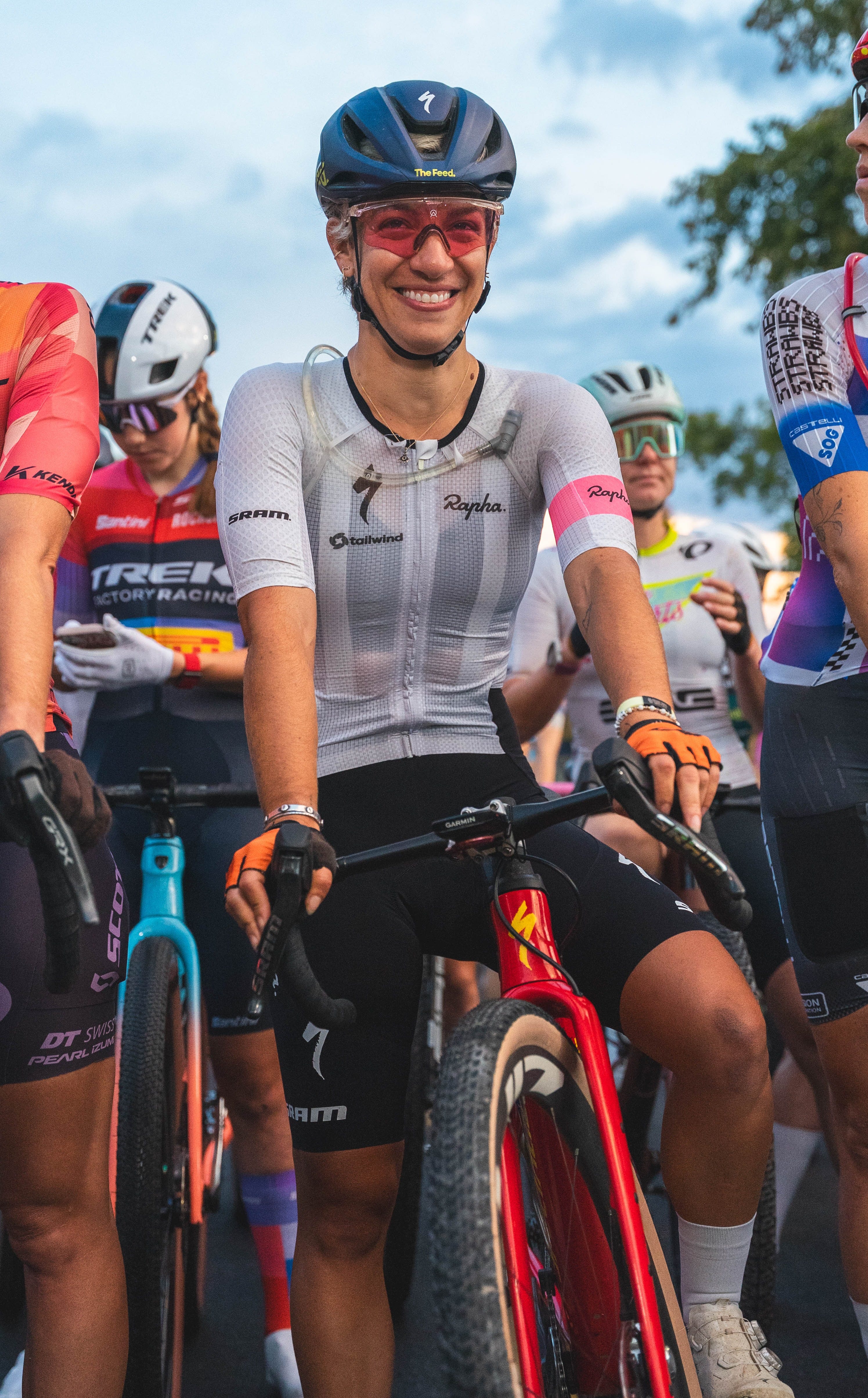
To help unpack this topic, I spoke with possibly my favorite professional cyclist. She is a collegiate cycling success story—having entered the sport later than most through a college team—and has grown into one of the most successful and influential figures in off-road cycling.
Introducing Sarah Sturm
To explore the evolution, challenges, and opportunities for change in collegiate cycling, I spoke with Sarah Sturm. Sarah is a professional off-road cyclist who competes in gravel and mountain bike events around the world. She has become one of the most influential figures in off-road racing and has built a sizable following on social media, which now includes her podcast Talking Over You.

Sarah is not only a cultural force in the sport. She is also one of the most consistently competitive athletes in the off-road scene, with results that include:
Multiple Life Time Grand Prix overall podiums
2nd and 3rd place finishes at Traka 360
3rd place at UNBOUND 200
2nd place at Leadville MTB 100
Wins at Migration Gravel and Crusher in the Tushar
None of this success would have happened without collegiate cycling. Sarah came into the sport later than most when she began racing in her twenties with the Fort Lewis Cycling Team. She originally began college as a soccer player but eventually joined the cycling program through curiosity. From there she developed her skills, gained structure, and eventually grew into the world-class athlete she is today.
It raises an obvious question. How many other talented athletes are out there who will never discover their potential on the bike simply because cycling holds such a small footprint in collegiate athletics?
Collegiate athletics
Looking at collegiate athletics, sports fall into two main categories: NCAA sports and club sports. To understand the challenges facing collegiate cycling, which operates as a club sport, it is important to understand the structure and regulations that define each category.
NCAA sports
When most people think of college athletics, they picture NCAA sports like football or basketball. These sports are governed by the National Collegiate Athletic Association (NCAA) and must meet strict standards for competition.
Schools that have NCAA athletic programs are placed into three divisions based on factors such as the number of varsity teams, available resources, and overall athletic commitments. While the divisions differ in their specific requirements, NCAA programs generally share several defining traits like: dedicated funding from the school, formal coaching staff, structured training schedules, and significant year-round time commitments for athletes. They also have access to school-supported facilities and must follow NCAA rules for competition and eligibility.
Within the three NCAA divisions, sports are further classified into two groups: revenue generating sports and non-revenue or Olympic sports.
Revenue generating sports
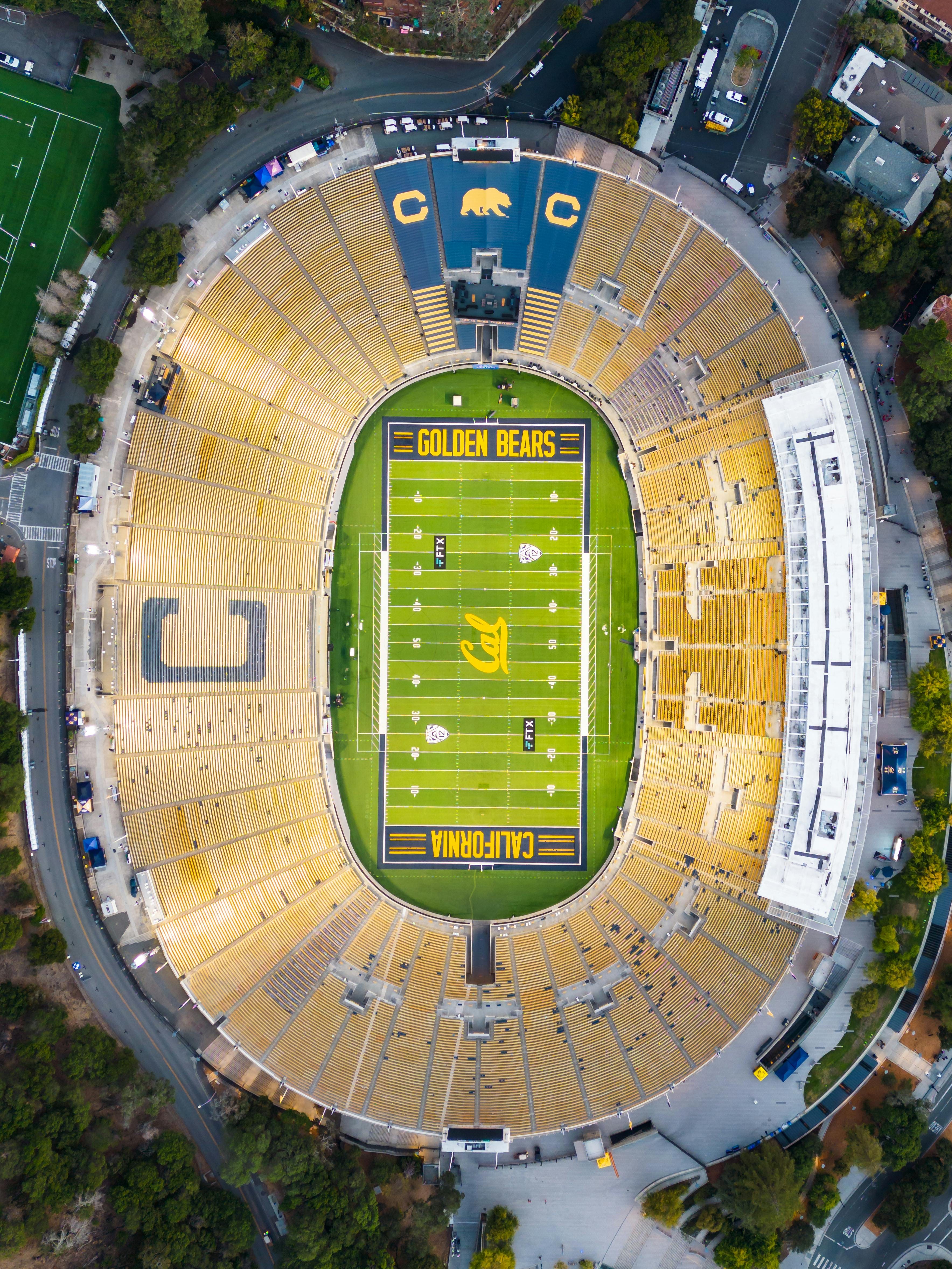
Sports like football and basketball are considered revenue generating because they produce large amounts of income through advertising, media rights, merchandise, and ticket sales. Most of the revenue from these sports goes directly to the universities and is reinvested into their athletic programs.
The NCAA itself only receives money from television and marketing rights, which total about $948.4 million, and from championship tournaments, which generate about $263.2 million. As the governing body, the NCAA regulates competition and uses these funds to support athletes through things like scholarships, legal services, and the operation of championship events. Only a very small portion of this money flows back to universities.
In short, revenue generating sports receive the highest levels of institutional funding while also helping subsidize other athletic programs that bring in far less money.
Non-revenue generating sports
As the name suggests, non-revenue generating sports have limited commercial value and produce minimal income from ticket sales or media rights. These are often the lesser-known sports, including many Olympic disciplines such as volleyball, swimming, track, and wrestling.
As we will discuss shortly, when financial pressures emerge, these sports are often the first to face cuts or reduced support.
Club Sports
Club sports are far less structured and generally feature a lower level of competition. These teams are typically student-run and can vary widely in terms of commitment, skill level, funding, and organizational structure.
Funding for club sports usually comes from student membership fees or donations, with schools providing minimal support.
Some sports, like cycling, exist exclusively at the club level, while others, such as hockey, may have both a varsity NCAA team and a separate club team.
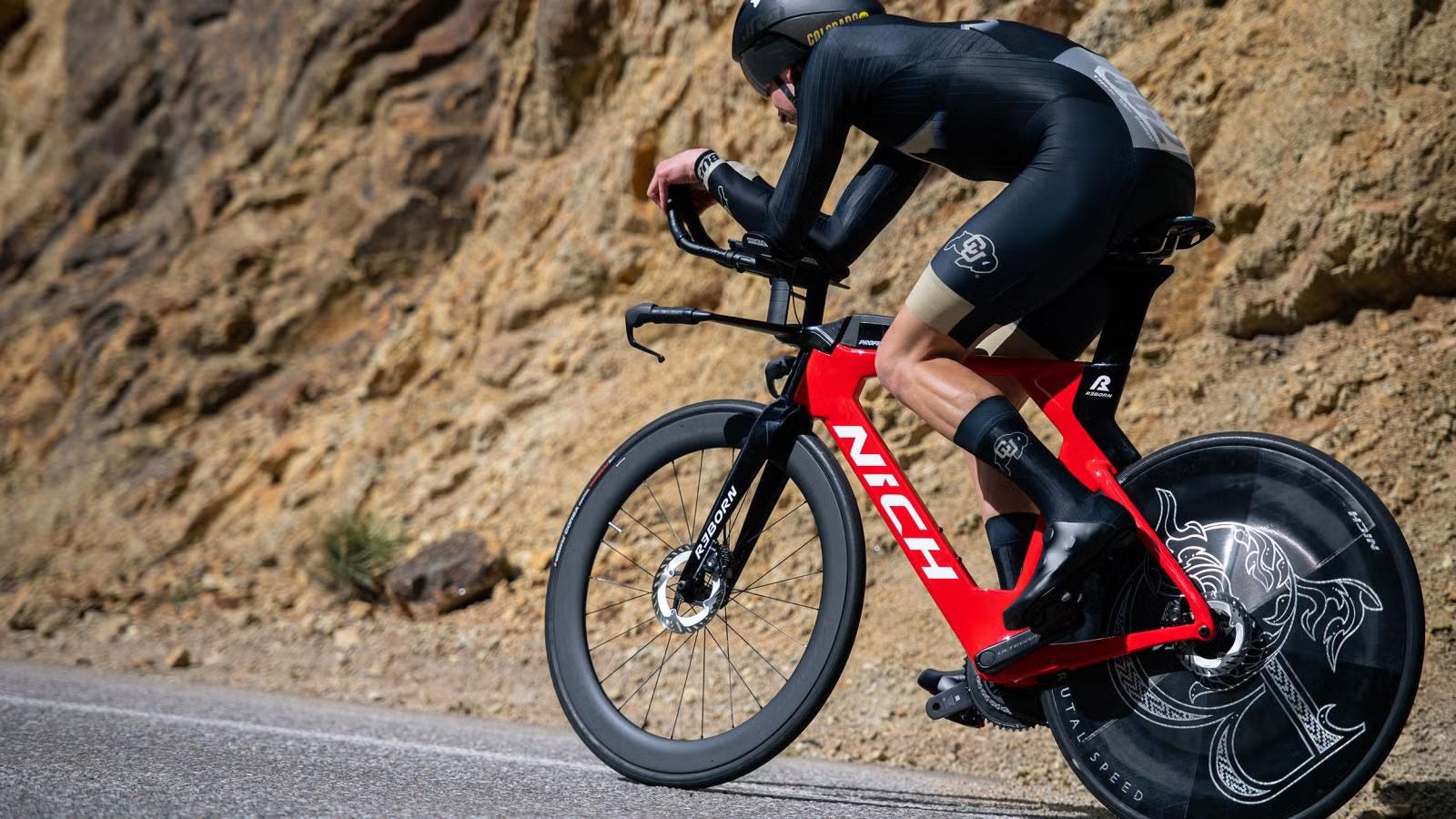
A new problem facing non-revenue generating sports
We’ll bring the focus back to cycling shortly, but it’s important to note a major development affecting non-revenue generating NCAA sports. In June 2025, a federal court ruled that universities could provide direct financial compensation to student-athletes.
This decision poses a risk to Olympic and other non-revenue generating sports, because the funds used for athlete compensation come from the same budgets that support these programs.
Several Olympic coaching associations have raised concerns that this could lead to program downsizing or outright elimination, potentially undermining the United States’ ability to develop top-level athletes for future Olympic competition. Currently, these organizations are lobbying for amendments and regulations to protect non-revenue generating sports.
Collegiate cycling today
Collegiate cycling in the U.S. is currently classified as a club sport, though it does have a governing body: USA Cycling (USAC). USAC oversees all national-level cycling in the country and sanctions collegiate events.
Today, over 200 schools field club cycling teams, and USAC organizes these teams into eleven geographic regions, hosting conferences and races throughout the season. Teams with dedicated coaches and additional funding from their schools are considered the most “pro” and are referred to as varsity programs. Currently, there are only twenty varsity programs nationwide, and just one—Liberty University—is a Division 1 institution for their NCAA sports programs.
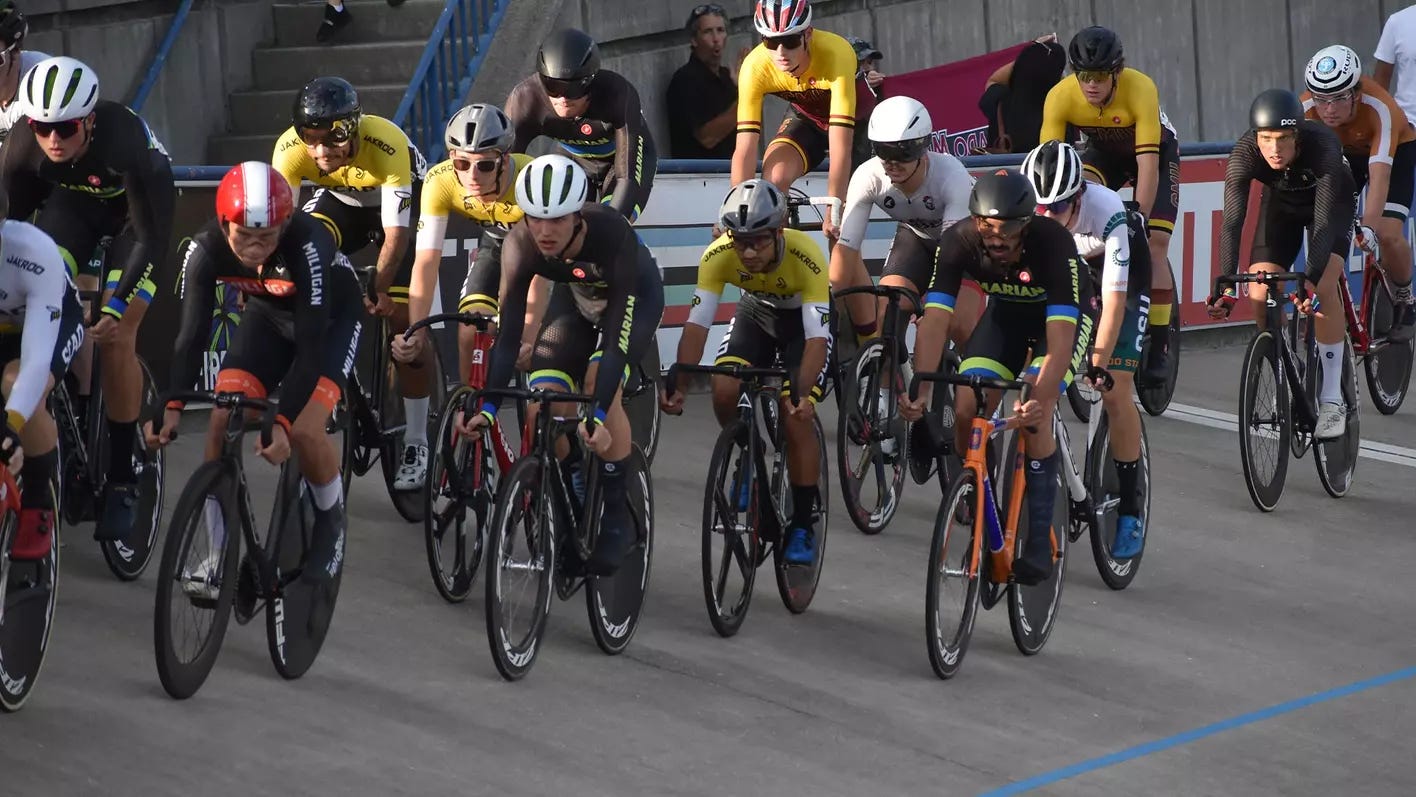
When scouting domestic talent, USAC and professional teams focus on select collegiate races and national championship events. While the system can be confusing, this structure has remained the standard for collegiate cycling.
A clear divide
If it wasn’t obvious already, collegiate cycling exists in a far scrappier environment compared to Olympic sports that carry NCAA status. Collegiate cycling continuing to operate as a club sport appears to be the biggest factor holding it back, but why hasn’t this changed?
Looking at cycling development pipelines in the U.S., it’s evident that we try to model them after European systems. In Europe, talent is developed from a very young age, either through private clubs or government-subsidized programs. In Europe, collegiate athletics simply does not play a central role in development.
By continuing to sanction collegiate cycling as a club sport, sometimes athletes are forced into making a difficult choice: skip college to pursue professional or join collegiate programs that offer minimal support to athletes. The result is lagging development, overlooked talent, and slower growth for the sport.
This is not meant as a critique of USAC or individual schools. Rather, it illustrates that if a collegiate sport wants to be taken seriously, NCAA status should be the baseline. As Micah Rice noted, USAC is doing everything it can with the limited resources it has. To give perspective, a single Division 1 athletic program dwarfs the entire budget and resources of USAC. As Sarah emphasized:
“USAC will never have the funding to do all these great things—they’re always just trying to survive… That’s why having strong collegiate programs in the U.S. is so important—it gives visibility and opportunity to a broader group of athletes.”
Of course, other factors shape the collegiate landscape, including the rapid rise of off-road racing and shifting views on how much collegiate results actually matter. This is where Sarah’s perspective becomes especially valuable. She offers a firsthand look at the new dynamics and implications affecting collegiate cycling, and explains why collegiate programs are crucially important to the sport as a whole .
Changing landscape and dynamics
Sarah was quick to highlight that collegiate programs have changed significantly since her time at Fort Lewis College. Results that once carried major weight and offered a direct pathway to professional racing now see less visibility and thinner competition due to the rise of early youth specialization in the sport.
“Being a national champion at the collegiate level means something different now than it used to. I think pro racers are starting even earlier and making choices not to go to college.”
She contrasted that with athletes like Kate Courtney and Christopher Blevins:
“[Both] went to college and pursued World Cup careers, but now you have fewer athletes who are finishing their degrees while maintaining that elite level.”
As the perceived value of collegiate results declines, securing funding becomes even more difficult for collegiate programs. More juniors are making the jump pro racing earlier which leaves those on the cusp having to calculate the tradeoffs of going to school. Sarah’s advice to those juniors was clear:
“My advice is always: do whatever will keep you out of debt. If you really value cycling, pick a school with a strong, well-supported team where you can get the best of both worlds — training, competition, and education.”
“If a kid is already racing World Cups or aiming for the Grand Prix, it’s going to be really hard to balance that [the demands of training] with a school schedule. For most, though, college gives a chance to pursue both without compromising their future.”
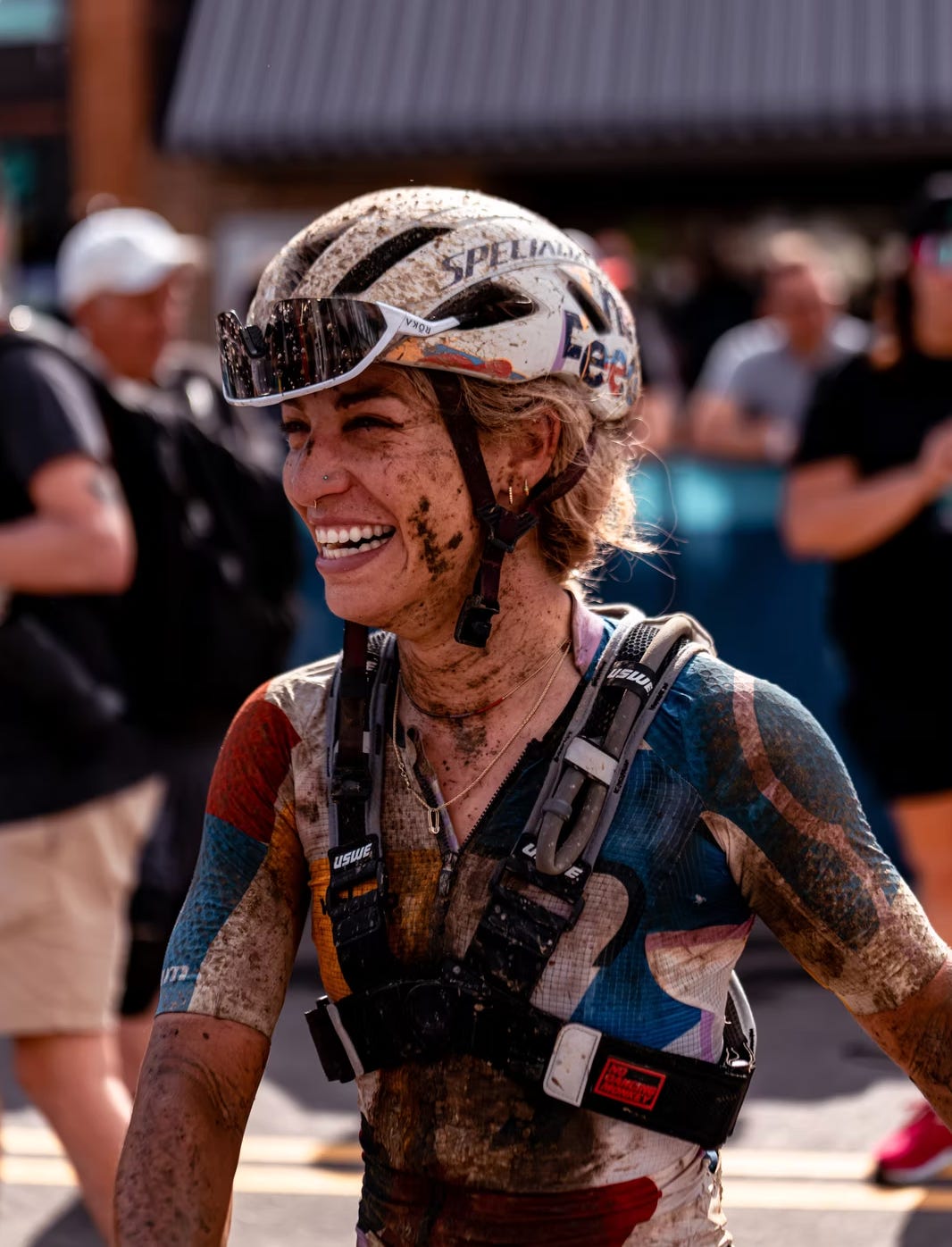
Even with the shifting landscape, Sarah and I quickly aligned on one thing: collegiate cycling remains essential for the growth of the sport. The rest of our conversation centered on why collegiate cycling matters and what its future could look like if proper action is taken.
The importance of collegiate cycling
Sarah and I both firmly believe that growing cycling in the U.S. starts from the ground up with youth development. Collegiate cycling offers one of the most accessible paths for new athletes to discover the sport and for juniors it’s a chance to continue their development while gaining essential life skills. Without a robust collegiate cycling system, the U.S. is missing out on key opportunities that could drive long-term growth and success in the sport.
Why collegiate cycling is more important than ever
Over the last few years, the cycling industry has faced significant economic headwinds. Post-pandemic sales slumps have left brands overloaded with inventory, and tariffs have driven up the cost of bikes and equipment. Naturally, this creates added strain for collegiate programs that already operate with limited funding and it makes the path even harder for young athletes trying to break into the sport through new avenues like gravel. Sarah summed it up clearly:
“We’re at an interesting point with gravel, endurance, and the downturn of the bike industry. Smaller programs and young athletes suffer the most right now, which is why focusing on collegiate development is critical.”
Most young athletes lack meaningful sponsor support and rarely have enough disposable income to cover the cost of bikes, travel, race entry fees, and school tuition. The twenty varsity cycling programs in the U.S. provide opportunities for some riders, but the current number roster spots falls far too short of what’s needed to support meaningful junior development.
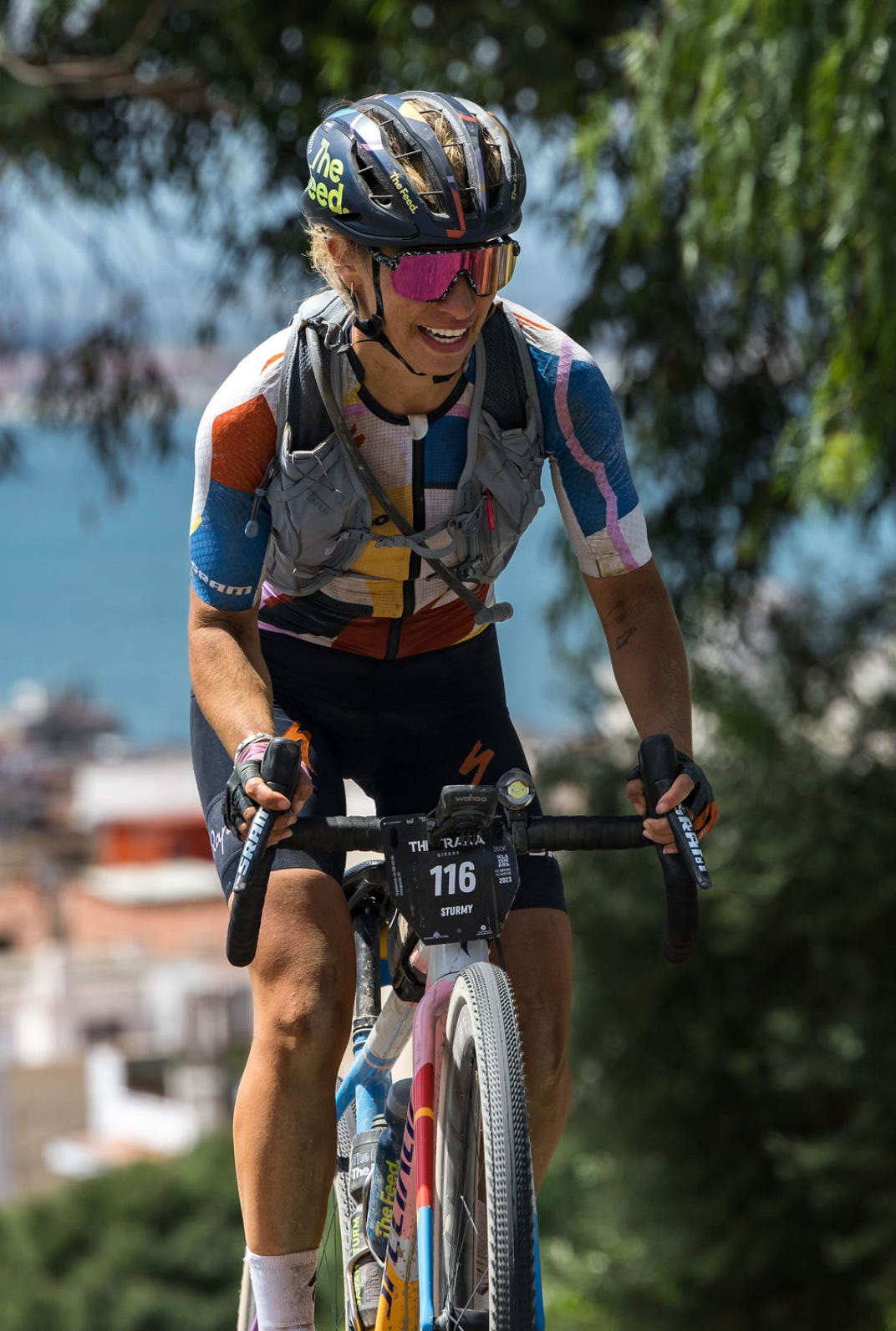
If the goal is to raise the next generation of endurance athletes, a stronger collegiate ecosystem and a more sustainable funding structure will be critical.
Collegiate programs are essential for growing women’s racing
Sarah has been a trailblazer for women in endurance cycling and consistently uses her platform to lift up women’s racing. She has a long track record of speaking openly about systemic inequalities, volunteering with local development teams in Durango, and helping young female riders secure sponsorships. Few people understand the barriers facing women in domestic cycling as well as she does.
There are many challenges currently shaping women’s development, but Sarah highlighted two areas that are especially overlooked. The first is how difficult it is to bridge women from U23 racing into elite racing. The second is the lack of support and opportunity for women who discover the sport later in life.
Extended competitive windows
Across gravel and WorldTour racing, it has become increasingly clear that women can compete at the highest level longer than men. In many disciplines, female athletes sustain peak performance well into their late thirties. Sarah noted that it can be hard for junior women to think that far ahead and recognize how long a professional career could be.
When a rider does not get the development or results they hope for during their college years, they may assume their competitive window has closed. This misconception leads to promising athletes leaving the sport prematurely, even though their best years are likely ahead.
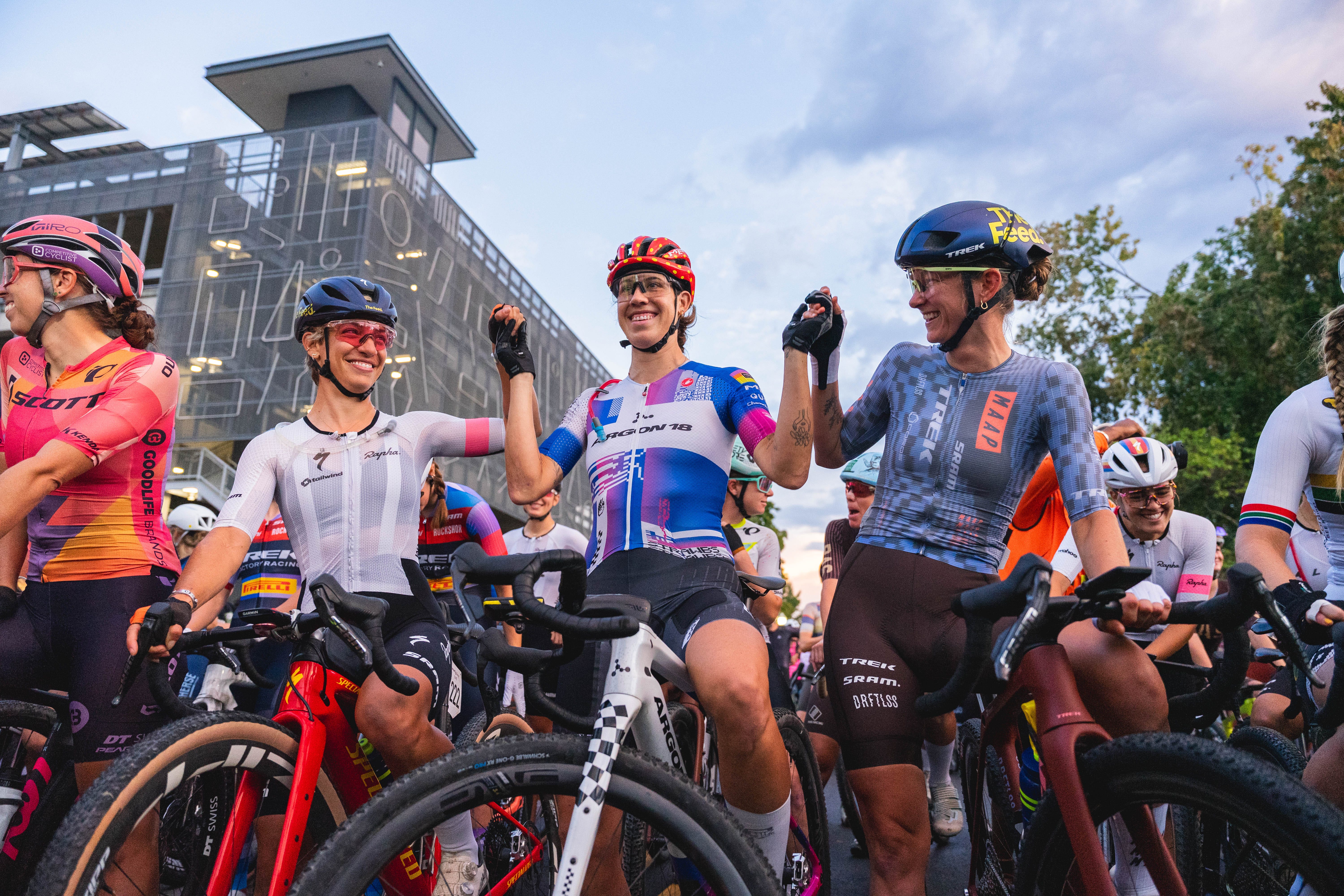
“Retention of women in the sport is really hard post-college. If we could bridge that gap better through collegiate programs, more female athletes could continue in cycling at high levels.”
Top collegiate programs aim to develop athletes as people, not just as competitors. The best programs pair structured training with mentorship, academic support, and guidance from experienced riders. For young athletes who are new to the sport, that support system can be the difference between continuing after graduation or walking away entirely.
Accessible development for late bloomers
Becoming a professional cyclist without collegiate cycling is absolutely possible. Kristen Faulkner did not discover her talent on the bike until well after college, and today she is an Olympic gold medalist. Imagine if Kristen had been able to develop earlier on a collegiate team, or the opposite scenario where she never picked up a bike simply because her school had no collegiate cycling program.

A more robust collegiate system would allow more women like Kristen to find the sport earlier, develop skills faster, and grow within a structured support network rather than navigating everything alone. For Sarah, that support made all the difference.
“College was my only touch point into development cycling. I came in as a total newbie, and through collegiate racing I was able to work my way from C category into A’s… it gave me a real foundation.”
“College allows more people into the sport who aren’t just coming from the same background of money, early exposure, and elite junior development. Those people (non-traditional talent) still exist, and that’s why gravel was cool. It gave access to a lot of racers who didn’t have that pipeline.”
Thankfully, it seems like gravel will continue to provide an alternative pathway for young riders. Still, the United States would be far better at producing high-level cyclists if a more established collegiate structure existed alongside niche routes into the sport.
Ultimately, without collegiate cycling the sport loses far too much. We miss out on identifying promising talent, we lose a reliable foundation for junior development, we limit access to financial support in an expensive sport, and we remove a critical environment that helps young athletes gain perspective and find stability as they grow.
Gravel offers a limited alternative… for now
One alternative development pathway to collegiate cycling is gravel. In the U.S., the Life Time Grand Prix has been transformative, offering visibility, significant prize money, and a new gateway into professional racing.
This year, Life Time introduced their U23 version of the Grand Prix, giving juniors the chance to race on the same six race circuit, gain exposure, and enter the pro field with an overall win. It is an admirable step, but as Alexey Vermeulen noted, it’s “still a work in progress.” Both Alexey and Sarah stress that this is not a critique of Life Time, but a way to highlight opportunities and make the U23 program even more impactful.
Currently, Life Time is unable to waive entry fees or provide additional financial support for U23 athletes, leaving a financial barrier that limits access and success. Sarah suggested ways the program could expand its influence, offering stronger support for young athletes while complementing collegiate programs and creating a more sustainable development pathway.
“Lifetime has already done so much, and I don’t want this to come off like a critique. But wouldn’t it be cool if they invested more directly in developing young athletes through college programs?”
“It would be awesome if Lifetime looked at collegiate racing for the U23 program. If they took some of the 50K off the top and put it into development, supporting U25 categories with race entries and travel assistance, it would make sense for kids to pursue college while racing competitively. It could bridge the gap from college to pro.”
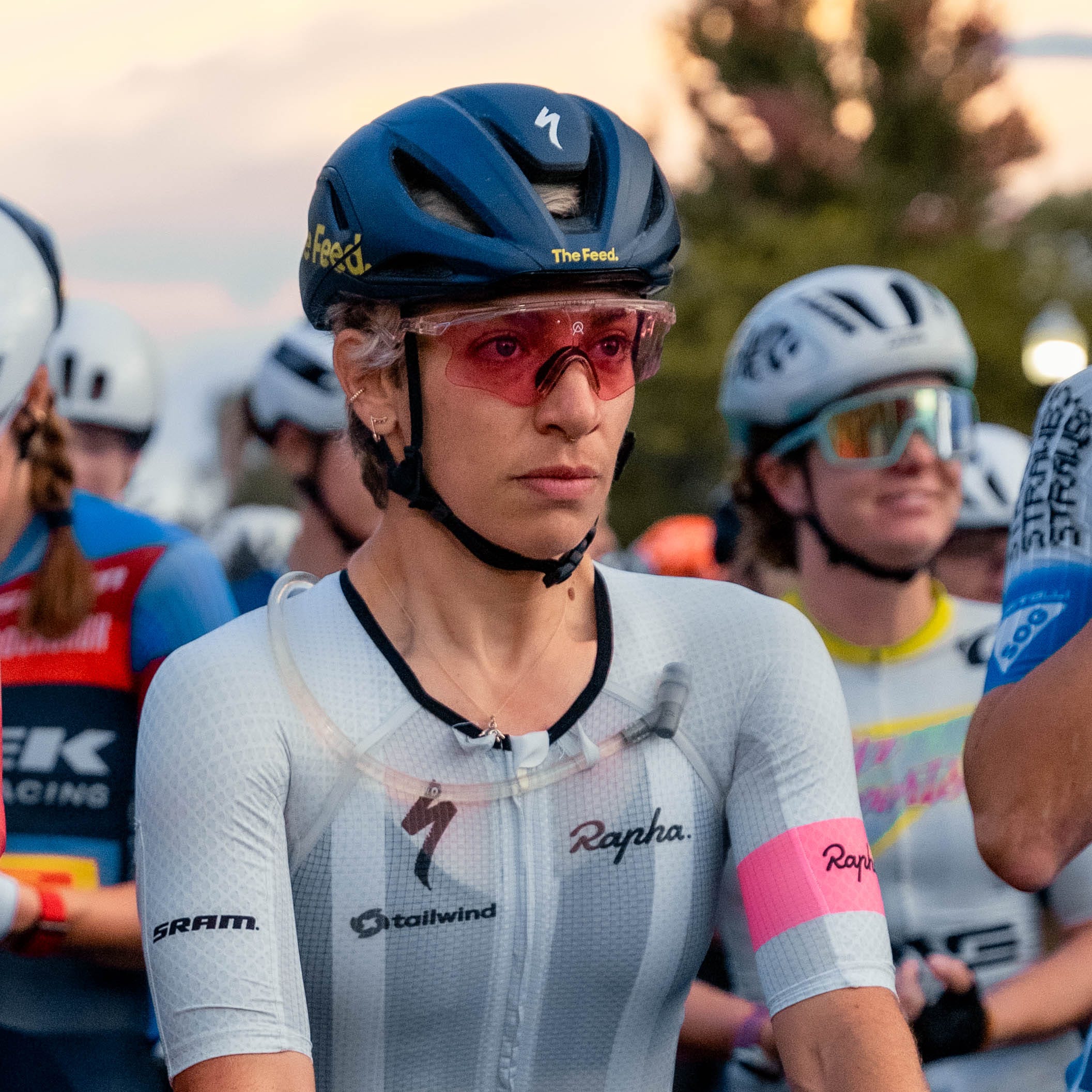
Alternative development pipelines are valuable and increasingly essential, but their impact could be even greater if collegiate cycling programs were actively involved. By integrating these programs, both the athletes and Life Time would benefit from stronger support, broader participation, and a clearer route to professional racing.
Collegiate cycling needs to be a NCAA sport
If you’ve made it this far, it’s time to really dive into the subject that inspired this piece. After my research into collegiate cycling and my conversation with Sarah, I firmly believe NCAA status could be the pathway to making collegiate cycling relevant, successful, and profitable.
Overcoming historic qualms
A long-standing issue in NCAA sports has been the battle to allow athletes to receive their fair share of revenue generated from their name, image, and likeness (NIL). With the introduction of NIL guidelines, athletes can now leverage their influence to secure third-party sponsorships and fully benefit from the generated revenue.
Third-party sponsorships was always a key reason cycling never became an NCAA sport. Sarah recalled hearing discussions about collegiate cycling potentially joining the NCAA, but the idea was consistently rejected because of the prevalence of young pros entering college with existing sponsors. The concern was that NCAA rules would prevent these athletes from participating, creating a major barrier for talented riders.
Today, sponsorships are no longer a roadblock and are actively encouraged. NIL agencies now help athletes navigate these opportunities, providing support that even some domestic pros don’t have access to.
Assessing the advantages/opportunities of NCAA status
Scholarships
I’ve already discussed how NCAA sports are considered the standard for developing professional athletes in most U.S.
Collegiate cycling does not currently follow that path, but if it were to gain NCAA status, it could shift public perception significantly. Collegiate cycling isn’t irrelevant now, but very few high-school athletes are even considering it as a pathway to becoming a collegiate athlete.
Why is that? Scholarships.
The NCAA directs substantial funds toward athletic scholarships. The NCAA distributes $226 million to sport sponsorships and scholarships. These funds alone dwarf the entire budget of USA Cycling, meaning collegiate cyclists could gain access to meaningful financial support that could transform recruitment and development for the better.
Relevance and growth
NCAA sports command the spotlight in collegiate athletics, which is why the largest Division I universities generally have teams for nearly every NCAA sport. If cycling gained NCAA status, these universities would have a stronger incentive to establish varsity programs and actively recruit athletes.

With NCAA sports having roster requirements, schools would be obligated to fill those spots, and suddenly the number of collegiate cyclists could grow dramatically. This could create an entirely new pipeline of talent for domestic cycling while providing opportunities and support for young athletes who might otherwise be overlooked.
Consolidation
As Sarah pointed out, USAC collegiate national titles no longer carry the weight they once did in attracting the attention of professional teams. Today, pro teams are scouting talent across a scattered landscape of events—collegiate, gravel, road, mountain bike, track, criterium, and more. If cycling were an NCAA sport, NCAA championships would almost certainly become go-to scouting events for emerging talent, giving young athletes a clear and prestigious platform to showcase their abilities.
Promoting a true cycling culture
Many of my previous guests have emphasized that WorldTour teams will continue to overlook the U.S. until there is a domestic road racing scene that offers the pack racing and race frequency found in Europe. NCAA status could help change that.
By meaningfully increasing the number of collegiate teams and races, pack racing would become a regular part of the U.S. development scene, creating the conditions for WorldTour teams and development squads to recruit more American riders.
A trickle down effect
As mentioned in the scholarships section, NCAA status would inevitably increase awareness of cycling among high school athletes. In the early stages of NCAA cycling, collegiate teams will need to recruit unvetted endurance talent to fill their rosters. A high school athlete who couldn’t commit to a school for their primary sport might find an opportunity in cycling, giving them a path to collegiate athletics they might not have otherwise.
Consider Remco Evenepoel, one of the best cyclists in the world, who originally wanted to play soccer but didn’t make the cut. It’s likely he would not have reached his current level of athletic success without switching to cycling.
After years of NCAA participation, the hope is that cycling becomes more mainstream, eventually leading to the formation of numerous high school cycling programs. It’s an ambitious goal, but far from impossible.

One more advantage of the NIL framework
Finally, NIL presents a unique marketing opportunity for both brands and athletes who are willing to be creative. Since I spoke with Sarah, I’ll use one of her sponsors, The Feed, as an example.
Imagine The Feed sponsoring an athlete from a well-known collegiate sport like football. If they also sponsored a collegiate cyclist, both athletes could be featured in a commercial airing during a major college football game. Done right, this would put collegiate cycling in front of a massive audience and significantly increase the sport’s visibility.
NCAA status would open doors for collegiate cycling that simply don’t exist today and likely won’t if we continue to keep it as a club sport.
Assessing an emerging challenge
I want to address one concern raised earlier: the potential threat to non-revenue generating sports under new athlete compensation policies. Cycling won’t be immune to this issue, and it certainly won’t generate revenue on the scale of major sports, but that doesn’t mean it can’t bring in some meaningful revenue. One successful example of collegiate cycling producing a widely followed event comes from what might be the most popular athletic event at a D1 institution.
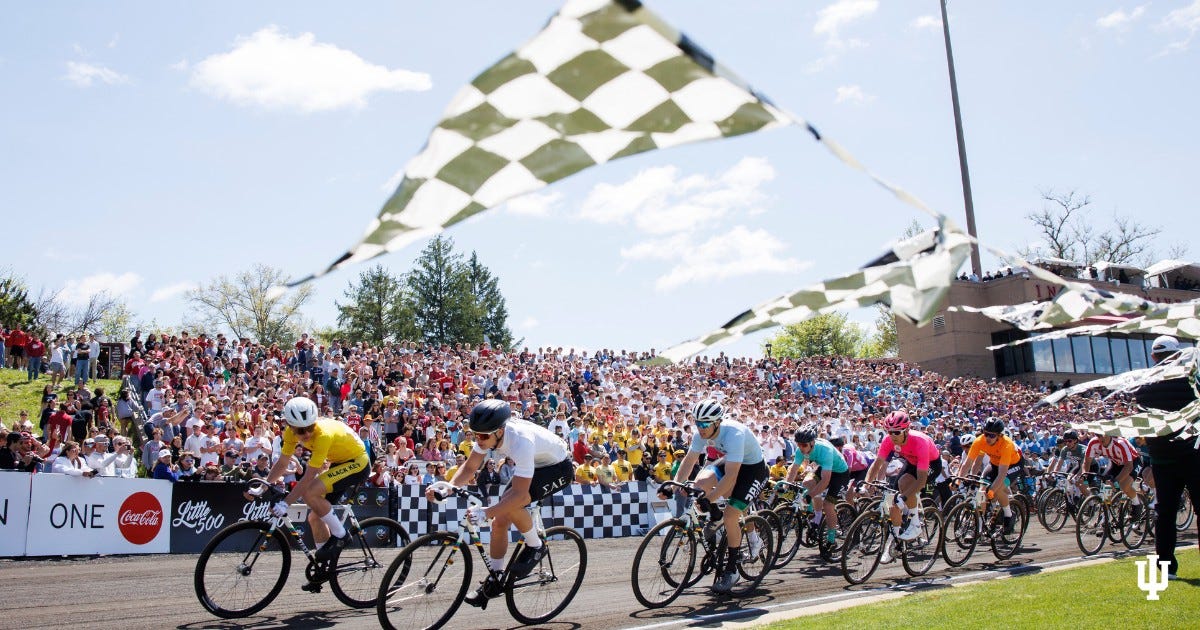
The Little 500 at Indiana University is the largest collegiate cycling event in the country and has become a cornerstone of campus life. The 2025 edition attracted thousands of fans at a ticket price of $40, demonstrating that an event like this alone could help fund collegiate cycling programs. It is grit and creativity like this that will allow cycling to thrive as an NCAA sport.
It’s our move
Today, collegiate cycling exists, but its presence and importance are fading. In the quest to grow cycling in the U.S., two groups will largely determine the outcome: junior athletes and women.
Sarah Sturm understands better than anyone the value of fostering development for these groups. USAC has done everything it can with the resources available, but it’s clear that meaningful conversations need to take place about moving collegiate cycling toward NCAA status.
This has been an opinion-driven piece, and I could be wrong in parts. What is certain, however, is that the current development structure in the U.S. is not fully optimized. Real progress will only come through decisive action and investment in these critical pathways.
This is probably the most extensive topic I’ve covered, and I plan to continue exploring it in future editions.
Ride and rip,
Kyle Dawes
Really interesting read and I agree with most all of it. The one part that I might disagree is this: "After years of NCAA participation, the hope is that cycling becomes more mainstream, eventually leading to the formation of numerous high school cycling programs. It’s an ambitious goal, but far from impossible."
High school (NICA) programs have been forming and thriving throughout the country for years! Here in Utah it's by far the fastest growing sport.