


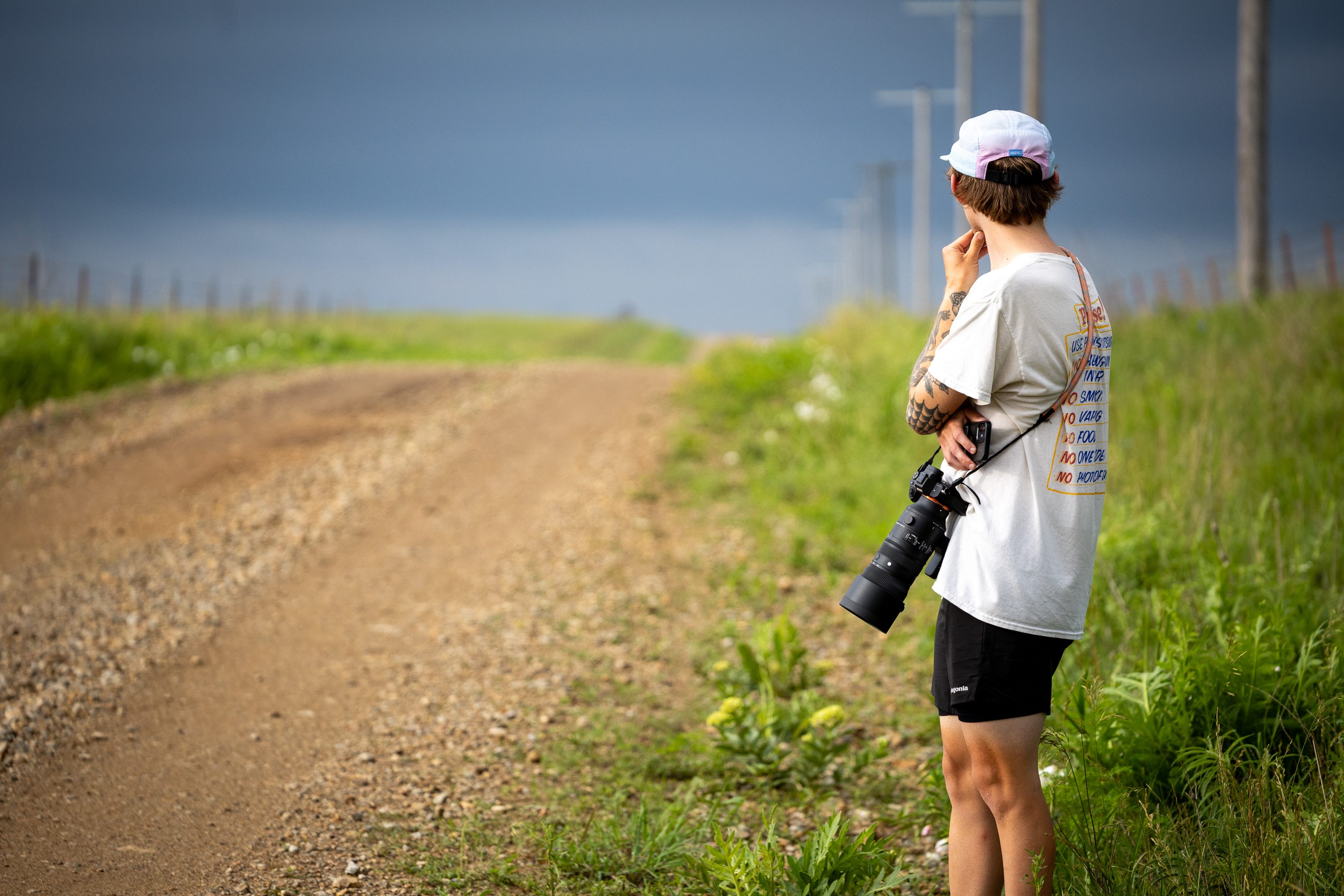
After a year’s worth of storytelling with Built on Bikes I have come to learn that time-crunched weeks can provide unique opportunities to get creative with my subject matter. I usually come up with story ideas on Monday, draft during the week, and publish a piece on Friday. As stressful as this can be, it has forced me to see the cycling ecosystem through a much more creative lens. This week is one of those that has required me to think on the fly, literally. I am drafting this article on a plane headed for Bentonville, Arkansas, for the Life Time Big Sugar Classic. As I sit here thinking about the creative benefits of time constraints, the past few months have shown me that there is another factor that contributes to my audience engagement.
Starting as a complete outsider to the cycling industry has proven to be my biggest strength in this journey. One year ago, I was on the same flight to Bentonville, and my anxiety was off the charts. I had only published a few pieces and I knew only one person who would be attending Big Sugar. A year later, I have a packed itinerary, almost too many people to catch up with, a newsletter that is reaching a much larger audience, and I am actively involved with projects I never thought possible. All this to say, my growth can be attributed to a lot of wonderful people providing me with connections in the industry, but also to the fact that my opinions and ideas have been able to stand out in an industry that can be extremely insular.
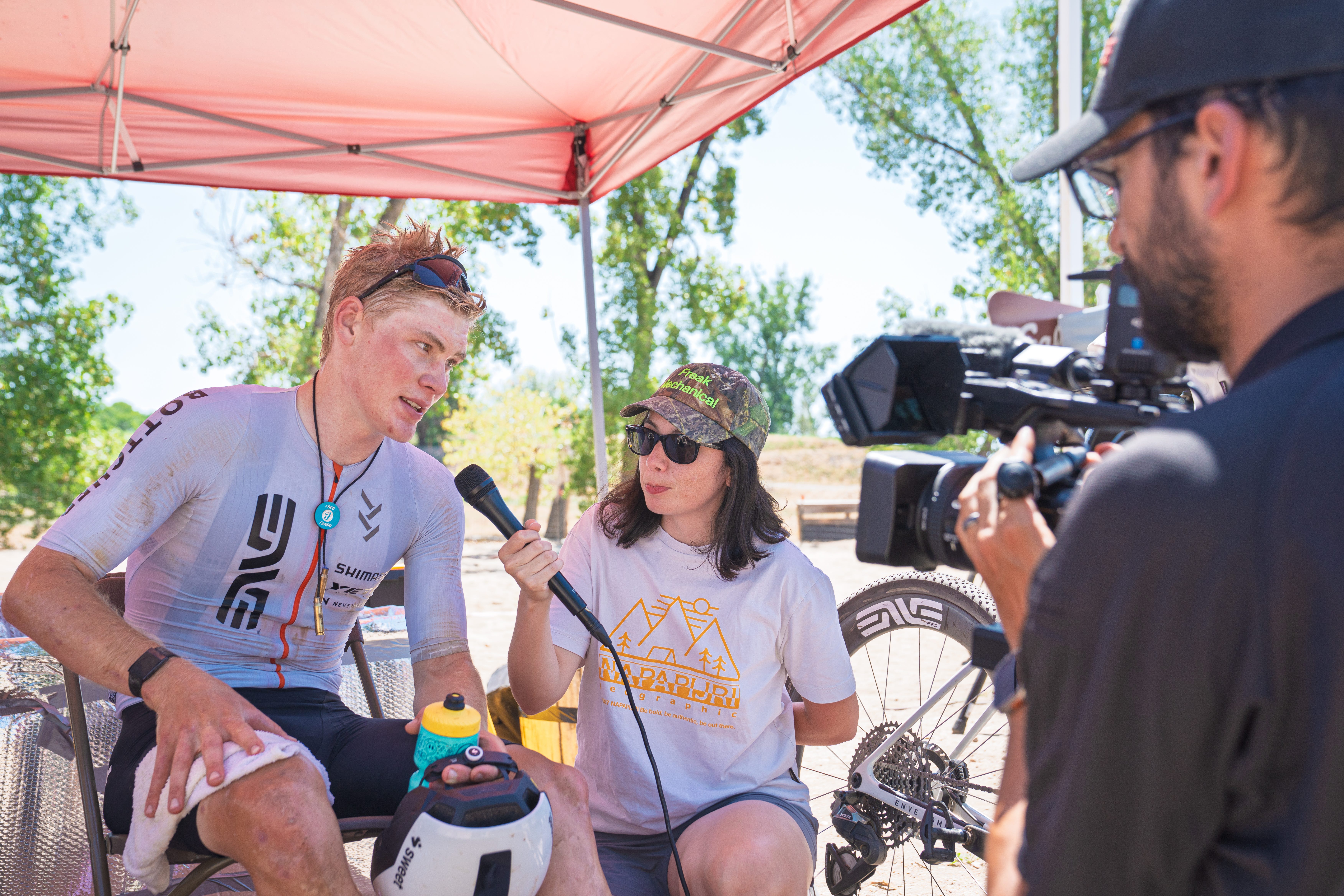
I don’t say this to toot my own horn, because I sure as hell have had to learn a lot from industry veterans along the way. It is the combination of their in-depth knowledge with my naïve enthusiasm that has allowed me to have real effects within the industry and on the development of the sport in the United States. This dynamic has also allowed people like Leni Carrillo and Sam Huntington to become forces to be reckoned with in the cycling world. While I have discussed this dynamic with my inner circle, it is something I think more people need to hear about. When industry veterans have pushed back on some of my ideas, my experiences from my professional career outside of cycling have given me the confidence to ask, why not? Why can’t cycling execute on lofty goals the way other industries do?
I hope to be able to share some big successes this mindset has provided, but for now, we will explore why cycling needs to draw on outsider knowledge and how we have a big pool of professional talent to choose from.
The benefits of being an outsider
I will not cover all my outsider stories because my one-year Built on Bikes retrospective provides a good recap of them. That said, it is useful to name the major benefits of being an outsider in an industry dominated by history and tradition.
Having the audacity
My professional career outside of cycling has taught me not to fear rejection or withhold ideas just because I have less experience than those around me. Majoring in entrepreneurship provided me with more opportunities to fail than I can count. Taking on a high-volume sales role right out of college completely desensitized me to professional rejection. And spending three years at a venture-backed startup has made me malleable and made sharing every idea a requirement.
My first article was with Natascha den Ouden, one of the biggest pioneers for Women’s WorldTour cycling. When I interviewed her, I was sharing my opinions and ideas as a pure fan of the sport, and they resonated. Now I am pitching ideas to brands and individuals that some insiders have told me are completely unrealistic and downright absurd. Instead of being discouraged, I have simply opened the door for dialogue, and I have confidence the results will speak for themselves.
Having the audacity and inexperience to dream has been powerful. Combined with the knowledge of equally adventurous cycling industry veterans is a dynamic we should exploit.
Being the connector
One of my sales mentors told me that the single most important thing you can do as a seller is be the connector. If you want something from someone, the easiest way to get what you want is to become invaluable to them. The nuance is that you must be completely sincere in wanting to help them, and almost never actually ask them for what you want.
Built on Bikes taught me this process in its purest form. It is not how I make my money, and it has always been a passion project that allows me to give back and grow the sport that has done so much for me personally. I have a unique professional network within the venture capital community and being able to offer that network to people within the cycling industry has been transformative.
I am always looking for the next connection or opportunity to grow, and I know who can make that happen. Offering my passion for the sport and my professional network to others, while asking for nothing in return, has allowed me to build relationships that go beyond the professional and into the territory of friendships. Eventually those I connect with return the favor and it has quite literally changed my life.
Outsiders are the ultimate connectors and help the cycling industry build bridges to other industries that can promote mutual growth.
Embracing imposter syndrome
Interacting with the unknown or unfamiliar can breed imposter syndrome. Even though I am firmly embedded within cycling circles, I still feel like an imposter all the time. It is a little contradictory to my previous points, but I really am not an expert and there is a lot I don’t know about cycling. That feeling goes both ways. Whether it’s an athlete or a cycling brand executive, I have noticed that my limited experience within the venture capital community can carry authority. What seem like minimal and unremarkable experiences to me, may read as expertise to others in a different industry. This point ties heavily to being a connector, but realizing that imposter syndrome goes both ways can make the networking process a lot less intimidating.
The challenges of being an outsider
I sincerely believe outsiders bring a lot to the table, but there are limitations to our effectiveness and ability to drive positive change in cycling. Knowing these limitations is vital and ultimately comes down to having some humility.
Knowing when you are out of your depth
Part of being effective as an outsider is knowing when to push through opposition and accepted industry norms, but it is equally important to admit when your proposed ideas and solutions are biased or genuinely unrealistic. There have been multiple instances where I published an opinion piece with strong convictions, only for someone to come out of nowhere and explain why I was plain wrong. If the person provides data and experiences to back up their criticism, and there is genuinely no workaround, you need to reevaluate your assumptions and research.
A recent piece I published about the issues facing women within the UCI Gravel World Series received this exact type of constructive criticism. Someone close to the subject, with knowledge that was not publicly available, explained where I was misinformed. I will eventually release a revision to that article, but if I had ignored this feedback, I would have done more harm than good. The new information has fueled new ideas for better solutions.
Accepting the lulls
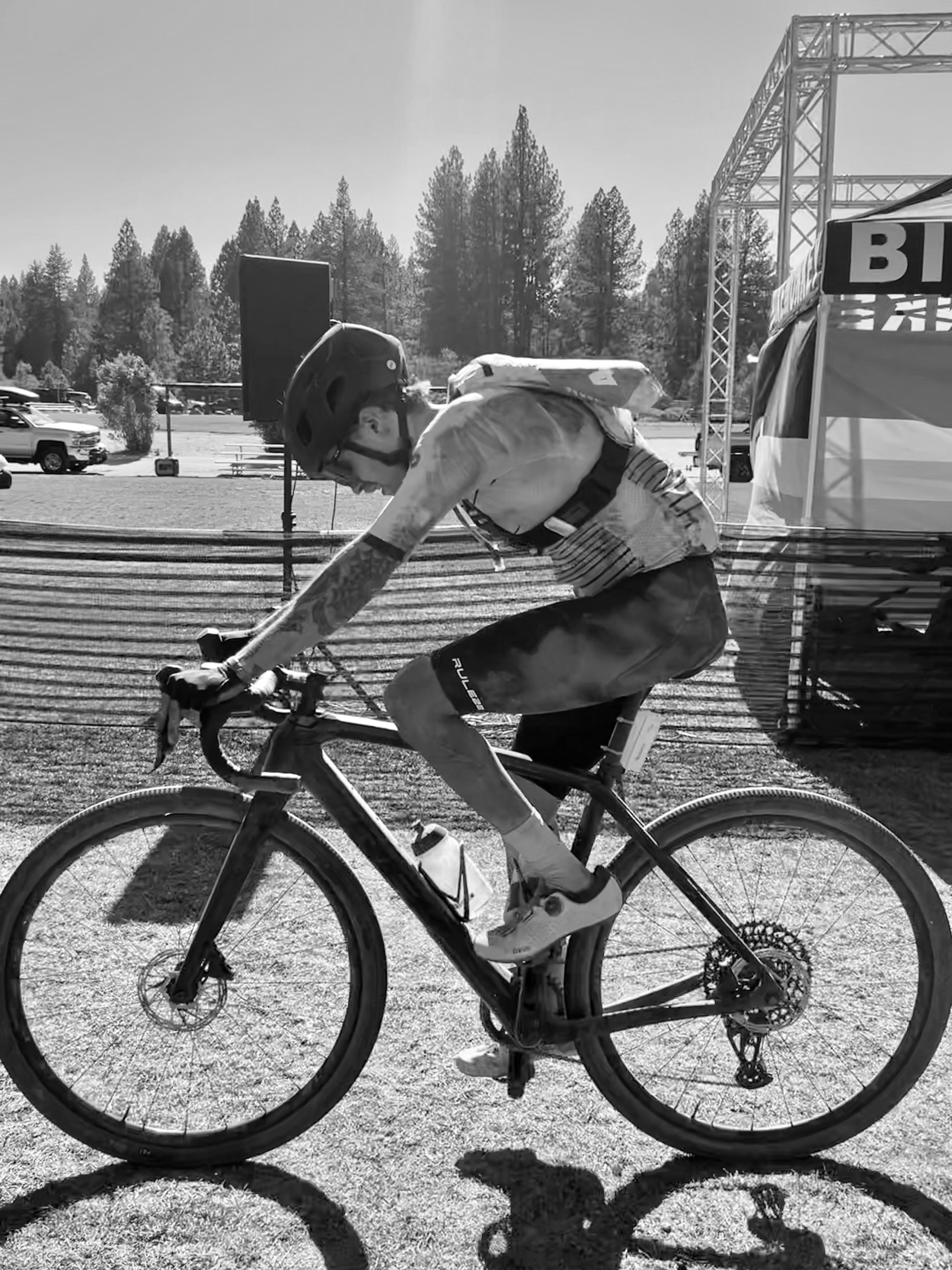
Despite what my subscriber growth would suggest, my trajectory within the cycling industry has been anything but steady. The networking and breakthroughs that fuel my stories and my excitement can be very inconsistent. One moment it feels like I am making connection after connection and generating opportunities at will, but then I go six weeks without a breakthrough. If you want to break into an industry, you have to accept that the path is not linear and not get discouraged.
Writing this story from Big Sugar is a perfect example. I have now landed in Bentonville and networked for a few hours. I already feel a new wave of progress and determination. That happens at every event I go to, but the spacing between these events can be months. All I can do is keep writing and putting out ideas. It is not a bad thing in the end, just the natural flow.
Where outsiders are the most impactful
This is a section where I am ready to be proven wrong, but within cycling, outsiders seem to be most effective in two areas: marketing and financing. I have already talked about financing in this and previous articles, so we will explore how outsiders can shape how people view the sport.
Marketing
Someone who has been within the cycling industry for decades can become entrenched in their perspective on the sport. After all, cycling is rooted in tradition and history. My clearest and most controversial opinion as an American is the continued obsession with Lance Armstrong. Admittedly I was a child when his scandal broke and had no emotional connection to the sport, but when people hold a grudge that interferes with potential growth for the sport, my reaction is: grow up and move on. I will not name names, but during this year’s edition of the Tour de France Femmes Avec Zwift I saw some within the media and industry spend more time complaining about Lance having a podcast, which does talk about the race and riders, than talking about the women racing. Meanwhile people my age only focused on the event at hand and saw cycling in a positive light.
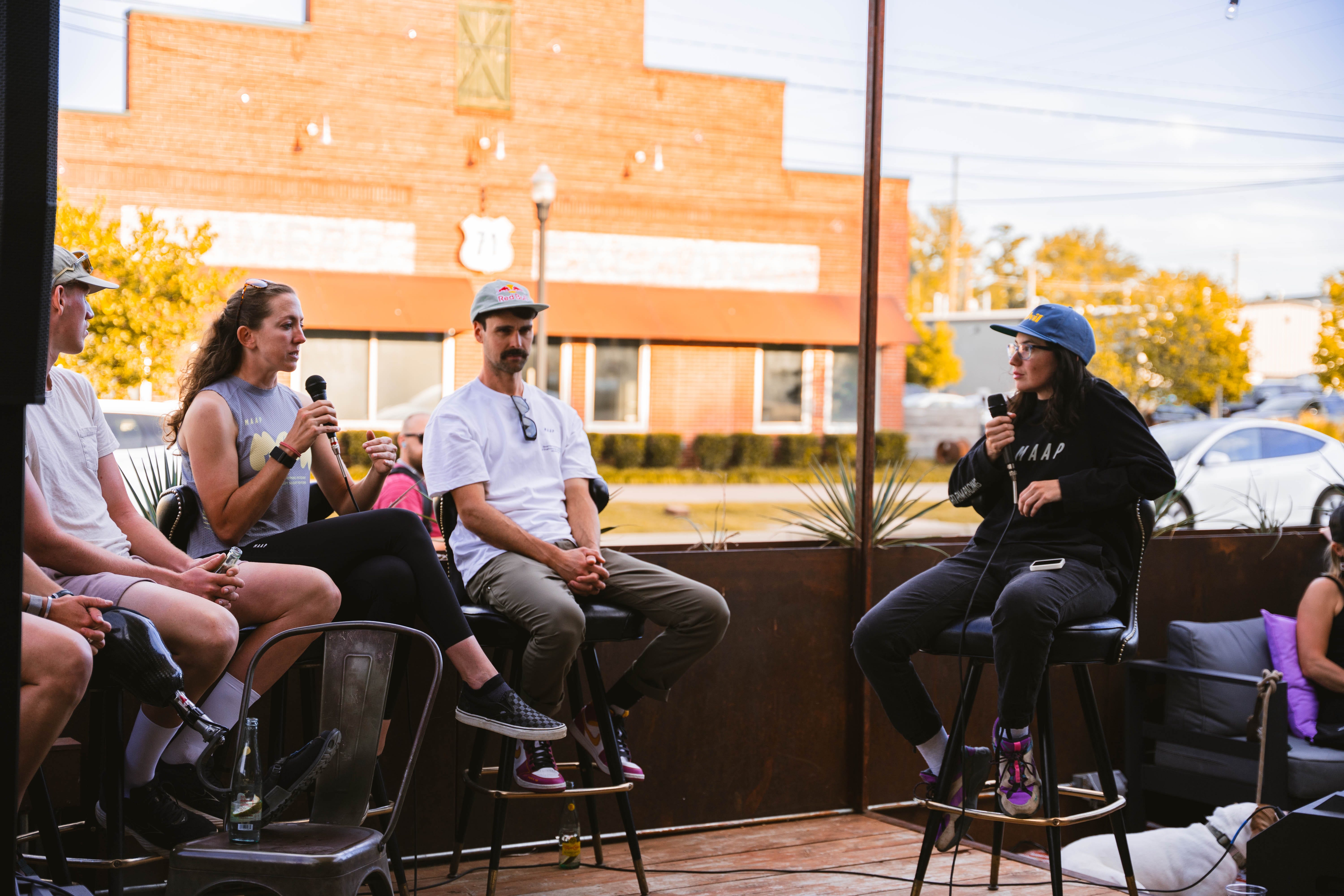
The point is that decades of experience can form strong confirmation bias that ultimately interferes with one’s ability to connect with the demographics the sport most needs. The best example I can think of that combats this bias is when brands like Lauf work directly with people like Leni Carrillo to actively engage consumers. They were willing to trust a complete outsider to influence brand presentation and it has helped a small Icelandic brand become synonymous with gravel in the United States.
Prominent and successful examples of outsiders having influence
This is meant to be a shorter read, so instead of rambling on it might be best to point you to some examples of outsiders having real effect on cycling. Luckily I have already given them proper stories you can go read. If you have not read about these individuals and initiatives, these are some of my favorite stories I have been able to tell on Built on Bikes.
Leni Carrillo, meme maker to taste maker and brand consultant
Sam Huntington, making Hill Climbers the premier business network for cyclists
USA Cycling Technology and Innovation Council, leveraging Silicon Valley’s capital and talent
Nicolas Laurent, using his day job to sponsor an IRONMAN race
James and Clare Grady, reimagining racing with Formula Fixed
Jenna Tomiello, proving why women’s gravel deserves its own event
Nina Machnowski, creating a leading development team from scratch
I will catch you next week with a recap of Big Sugar.
Ride and rip,
Kyle Dawes
