


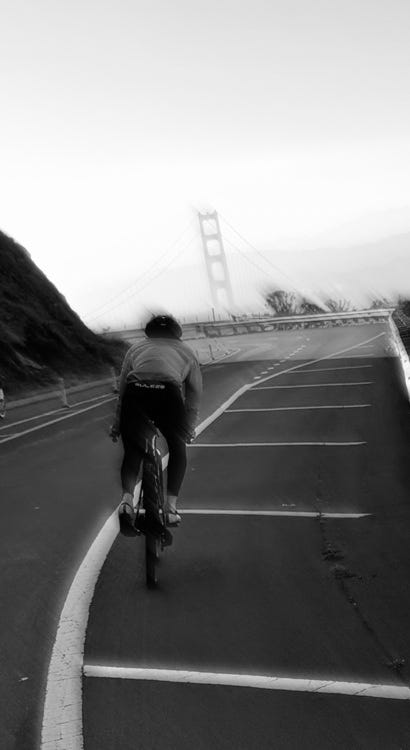
Disclaimer: This piece is different and shorter than my usual content, so just know this is a one-off personal topic I felt like sharing.
With that said, I’ll be posting a new full-length article in a few days to balance things out. That means two new releases for you all next week!
Choosing Discomfort
Beyond covering strategic topics like youth development in the United States, this SubStack brings me a sense of purpose and community. That’s a good thing because it means this isn’t something I plan to push aside anytime soon.
The decision to start this project wasn’t easy. I knew I was taking on something that would need to be balanced with a full-time job in tech, over ten hours of weekly training on the bike, and the usual social commitments that come with being twenty-seven. In many ways, it felt similar to the choice I made two years ago when I decided to start racing gravel events, which required those long training weeks I just mentioned.
Both decisions ultimately came down to choosing discomfort and, for me, choosing a path toward healing. I think this personal journey ties into cycling on a broader level, but to get that point, we need to go back about three weeks.
Enter, Andrew Vontz
A few days before what would become a very difficult period in my life, I was in an Uber when I received a text from someone I had only connected with briefly online. That person was Andrew Vontz, host of the Choose The Hard Way podcast. He invited me to a networking event the following week, which was an opportunity I pounced on.
Some background on Andrew will help provide context. The guiding philosophy behind his podcast, of which I’m an avid listener, is what makes it stand out. Andrew regularly interviews athletes and high-profile public figures about why they choose to do hard things. The ethos of Choose The Hard Way is “the podcast about how hard things build stronger people who have more fun.”
Andrew’s networking walk came at perfect timing, occurring the day after I had faced an incredibly difficult situation. The walk was incredible. I loved connecting with Andrew, and more than anything, the experience cemented the Choose The Hard Way mantra in my mind at exactly the moment I needed it most.
It helped me step back and realize that choosing the hard way through cycling has become a core part of my identity. It’s something I’m proud of and something I believe reflects how many avid cyclists see the sport as more than just a fitness hobby, but as a way of life.
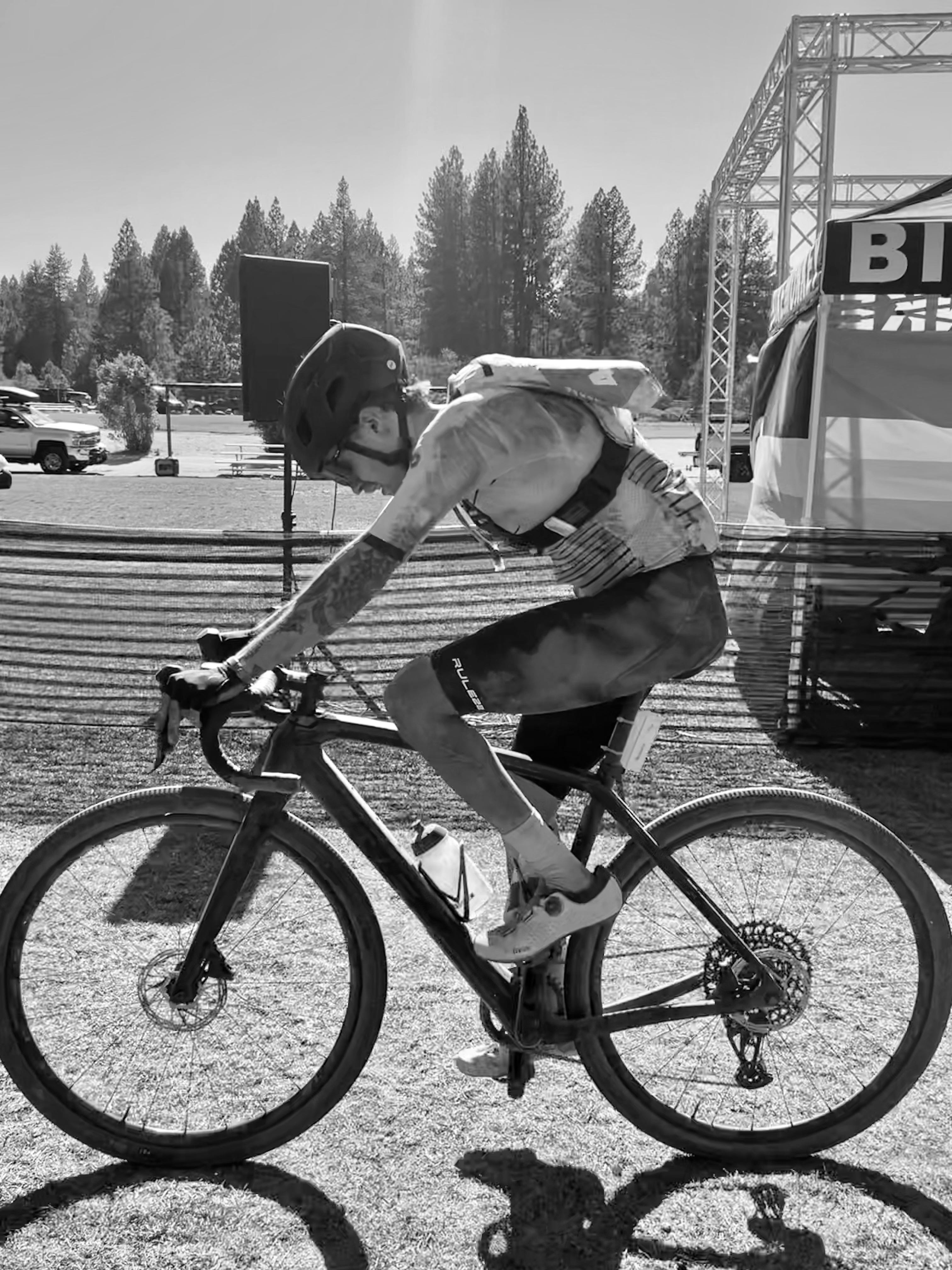
It’s a perspective the cycling industry could highlight more: cycling as a tool to seek discomfort that combats the discomfort you can’t choose, and ultimately makes life more fun.
Sometimes you don’t get to choose the hard way
Hard challenges, whether chosen or forced, shape us – but some face uncontrollable hardships more often. Mental illness can mean that no matter how hard someone tries, taming the mind can become the biggest challenge imaginable.
I’m one of those people whose brain sometimes convinces them that life is terrible and challenges are insurmountable. I’ve lived with a mental health diagnosis since 2019, and it’s something I’m open about. Don’t worry, this isn’t a cry for help, nor the start of a deep philosophical discussion. Why? Because this Substack is meant to be fun, damn it!
Making it fun
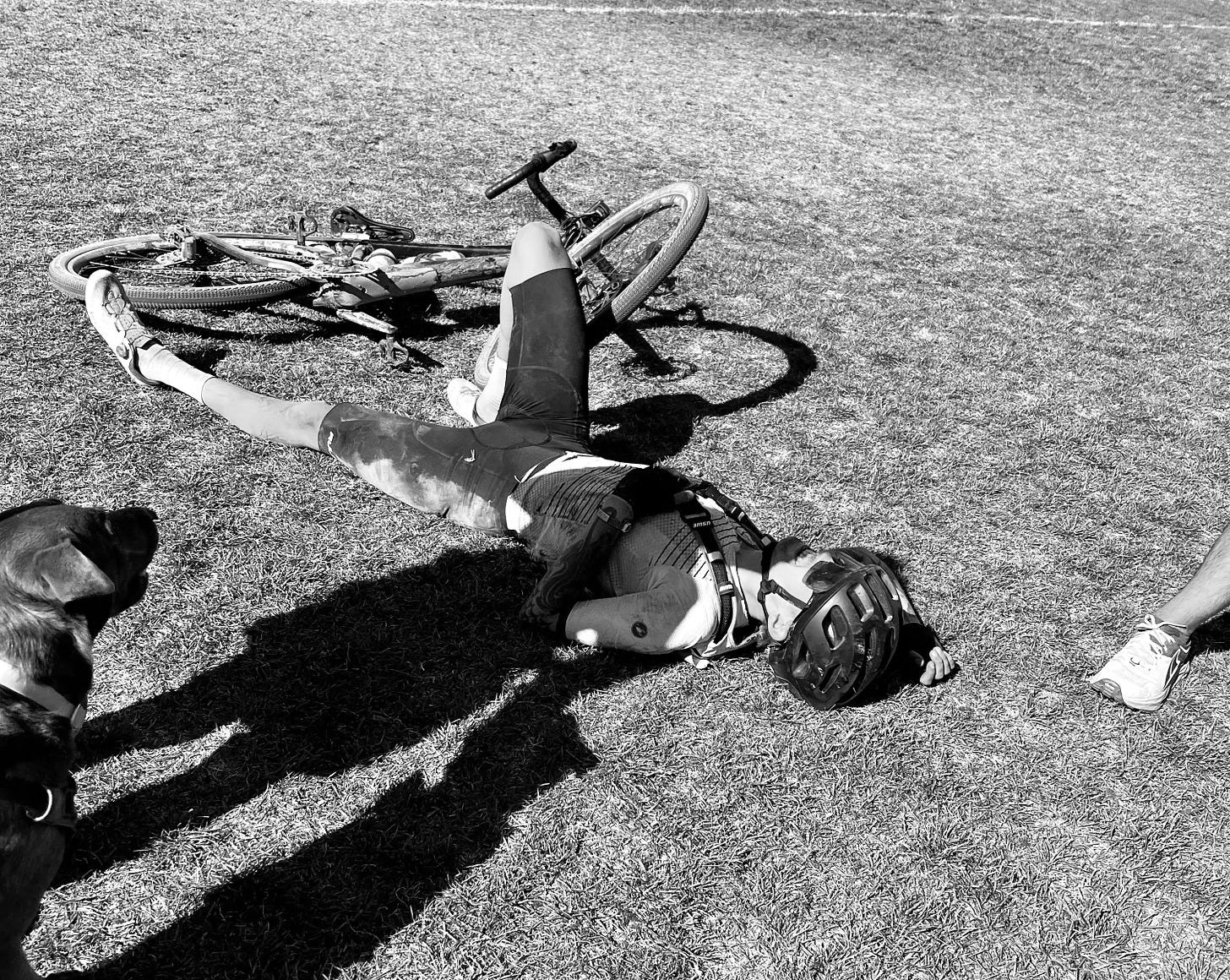
As Andrew says, “hard things build stronger people who have more fun.” Depression and anxiety do not make life more fun, trust me, but they can make seeking hard challenges feel like the only thing worth enjoying. That has certainly been my experience with cycling.
It’s proven that exercise benefits mood and mental health, but endurance sports can become a way to regain purpose. I long struggled to understand whether my obsession with cycling was a form of evasion, a way to bottle up emotions. I still have my doubts, but this newsletter usually affirms the opposite. Cycling has become a source of purpose and healing, helping me set goals, stay motivated, and build community so I can truly have fun.
It all comes down to balancing the discomfort we choose, like hard races, ambitious articles, or demanding training plans, with the hardships that find us. Both types of discomfort serve a purpose. For me, chosen discomfort provides goals, socialization, and purpose, while unexpected hardships give me motivation during the toughest moments of that chosen discomfort because I am actively overcoming something.
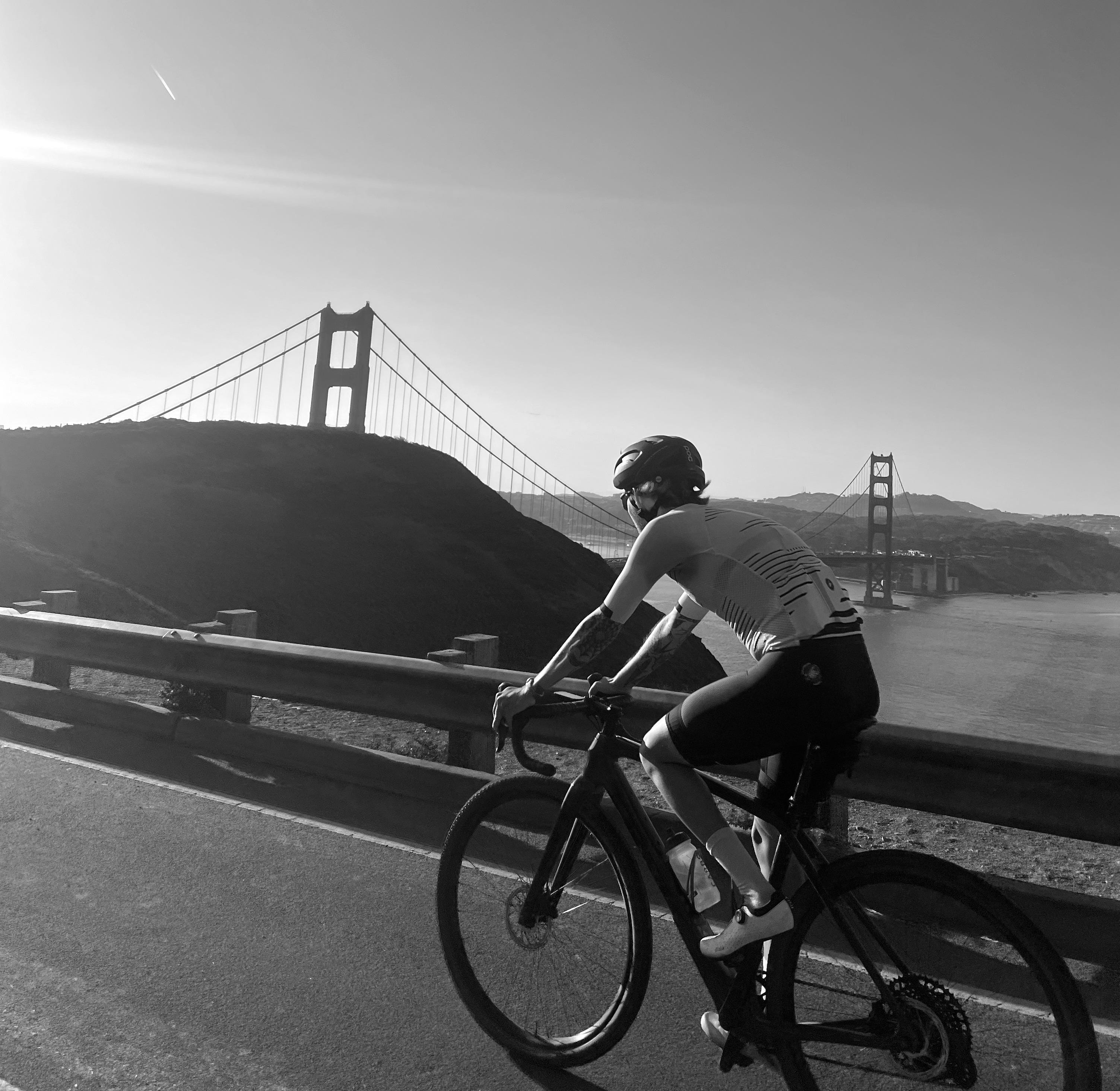
I have to note that I would not be where I am today without the support of incredible friends, family, and medical professionals, but cycling has played an equally important role. From listening to guests on Andrew’s podcast and my own interactions with athletes, I know I am not the only person for whom cycling has become a source of stability and growth.
Another growth opportunity
I wanted to tie this back to my newsletter and plant a seed for some of the people of influence who might read it. It may feel uncomfortable to touch on a topic like mental health for the sake of advertising, but sharing the stories of people like me and the pro-athletes who have found healing through cycling can be a powerful tool.
Cycling is not a cure, and it is only one piece of the puzzle (especially if seeking professional help is needed). But cycling can provide an opportunity to transform someone’s life when they need it most. By telling these stories, we can not only get more people on bikes but also grow the culture, strengthen the cycling community, and, most importantly, positively impact lives.
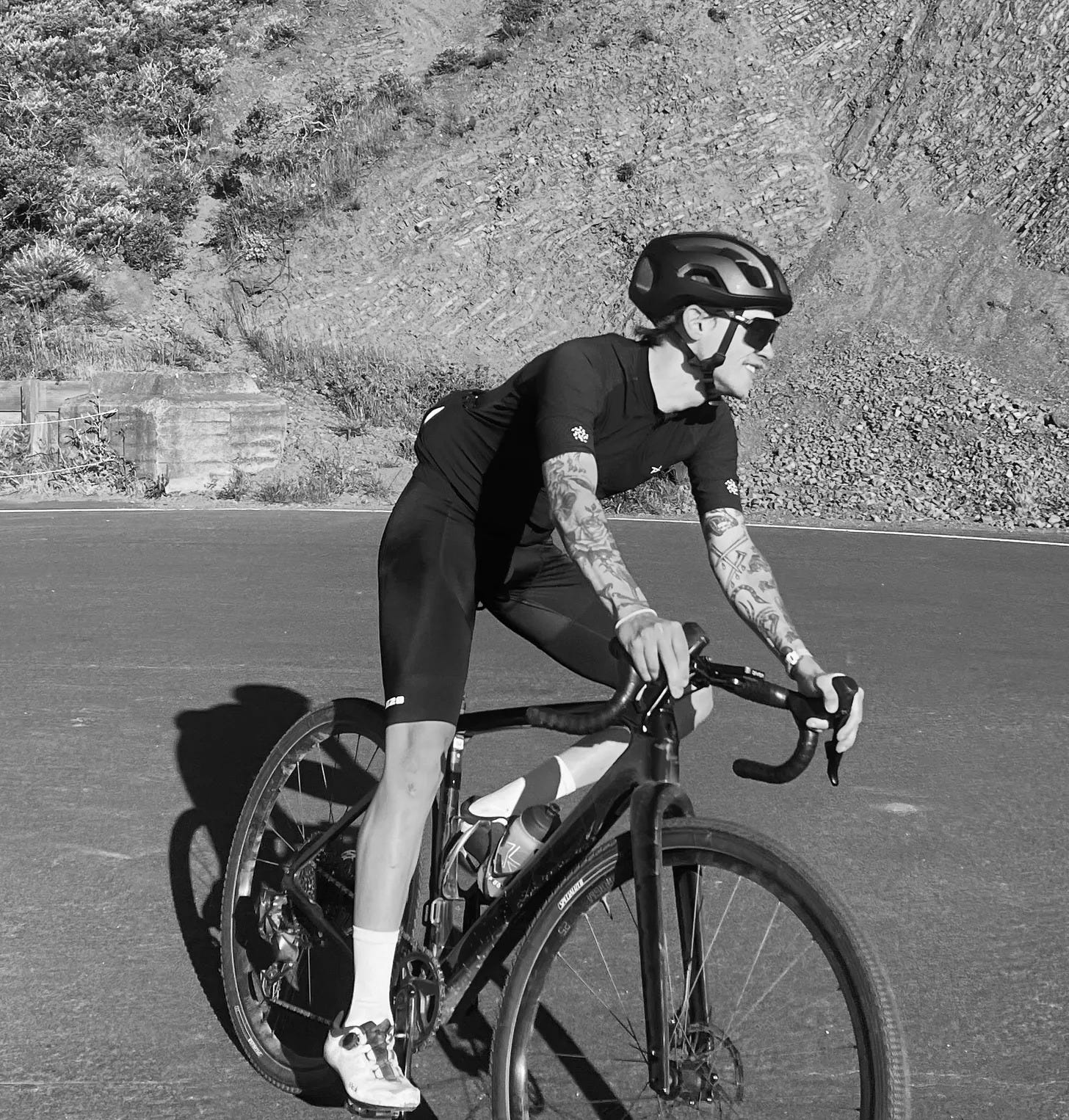
Advertise the discomfort, emphasize the challenge, and show how hard things build stronger people who have more fun. This is how we can make cycling real and relatable. Let’s grow the sport and industry with purpose.
Ride and rip,
Kyle Dawes
Kyle, I love your work and I’m grateful you took time out of your day to show up and go on a walk on short notice when I was in the Bay. Sometimes we have the privilege of choosing the hard way, and sometimes the hard way chooses you. Either way, it’s coming. And when life gets heavy, the only way it gets lighter is to lift each other up.
Loved this, Kyle. Thank you for sharing and being vulnerable. A lot of your words resonated with me and the reasons why I continue to pursue difficult challenges via endurance running.