


If you haven’t noticed already, I write a lot about the Life Time Grand Prix. I’m far from the only one since the series has become the center of domestic off-road racing. The storylines, the competition, and the sheer volume of media around it make it impossible to ignore.
But while most coverage focuses on race results and personalities, I try to dig one layer deeper and examine the business and developmental forces shaping the series. This week is no different. I’m taking a closer look at the motivations behind some of Life Time’s more debated policies and whether they are the correct path forward.
The old “drama”
I mentioned that I like to dig a layer deeper, but the idea for this piece actually came from the recent discourse surrounding the rider selection process for the 2026 edition of the series. It’s a conversation that has followed the Grand Prix since its inception, and this year the discussion evolved in some meaningful ways.
The Grand Prix is a six-race off-road series with men’s and women’s fields capped at twenty-five riders each. Since day one, people have questioned how Life Time chooses the athletes who get to compete. For the first four seasons, the process felt murky and offered little explanation for why certain riders made the roster while others were left out.

A common narrative took hold: popularity seemed to matter more than talent. The idea was that a big Instagram following translated into being a better marketing vehicle for the series. No one doubted the selected athletes were world-class, but the omission of other strong riders fueled these theories.
The new “drama”
This year brought a major shift. Life Time introduced automatic entries for top finishers, along with two wildcard slots that riders could earn through the first two events. And as fate would have it, one of those wildcards, Cam Jones, went on to win the overall. His performance reshaped the standings and surprised many of the long-established stars of gravel.
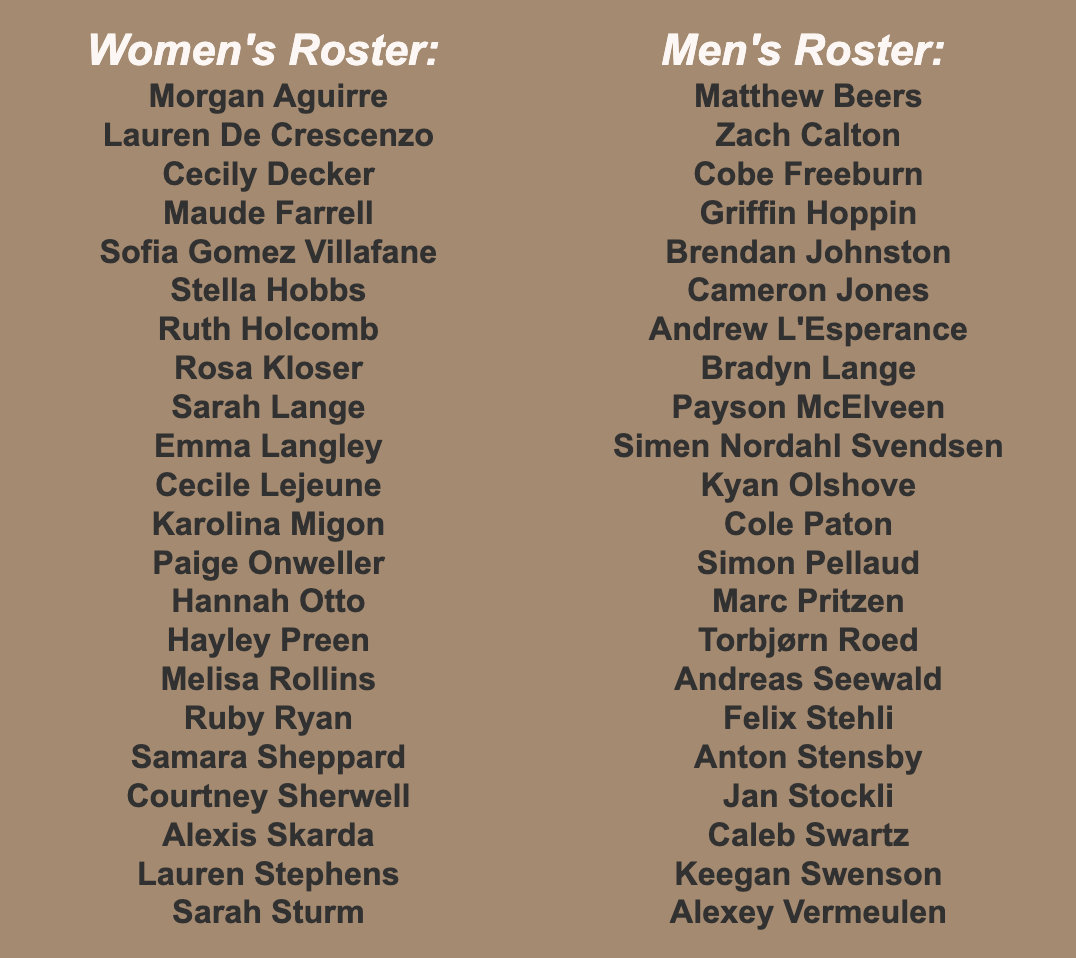
Naturally, this raised new questions about how the selection committee overlooked a rider with that level of talent. I tend to give them some slack here. Hindsight is always clearer.
Today, the annual conversation continues to evolve. For 2026, Life Time unveiled new selection criteria that include fewer automatic entries for top finishers, the return of the wildcard, and most significantly, a results-based approach. The announcement was applauded by athletes and fans, but the selection still raised questions.
Life Time races were prioritized in the process and there was no standard practice for determining the value of one result over another. A few athletes who were not selected, including Michaela Thompson, highlighted the continued desire for more transparency.
Digging deeper
While the discussion around the selection process comes around every year and only lasts a few weeks, it does present an interesting question. What is the strategic value of certain policies that might make the series seem stagnant or controversial?
In my piece Life Time’s End Game, I explored the financial impact of the Grand Prix on the massive business that is Life Time. In short, the Grand Prix is not a major source of direct revenue, but it is invaluable as a marketing tool and differentiator for the company.
The key takeaway is that the Grand Prix exists as a business asset, and, for this piece, decisions that shape the series should be understood from a strategic perspective.

That said, several decisions by Life Time have raised questions about the long-term sustainability of the series, with the most significant being:
Exclusivity, which creates small and potentially stagnating fields of competition
Recycling nearly identical race calendars year after year
Limited opportunities for development and young talent to enter the series
So, are the decisions guiding these areas the right ones, or should changes be made to ensure the series maintains lasting significance? To evaluate current policies, assess their effectiveness, and identify opportunities to strengthen the Grand Prix, I want to perform a SWOT analysis of the series and the choices Life Time has made to date. The hope is to uncover the best path forward.
What is SWOT?
SWOT is a common business-planning framework used to evaluate strengths, weaknesses, opportunities, and threats. It offers a simple way to quickly understand the internal and external factors that can influence long-term success.
For this SWOT analysis of the Grand Prix, I’ll take a broad view of the series as a whole, but I’ll focus primarily on the areas highlighted above: exclusivity, the repeated use of similar race calendars, and the lack of a true development pipeline.
Strengths
Clear media narrative
Storytelling has become an essential part of marketing gravel to the masses. Smaller, exclusive fields make it easier to shape narratives, build content, and help fans form real connections with the riders in the Grand Prix.
What sets the Grand Prix apart is not exclusivity itself but the scale of it. Most elite sports are exclusive. The WorldTour might be the most exclusive of all, but with more than one hundred riders on a start line it becomes difficult for fans to follow more than a handful of storylines.
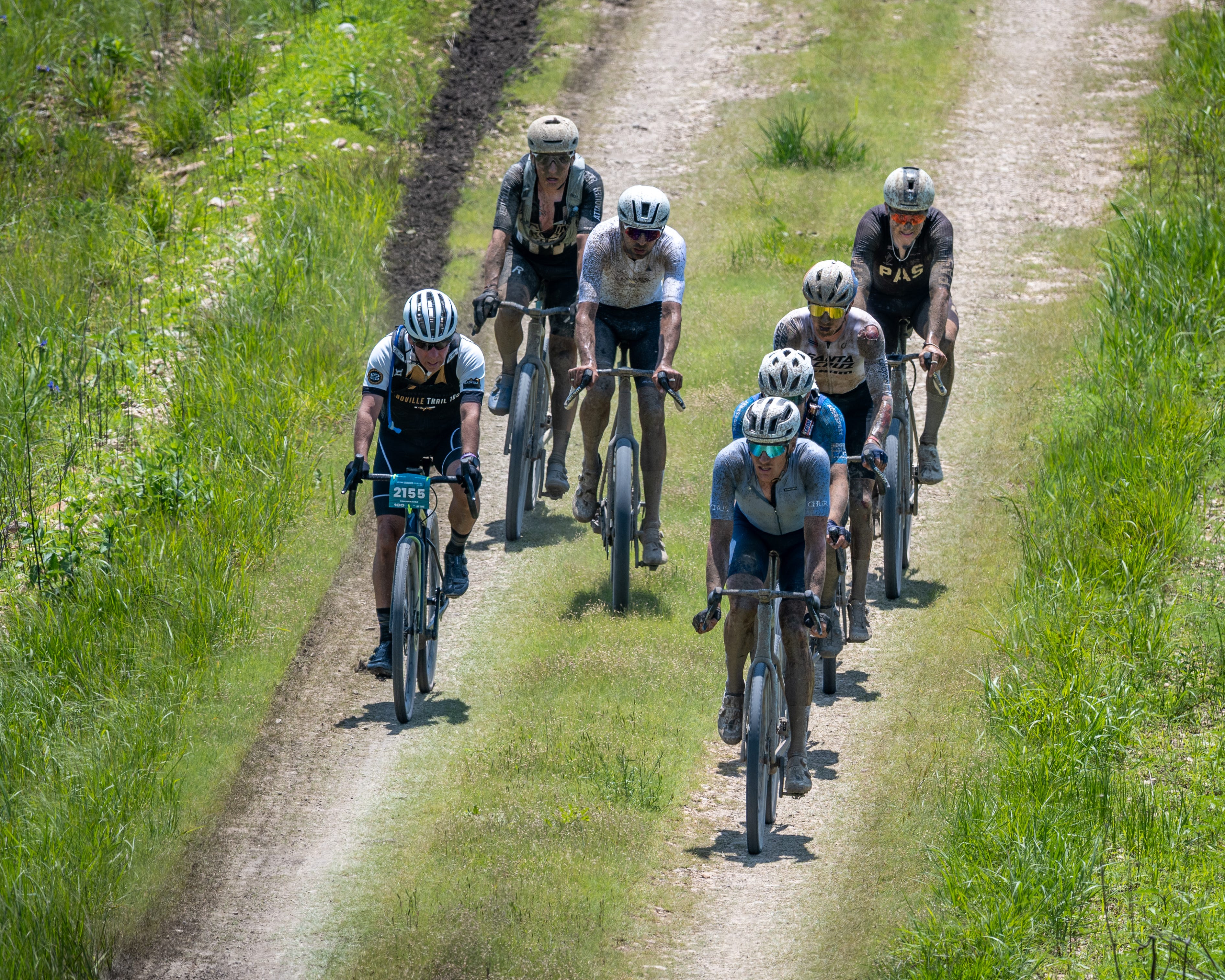
The Gravel Earth Series has the opposite challenge. There is no fixed roster, which makes it harder for fans to understand who is racing for one-off results versus who is competing for the series overall. The organizers do post cumulative points after each event, but that adds another layer of work for fans who want to quickly grasp what the field looks like from race to race.
Brand alignment
Life Time is a luxury fitness brand before anything else. Its gyms and overall identity promote a holistic, lifestyle-driven approach to health rather than a simple place to exercise for an hour.
Positioning the Grand Prix as an exclusive series fits directly within that brand footprint. Calling it the premiere off-road series reinforces Life Time’s focus on being the best and aligns the event with the aspirational image the company has built.
Sponsor value
The minimal changes from season to season—whether in races, rosters, incentives, or media—create stability for sponsors. Brands understand precisely what to expect when partnering with the Grand Prix or sponsoring a rider, which makes the series a reliable marketing platform.
Logistics (strength and weakness)
Reusing the same format and race schedule allows Life Time to streamline logistics for every event, from organization to media coverage to resource management. This efficiency shifts focus from planning to executing activities that add the most value to the series.
For athletes, however, a repeated calendar and format can present logistical challenges, especially for international competitors. The series spans seven months and covers races across the United States, requiring significant travel and coordination.

Weaknesses
Opportunities for young riders
Life Time has introduced a wildcard and a U23 version of the Grand Prix, allowing winners in the men’s and women’s fields to automatically qualify for the pro series. Despite this, the influx of new, young talent into the series remains minimal year after year.
Unlike the WorldTour, which provides constant opportunities for emerging riders, the Grand Prix primarily shines a spotlight on the 25 riders in each field. While athletes outside the series can still compete—and occasionally beat Grand Prix riders to gain attention—the structure of these races rarely favors young competitors. Events like UNBOUND and the Leadville MTB 100 are among the most grueling bike races in the world, often favoring older riders with greater accumulated mileage and experience.
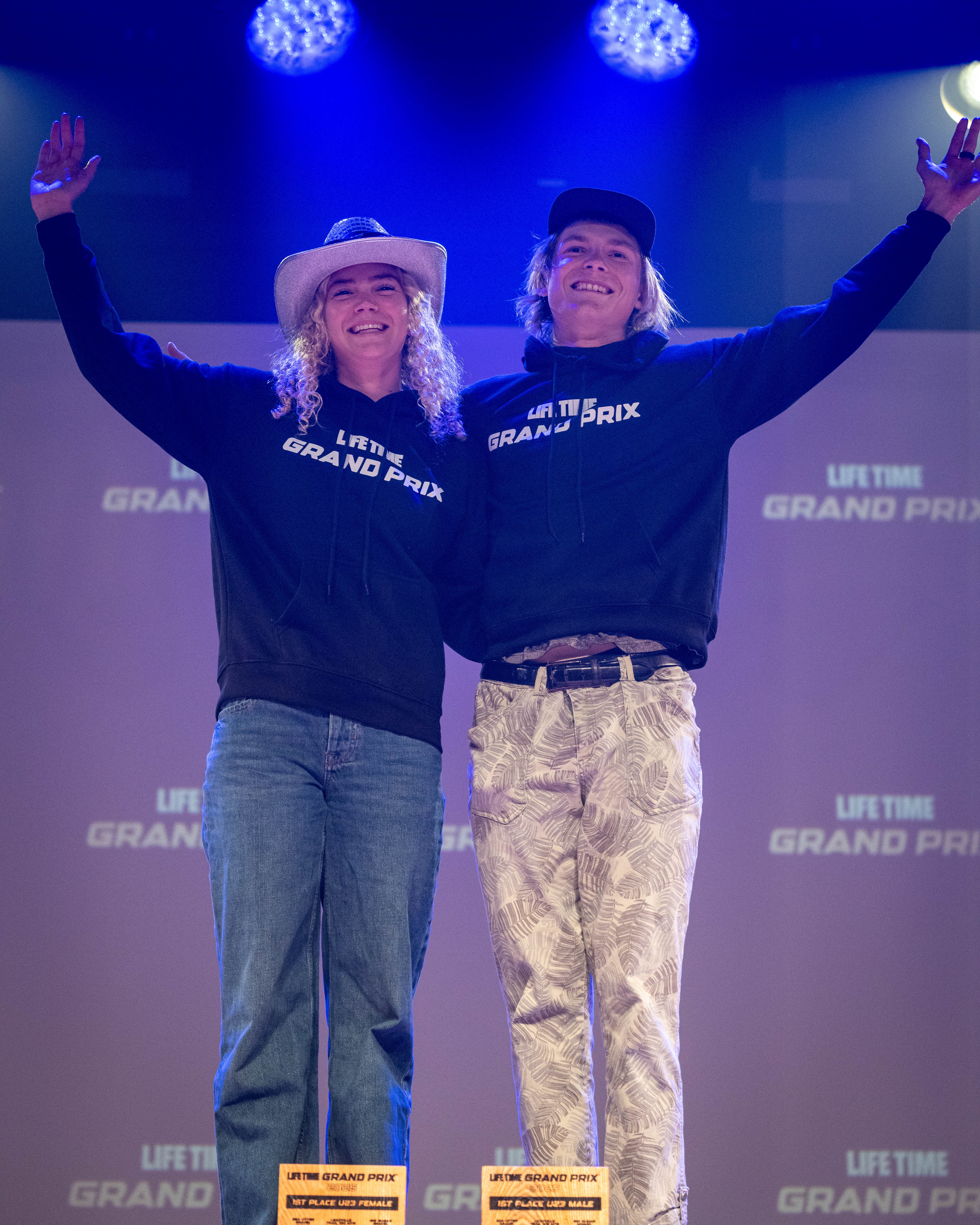
If the series continues to thrive as a popular and exclusive event, filling rosters with talented riders will likely remain manageable. However, without a steady influx of fresh talent, the stories and narratives that drive fan engagement risk becoming stale.
Barriers to entry/fatigue
As noted in the Strengths section, logistics can be a major challenge for athletes, particularly younger ones. The demanding travel and training schedule leads some star athletes to opt out of the series and makes it nearly impossible for younger riders to participate without substantial sponsor support.
Opportunities
I will not expand on these too much here because some will come up again later. I have plenty of ideas for future opportunities including a second tier pro series and potential UCI sanctioning, but for this article I want to stay focused on the most realistic and achievable changes to the Grand Prix.
Field shake-ups
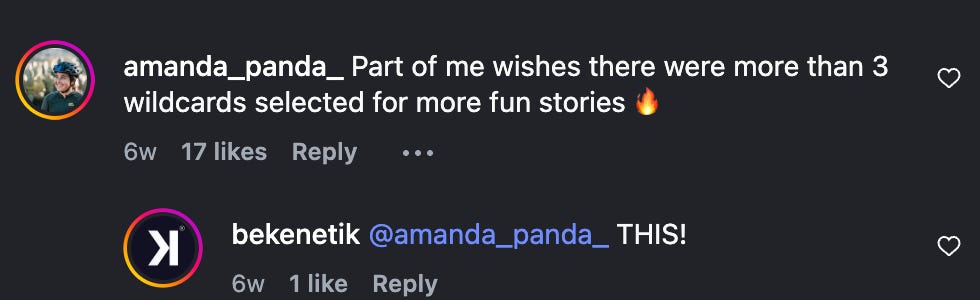
Life Time has the potential to become the premier platform for youth development in the United States by providing greater support for U23 riders. Expanding the wild card to include 5-10 athletes could introduce more fresh talent and dramatically enhance the storytelling narratives within the series.
More transparency in rider selection
The rider selection process remains shrouded in secrecy, with few insider sources. Filming the process live could bring transparency, allowing everyone to see the decisions as they happen. Choices will always face criticism, but at least the logic behind them would be clear.
External media coverage
Currently, Life Time manages the bulk of the media for the series—technically through agencies, but always under Life Time’s oversight. Controlling the narrative is powerful, but expanding reach is even more so. Televising select events or partnering with a streaming platform to create a Grand Prix-focused docuseries could dramatically amplify marketing exposure.

While predictability can dampen excitement, one sport faces a similar challenge: Formula 1. Known for dynasties and minimal roster changes among its twenty drivers, F1 overcame stagnation through storytelling, most notably with the Netflix series Drive to Survive. Life Time can take a page from this approach by continuing to introduce shake-ups and investing in compelling media, the series can maintain excitement despite familiarity.
Teams (possible threat)
Gravel teams present an emerging challenge for the Grand Prix. The series has historically been dominated by privateers, but 2026 is shaping up to be the first season where true team tactics, not just loose alliances, take center stage. This shift gives Life Time an opportunity to rethink the series format or introduce guidelines that define how team competition should function within the Grand Prix.
Threats
Outside competition
The rise of other gravel series creates real competitive pressure for Life Time’s position in pro gravel. UCI circuits and the Gravel Earth Series both feature deeper, more diverse fields and more dynamic race calendars, which can draw attention away from the Grand Prix and challenge Life Time’s hold on the sport.
Reduced applicant fields
There’s been zero indication of Life Time getting fewer applications to the series, but if the series stagnates, it’s possible it will be hard to fill rosters with deep talent.
Stagnation
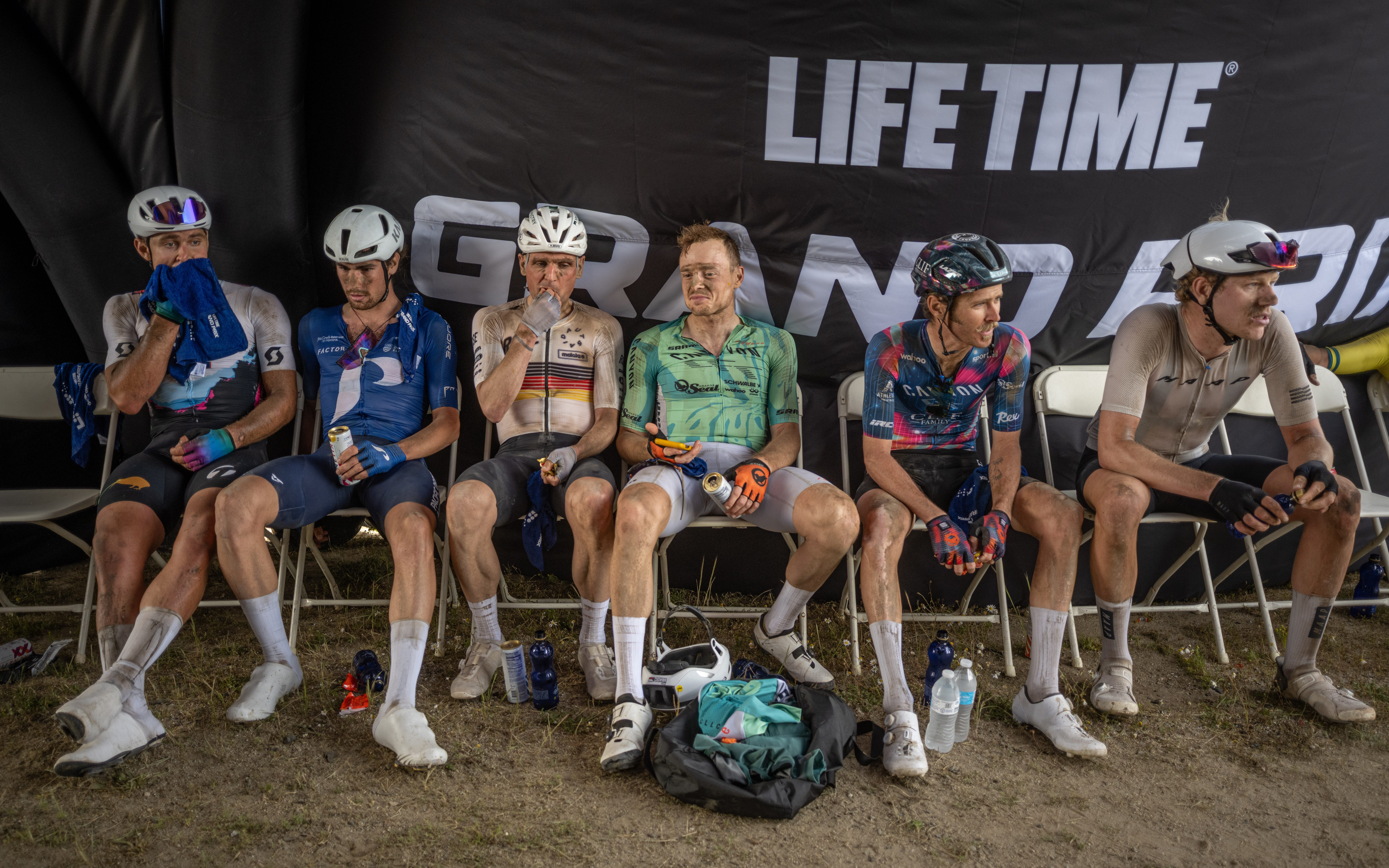
As mentioned, familiar fields and largely unchanged race calendars can make building hype and compelling media challenging. Over four years, the female overall has had only one winner, the male overall two, and four out of six races have been repeated each season.
Rapidly evolving sport
Gravel is defined by its lack of rules and constant evolution in technology, competition, and media. A fixed series that can’t adapt quickly becomes vulnerable to shifts in the sport and the industry at large.
Lack of future talent
Exclusivity helps the series maintain a full roster of 25 highly skilled athletes, but if gravel development does not expand, the Grand Prix risks losing its status as the premier path to professional racing.
SWOT takeaways
There are many factors shaping the future of the Grand Prix, but the themes around exclusivity, stagnation, and development are the ones with the clearest long term implications. The most obvious takeaway is that exclusivity is deeply embedded in the series from a media and marketing perspective. Removing it would introduce too much instability for a series that is still maturing. In reality, exclusivity is an asset. It gives Life Time leverage, it strengthens the brand footprint, and it delivers what advertisers want most: clear narratives and guaranteed visibility.
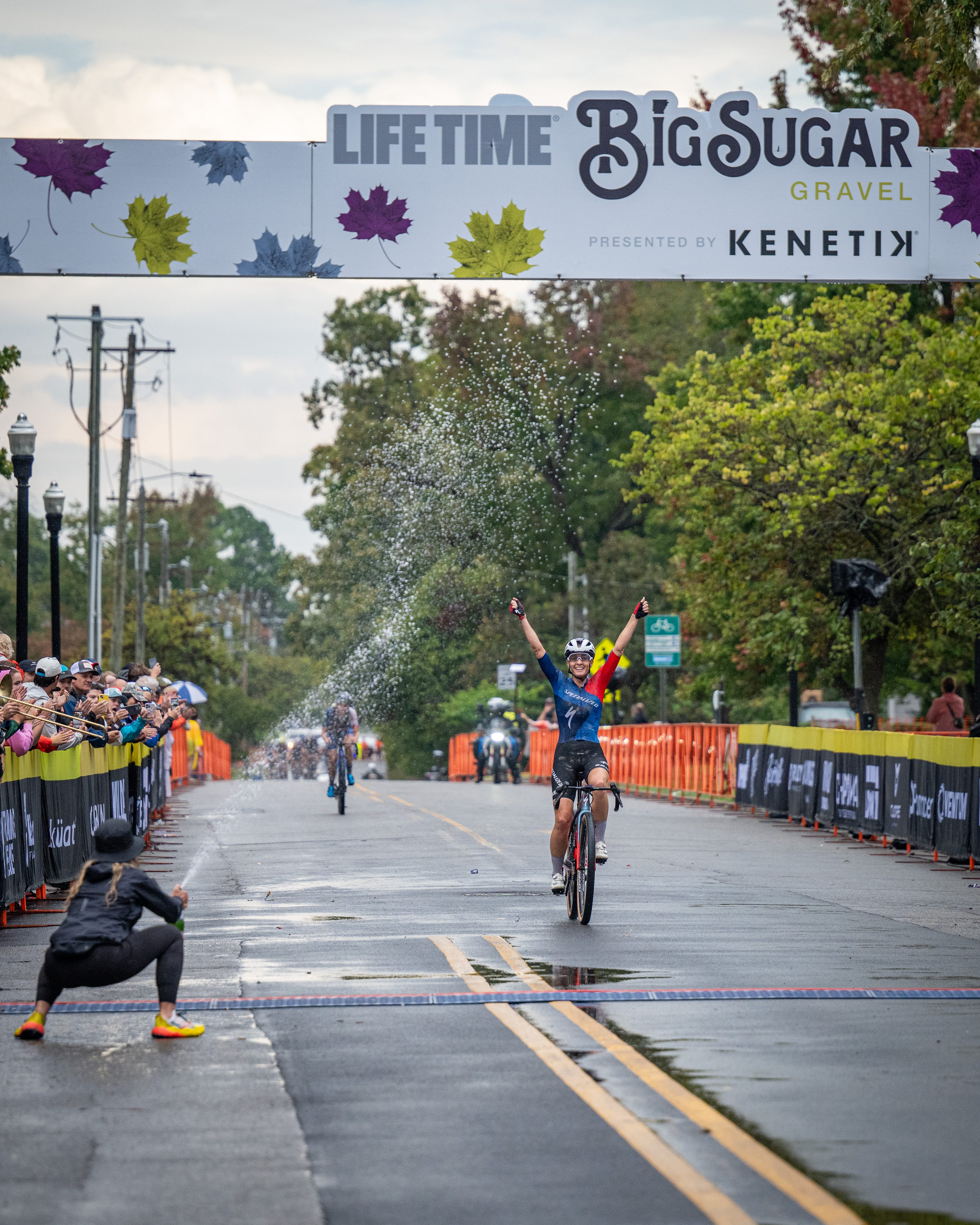
The bigger risks lie in stagnation and economic pressure. Recycling the same race calendar limits the dynamic storytelling potential that could elevate the entertainment value of the series. Gravel is still a community driven sport, and mass participation remains central to the Grand Prix’s business model. Rising costs and affordability challenges could decrease participation at events. If that happens, Life Time’s ability to invest in the series and maintain meaningful prize purses could be strained.
These risks do not signal a failing system, but they do highlight where strategic creativity is needed to keep the Grand Prix evolving in a way that preserves its cultural relevance and competitive appeal.
What should stay and what should change
Stay
Exclusivity: Maintain the selective format to keep the series aligned with Life Time’s premium brand and ensure clear, compelling storytelling that resonates with casual and new fans.
Prioritization of sponsorships: Continue courting major non endemic sponsors. Stronger partnerships will open doors for better production quality, athlete support, and overall series development.
Media focus and storytelling: Invest even more in content that pulls in non fans and the broader cycling community. Keep positioning the Grand Prix as a true spectacle.

Change
U23 funding: Slow the growth of the pro prize purse and redirect more resources toward waiving fees for U23 riders, offering financial support to juniors, and building a genuine feeder pathway into the Grand Prix.
Wildcard structure: Restructure selection by locking in only 15 athletes and leaving the remaining 10 spots for wildcard qualifiers. This will strengthen early season narratives and reward real time results.
Controlled media: Invite third party streaming and production partners to elevate the quality of coverage and expand the reach of the series beyond Life Time’s channels.
Race calendar: Introduce more variety by rotating two races each season. Keep the core events Sea Otter Classic, UNBOUND, Leadville 100 MTB, and Big Sugar Classic, and rotate the remaining two to keep the series fresh.
Continue to innovate
It might be an unpopular take to some, but I will always praise Life Time for what they have done for cycling in the U.S. This SubStack probably wouldn’t even exist without the Grand Prix. With that said, my goal is always to represent the facts and realities that shape both the rider experience and Life Time’s business decisions. Like any company, Life Time has areas where it excels and areas where improvement would meaningfully strengthen the product.

The 2026 Life Time Grand Prix will be exciting to watch and will feature the biggest changes the series has seen since its inception. Even so, it feels critical for Life Time to keep innovating. Not just incremental tweaks, but major moves such as building a full development pipeline, creating more dramatic roster shake ups, and investing more capital into spreading the storylines of the series. At the same time, Life Time should stay true to the elements that made the Grand Prix successful in the first place by keeping the series exclusive and treating it as a marketing platform above all else.
Keep an eye on how teams, the economy, and media interest shape the direction of the Grand Prix. This definitely won’t be the last time we dig into its future.
Ride and rip,
Kyle Dawes