


If you have been here since the beginning, you will know that I have written multiple pieces on nutrition brands in cycling. First was an interview with Yuri Hauswald where we discussed GU Energy’s athlete marketing and sponsorship strategy, and then a few weeks ago I published a competitive analysis of Maurten and Science in Sport. That piece performed well and made some waves throughout the endurance nutrition market.
Much to my surprise, my takes were noticed by both brands, as well as some other names in the industry. While I do not anticipate nutrition becoming a major theme for Built on Bikes, if there is a good story to tell or an interesting business strategy to dissect, I will jump at the opportunity. My college self five years ago could only dream of having high-level conversations about brand strategy with names like these, and that has not gotten any less exciting.
This week is another brand deep dive. This time on an Italian sports nutrition company with over seventy years of history, a roster that includes the best cyclist in the peloton, and an ambitious push into the North American market currently underway. Self-described as a cycling brand at its core, Enervit is looking to make a serious impression in the US, and they are doing it with a more holistic approach than most.
Did Tadej Pogačar’s nutrition sponsor just email me?
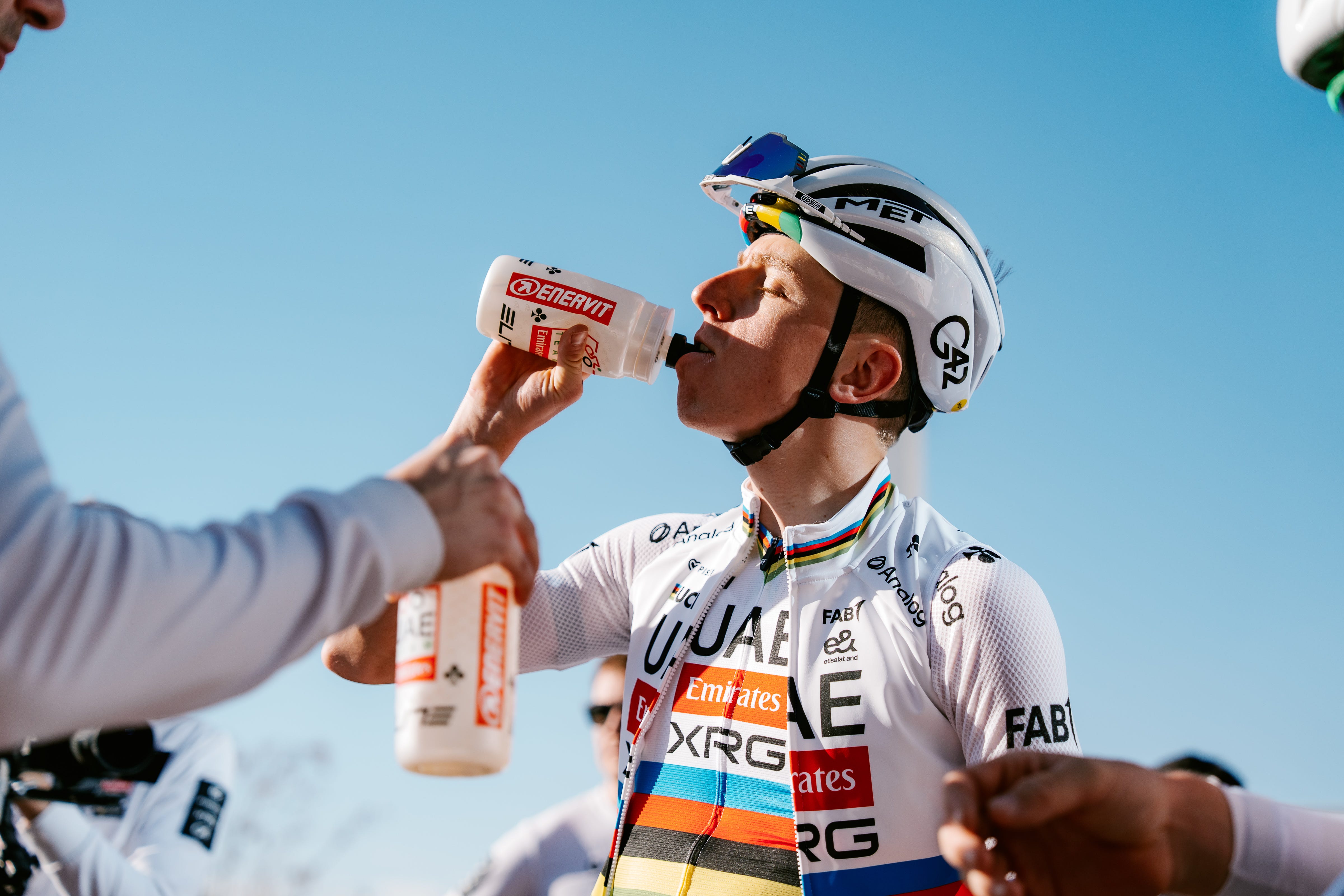
While I was in Kansas covering Unbound, I received an email from a nutrition brand I knew only vaguely. The brand was Enervit, which I knew as Tadej Pogačar’s and UAE Team Emirates’ nutrition sponsor. I had never seen Enervit’s products in stores or received much advertising from them, so it was a bit out of the blue for the nutrition brand used by the greatest cyclist of all time, yes I said it, to be reaching out to me.
I recognized the sender as someone who had been subscribed to my newsletter for a while. It was Mirek Boruta, SVP and General Manager of North America at Enervit. A quick look at his LinkedIn revealed deep experience in CPG, including senior positions at Clif Bar and Feastables, which made his outreach even more intriguing. Mirek was interested in collaborating on a piece, but why reach out to a niche publication instead of focusing on larger outlets? When I read his pitch it became clear.
Mirek and Enervit both understand that cycling is a sport rooted in culture and community, and that storytelling is what wins with cycling consumers. A few things in his pitch stood out and instantly earned my trust. He made the point that cycling is not just a category for Enervit, but the sport the brand was built on and where they are most deeply invested.
He also emphasized that Enervit understands how important trust is with cyclists. Admittedly, we are some of the pickiest, most product-obsessed consumers out there, which is why Mirek said his focus is connecting with authentic voices in the community who are genuinely passionate about the sport and trusted by riders. He also left the scope of collaboration entirely up to me, genuinely looking to add value to my audience rather than asking for ad placement.
I worked in sales for four years before Built on Bikes. I know good cold outreach when I see it. Even as a slightly calloused sales professional, I was sold, because what Mirek was displaying was Enervit’s genuine love for cycling. My kind of brand.
Not a review. OK, a quick one.
I responded and told Mirek I would love to collaborate and tell the story of Enervit’s strategy for penetrating the US market. I was upfront that I am not really a reviewer, so if he sent me product I probably would not be diving deep into my experience with it. He was completely fine with that and still sent some my way.
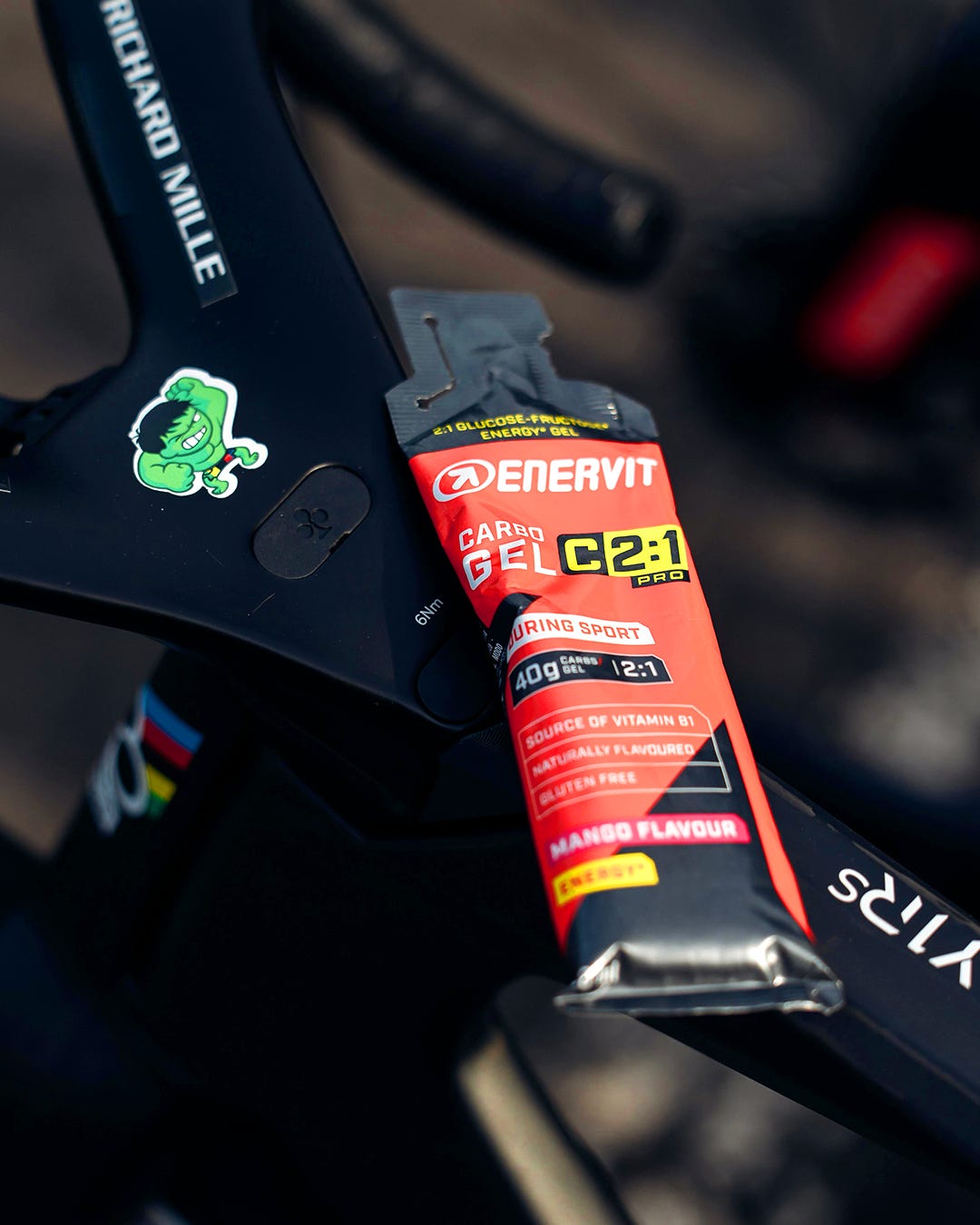
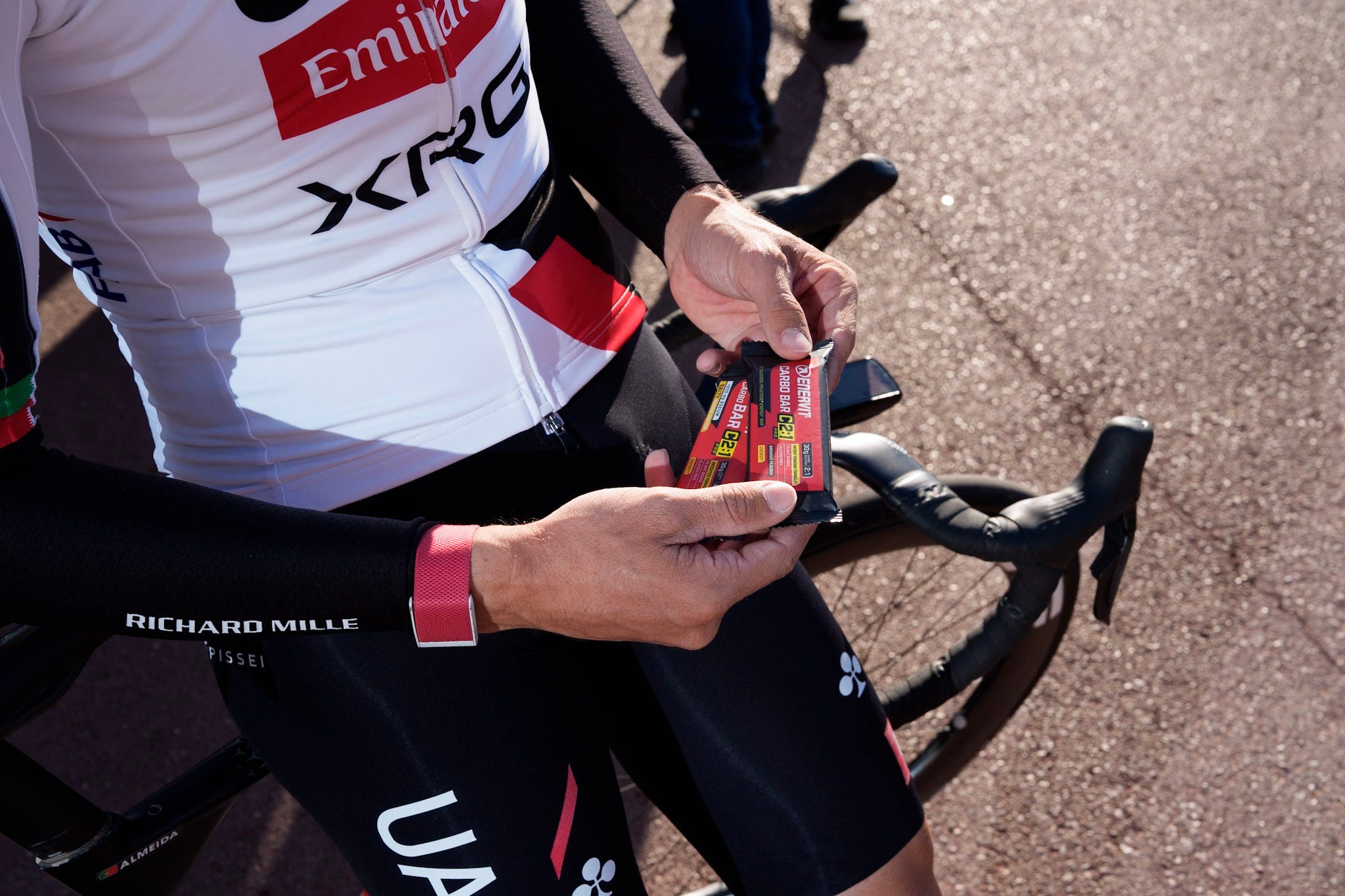
With all that said, you might still be curious what I thought. I tried everything and loved it. The products probably lean slightly toward the experienced cyclist, but they are certainly approachable, especially if a newer rider sees the brand’s association with Tadej. I tell everyone my gut is indestructible, and without any major gut training beforehand, I did a 3.5 hour ride pushing 100 grams of carbs per hour using Enervit products. No issues. Transparently, I have never had any nutrition product upset my stomach, so take that for what it is worth.
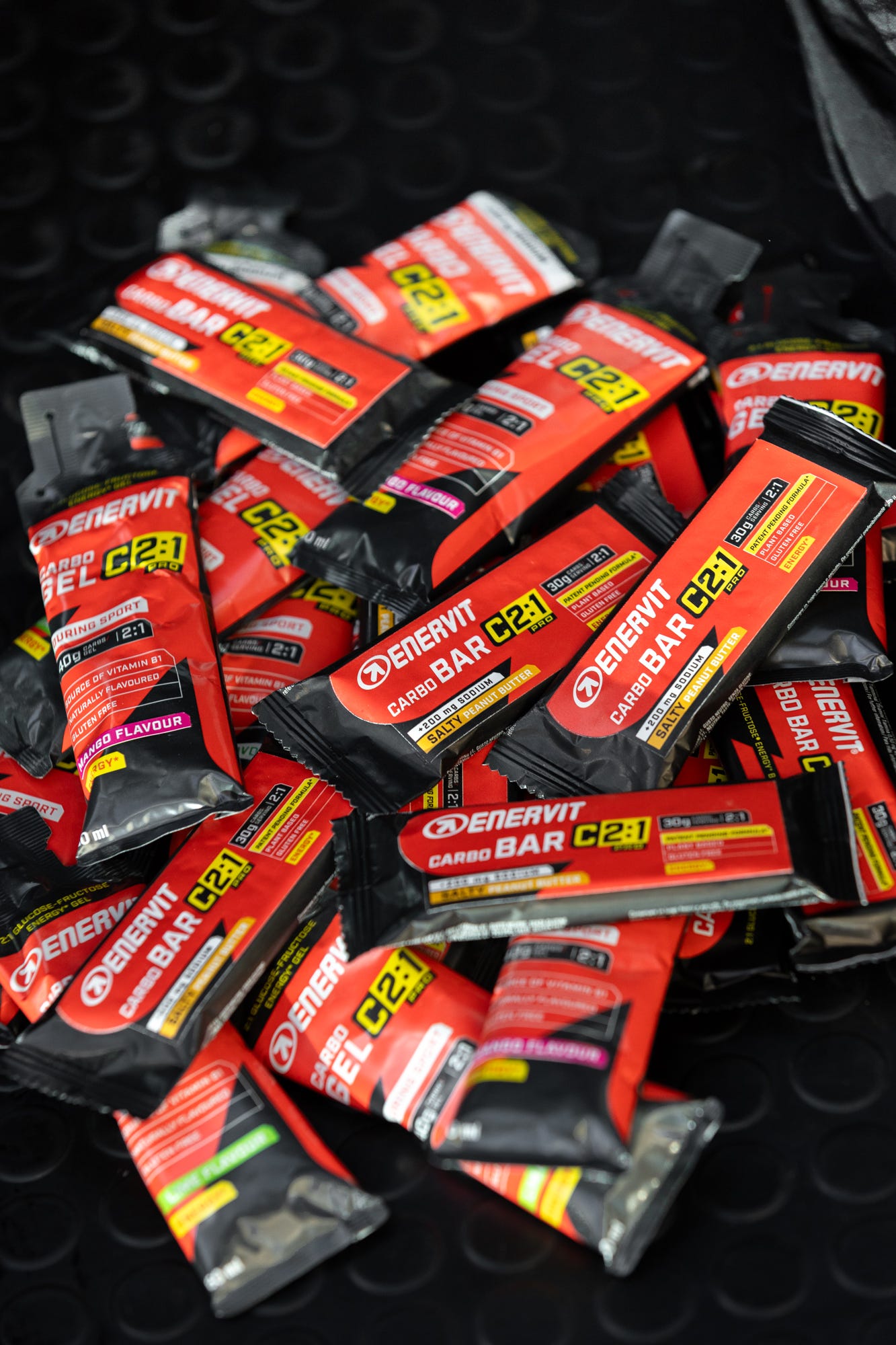
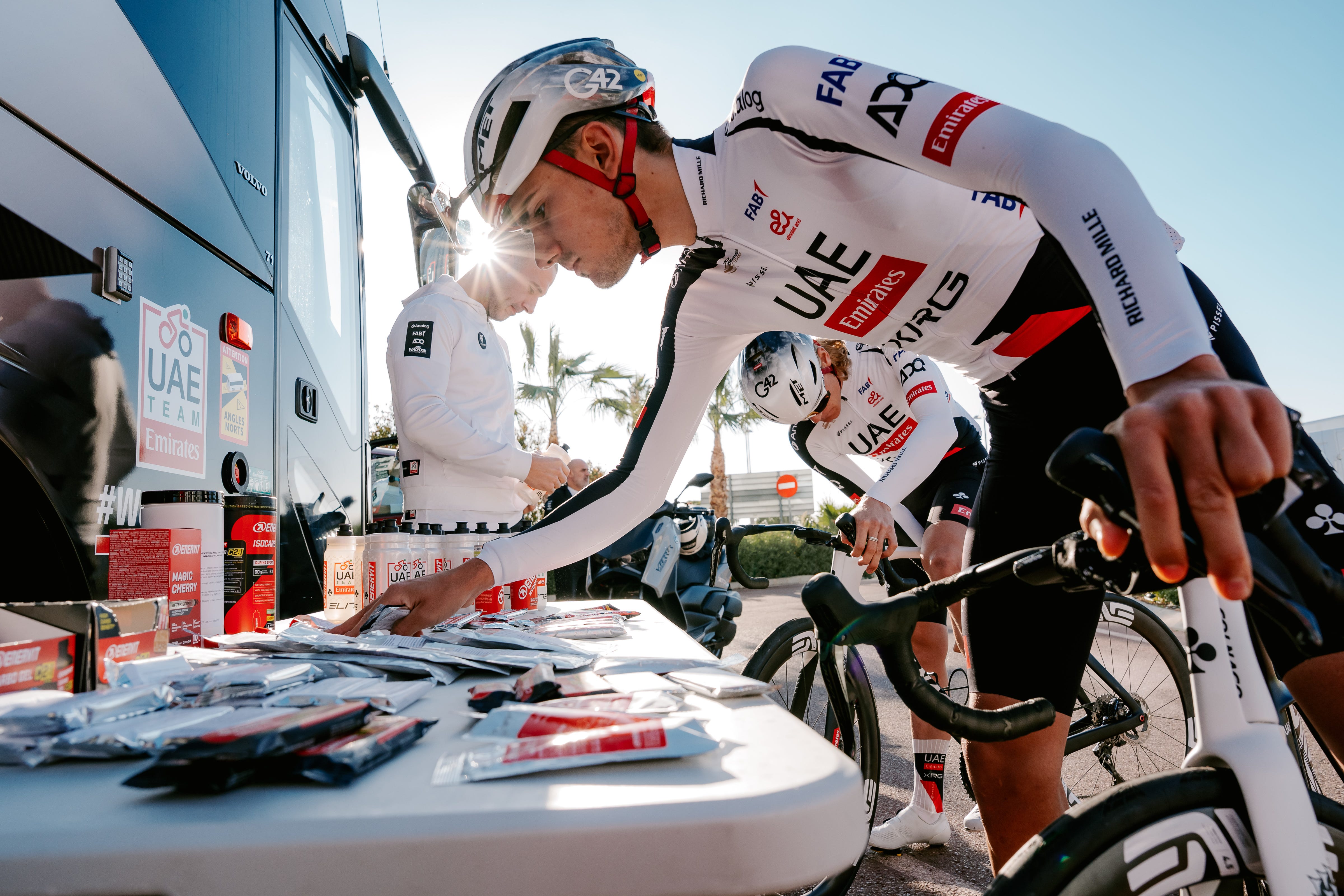
I also appreciated how comprehensive the lineup is, covering pre, during, and post-ride nutrition. I have praised Maurten for their product simplicity in the past, and still do, so it is worth noting that the breadth of Enervit’s offering could feel overwhelming to a newer cyclist. For an experienced rider it was a different story. There is something genuinely satisfying about chugging the same cherry recovery drink you see Tadej Pogacar and Isaac Del Toro reaching for after a race.
More on my relationship with this brand in a bit, but for now, the interesting stuff.
A brief introduction to Enervit
Founded in 1954, Enervit has been in operation for over seventy years. That is a lifetime for a person, and for a nutrition brand, it might as well be centuries. Nutrition is a field that innovates incredibly fast, so covering the entire brand history would take far too long. Luckily I got my hands on their brand book, and I am learning about this brand right alongside you.
Before Enervit, there was Also, a pharmaceutical company founded in Milan, Italy in 1954 by pharmacists Paolo Sorbini and Franca Garavaglia. Also would operate for nearly twenty years before shifting its research focus toward dietary needs, where the founders found sport to be the ideal playing field for studying the reactions of the human body in motion. Ironically, their first products focused on developing sweeteners while avoiding sugar.
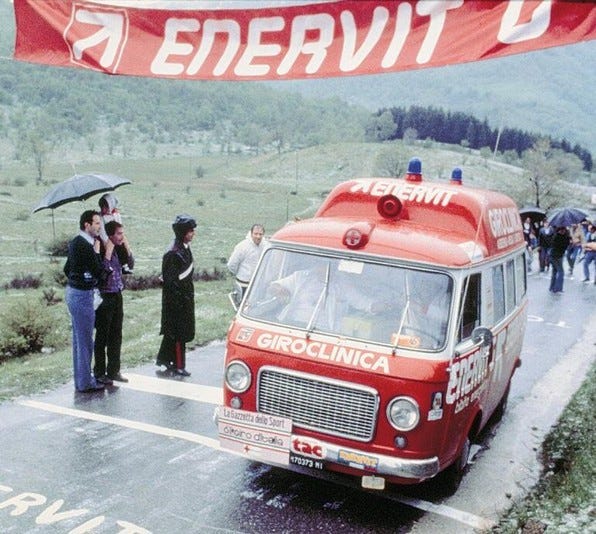
In 1973, Enervit was born, debuting as a product that balanced fructose, vitamins, and mineral salts to provide energy during exercise. A relationship with the Giro d’Italia formed quickly, and innovation continued from there. By the 1980s, Enervit was partnering with pro cyclist Francesco Moser to break Eddy Merckx’s hour record. They helped break it, and in the process were part of a program that brought landmark innovations to the sport including disc wheels, hill repeat training, and heart rate monitoring.
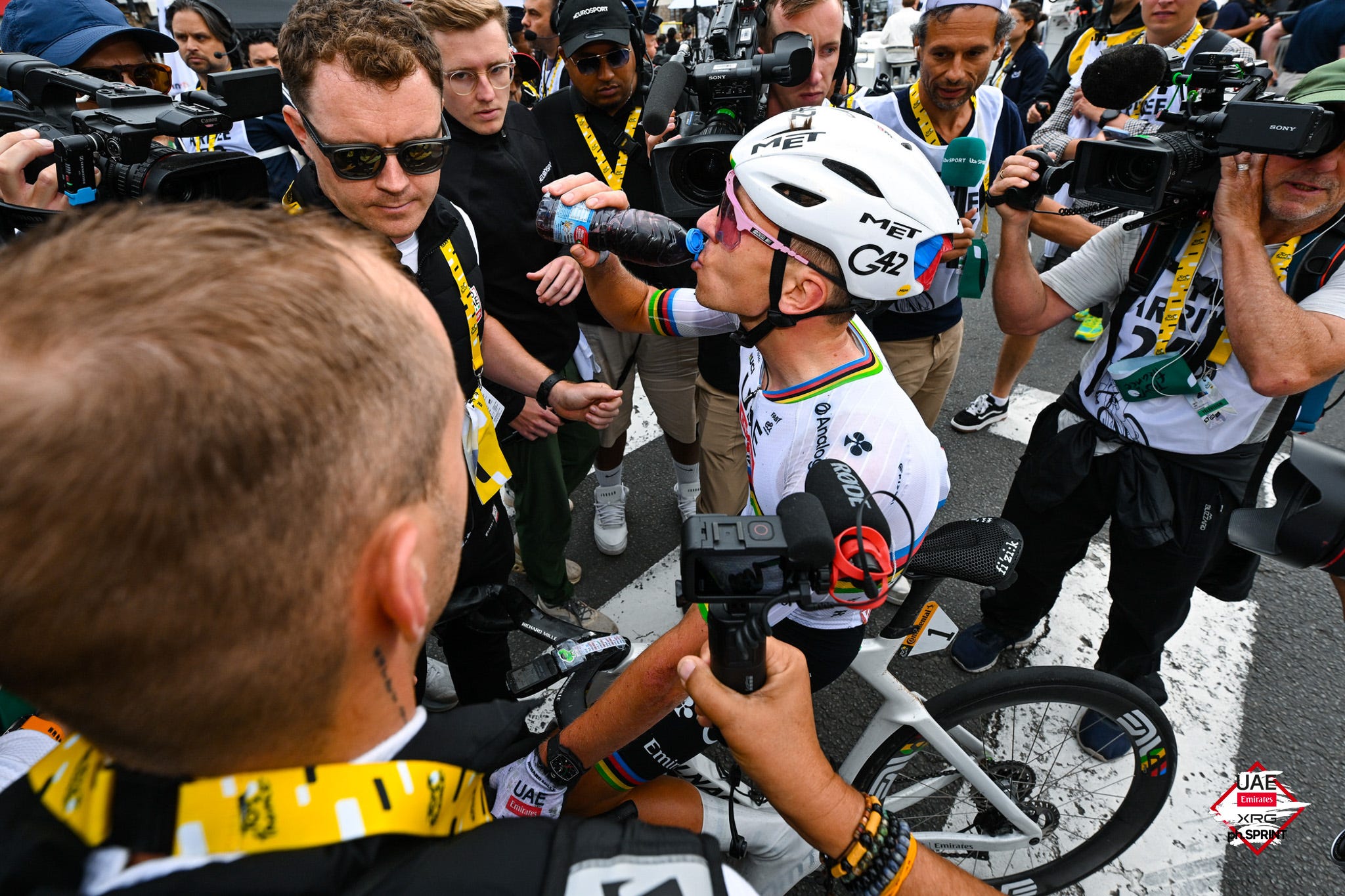
In the 1990s, Enervit partnered with another legendary cyclist, Miguel Indurain, who went on to win five consecutive Tours de France, two Giro-Tour doubles, an Olympic gold medal. Through the 2000s and 2010s the brand continued to grow, supporting male and female athletes to iconic victories across IRONMAN, ski racing, soccer, and cycling. Today Enervit supports the best men’s WorldTour team, UAE Team Emirates, along with all Italian national cycling teams, and continues to use cycling as its primary testing ground.
That is a rushed version of a long story, but the point is clear. This brand has been around the block and been part of far more cycling history than I realized. They were early supporters of women’s sport and are now building what could be the defining chapter of that legacy alongside Tadej Pogacar.
Enervit is also very Italian, which comes through clearly in the romantic storytelling style of their brand book. All jokes aside, this is a massive brand with a remarkable history that most American consumers have never heard of. Yet.
Why now?
The stage is set. Enervit is making their largest push into the American market, but why now? That was the first question I asked Mirek, and the answer requires some context, because this is not the first time the brand has tried to engage US consumers.
“Some people may know Enervit tried to enter the US 25 years ago in a distributor model, where they basically outsourced the distribution to a third party. Unfortunately that didn’t work out because the distributor we used went bankrupt. Enervit learned a lot of lessons from that.”
Logistics played a major role in making that first attempt unsuccessful, but outsourcing inevitably led to brand erosion and a loss of storytelling. It was some random Italian nutrition brand showing up on shelves. Now it is the brand fueling Tadej Pogacar showing up in your local store with consistent inventory.
“Now we’re going at it in a completely different way. Enervit is establishing a North America division, hiring a North America team, and have established a warehouse here in the US. It’s a whole different approach to how to bring a product from Europe to the United States.”
Mirek was also clear that Enervit has been operating in the US in this new capacity for the last two years, using that time to build the operational foundation. Now it is time to come out swinging, and the reason why is one we have heard before in other brand stories on this newsletter.
The United States is one of the largest consumer markets in the world. Cycling and endurance sports may not be as big here as they are in Europe, but our total addressable market scales far beyond what Europe offers. Every major European nutrition brand has been vying for American market share for some time now. Enervit is finally making their move.
“The bar category, not just in sports nutrition, is over 8 billion in revenue. Any bar manufacturer or sports nutrition manufacturer is really keen on getting a percentage of that total category. The US is the grand prize.”
They may be arriving a little late to the party, but they are arriving with more brand capital than most brands had when they made the same trip. Maurten did not have athlete partners of the caliber of Demi Vollering or Eliud Kipchoge when they entered the US market. Enervit enters with seventy years of brand heritage to draw from. That history is valuable, but Enervit is not building their US entrance strategy on brand capital alone. They are aiming to capture market share with a holistic philosophy that applies to everything they do.
A 360 degree approach
Throughout my conversation with Mirek, one theme kept coming up: Enervit is a brand built around covering all bases. Whether it is their product range or their marketing strategy, the brand is working to reach consumers at every level of the market funnel. Four pieces of their strategy stood out to me:
Addressing market saturation
Athlete marketing
Product differentiation
Distribution
As with most things in marketing, all three are intertwined and work in tandem toward the same goal of comprehensive market engagement, but each has a distinct approach worth unpacking.
Addressing market saturation
Even for an experienced cyclist, choosing performance nutrition can be an ordeal. Off the top of my head I can name fifteen brands without thinking, and if you go on a site like The Feed that number quickly grows to hundreds. I already admitted it, but even to me, Enervit was a fairly inconspicuous brand until recently. So how are they thinking about market capture when consumers have this many options?
Enervit understands that the number of brands available to consumers is not going to shrink, so they are embracing it. More brands mean more category visibility, and that aligns directly with their philosophy of making sure every athlete need is met.
“Frankly, I’m really happy that there’s a number of brands because it’s helping elevate the conversation about the need for nutrition before, during, and after sport. People are spending thousands of dollars on a bike but nutrition is put on the back burner.”
“We’re big believers in not just stealing market share from each other but growing the total category. There’s so many people out there training, whether it’s cycling, running, there’s a thousand different sports. They all need nutrition and there’s plenty of space for multiple products in this category.”
On its face the mindset may seem counterintuitive, but it helps explain Enervit’s decision to wait before making a serious US push. The brand has deeply established roots in Europe and had the luxury of patience, waiting for indicators in the American market that signaled the right moment to expand. Rather than spending resources chasing small slivers of an underdeveloped market, they are entering as the category grows, which makes capturing meaningful share significantly easier.
Athlete marketing
From the start of Built on Bikes, athlete marketing has been one of my favorite topics to dig into. Getting to hear how Enervit utilizes athletes like Tadej was genuinely exciting, and more importantly, eye opening. Eye opening because Mirek led with sponsorships that meant a lot more to me than having the greatest of all time on the roster. You guessed it, collegiate cycling programs were among Enervit’s first athlete sponsorships in the United States.
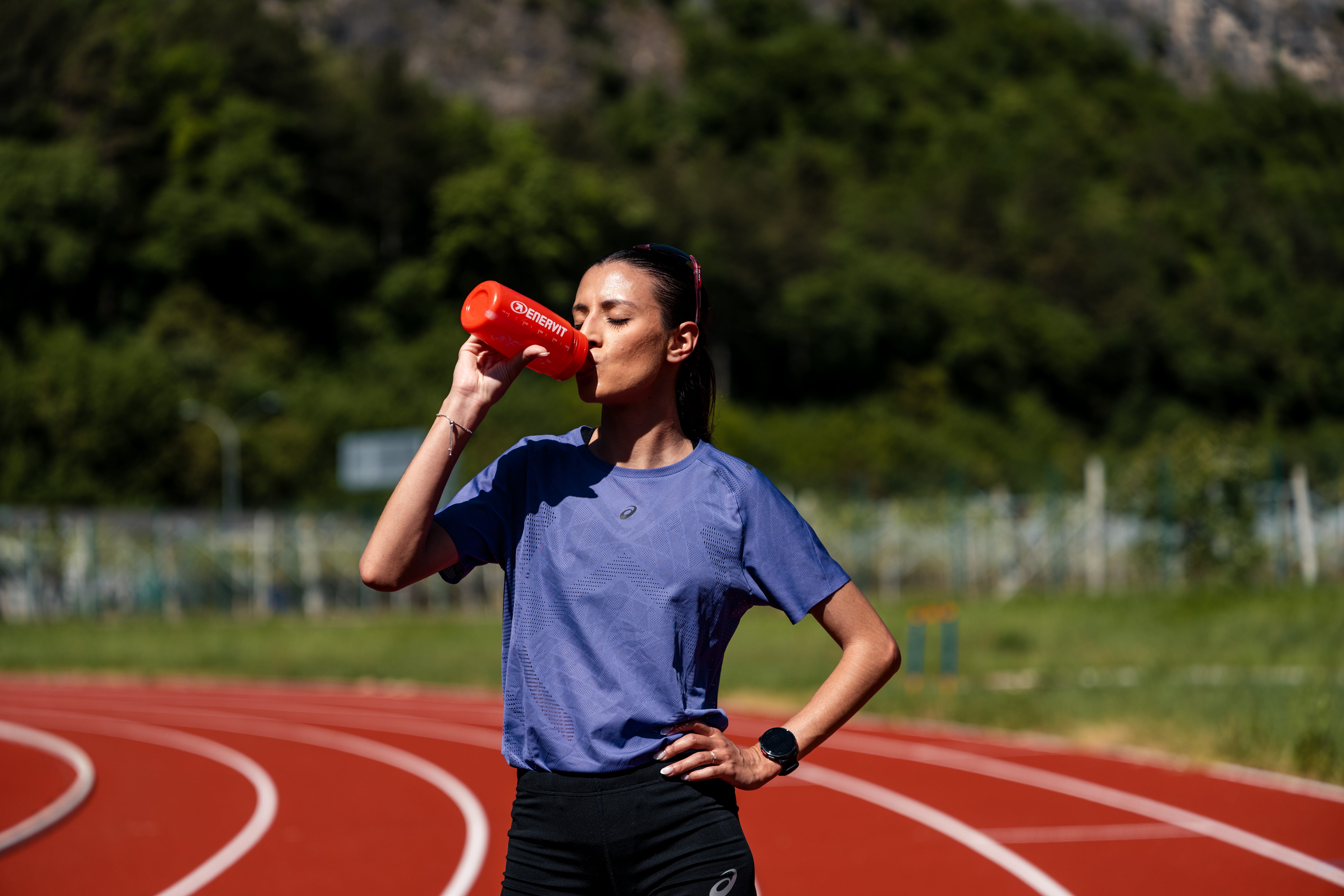
Mirek told me that Enervit sponsors Humboldt State University’s cycling program and Cal Berkeley’s triathlon team. The reasoning is similar to why brands sponsor local elite teams like SpeedBlock-Terun. Most people are going to know who Tadej is, but sponsoring smaller teams and athletes creates local touchpoints that build brand trust and make an Italian brand feel a little more familiar.
“If there’s a cycling fan that follows Tadej, they get awareness of Enervit and the products he’s using throughout his training and racing, and then they go to their local bike shop or are on a local ride and there are riders from Humboldt State or the Cal Berkeley triathlon team that have the bottle, have the product. It brings it home.”
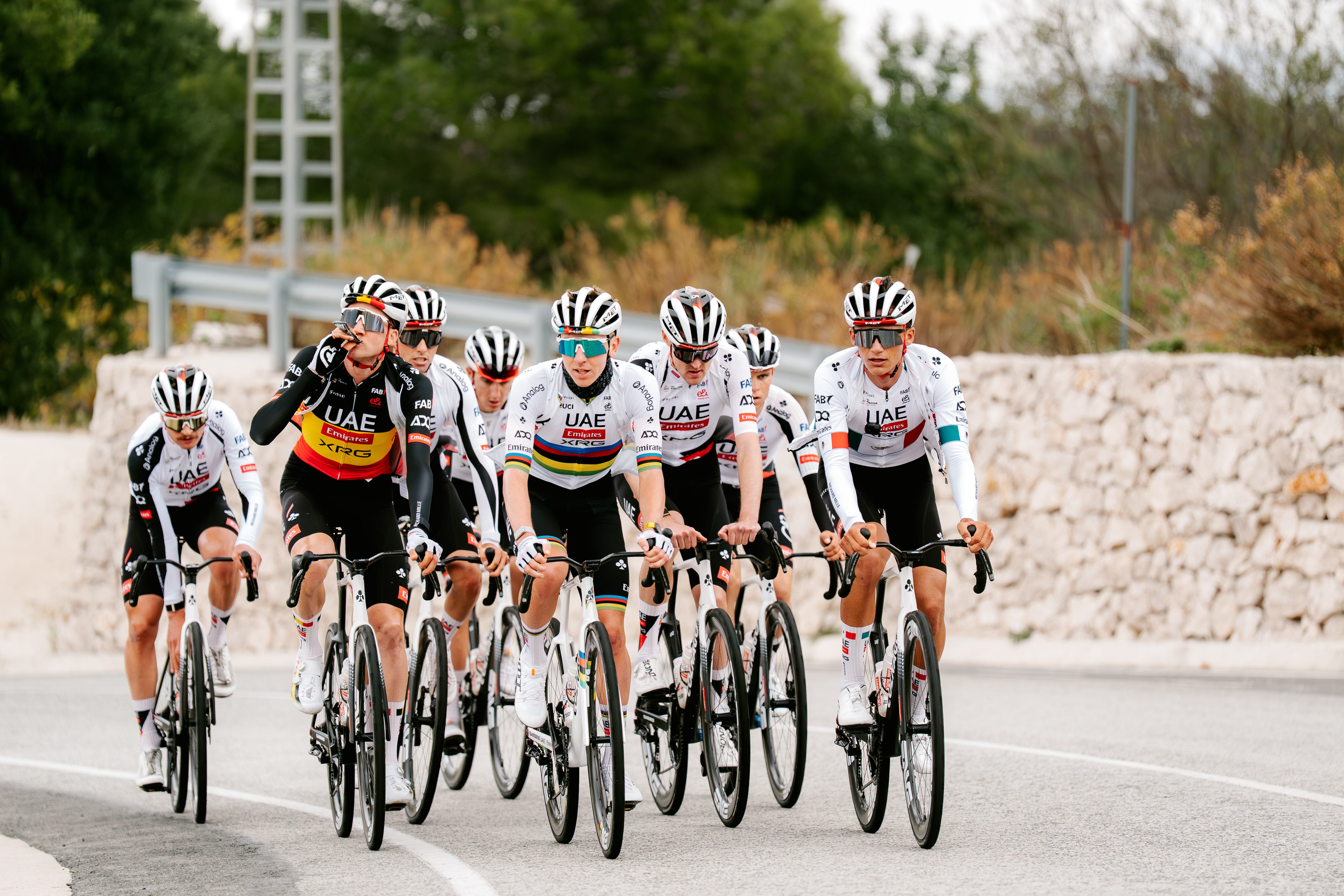
It is a comprehensive approach to consumer engagement and exactly the type of marketing I talk about all the time. It takes more creativity and investment upfront, but sponsoring at both the professional and developmental level builds brand stories that resonate with consumers at every level.
Product differentiation
This point is worth revisiting: Enervit’s comprehensive product portfolio is their primary claim to differentiation. Their before, during, and after platform means they can fuel athletes at every stage of the performance cycle.
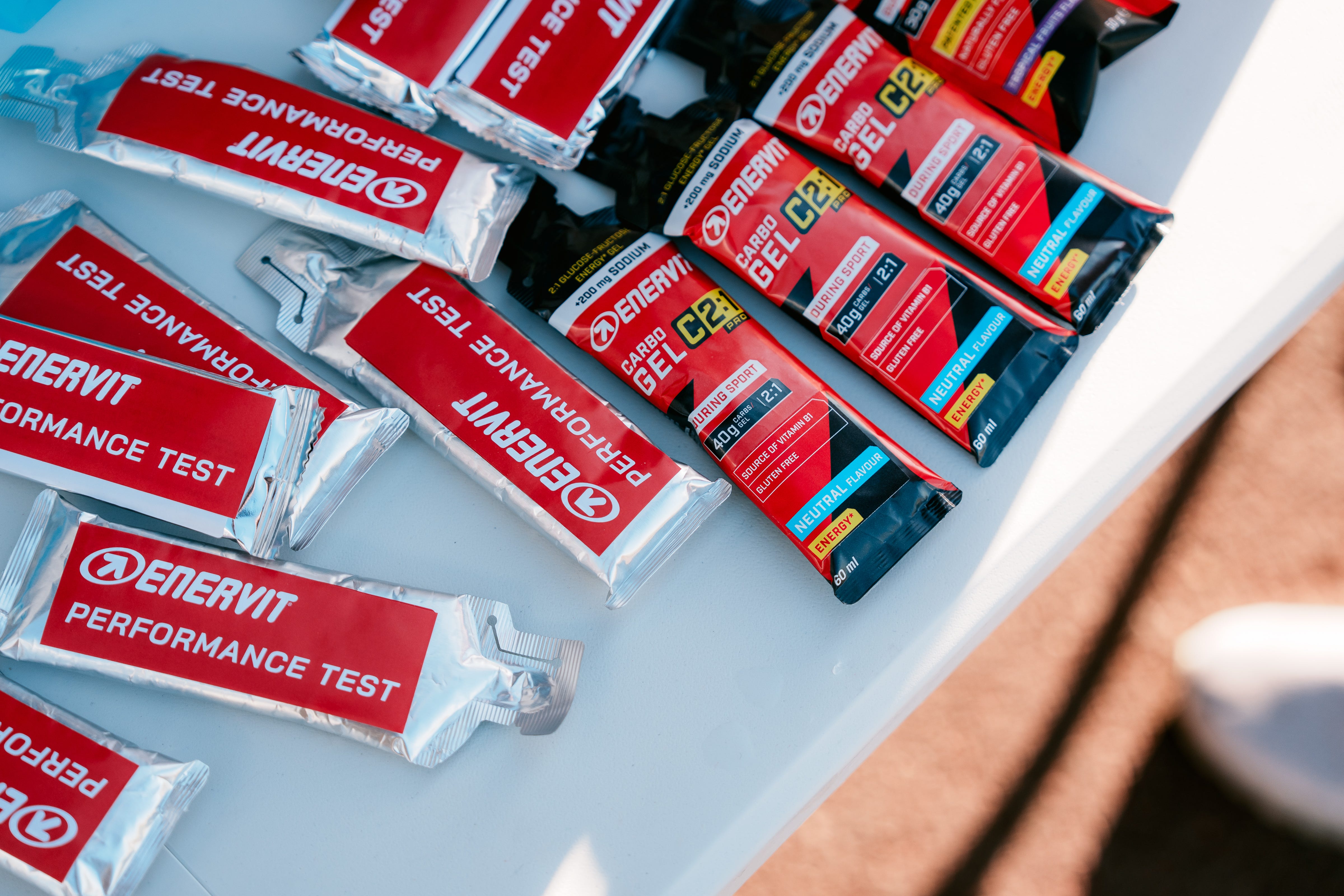
I praised Maurten for reducing production costs by simplifying their product lineup, but Maurten is not even half as old as Enervit. Even Science in Sport, another historic nutrition brand, was not founded until 1992. Enervit’s seventy years in operation has allowed them to solidify their production model, meaning they can reliably produce the full range of products needed before, during, and after exercise without it being a strain on the business.
Athlete partnerships play into this as well. Throughout the brand’s history, athlete feedback has directly shaped product development, creating the lineup available today. Fair point, most nutrition brands say the same thing. But when UAE Team Emirates is your flagship partnership, the claim carries a different weight.
“Magic Cherry was developed by Enervit and Equipe Enervit and tested by Tadej and UAE Team Emirates. Years were spent testing and providing feedback before we brought it out to market. It’s not just because Enervit’s been around a long time. Just as important is that we work with athletes like Tadej to really refine the offering to make it the best it can be.”
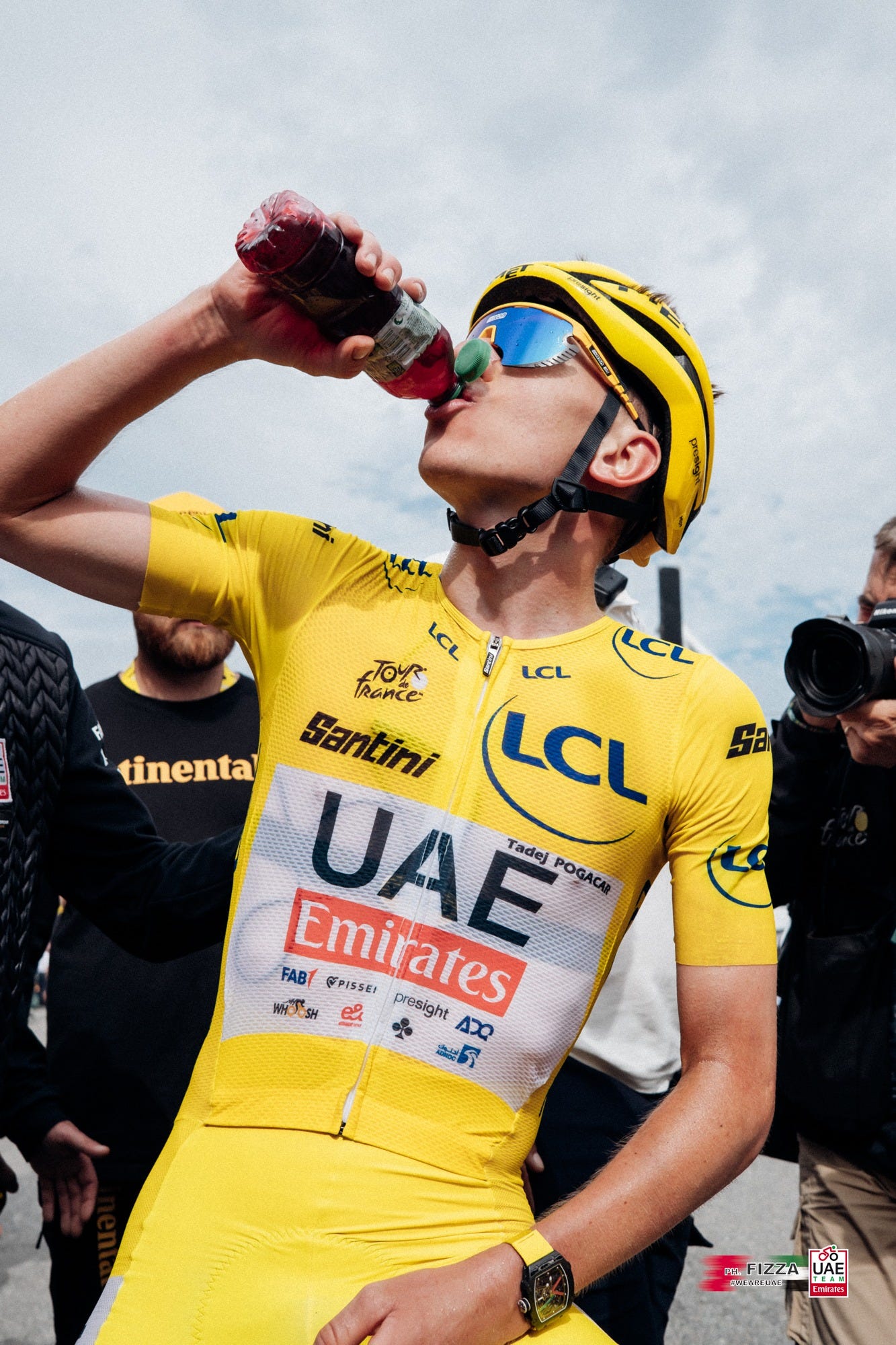
In the WorldTour, UAE Team Emirates is the most dominant team in the peloton. They have the deepest pockets, the best riders, and the most extensive performance research infrastructure of any squad in the world. Their trust in Enervit is a seal of approval that is hard to ignore
Distribution
The final piece of Enervit’s 360 strategy plays out in their distribution. This was an area where they stumbled on their first attempt at the US market, and they are approaching it very differently this time. Rather than outsourcing, Enervit is meeting consumers where they already are: local brick and mortar shops where captive athletes already spend their money.
“We’re really focusing on expanding our brick and mortar sales through independent bike shops and running shops and tennis shops, leveraging the global athletes that we have.”
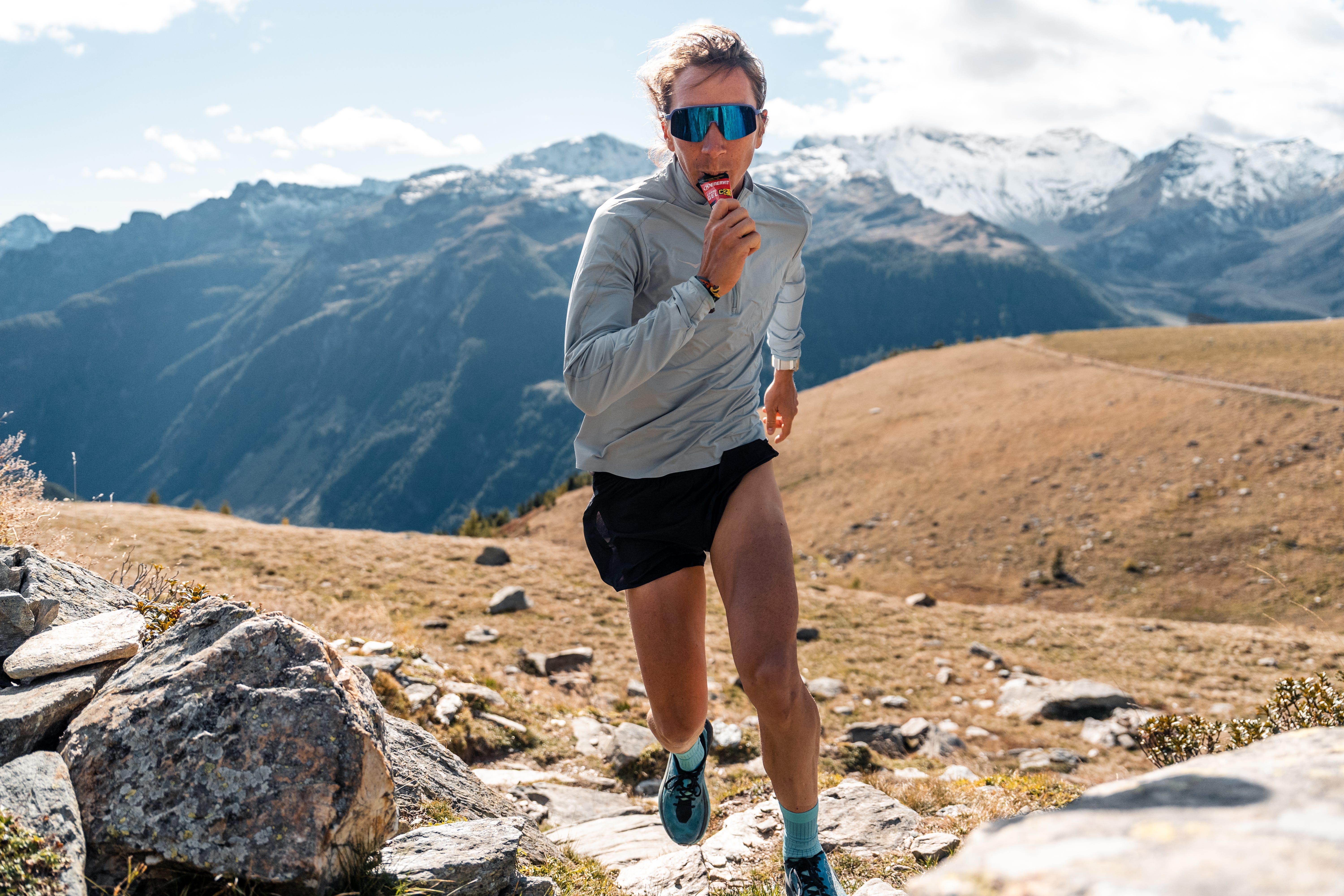
From there, the goal is to work back up the sales funnel toward mass retail distribution.
“We’re looking beyond sports retail. We’re very motivated to take some of our bars and protein powders to customers beyond, whether it’s natural style grocery and eventually mass market, which is the Walmarts and Targets of the world.”
The Enervit pincer movement
A military encirclement strategy might be an aggressive analogy, but it is exactly how Enervit is approaching market penetration. Through athletes and distribution alike, Enervit is attacking both the top and bottom of the funnel simultaneously.
They are uniquely positioned to do this. Their approach to market saturation and product breadth is what makes it possible. Take Maurten. Their products skew heavily toward the serious endurance athlete, so they need to attack the bottom of the funnel because that is where their consumer lives. Put Maurten in Walmart and they are out of place. Enervit’s bars and powders, on the other hand, could sit comfortably in Walmart’s fitness aisle. At the same time, their gels, drink mixes, and recovery products hold their own alongside Maurten and Science in Sport at the specialty level.
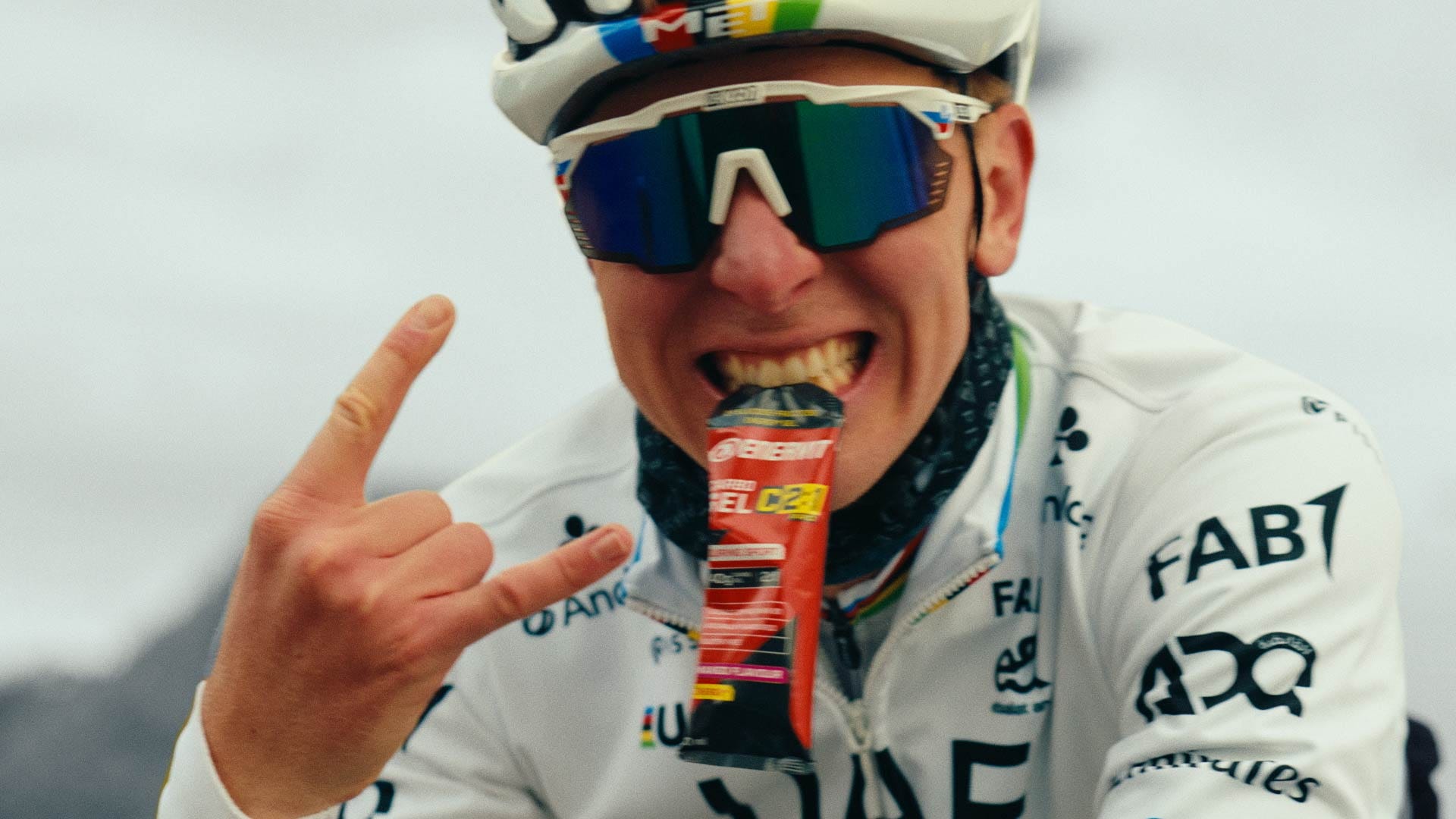
In many ways, Enervit let the new wave of endurance nutrition brands do the heavy lifting in the US, and now they are riding that wave while actively encouraging more brands to enter and expand the category. In the world’s largest consumer market, there is plenty of room for all of them.
Cycling will always be the core pillar
To close out the conversation we brought things back to cycling and the vital role it plays in Enervit’s identity as a brand and how it creates a gateway to other sports markets. More than any other sport, cycling is consistently on the cutting edge of nutrition. Even five years ago, 100 grams of carbs per hour would have sounded like madness. Now it is widely accepted.
Enervit is looking to connect cycling’s innovation to mainstream sports nutrition in the United States and beyond. Cycling acts as the testing ground and Enervit aims to be the intermediary that brings those discoveries to other levels of professional sport.
“I will always say, and it will always be a cycling product for cyclists. Cyclists are always going to need carbs and nutrition and electrolytes to continue the efforts they’re putting out. Cycling is the core definition of that.
Sports like soccer, basketball, football, I think one of the core things that’s really missing is a conversation about nutrition. When you’re playing a 90-minute soccer game, you need those carbs. People are not aware that that part is important. Our goal is to really expand the conversation about nutrition for any sport you’re doing.”
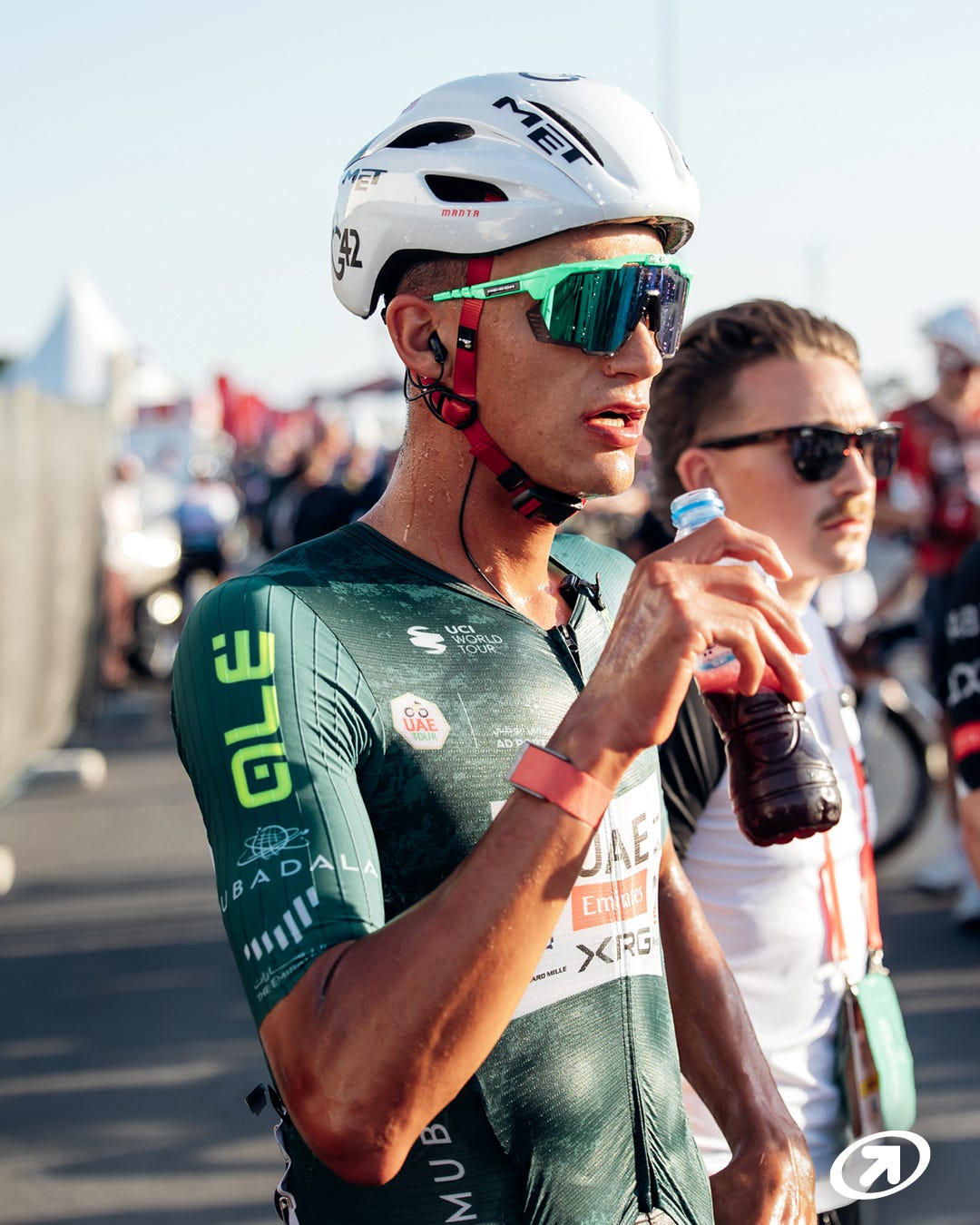
It is a bold vision, and exactly the type of lofty strategic thinking I find most exciting to write about. I am genuinely looking forward to seeing what the next few years have in store for this brand. To close with an Italian word that many cyclists have adopted to describe pure, elegant, and classy riding: it is pure ciclismo!
Built on Bikes x Enervit
I am excited to announce that Built on Bikes will be partnering with Enervit as a newsletter sponsor. Before you write this off as a paid advertisement, I want to be upfront: this was my idea. I pitched it to Mirek after our interview, well after I had already decided I wanted to write about Enervit.
Why did I propose it? After talking with Mirek, it became clear there would be opportunities for continued collaboration beyond this story. Mirek was clear that meaningfully engaging with the cycling community is central to Enervit’s success, and that they want to support cycling as much as cycling supports them. I am an avid cyclist who spends a lot of money on nutrition, so representing Enervit’s products was a straightforward decision on that front.
Sponsorships were never the intention when I started Built on Bikes. It was simply a way to connect with the sport I love, get more involved in it, and build community. I think my actions speak to that. I have sacrificed social plans to get stories out on time and spent my own money flying across the country to races and covering lodging without any guarantee of something coming from it.
At the same time, my desire to have a real impact on developing the sport in the United States has grown, and brand partnerships open doors to do more of that. One of the most rewarding parts of this newsletter has been connecting people to make things happen, whether that is introducing athletes to potential sponsors, linking organizations with investors, or simply making the right introduction at the right time.
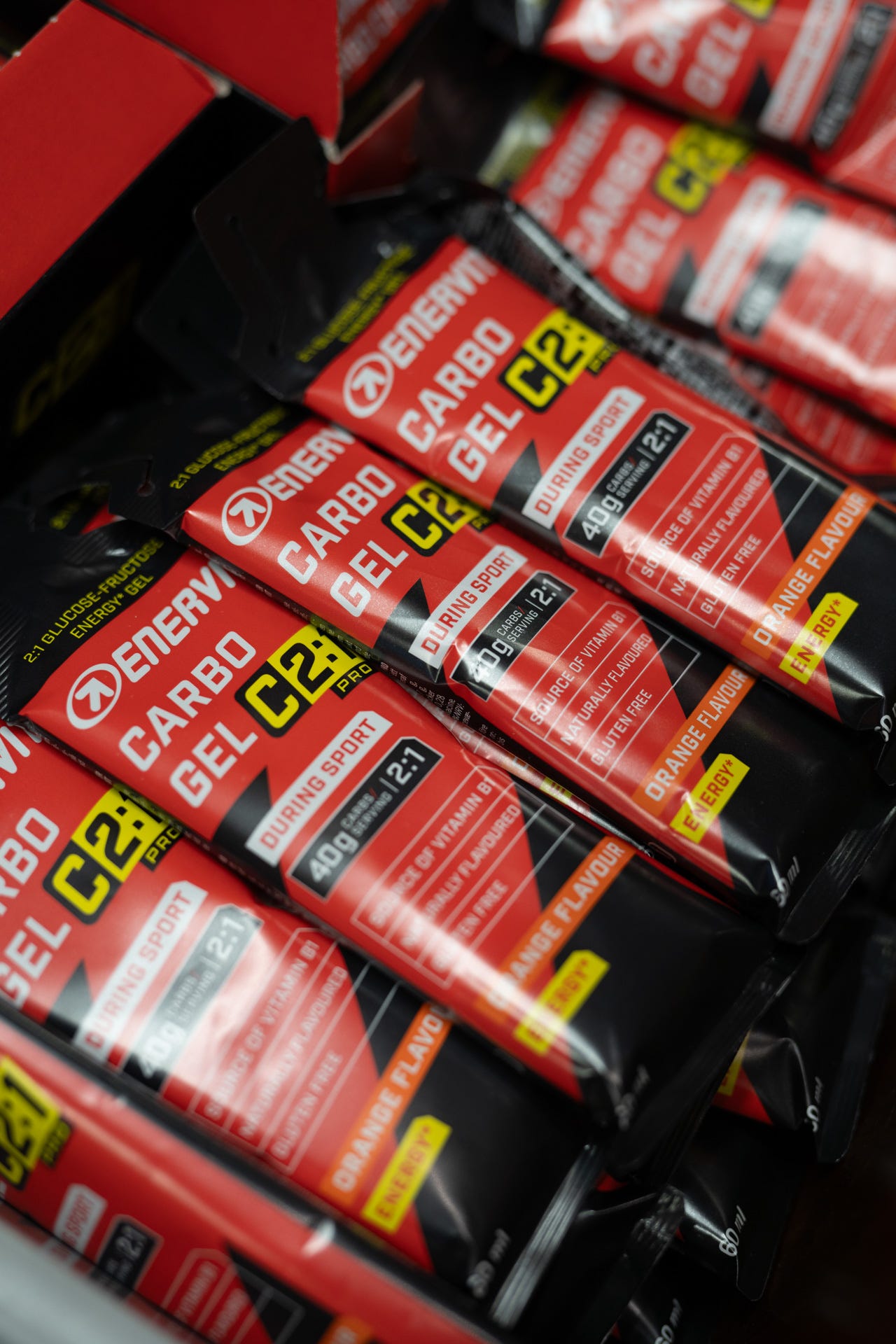
The idea of partnerships has grown on me, but I made a promise to myself, and now to you that I will only work with brands that have shown a genuine commitment to growing the sport domestically. That is the only standard that feels right.
If I bring on other partners down the road, my hope is to pool that support into my own initiatives to grow the sport. Enervit has shown they are a brand that cares, which is why I am glad to have them as a partner. They have already reached out to support programs I am close to, and I am looking forward to helping in any way I can.
This is still a work in progress, but I also want to pass the benefits on to Built on Bikes subscribers, so keep an eye out for that in future editions.
In other news
Kate Courtney
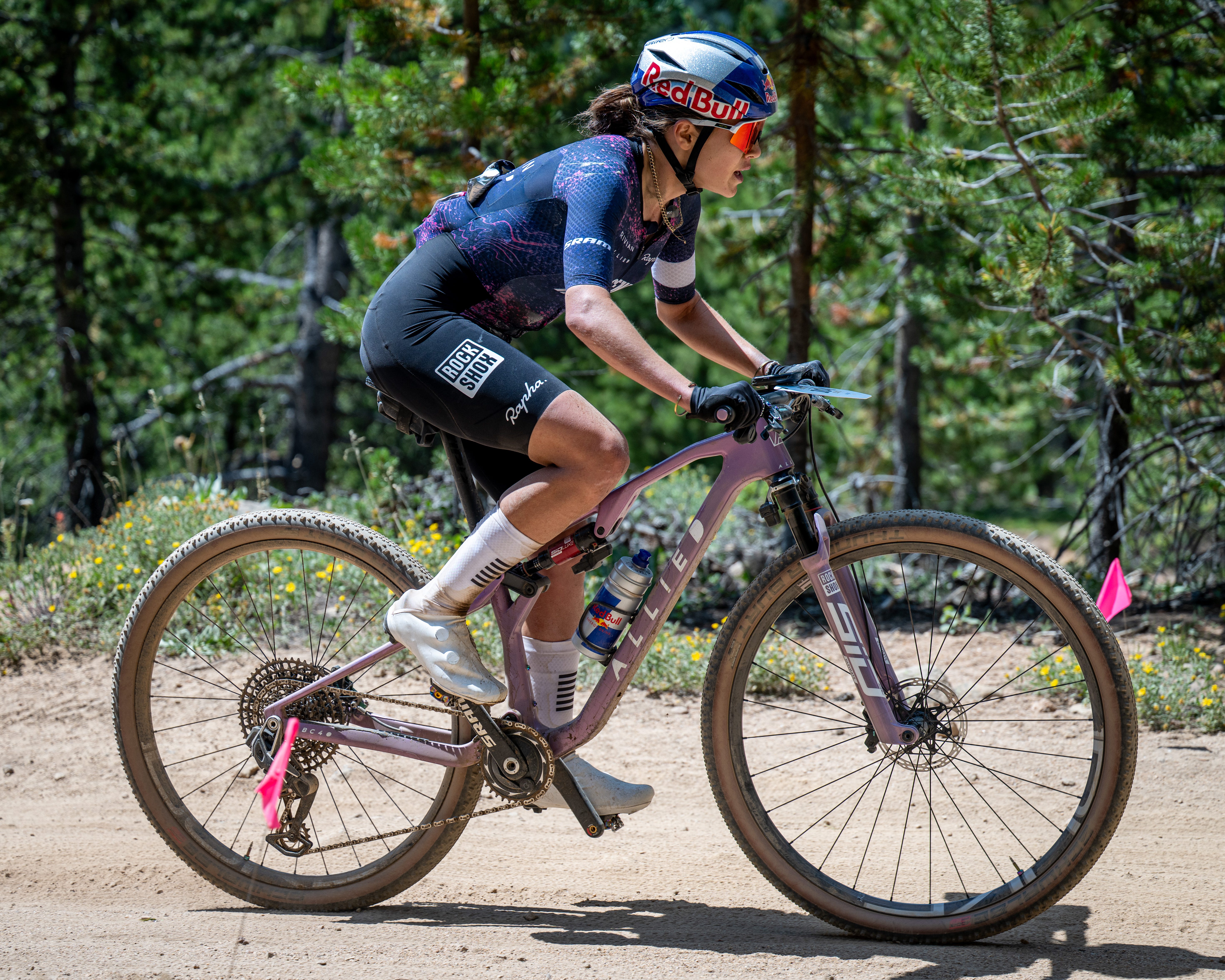
It feels like I write about Kate every other week at this point, but what can I say, she keeps making news. Last weekend Kate took the win at the US Road National Championships. Ever since she left the World Cup mountain biking circuit she has been on a tear, and it is looking increasingly like a calculated bid for a spot on Team USA at the LA 2028 Olympics.
There are doubters, but I am not one of them. From everything I have seen and heard, USA Cycling is enthusiastic about her bid, and they would not be if the data was telling a different story. The USA Cycling tech and innovation council goes far deeper than most of us realize, especially on the women’s side of the sport. A lot can happen in two years, and I think we will see Kate competing for gold on the road at the Olympics.
Crusher in the Tushar
Life Time’s Crusher in the Tushar has officially been canceled due to the Cottonwood fire in Utah. Crusher is the race that inspired me to become a serious cyclist. It quite literally changed my life, and I did not even get to race it that year because it was canceled due to a different fire.
All indications are that this fire was caused by an individual, but the size, speed, and spread cannot be ignored. In two of the last three years, this race has been canceled due to wildfires. Climate change has played an undeniable role in that, and the reality is we will see more iconic off-road races lost to wildfires and natural disasters before things get better.
Follow Crusher in the Tushar for updates on how you can support the race and the Beaver and Eagle Point communities. I also encourage you to follow and donate to Protect Our Winters, a climate action organization that works directly with athletes to protect the spaces we love so that future generations can continue to enjoy them.
Ride and rip,
Kyle Dawes
Interesting to hear that cycling will always be considered the core pillar for Enervit as they seem to be crushing in the running space. I came across them listening to a running podcast, tried for myself on a few long runs and now am totally hooked. Pretty much exclusively took them on my last 50K