


We are back to a topic that has become near and dear to my heart: collegiate cycling. If you have been reading Built on Bikes for a while, or if you are new here, you have probably seen the growing archive of articles I have written on this subject for my content series, Foundations. From interviewing a professional cyclist who got their start in college to speaking with a USA Cycling official, I have explored a wide range of perspectives on the current state and future of collegiate cycling in the United States.
Those perspectives have been incredibly valuable as I continue to examine whether collegiate cycling could evolve into a more defined pathway to a professional career. One perspective I had been missing until now was that of someone working inside a collegiate program. I wanted to understand the realities they currently face, along with the opportunities they see moving forward. Strengthening collegiate cycling as a development pipeline will require a deep and honest understanding of every part of the ecosystem, especially from those operating within it.
I tend to put forward a lot of hypotheses about what might work best, but hearing directly from someone embedded in a successful varsity program may be the most important input of all. That perspective allows me to pressure test previous assumptions and better identify which opportunities actually exist within collegiate competition, not just in theory but in practice. It also helps ground this conversation in reality before attempting to distribute ideas to the people who can make meaningful change possible.
For this piece, I spoke with someone uniquely qualified to assess collegiate cycling. He came through a successful collegiate program as an athlete, turned professional after his college career, and now serves as the director of the very program that helped develop him. There may not be anyone better placed to offer a clear and honest evaluation of where collegiate cycling stands today and where it could realistically go next.
*Varsity cycling programs are central to this conversation. If you want more context on why varsity status matters, I recommend reading my previous article on cycling and the NCAA.
Ian Burnett
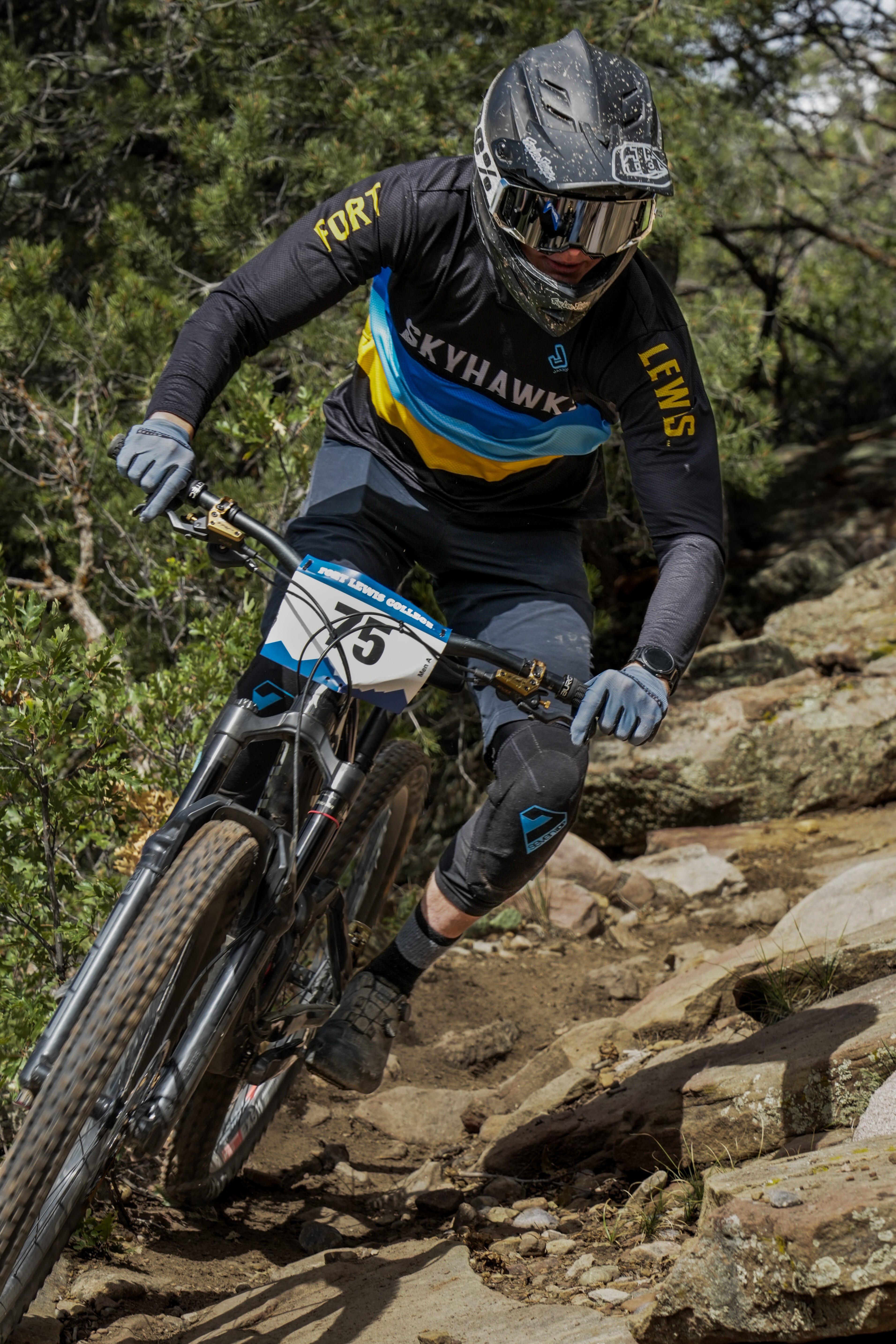
For this piece, I spoke with Ian Burnett, who is currently the Cycling Director at Fort Lewis College in Durango, Colorado. As mentioned earlier, Ian came through Fort Lewis’ cycling program as an athlete, where he was a member of championship-winning teams in cyclocross and the team time trial. After graduating from Fort Lewis, he went on to race professionally for five years, including time with Jelly Belly Pro Cycling. Today, he heads the cycling program at Fort Lewis, which spans six disciplines and continues the school’s reputation for excellence in mountain biking, cyclocross, and road racing.
In his day-to-day role, Ian oversees the fundraising efforts that make the team possible, works closely with the school’s athletic department, creates team budgets, manages trip planning, insurance, and the many other administrative responsibilities required to keep the program moving forward. Taken together, these responsibilities, along with Fort Lewis’ status as a legendary program, make Ian one of the most qualified people to speak to the forces shaping collegiate cycling in the United States.
Fort Lewis Cycling
As I’ve already alluded to, Fort Lewis carries a reputation as one of, if not the best, collegiate cycling programs in the United States. Notable alumni include Todd Wells, Savilia Blunk, Sarah Sturm, Payson McElveen, Riley Amos, and Howard Grotts. Within the world of off-road racing, Fort Lewis could reasonably be considered the best development program in the world.
The program’s success is not only a product of exceptional staff, but also of its location. Durango, Colorado is one of the most iconic mountain biking communities in the world and gives the Fort Lewis cycling team access to world-class terrain, along with the physiological benefits that come from training at altitude.
This combination of leadership, environment, and long-term vision has resulted in a sustainable model of success, which is why Fort Lewis is one of only twenty varsity cycling programs in the United States. Where Fort Lewis really becomes a model for success is in their program structure.
The varsity/club balance
One of the first things that Ian brought to my attention was Fort Lewis’ all-inclusive structure.
“We’re the only varsity program that also has a club side to it… an all-inclusive varsity program.”
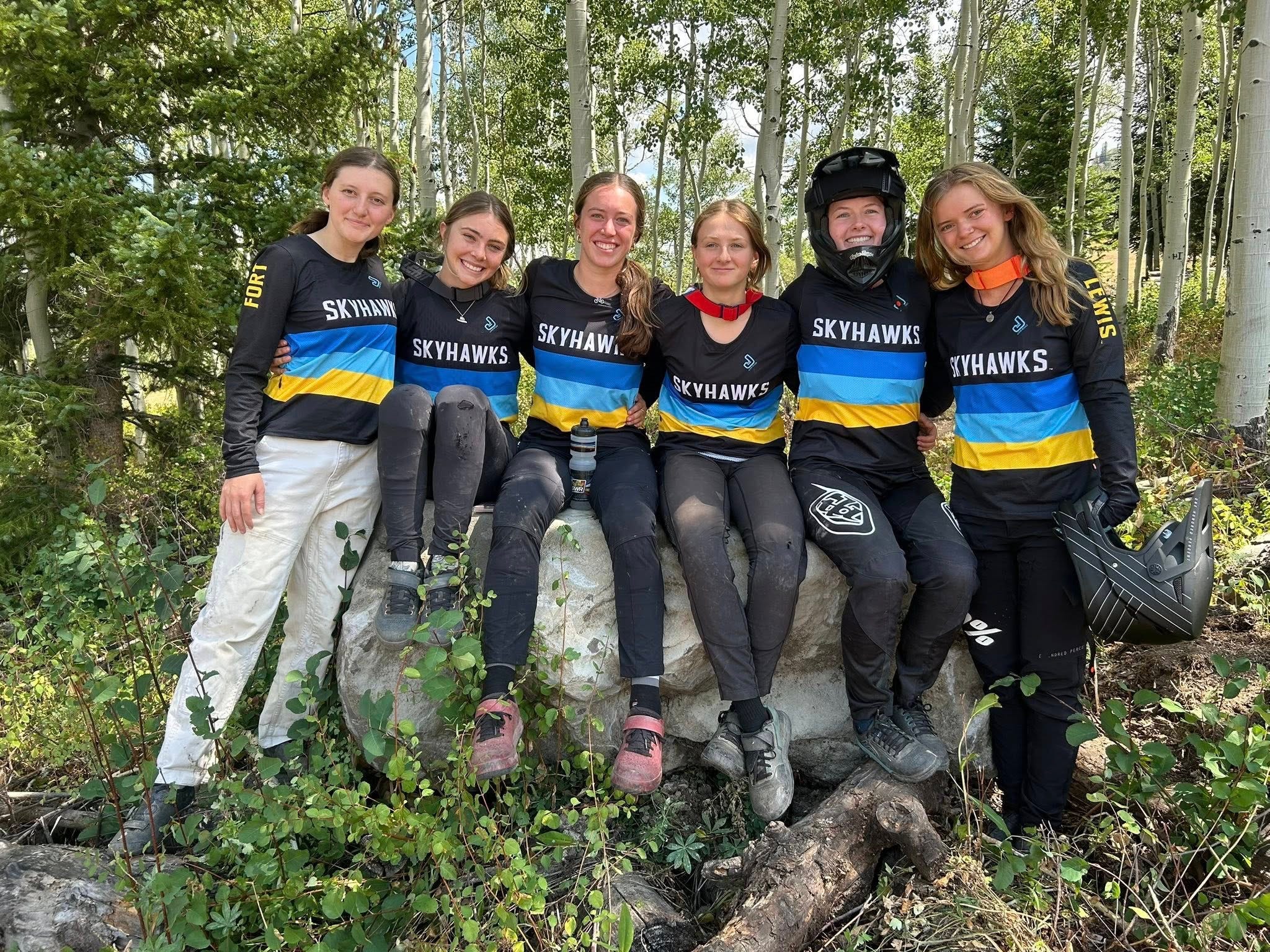
Whereas every other university keeps their varsity and club programs separate, Fort Lewis combines the two with great success. This unique structure carries many benefits, with the biggest being in-program development that allows new talent to be identified quickly, even when athletes start at the club level.
Sarah Sturm is a perfect example of this in practice. Sarah entered the cycling program without racing experience and with no formal bike training. Even though she was completely new to the sport and had significant inexperience to overcome, her natural talent on the bike quickly became apparent. Today, Sarah is one of the top off-road athletes in the world. Her story highlights the importance of collegiate cycling and why Fort Lewis’ approach may be one worth replicating.
Fort Lewis’ varsity and club structure may be a model we want to recreate, but first we need full context on the other challenges and opportunities that currently exist within collegiate cycling.
The current role of collegiate cycling
I was especially curious to hear Ian’s thoughts on the role collegiate cycling currently plays in U.S. athlete development. His program is consistently producing elite talent, but Fort Lewis can fairly be viewed as an outlier within the broader collegiate landscape. If we can develop a clearer picture of how collegiate cycling functions today across disciplines and programs, identifying where meaningful change can happen becomes far more achievable.
Ian’s first observation was that the answer depends heavily on discipline. There is no one-size-fits-all assessment for collegiate cycling’s role in development. In mountain biking, collegiate racing has established itself as a legitimate pathway. As Ian put it, “pretty much the top U.S. men and women are racing collegiate.” That alignment between junior, collegiate, and elite racing is one of the strongest signals that the system can work when the incentives and infrastructure are in place.
Other disciplines remain less defined. Road racing continues to struggle with declining participation and limited domestic opportunities. Gravel, on the other hand, has created an alternative path entirely. Riders like Hayden Christensen have turned professional by independently attending races and earning results, often without any connection to a collegiate program. In those cases, college cycling is no longer a prerequisite for advancement.
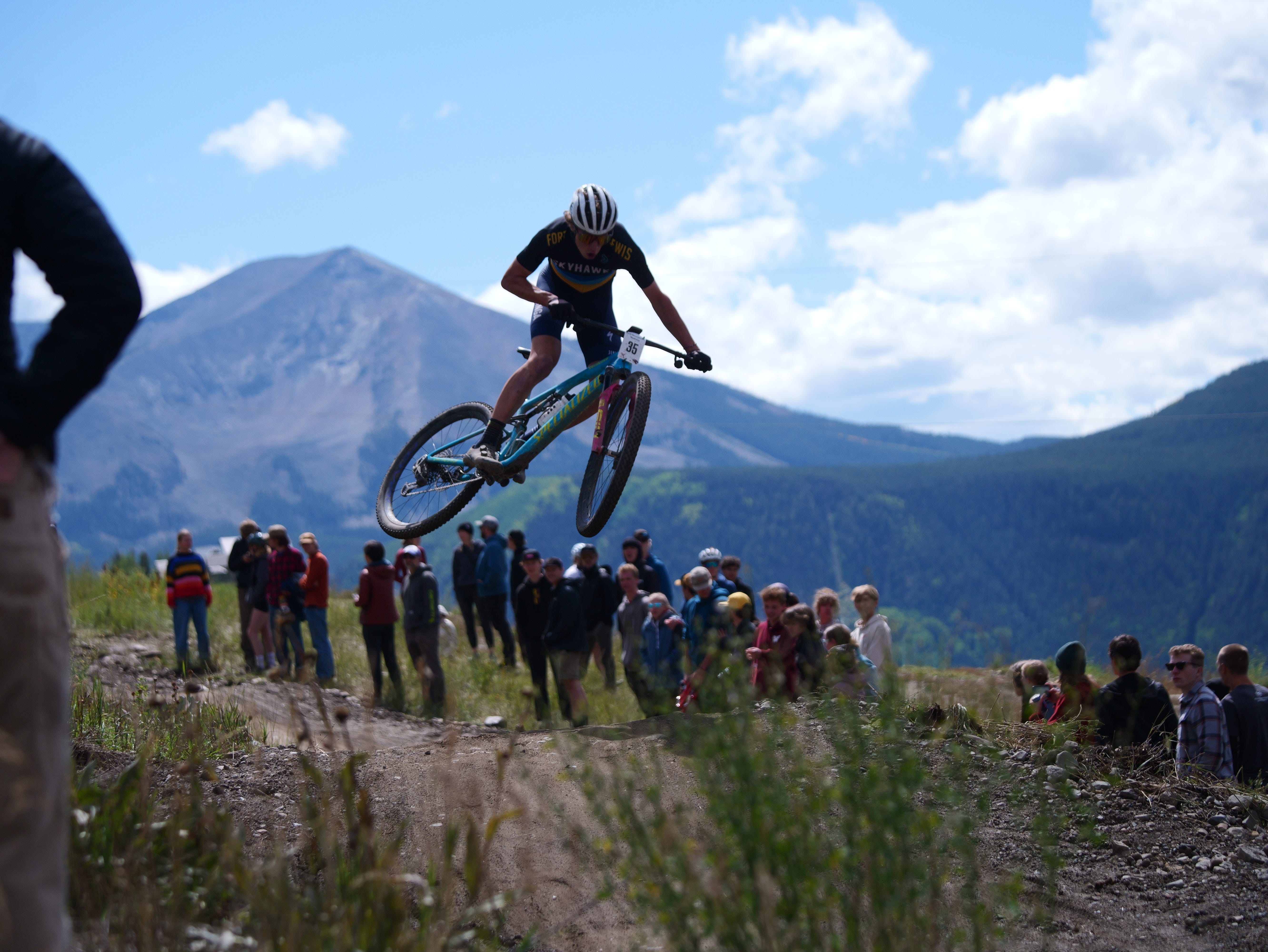
Where Ian sees the greatest value in collegiate cycling is as an exploratory environment. Programs provide a space where new talent can be identified and developed in ways that align with the individual athlete, rather than forcing an early specialization or professional track.
“Collegiate programs give the students an opportunity to do something that they might not have necessarily done as a junior.”
That perspective reframes collegiate cycling less as a direct pipeline to the pros and more as a gateway into competitive racing. It introduces structure, coaching, and competition to athletes who may have never imagined themselves racing seriously.
Ian acknowledged that collegiate cycling is not producing a high volume of professionals immediately after graduation, but that alone is not evidence of a broken system. The real issue is the size of the gap between collegiate racing and professional competition in the United States.
“I think as a whole, for varsity programs, most students come in with that aspiration of turning pro, but they struggle with the reality of what ‘pro’ means right now. They may see the pro World Cup racers, but there’s just such a gap between college and that.”
While athletes like Riley Amos, Savilia Blunk, and Howard Grotts show that the leap is possible, they remain exceptions rather than the norm. For most talented riders, there still needs to be a bridge. That likely means either raising the overall level of collegiate competition or building clearer post-collegiate development pathways that help athletes progress without forcing them to abandon education or the sport altogether.
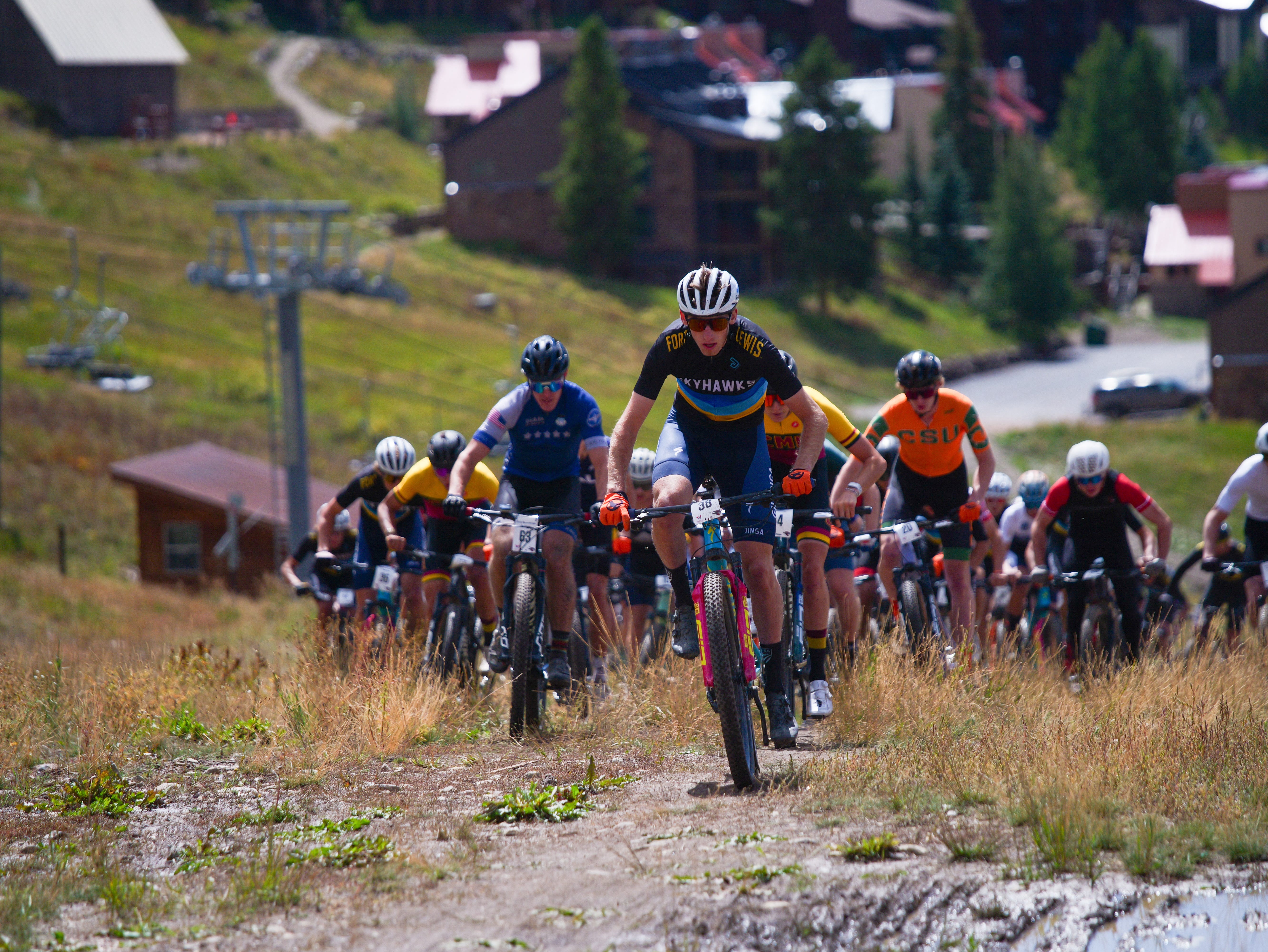
Challenges facing collegiate programs
In addition to his perspective on collegiate cycling’s role, I most wanted to hear about the biggest challenges that collegiate programs face so we can identify a better path forward. Ian discussed both expected challenges and several that I had not previously considered. Here’s what he highlighted.
Funding
No surprises here. Collegiate cycling programs operate in a resource-constrained environment, from USA Cycling’s limited capacity to assist programs to the fact that institutional funding for varsity teams is extremely limited.
The following challenges all act as reasons why universities might withhold funding from collegiate varsity programs or abstain from creating a program altogether.
Disparity between club and varsity competition
While Fort Lewis succeeds with their all-inclusive varsity program, schools without varsity programs struggle to produce club teams that can compete with varsity schools. Unlike Fort Lewis, where club-level talent can develop alongside the varsity squad, club teams often remain the ceiling for most universities.
“I think there’s a pretty big discrepancy between varsity and club teams, so that just makes it hard to create a larger volume of teams for consistent competition. Finding schools that support what is defined as varsity right now is hard. There’s less of the schools that want to invest in that.”
With a limited landscape of varsity competition, athletes lose development opportunities that come from highly competitive racing, and club teams remain the ceiling for varsity-worthy talent. As a result, the collegiate racing ecosystem is scattered and inconsistent.
Enrollment
This was a challenge I had not previously considered when arguing for cycling to become an NCAA sport. My initial thinking was that NCAA status would add legitimacy and encourage larger universities to invest in varsity programs. As Ian explained, enrollment ratios play a major role in a school’s decision-making.
“When you look at the big schools, the state schools, a cycling team is just never going to have that much of an impact on enrollment. That’s what we’ve seen, just by natural effect: small private schools adding varsity programs. When they add 50 to 75 kids to their admission numbers, it has a real impact on the school.”
Smaller universities have more incentive to invest because every net new tuition student carries a larger impact on the school’s finances.
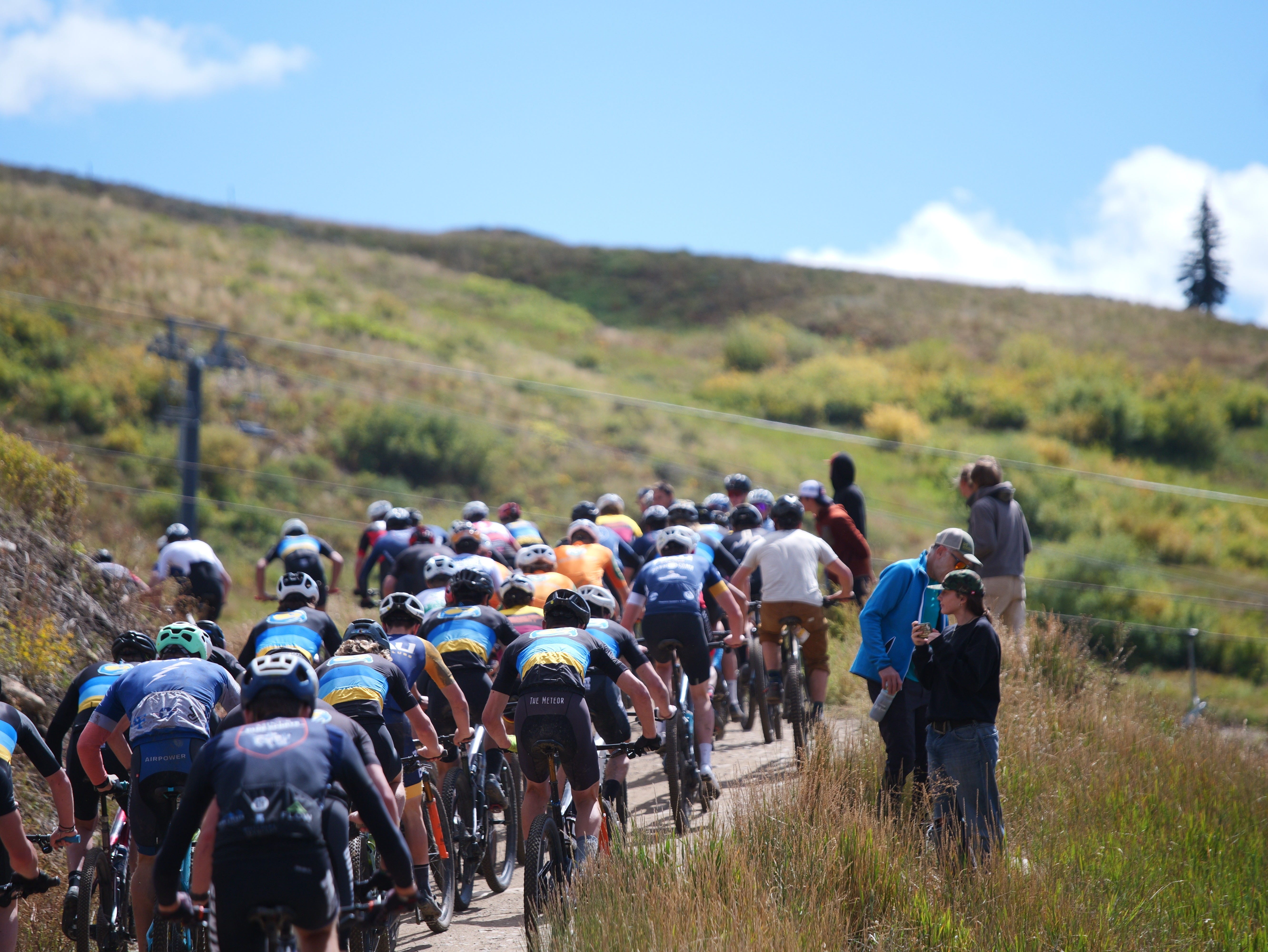
Shifting attitudes towards higher education
Another major challenge facing collegiate cycling is a broader cultural and socioeconomic shift away from higher education in the United States. Fewer high school graduates are pursuing four-year degrees, instead opting for trade schools or entering the workforce immediately. This trend is well outside the control of collegiate cycling, but its root cause is clear: rising costs. More students simply cannot afford tuition and cannot justify taking on significant debt for a degree.
While collegiate cycling cannot reverse this cultural shift, it does have control over one critical factor: the barrier to entry into its programs. If more teams were fully funded, similar to NCAA sports, cycling would not represent an additional cost that students must justify on top of tuition. Under the current model, athletes are often required to buy into both club and varsity programs, which only further deters prospective students who are already weighing the financial burden of attending college in the first place.
Structural complexity of programs
This challenge builds on Ian’s earlier point about the disparity between varsity and club teams, but extends further into the structural inconsistency across collegiate cycling as a whole. Unlike NCAA sports, which are tightly regulated to promote competitive and organizational parity, collegiate cycling programs exist on a wide spectrum. At one end are scrappy, student-run club teams with limited resources. At the other are highly organized varsity programs like Fort Lewis that resemble professional development environments.
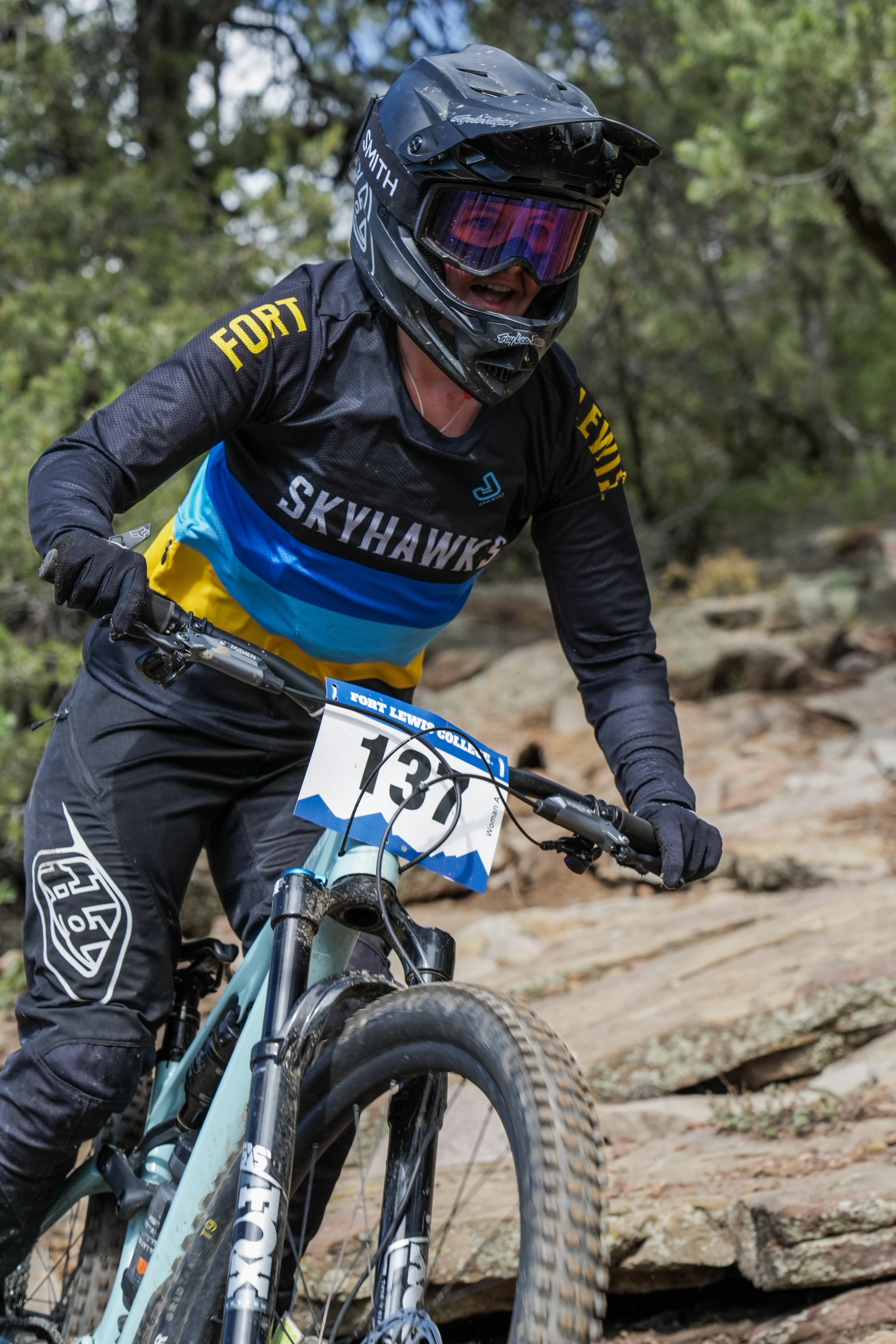
The natural instinct is to raise the overall level of professionalism and competition across collegiate cycling. However, Ian was careful to point out that doing so comes with trade-offs:
“I think adding barriers and making collegiate cycling more professional would be good. But making it more professional could add some complications to students’ lives that would maybe deter them, since there is so much added responsibility, pulling them away from school with traveling and all those things that come along with it.”
He also highlighted how academic standards and expectations vary widely between institutions, adding yet another layer of complexity. Unlike NCAA sports, where academic eligibility is more standardized, collegiate cycling operates across vastly different educational models.
“One thing we deal with specifically is the diversity of online schooling versus in-person requirements at different universities. There’s so much complexity to different programs, and I think we’ll have to fix things like that.”
Together, these structural inconsistencies make it difficult to create a unified, scalable system. Any effort to elevate collegiate cycling must balance increased professionalism with accessibility, academic compatibility, and the realities of student life.
Thoughts on NCAA classification
I’ve written about the NCAA extensively, so I was eager to hear Ian’s perspective on cycling potentially becoming an NCAA sport. Ian held a largely neutral stance on the proposition. He was candid about both the advantages it could bring and the potential drawbacks that deserve serious consideration.
When discussing the positives, Ian consistently returned to three major themes:
Legitimacy
Regulation
Institutional knowledge
Sound familiar? If you’ve been following this Substack for a while, hopefully so. However, the way Ian framed these advantages added nuance to how I had previously thought about them.
“I think we’re fortunate right now that we’re not in that deep side of the admin work that the NCAA would bring. I think they can bring a lot of their institutional knowledge of how they regulate in a positive way too, because right now the current system is not that well regulated.
They have such a long list of things to try to figure out, but I think they’ve figured out organization and regulation for collegiate-level sports. I think that’s definitely the side they would bring, and I think it brings some legitimacy.”
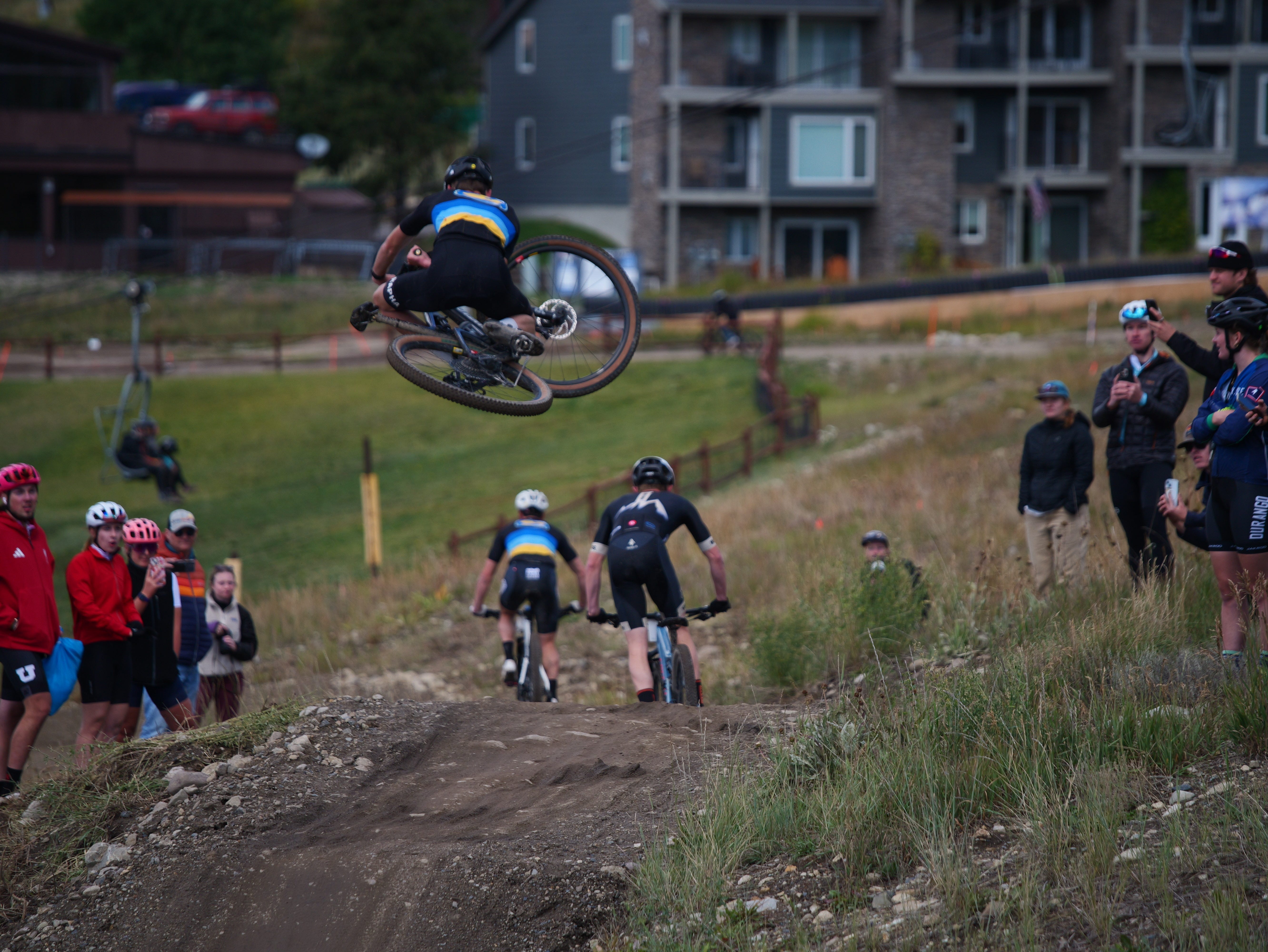
To outside audiences, NCAA affiliation would immediately add legitimacy to collegiate cycling. Within collegiate programs themselves, the NCAA’s real value may be even more important. Structure, consistency, and institutional knowledge could bring much-needed order to a system that currently operates with significant variability. Over time, that stability could allow programs to plan further ahead and invest with more confidence.
As for the unintended consequences, we have already touched on many of them. Increased professionalization could deter certain athletes, raise barriers to entry, and make balancing school and racing more difficult. Those risks are real and cannot be ignored.
Even with those concerns, I believe this is an experiment worth exploring. Based on Ian’s perspective, it seems that collegiate cycling directors would at least be open to giving the NCAA a serious look, provided the transition is handled thoughtfully and with the student-athlete at the center.
Surprising insights
We’ve covered a lot of what Ian and I discussed and I can personally say that my views and aspirations for collegiate cycling have become clearer with the context that Ian provided. Overall, there were three points Ian made that surprised me. Those three points are areas for improvement and guidance for growing collegiate cycling. Incredibly helpful information if we are to make a detailed plan for growing collegiate cycling.
Smaller institutions might be the way, at least for now
Ian’s point around enrollment was something I hadn’t previously considered, and it makes complete sense. At the end of the day, it takes far less outside funding to start a varsity program at a smaller university, and the incentive for the school is clear: a meaningful increase in yearly tuition revenue. Creating a strong ecosystem of varsity teams at smaller universities would increase the density of competitive collegiate programs and, ideally, allow that momentum to spill over into larger state institutions over time.
This is not some grand proposal on my part, it is simply the natural order of things and what has been happening within collegiate cycling for years. With greater advocacy and visibility, we could help accelerate this process rather than relying on the historically slow pace of organic growth.
Lastly, if NCAA classification remains out of reach in the near term, raising outside funds to help launch more varsity programs may be the most practical path forward. Schools are rarely opposed to initiatives that open the door to new donors, and cycling could be well positioned to benefit from that reality.
Reframing pro pathway ideology
There are two parts to this point, and as I write this, USA Cycling has just announced an initiative that addresses one piece of the equation.
The first part centers on combating the fear prospective riders face when choosing between college and alternative professional pathways. Rising stars are getting younger in nearly every discipline of cycling, but the majority of athletes will still progress on a timeline that sees them peak physically in their late twenties and, for women, often well into their thirties.
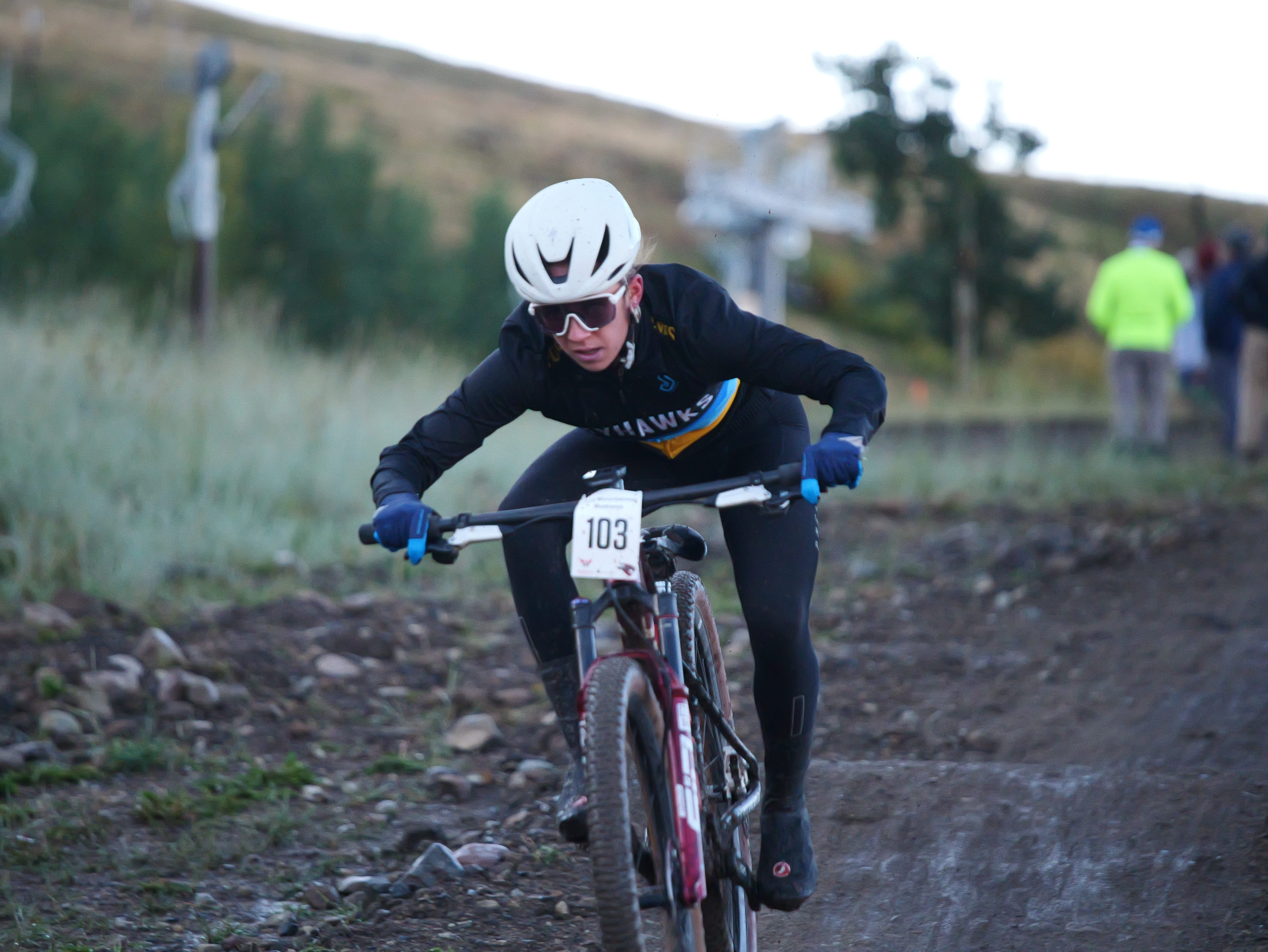
Choosing to attend a strong collegiate program and develop through graduation does not mean an athlete is missing their opportunity to turn professional. Ian pointed to Sepp Kuss as a clear example. Sepp attended college and pursued professional racing after graduating, and he has since become one of the best riders the United States has ever produced. The issue is not age or timing. The issue is perception. To change that perception, we need to strengthen both the organization and the competitive level of collegiate cycling so athletes feel confident that college is a legitimate step forward, not a detour.
The second part of this topic is bridging the gap between collegiate cycling and professional racing. Very few athletes will graduate from college and immediately step into a WorldTour contract or a World Cup start line. That jump is simply too large in the current system. To close it, we need more professional development teams and more UCI-sanctioned racing within the United States.
USA Cycling has just announced the return of an initiative aimed directly at this problem. As you might remember from my recent interview with Eric Bennett at USA Cycling, this week he announced the revival of the Collegiate All-Star Program, described as “a development opportunity that recognizes top athletes and offers them the chance to compete with a composite team in a prestigious U.S. stage race with elite-level support from USA Cycling.”
Ultimately, we need to recognize that the short- to medium-term goal is simple: produce more American professional cyclists, period. Star status is a nice-to-have, but it cannot be the priority. Growing the sport through sustainable programs has to come first, because without a deeper base of professionals, long-term success and global relevance are impossible.
Offsetting a cultural shift
Battling the broader cultural shift away from higher education is largely outside the control of collegiate cycling. What is within reach is ensuring that cycling programs do not add to the already heavy financial burden of attending college. This is where NCAA classification could play a meaningful role, introducing regulations that prioritize the student-athlete and reduce the financial barriers to participation.
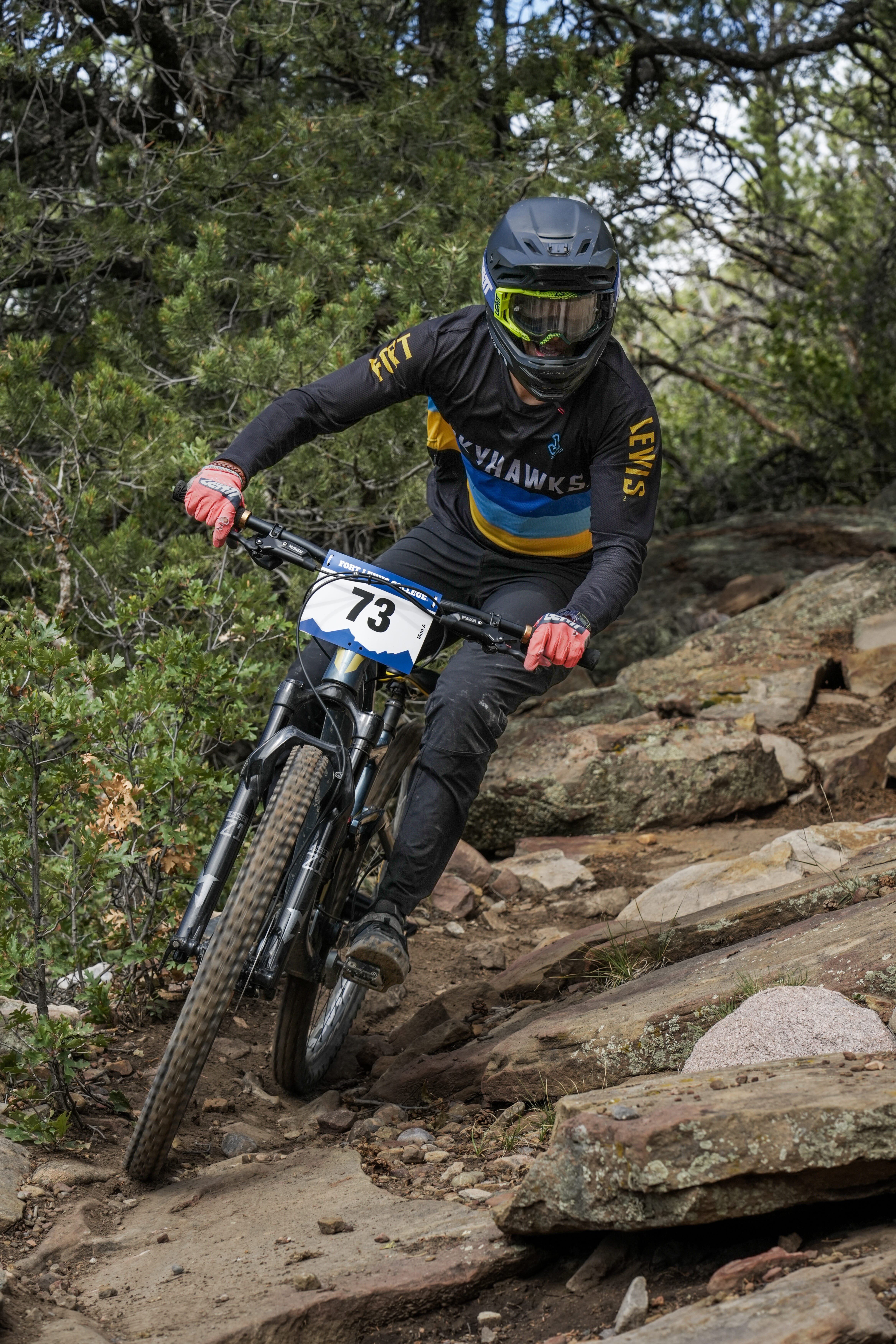
Collegiate cycling can also take cues from Fort Lewis, which does an exceptional job of keeping cycling fun, even at the highest levels of competition. Fort Lewis’ all-inclusive varsity structure brings new riders into an environment where they learn alongside more experienced peers while still benefiting from professional coaching and resources. The result is simple but powerful: more people stay in the sport longer, and natural talent is identified and nurtured that might otherwise be overlooked in a purely club-based model.
Mountain biking
To be honest, I wasn’t sure where to fit this into the piece, so it deserves its own section. I’ve previously argued that mountain biking may be the most viable discipline for creating viewable content that can help grow cycling in the United States. Ian echoed that sentiment, adding that mountain biking may also be the discipline best positioned to make the leap to NCAA classification first.
The reasons are straightforward. Mountain biking is currently the most popular cycling discipline at the youth and collegiate levels, it emphasizes individual competition rather than complex team dynamics, and it carries growing mainstream relevance. The upcoming Olympic Games in Los Angeles only strengthen that case, especially with American riders like Riley Amos and Christopher Blevins expected to contend for gold.
Mountain biking already has the participation base, competitive structure, and cultural momentum that make it the clearest entry point for collegiate cycling’s next phase of growth.
Marching orders
Fort Lewis is arguably the premier collegiate cycling program in the United States, operating with a unique structure that continues to produce elite talent. Ian experienced the program firsthand as a student-athlete, went on to build a professional racing career, and now draws on that experience to develop the next generation of riders at Fort Lewis.
His inside perspective on collegiate cycling revealed important nuances that must be addressed if we want to grow and strengthen collegiate competition nationwide. Fort Lewis is setting a leading example of what’s possible, offering a model other programs can learn from and giving me even more optimism about the future of collegiate racing and development in the United States.
Ride and rip,
Kyle Dawes
Great dive into what makes the Fort Lewis College Cycling Team so unique. I raced for FLC after finding out about the school through NICA racing in California, and now I work for the institution. Appreciate the coverage, Kyle.