


*This is a shorter piece than usual, but packed with findings and inspiration for progressing cycling in the United States.
The last two weeks have been a whirlwind. Between developing new stories for Built on Bikes, getting in shape for spring riding, and keeping up with my career, I also had the opportunity to travel to Austin, Texas for SXSW. I was there for a mix of business and cycling events, including a podcast recording, a private cycling and investment lunch, and a live panel featuring USA Cycling Chief of Staff Karl Pelletier, US Criterium National Champion Lucas Bourgoyne, and Kenetik CEO Devon Price.
It was an incredibly busy few days, but the trip left me with renewed confidence that cycling can and will grow significantly in the United States. Specifically, I came away thinking about two topics I have covered previously on this Substack:
Growing cycling domestically will require investment from outside individuals and industries to fund the development that produces more talent capable of competing on the world stage
For me, these topics emerged once again as key factors in growing the sport here at home. In Austin, I watched cycling unite individuals from vastly different backgrounds and industries and facilitate genuinely thoughtful conversations about moving the sport forward. It showed that strangers can quickly connect through cycling culture and build something meaningful together, growing the sport in a way that feels uniquely American.
Before diving into the details, I want to acknowledge the incredible group of people that made all of this possible.
Hill Climbers
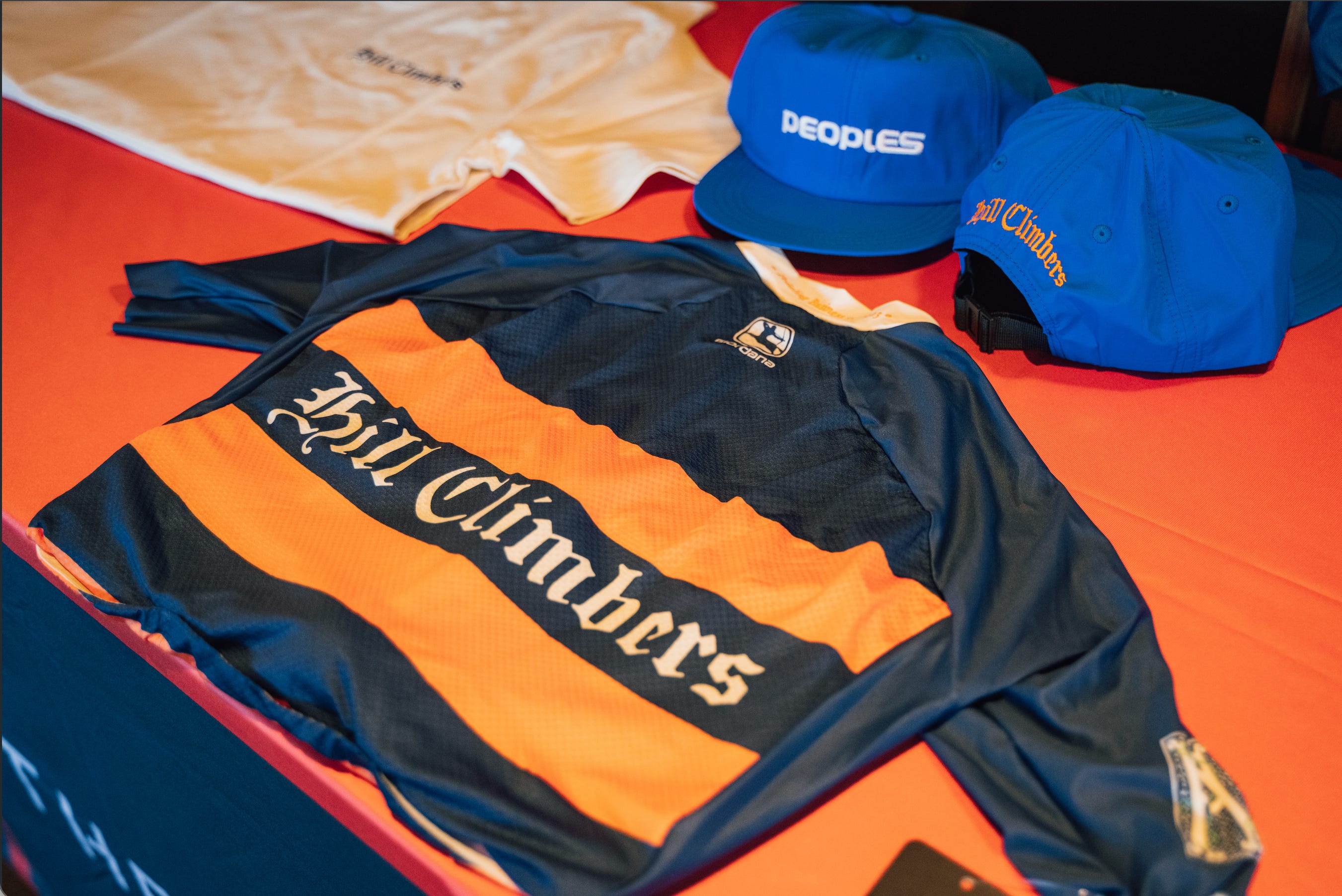
The driving force behind all of these events is Hill Climbers, a business network built around cycling. Founded in 2023, the Austin-based group is led by Sam Huntington and Stephen Cunningham. What started as a cycling podcast has since grown into a community of professionals united by a shared passion for the sport.
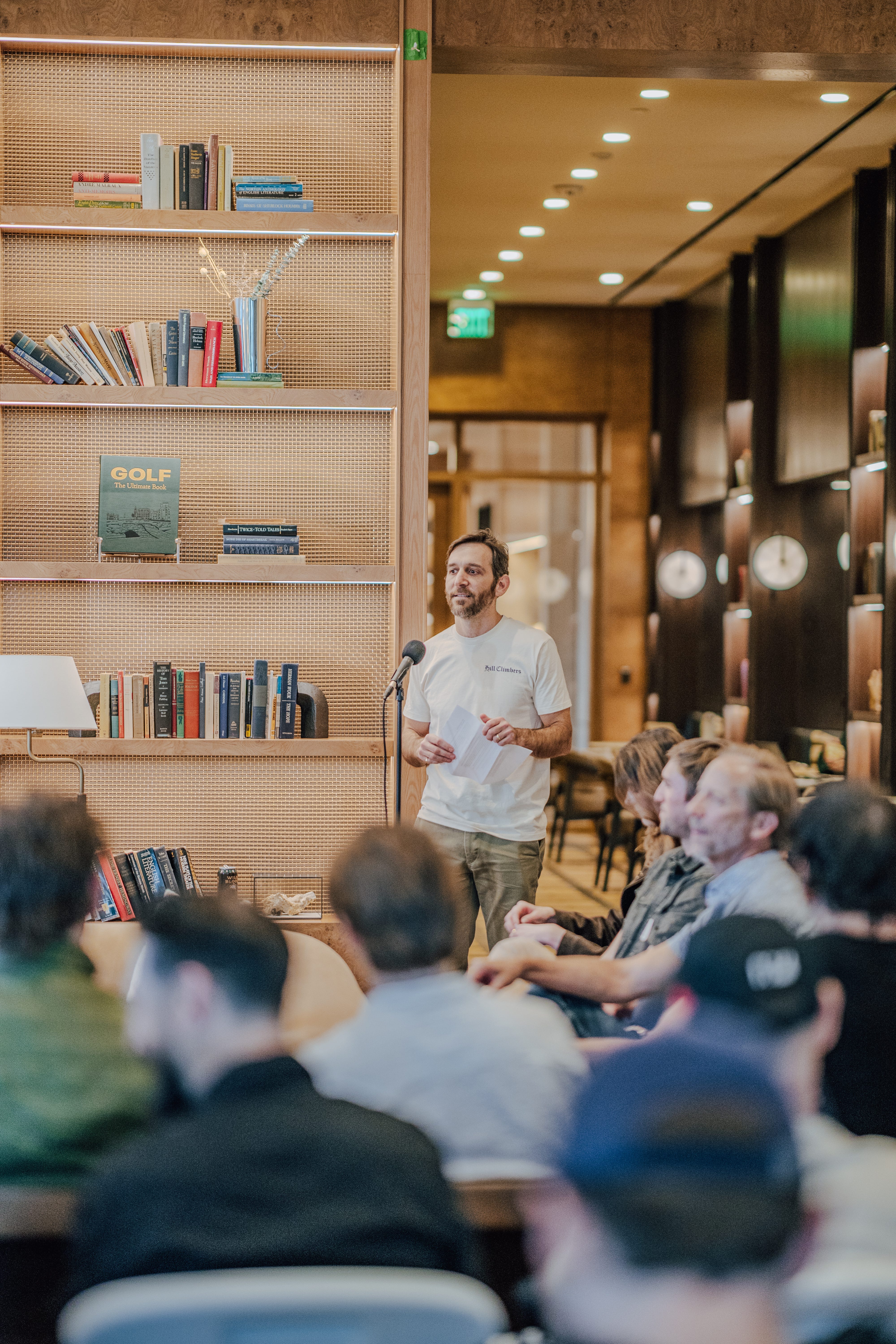
Hill Climbers’ goal is to promote and grow cycling by connecting people through networking events that bring professionals together, particularly those with influence in the cycling community. Since its founding, Hill Climbers has expanded from podcasting to regularly hosting investor events, live panel discussions that draw large crowds, and a weekly networking ride.
Sam was an early supporter of Built on Bikes, and we always intended to connect. As our schedules got busier, that conversation didn’t happen until a few months ago when Sam called to tell me about an investor lunch he was planning at SXSW.
Our shared passion was immediately obvious, and it made sense why he chose to reach out. Sam knew that I regularly write about the need for outside industries to invest in cycling in order to build deeper development pipelines in the United States. His vision for the event was to bring together venture investors, founders, and cycling industry professionals, including members of USA Cycling.
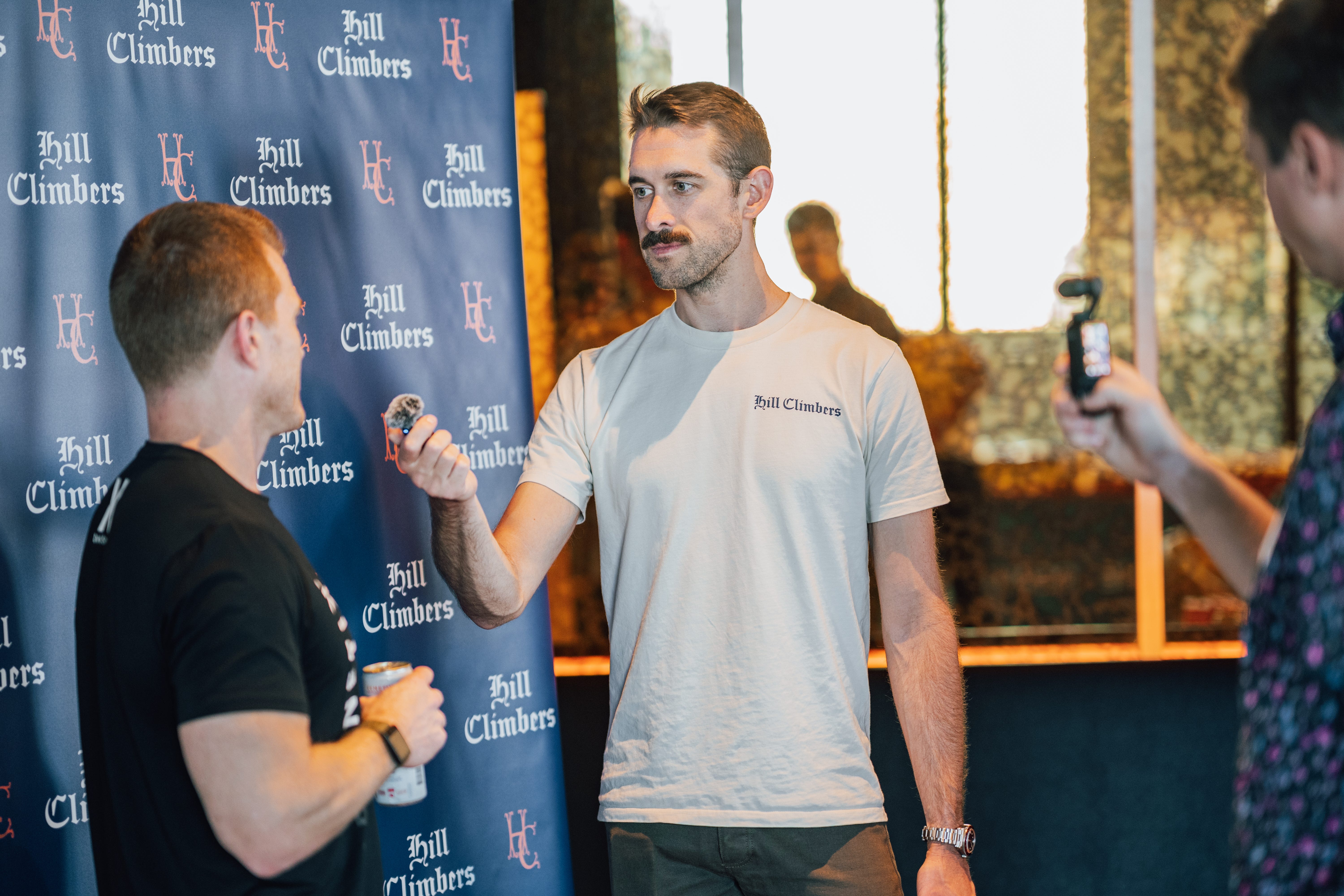
I will get into the details of the events shortly, but first I want to highlight the diversity of people who were in the room. On one end of the spectrum you had individuals whose full-time job is to grow cycling in the US. On the other, venture investors operating at the cutting edge of their industries, founders of brands with no prior connection to cycling, and even a few guests who weren’t cyclists at all. And somewhere in the middle, me, a passionate fan who happens to share his opinions on the internet.
For the majority of attendees, cycling was the common thread, and as I will describe, that created a uniquely dynamic environment that led to genuinely constructive conversations with real, actionable outcomes. I will circle back to Hill Climbers, but first let me provide some additional context on why the trip reaffirmed my hope for growing cycling domestically.
Austin proves cycling cities are possible
When I wrote about Bentonville transforming into a cycling town, it was clear that turning a smaller town into a cycling-forward community would be much easier than turning a major metropolitan city into a cycling mecca. Infrastructure costs less in smaller towns, and locals are more likely to get behind it given the direct economic benefits.
Going into Austin, I admittedly had preconceived notions that only a handful of cities have a noticeable cycling culture, mainly San Francisco, Los Angeles, New York, and Boulder. While heavy cycling culture exists in each of those cities, it still doesn’t match the fervor and scale seen in Bentonville. Austin proved me wrong. It showed that a major city can cross the line from being a place where a lot of people ride bikes to becoming a city where cycling is genuinely known, celebrated, and fostered by the broader community.
The connection I made quickly was that in cities like San Francisco and New York, cycling culture exists but tends to come secondary to people’s careers. Group rides draw smaller turnouts due to less flexible work schedules and varying levels of interest in the community. In Austin, it felt like people’s personal and professional lives existed in greater harmony, and cycling was just as important to them as anything else.
That attitude toward cycling as more than a hobby has helped establish community institutions like the Breakfast Club, a monthly group ride that draws hundreds of cyclists and has been recognized as one of the largest group rides in the world. Visibility and community are everything when it comes to making a city truly cycling obsessed. Austin may not have the dedicated investment that Bentonville has, but the community alone has been enough to establish it as a genuine cycling city.
Investment and getting the right people in a room
It is common knowledge in the business world that transactions and deals are far easier to close when both parties share a common interest. The classic example is that a lot of business gets done on the golf course, and that is for a mainstream sport with a broad audience. So how does the same dynamic apply to cycling? It makes the connection even stronger.
When I write about the need to convince non-endemic sponsors and wealthy individuals to invest in the sport domestically, this is exactly the kind of dynamic I am talking about. People are far more likely to open their wallets for someone they trust and share a niche interest with. And if there is one thing you need to know about cyclists, it is that we will not shut up about bikes. We can talk about them all day.
Hill Climbers recognizes this and is growing its reach by bringing together people from unique backgrounds that fit together like puzzle pieces, each one a potential building block for something that could meaningfully grow the sport in the United States. I believe I saw proof of concept at the events I attended in Austin.
The lunch
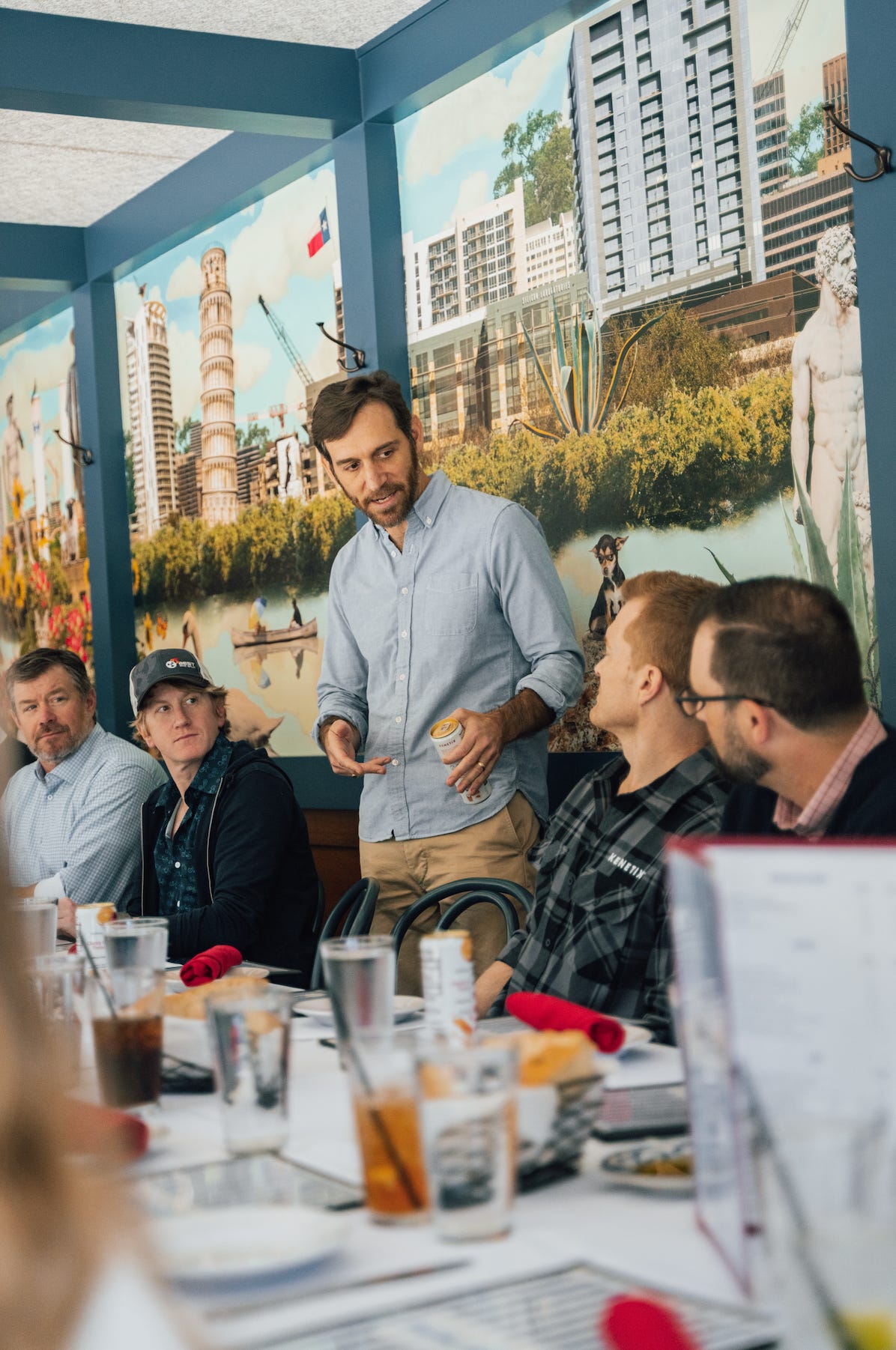
The first event I attended was one I would also be participating in: a small lunch with investors, founders, and representatives from USA Cycling. There were even a few guests who were not cyclists, which made for a useful gauge of how well these ideas might resonate with a general, non-cycling audience.
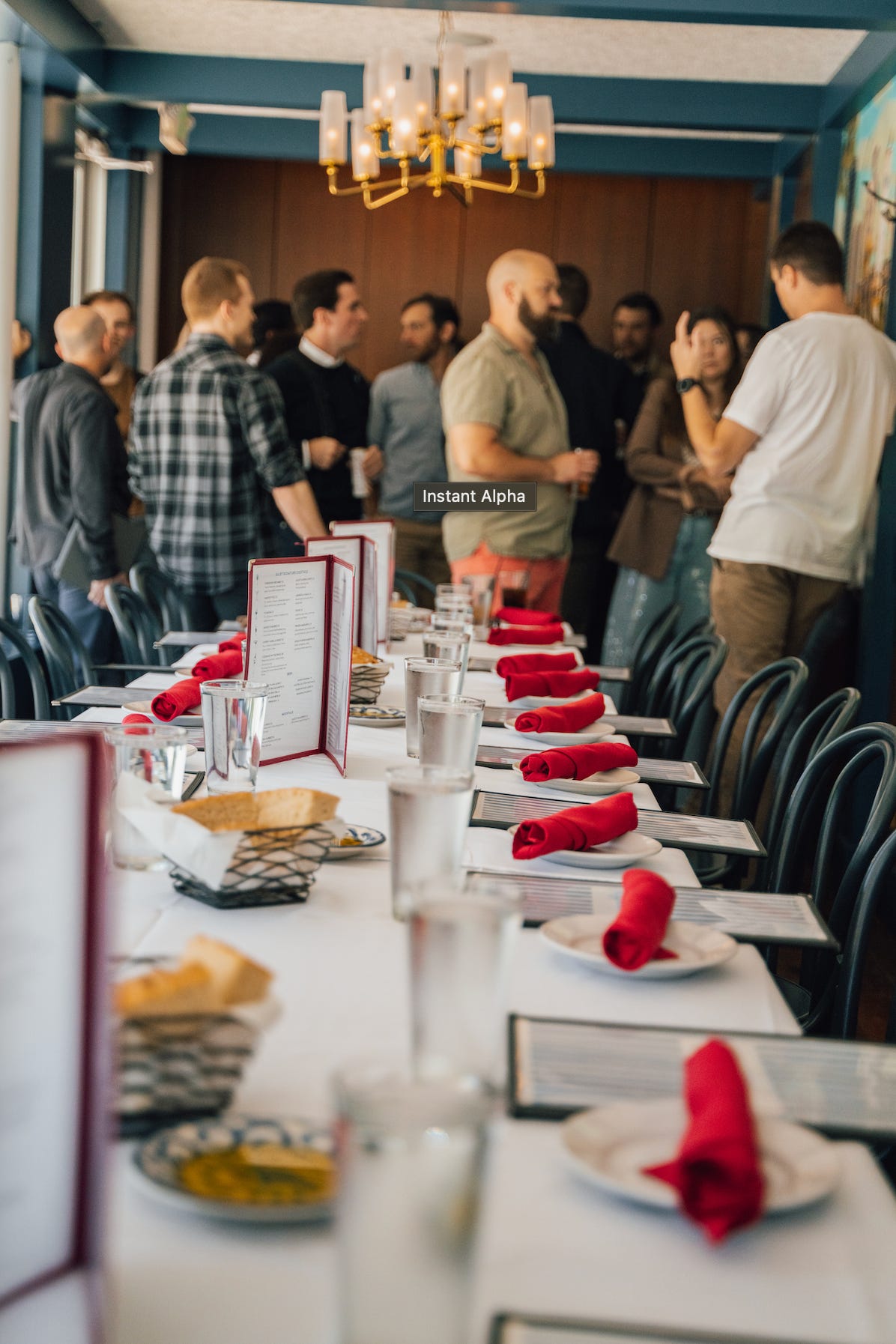
Sam was gracious enough to give me the floor to share some remarks on what I have been writing about, mainly the case for private investment in domestic development pipelines. The conversation was strengthened considerably by the presence of USA Cycling Chief of Staff Karl Pelletier.
One area of focus was the opportunity to grow the sport through women’s cycling. For the non-cyclists in the room, attention sharpened when Karl told the story of Kristin Faulkner and Team USA winning gold at the Paris Olympics. In short, USA Cycling used AI and complex modeling to inform race strategy, ultimately determining that Kristin had a statistically significant chance of winning gold in the road race. They did the math, and it paid off.
The story landed immediately with a room full of venture investors. Beyond the technical appeal, it doubled as a classic underdog story with the kind of patriotism that only Olympic sport can produce.
No commitments were made during the lunch, but that was never the point. By facilitating that conversation, Hill Climbers planted the seed that cycling can be genuinely exciting and helped educate an important audience on why investment in the sport matters. It felt like proof of concept to me: that we can absolutely convey the importance of development and spread the vision of a more competitive cycling scene in the United States.
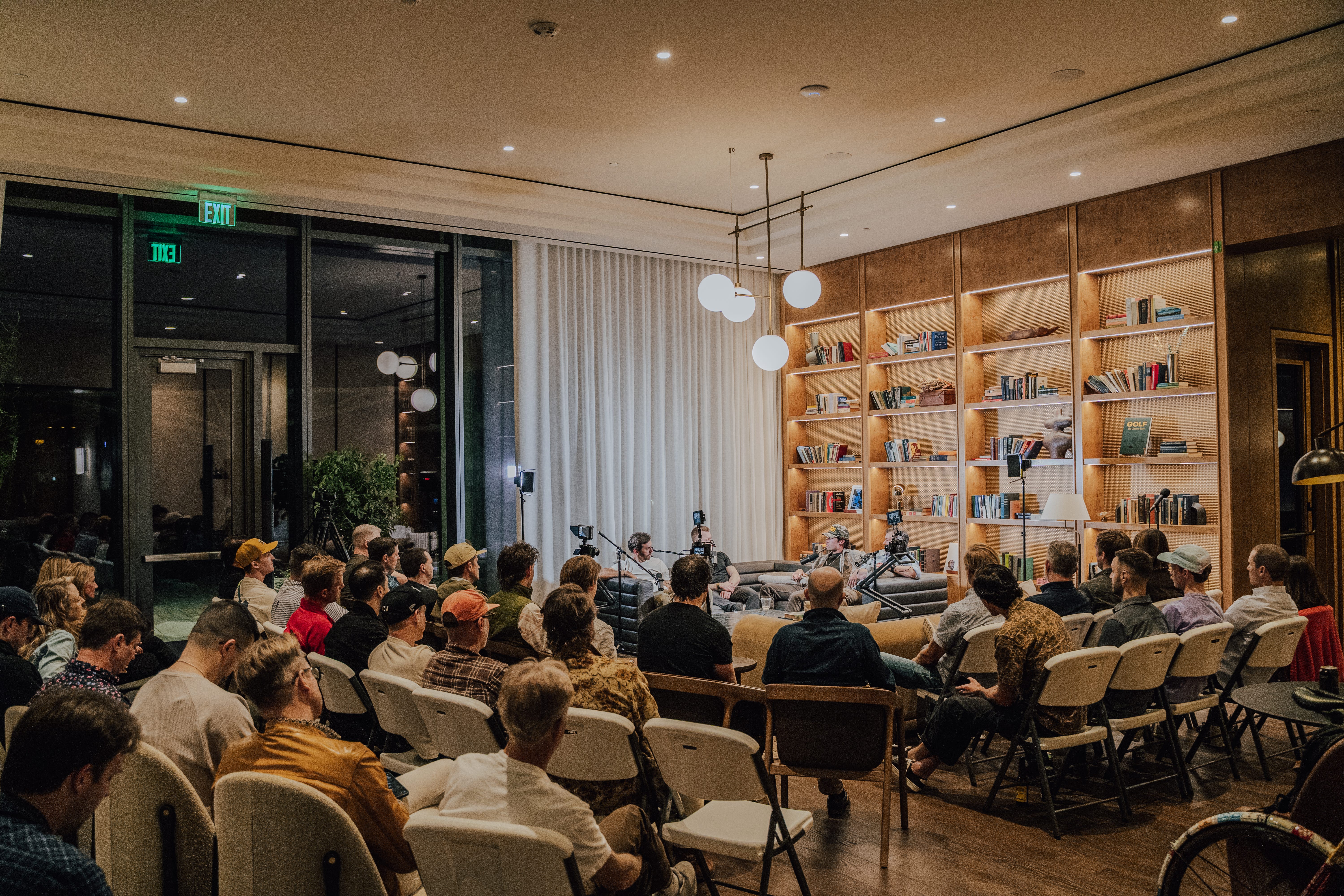
The live panel
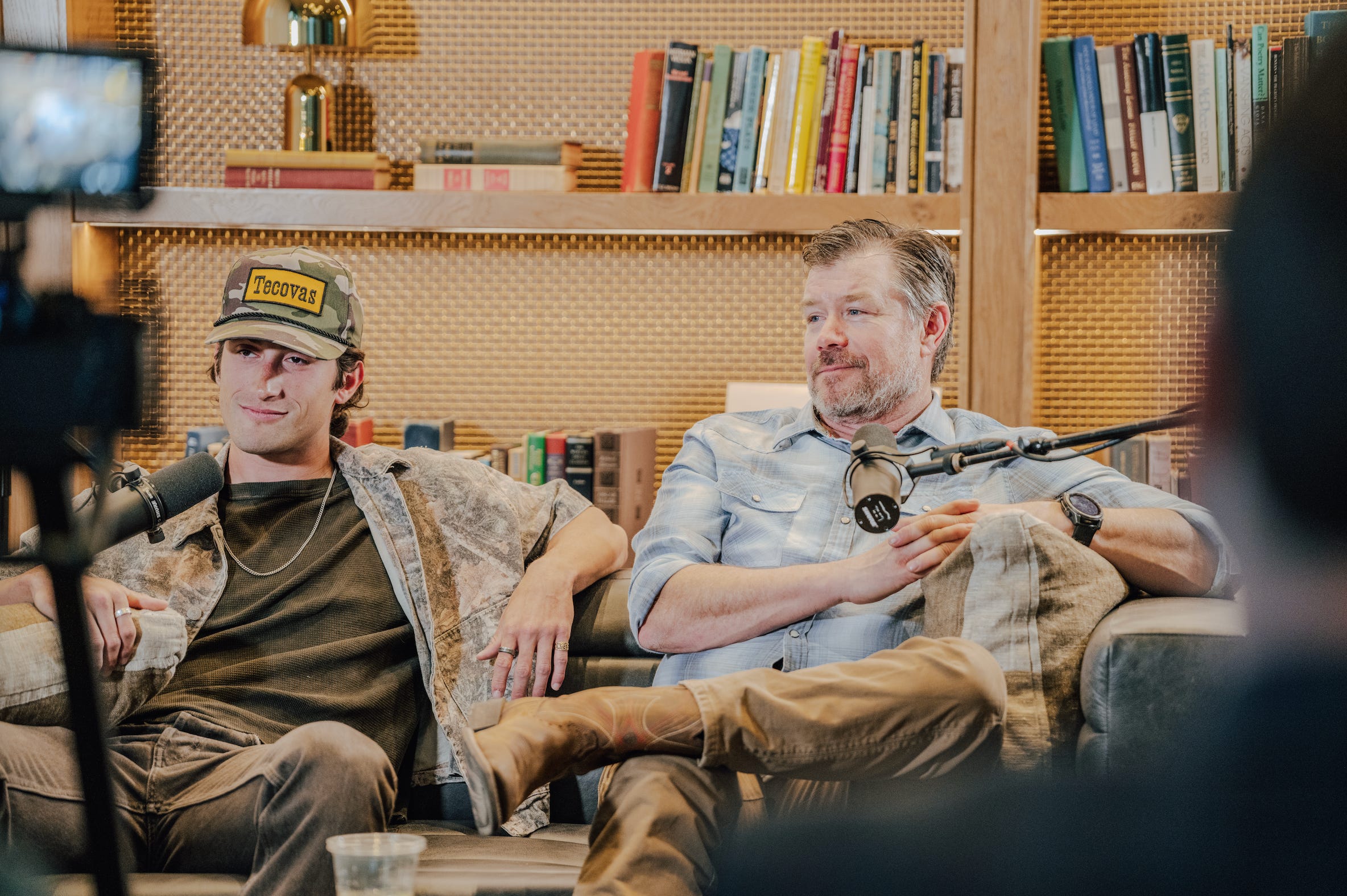
As mentioned earlier, Hill Climbers also hosted a live panel podcast featuring Karl, Devon, and Lucas. This is not a new format for Hill Climbers, as they have produced multiple live panel events that consistently draw large audiences. Friday night was no exception. On what could have easily been a quiet evening, Sam and his team drew a packed crowd eager to listen and engage in conversation about the state of cycling in the United States.
The panel could not have represented more different backgrounds, but once again, a shared passion for cycling and endurance sport tied everything together in a way that felt completely natural. Every panelist brought something distinct to the discussion, and the audience could relate to and draw insight from each of them. Beyond the formal discussion itself, the time before and after the panel was filled with organic networking that felt effortless rather than forced.
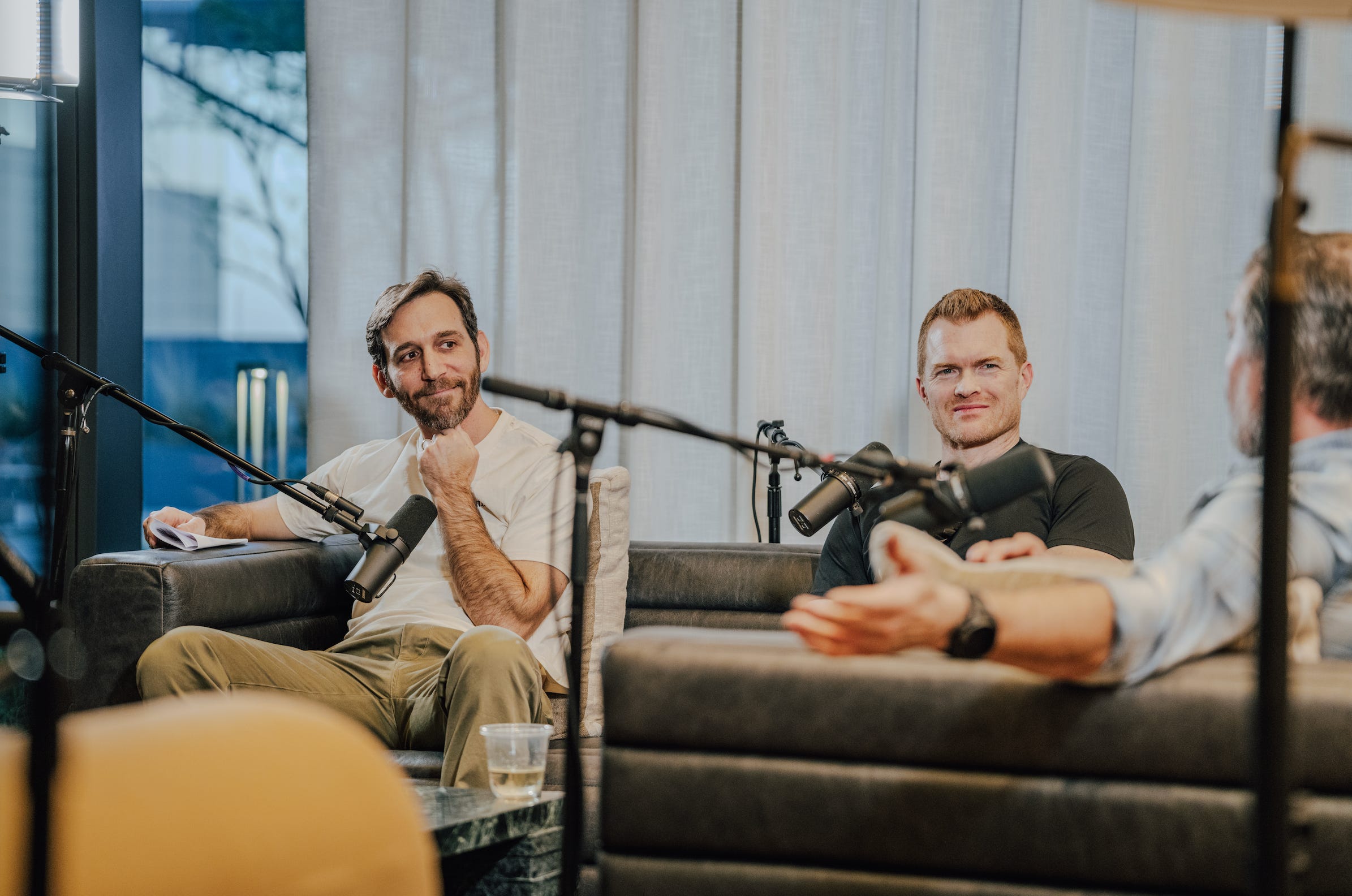
I am naturally a somewhat shy person, but the room was incredibly welcoming and produced the easiest networking environment I have ever been a part of. Even guests who could not directly contribute to specific initiatives often knew someone who could, and they were genuinely happy to make the connection.
If Hill Climbers and the broader cycling community keep the momentum going with events like these, I believe we will achieve real progress in US cycling development by consistently connecting the right people and facilitating the right conversations.
What Hill Climbers is proving
The United States is often written off in the cycling world as a nation with a stagnating racing scene and weak development pipelines, but maybe that is actually our strength. In sports, nothing seems to motivate this country more than being overlooked and counted out. As USA Cycling and Kristin Faulkner have shown, cycling has no shortage of underdog stories capable of capturing the attention of American audiences. It is just a matter of telling them well and inspiring the right people to invest in future ones.
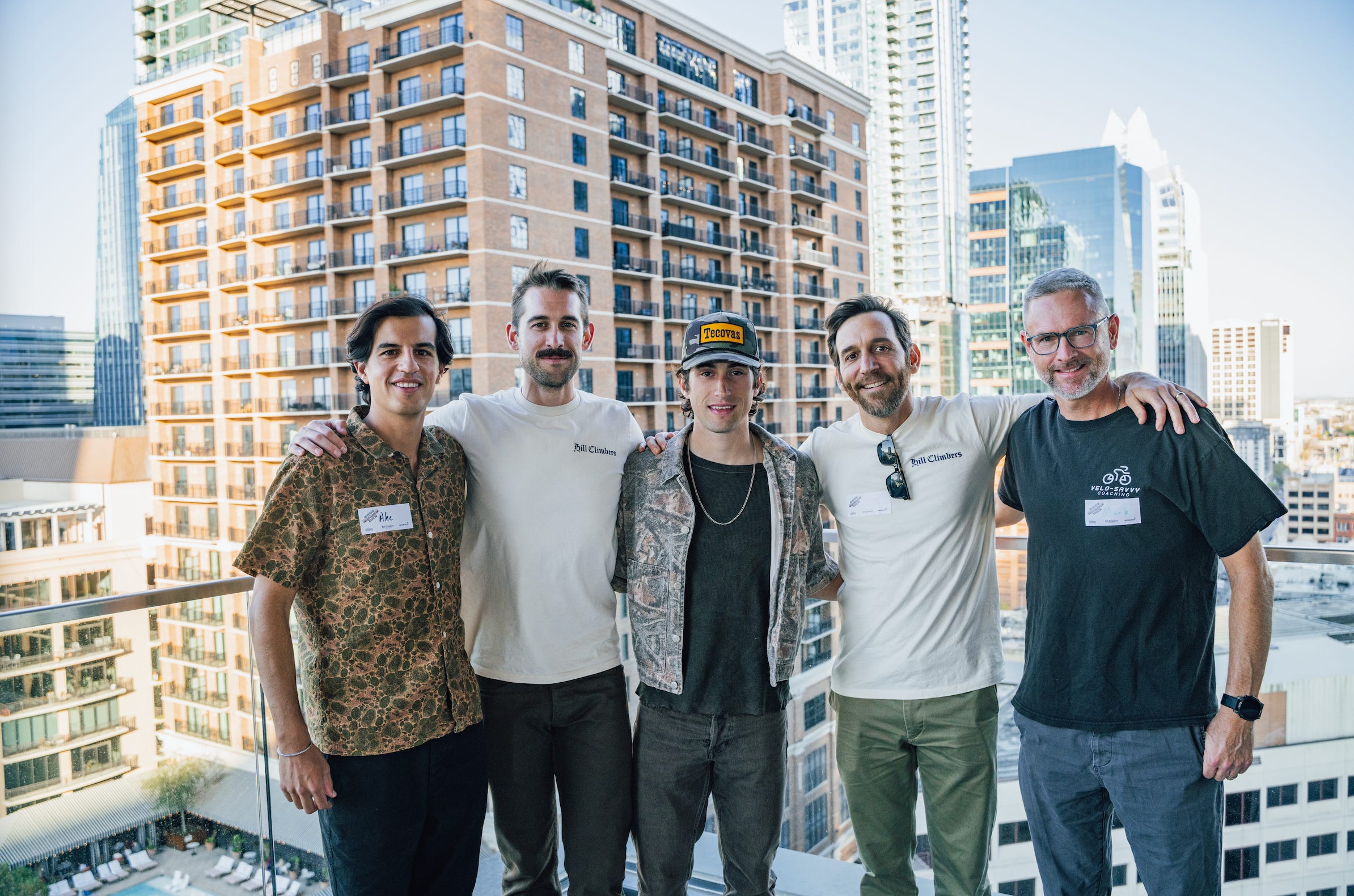
I have said it before, but the way we do that is by being scrappy and finding creative ways to move the sport forward. Hill Climbers is providing the spaces and conversations to make that happen. Unlike European nations where cycling development is government funded and centrally organized, the United States can reach and surpass their level of talent by piecing together an unconventional coalition of everyday individuals, cycling experts, investors, and passionate fans to build a pathway forward.
When the US wins big, the story will be incredible. We will be able to look back and say we made it possible by uniting the domestic cycling community and leveraging the talent and connections of thousands of passionate individuals. Instead of USA Cycling working in relative isolation, it will be a story about how organizations like Hill Climbers united a community to drive real change. The patriotism that process evokes will be unlike anything produced by any other national sports story.
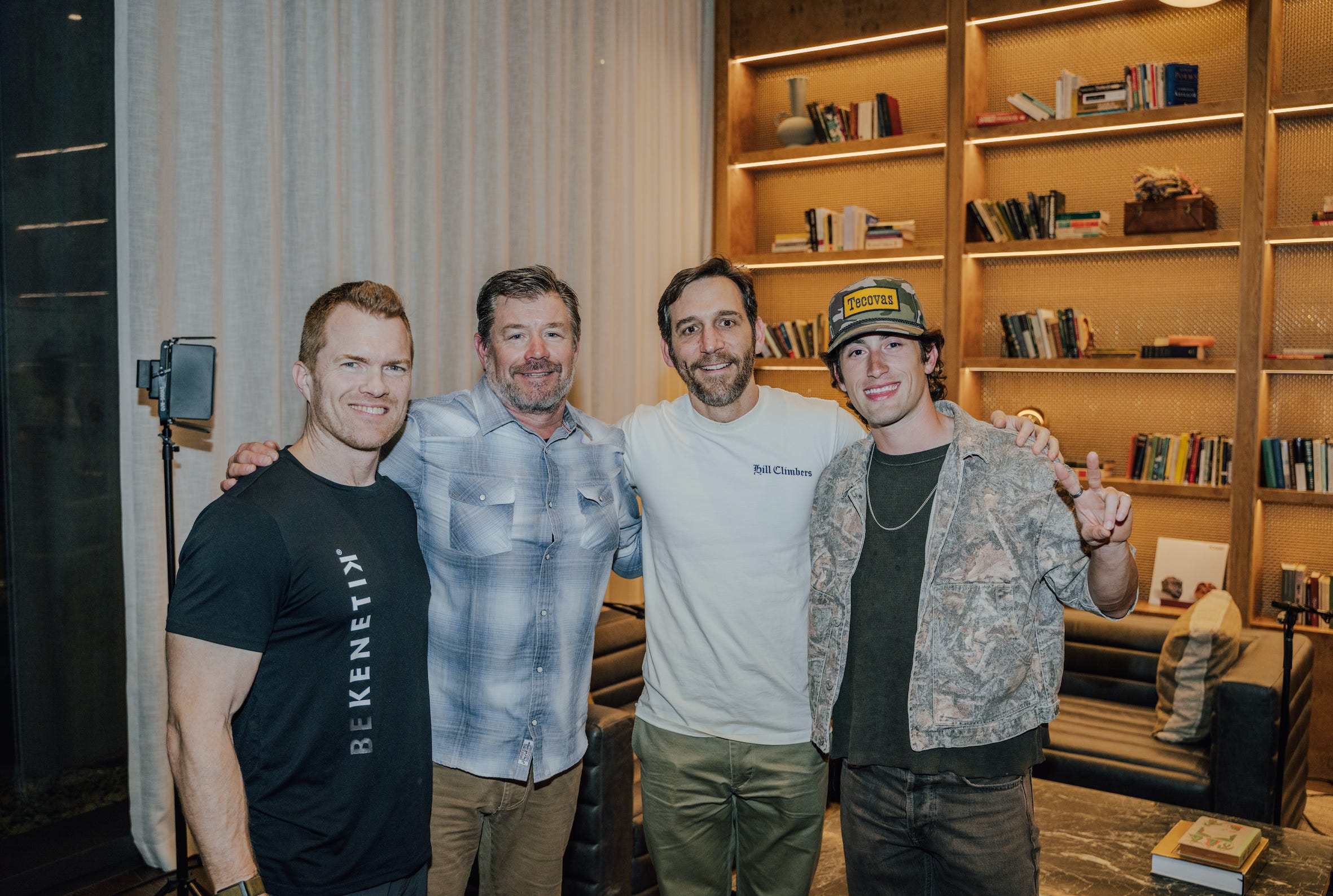
Cycling in the United States has a fighting spirit, and with continued community building that connects industry professionals with influential people, it will have a real fighting chance at hitting the mainstream.
Ride and rip,
Kyle Dawes
I think there are a few interesting components driving growth within Austin compared to other markets, but the most apparent across multiple industries is the willingness for participants (in running, cycling, tech, etc.) to open up their wallets and invest in brands. In other cities people still trust one another and discuss bikes all the time, but are significantly less willing to invest accordingly. Even within other heavy cycling culture cities, driving immediate broad ROI and investment by members of the community has never been as apparent as it is in Austin. The accessibility of the terrain also makes it easier, but I think you have nailed the perspective that in Austin cycling as a proxy for personal lives and professional lives are interwoven. Because there is doesn't exist a stark divide between professionals and hobbyists, paired with an openness to connect in a place where ALL CYCLISTS are part of a shared minority, there is a direct subversion of the clique nature that exists within other hubs.
Thanks for the recap Kyle. Wish I could have been there.