


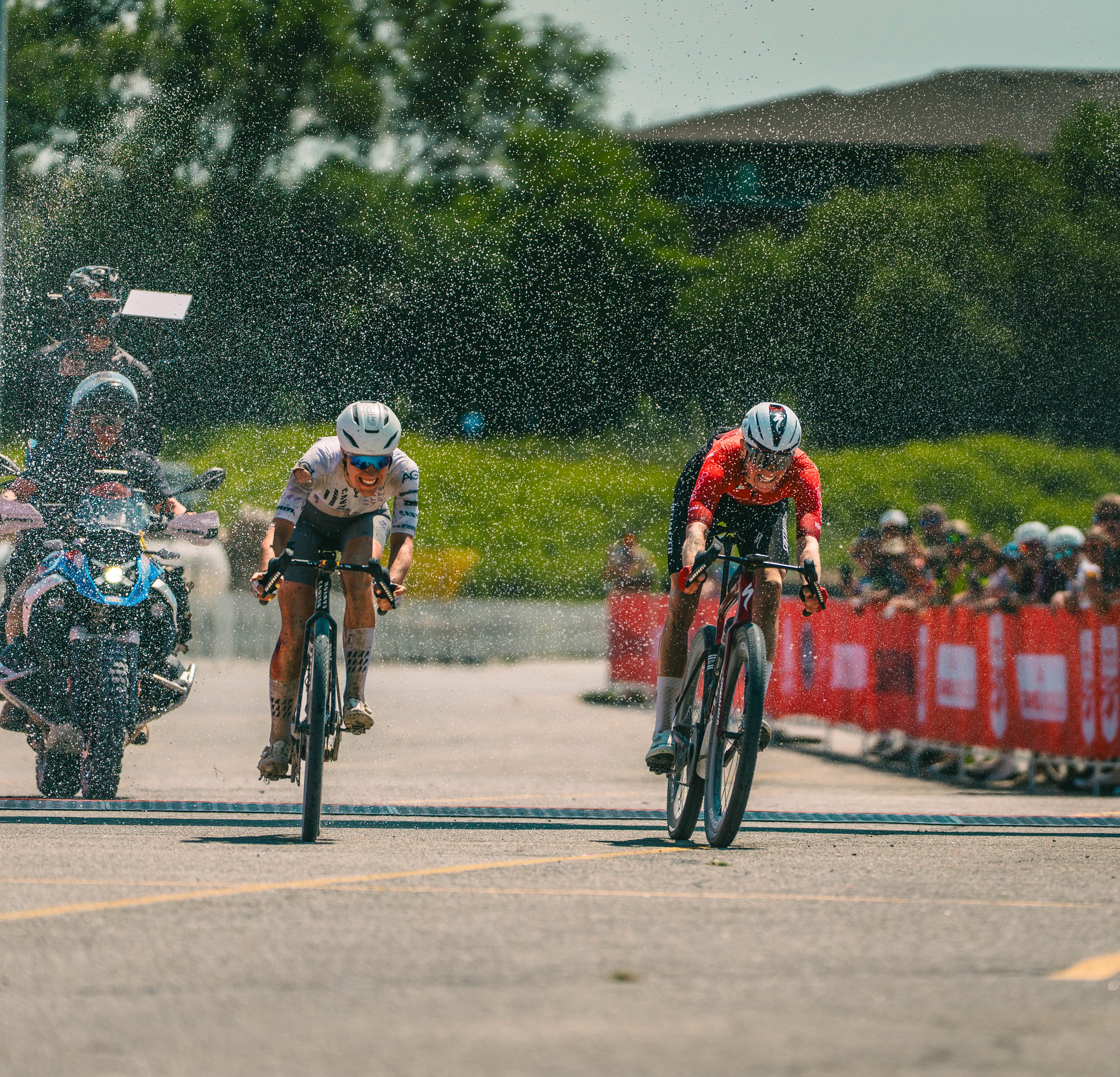
Last weekend I attended Lauf Gravel Worlds in Lincoln, Nebraska with some of my favorite people from across the US cycling scene. The primary reason for attending was to once again provide photography and media coverage for the Mach1 Devo team. Since spending time with Mach1 at Unbound Gravel, having the chance to support the team and tell the stories of its riders has quickly become one of the most rewarding things I do through Built on Bikes. With Lauf being both the title sponsor of Gravel Worlds and the bike sponsor of Mach1, this was a chance to see firsthand how a foreign brand is having a meaningful impact on cycling development in the United States.
Beyond that, Gravel Worlds gave me the opportunity to observe the production and logistics of a major race outside the Life Time Grand Prix ecosystem. Two names familiar to Built on Bikes readers were leading the charge as standout contributors to the event. Movemint was the official event organization partner and Leni Carrillo of Holy Spirit of Gravel was one of four presenters for the event’s livestream.
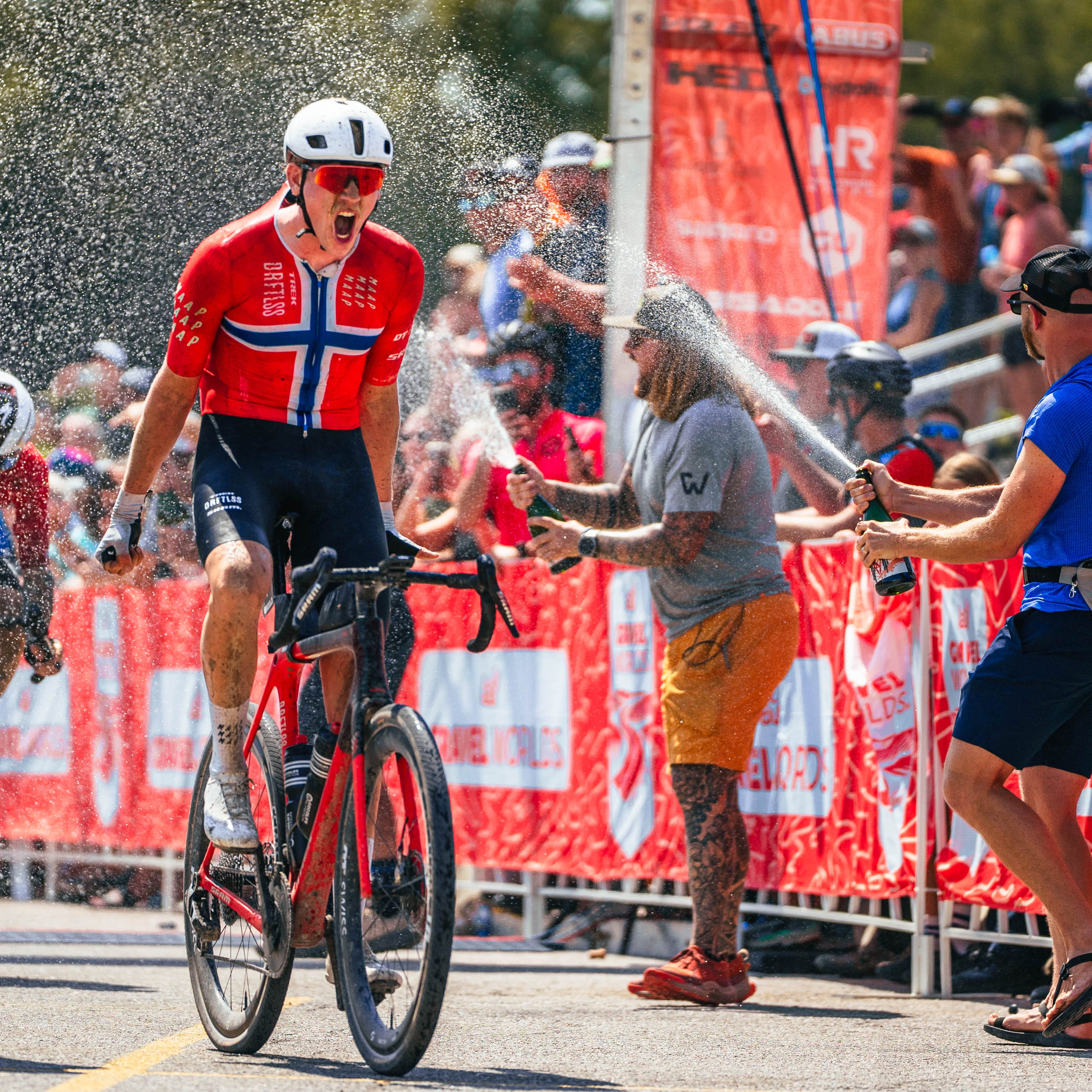
Being on the ground gave me perspective on every aspect of a race weekend, from organization and execution to the riders who make it all possible. We will look at what makes Lauf Gravel Worlds work and pull out the lessons from the weekend that could inform more effective approaches to growing cycling in the United States.
The livestream
While I was out on course for most of the day capturing photos of Mach1 riders, I was back at the start and finish area for a couple of hours before the conclusion of the pro men’s and women’s races. While waiting for the finishes, most of my time was spent eating the famously free Gravel Worlds hot dogs and watching the event livestream. Having watched the Leadville 100 MTB livestream the week prior, one thing was immediately apparent: the Gravel Worlds broadcast was noticeably more engaging and entertaining than the Life Time production.
The difference had nothing to do with the quality, organization, or logistics of the stream. Gravel Worlds was using the same production company that Life Time uses for Grand Prix broadcasts (BCC Live), meaning the images on screen look no different from a Life Time event. So why was this one so much more compelling to watch? Being at the event in a lively atmosphere could have contributed to my experience, but the livestream genuinely had me tuning out everything happening around me. The reason had everything to do with the people announcing the race.
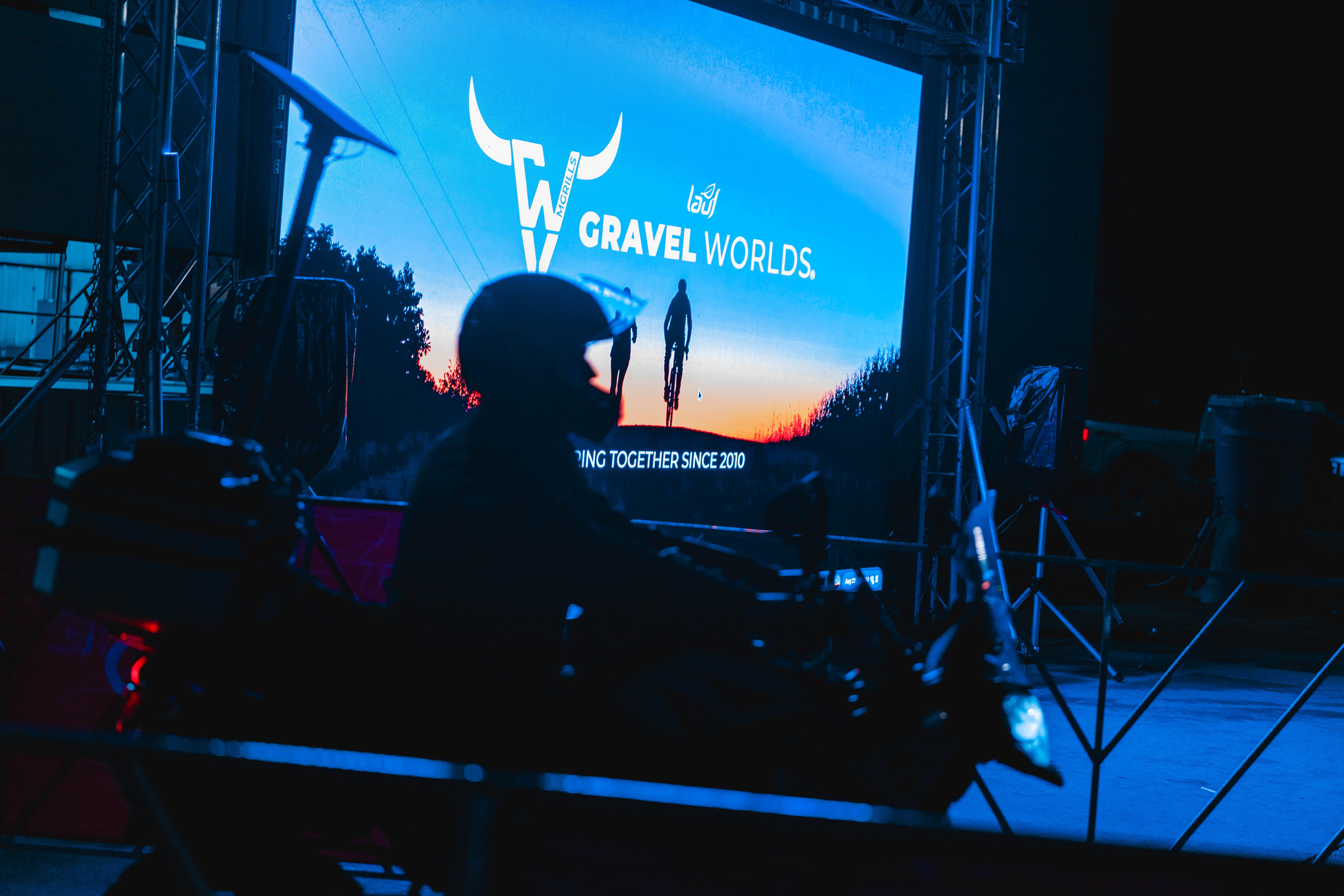
The four main presenters were Lauren Hall and Pete Stetina in the broadcast booth, with Leni Carrillo and Amanda Nauman Sheek providing on-the-ground coverage and commentary. It is worth noting that Lauren Hall was also part of the broadcast team at Leadville, which makes the question even more interesting: how can two productions be so similar on the surface yet feel so different?
Unscripted
After following Life Time events virtually and on the ground for the last few years, I inevitably started hearing stories about the inner workings of the livestreams and production strategies. One thing that has come up consistently is how Life Time broadcasts follow a more rigid framework for race commentary and analysis.
Sarah Sturm offered some insight on her podcast, Talking Over You. She explained that commentators are given binders with detailed breakdowns of riders, series storylines, course information, host town context, and more. Each Life Time stream also features significant ad placement from presenting sponsors, meaning a set formula must be followed to fulfill those obligations.
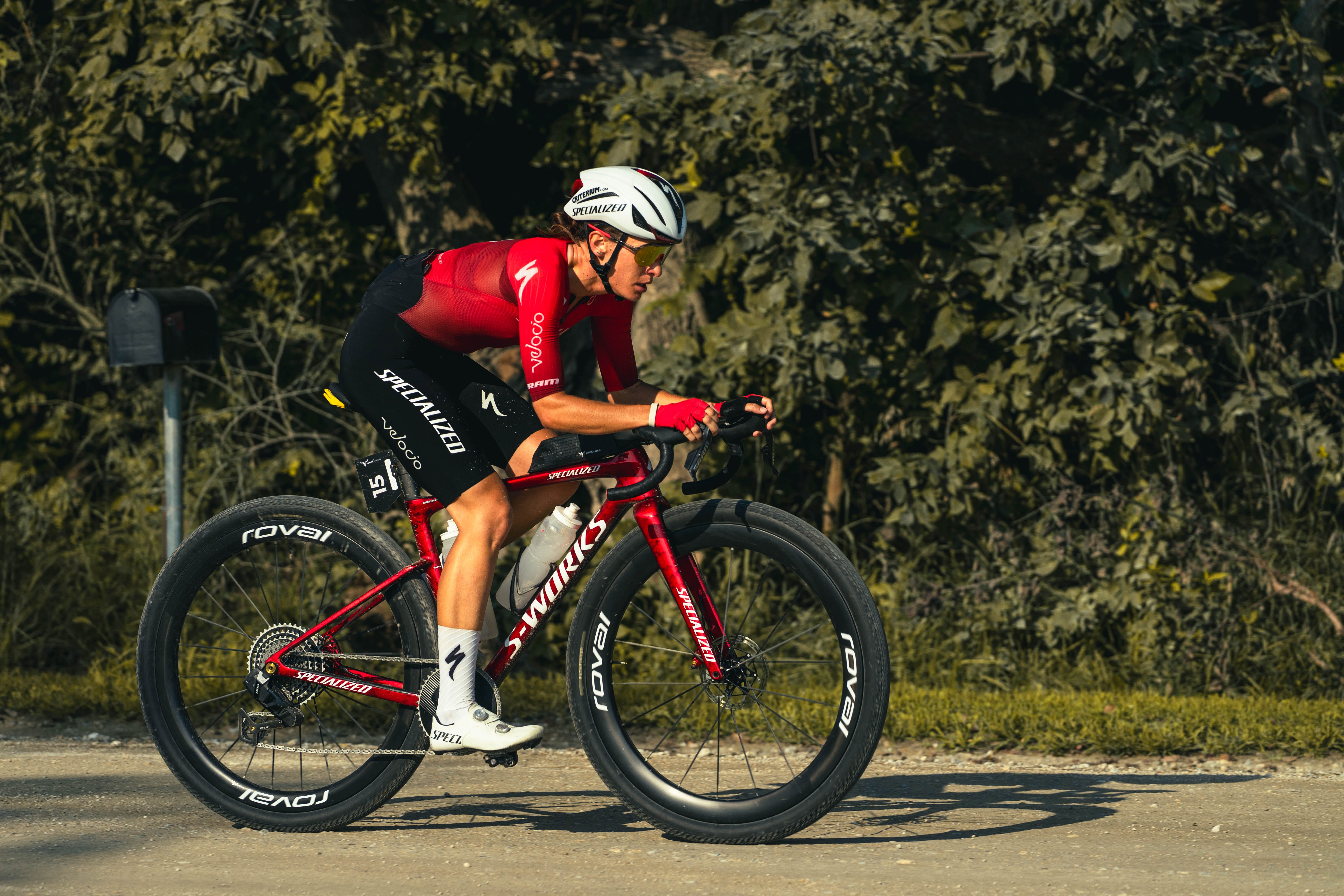
This structure makes complete sense given the dynamics and branding of the Life Time Grand Prix. The series is positioned as the premier off-road race series in the US and the livestream presentation aims to mirror the broadcast feel of top-level events like the Tour de France. Because the same field of riders competes across every race, the broadcast has an obligation to track the stories and narratives that develop over the course of a season while also delivering play-by-play commentary. With sponsor commitments layered on top, the formula exists to ensure the right information reaches the viewer within the time available.
There is nothing wrong with this style of broadcast, and the strategy clearly meets the needs of Life Time, but it may not be the most effective format for engaging new fans. The Gravel Worlds broadcast still delivered professional race and rider analysis, but it also offered a more intimate view of the peloton through commentary from Pete, Leni, and Amanda. These three presenters are deeply embedded in the culture of American gravel racing and can draw on that knowledge to provide behind the scenes perspective in almost any situation.
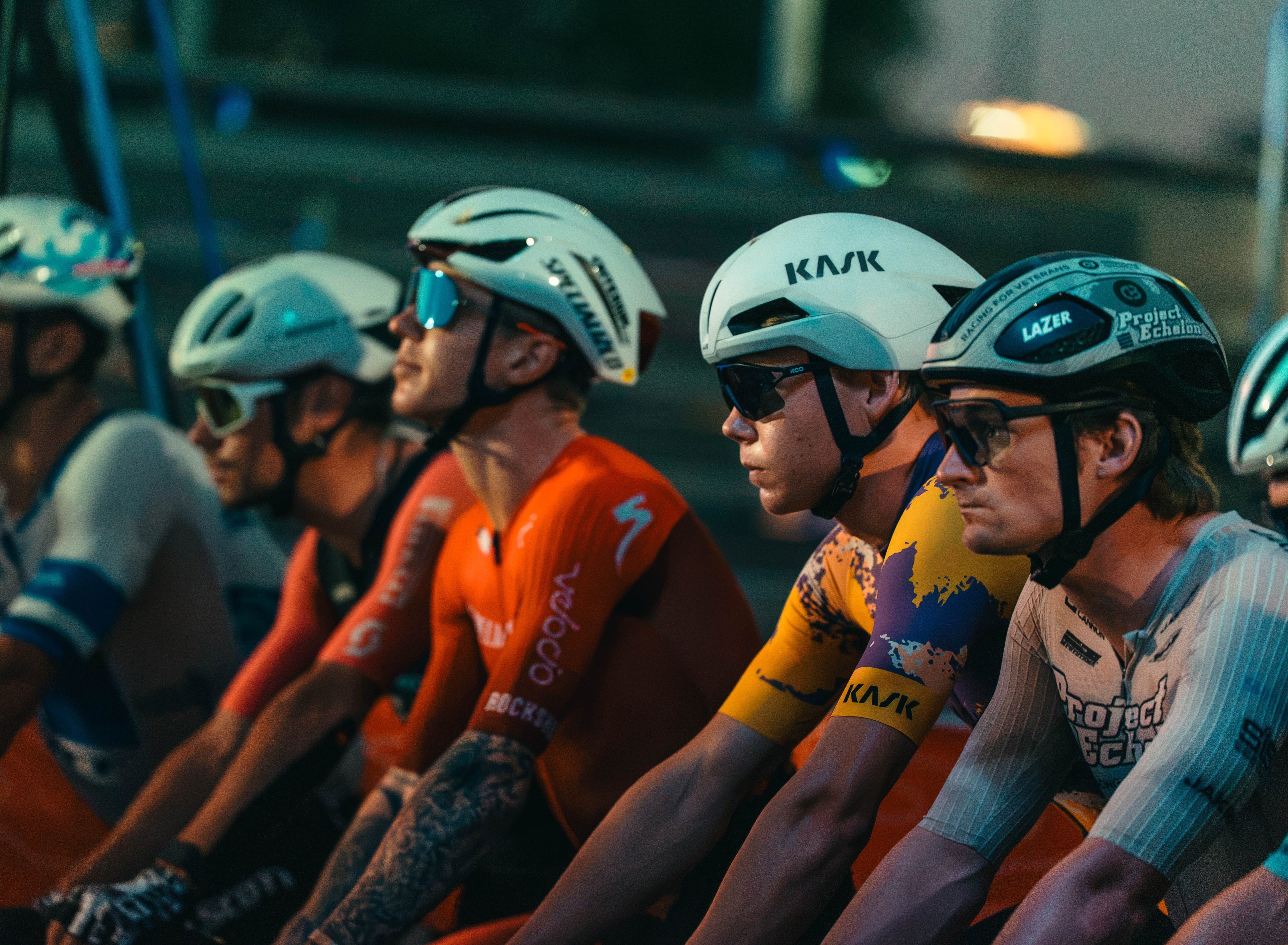
Whether it comes from personal relationships with riders, experience as a former competitor, or a thorough understanding of what the average gravel fan actually cares about, the three worked together to create commentary that was both accessible and genuinely compelling. As Leni would say, this vibes-based commentary does a better job of conveying what it actually feels like to be at the event alongside the fans and riders. Watching from home, you feel more connected to the race and its culture than you would watching a straight play-by-play that could belong to any other sporting event. The absence of a rigid script, counterintuitively, allows for better storytelling.
Female led
Three of the four presenters were women and this dynamic had a clear impact on how the race was presented. Life Time, the Women’s WorldTour, and other cycling events do feature female commentators, but the proportion of male commentators on most cycling broadcasts remains at 50% or higher. There is nothing inherently wrong with that, but with a majority female presenting team Gravel Worlds was able to bring a broader range of perspectives than most cycling broadcasts manage.
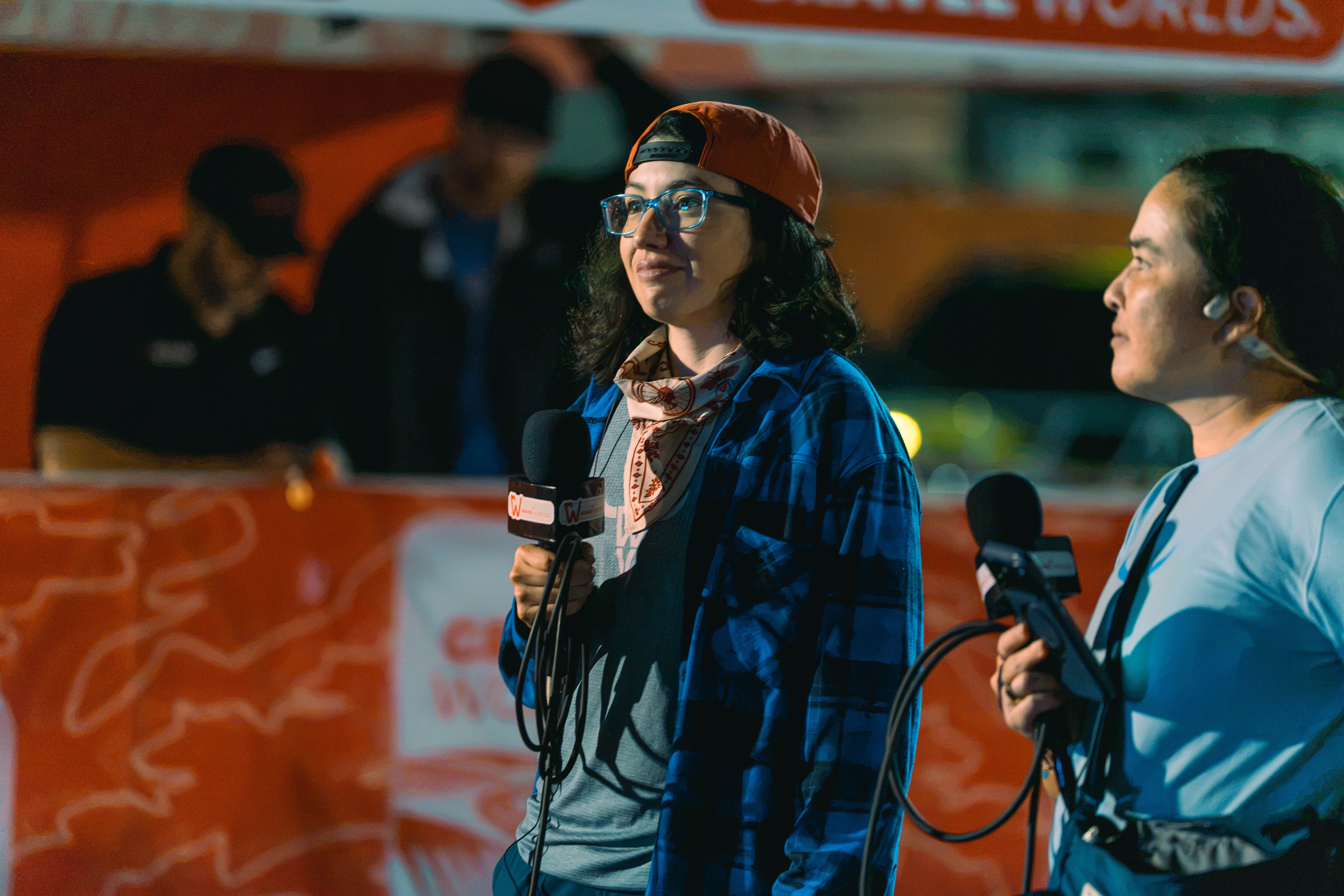
Combined with the absence of a rigid script, the topics, conversations, and insights from the Gravel Worlds stream were noticeably richer, drawing on background knowledge and contextual detail that viewers rarely hear during a sporting broadcast. Coverage of the men’s and women’s races felt genuinely equal, and the analysis of the women’s race in particular painted a much more vivid picture of the peloton’s dynamics. The stream stayed completely focused on the high-level pro competition while still keeping the spirit of gravel intact, engaging viewers in a way that felt true to what the sport actually is.
Lauf’s commitment to growing gravel racing
Another major takeaway from Gravel Worlds is how long Lauf has been invested in the development of gravel in the United States. 2026 marked the tenth year of Lauf serving as the presenting sponsor of Gravel Worlds, and the impact of that investment is yet another example of how brands that commit early to the foundation of a sport will reap the rewards.
Including Unbound Gravel, the bike I saw most at the last two races I attended was the Lauf Seigla. Lauf is an Icelandic company with a lean operating team, which makes their penetration of the American market a strong signal to other emerging bike brands. Lauf built this success by being an early mover in gravel, an early innovator with their gravel suspension fork, and now a first touchpoint for many developing riders through their sponsorship of numerous development teams across the sport.
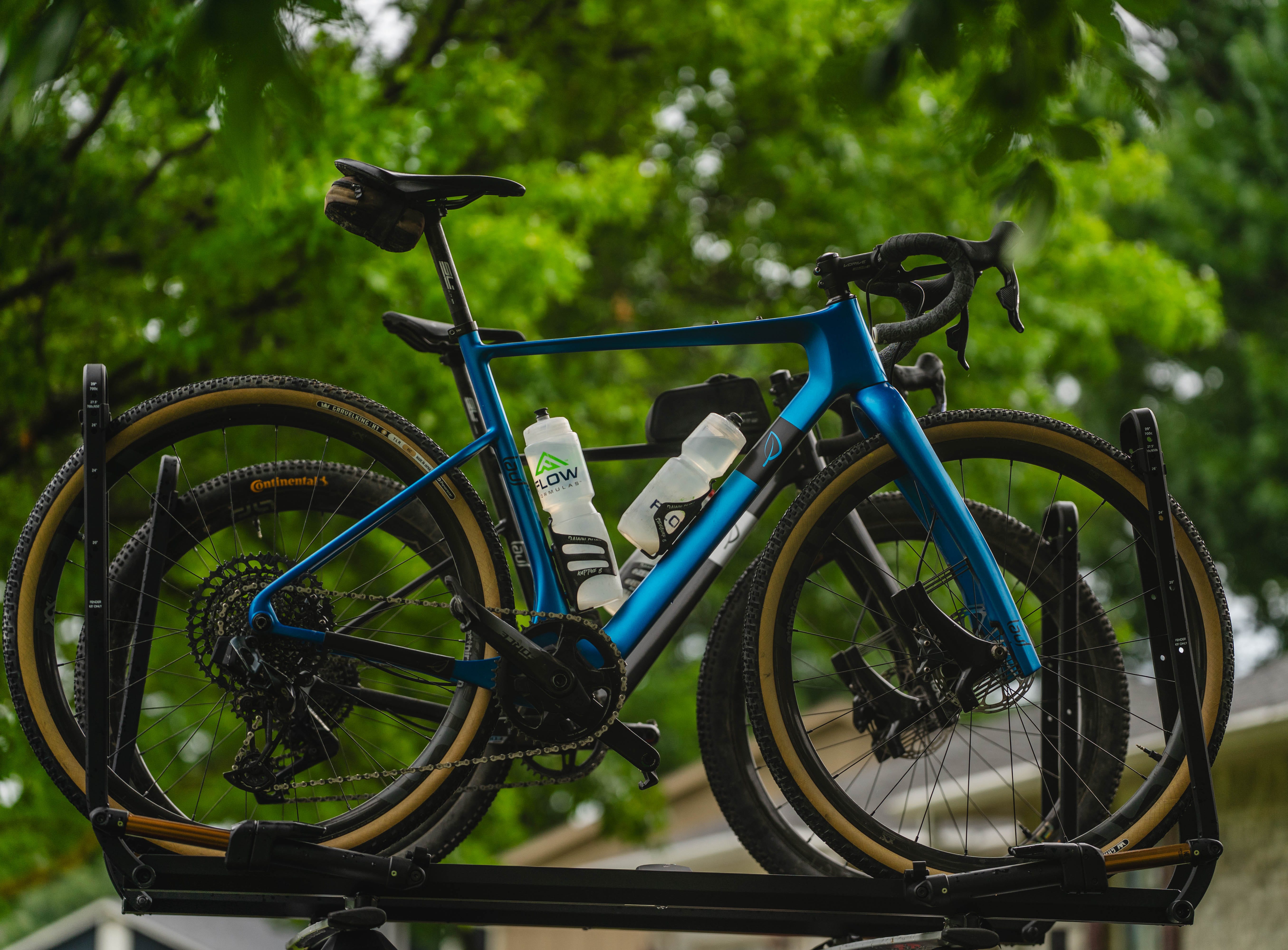
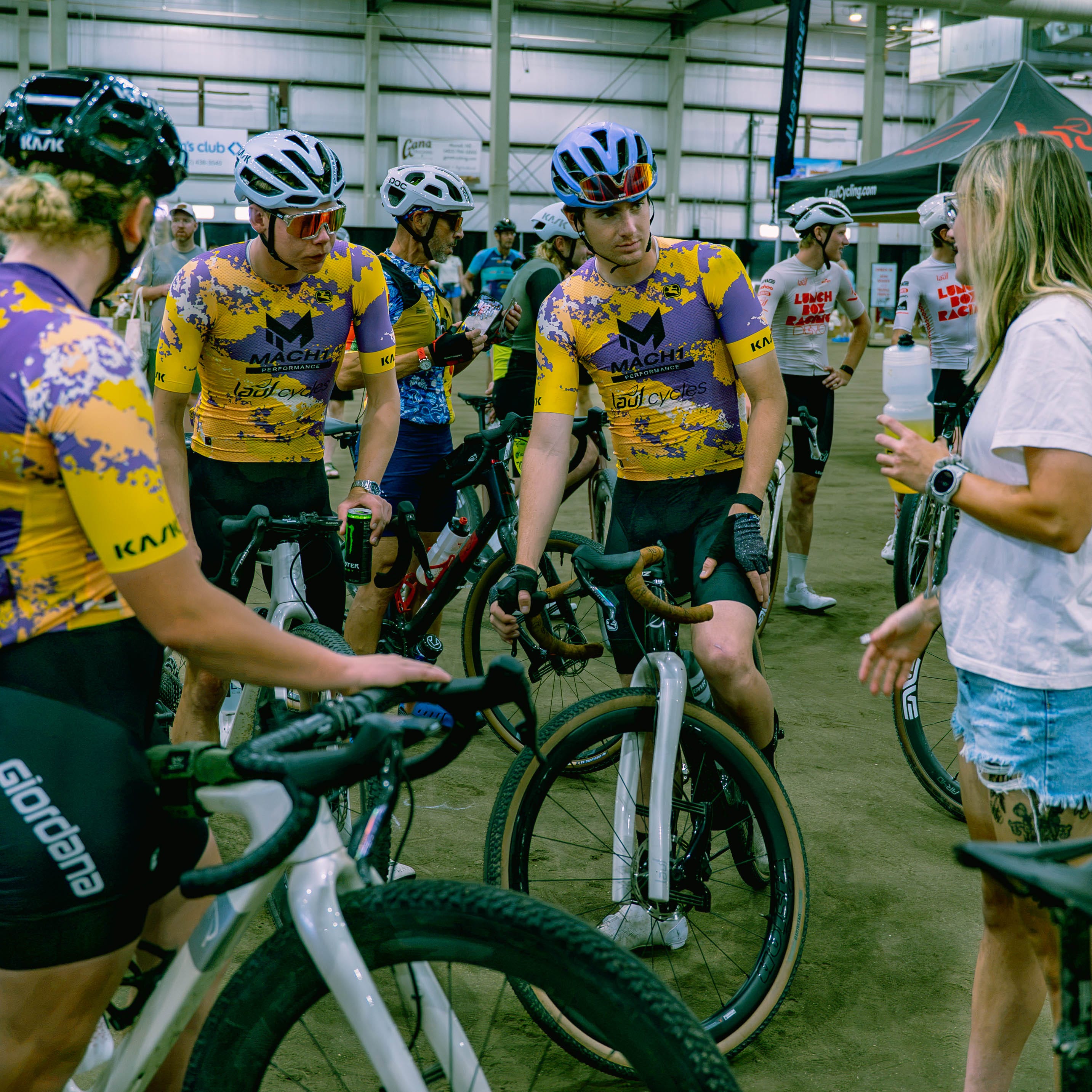
Mach1 Devo, Distance to Empty, and Lunchbox Racing are just a few of the programs Lauf supports, and it is safe to assume that athletes from at least one of these teams will be at any major gravel event in the United States. When all these teams show up to a race, a significant portion of participating athletes are riding Lauf bikes, meaning spectators and fellow competitors alike are seeing the brand and associating it with both performance and opportunity.
Beyond achieving higher visibility through their athletes, I saw firsthand how Lauf representatives build genuine personal relationships with athletes at every level, not just the pro field. It was impressive to see multiple U23 riders walk up to the Lauf expo tent and immediately fall into easy conversation with Lauf’s Director of Marketing, Dana Rún Hákonardóttir. The conversations were not surface level and every rider seemed genuinely happy to catch up with her. This kind of investment in developing athletes builds early brand loyalty that is difficult to manufacture any other way. Even if riders move on to other brands later in their careers, they will remember the platform Lauf gave them and speak well of the brand for years to come.
Beyond direct athlete support, being an early backer of grassroots events like Gravel Worlds means Lauf now has its name attached to one of the sport’s most prestigious races, which also carries the largest single-day prize purse for the professional field. The success did not happen overnight, but Lauf’s early and sustained investment in the American gravel scene has made them synonymous with the discipline. More than any other brand in the market, Lauf is seen first and foremost as a gravel bike company. This will not be the last time I write about them, but Lauf’s approach in the United States makes a compelling case for why brands should be investing at the developmental level of the sport.
Seeing Movemint in action
It is no secret that I gravitate toward the people and organizations that have given me the opportunity to tell their stories on Built on Bikes, but when I return to the same subjects repeatedly it is because I have become a genuine believer in their mission. Almost from day one, Movemint has sat at the top of that list. If you are not familiar with what Movemint is, read my previous story on their product, mission, and team and then come back.
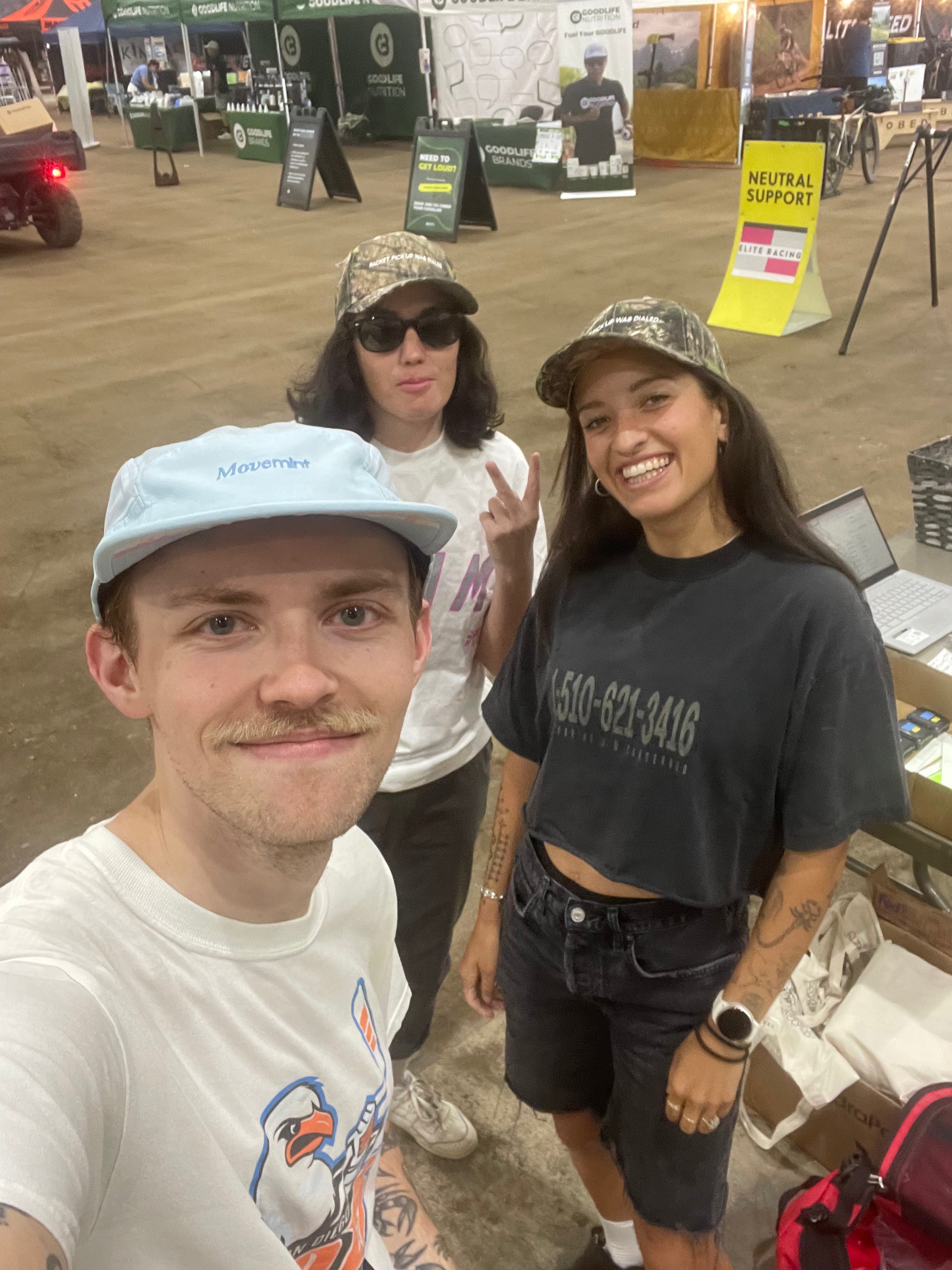
Months ago, Movemint Founder Zack Isaacs told me that Movemint would be the official event platform for Gravel Worlds. From that point on, Gravel Worlds came up in nearly every conversation I had with the team. Knowing that Zack and Movemint’s Marketing and Community Manager, Rosie Cruz, would both be at the event and collaborating with Holy Spirit of Gravel made me genuinely curious to see how it would all come together in person.
Almost a week removed from the event I have been fixated on how distinctive Movemint’s presence was. I cannot recall another event where the company responsible for registration was physically present and actively working alongside volunteers to ensure packet pickup, event updates, and other operations ran smoothly. Beyond that, Zack and Rosie were out at the expo every day engaging with participants, brands, and athletes throughout the weekend.
If that were not already going above and beyond, Rosie had collaborated with Leni to create a brand activation that quickly became one of the leading storylines of the event. The two designed hats featuring some of Holy Spirit of Gravel’s most iconic phrases, including “Gravel Normie” and “Packet pickup was dialed.” With Rosie filming a walking livestream of Leni around the venue, securing one of those hats became an immediate priority for everyone present, myself included.
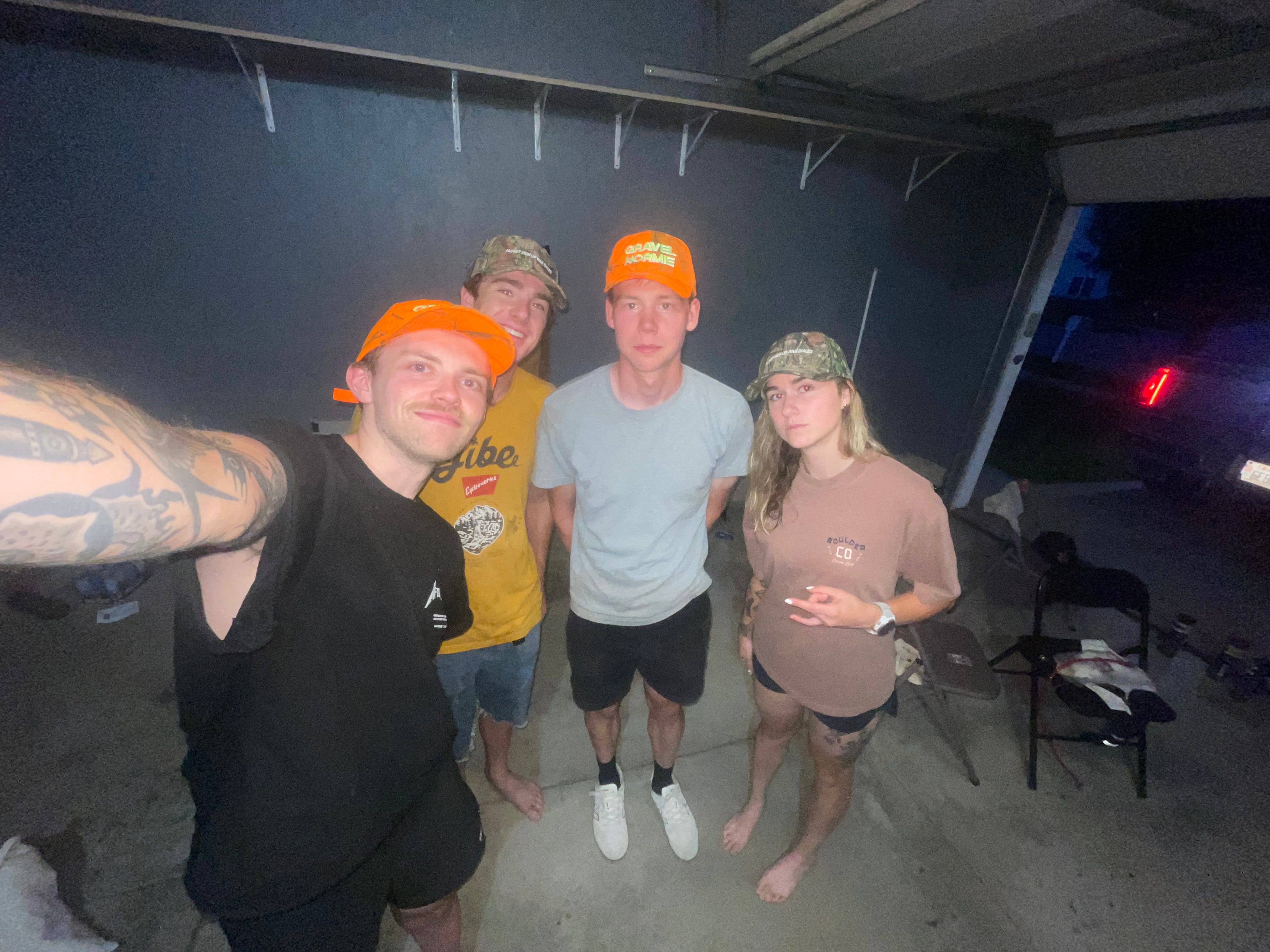
Movemint not only elevated the experience for organizers and participants, they did something no other event platform has managed: they became an active member and genuine contributor to the culture of gravel cycling. Before the event was even over, the Gravel Worlds team had asked Movemint to prepare registration for 2027. It was a clear testament to what happens when storytelling and community building are treated as central to the product rather than an afterthought.
What is the correct format for U23 gravel racing?
Being at Gravel Worlds with a development team meant that much of my focus was on their races and observing how Gravel Worlds approached U23 racing compared to an event like Unbound. The biggest difference was that Gravel Worlds had elite U23 athletes starting alongside the unrestricted elite fields. Unbound has a separate start and a different course for U23 athletes, and it is the only Life Time event that follows that format. I had originally argued that separating the fields might be the better approach, but Gravel Worlds shifted my thinking and gave me a clearer sense of what format actually works best for different types of events.
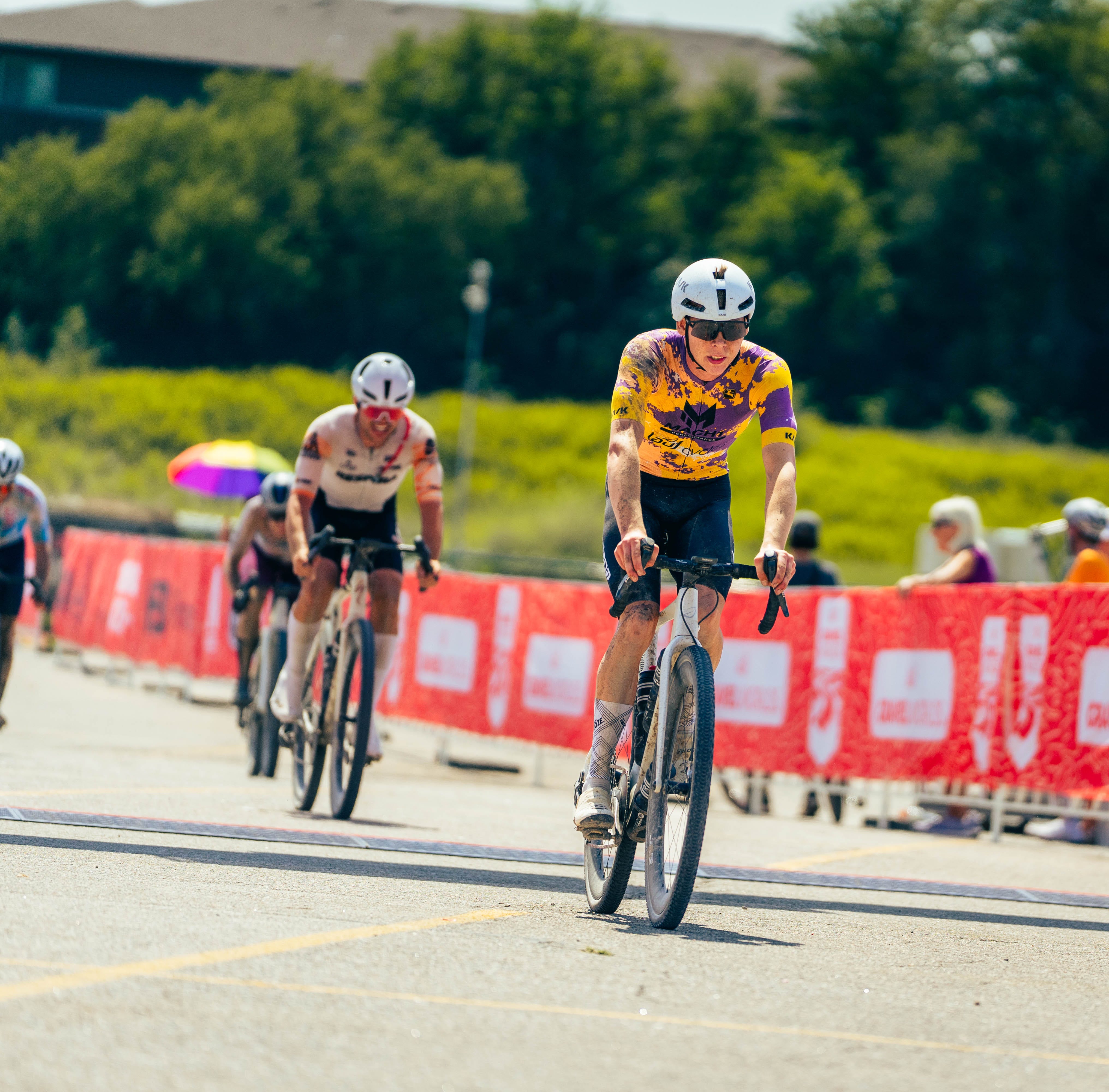
Speaking with Mach1 riders, several mentioned that they prefer being mixed in with the pro field at a race like Gravel Worlds. It is genuinely a chance for them to perform on a big livestream, test their fitness and skills against the best in the sport, and learn in real time. The common argument against this format is that 150 and 200 mile races can feel too long for younger riders. For events of that length, a separate start with a shorter distance becomes a much more attractive option.
When I spoke with Hayden Christian, he noted that in XCO mountain biking, being mixed into the pro field quickly loses its value and becomes a race for survival. Given the short and punchy nature of XCO, it makes sense that younger riders simply do not yet have the accumulated training to keep up. In gravel the same logic applies to races exceeding 120 miles. Riders with nearly a decade of training in their legs carry a significant advantage in long and grueling events.
This leads me to believe there could be clear thresholds for when a gravel or off-road event should mix U23 athletes with the pro field versus separating them, assuming there is a large enough U23 field to make a separate category viable. Gravel Worlds sits at the outer limit of what works for U23 competition, but I observed something close to the best of both worlds. U23 riders were well integrated with the pro field for the first half of the race and then naturally separated to create their own race dynamics in the latter half.
Development teams play a vital role in combating burnout
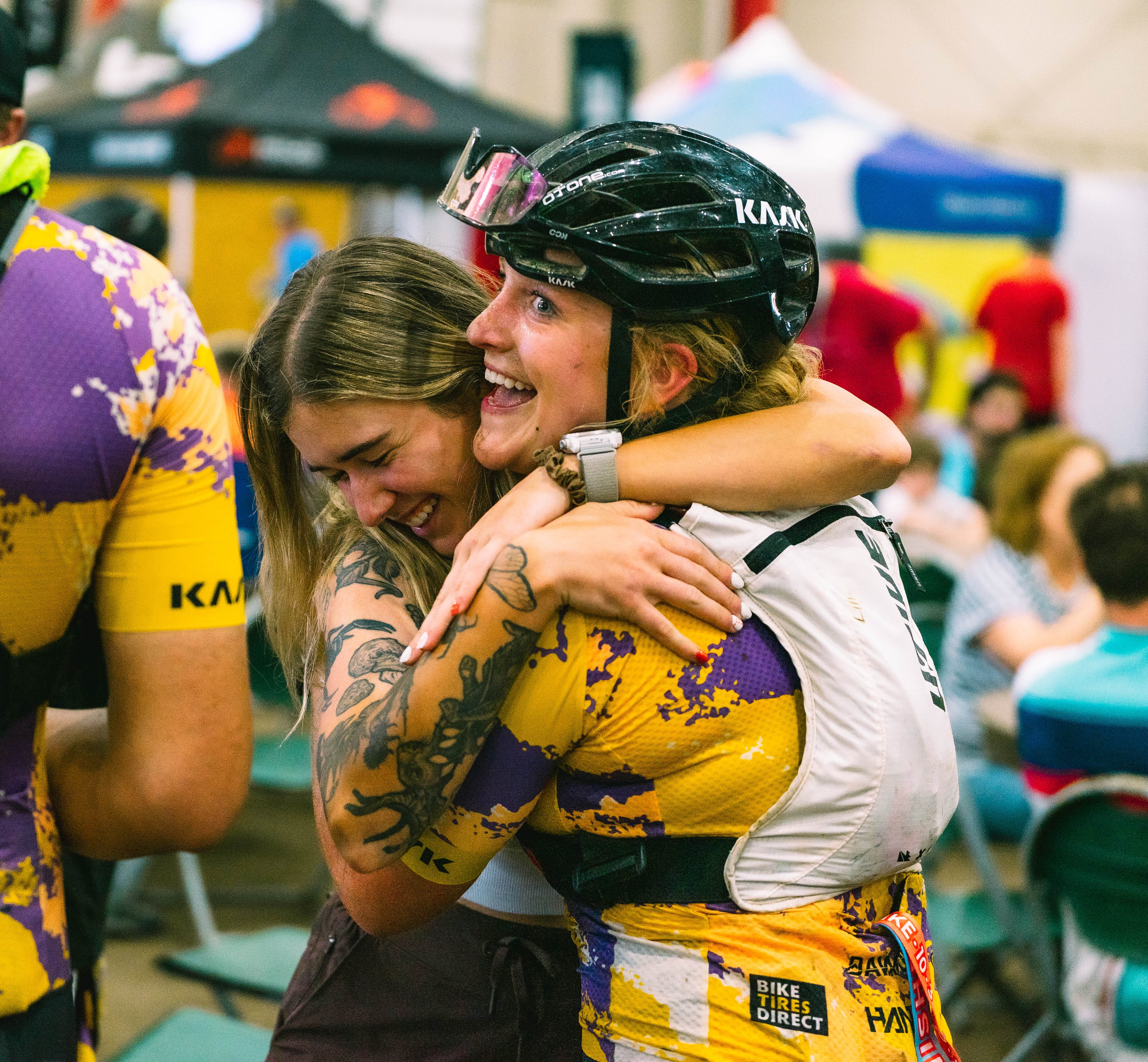
I have spoken endlessly about the importance of development teams for the growth of the sport and for sponsors, but some subtle interactions over the course of the weekend made me appreciate teams like Mach1 even more. I witnessed several athletes expressing interest in joining Mach1 and speaking with Nina about positions on the team. I do not want to make assumptions about their motivations, but it was clear that one of the most appealing aspects of Mach1 was the team camaraderie and sense of community it offers.
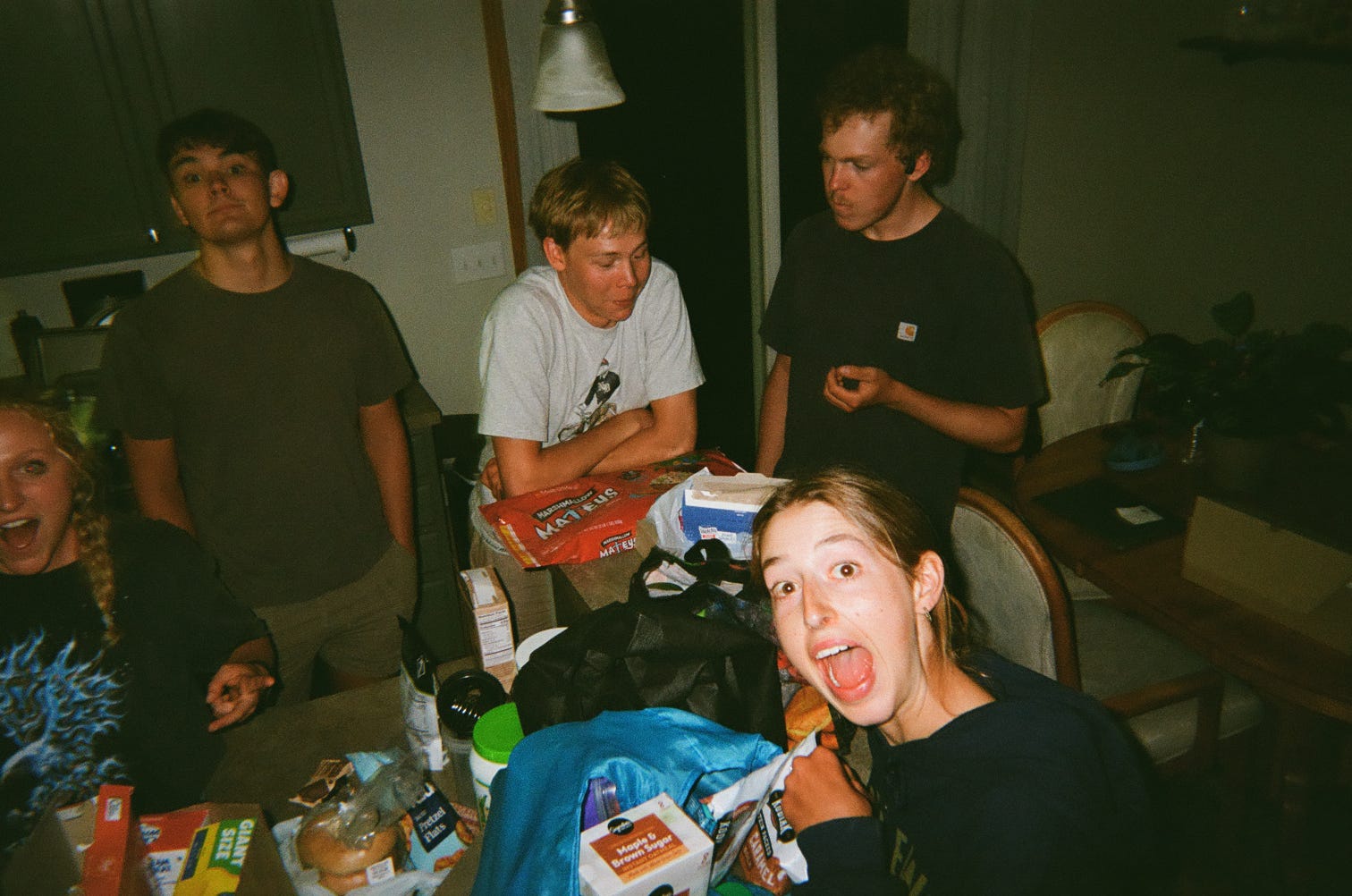
Gravel racing can be an incredibly isolating sport for young athletes. Hours of training alone, traveling to small towns off the beaten path, and navigating stressful race weekends without peers to decompress with is genuinely taxing and carries a real risk of burnout. I can only speak to what I have witnessed with Mach1, but the team environment and community they build throughout an entire race weekend brings out the best in every athlete.
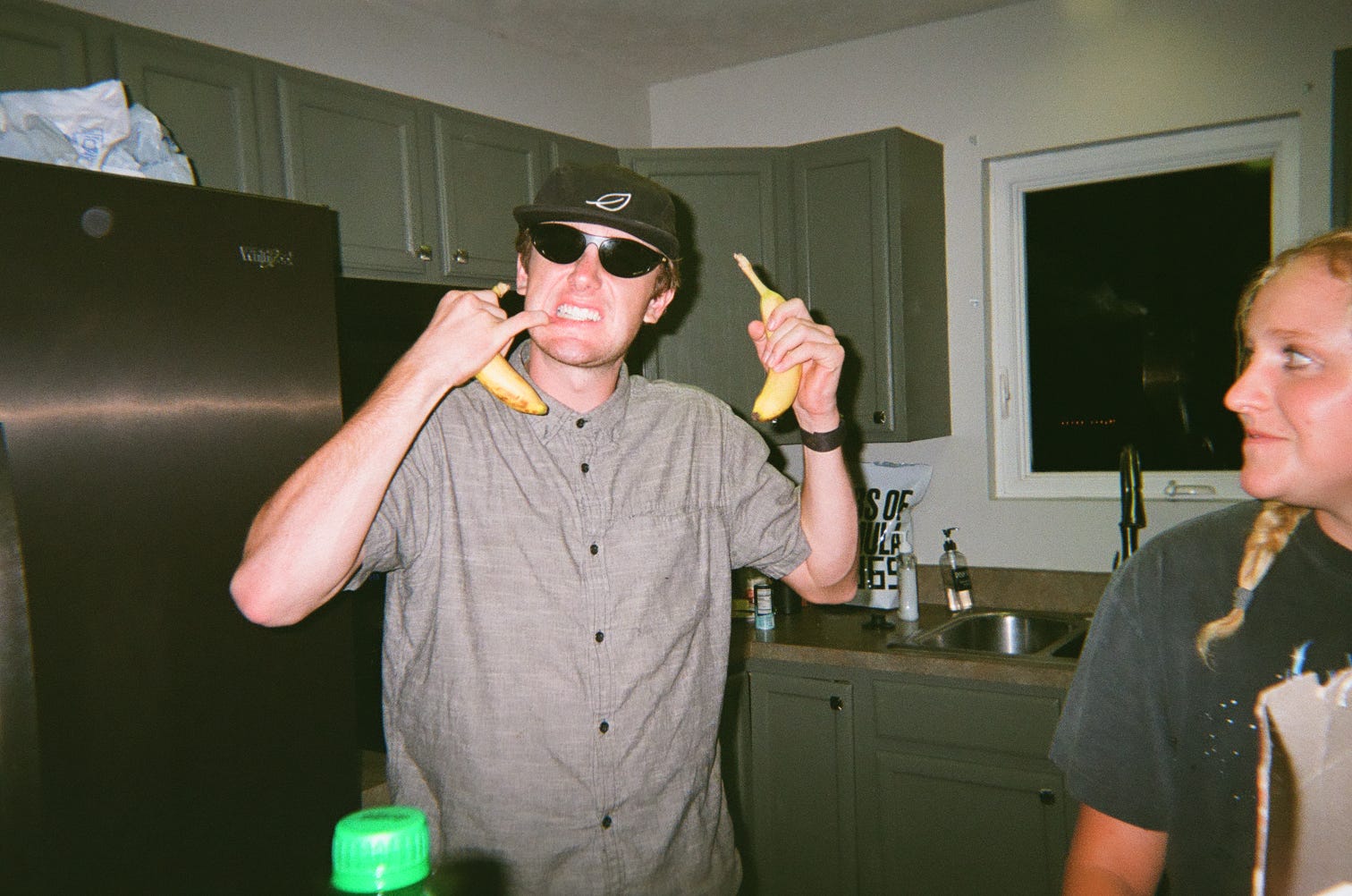
I am not even a competing athlete, but having traveled to several races alone for Built on Bikes, I am grateful every time I get to experience a race weekend in the company of the Mach1 team. As we talk about growing the next generation of gravel cyclists, this detail cannot be overlooked.
Final verdict
Gravel Worlds offered an alternative look at what live gravel coverage can be. It is entirely possible to make a 150 mile race watchable and engaging from start to finish. American gravel is its own distinct discipline and trying to present these events in formats that mirror classic European cycling broadcasts may be holding the sport back in the US. By assembling a broadcast crew that includes voices who genuinely connect with casual fans, the Gravel Worlds stream made a strong case for vibes-based livestreaming as a legitimate format.
The event was a culmination of community and storytelling that put authenticity ahead of polished professionalism. Lauf is demonstrating how brands should approach development investment and actively reaping the rewards of the brand capital that follows. It is not a perfect event, but Gravel Worlds illustrated how different production can look across the American gravel circuit. The production infrastructure is already there to deliver professional live coverage of a long off-road event. The next step is refining the presentation and making the livestream more approachable, first to a broader cycling audience and then to a wider one beyond that.
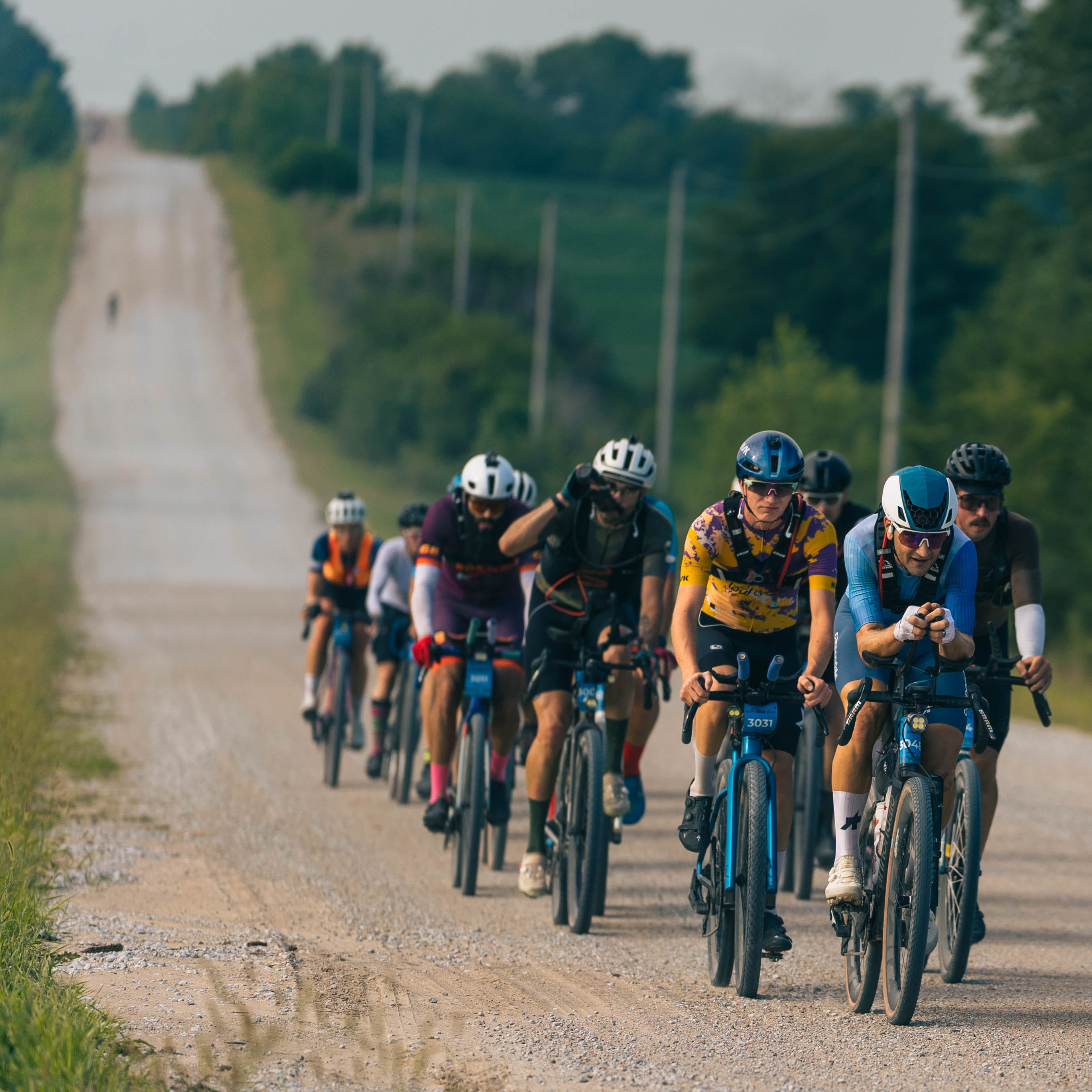
Finally, a well deserved shout out to Roston Nordell on finishing second in the 300 mile event, Lily Zakaras on finishing third in the 75 mile event, Zane Koogler for contesting the overall win in the men’s 75 mile race, and Oskar Stack-Michasiw on a strong race in the elite men’s field. On Zane’s result specifically, course routing issues resulted in two separate finishing sprints for the event, which added an unusual wrinkle to an otherwise impressive ride.
Ride and rip,
Kyle Dawes

As a fellow "Gravel Normie" who loves gravel and everything associated with the sport, I applaud the broadcasting as some of the best ever seen! Lauf and Movemint were amazing!
Pete, Lauren and Linni (Holy Spirit of Gravel) were exceptional!!
Jason and Sofia and GW team are hands-down the BEST!
The volunteers were top notch!
🤘🏻🔥🏁🫶🏼
1000x exactly right.
I'm privileged to be the first recipient of a HSOG x Movemint hat. 😂 (Sadly the AI bots took down that part of the Packet Pickup livestream.)
I'm sorry I didn't figure out how to meet you, Kyle. Next time.
P.S. I had the great pleasure of riding with Brooke from Mach 1 for a couple hours. That girl is cooking. 😁