


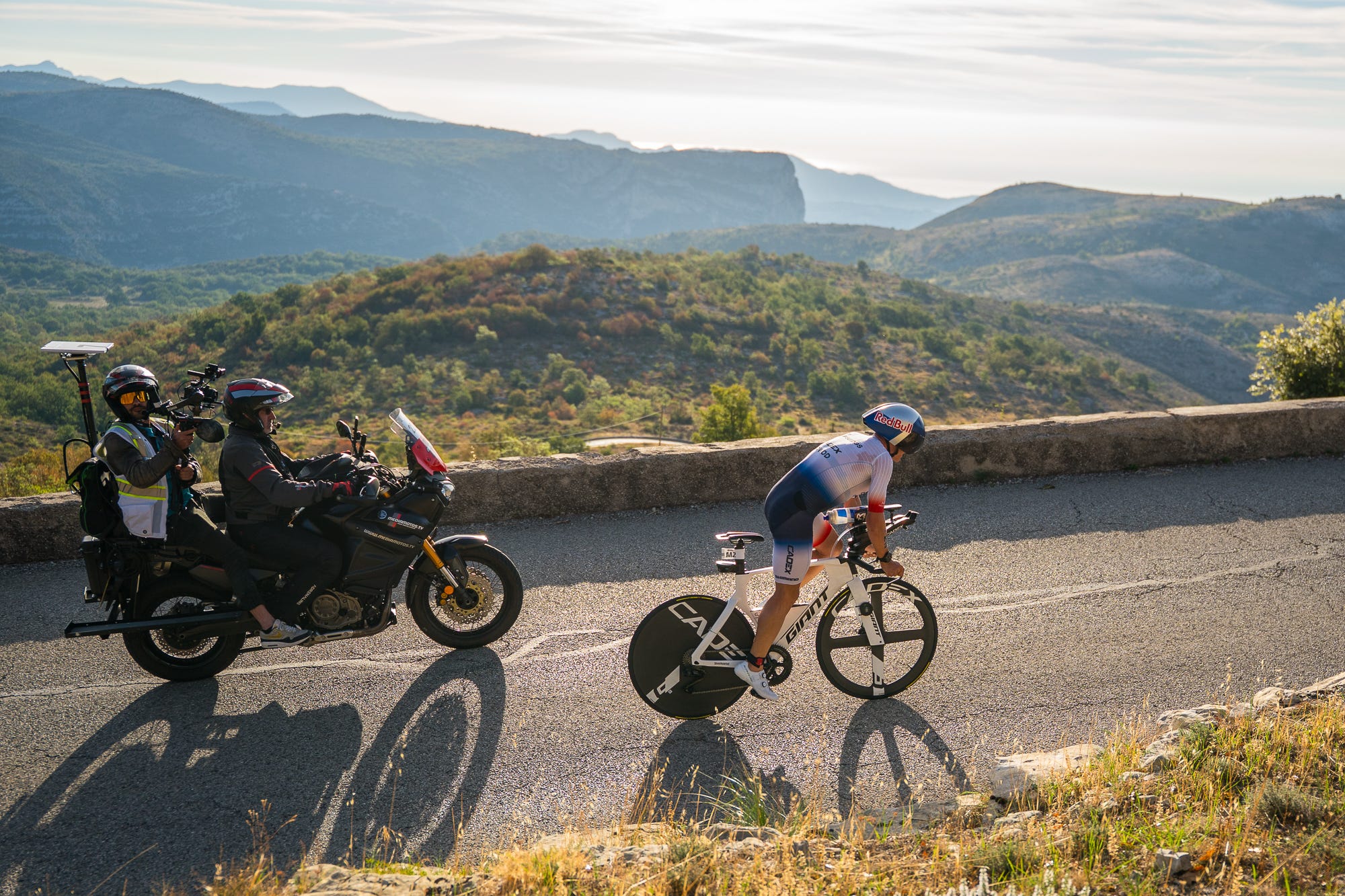
The last few editions of Built on Bikes have spent a lot of time talking about sponsorship opportunities in professional cycling and how brands can position their products through this marketing channel. We have outlined how professional cycling can make a strong pitch to potential sponsors, including more tech-forward companies, and even outlined the benefits that brands can get from these strategic partnerships. All of those conversations have lived in the hypothetical. This piece provides an opportunity to examine a real-world case of a mid-sized venture-backed company sponsoring endurance sports, and to learn more about the logistics, finances, and outcomes of such a partnership.
After releasing a recap of the first year of Built on Bikes, I received a message from Nicolas Laurent, the Head of Growth at Ramify. He reached out to congratulate me on reaching the one-year milestone, but he also mentioned that several Built on Bikes stories resonated with him because his company recently entered the world of sports marketing by becoming the title sponsor of IRONMAN Nice. While it is common to connect with those who send messages and show interest in Built on Bikes, it is less common to receive a message from someone who is currently navigating the intricate sponsorship process for one of endurance sport’s most well-known entities.
After some initial conversations, Nicolas and I hopped on a call to discuss his experience of sourcing, negotiating, executing, and reviewing Ramify’s partnership with IRONMAN Nice. The hope is that this piece closes the loop between pitching sponsorship ideas and then making them a reality. Whether the reader is a Head of Marketing at a startup or a partnerships manager for an endurance event or team, this article serves as a real-world case study of a successful marketing campaign between tech and endurance sports.
Ramify
The most important half of a sports marketing partnership is the company that is actually shelling out the cash to support the sports entity on the other side of the equation. That meant it was crucial to understand what Ramify is, who it serves, and what it stands to gain from partnering with an event like IRONMAN Nice.
Ramify is a private banking platform that offers a digital alternative to traditional wealth management. Founded in 2021 and backed by firms including 13books Capital and Fidelity International Strategic Ventures, Ramify focuses on providing individuals with an approach that “combines wealth management expertise, technology, and a rigorous selection of the best products on the market, with a focus on long-term performance.”

Ramify fits the profile of a modern, tech-enabled company with no direct connection to sports or athletic performance. It also has some of the key traits we have identified in current backers of endurance sports, including private ownership and proximity to wealthier consumers who are more likely to engage in endurance sports. As we will see, all of these factors combine to make trust the core theme of Ramify’s partnership with IRONMAN Nice.
The idea phase
Speaking from experience, engaging in marketing activities at a startup can either feel completely greenfield with creativity and opportunity or narrowly confined because every dollar in the marketing budget counts. When a company decides to pivot into a new marketing channel it is taking on risk, but if the vision and opportunity of a new channel is presented correctly, it is possible to create buy-in from executive-level stakeholders. For Nicolas, the idea of sponsoring IRONMAN came from the need of a marketing channel that:
Uniquely-engaged the demographic of people who would use Ramify
Aligned with Ramify’s values
Built trust in Ramify as a brand
For Ramify, the need to pursue a new marketing strategy arose because the company was approaching the upper limits of reach and influence available through its historical marketing mix.
“Historically, we’ve been focused a lot on finance media, blogs, newsletters, and magazines. It made sense because we offer wealth management and need to talk to people that are interested in that topic, but as a fast growing company, we need to expand and talk to more people.”
Nicolas said the initial ideation session on sports marketing looked at a variety of sports including golf, tennis, and sailing. Triathlon eventually won out as the desired channel for two reasons. The first is the window of time during which consumers are engaged leading up to the event.
“When you prepare for an IronMan, you can prepare and train for like a year. you think about it for a year in advance, every day.”
The second is a pricing paradox that ultimately targets the individuals that Ramify sells to. As triathlons get more expensive and exclusive, they will be attended by wealthier individuals, on average.
“IRONMAN has this unique position that it’s pretty expensive. It is getting more expensive every year, but it’s a very premium brand and there is little to complain about. You pay the price and you know what you’re paying for, so that creates a lot of trust in the brand.”
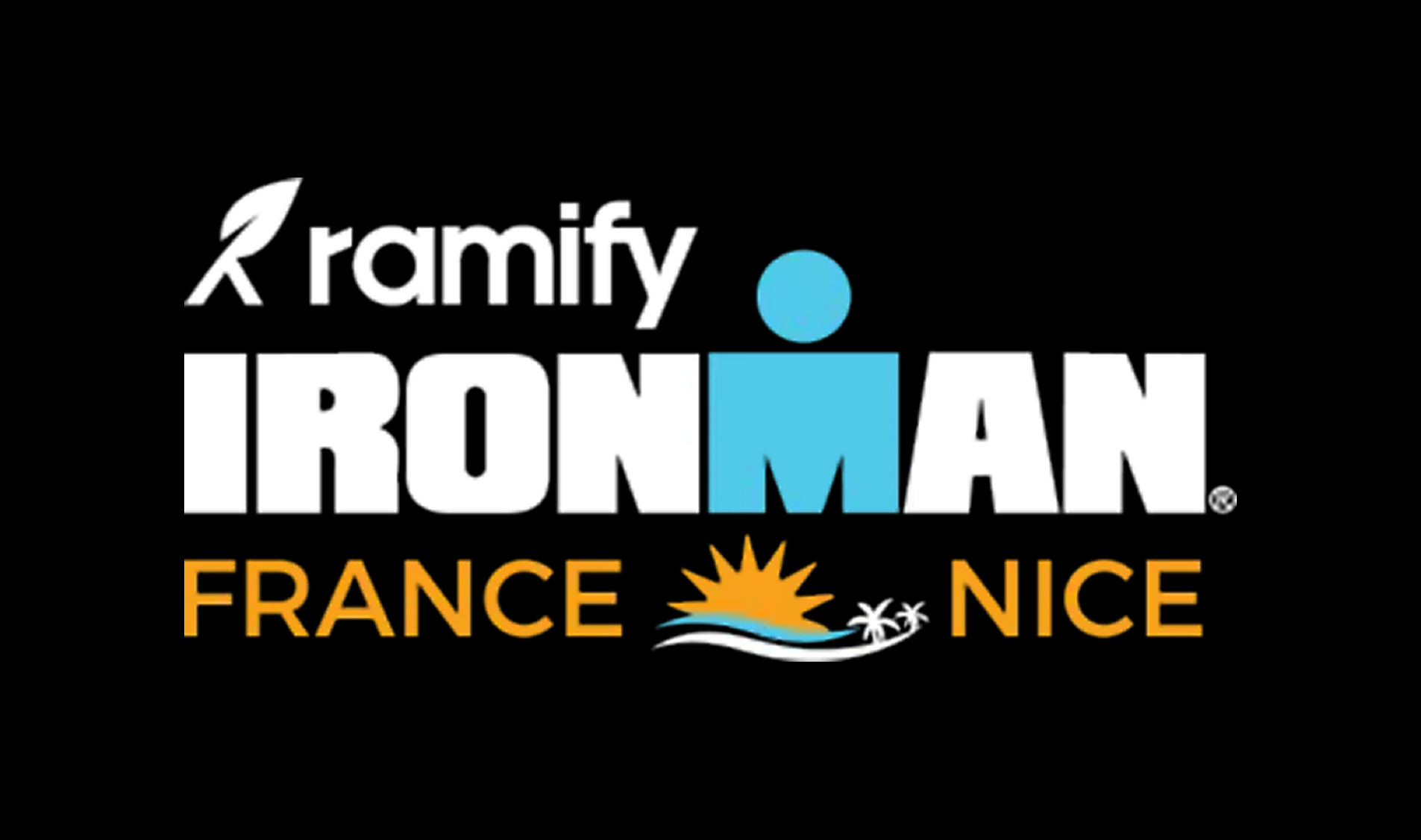
The dedication required to train and compete in an IRONMAN, and the reputation and prestige of IRONMAN events, combine to capture the thing Ramify is seeking most: trust.
“In our business, trust is everything,because you’re literally giving away your life savings to a company for them to manage. We needed an association with a high trust brand.”
Gaining trust with consumers is one thing, but gaining it from internal stakeholders who might have reservations around sponsoring a triathlon event is a different hurdle entirely.
Selling the vision internally
If you read my piece breaking down sponsorship money in the WorldTour and Pro Continental pelotons, then you might remember that private companies can make better sponsors since there are fewer criteria that need to be met to justify a sponsorship. In theory, having a founder who loves cycling could be the only factor that matters. Ramify needed sign-off from two executives, one who was on board from the start while the other needed to be convinced that this was the best decision for the company.
It is going to be rare, even at privately held companies, that everyone will be on board with a risky sports sponsorship from the jump. In this case, the burden of convincing an executive fell on Nicolas, but a lot of what I advocate for will require teams, athletes, and event organizers to approach prospective sponsors and convince them on their own. Nicolas’ pitch worked and will hopefully serve as an example of how to effectively win over holdouts. The first key to resolving an executive’s skepticism is to understand it. Nicolas described some of the skepticism he faced.
“At the beginning, it was like, what’s the meaning of it? What’s the link between what we do and triathlon? People weren’t sure it was relevant, not sure it was the right moment, not the right place to spend that money.”
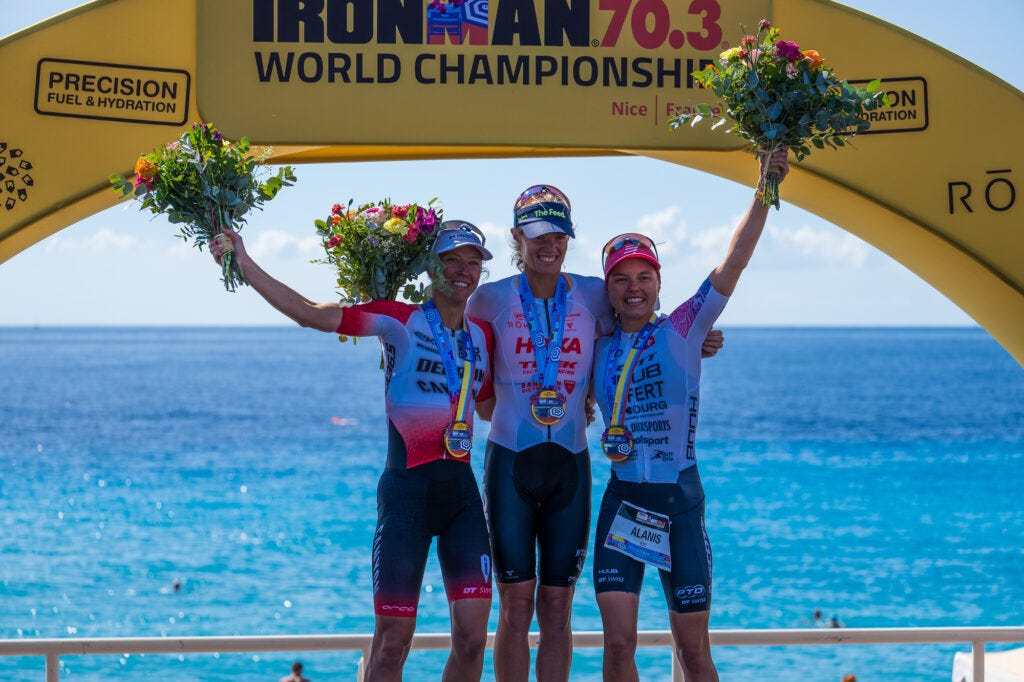
The way Nicolas approached convincing those who were skeptical was to focus on presenting practical ROI data, while also demonstrating the importance of brand for a company like Ramify. His ROI case was straightforward.
“We used to spend that amount of euros to get X views, Y leads, Z clients. If we do things right for this campaign, it should roughly be around that. And if we are happy with previous campaigns, we should be happy about this one.”
The second point was the importance of the Ramify’s brand being able to create trust with consumers. Nicolas again drew a precedent from his company’s own marketing data.
“We just finished redesigning Ramify’s website, and a big part of our business is people booking meetings. We worked with a great agency to redesign our homepage to be more cosmetically appealing. Soon after launching the new page, we saw a 50% increase in the average amount people were booking meetings for. We had the same traffic, same people coming, but because they had more trust they were willing to invest more with us.”
If you are a cycling team or event organizer, it could be tough to tackle these lines of questioning and skepticism. The truth is that outside parties will not have access to a sponsor’s historical marketing ROI, but that does not really matter. Nicolas had to work with the data available to him, and that’s exactly what third parties should do when they approach potential sponsors. Bring proof of ROI you have provided to other sponsors, and tailor a pitch to companies that could benefit from a team’s or or athlete’s personal brand.
How much budget is needed?
Every venture-backed startup will approach budgeting differently depending on its industry, level of funding, and current finances, but broadly speaking, I was interested in learning the ballpark budget Ramify had for a campaign like IRONMAN Nice. Nicolas first made it clear that there are two components to a sponsorship, each requiring a different kind of financial commitment. First is the sponsorship commitment, the upfront fee. Second is the cost of branding Ramify alongside IRONMAN through various marketing channels and activities. Nicolas gave the following context:
“Typically for a big brand, the second part, which is brand activation, will represent two to three times the amount of the initial sponsorship commitment. For us, it was less than one X, so it cost more to actually become a sponsor than it did to facilitate all the campaign amplification.”
Ramify ultimately took a more conservative spending approach that resulted in the IRONMAN campaign accounting for 10% of Ramify’s yearly marketing budget.
“We tried to keep it very lean and be very smart about which pro athletes to sponsor, who we get involved in the campaign, and how we brand alongside the event. All in, it was around 10% of our marketing budget for the year that was spent on this campaign.”
The logistics of sponsorship
What is the timeline for a major title sponsorship for an event like IRONMAN? Ramify moves fast as a company and has produced roughly 10x growth between fundraises, but the process of executing the IRONMAN campaign was not nearly as speedy. Ramify first made contact early in 2025, roughly six months before that year’s edition of the race. Nicolas and his team deemed that timeline insufficient and postponed the sponsorship to 2026. What Nicolas expected to do going into the campaign was very different from what actually played out.
“I thought, okay, we’re going to pay these guys, they’re going to put our logos everywhere. Everybody’s going to know about us, and it will be an easy check to spend. The reality is that that’s the minimum amount of work they’re going to do. The most amount of work you’re going to do is activating all around race day and running campaigns for six to twelve months leading up to the race.”
The actual mechanics were that Nicolas worked with a sponsorship manager who presented a visibility, awareness, and engagement package, all of which was open to customization and negotiation. Nicolas emphasized that the process was incredibly collaborative and both parties were eager to provide value to one another. He pointed to how helpful IRONMAN was during the selling process.
“We were invited to come to some IRONMAN races, to see what other sponsors were doing, talk with them, to get the learnings from them, of what works, what doesn’t, and how to ramp up the learning curve as quick as possible for us to succeed on our first campaign.”
What IRONMAN actually delivered versus what was contracted
Nicolas expected the contract with IRONMAN to be the ceiling, but it turned out to be the floor.
“I thought if we ask anything extra, they’re going to refuse or say, no, it’s not in the contract. It was absolutely the contrary. Basically, what they said is here is the minimum we agree on doing on our side, then anything you can do that will improve the athlete experience, we’ll push it forward.”
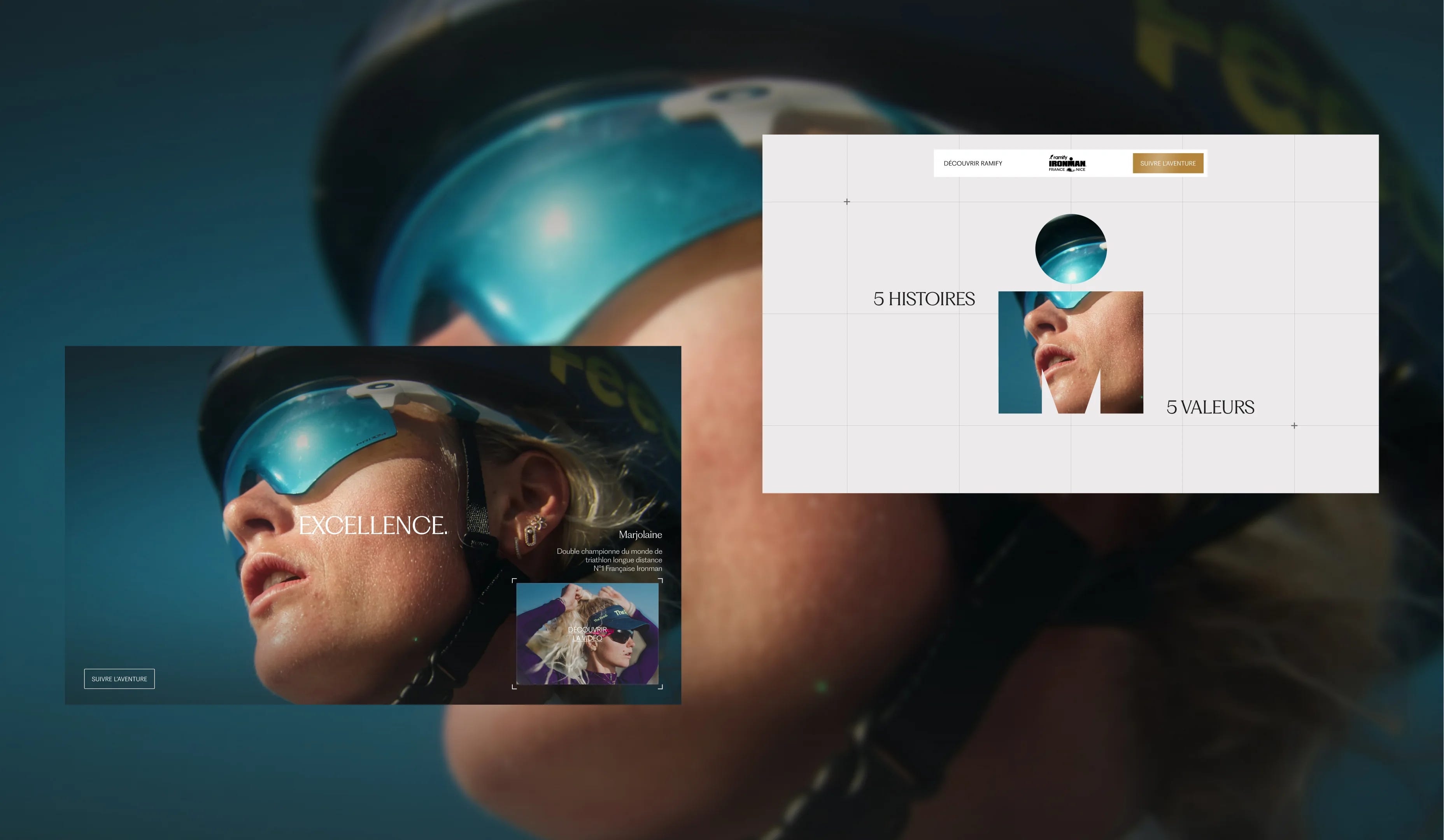
IRONMAN helped create three specific activations, each of which provided significant value to Ramify. The first was a video series that drew parallels between investing and triathlon, covering themes like being surrounded by high-performing people, building strategies, staying resilient, and thinking about long term. The production quality of the videos was high, so IRONMAN agreed to run all of them on its own social media channels to engage more athletes.
Second was a community 5K run with a professional athlete, held in the days before the race. Again, IRONMAN promoted it on its own channels so everyone knew about it.
The third was physical cards and flyers with QR codes that came in every athlete’s race bag. When athletes scanned the cards they were presented with a video of professional athletes who had raced the course multiple times, giving course-specific advice for race day. Summing up the experience, Nicolas said it was as much a partnership as it was a sponsorship.
The return
IRONMAN Nice took place recently, so the lagging benefits have yet to be measured, but I was curious whether Ramify had already seen any significant benefits from sponsoring. The answer was yes, but the benefits fell into three buckets, some expected and some that came as a surprise. The first bucket, which we have already covered, was brand awareness, trust, and association.
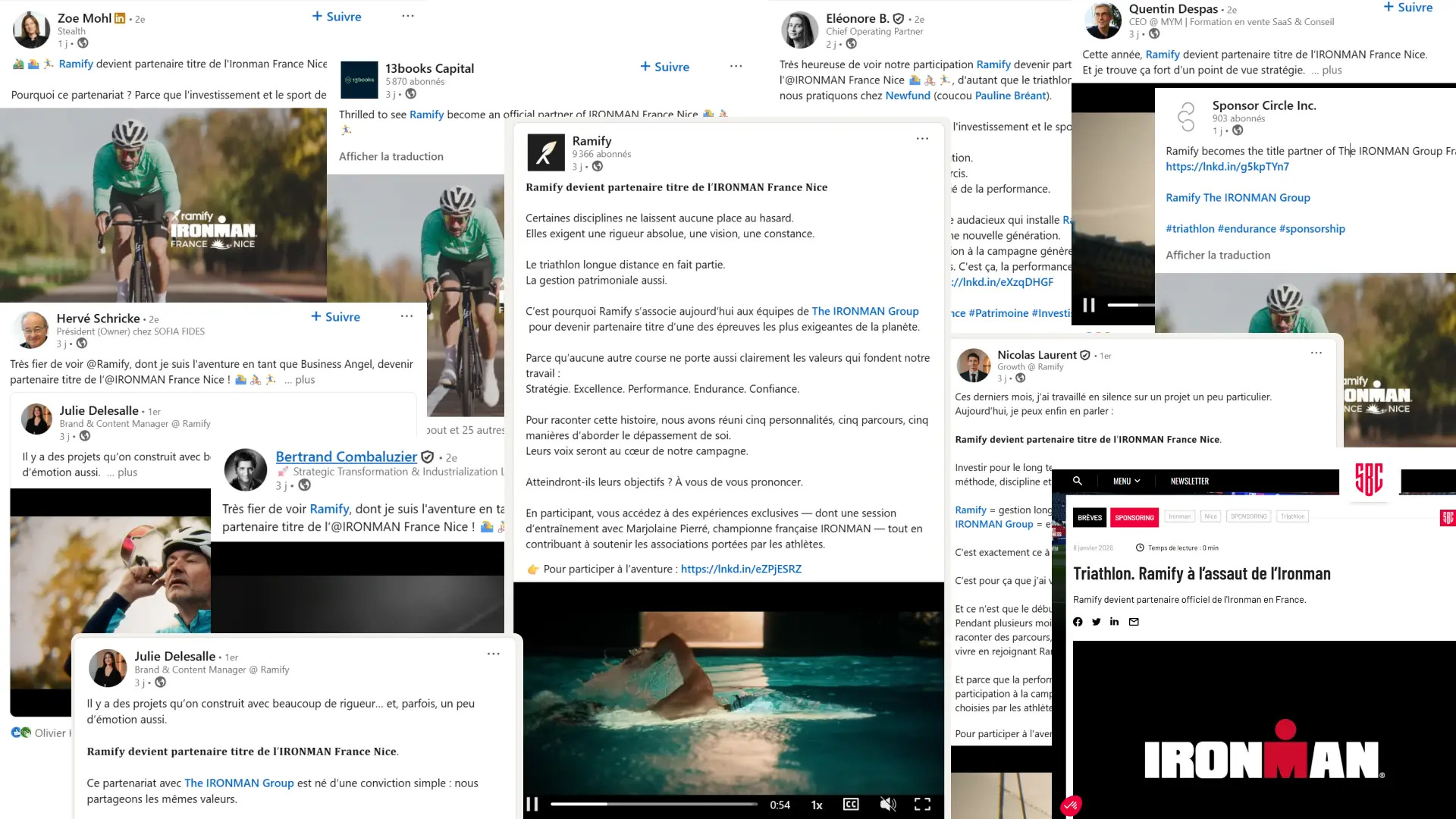
Partner relationships represented the second bucket. Ramify sits within a web of tangentially related businesses like private equity funds, real estate managers, insurers, banks, and more. Ramify partners with these entities, and the association with IRONMAN helped significantly.
“The week after the launching of the sponsorship, new and old partners came to us to tell us they saw it. It really helps because we need to renegotiate, rediscuss terms and conditions of our partnerships all the time, rates, how much we’re paid and everything. It’s very difficult to measure, but overall, they saw us as a bigger brand, a more serious partner.”
The final bucket was employer brand capital.
“I was very surprised, because some potential employees were discovering us through the campaign, and thus applying to our company, meaning we had a bigger pool of candidates that we could hire from. But also, our employees were super proud of being part of this company that was sponsoring IRONMAN, and it was so cool to see. It created some kind of pride.”
Why companies should consider sponsoring endurance sports
To close out our discussion, I asked Nicolas a question to pressure test my argument that more tech-forward companies should sponsor endurance sports like cycling. His view was that sports-related companies will still receive the bulk of the benefit, but behind them, the “non-sexy” companies benefit a lot by associating with beloved brands and athletes.
“We have hardcore fans that love when we talk in depth about investments, strategy, portfolio allocation, and everything, but they are a minority. The vast majority of people don’t want to talk about their finances. They don’t want to hear about it and they do it because they have to, but they are bored and they don’t want to talk about it. Coming through the angle of sports, it makes it so much easier to actually push our narratives.”
While it will not be the last time we investigate this topic, we have come full circle and gained first-hand perspective from a tech company that took a risk and sponsored a major entity in endurance sports. It is a valuable lesson for any party trying to convince prospective sponsors’ stakeholders to embrace sports marketing. Sports like cycling and triathlon draw in people who are deeply dedicated, aware of brands that associate with the sporting entities they love, and willing to spend countless hours thinking about both. I have loved some of the conversations that have come from my previous articles, and hope to share more success stories like Ramify in the future.
In other news
Check out The Lost Road Report
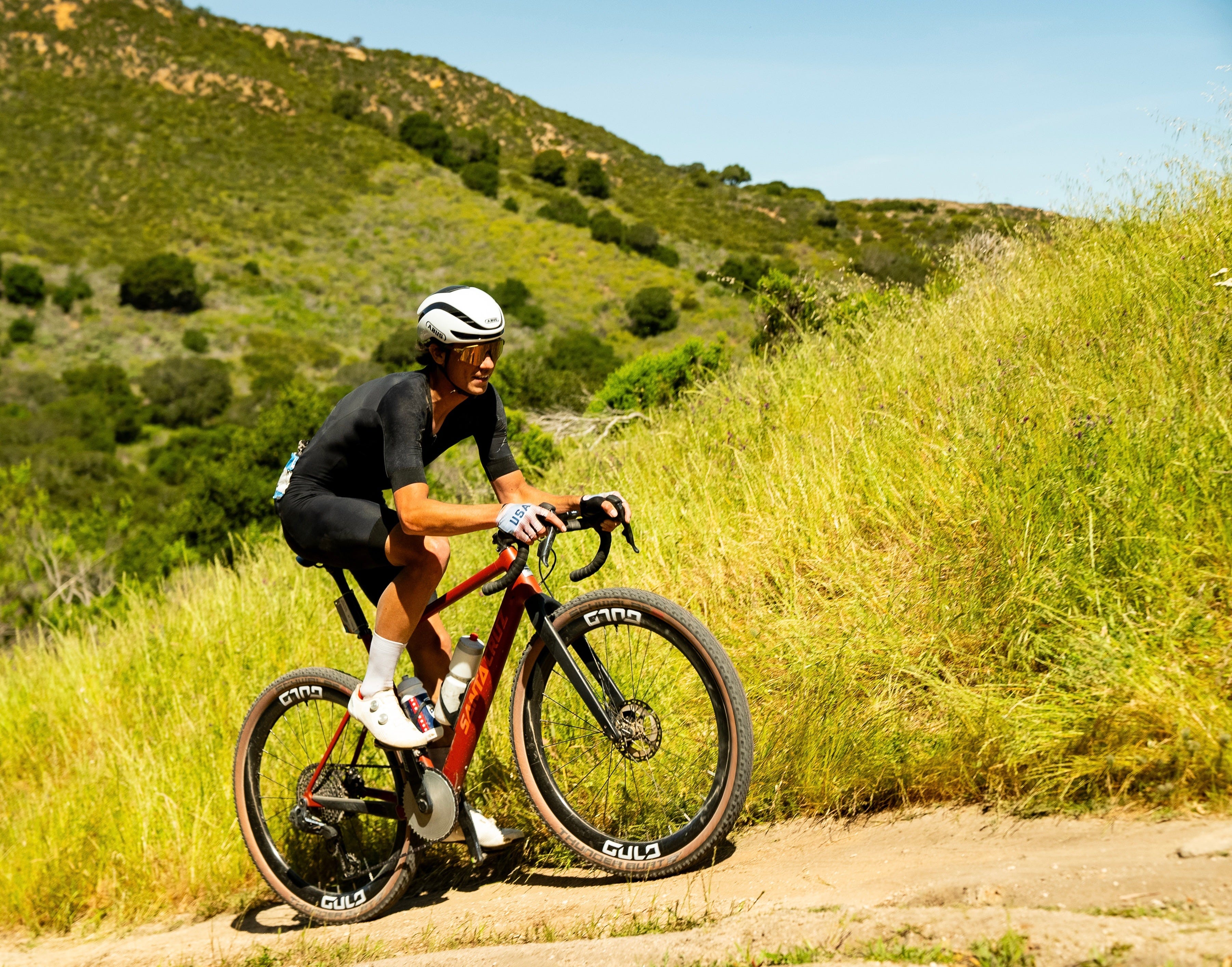
A few weeks ago my talented friend Nathan Surowiec told me that he felt inspired to start his own Substack where he could talk about his years of experience in racing, training, and the cycling industry. Last week he released his first article, digging into how athletes react differently to the same training stimulus. If you are a cyclist, subscribe to The Lost Road Report and support Nathan.
Ride and rip,
Kyle Dawes

The line that matters here: the contract turned out to be the floor, not the ceiling. That's what a good sponsorship partner looks like - they oversell on activation because they want you to renew, not because it's in the paperwork. Most brands negotiate hard for the logo placement and miss that the real ROI showed up in partner trust and hiring, not click-throughs.