


When I write about developing a stronger base of professional cycling in the United States, I keep coming back to three core points:
There need to be more development pathways for athletes, and most importantly, they need to be accessible and structured with a clear progression path
There needs to be a strong foundation of talent that makes development consistent and sustainable
When looking at potential growth opportunities for domestic cycling, women’s racing presents the best platform for US dominance and marketability
The second point traces back to my very first article, where I interviewed Natascha den Ouden, founder of the Women’s WorldTour team AG Insurance-Soudal and NXTG Racing. As Natascha put it, “we build from the top and break the foundation,” meaning all the money flows into the highest level of the sport and never trickles down to the developmental level where future stars are actually racing.
This results in an uneven playing field where lower-level riders are being pitted against the very best in the world, robbing them of the opportunity to learn the basic fundamentals of racing. It also means that the dwindling number of races that exclusively field lower-level teams receive no airtime, leading to more teams disappearing because they are no longer financially viable.
Taken together, the state of professional cycling, especially in nations like the US, is fragile. We will need a strong base of talent that can create a deeper roster of American riders capable of racing and winning at the highest levels of the sport.
While that is the big picture problem facing domestic cycling, there are many contributing factors that make it a difficult problem to solve. Factors like:
Financial investment in the sport
Clear pathways to professional contracts
Strong collegiate programs
A reduction in rider burnout
A larger race ecosystem
I am the first to admit that I have put heavy emphasis on areas like collegiate cycling and financial investment, but there is one issue that is consistently overlooked. One that has already taken one of our biggest talents out of the sport and affects many more pros and developmental riders, often unnoticed by the public and even their own support systems. That issue is rider health, specifically as it relates to mental health, disordered eating, and nutritional habits.
It seems like a given that if we cannot maintain healthy athletes we will not produce enough professional riders, but the truth is that disordered eating and energy deficiency conditions have been common in cycling for decades. They have existed and conveniently ignored, not just in the US, but across every level of the sport globally.
To achieve sustainable talent pipelines, governing bodies, coaches, and teams at every level will need to implement practices that help identify and address rider health issues before they become severe. While this is a global problem, but it is especially difficult to combat in the US given cycling’s limited mainstream popularity and the resources that come with it.
For this edition of Built on Bikes, I sat down with former WorldTour rider Veronica Ewers to discuss how we can better address certain health conditions so we can safely and sustainably develop healthy riders as a nation.
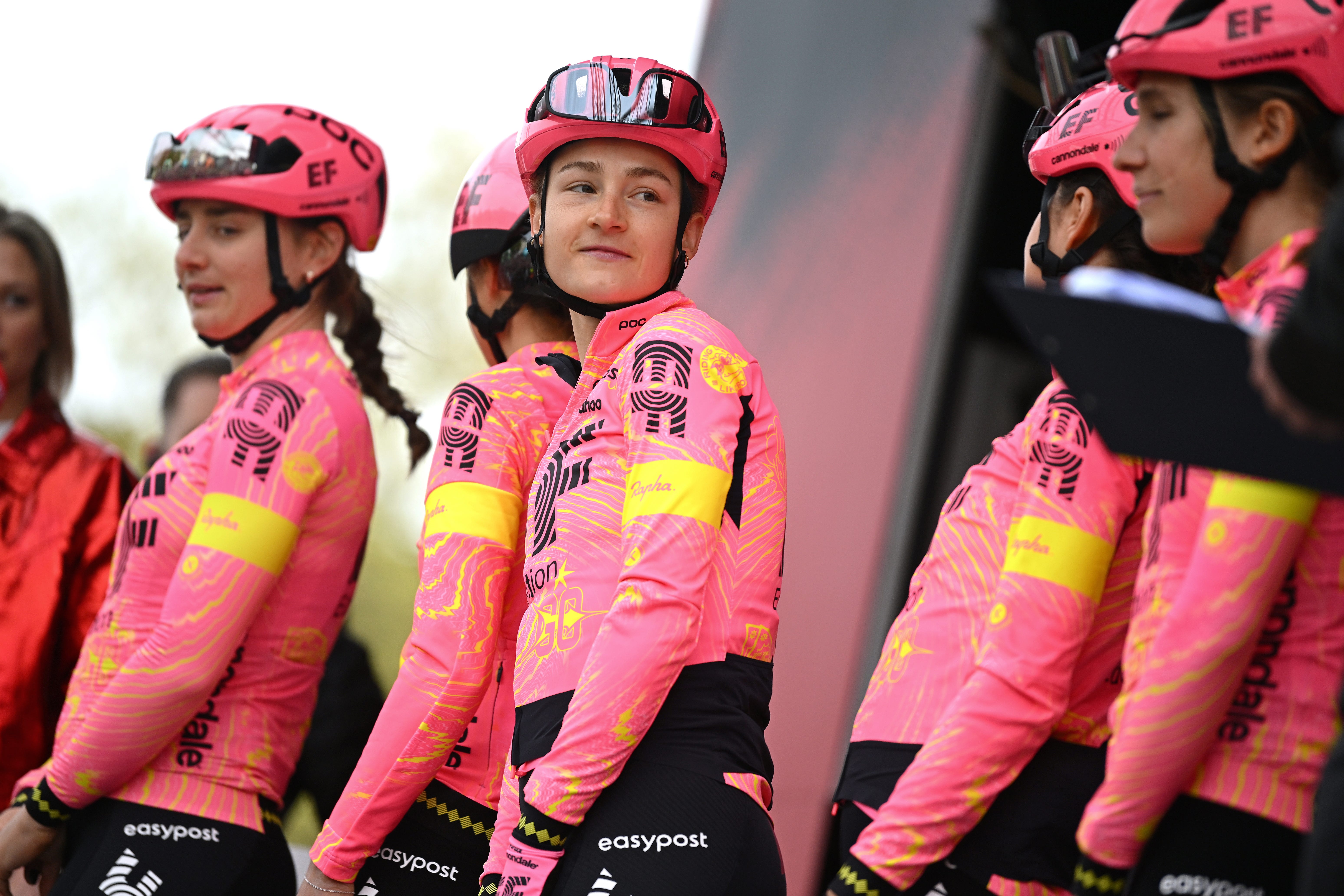
About Veronica
Hailing from Idaho, Veronica is an athlete who found her way into cycling the same way many Americans do: by coincidence. Growing up, Veronica always thought of herself as an athlete, playing soccer all the way through the collegiate level. After graduating, she stopped playing soccer, moved to Seattle, and maintained her fitness through running and weight training.
It was not until a friend invited her on a local group ride that she seriously considered cycling as a sport for herself. Later Veronica met a couple who were creating their own cycling team, which she joined. From there, the team evolved into a domestic elite team, and it was there that she truly became a competitive cyclist.
“I really have them [the team] to thank for getting into the sport because they helped me get a better bike, they helped me get into specific training on the bike. They helped me ride in a group and learn what it’s like to pace line and be in a group. And then we would do a couple local races here and there before the team ended up becoming a domestic elite team.”
In 2021, Veronica competed at the US National Championship road race and placed third overall. The result caught the attention of professional teams and led to her signing with Tibco-Silicon Valley Bank, now known as EF Education-Oatly. She quickly established herself as one of the team’s strongest general classification riders, posting impressive results including:
2022: 9th overall at Tour de France Femmes, 5th overall at Tour de Romandie Féminin
2023: 4th overall at Giro Donne
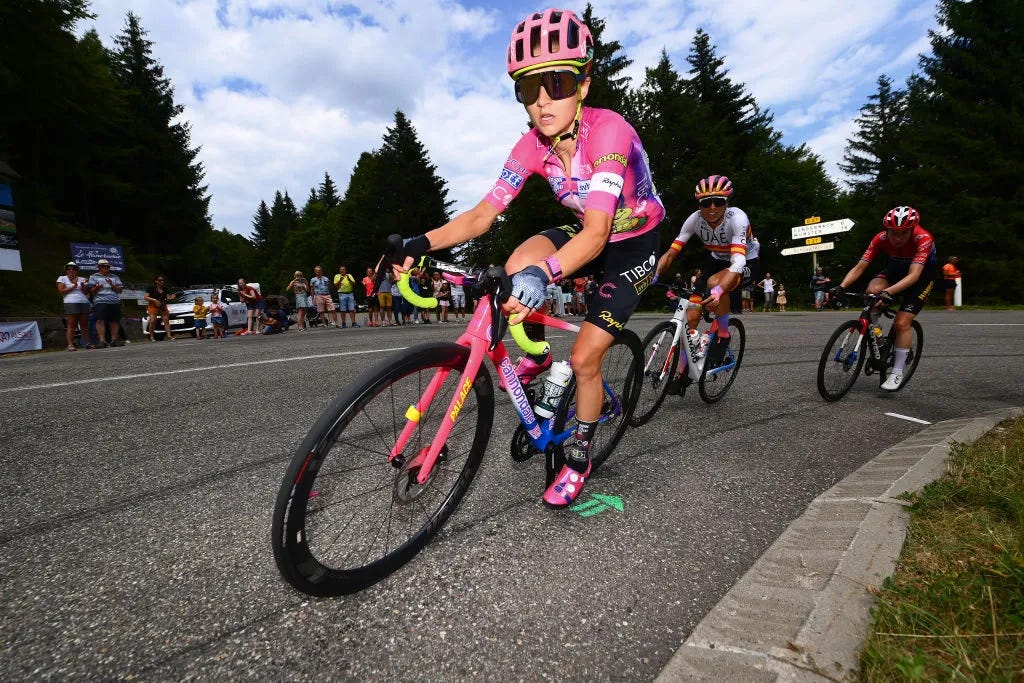
She was one of America’s brightest talents, but the stellar performances masked an internal struggle that would follow Veronica throughout her professional career.
Developing and treating RED-S
Going back to her days of playing collegiate soccer, Veronica detailed how she developed disordered eating habits that would follow her into her professional cycling career. Veronica wrote a great piece on her Substack that details how these habits developed, how they became a full eating disorder, and how they ultimately led to a condition that forced her to put her professional cycling career on hold. That condition being: Relative Energy Deficiency in Sport, more commonly known as RED-S.
In short, RED-S is a condition that develops from a consistent energy imbalance leading to chronic fatigue. Both men and women can develop RED-S, but it affects each differently. Many factors can contribute to it, but repeated underfueling is one of the most common risk factors. *It is also important to note that developing RED-S does not automatically mean an athlete has an accompanying eating disorder.
Today, Veronica has made significant progress in her recovery and has become a prominent voice for raising awareness of disordered eating in cycling and the warning signs of RED-S in athletes. Her story is a powerful one that illustrates how limited developmental structures in the US leave athletes more vulnerable to unhealthy habits that can develop into serious medical conditions.
If we want to sustainably develop healthy athletes in the United States, we will need education, clear guidelines, and systems in place to spot the early warning signs and assist athletes in navigating intervention before they become crises.
*Here is a resource from Cornell Health that better outlines RED-S
What issues are we facing today?
Thanks to athletes like Veronica, there is growing awareness around mental health, disordered eating, and healthy physiological markers in the professional peloton. The WorldTour has by no means solved the problem, but it is heading in the right direction. That awareness and diligence, however, exists almost exclusively at the highest level of the sport. For the vast majority of cyclists, there are few safety nets and minimal resources available to help identify concerning patterns before they become serious.
This is not to say that governing bodies, teams, and coaches in the US do not care. It is simply the reality of competitive cycling in a resource-constrained environment. As I have written before, domestic teams and organizations like USA Cycling operate on extremely tight budgets while overseeing sprawling operations. They are doing the best they can with what is currently available.
The result is that each entity directs the majority of its efforts toward results and return on investment. Looking level by level, the story remains roughly the same:
USA Cycling: A small budget stretched across sprawling operations, with performance judged primarily on the results of national teams
Collegiate programs: Varsity teams are making ends meet to pay coaches and get athletes to races, while club teams are run entirely by students
Domestic development teams: Members and staff often work multiple jobs, with the primary focus on getting to races and performing
NICA and junior programs: Largely volunteer-run and focused first on teaching the fundamentals of bike racing
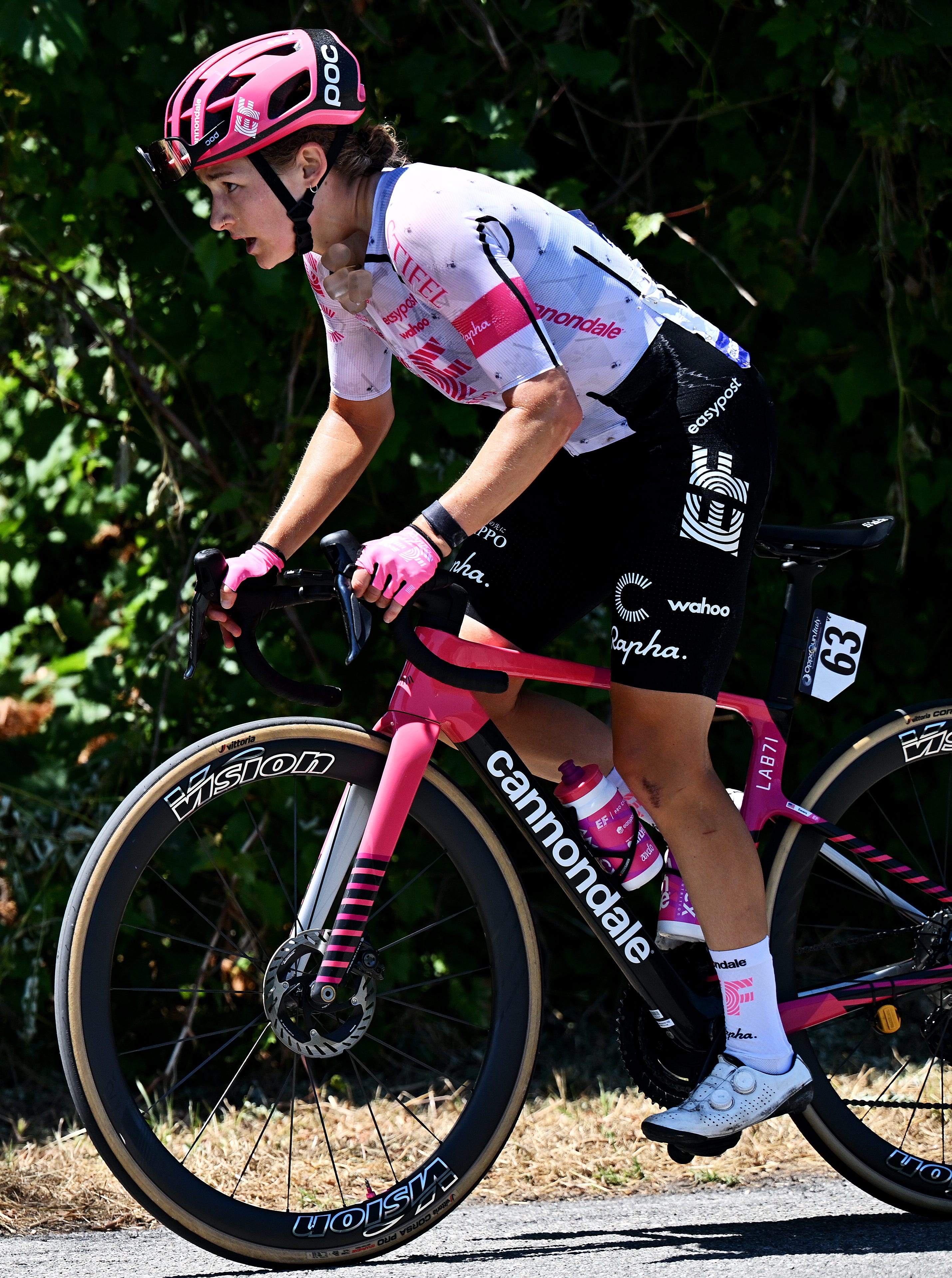
Whether the issue is creating clearer pathways to a professional career or addressing athlete health, a lack of organization and financial investment at the developmental level will remain a root cause of the challenges facing cycling in the United States.
Something important to understand
Before we discuss how we can advocate for effective change, it is important to understand just how difficult it can be to convince elite athletes that there is a problem that needs to be addressed. When reflecting on moments throughout her cycling career when concerned coaches or staff approached her, Veronica was candid about how unreceptive she often was:
“I had a really irrational piece in my brain that was very stubborn and even if somebody said, ‘Hey, it’s not okay that you’re not fueling well,’ my response was, ‘Okay,’ but not changing anything about it. So there was no one who was holding me accountable to changing my behaviors. I don’t know what sort of intervention would have been helpful for me at the time because nothing was going to change for me until I decided to make a change. It took me hitting pretty much rock bottom in order to actually decide to make those changes, which is really unfortunate, and I think that’s the case for a lot of people.”
This dynamic is important to understand because addressing health issues, particularly those with a mental health component, is incredibly complex. When we talk about paths forward, support structures will need to be built into any solution from the ground up. Veronica was clear that a consistent and patient support network is not optional, it is essential:
“When people are in it, they’re pretty in it. It’s a very hard place to get out of unless they decide. I think it’s really important for people who have someone in their lives who may be struggling just to constantly reassure them that they’re there. I don’t have the words for how grateful I am for the people that stayed with me through it. They educated themselves on how to kind of handle me without making things worse.”
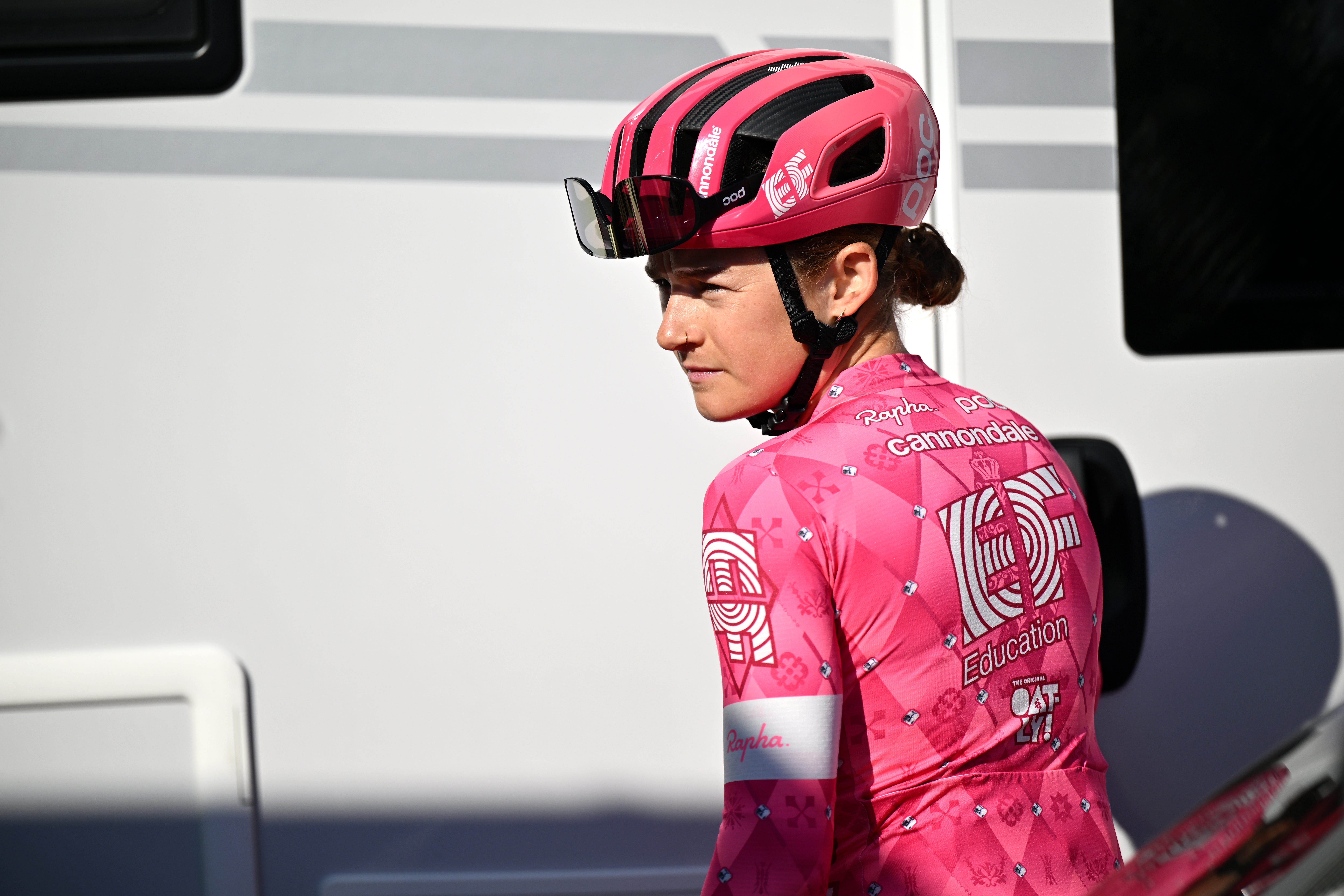
Support networks are crucial, but so are the proverbial lifeguards who can be trained to spot warning signs even before an athlete’s personal support network does.
Coaches can be the first line of defense
Athlete health should be established as a priority from the very beginning of ones competitive career. Thinking back to Veronica’s entry into cycling, who was best positioned to first recognize the habits she had developed? For Veronica, and for many athletes, that person would have been her first coach.
Veronica was clear that there is no individual blame to assign here. Her experience reflects the strain on our development system as a whole and highlights just how important the athlete-coach relationship can be when it is functioning well. Thinking back to her first team in Seattle, Veronica noted that her coach did try to intervene in certain areas:
“One of the coaches from this team would call me out for not fueling properly on the bike and saying that that’s not okay, but that was kind of the extent of the concern in that way.”
For coaches in that position, that level of intervention is honestly all that can be expected within the current structure of domestic cycling in the US. On an amateur elite team, no one is being compensated enough to dig deeper into an athlete’s eating habits off the bike. The focus is on performance. Veronica understood that reality:
“I know it’s not necessarily someone else’s responsibility to take care of me when I’m this way. But in order to prevent what later happened with me and to intervene earlier, something does need to happen.”
So does that mean we have to accept that meaningful intervention is impossible until athletes reach the professional level, where coaches are full-time employees with the capacity to address every aspect of an athlete’s wellbeing? Absolutely not. This is precisely where institutional change can make a significant difference.
What does a step forward look like?
Addressing mental health, disordered eating, and energy deficiencies in cycling will require real investment from every organization that interfaces with athletes throughout their development. USA Cycling, amateur teams, and collegiate programs will all need to develop new resources and curricula for coaches and athletes alike.
Having access to Veronica was invaluable because she brings experience from every level of sport, having competed as a collegiate soccer player, an amateur domestic racer, and a WorldTour rider. We are both the first to admit that our ideas are just that, ideas, and that medical professionals will play a significant role in crafting better systems. But putting these ideas into the public conversation will hopefully spark meaningful dialogue and move the needle toward real change.
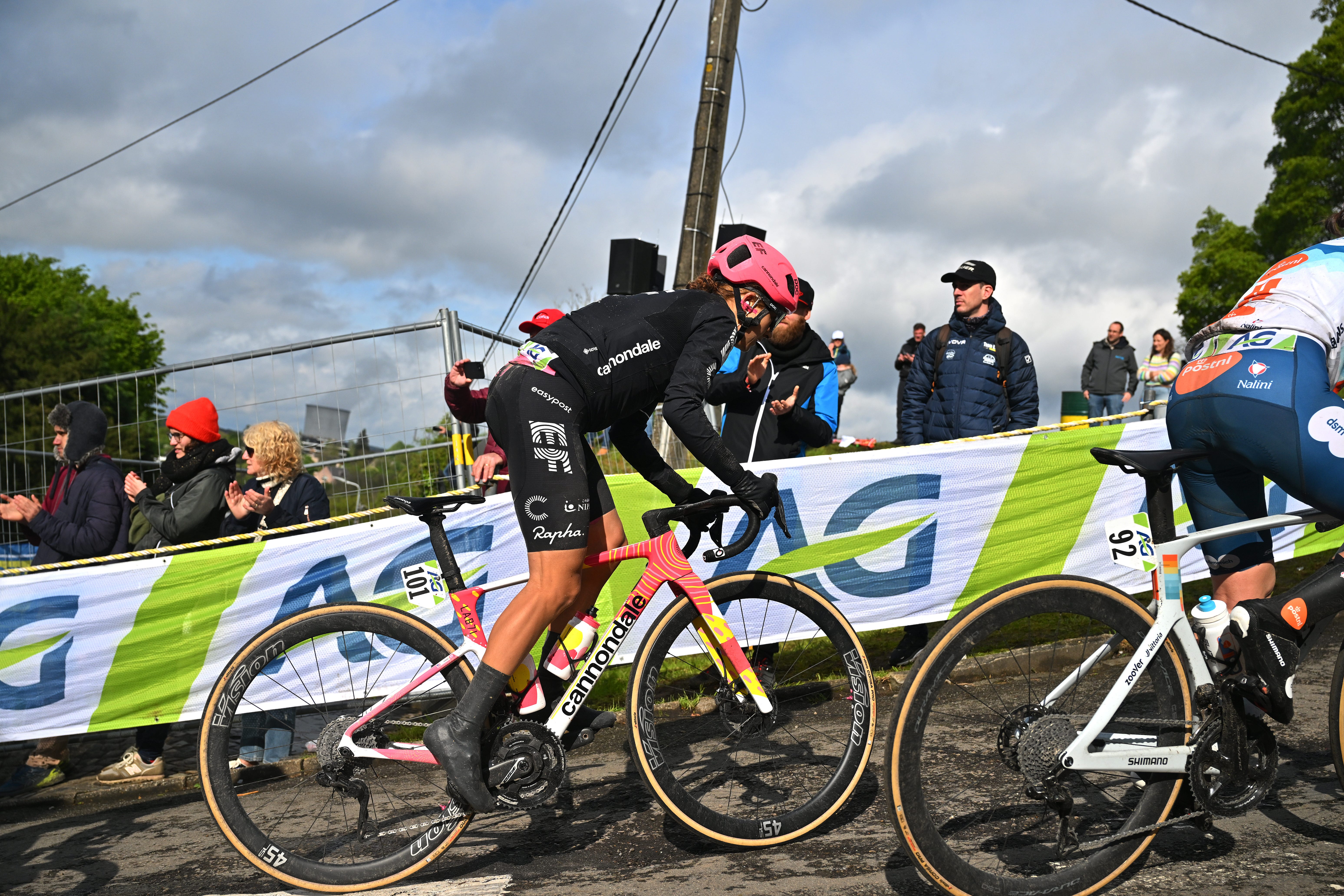
As Veronica and I discussed potential solutions, the conversation naturally gravitated toward areas where USA Cycling could have the greatest impact. As the governing body overseeing coaches, athletes, teams, and collegiate programs, they represent the most organized distribution system for new guidelines and programs. That also makes them another critical first touchpoint for athletes, as well as an advisory resource for the coaches who interact with those athletes daily.
*A note on professional teams: for any pro-level team or program, the UCI would ultimately be the governing body responsible for implementing significant changes at the pro level.
Where a governing body can help
Currently, if you visit USA Cycling’s website looking for resources on mental health and disordered eating, you will find two brief information pages: one covering member wellbeing resources and another with general information on disordered eating.
While these resources exist, the burden of responsibility falls entirely on individual athletes and coaches to seek them out. Even when they do, there are no clear guidelines to follow or structured frameworks to help build better safety nets at the team or program level. With that gap in mind, Veronica offered several suggestions that could establish more reliable and proactive support for both athletes and coaches through USA Cycling.
Support hotlines for coaches and staff
One of the less invasive resources that could make an immediate difference is a simple hotline that coaches and staff could contact when they notice concerning behavior in one of their athletes. Veronica laid out the vision clearly:
“Building a support team for staff and coaches as well as athletes is only a positive. Maybe having some kind of hotline — if a staff member sees something that they think is destructive or dangerous for one of their athletes, having the resource to contact someone anonymously. They don’t have to say names. ‘I’m working with this athlete, these are some of the red flags I’ve seen. Should I be concerned? If so, what are the next steps?’”
The anonymity component is important. It would give coaches the confidence to raise concerns without fear of spreading rumors or unfairly stigmatizing an athlete. A hotline like this would be a meaningful first step because it creates a guided pathway for addressing a problem rather than leaving coaches to navigate the situation alone. That said, it still places significant responsibility on coaches to recognize the warning signs in the first place.
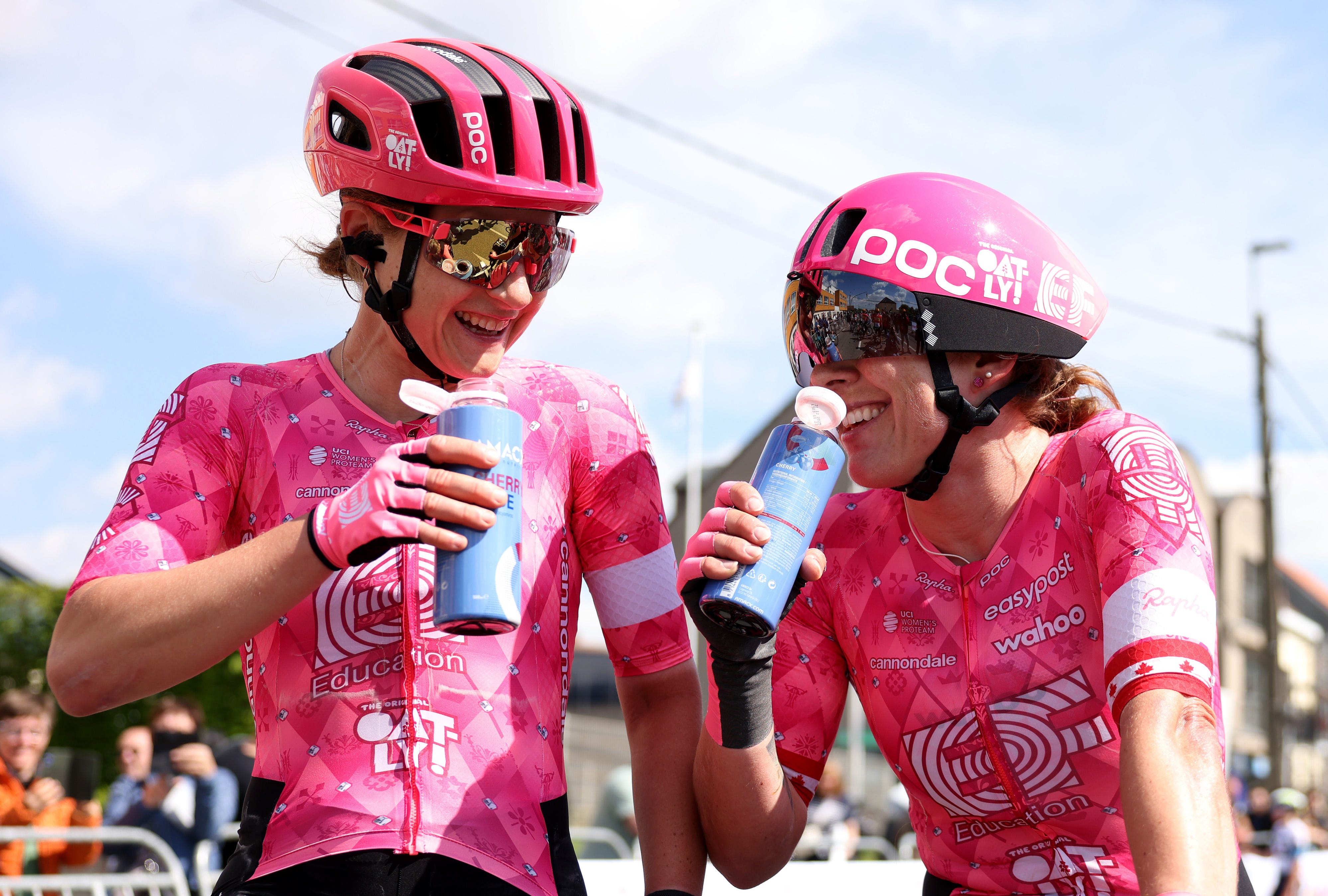
Intervention frameworks
Veronica revealed that this is actually an area where she has already had conversations with USA Cycling. Establishing a standard framework that licensed coaches are required to learn and implement would be a significant step forward in both awareness and empowerment, giving coaches the tools to intervene when certain thresholds are met. As Veronica explained:
“If an athlete is training so much and you don’t have the education to know how to fuel properly, then you might fall into some really bad deficits that can lead to RED-S. And that is just purely educating that individual, which is a simple intervention a coach can make. But if you have the other side, that is intentional underfueling and intentional overtraining, that’s obviously a red flag people should be trained to spot and address.
I think there’s just so much education that can be done around what is appropriate to say, what’s not appropriate to say, and what sort of education we can give to coaches and staff on red flags when they may see something that is destructive behavior from one of their athletes.”
As such a framework is developed, there could be tiered levels of certification that coaches work toward, each building a deeper understanding of warning signs and intervention strategies. Over time, mandatory baseline education for athletes at the point of USA Cycling licensing could become a natural extension of that system.
Racing license suspension
On the surface this feels like a controversial step, but the reasoning behind it makes a great deal of sense given what we have learned from Veronica’s experience. Staging any kind of serious intervention with a high-performance athlete is incredibly difficult. If an athlete is completely focused on competing, the possibility of losing that ability might be the one thing that convinces them to take an issue seriously and, over time, accept that change was necessary.
“Maybe USA Cycling can intervene in the sense that they have the power to take away someone’s license. It seems like a really severe intervention. Obviously I think there could be like a three-strike kind of rule. If you’re at least making changes and you’re showing that you’re making changes, then the risk of having your license taken away is less severe, but if you’re at a point where you are severely undernourished and severely underweight, not being allowed to race, I think that could be a beneficial intervention.”
It is a fine line that would need to be walked carefully. Any license suspension would need to come with immediate access to a support network to help the athlete understand that they have not done anything wrong and are not being punished. This information would also need to remain completely confidential between the athlete, their coach, and USA Cycling so as not to affect the rider’s ability or willingness to compete in the future. Any license suspension should also come with protections ensuring that the athlete retains access to team resources in accordance with their existing contracts. In other words, a team should not be permitted to drop a rider solely on the basis of a health-related license suspension.
UCI physiological minimums
The next level of intervention extends beyond USA Cycling and addresses the issue at the professional level through the UCI. This approach is more scientific in nature and introduces a layer of accountability in the professional peloton where, as we know, ulterior motives can and do influence the decisions of both athletes and teams. Athletes are already tested for anti-doping protocols, so it should be simple to monitor other biological markers.
“I think being able to track bone density and ensure that women’s estrogen and progesterone levels are at a certain level, and in men’s testosterone is at a certain level. Having minimums be met in that sense could be beneficial to ensure health for all riders. I think people have spoken about having a body fat minimum, but that can be so different for different people. So I think having just basic functionality markers at a bare minimum would be helpful to ensure everyone maintains health.”
Extra resources for collegiate programs and beyond
As discussed in previous editions of Built on Bikes, USA Cycling is currently the sanctioning body for collegiate cycling, meaning all of the resources outlined above would also be available to collegiate programs and amateur teams across the United States.
With that said, we know that many cyclists come from other sports, and Veronica’s story is a clear example of that. Her underfueling began during her time as a collegiate soccer player, which means there was an opportunity for intervention long before she ever became a cyclist.
This extends beyond the reach of cycling specifically, but for collegiate endurance sports there is a real opportunity for governing bodies to collaborate on earlier detection systems and educate coaching staff across disciplines including cycling, triathlon, and rowing.
Through the combined efforts of several governing bodies, or even a direct partnership between the US Olympic and Paralympic Committee and the NCAA, more concrete guidelines could be developed to train collegiate coaching staff across all sports on recognizing and responding to disordered eating. It is a significant undertaking, but it addresses something that touches virtually every competitive sport. Veronica’s own experience makes the case clearly:
“My coach in college absolutely knew that there was something going on, but she definitely didn’t know how to go about intervening other than putting me on the bench and telling me that I seemed tired. That’s not necessarily a fault to her. She just didn’t have the education or the resources to deal with that.”
With collaboration from bodies like the NCAA, addressing the broader issue of disordered eating in collegiate sport becomes a much more achievable goal.
External influences to consider
So far we have outlined foundational systemic solutions that would help move the needle on preventable health issues affecting cyclists at every level. That should be the central takeaway from this article. But there are external factors that can influence an athlete’s mental health and eating habits independent of any institutional system, and that affect perfectly healthy athletes as well.
Veronica highlighted a significant outside influence that can heavily impact an athlete’s self-image: wearable training technology. Issuing sweeping guidelines on third party products would be nearly impossible for any governing body, but this is an area where targeted education for coaches and athletes can go a long way.
Cycling has always been one of the most data-obsessed sports, so it is easy to understand why athletes and coaches place significant importance on performance data coming from wearable technology.
Whether it is a Whoop recovery score, power numbers from intervals, or resting heart rate, cyclists will inevitably track and compare their metrics against their own baselines and their peers. Too often, those numbers become directly tied to an athlete’s sense of self-worth, which can become a catalyst for unhealthy obsession. It was something Veronica identified with personally:
“Once I started getting power data on my computer, I was so focused on the power. I wasn’t thinking about anything else. I wasn’t very good at understanding how I was feeling at a certain effort and I was too focused on the data.”
Veronica also shared stories of riders going into races convinced they would perform poorly simply because their sleep score was low the night before. It is a telling example of how access to certain data can actually hinder athletes who would never have struggled had they not seen the numbers at all. For this specific problem, coaches once again have the greatest potential for impact, as was the case for Veronica:
“I know coaches that are out there who will just say, ‘I don’t even want you to have power on your screen. Just go.’ And I think that’s really necessary to have. I had a phenomenal coach the last few years who I was incredibly transparent with. He knew what I had been struggling with, and he helped me try to improve while also trying to recover, which is a really contradictory world to live in.”
While this is a broad issue without a simple fix, Veronica offered one concrete suggestion for helping athletes find the right coach reliably:
“Maybe that’s something USA Cycling can do as well — vouch for certain coaches that are out there and available to ensure that athletes who go through USA Cycling are able to access quality coaches that will have the education and the resources to navigate that sort of thing.”
It’s time to get the ball rolling
Growing cycling in the United States requires a bias toward action, and that applies to every factor that contributes to reliable and sustainable development. If we are not producing healthy athletes as a nation, we will see fewer wins on the world stage and fewer careers that reach their full potential. Women’s cycling offers the best opportunity for the US to establish itself as a dominant force in the sport, but after speaking with Veronica, it is clear that we remain vulnerable to health issues that are far more common in women’s cycling than most people realize.
Siloed governance and fragmented decision making are only slowing us down. Major organizations need to come together to establish clear guidelines that empower healthier athlete-coach relationships at every level of the sport. Veronica brings lived experience and has outlined simple but meaningful ways to combat the health challenges facing cycling in the United States. We need to be receptive to that feedback and move with urgency before more athletes pay the price with their health and their careers.
What’s next for Veronica?
Since stepping away from professional cycling in November 2024, Veronica has returned to school to pursue her next chapter while continuing her recovery and maintaining a relationship with cycling as a sport she loves. Veronica shared a tremendous amount of valuable insight for this piece, and I wanted to give her the opportunity to highlight anything I may have missed and share what she has learned through her own journey.
Veronica reemphasized the importance of support systems and expressed deep gratitude for the people who have been with her throughout her own recovery. She also highlighted Project RED-S, an organization dedicated to educating and providing resources for athletes, coaches, and support networks dealing with the condition:
“Project RED-S is a really good organization that has a lot of resources, both based in the UK and Europe, and in the United States. That is the main organization that is providing resources for individuals, and it’s for people that are struggling with RED-S and also for people who are in the realm of somebody struggling with RED-S.”
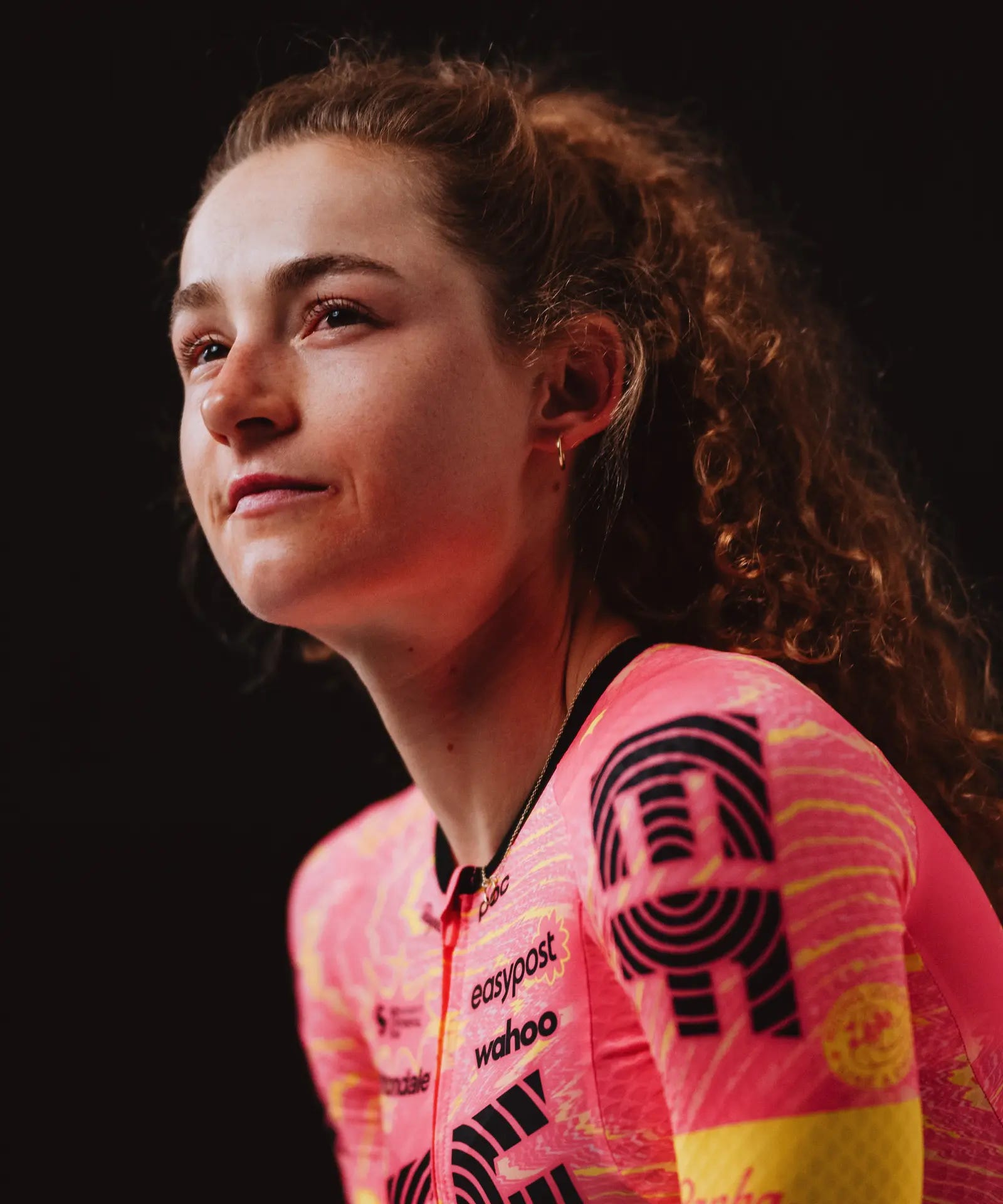
A sincere thank you to Veronica for being so open and thoughtful on a topic that matters deeply to the future of this sport.
Ride and rip,
Kyle Dawes
Two years before she was named “Most Outstanding Player” of the 2026 NCAA Tournament, Lauren Betts was lying on a gurney in a psychiatric ward.
At 6 ft 7” and the No. 1 ranked recruit in her class, Lauren was a starter for one of the best women’s basketball programs in the country. From the outside, she was thriving. On the inside, she was suffering.
In a deeply personal essay published in The Players’ Tribune in March 2026, a few weeks before she led UCLA to its first-ever national championship, Betts described the morning her depression finally broke through every defense she had built: “I don’t want to do this anymore.” She called the team trainer and she checked herself in to the psychiatric ward.
“On the outside, she appeared beautiful, talented, and successful. But on the inside, it didn’t match.” - UCLA Head Coach Cori Close
I don't know but players/athletes are some focused that they have to deal with Identity Foreclosure at some point of time in their lives or it can be multiple times for some as well.
When one is playing at the highest level or be it Sophomore as well, they are entirely focused on how to be the best version of themselves. From the time they wake up- they need to do take are of the diet before the workouts, then go for the workout, strength & conditioning in the gym, rest and then do some of it in the evening and very next day appears. This is the routine of any basketball player which they keep on doing it for months which turn to years and the ultimate goal is to win the NCAA Championship once if not multiple times.
How can one jump off from this box, it is quite difficult for anyone to broaden the aperture and put off the blinders for once. But blinders are quite helpful as in today's world, the algo can easily waver us off the Task in hand and can distract & steal our effort in the moment.
But the way Lauren Betts cam through all of this is great to see and behind every of this story there are n number of people whose support was the reason one could do wonders.
I have understood Psychological Safety in any team, organization, family set up or be it anywhere is the foremost thing to thrive in life.
It was because of her mother & coach Close that got her back told her to be vulnerable and be herself with whatever she feels. It is quite difficult to talk about mental health socially because people are quite fast to tear you apart but when you are supported by people around you, you are not filled with fear as you know you have a safety net even if you fall.