


The last time I visited my favorite topic, progressing collegiate cycling in the United States, was back in February when I wrote about Fort Lewis College’s cycling program. That article was part of a broader series in which I have explored several angles on growing collegiate cycling, including:
Making collegiate cycling a clear pathway to a professional career the way mainstream sports like basketball and football already are
How NCAA classification would add legitimacy to the sport
How to attract the financial investment needed to create more programs and pursue NCAA status
How a healthier collegiate landscape would help identify more talent, as was the case with Sarah Sturm
Two themes have remained consistent throughout: finding ways to fund growth and expansion, and building the competitive infrastructure that allows athletes to discover the sport and progress to the next level.
My previous conclusion was that the challenge is far too large to be solved by any one person or entity, requiring instead a broad network of companies and wealthy individuals willing to invest. I still believe that is largely true, but recently I have started thinking about how to narrow the number of investors needed to drive a significant shift in collegiate cycling.
I believe there is one company uniquely positioned to benefit from making a serious investment in collegiate cycling, and in doing so, spark the kind of systemic change the sport has been waiting for.
Finding a company that can do it all
Finding individuals to invest in organizations like USA Cycling and individual varsity programs will be a long and difficult process. To date, there is not much to pitch prospective investors on beyond a passion-driven appeal: if you love cycling, this is your chance to make a lasting impact on the sport domestically. There simply is not enough room for meaningful financial return at that level because investments of this kind are about growing the sport, not generating profit.
If we could instead pitch a larger organization that both genuinely cares about the sport and stands to benefit financially from betting on collegiate cycling, we would eliminate a significant amount of the inertia currently holding back progress at the collegiate level. I believe the company that stands to benefit both itself and collegiate cycling the most through financial investment is Zwift.

A quick background on Zwift
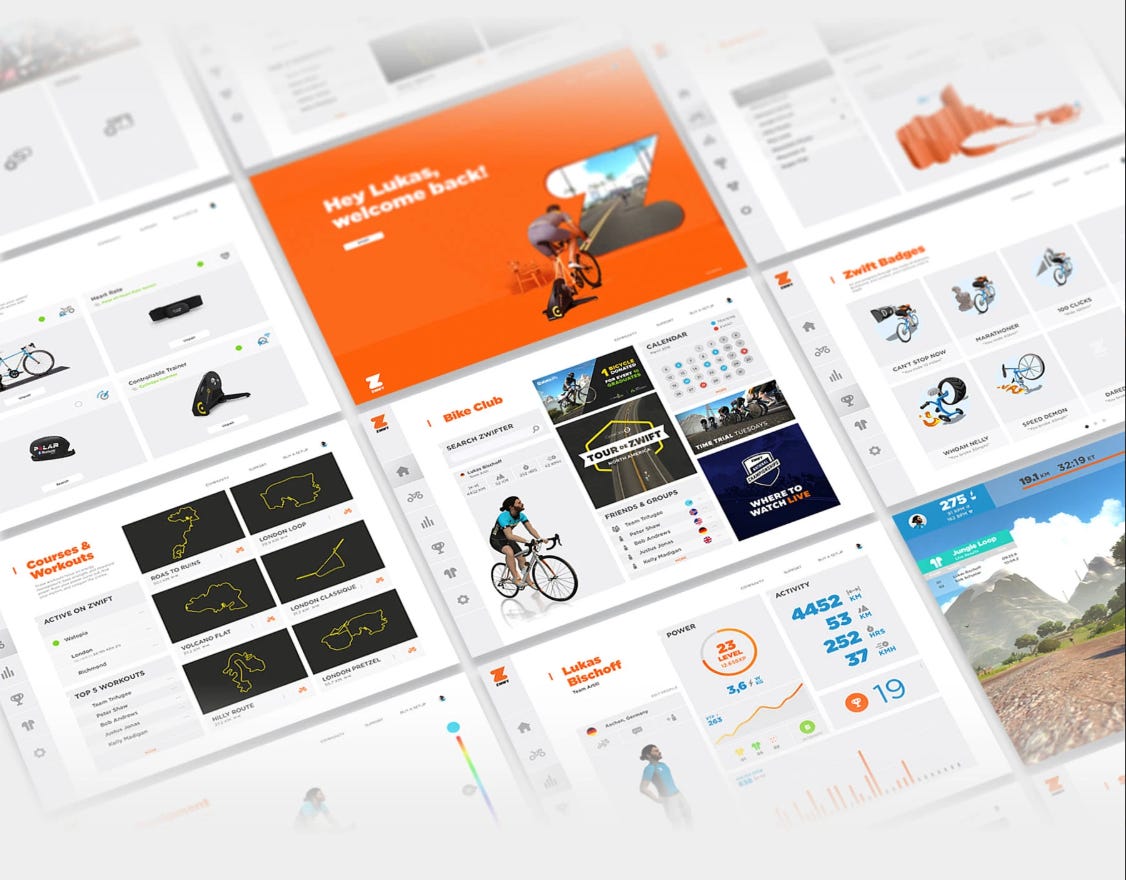
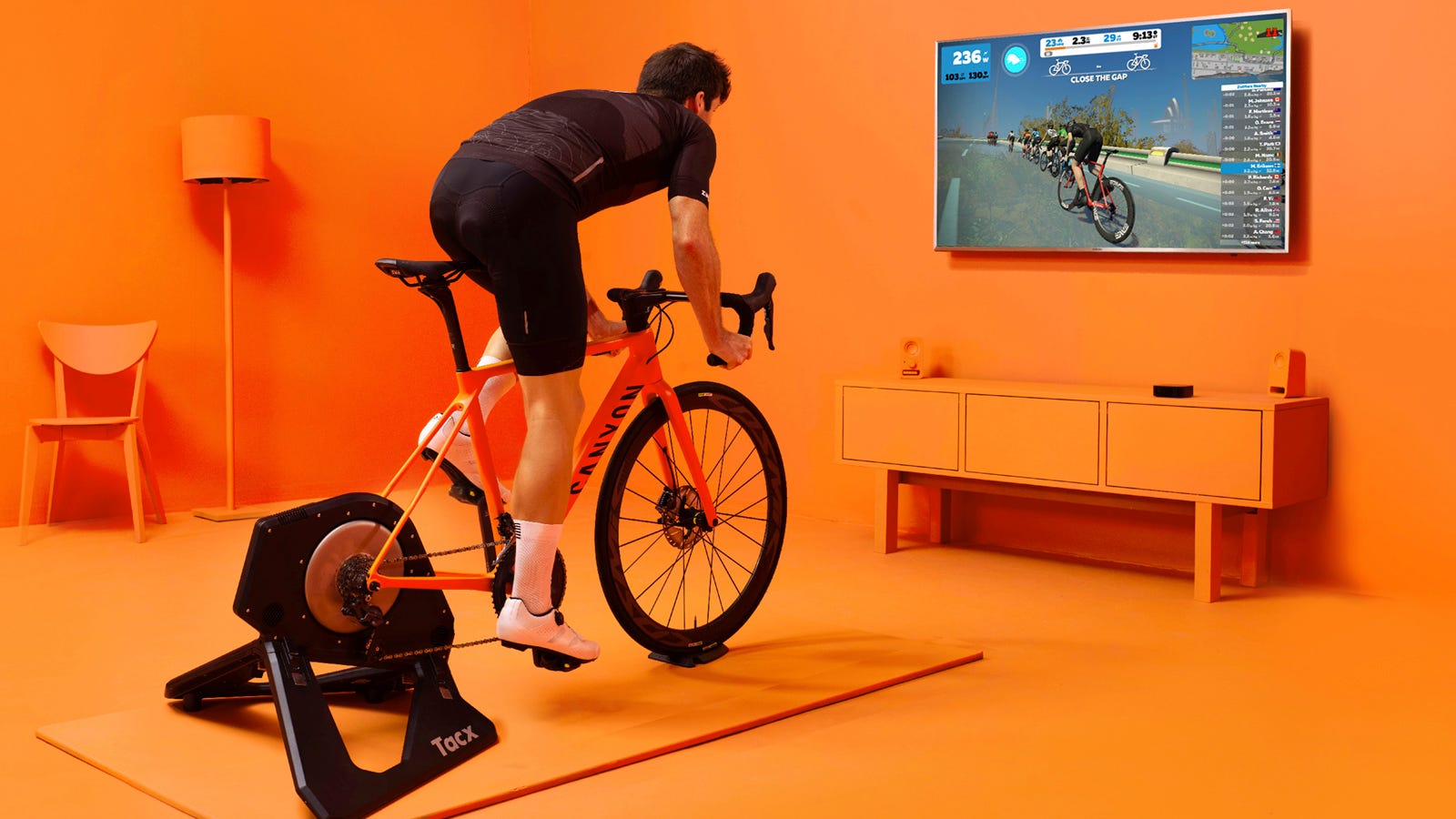
While many Built on Bikes readers are likely already familiar with Zwift, here is a quick primer for those who are not. Zwift is an online platform that provides a virtual, gamified indoor training experience for cyclists and runners. Before Zwift, indoor training meant riding alone, without dynamic power-based conditions, and with little incentive to push beyond basic fitness gains. As many cyclists will tell you, indoor training was essentially a necessary form of torture.
That is the problem Eric Min set out to solve when he founded Zwift in 2014. On the platform, riders can explore virtual environments with dynamic conditions including climbs and descents that more closely mimic the feel of riding outdoors. They can also see and interact with other riders who are online, adding a social dimension to what had previously been an isolating experience. Perhaps most importantly, Zwift introduced racing to the indoor training environment, allowing riders to compete against others from around the world in real time.
Since its founding, Zwift has established itself as the pioneer in indoor training and has largely dominated the space. The company has attracted significant backing from premier venture capital and private equity firms including KKR, Permira, and Highland Europe, with their most recent raise being a $450 million Series C led by KKR.
Those investments have enabled Zwift to further develop the platform, introduce hardware that allows riders to train without a road bike, and pursue high-profile marketing plays like becoming the title sponsor of the Tour de France Femmes, positioning the brand as a meaningful force for development in the sport. Today, however, the indoor training market is growing more competitive, with platforms like TrainingPeaks Virtual, Rouvy, and TrainerRoad emerging as credible alternatives.
Zwift remains the market leader, but has a clear opportunity to secure long-term market stability by investing in collegiate cycling and cementing itself as the definitive gateway into the sport for the next generation of athletes.
Why Zwift?
To meaningfully contribute to the progression of collegiate cycling, a brand first needs to be a stable and credible entity in its own right. Zwift is exactly that. Through its history as a company, Zwift has built a strong business model and the organizational capacity to take on the challenge of strengthening and reimagining what collegiate cycling could look like. Before diving into how they could do that, it is worth examining what makes Zwift an attractive brand to be associated with in the first place.
Strong finances: As already established, Zwift carries the backing of some of the most respected investors in the world, including KKR, Permira, and Highland Europe. Those investors have seen a future for the platform that promises significant upside, and when Zwift aligns itself with a movement or cause, it brings that investor attention along with it. For collegiate cycling, that kind of financial credibility is invaluable.
Zwift also operates a robust business model that generates revenue through paid subscriptions, hardware sales, and on-platform advertising. Their emphasis on community and development has created genuine network effects, where more people want to join the platform simply because people they know are already on it. Zwift is a proven operator with a track record of large, successful marketing campaigns, and they are more than capable of navigating an expansion into the collegiate cycling landscape.
Reputation: Zwift has built community into the fabric of their platform and every piece of outward-facing media they produce. Beyond community, the brand has become a symbol of development within the sport. Their title sponsorship of the Tour de France Femmes was a key catalyst in bringing that race back, an event that has proven to be a landmark moment for women’s cycling globally.

As an indoor training platform, Zwift also carries the reputation of being accessible and safe. For the parents of young riders, there is no concern about crashes or the dangers of riding on open roads. For new riders themselves, the barrier to entry is low, making Zwift a natural on-ramp for people discovering cycling for the first time, people who could one day pursue the sport at the collegiate level.
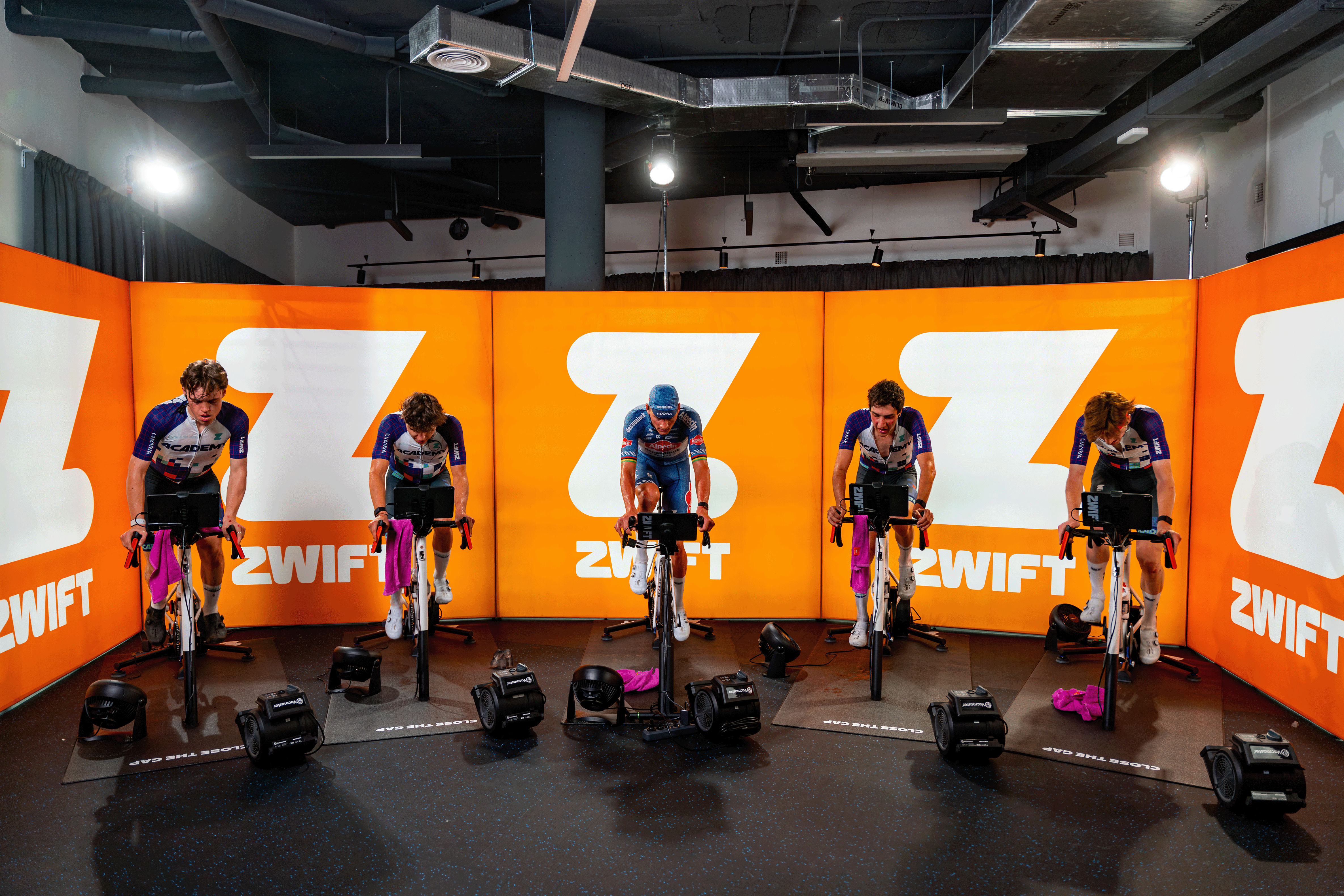
Infrastructure: Zwift’s most popular feature is its online racing platform, which allows athletes to compete against each other from the comfort of their own homes. For collegiate cycling programs, this feature could be a significant unlock on multiple fronts. First, it provides a standardized race format that enforces equal competition by eliminating the disparity in equipment quality and training conditions that exists between riders and programs at different resource levels.
Zwift also generates an electronic record of every race and training session, enabling easy and comprehensive data analysis across athletes. That consistency makes talent identification more reliable and more equitable than traditional methods.
If Zwift were to enter the collegiate cycling landscape, they would do so with a business model and infrastructure that has been fully optimized over years of development, allowing them to plug into collegiate competition relatively seamlessly.
Reimagining collegiate cycling
By this point the direction of this article is probably clear: if USA Cycling were able to partner with Zwift to introduce e-cycling as a collegiate discipline, access to the sport would increase significantly and collegiate cycling would finally have a well-capitalized partner with the resources needed to fund meaningful expansion, including a push toward NCAA classification.
This is not a new idea. I am aware that discussions have already taken place within our governing bodies about implementing something along these lines, but it is unclear to me whether those conversations also included plans for Zwift to inject capital into the sport. The competitive model for collegiate e-cycling is straightforward enough that it does not need deep explanation here. What is more worth exploring are the benefits this kind of partnership would create for both collegiate cycling and Zwift.
How Zwift benefits collegiate cycling
The list of benefits Zwift could bring to collegiate cycling runs deeper and further than it might initially appear. Here are the areas where I think a Zwift investment and competition partnership would most meaningfully elevate the sport at the collegiate level.
Visibility
Whenever Zwift embarks on a major marketing campaign, the broader cycling community takes notice. The Tour de France Femmes is the most dramatic example, but initiatives like Zwift Academy have also captured the attention of cycling fans, Zwift users, and WorldTour teams alike. Fans and professional teams are two audiences that collegiate cycling desperately needs to reach if it is ever going to become a legitimate and recognized pathway to a professional career.
The NCAA carries significant brand power of its own, and if the two organizations were to join forces with Zwift becoming the title sponsor of NCAA collegiate cycling across all disciplines, the scale of that partnership would command attention well beyond the existing cycling community. A multi-million dollar deal between Zwift and the NCAA would be difficult to ignore.
Accessibility
Building collegiate cycling into a true pipeline for professional development requires at least three distinct talent funnels. The first is a funnel of high school riders flowing into collegiate programs. The second is a funnel of athletes from other collegiate sports discovering cycling as a natural fit for their abilities. The third is a funnel of well-developed athletes exiting the collegiate level and stepping into elite or professional teams.
Zwift has the potential to strengthen all three.
At the pre-collegiate level, Zwift serves as a safe and accessible platform for young riders to develop, race, and generate meaningful performance data. Currently, collegiate cycling programs do not scout high school talent the way other collegiate sports do. If Zwift, USA Cycling, and collegiate programs can organize sanctioned leagues for high school riders, scouting becomes possible without requiring travel or chasing down power data that currently sits in isolation without context.

Within collegiate athletics, Zwift provides a low-barrier entry point for athletes from other sports to discover whether they have a natural aptitude for cycling. Imagine a collegiate cycling program with a few Zwift setups in a campus gym or performance center. Athletes from other sports who are not getting the opportunities they want could hop on a bike and take a power test. If the result is competitive with collegiate benchmarks, both the athlete and the program director get notified automatically.
For athletes exiting the collegiate level, Zwift provides professional teams with a reliable and standardized data set to scout from. Outdoor riding skills will obviously still need to be evaluated, but the reasonable assumption is that most athletes who enter the sport through Zwift will transition to outdoor riding over time. And riders who already compete outdoors will likely incorporate Zwift racing into their schedules once it becomes an official form of collegiate competition.
Scouting and development
Zwift offers a standardized racing format, and if collegiate competition is sanctioned by a governing body, there will be no room for athletes to inflate power numbers with inaccurate weight data. That makes it a reliable platform for professional teams to scout from. And when I say professional teams, I am not referring to WorldTour or even Pro Continental teams. The more realistic and immediate opportunity is at the Continental and domestic elite level.
Collegiate cycling already has a scouting problem rooted in inconsistent events and uneven race fields. Zwift offers a format that enables digital scouting without requiring context about how a specific race unfolded or guesswork about the strength of the field. There is still a tactical and skill element to scouting that cannot be fully captured on an indoor platform, but traditional outdoor race formats will remain available to fill that gap.
Outside investment
Zwift already carries a roster of prestigious investors, which creates an opportunity to expose the broader investment community to collegiate cycling through that existing network. The hope would be that individual partners or directors with an interest in cycling would recognize the opportunity in collegiate programs and direct capital toward initiatives that further develop the collegiate landscape.
Zwift also offers in-app sponsorship opportunities for outside brands, which could serve as another avenue for new brands to enter the collegiate cycling space, whether by sponsoring individual riders, teams, or programs directly.
Competitive Parity
I may be beating this point to death, but competitive parity is one of Zwift’s most compelling contributions to the collegiate cycling argument. The standardized racing format extends all the way down to the equipment used to compete, meaning there is no advantage to be gained from nicer gear. The only differentiator is the natural ability of the athlete.
More race days for current cyclists
For cyclists already competing in collegiate programs, Zwift offers an additional race format that requires no travel and no extra expense. Rather than racing on scattered weekend schedules, athletes can log race days more consistently, much the way a professional would. That regularity would meaningfully accelerate development and bring the US collegiate experience closer to the heavy race culture that defines cycling in Europe.
An easier transition to collegiate cycling 2.0
As we work toward a more professionalized and widely recognized collegiate cycling landscape, Zwift can serve as a meaningful on-ramp for that vision. Becoming an NCAA sport and standing up dozens of new varsity programs will not happen overnight, but a smoother transition point will accelerate the process considerably.
The majority of collegiate cycling teams are organized as club teams with varying levels of infrastructure and financial resources. Zwift offers a cost-effective way for these teams to allow their athletes to compete consistently against varsity programs and more established riders. It creates a genuine incentive for cyclists to choose a school while knowing they can still compete regularly and showcase their abilities to a wider audience.
Zwift’s digital record also provides a far more robust way to track growth in collegiate cycling than what currently exists. Today, the only participation data available comes through USA Cycling records of license holders and event participants. Zwift would enable deeper and more actionable insights, helping governing bodies become more strategic and data-driven in their efforts to grow the sport.
How collegiate cycling benefits Zwift
If Zwift were to sponsor collegiate cycling, it would function more as a mutual partnership than a one-way transaction. While Zwift would be investing in the growth of the sport, they would simultaneously be executing a large-scale marketing campaign targeting younger athletes at a critical stage of their development. There are several meaningful benefits Zwift would receive in return.

A new market entry point
If Zwift is looking to engage a younger demographic, and particularly one that may be discovering cycling for the first time, collegiate cycling presents a unique opportunity to reach that market at one of its most impactful inflection points.
Further differentiation in a competitive market
As more platforms like Rouvy, TrainerRoad, and TrainingPeaks Virtual enter the online training space, Zwift will need to continue solidifying its position as the incumbent product with the widest user base and strongest business model. There is significant room for growth in the US market, and Zwift is well positioned to capture the next generation of cyclists if they continue investing in the progression of the sport.
As we work to bring more capital into the collegiate cycling landscape, we should be looking beyond individual investors toward large corporate sponsors that can provide both structure and visibility for the sport. Zwift is the most compelling example of what that kind of partner could look like.
I have so many thoughts on this subject that I may revisit it in a future edition.
Ride and rip,
Kyle Dawes