


Last week I recapped my time at Unbound Gravel and shared my key takeaways from the event. My biggest takeaway was how compelling the U23 fields were and how many stories could be told if we simply paid more attention to the riders competing in them. Each rider has a unique journey entering the developmental pipeline, and once they are in it, those stories can blossom into full competitive narratives and help build strong personal brands for the future professionals of our sport.
In that same piece I touched on what brought me to Unbound in the first place: media responsibilities for the Mach1 Devo team. I have now mentioned the team across multiple articles, and it is time to truly dive in. What does it take to manage a U23 squad? What makes this team special? And what can they teach us about developmental pipelines in the United States?
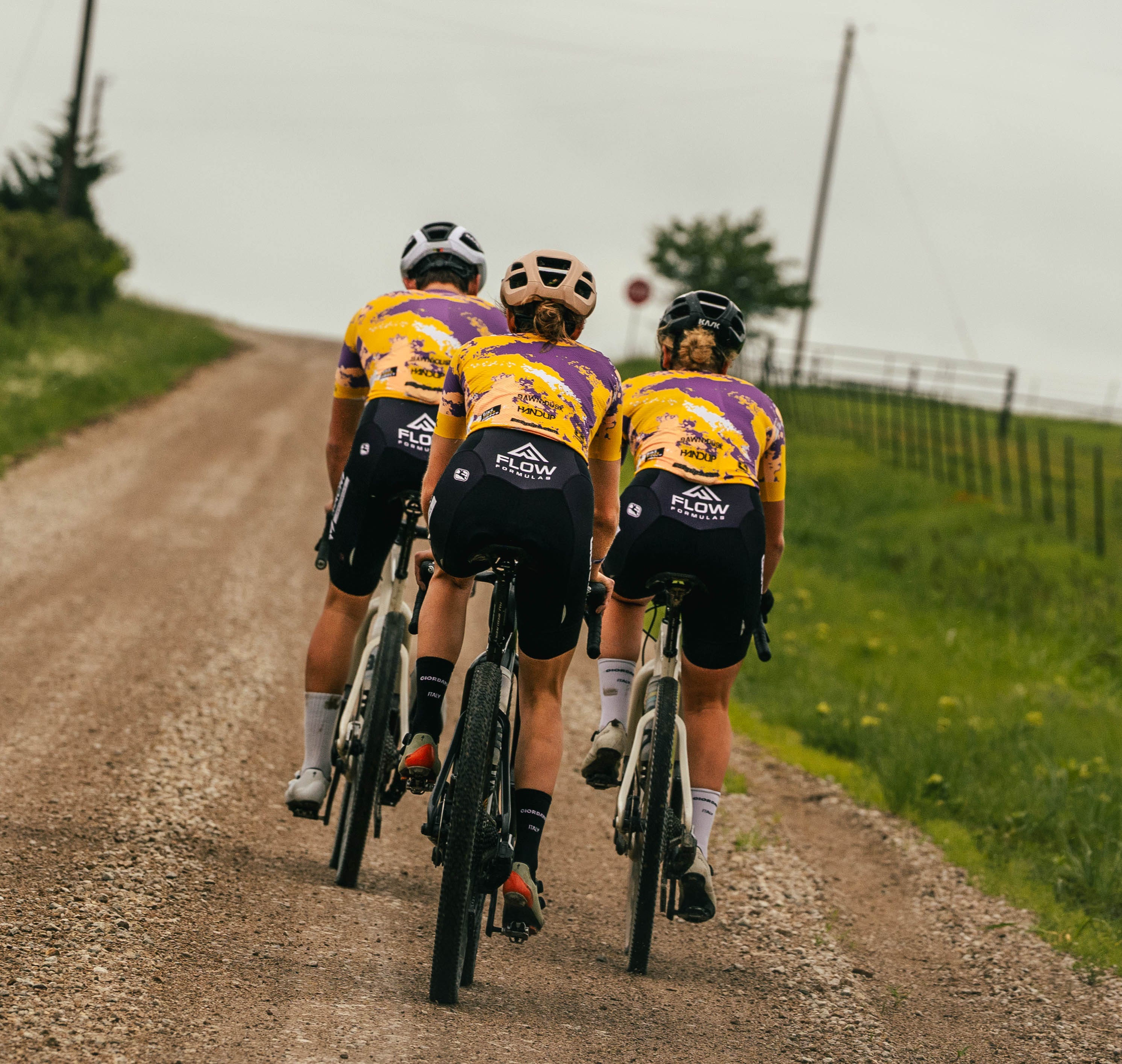
I have covered developmental teams before with stories on SpeedBlock-Terún, Fort Lewis College, and with Natascha den Ouden, but this will be my first article written after witnessing a team’s inner workings firsthand. The goal is to give readers the deepest look inside a domestic off-road development team that I have been able to put together, covering everything from the riders and management to sponsorships and the less tangible factors that have allowed Mach1 to prosper.
To get that level of insight I sat down with Nina Machnowski, Founder and Manager of Mach1 Devo. We covered a wide range of topics including the challenges of managing a seven-rider team, her learnings from the experience, and the logistics that go into running an operation like this.
I hope that shining a light on this team not only brings more opportunities to its riders, but also helps more brands and organizations recognize the importance of supporting development programs in the United States. The truth is that with a little creativity, sponsoring a U23 program carries more storytelling potential than almost any professional team could offer.
Mach1 Founder, Nina Machnowski
While some may know her better as Nina Machina, Nina is an endurance mountain bike athlete turned coach and now development team manager. It feels like I have known Nina for a long time, but the truth is we have only known each other for a few months. I had not yet heard her full story, so I was excited to learn how she got into cycling and eventually arrived at the idea of starting a development team.
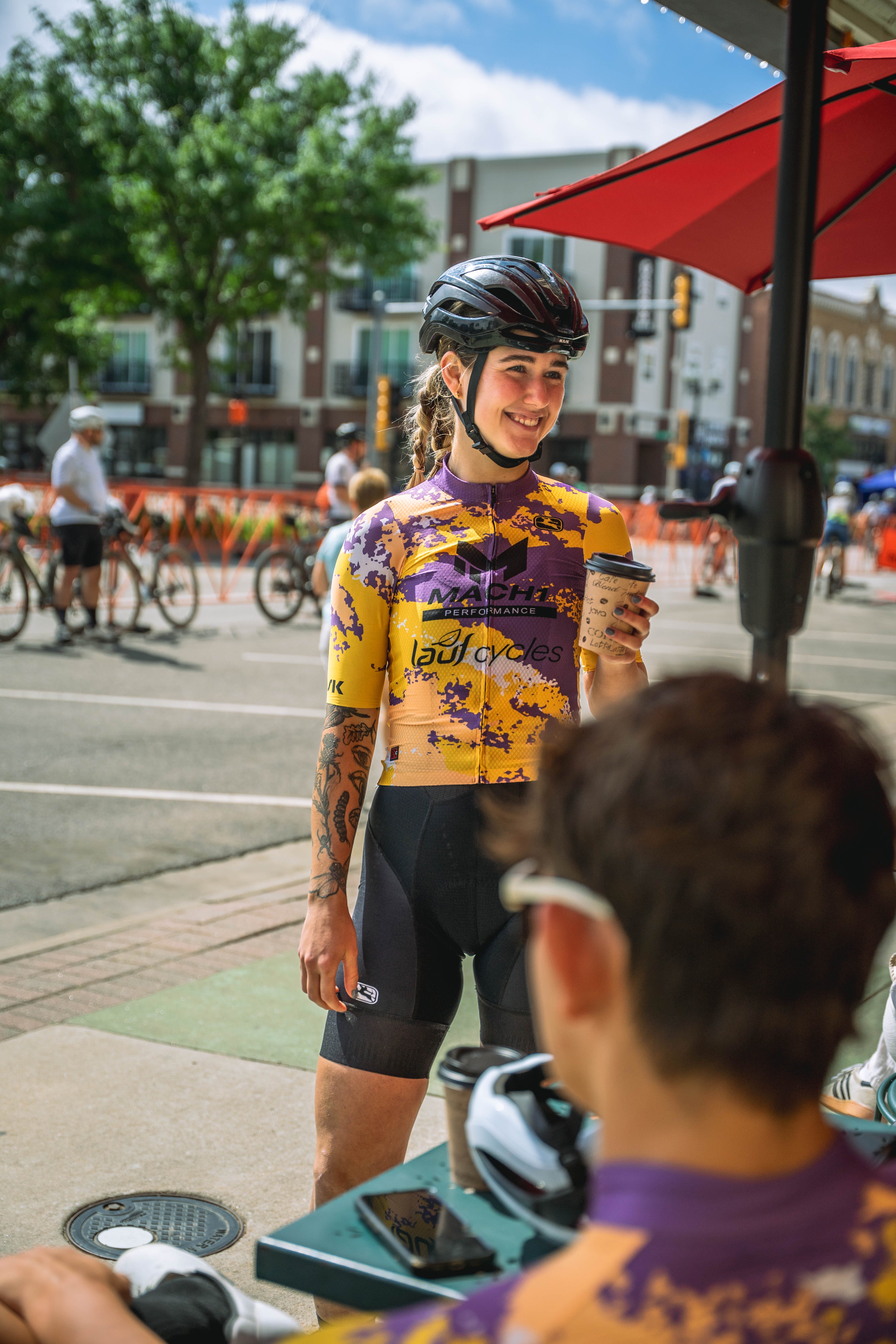
Hailing from New Jersey, Nina grew up in a family with a deep affinity for the outdoors, which eventually made mountain biking a family sport. Her father began racing a local XC series called Hudson to Highlands, or H2H, which served as the direct catalyst for her own entry into the sport.
“My dad started mountain bike racing in the local XC series called H2H. I was like, I want to do that too. So I started racing on his old Specialized Stumpjumper hardtail that was way too big for me.”
While she started on hand-me-down gear, Nina quickly entered the development pipeline by joining her local NICA team during her sophomore year of high school. It was there that she discovered a love for ultra-endurance mountain biking, competing at events like the Shenandoah 100. The more she raced, the more she found herself helping out and getting involved in the NICA organization beyond just competing.
The NICA team in her county grew rapidly, from five riders her first season to over 100 by the time she graduated. That early exposure to explosive grassroots growth gave her a formative understanding of what development can look like at scale. After graduating, Nina chose to attend Brevard College, home to one of the top varsity cycling programs in the country. The combination of a cycling program, a partial scholarship, and an exercise science degree made the decision, as she put it, easy.
While at Brevard, Nina continued pursuing her own racing outside of the team, gravitating toward gravel as the discipline began to explode during her college years in 2021 and 2022. It was during her senior year that she discovered something she had not anticipated: a genuine love for coaching.
“I was doing my internship with a local coaching company because it was a really easy way to do my internship credits for college. My senior year I didn’t anticipate falling in love with coaching per se, but then I was just like, wait, I really love this. It just kind of clicked. I feel like I’m constantly learning every day, which is super cool.”
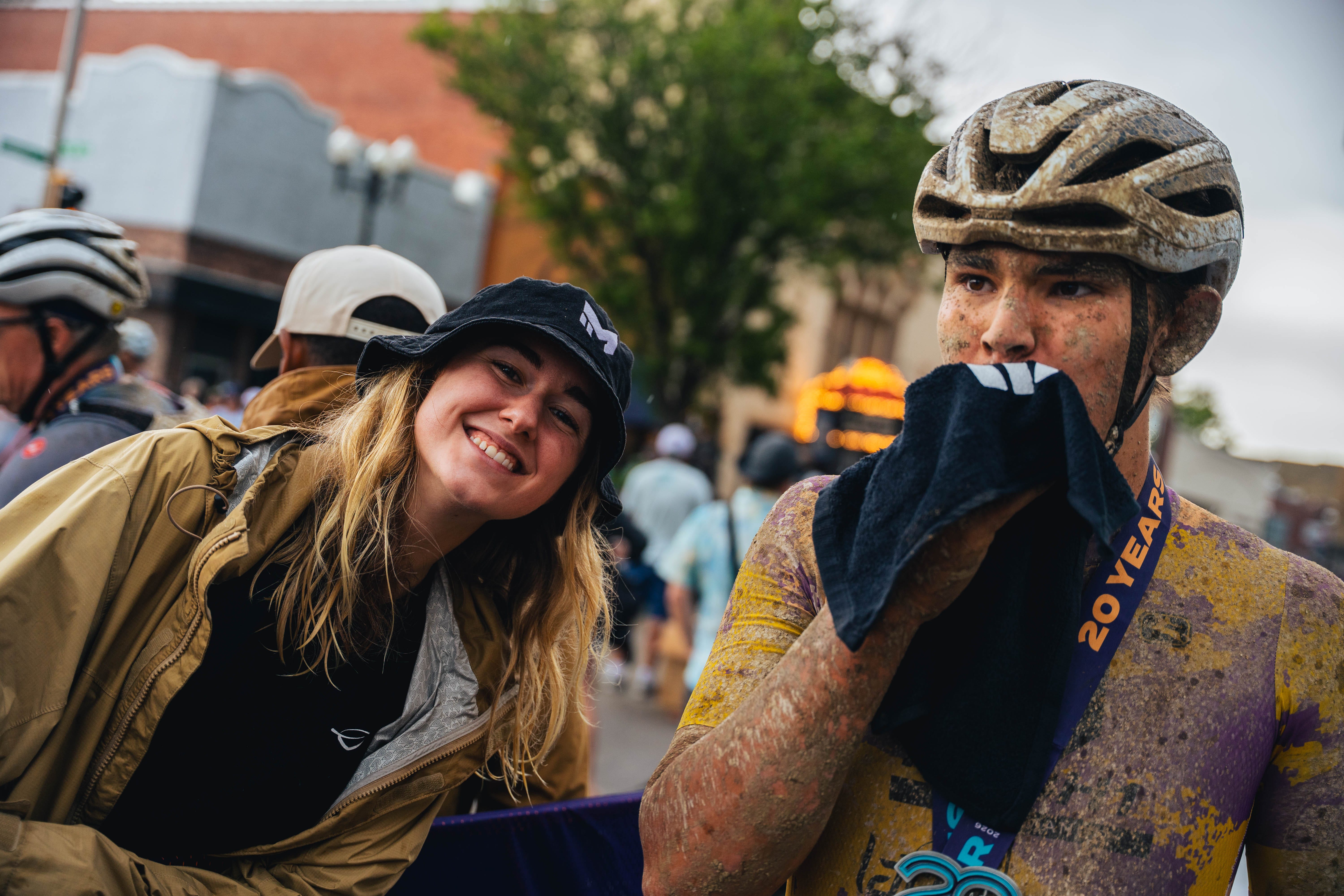
While at Brevard College, Nina began working at Flow Formulas, an endurance nutrition brand that still sponsors her and her team to this day. It was there that she started connecting the dots and saw how simple, well-placed support could have a meaningful impact on a rider’s trajectory.
“I was doing a bunch of backend work like managing their ambassador program and running their social media. I really enjoyed the personal aspect of interacting with the ambassadors and learning everybody’s stories. It wasn’t my product or my money to be giving out, but it was really cool to feel like I could provide support to riders. I saw how a little could go such a long way.”
With those pieces in place, the idea of starting a development team began to take shape. While also working on a master’s degree, Nina launched her coaching company, Mach1 Performance in 2024 and officially launched Mach1 Devo in 2025 with two riders.
The realities of running a U23 program
As we continue, I want to split my focus between two dimensions: the realities and logistics of managing a U23 program, and the team dynamics, riders, and attributes that make Mach1 a best-in-class program. After wrestling with how best to present the team, I feel this balance captures what makes them special and gives other development programs something to learn from.
Starting with what makes the team possible, I want to look at the realities Nina faces as the solo manager of an independent development team. The best thing a team manager can do is ensure riders only need to worry about racing. With the help of sponsors, Nina has been able to meaningfully reduce the burden of travel expenses, equipment, and race week logistics.
With Mach1 entering its second year with an impressive rider roster, and a list of notable brand partners supporting operations, how did it all come together? Starting with the most important piece, the riders, I was eager to learn more about Nina’s process for recruiting athletes to Mach1.
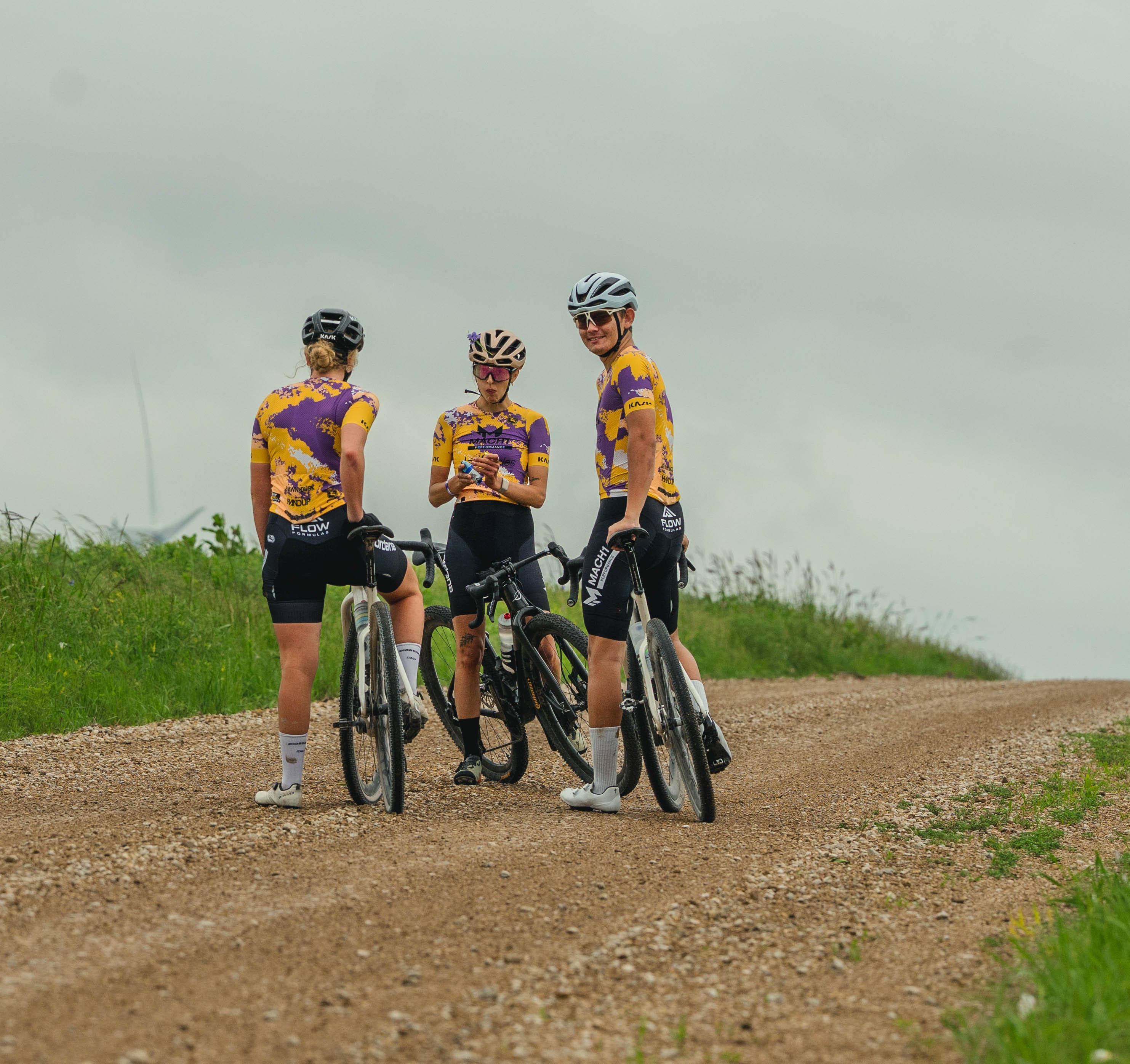
Attracting talent
Up until last year, when Life Time introduced a U23 version of the Grand Prix, there was practically no coverage of U23 fields, and even today, not enough to make talent scouting straightforward.
For Nina, scouting doesn’t always come down to race analysis or results. Given the races her team specializes in, she keeps an eye out for young riders willing to compete in the more grueling events on the American calendar. Choosing those races signals a determined mindset, motivation, and early specialization in off-road ultra endurance. Nina summed up her approach:
“I was looking at results pages, and not necessarily for people that have won races per se. I was looking at crazy races, like 24 Hours of the Old Pueblo and the Belgian Waffle Ride series. There are very few younger riders that compete in those races… That’s not something typically that 17, 18, 19 year olds do.”
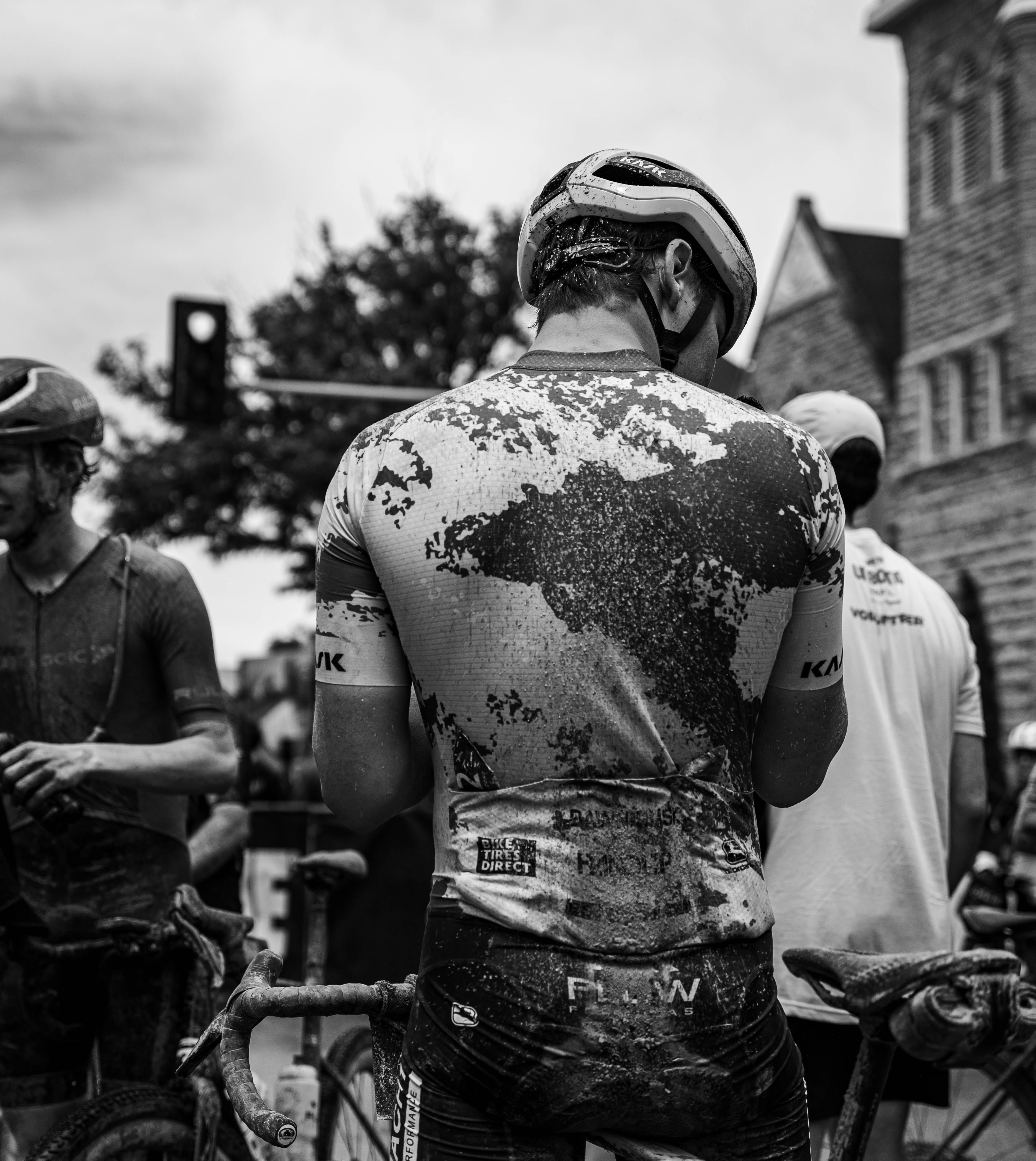
It may seem trivial, but Nina scouting riders with very similar performance goals to her own likely allows her to connect with them on a much deeper level than a typical athlete-coach relationship.
After the inaugural 2025 season, riders began approaching her directly.
“I also had a few riders that reached out to me towards the end of the summer or around Big Sugar. It was kind of a mix of me scouting riders and riders coming to me. I’m so grateful that they reached out. I can now call them not just athletes of mine but people I consider really good friends.”
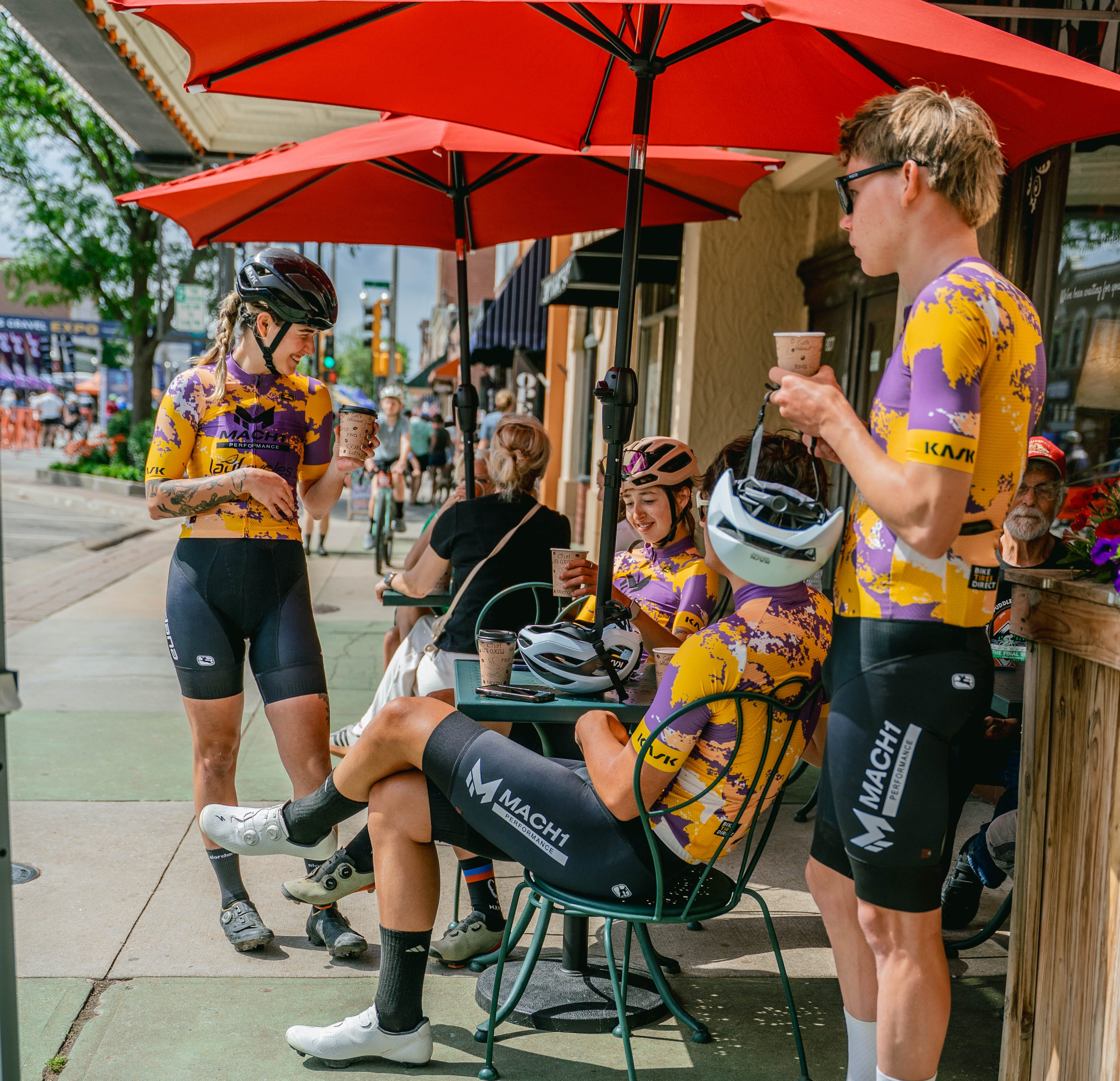
Nina’s comment about athlete friendships is worth revisiting later, but to close out recruitment: given the team’s early success in 2026, this trend feels like it will only grow.
Sponsorships are the lifeblood for U23 teams
Everyone reading this already knows cycling is an expensive sport. Bikes and gear alone can amount to over $10,000, and race entry fees, travel, lodging, and race day nutrition can balloon that number even further. Nina has assembled a strong list of brand partners that takes some of that financial stress off her athletes. The team’s sponsors include:
Lauf Cycles for bikes and financial support
Giordana for kits
Kask for helmets
KOO Eyewear for optics
Flow Formulas for nutrition
USWE for race hydration storage
Bike Tires Direct for accessories
Dawn to Dusk for bottle cages, top tube bags, and financial support
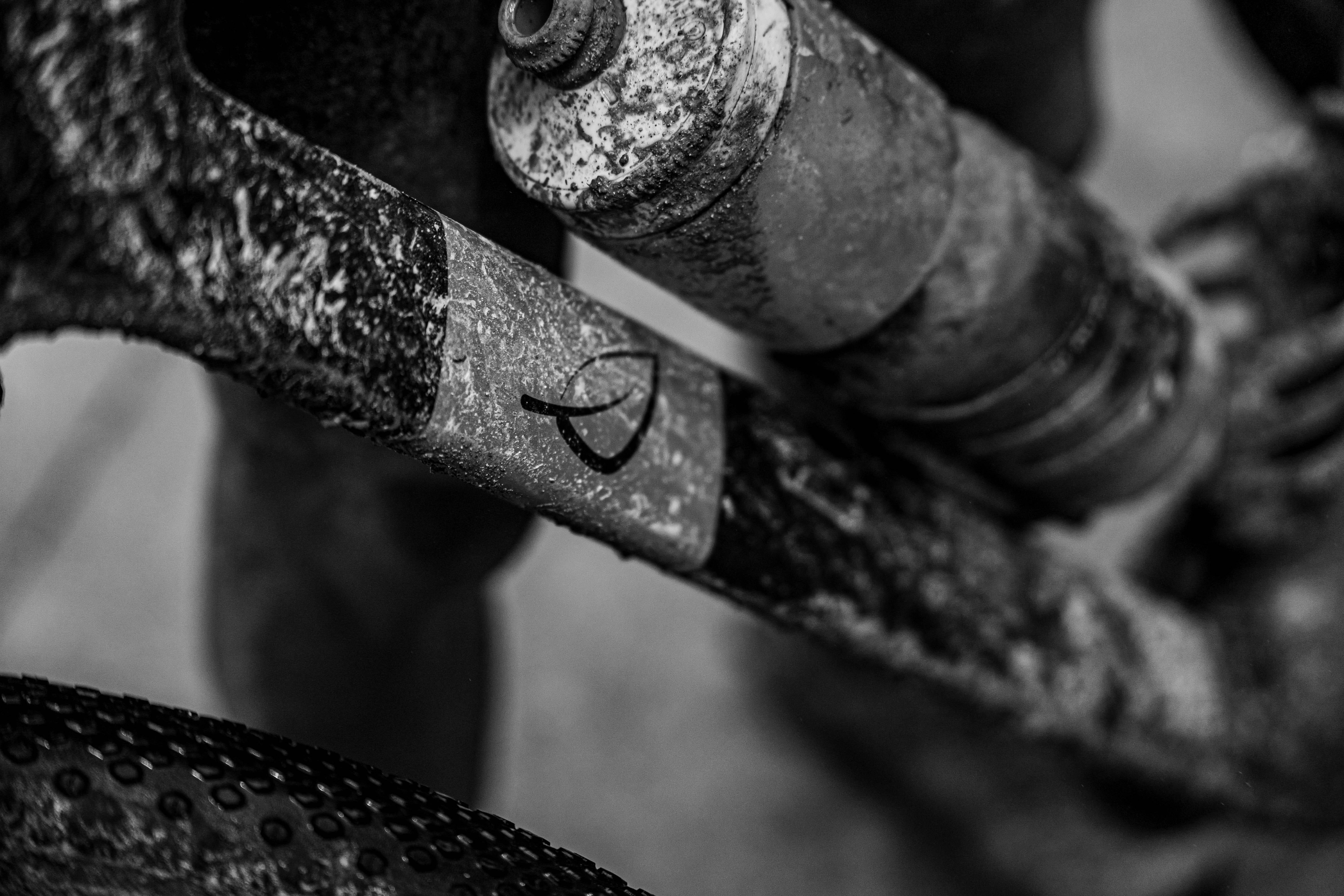
Beyond equipment, two sponsors also support the team financially, helping offset travel, race entry fees, and race week logistics. The harsh reality of U23 sponsorships is that they are often seen as a weaker return on investment compared to a pro team. Or at least, that is the stale perception that persists in the industry.
Nina has worked to dispel that concern through trust built over years of personal relationships. She is willing to start small and grow a partnership over time, and clearly understands the balance between asking for adequate support and asking for too much.
“I’ve been working with some brands for six, seven years. Brands saw my ability to work really hard and kind of make big dreams come true. I never want to ask for too much. That’s something you have to balance, asking for enough but then not asking for too much. So I was always coming from a place of, do you want to be involved in growing this thing with me?”
This approach is one I have written about before, and it is exactly how the industry should be thinking about convincing brands to invest more at the developmental level. Sponsoring U23 teams will still cost less than supporting a full pro team, and as Nina shows, that investment can produce an outsized impact while giving brands plenty of material for storytelling. Nina is already seeing the returns.
“Now that we have more talent on the team and looking to grow even more and support the team even more, that’s going to come with bigger asks. I think because the platform has been growing and we’ve been proving ourselves race to race, I see the sponsors recognizing that. Even just after Unbound, going to the expo and seeing our team all together in matching kits and the actual impact that we are having. It’s just giving us more credibility to bump up support in the coming years.”
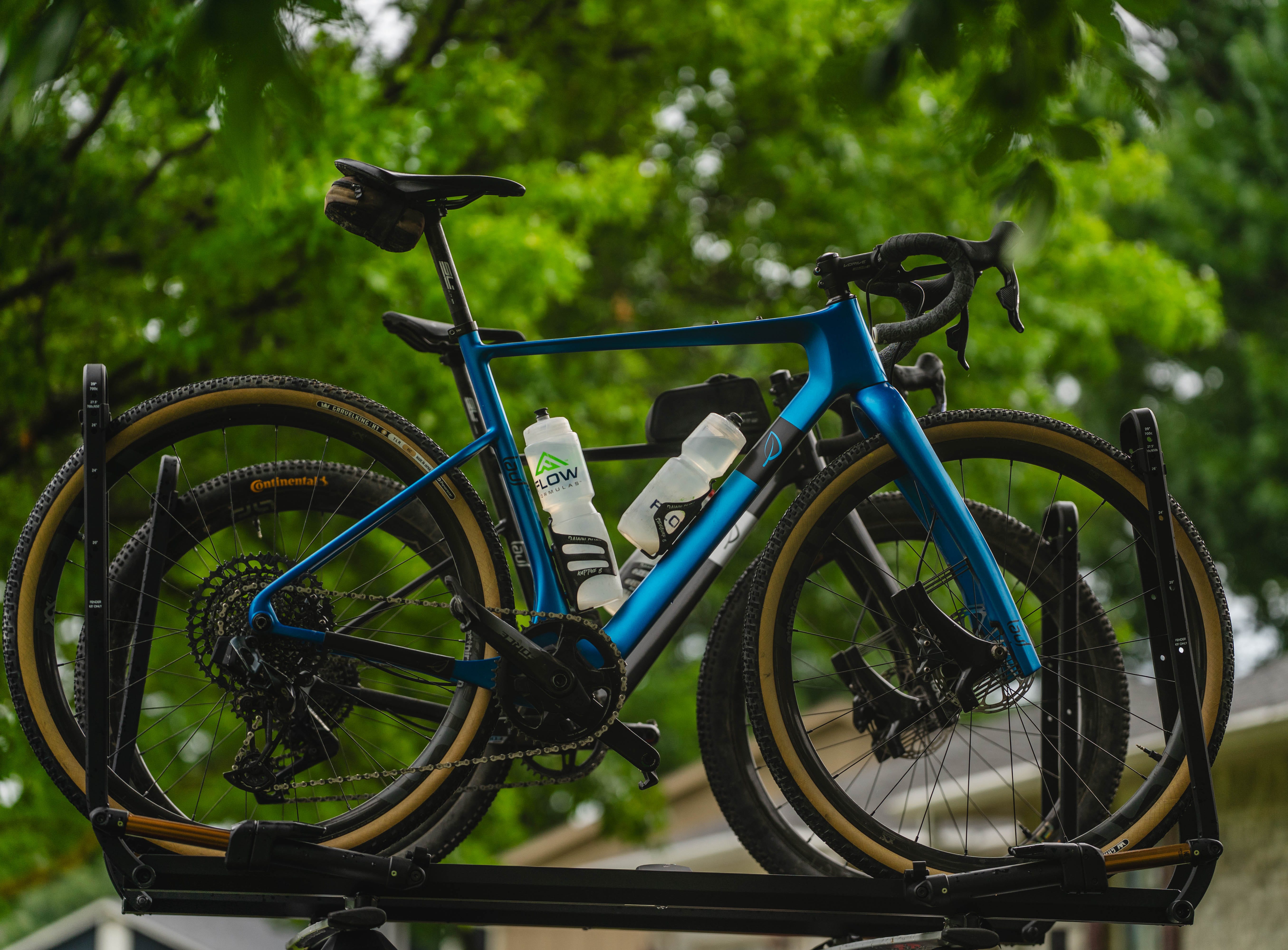
Nina’s approach has clearly created genuine emotional investment from sponsors, resulting in stable relationships that deliver real outcomes for riders.
Solo management is a labor of love
I alluded to it while discussing sponsorships, but something that makes Mach1’s success even more impressive is that Nina manages every aspect of the team on her own. Coaching, sponsorships, logistics — it all falls on her, and Mach1 is not even her full-time job. Nina runs the team alongside her own racing career and training, purely out of love for the sport.
“Honestly, I don’t really find it hard because if you have such a drive, it’s almost like an impulse that you have to do it. From the outside I know it is a lot of work, but it doesn’t feel like a lot of work because it’s just something that I really enjoy doing.”
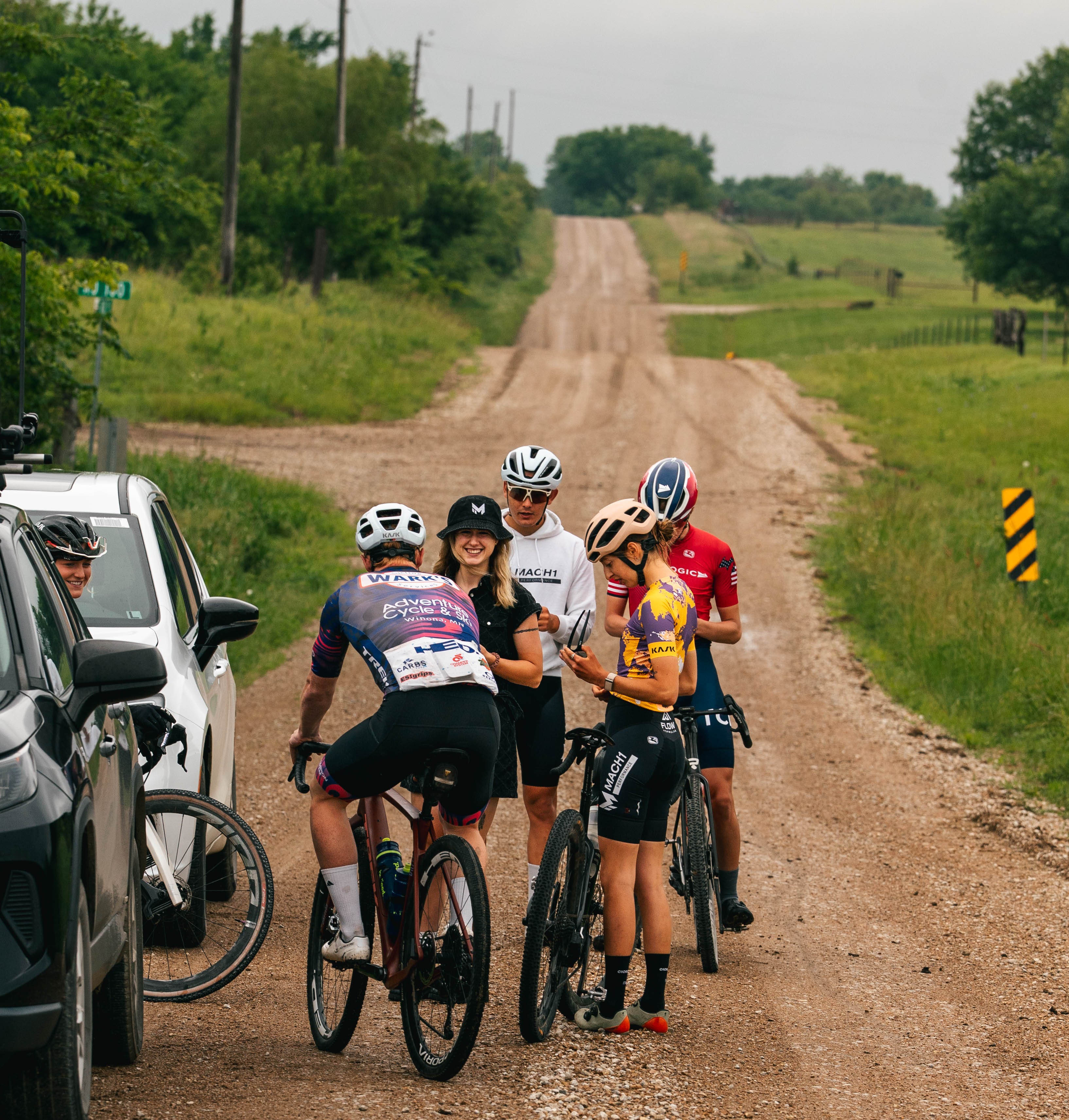
Most U23 team managers are not in it for the money. There are far more lucrative opportunities in the industry. What makes Nina’s situation stand out is not just that she is doing it solo on the side, but that she is doing it at 24. Most U23 teams I come across are managed by someone further along in their career, with more time and financial flexibility to take on the responsibility.
“It takes up like 99% of my mental capacity every day, but it’s all on the side. Hopefully opportunities keep coming out of that so I could keep pivoting for it to be a bit more of a sustainable thing for me career-wise. But it’s definitely not where I make my living or anything like that.”
Much like me, Nina is pursuing something she is passionate about without compensation and figuring things out as she goes. It is a theme I keep coming across in American cycling, and I think it is an X-factor for the sport’s development in this country and for Mach1 specifically.
Sure, there might not be decades of experience behind every decision, but that is probably a good thing. Young people intuitively understand what makes cycling appealing and what it takes to stay motivated competing in the US. A young manager who easily identifies with young riders is a marginal gain in itself. There is less communication overhead around the minutia of being a competitive cyclist. Everyone is largely on the same page, and things get done faster.
The following quote captures what Mach1 has meant to Nina and why she will continue to dedicate herself to the team.
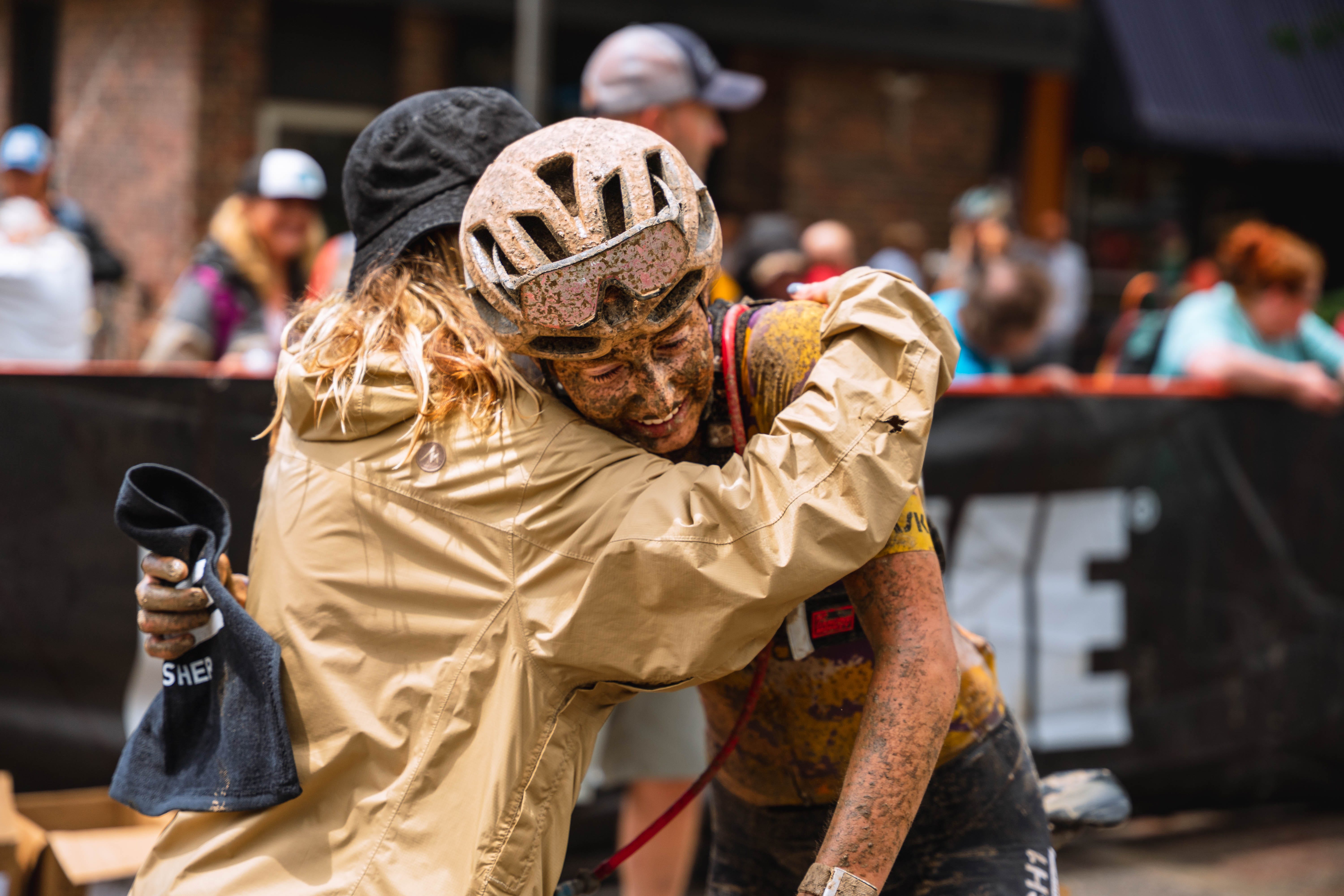
“I didn’t realize how much love I could put into something. It’s almost like I’m way more passionate about it than even my own racing. It’s given me such a perspective on my own journey with racing, fitness, and sports and I enjoy it in a whole new light now. I care about my own racing and training, but it’s more like doing it to be a good role model. Ultimately it’s like I take all this positive energy that I have from my work with the team and put it towards my own racing. I feel like I’m a better athlete because of it.”
What has managing Mach1 Devo taught Nina?
Before taking a closer look at Mach1’s team dynamics, I was interested to hear what running the team over the last two years has taught Nina. Sharing knowledge at the U23 level is critical if we hope to expand this model and grow the sport. Mach1 is finding success quickly, and there are real lessons to be taken from that.
Community is everything in the U23 landscape
“I think that there’s such a need for a community for U23 riders. Obviously there are off-road development teams across the US already, but I think specifically for gravel, endurance, and ultra cycling, there hasn’t been as much of a focus on that. Leaning into that and creating that space for riders has been huge. Everyone on the team has told me that they perform their best when there’s just a good vibe around them. Seeing everybody learn from each other, empower each other, it’s an uplifting environment where everybody’s stoked and feeds off each other’s energy.”
Looking the part is more important than we think
“Being on a team makes riders feel more legit when they go and approach sponsors or show up to events. They’re in kits that match their teammates and we’re all geared up with the same equipment and it just feels very professional. I think looking the part, feeling the part helps you actually play the part.”
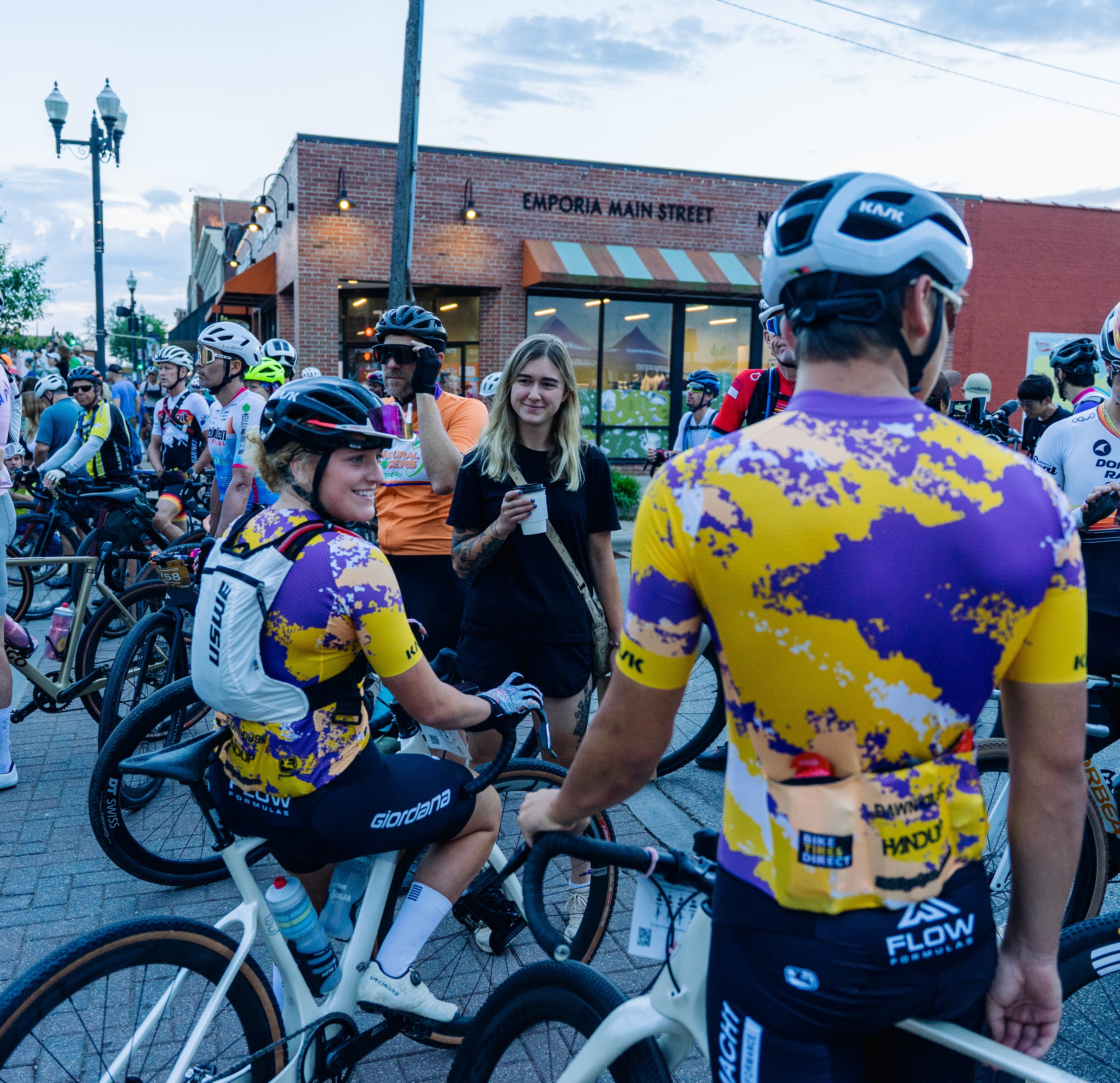
These two learnings may seem unrelated at first glance, but both connect Mach1’s riders to one another. When off-road racing has historically been an individual pursuit, community and confidence go a long way in rider performance, morale, and self-esteem.
What makes Mach1 special?
Nina brings a lot to the team, but what are the intangibles that contribute to Mach1’s success? We have already touched on community and coaching, but there is more beneath the surface. Some of it is obvious, some of it subtle. After spending the better part of five days with the team, I came away with a few observations worth sharing.
The Riders
This is the most obvious X-factor, and it starts with Nina’s scouting. While I have yet to meet two of Mach1’s athletes, the ones I met and lived with in Emporia were a fantastic group. They did make me feel geriatric at the ripe old age of 27, but I thoroughly enjoyed getting to know each of them. By the end of five days in Emporia, I felt like I could call all of them friends, and I am genuinely stoked to know them.
I want to highlight the Mach1 riders, their backgrounds, and a few anecdotes from the athletes I met in Kansas. I encourage you to follow their journeys — they will most definitely be racing in the pro fields in the years to come.
Oskar Stack-Michasiw
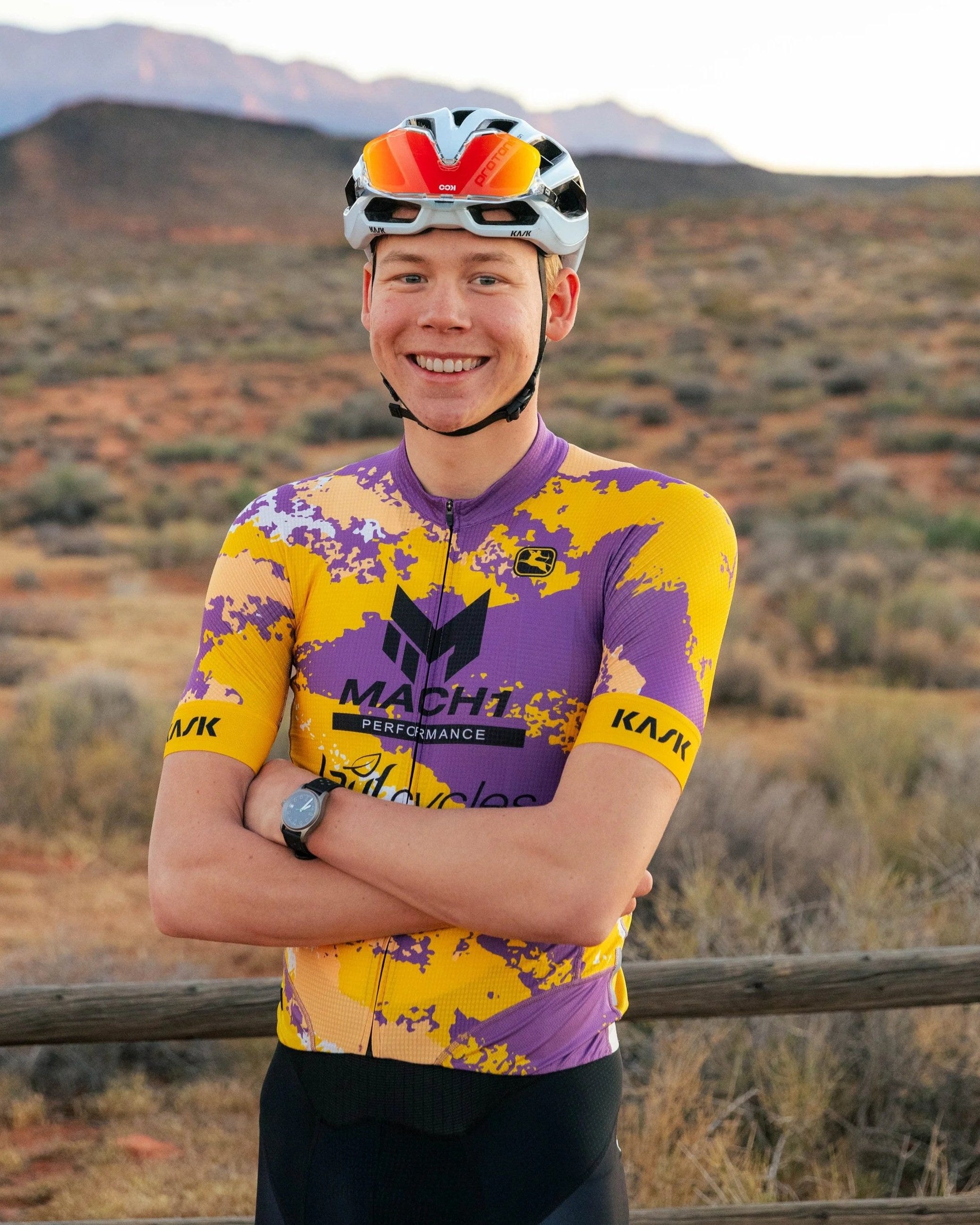
Age: 21
Home Base: Saskatoon, Saskatchewan, Canada
Socials: @oskarstack.mtb
Bio: Oskar is a gravel focused on developing into a top-level competitor while being a positive ambassador for bike riding. He brings a driven, results-oriented mindset to his racing, balanced with positivity and a genuine love for the process—no matter what race day brings. At Unbound, Oskar secured a second place finish and he is a serious contender to win the U23 Life Time Grand Prix.
My favorite moment from my time with Oskar was seeing him obsess about the quality of a Kansas diner’s syrup.
Lily Zakaras
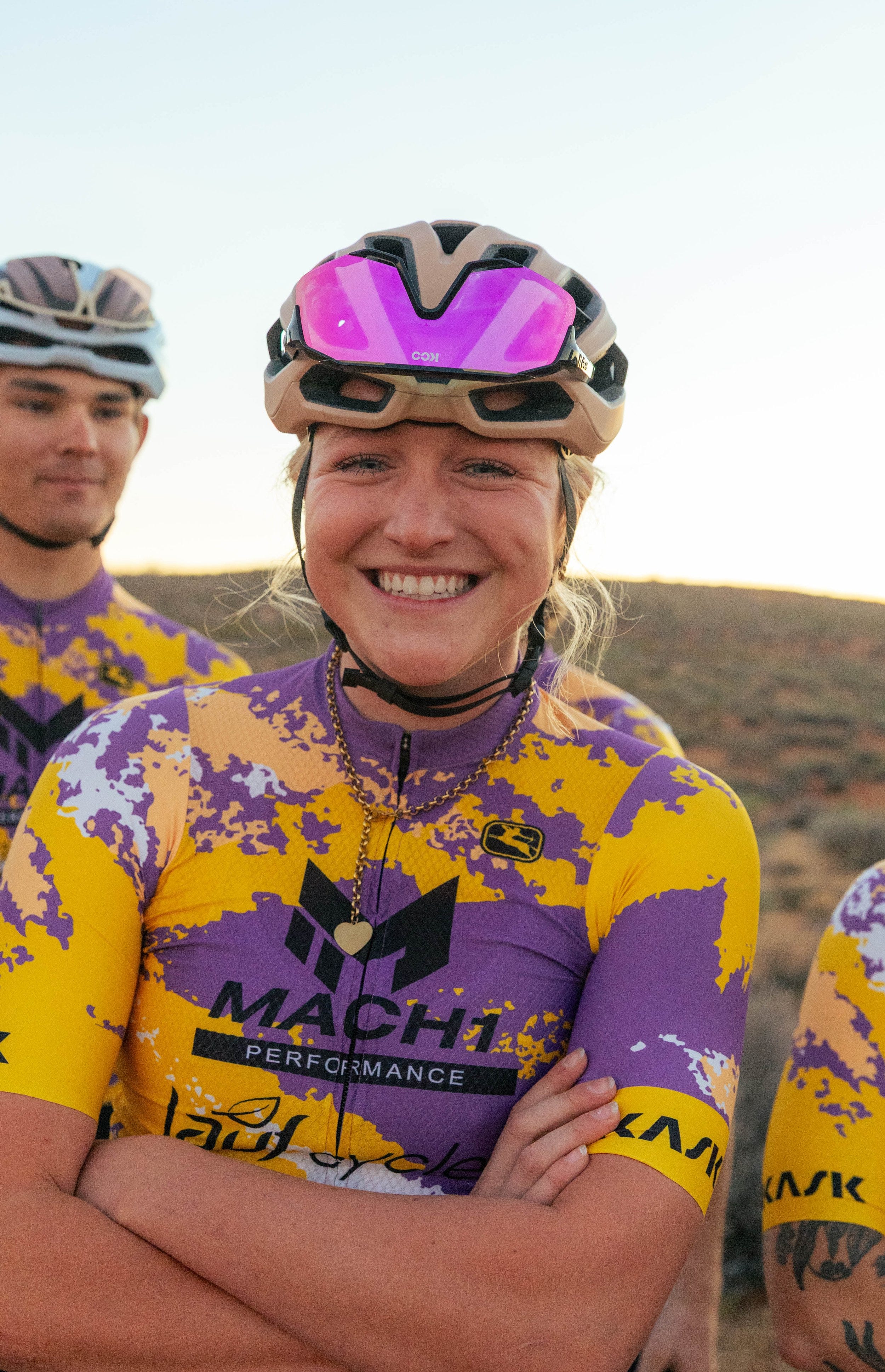
Age: 18
Home Base: Bentonville, Arkansas
Socials: @lily_zakaras
Bio: Lily’s current focus is fully on gravel and mountain biking, where she’s earned top finishes at Unbound Gravel, Lauf Gravel Worlds, and Big Sugar Gravel. Lily is passionate about cooking and performance nutrition. She hopes to support Mach1 Devo by helping fuel the team—creating nourishing pre- and post-ride meals and ride fuel that help athletes perform at their best.
My favorite moment with Lily was watching her perform her “Walmart version” of Trek Driftless Unbound bike check.
Zane Koogler
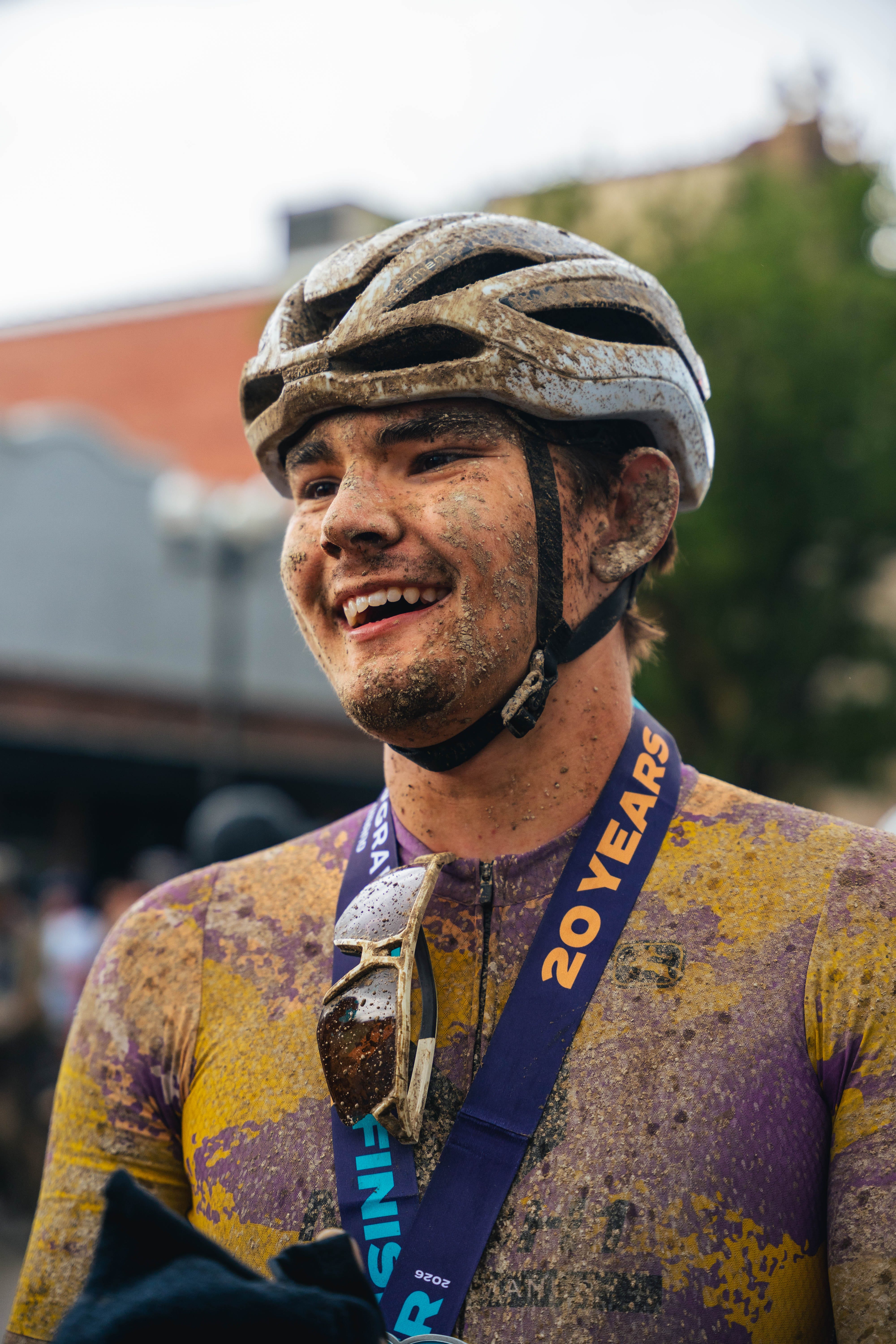
Age: 19
Home Base: Phoenix, Arizona
Socials: @zanekoogler
Bio: Zane calls Arizona home, and where he grew up racing bikes before discovering his passion for long-distance endurance racing two years ago. Since then, he’s leaned fully into the longer efforts, lining up at events like Unbound 200 and continuing to chase the kind of races that demand grit, patience, and smart strategy. Zane also brings years of technical experience from working at his local bike shop and acts as the team’s de facto mechanic.
Zane has a knack for telling stories. Whether it’s selling bikes or talking about the TSA confiscating his nutrition, you’ll be left laughing.
Brooke Darby
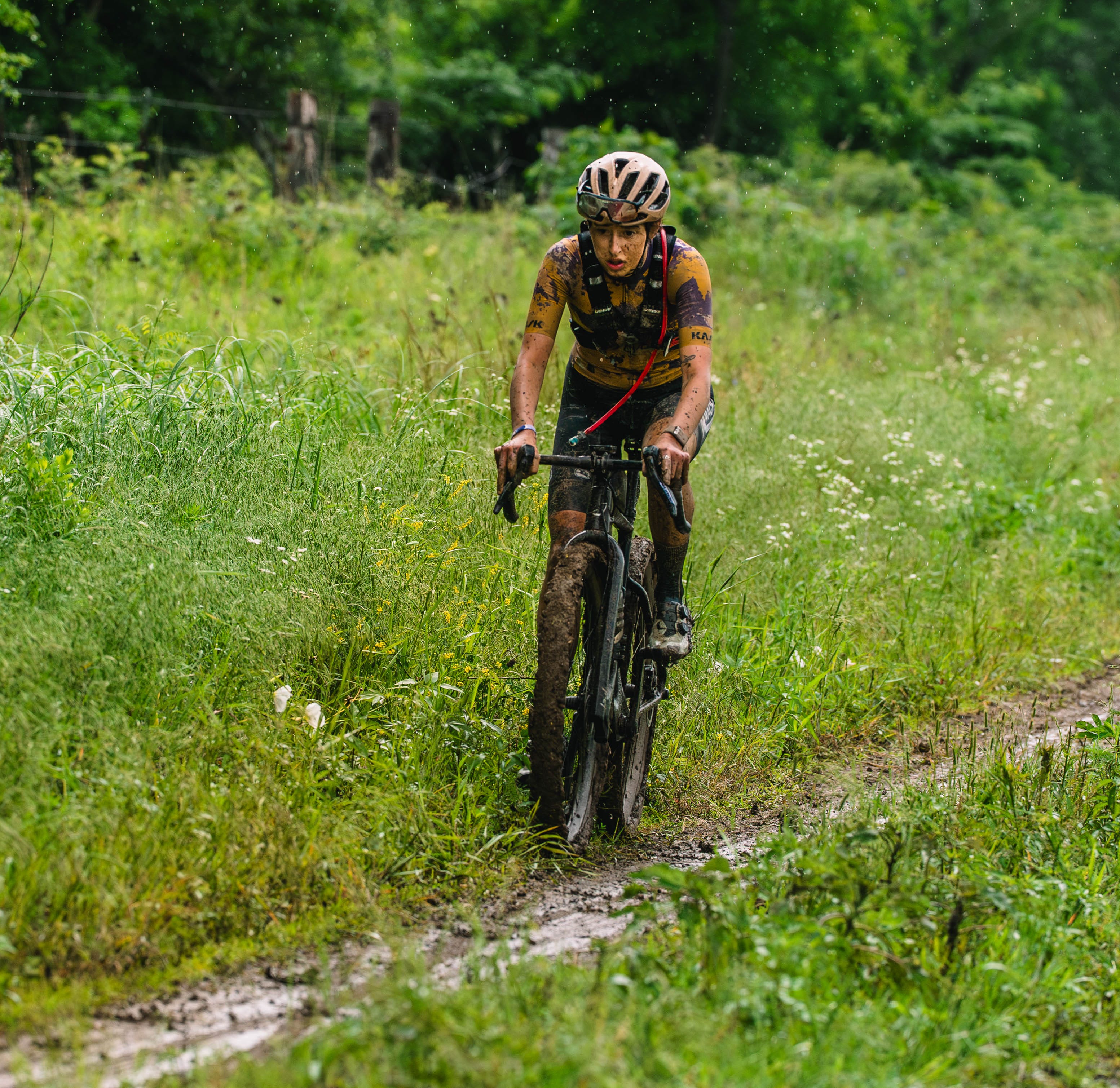
Age: 21
Home Base: Durango, Colorado
Socials: @brookeleannd
Bio: Brooke is an Asheville, North Carolina native who is now based in Durango, Colorado. After completing her prerequisites and lab coursework at Fort Lewis College, she is pursuing a degree in Nutrition. Brooke secured an outstanding top ten at Unbound and punched her ticket to the U23 Life Time Grand Prix.
Brooke has a contagious energy, even when she is scooping mud off her bike on a minimum maintenance road. She is a relative newcomer to cycling, only starting a few years ago once she started attending Fort Lewis College! Does that awesome story sound familiar?
Roston Nordell
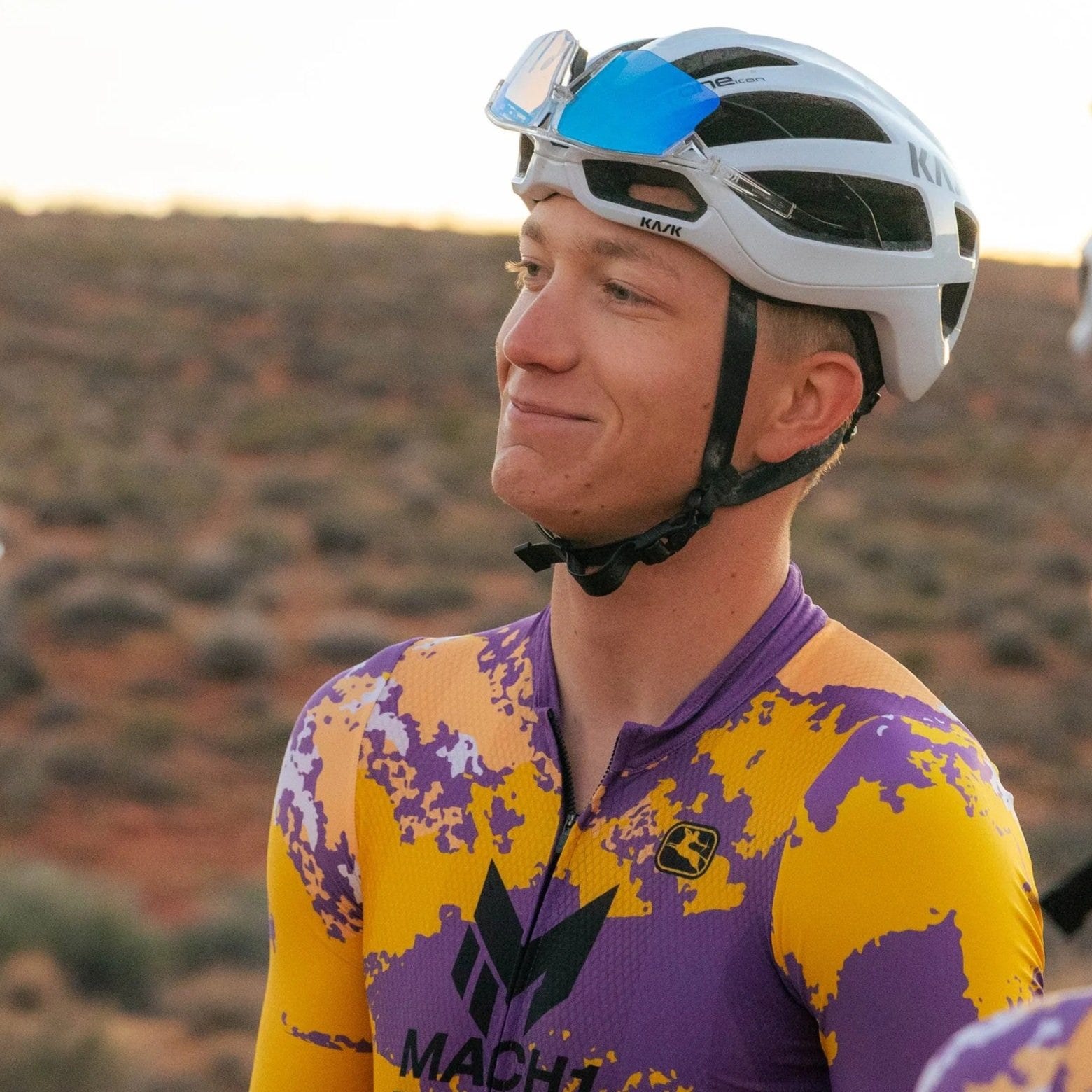
Age: 20
Home Base: Manti, Utah
Socials: @rostonnordell
Bio: Roston discovered his passion for cycling in 8th grade through NICA and has been fully committed ever since. Over the years, he’s transitioned into longer, more competitive events, steadily pushing his limits and chasing bigger challenges like the U23 Lifetime Grand Prix. Roston is a talented ultra endurance athlete and has his sights set on winning 24 Hours of the Old Pueblo solo and attempting seven Everests in seven days.
Roston is a true teammate. The entire time I was with Mach1, Roston was always discussing strategies, equipment, nutrition, etc. with his teammates. He’s a smart racer and will be a rider to watch.
Julia Allred
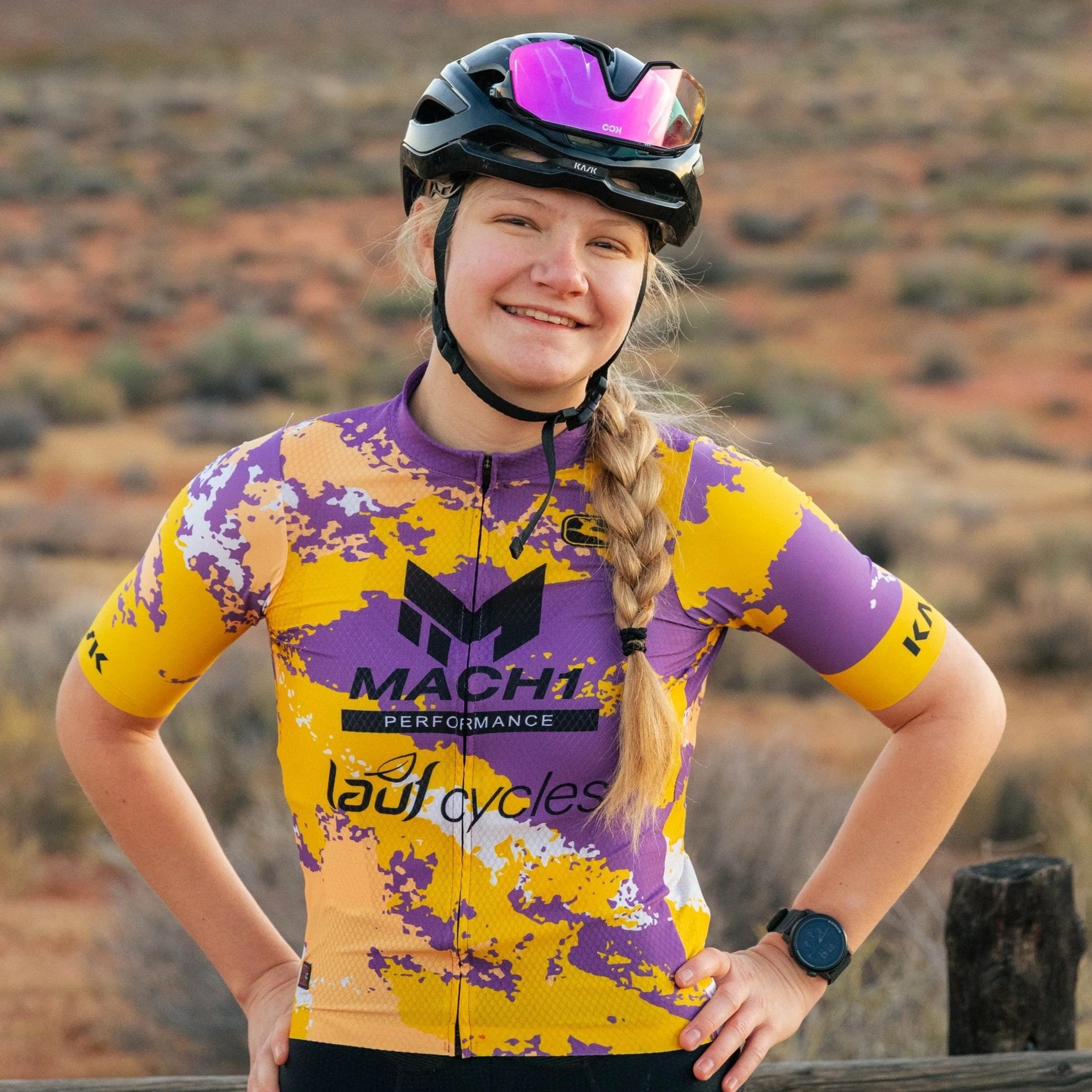
Age: 20
Home Base: Salt Lake City, Utah
Socials: @juliaallredbikes
Bio: Julia Allred has been mountain biking since age eight, inspired by her mom and older sister and a lifelong love for the outdoors. After discovering a passion for long-distance racing, Julia podiumed at her first 50-mile MTB race in 2022 and placed 10th at the NICA Utah State Varsity Girls race in 2023. She has since continued racing marathon MTB events and fallen in love with gravel racing.
I haven’t had a chance to meet Julia yet, but I can’t wait to catch her the next time I’m with the Mach1 crew.
Miles Baker
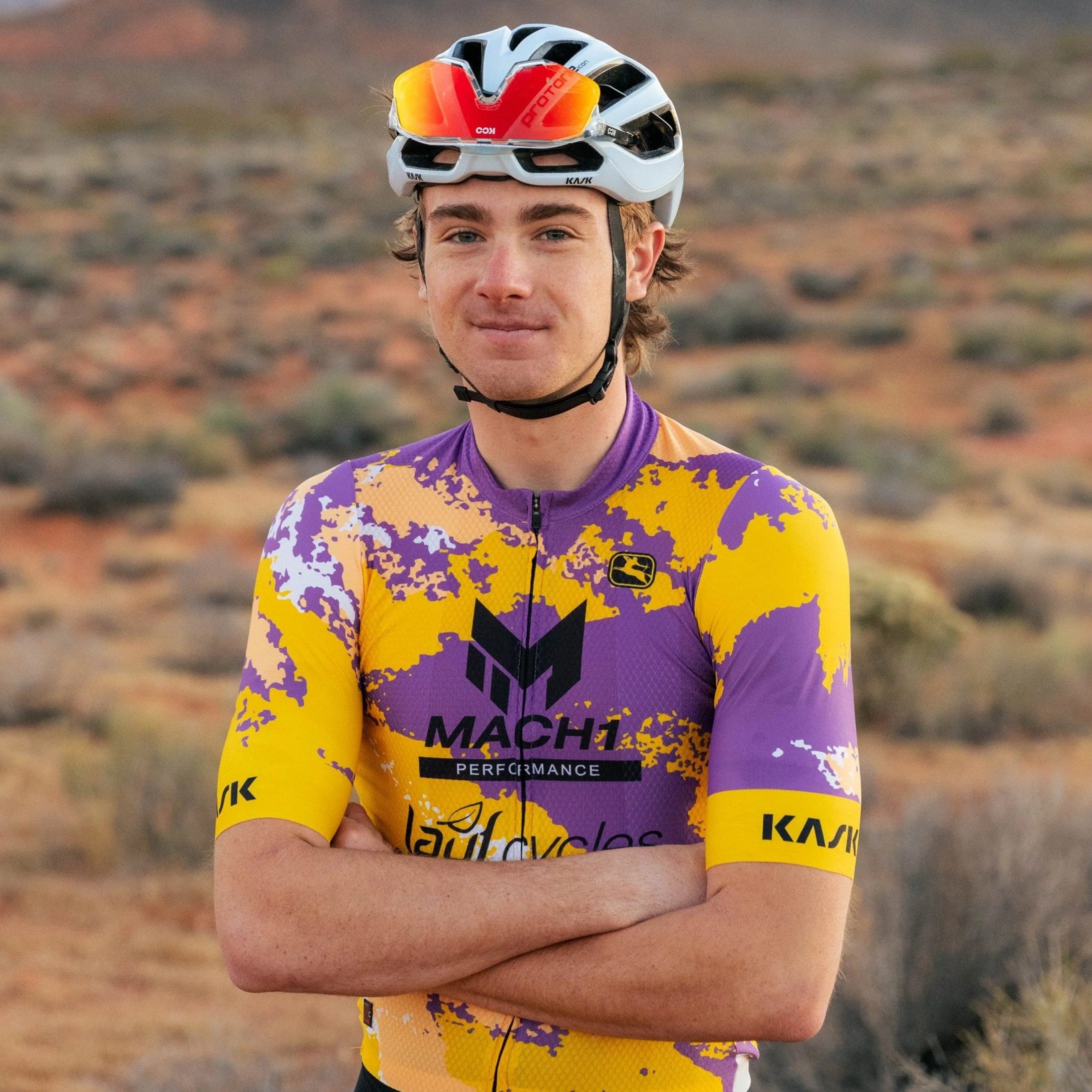
Age: 19
Home Base: Salt Lake City, Utah
Socials: @miles_baker_bikes
Bio: Miles began riding at age six thanks to his dad and found his passion for racing after joining his high school team at thirteen. Coming from a mountain bike background, Miles is drawn to long, technical gravel and MTB races with plenty of climbing, but he’s also grown to love the strategy and group dynamics of faster gravel events.
I also have not had the opportunity to meet Miles yet, but have heard so many great things!
Revisiting the team vibes
I have already made a point of this, but it is truly my biggest takeaway from time spent with the team. While in Emporia, I observed various living setups across teams, pro and U23 alike. A lot of teams do not lodge together, and even among the pro teams that do, it can feel like riders are more acquaintances than teammates.
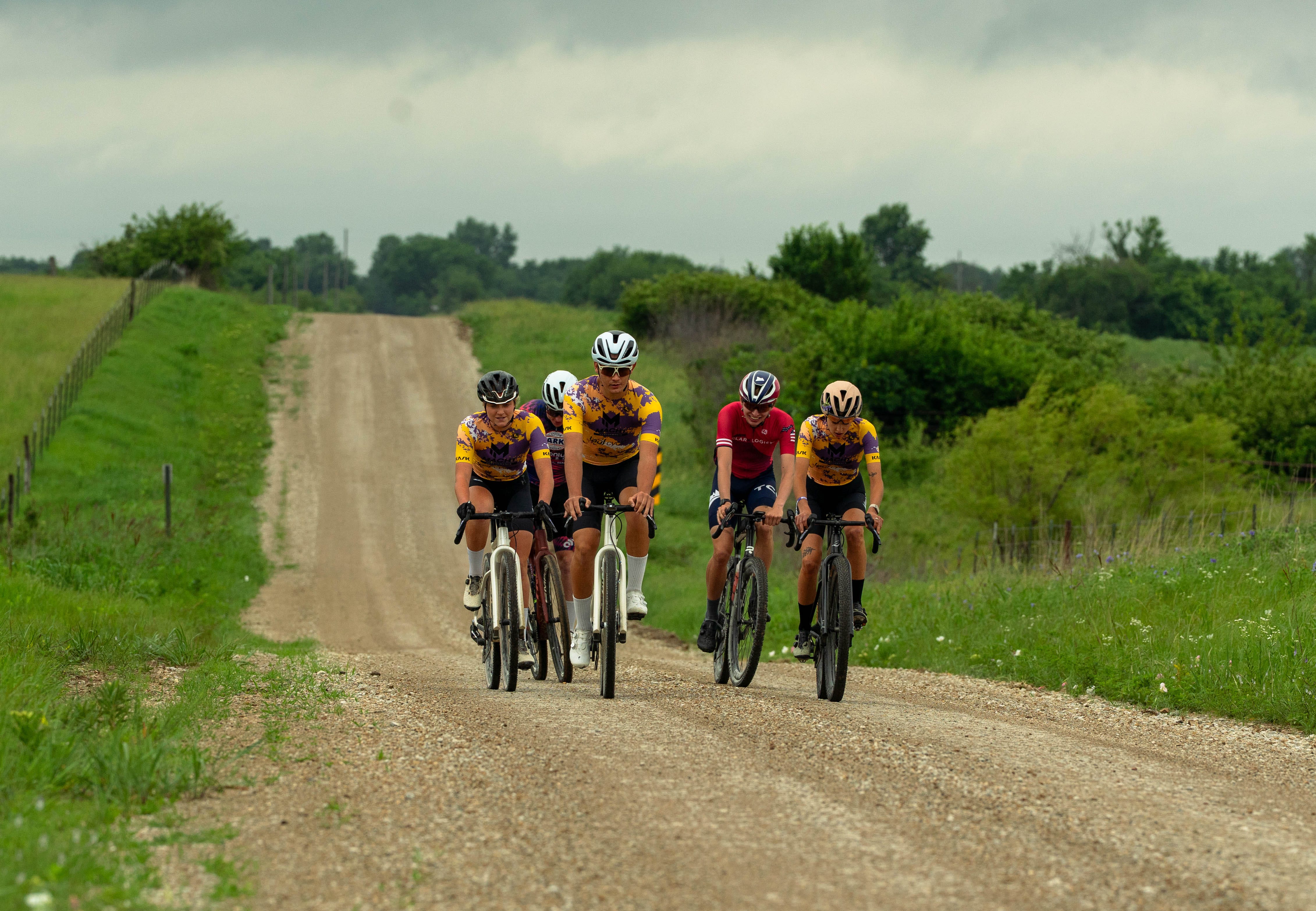
Mach1 was different. While riders had time to themselves, everyone legitimately enjoyed each other’s company, so there was always a good hang somewhere in the house. From cooking dinner and breakfast together to pre-riding the course as a group, Nina has fostered real friendships among her athletes. Even with a mudpocalypse looming on race day, there was no sense of nerves in the house. The athletes are undeniably professional, but I think the constant camaraderie leading into the race helped keep things loose.
This is the culture American cycling needs at the developmental level. You hear stories about how European teams operate like family, but you also hear plenty about those same teams harboring an unhealthy internal competition. Every Mach1 athlete is fiercely competitive, but not at the expense of their relationships with teammates. If this becomes the norm in American cycling, I think we will eventually have a strong developmental pipeline feeding the pro peloton. Who knows, maybe in twenty or thirty years Europeans will be coming to the US to develop.
Scrappy is how we win
Those of you who have followed my writing for a while know that I repeatedly come back to one idea: furthering cycling in America by embracing a scrappy, entrepreneurial spirit. We do not have to be restricted by tradition the way European programs are. We can pave our own way by bringing people together from inside and outside the sport.
Nina and Mach1 are a living example of what that spirit produces. Someone with no formal team management experience built a U23 program from scratch, and two years in, has multiple riders competing for wins in America’s premier off-road series. The scrappiness makes for great sponsorship storytelling and genuine fan investment. It is anything but easy, but as my friend Andrew Vontz says, “hard things build stronger people who have more fun.”
Mach1 is taking the hard, scrappy road and having a hell of a lot of fun doing it. Let’s learn from them and build something together.
In other news
Zwift unveils new talent identification program
Yesterday, Zwift announced a youth talent identification program aimed at scouting the next generation of American riders. Their goal is to identify the next American winner of the Tour de France, male or female. I wrote an entire article about Zwift’s opportunity to change collegiate cycling, and while this is not that, I am beyond excited to see a company invest real effort into American development. I am also glad to know I am not just talking out of the side of my neck when I pitch these ideas.
Sarah Sturm’s Reroute project is valuable
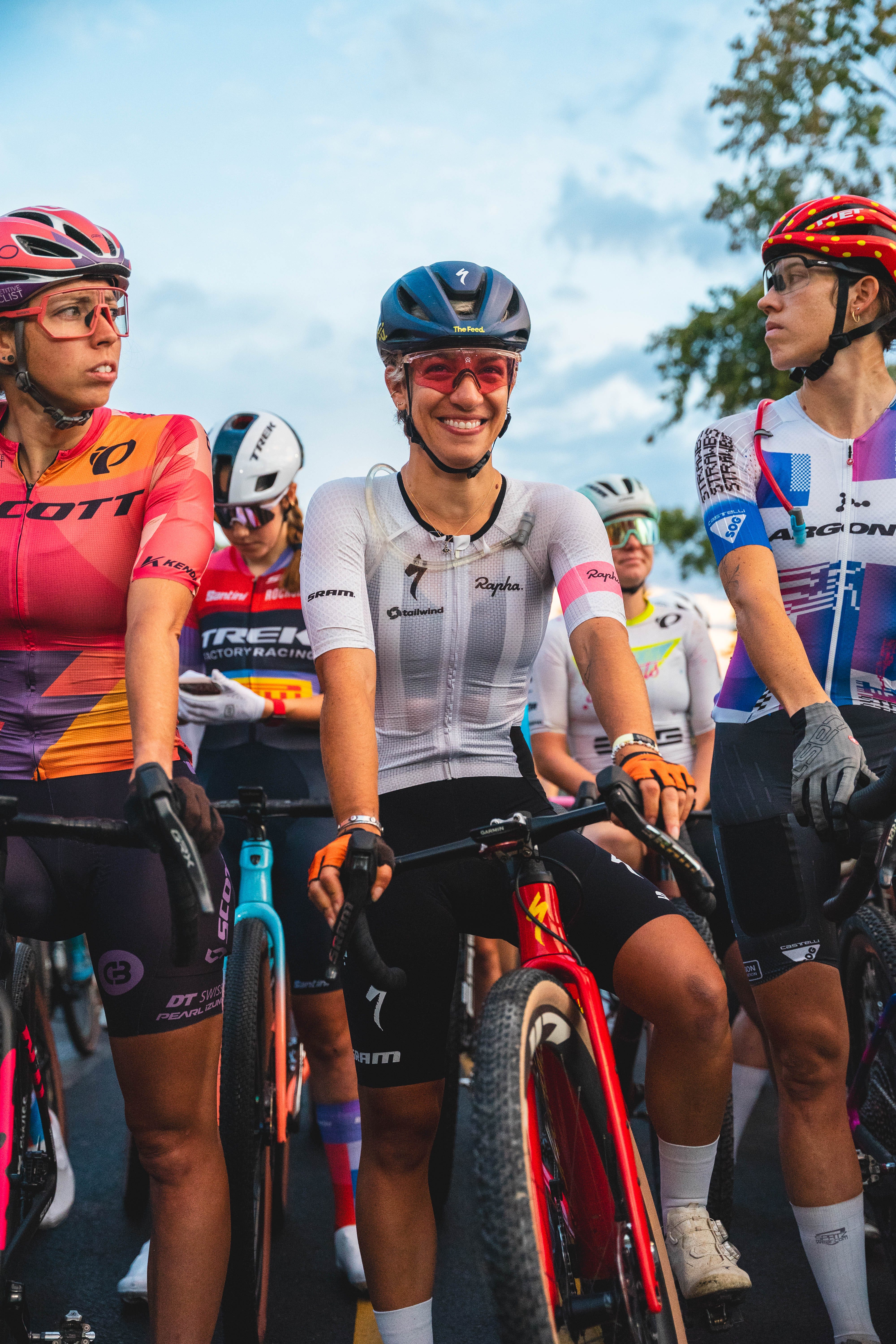
Previous guest Sarah Sturm is releasing Reroute, a video series documenting her pregnancy journey as a professional athlete. Pregnancy among pro riders is a subject that deserves more attention, and Sarah has led the charge this year. She helped Life Time implement a maternity policy for the Grand Prix, and now she is creating a space for riders to either see what pregnancy could look like for them or find solidarity while navigating their own. Long story short, Sarah is a rockstar.
Ride and rip,
Kyle Dawes
Wow - what an inspiring team-the storytelling of the U23's is the future. Quite literally!