



In 2024, endurance events grew an average of 8.2%, with participation rising 5%-10% across the board. The industry grew significantly, but that growth didn’t necessarily translate into loyalty. Only 17% of 2023 participants returned to the same event in 2024. A booming industry with a retention issue presents some clear opportunities like: engaging new participants, enhancing the race experience, and equipping organizers with the tools to curate events that drive repeat participation.
I recently came across Movemint, a platform reshaping endurance events from conception to post-race. Founded by Zack Isaacs, the product gives organizers the tools to earn more, deliver better athlete experiences, and save valuable time. But to see why it matters, you first need to understand how endurance events have historically been run, and where today’s model falls short.
Latent tech for a booming industry
Several platforms offer event organizers basic registration and management tools, but the technology has largely remained unchanged for years. While current solutions make it easier to handle signups and logistics, they do little to create lasting value for organizers or engage more participants.
The lack of innovation stems from the market being historically dominated by just a few industry giants, and as Zack highlighted, these incumbents have allocated most of their resources to sales and support teams. The consequence has been broad adoption of the solutions at the cost of slow product advancement, as fewer resources are invested in the core platform itself. Growth is important, but innovation is required to sustain it.
With major providers lacking innovation, the status quo has been set and accepted, leaving the door wide open for innovators like Movemint to better empower both organizers and athletes.
Building Movemint
Zack founded Movemint in 2023, and he has recruited a team that is deeply committed to growing global participation in endurance events. From a product perspective, few people are more qualified than Zack to improve the event experience for athletes and organizers. Zack was Strava’s first API hire, and responsible for some of the platform’s most impactful features that are now used by 120 million users globally.

After nearly nine years at Strava, Zack is bringing that expertise to Movemint, aiming to make it as essential to endurance sports as Strava. Backed by a team where two-thirds held senior roles at Strava, and with experience spanning Salesforce, Snap, and Electronic Arts, Zack isn’t building the future of event organization alone.

Movemint’s personnel strengths don’t stop there. Several notable investors have backed the company’s product and vision, including:
Strava Co-Founder, Michael Horvath
Underscore VC — lead by Partner, Brian Devaney
Fitt Capital
Green D Ventures
To date, Movemint has supported thousands of events around the world and millions of dollars in registrations, merchandise, and donations. With those numbers growing by the day, how is Movemint’s beating out competitors and becoming the preferred experience among organizers and athletes?
Movemint for events
Anyone who has participated in a marathon, bike race, or triathlon will have seen the efforts that go into organizing a successful event. From volunteers to time keeping to sponsorships, managing an event is far more complex than simply organizing registration. That’s why Zack and his team don’t think of Movemint as just a registration platform. Their goal is to transform endurance events by providing organizers with everything they need, all in one powerful platform.
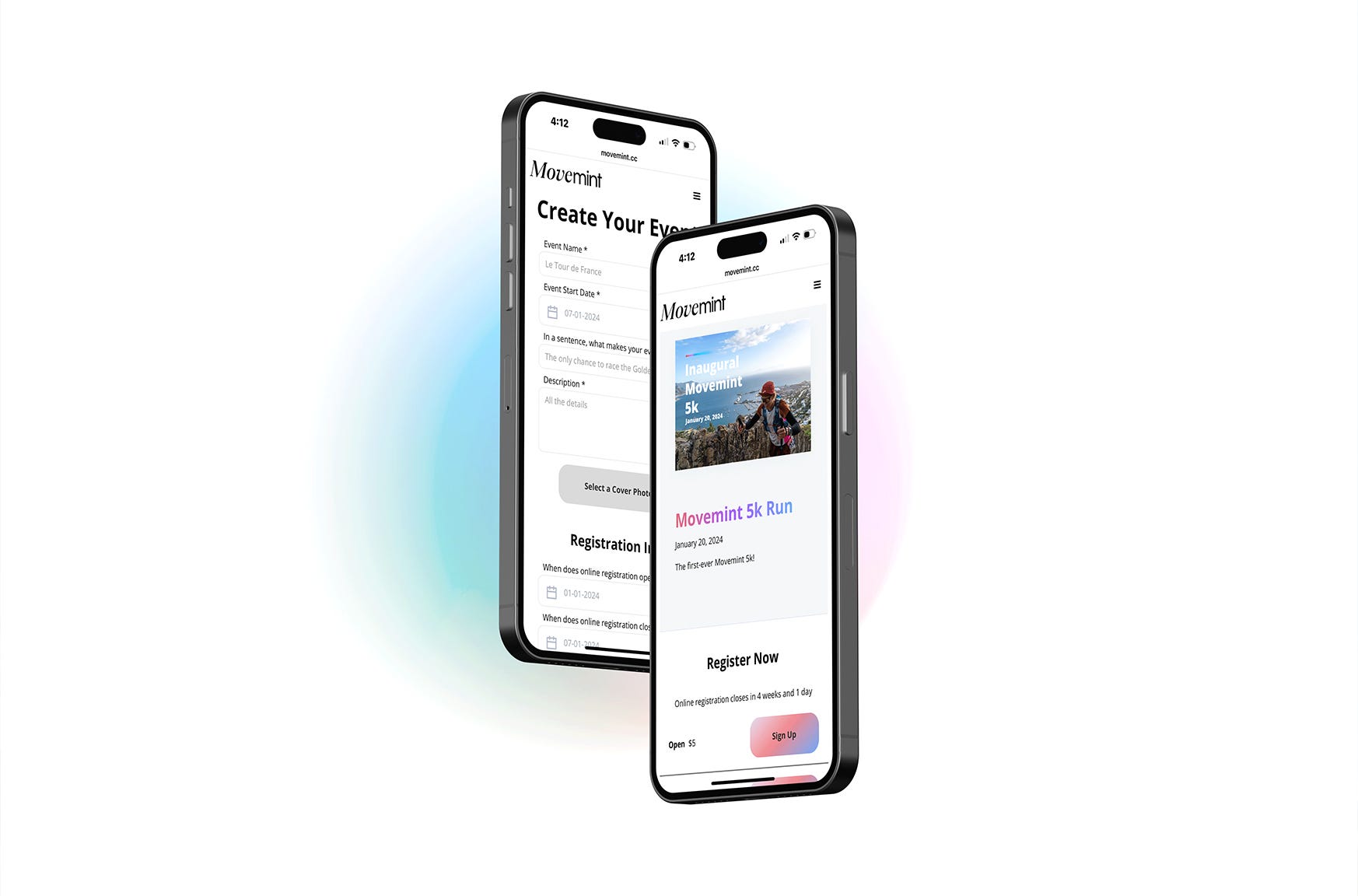
As a first step, Movemint removes the inertia of starting an event. The platform is completely free for any event, generating revenue only through low processing fees on paid checkouts. The result has been organizers spending less time behind a screen and more time raising funds and awareness for their events.
Out of the box, event organizers will be provided with:
An event page
Registration and checkout
Customizable sub-events
Integrated e-commerce and fundraising
Communication tools
Powerful integrations
These are relatively common features among registration platforms, but Zack elaborated on how Movemint goes even further by saying:
“Yes, we do registrations, and we think our platform is the easiest to use. But what really sets us apart is the event lifecycle. Organizers always need things like timers, cancellation insurance, sponsors, port-a-potties, and more signups. Most platforms don’t help organizers make more money and save time. We do.”
This support is made possible by Movemint’s focus on product development and a clear roadmap. By investing in an all-star engineering team, the company has gained a competitive edge through high-impact integrations.
Investing in technology
Possibly Movemint’s biggest value add to organizers lies in its ability to generate organic signups and streamline event logistics through direct integrations. These integrations are designed not just for convenience, but to help organizers capitalize on the high level of intent and spending associated with endurance events.
Strava
With the teams’ collective experience at Strava, it’s no surprise that Movemint leverages the premier fitness app to expand an event’s reach and engage more athletes. The Strava integration acts as a powerful marketing tool, generating organic event signups. When someone uses Movemint to register for an event, they can link their Strava account and then use it to:
Show their followers that they signed up for an event
Share their training progress for that event on future activities
Celebrate their completion of the event
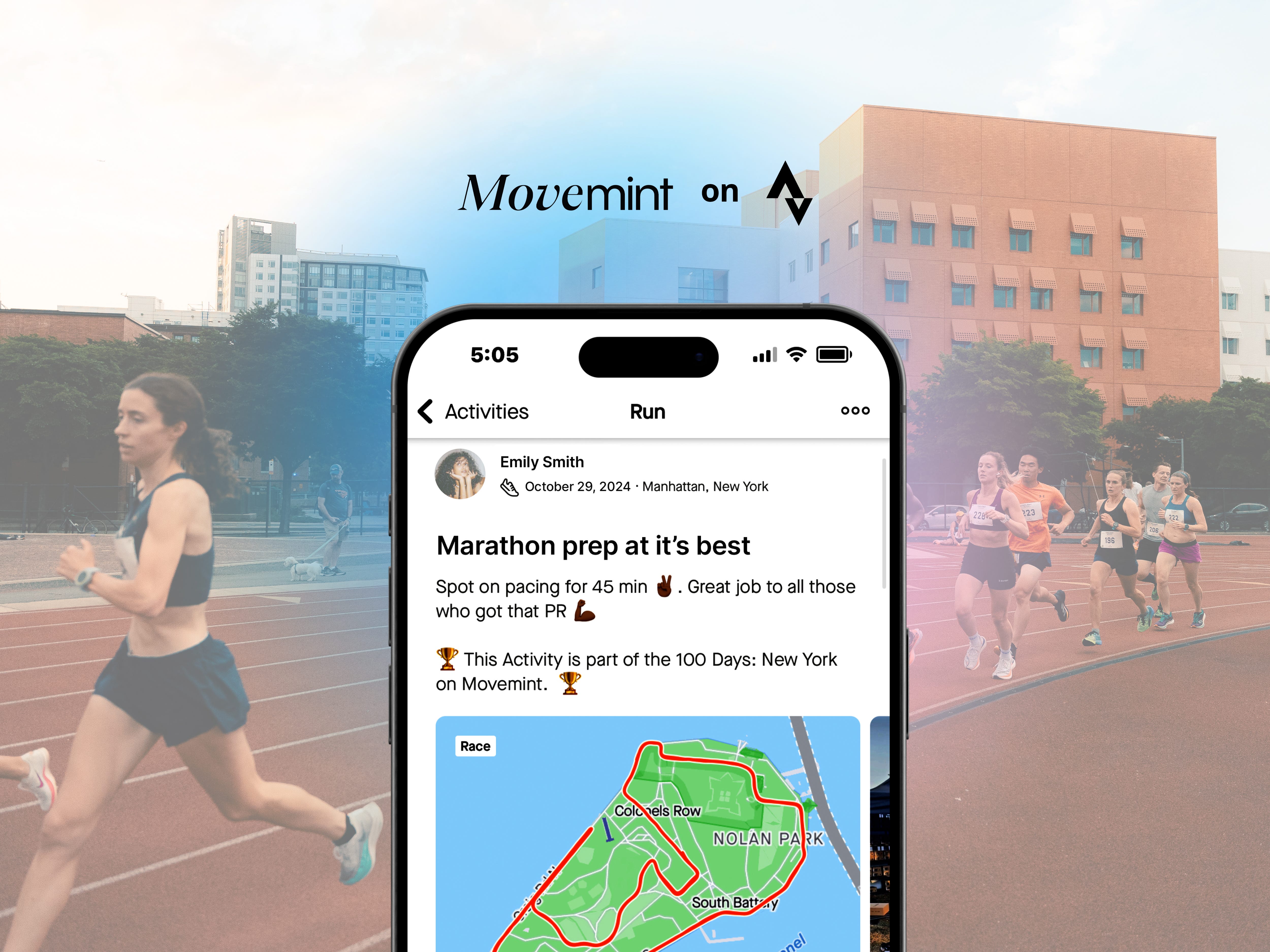
While the integration helps athletes stay accountable to their training, it also engages their followers, who can track their journey in real time. When someone becomes invested in a friend’s progress, they may be inspired to register for the event themselves.
Meta
Soon to be available for all events, Movemint has added a Meta integration and is allowing organizers to reinvest registration dollars back into advertising. Events who have used the beta are already seeing a spike in ad spend return compared to their previous marketing tools and strategies.
The ability to successfully market an event has become a key differentiator for Movemint and a massive unlock for new and seasoned event organizers alike. Zack explained that “organizers all know that they should be utilizing marketing content and advertising, but they might not know where to start and it’s very intimidating. But when you set up an event on Movemint, you tell us everything we need to know in order to run a great ad.”
With the integration already delivering outsized ad-spend returns for organizers, Zack is eager to create integrations with other ad platforms as well. He even sees a future where Movemint can help organizers coordinate press and connect with journalists.
The full suite of offerings
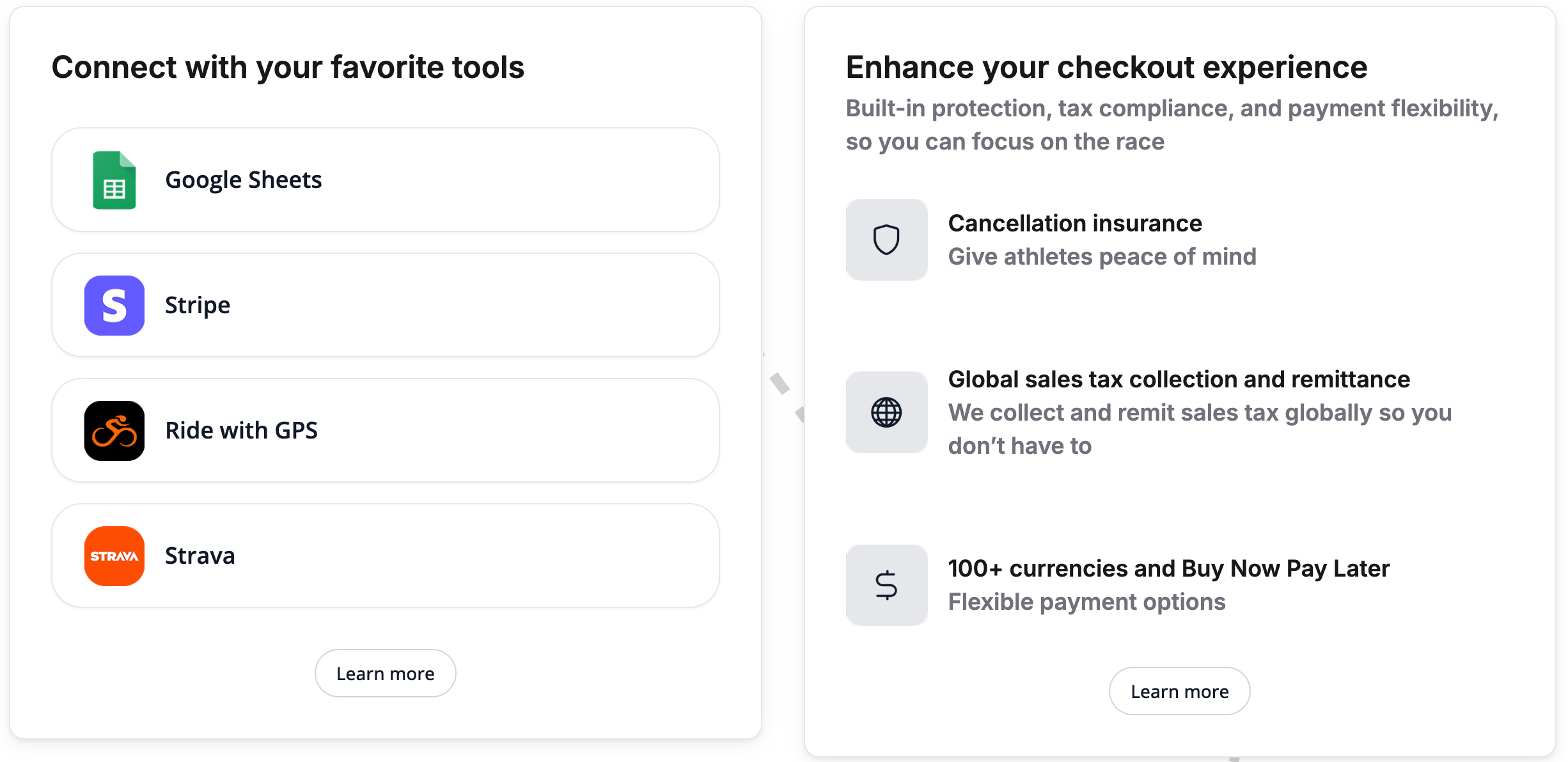
Some of Movemint’s other powerful capabilities include event cancellation insurance, integrations with timing systems for instant results, and Stripe-powered payment processing for fast, seamless transactions.
Together, the full host of features position Movemint as a true full-service platform for organizers. The impact will go beyond stronger financial returns and increased engagement for events. Zack and his team are creating infrastructure to support the next wave of growth in endurance sports.
Beyond races
Movemint was designed with endurance events being the primary focus, but the team is also finding new ways to support athletic communities. In my conversation with Zack, he shared three non-race settings where Movemint is empowering organizers.
Corporate functions
Activity-centered groups and clubs
Brand activations
Companies
Corporations often host large events and conferences, and Movemint is fully capable of supporting them. In a full-circle moment, Zack shared that Strava recently became a customer, using the platform to host its developer conference. Movemint is providing infrastructure to professional events of any size while delivering valuable insights at no cost to the organizer.
Groups and clubs
Movemint also serves organizers of free events. Based in San Francisco, the Movemint team is immersed in run clubs, group rides, and other community events, so they are personally invested in providing a product that can grow these communities. Providing features like liability waivers, integrated e-commerce for club kits, and Strava activity linking have made the platform a natural fit for clubs and groups.

Brand activations
Zack noted a growing trend in endurance sports: brands leaning into activations as a way to connect with athletes.
“There are so many brands in both running and cycling, and it’s becoming harder to differentiate with just equipment or apparel. More brands are hosting or sponsoring events, trying to make themselves the center of the community.”
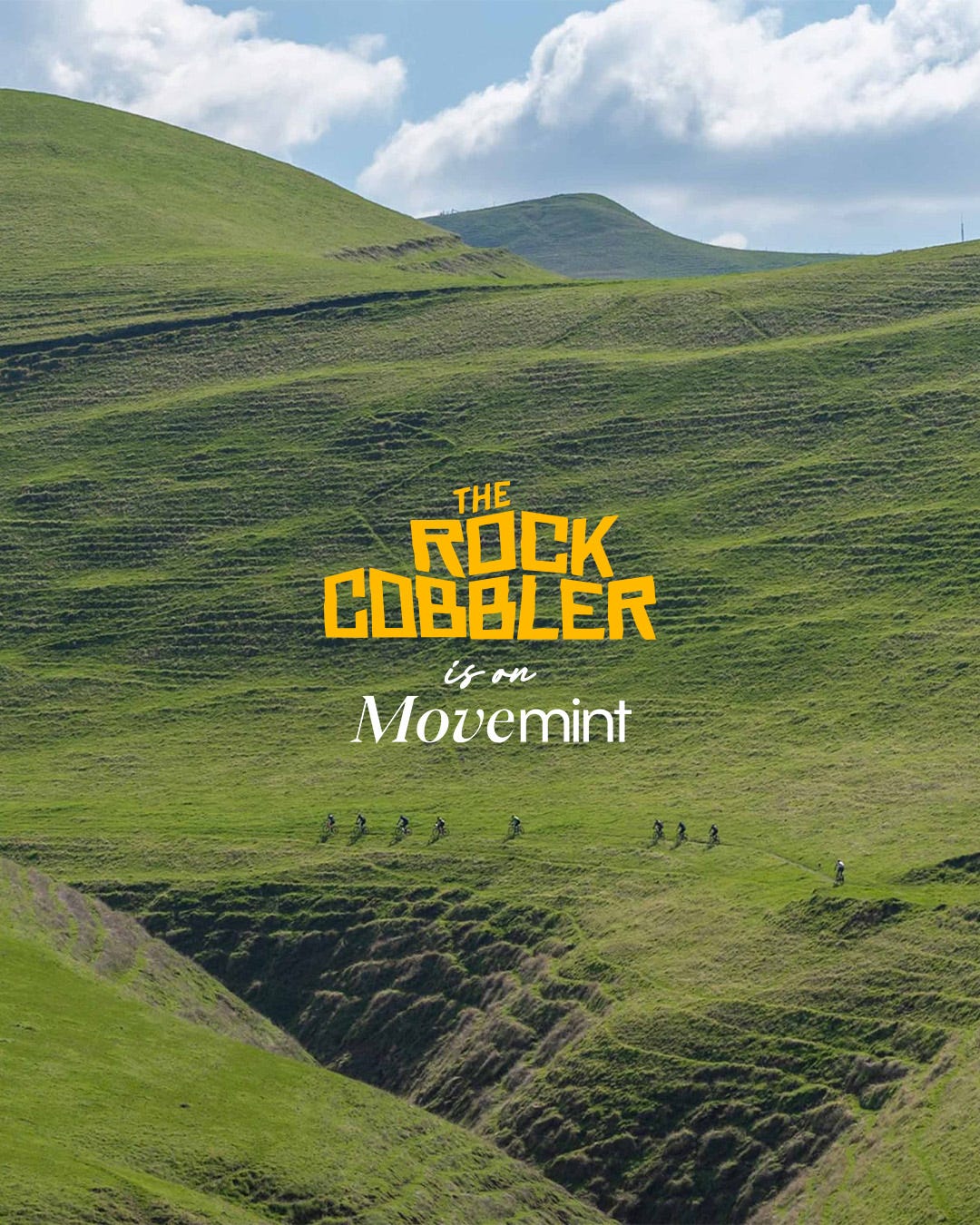
With its flexible infrastructure, Movemint is helping power these activations. Recent examples include supporting a bike company’s demo tours and assisting a major hydration pack manufacturer with a community activation.
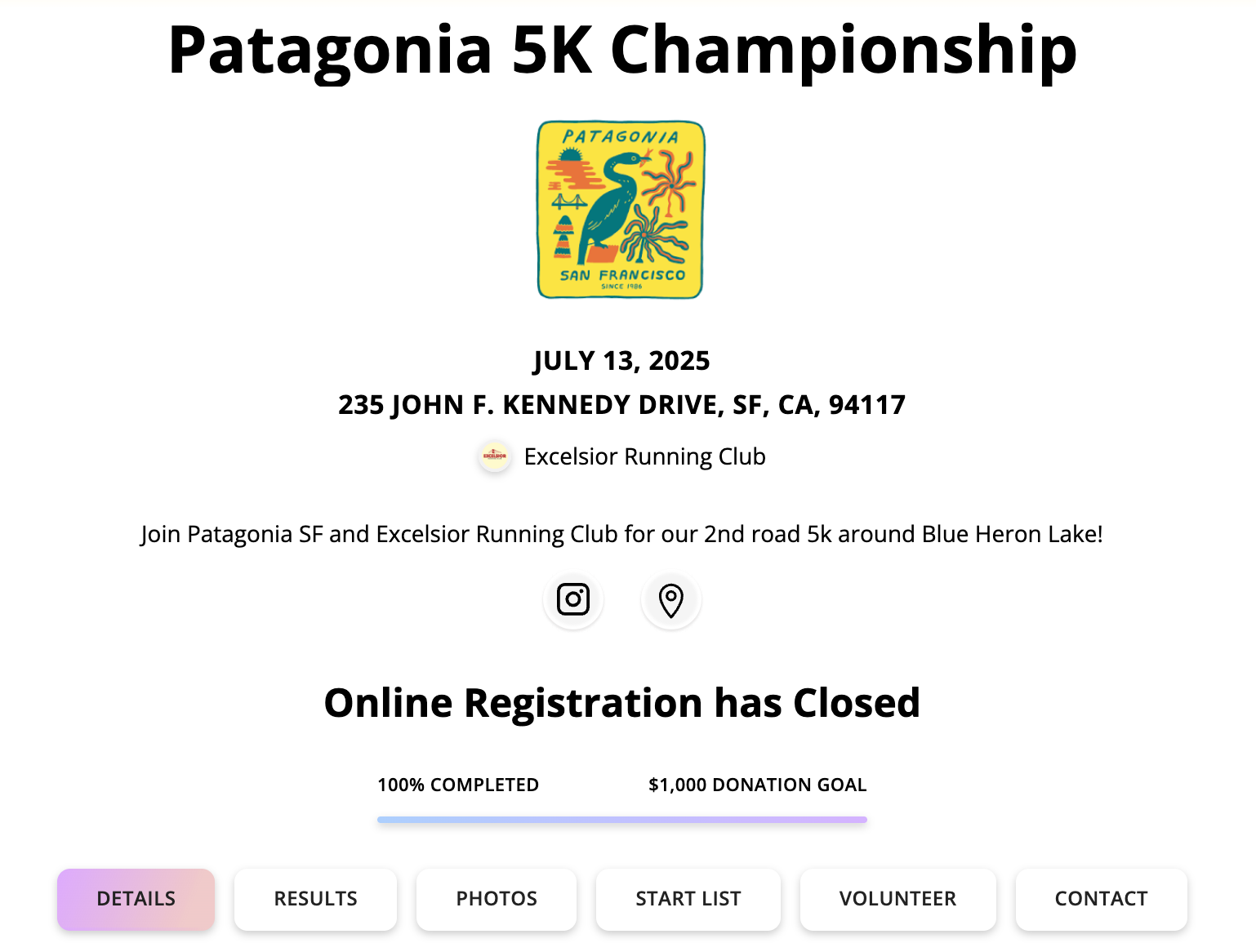
While endurance events remain Movemint’s bread-and-butter, its potential to expand into other market segments remains wide open. As with most startups, things are moving fast at Movemint, so I used my time with Zack to learn more about the company’s product roadmap and growth objectives.
Insights from Zack Isaacs
As I prepared questions for Zack, my entrepreneurial mind started to wander. With my background and passion for endurance sports, I couldn’t help but think of features Movemint could develop to change how athletes experience events and how organizers optimize them for maximum participation. I shaped my questions with those ideas in mind, and Zack’s answers point to an exciting future for Movemint.
Current trends… Yes, AI leads the way
Wanting to understand how Zack views the market landscape, I began by asking him what trends he was seeing within the industry. The first trend Zack identified was one we’ve already covered, brands increasingly using events to differentiate, but the other was AI.
You’re probably thinking, AI and endurance events? Really? Zack knows that’s the first reaction most people have.
In today’s world, SaaS startups raising capital can count on being asked about AI. But while many platforms in his space settle for run-of-the-mill chatbots, Zack sees AI as more than a box to check for investors. He’s approaching AI rollout carefully, understanding that endurance events will always thrive off the magic of a community doing an event together.
Where Zack currently sees AI’s potential to benefit Movemint:
Streamlining internal operations
With their deep engineering expertise, Zack and his team leverage AI heavily in development, allowing them to build faster than competitors.
Eliminating repetitive communications for organizers
Thinking about organizers, Zack says things get interesting because “there’s a ton of repetitive communication that happens between organizers and participants — like what time does packet pickup start, where do I park, what’s the refund policy. AI can handle 80% of that.”
Assisting events with marketing efforts
Zack believes AI has the potential to help “organizers be better marketers. AI is really good at helping with ad copy, writing emails, and suggesting campaigns.”
“Our philosophy is less about replacing humans, and more about taking the repetitive stuff off their [the organizer’s] plate so they can focus on the experience.”
Facing challenges
From my experience working at a SaaS startup, I had a hunch that Movemint’s biggest challenge would be convincing events to churn from their current solution. That hunch turned out to be correct.
“Every organizer already has a registration provider. We’re not creating a brand-new market, we’re trying to do it better. With new organizers we win a lot, but convincing larger, established events to switch is tough.”
Switching from one software platform to another can be costly. Beyond the sticker price, buyers can face financial impacts from the time it takes to transfer data, learn a new system, and start using it effectively to maximize ROI. since Movemint is free to use, do these other costs still apply?

Movemint’s strongest tool against switching costs is its ability to save organizers time at every stage of an event while helping them generate more revenue. By centralizing operations in a single platform, organizers will save significantly more time than it takes to implement Movemint.
With Zack already seeing organizers achieve outsized returns on Movemint-powered marketing campaigns, successfully eliminating concerns around switching costs should only become easier over time.
“In the long run, the best product wins. Partnerships and marketing get you at-bats, but if the product isn’t excellent, you don’t stay in the game.”
Growing Movemint
Features like the Strava integration are already creating powerful network effects, fueling Movemint’s growth among athletes, and the same momentum is taking hold with organizers.
“Organizers are siloed, but they all race each other’s events. So when a big event like Grasshopper Adventure Series uses Movemint, it builds credibility. Other organizers see it, experience it as athletes, and then get curious. It’s like when Sequoia invests in a company, suddenly everyone else takes notice.”
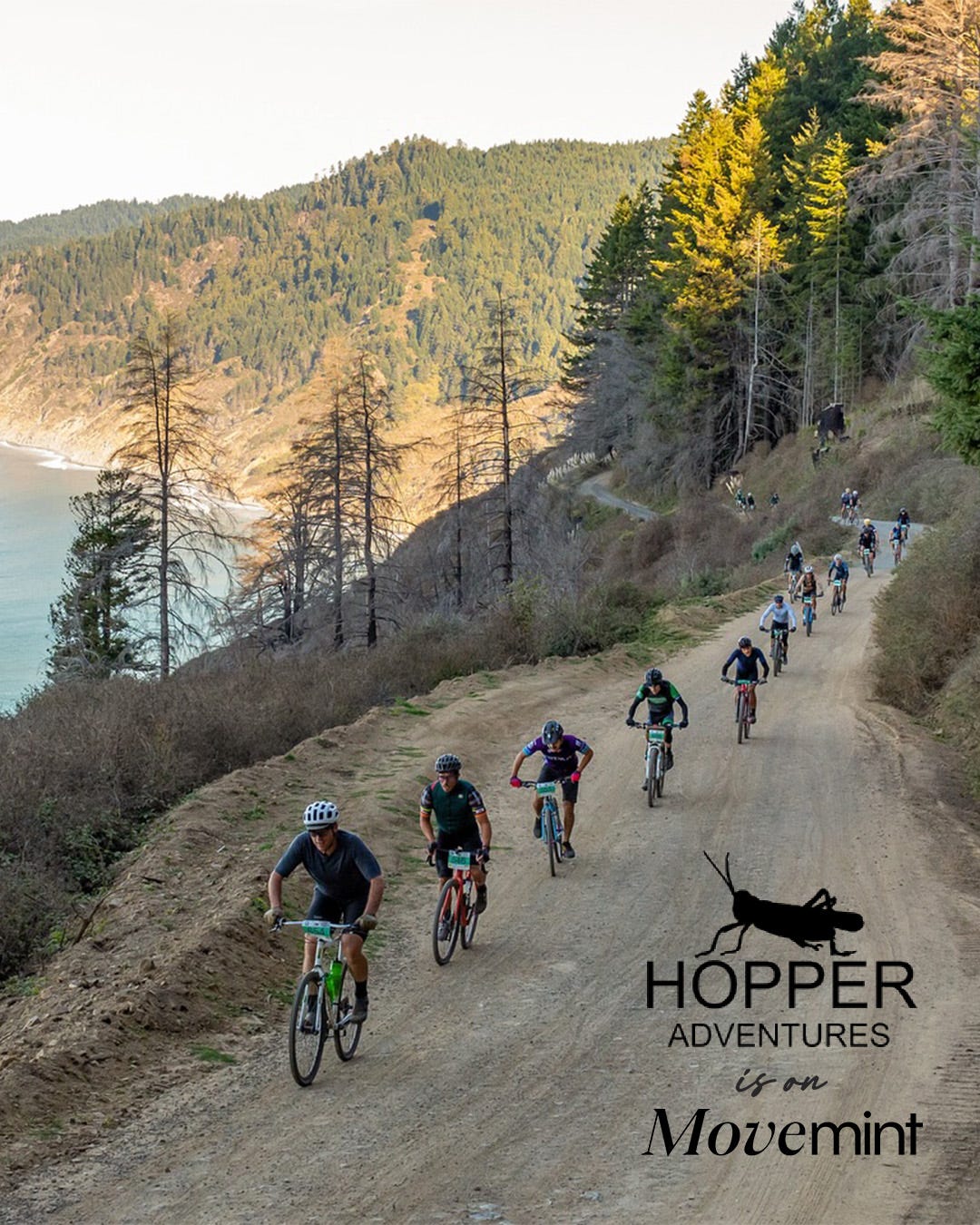
As long as Movemint continues improving event experiences, the close-knit nature of endurance communities will help drive growth organically.
Scaling Movemint
With the possibility of rapid growth, startups need to properly allocate resources that will sustain their ability to innovate. With some competitors dedicating two-thirds of their workforce to sales functions, Zack wants to do the opposite.
“I want Movemint to be two-thirds product. Our approach is to invest in making the product so simple and self-serve that support doesn’t become a bottleneck.”
The intangibles
Zack and his team are building Movemint with the future in mind, setting themselves apart in the endurance space. I’m not a VC, but having interacted with many, it’s clear that Zack embodies many qualities investors look for in founders. Beyond capital, VCs provide guidance, insight, and resources that can shape a startup’s trajectory. With Movemint’s strong roster of investors and advisors, I wrapped up our conversation by asking Zack how he views and leverages the VC-founder relationship.
Zack first highlighted his relationship with Brian Devaney at Underscore VC, who Zack has known since his days at Strava.
“I feel like he has my best interests at heart. There are certain situations where founders and VCs are not aligned, and I’m not saying we're immune from that, but I really think that he believes in me and wants both me and Movemint to be successful. That means a lot.”
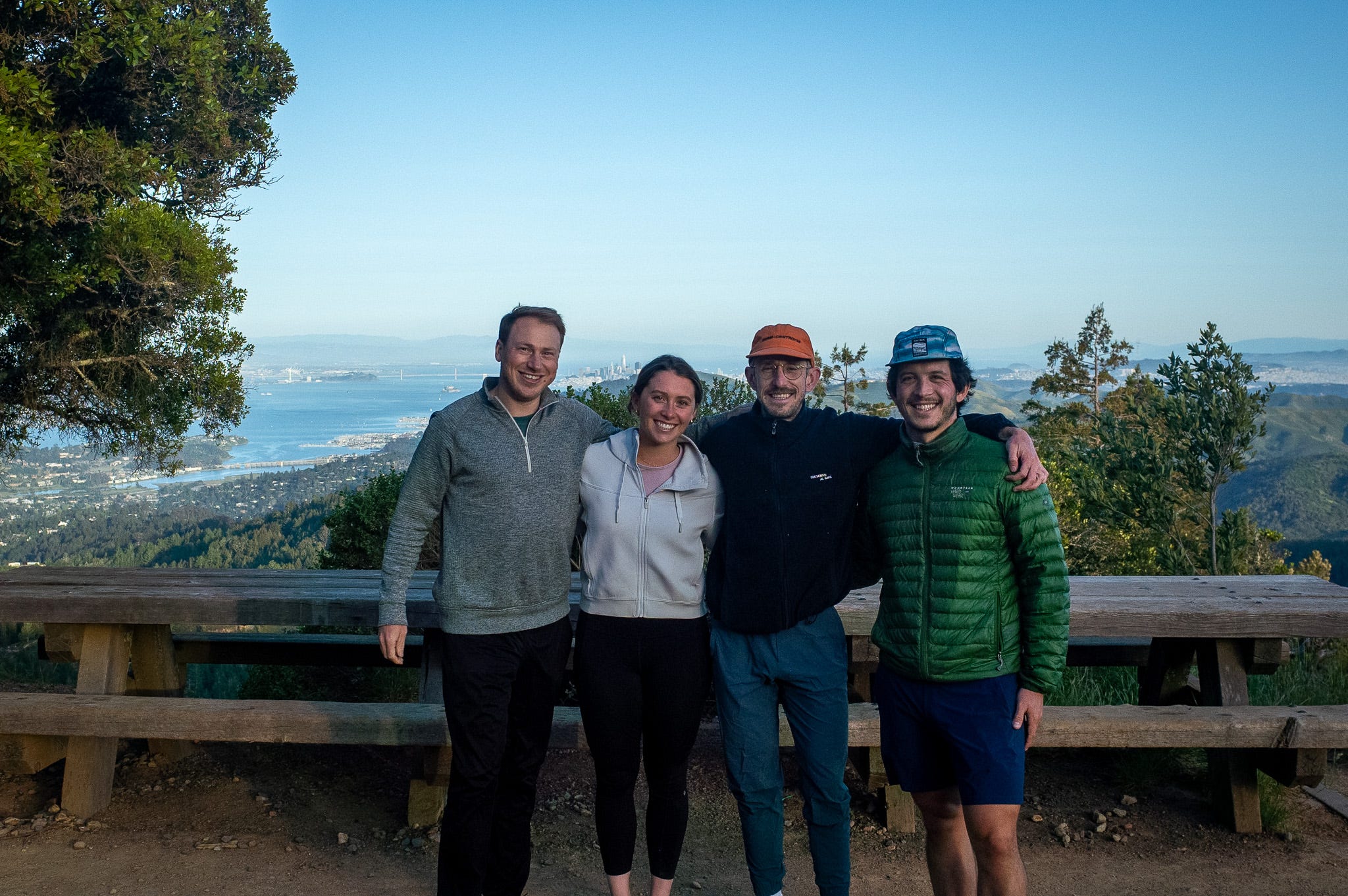
Having investors who genuinely believe in you, and are deeply invested in your success, is crucial, especially when inevitable challenges arise. Equally important are investors who provide guidance to help navigate and mitigate tough times. Strava Co-Founder Mike Horvath is one of those key advisors for Zack.
“I would say that the person who has had this single largest impact on me has been Michael Horvath. Michael participated in both of our rounds and is on our board. A large part of my fundraising and growth strategy is influenced by Michael's experience at Strava and the things that we both think could have been improved. We take a lot of lessons from Strava.”

Final thoughts

Movemint was on my radar before I even started Built on Bikes. Wanting to get more involved in cycling and endurance sports, I came across a small San Francisco–based team working out of the Ferry Building, quietly reshaping endurance events. Fast forward to my first article on Natascha den Ouden, and I received a message from Movemint’s Growth and Partnerships Manager, Ryan Hedum, regarding a potential collaboration.
Ever since then, I’ve had the chance to connect with the team, learn more about their mission, and rep their running hat any chance I get. This piece wasn’t paid for by Movemint—it’s simply the result of their passion for and engagement with endurance communities.
I’ve become a true believer in Movemint’s product, and I think Zack and his team are well positioned to set a new standard for event organization. Having now worked with them, it’s hard to imagine other platforms matching the same personal level of support that Movemint provides to organizers. If you register for or organize an endurance event through Movemint, you’ll quickly realize, it’s not just another event to Zack and the Movemint team.
If you want to learn more about Movemint, email Ryan - [email protected]
Ride and rip,
Kyle Dawes

Loved this! Lots of familiar faces and the behind-the-scenes exploration about product and scaling strategy was super fascinating!