


It’s time to get corporate again. Last week we took a detailed look at the sponsors of professional cycling teams with the intent of identifying opportunities for more modern, tech-forward companies to enter the sport. The thesis of that piece was that more venture-backed brands in the sport would bring more prosperity, and the data made a strong case for it. One key finding was that public companies do not necessarily present an ideal sponsor profile, since any decision to fund a sports team has to pass more scrutiny than at a private company where a founder can sign off at their own discretion.
That finding doesn’t mean public companies have less opportunity to affect endurance sports, and cycling specifically. Industries adjacent to cycling are booming, market dynamics are about to shift dramatically in the fitness tracking space. That market is on the cusp of having three major IPOs in the span of a year, with Ōura, Whoop, and Strava all positioning for entrances into the public markets. The numbers are undeniable: wearable technology and fitness tracking have exploded in popularity. But is this a real signal for the growth of endurance sports, and cycling in particular?
Endurance sport and fitness tracking are two fundamentally different industries, but they share a close relationship. There is no concrete evidence that companies like Ōura and Whoop are creating significant growth for cycling, so that is what we are going to explore in this article. What does the rise of wearable technology and fitness tracking mean for cycling, and is there a realistic opportunity for the sport to capitalize on the imminent market expansion, or has that ship already sailed? Alternatively, can endurance sports move these brands’ bottom line enough to make a tailored marketing strategy worth building during a period of hyper-growth driven by the mass consumer?
The big three
Ōura, Whoop, and Strava are all positioning for IPOs in the near future, albeit at different stages of the process. Last week Ōura publicly filed their Form S-1 with the SEC, signaling its intention of going public with a reported valuation of $16 billion. Ōura reported revenue of $1.21 billion for the nine months ending June 30, 2026, a 74% increase compared to the same period the previous year.
Whoop has not yet filed an S-1 confidentially or publicly, but it raised what is likely their final round of private capital at the end of March with a $575 million Series G led by Collaborative Fund. The company reported a valuation of $10.1 billion and said the round would accelerate continued US growth and new international growth.
Strava confidentially filed an S-1 draft with the SEC in February, but have not made any significant statements on the matter since. In May 2025 Strava, a funding round led by Sequoia Capital valued Strava at $2.2 billion, including debt. While no one is sure when the company will IPO, it still looks likely to happen within the next year.
The potential for these three companies to go public within a year of each other is a real sign that more people are becoming health-conscious, but will it translate directly into more people engaging with endurance sports like cycling? To get to that answer, it helps to understand more about the major players. Most of this story will focus on wearable technology, though some of Strava’s market data will be useful for putting these companies’ performance in context. We will come back to that later.
Ōura - capturing the mass consumer
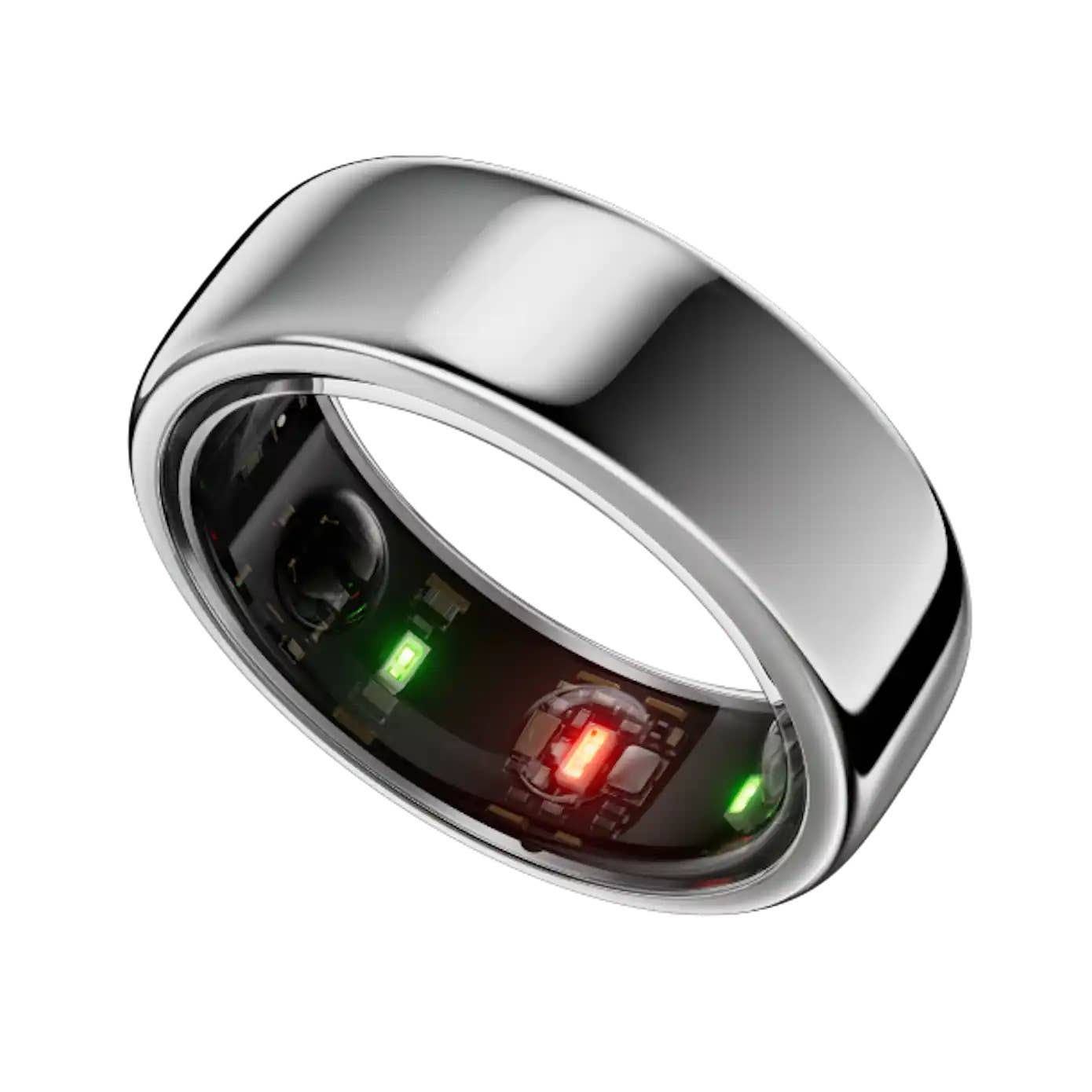
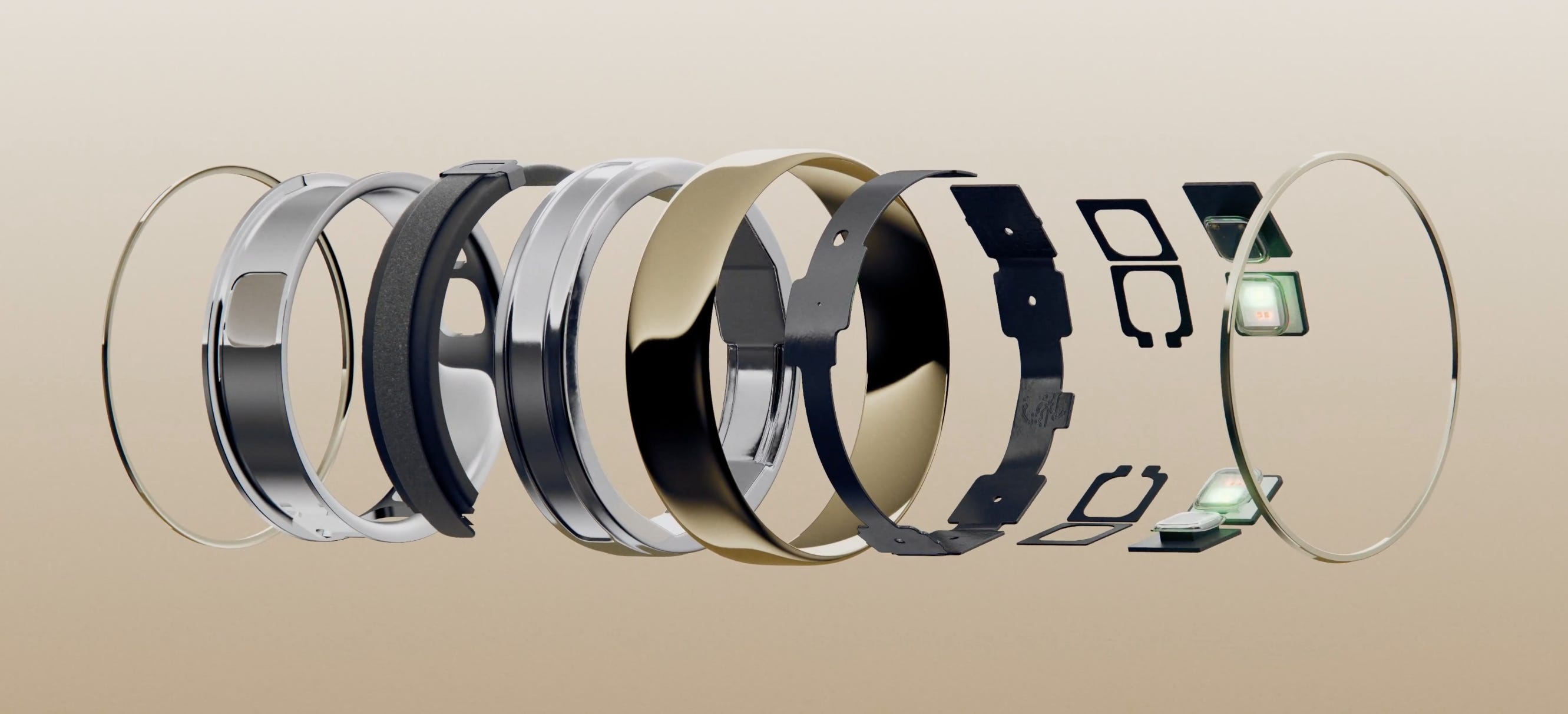
Ōura makes smart rings that track health metrics including: sleep, activity, fitness, stress, training readiness, heart health, and women’s health. With sleek, Apple-esque marketing and continuous improvement, its rings have joined a select group of wearable, subscription-based products that have become synonymous with health tracking.
What stands out immediately in Ōura’s S-1 is that the business is strong. Beyond the nine-month revenue and impressive valuation, figures like FY2025 revenue growing 123% over FY2024 and trailing nine-month net income growing by 38x between the same time period in 2025 and 2026 show the product has clicked with consumers. The user data is where things get more interesting.
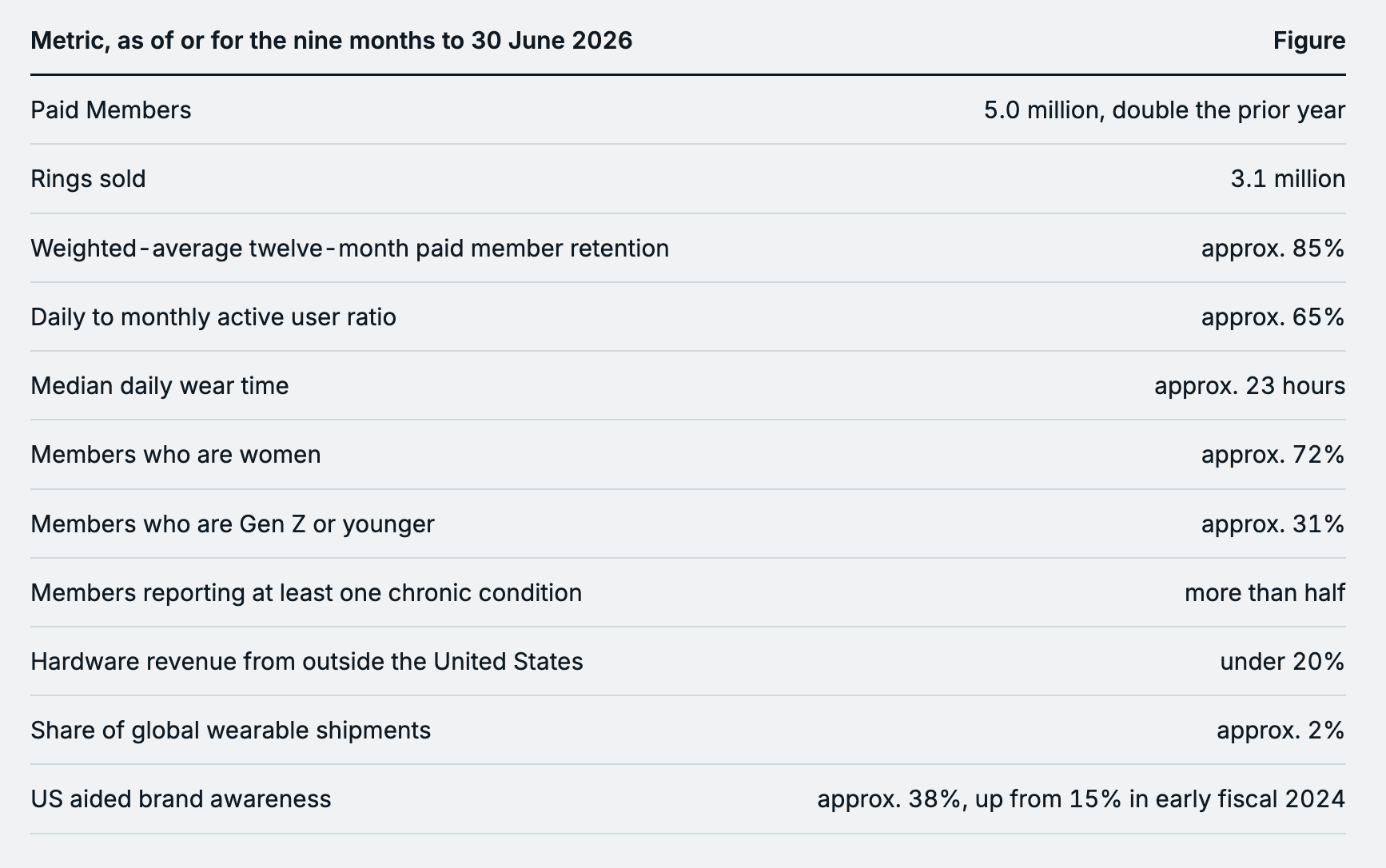
There are two numbers in this table worth noting that affect our view of Ōura in relation to cycling. The first is that under 20% of the brand’s hardware revenue comes from outside the United States. Ōura was founded in Finland but redomiciled to the United States in March 2026. The move makes sense considering most of Ōura’s sales are to American consumers, and the revenue concentration signals little need for endurance sports marketing outside the US. In their S-1 Ōura states:
“Internationally, we are in the earlier stages of our expansion efforts and plan to enter new markets using a disciplined, localized go-to-market approach.”
With an IPO on the horizon, the brand will almost certainly stick to their current strategy and lock down as much market share within the United States before looking internationally.
The other interesting metric is that approximately 72% of Ōura’s memberships are women. The female membership has compounded at roughly 143% since FY2024 compared to 94% for men. Ōura’s S-1 attributes this to women’s health as an integrated use case that spans cycle tracking, conception, pregnancy, and menopause. Ōura is not the only wearable to offer these features, but they are the one to build them as a connected product spine.
One final stat that shows the strength of Ōura’s product is how much of its business comes from word of mouth. Roughly 40% of new members were acquired organically, through existing Ōura ring owners sharing the product with their immediate network. That may explain the perceived lack of sports marketing at Ōura compared with a company like Whoop; Ōura haven’t had to buy attention at this juncture, yet.
Whoop - the athlete’s wearable
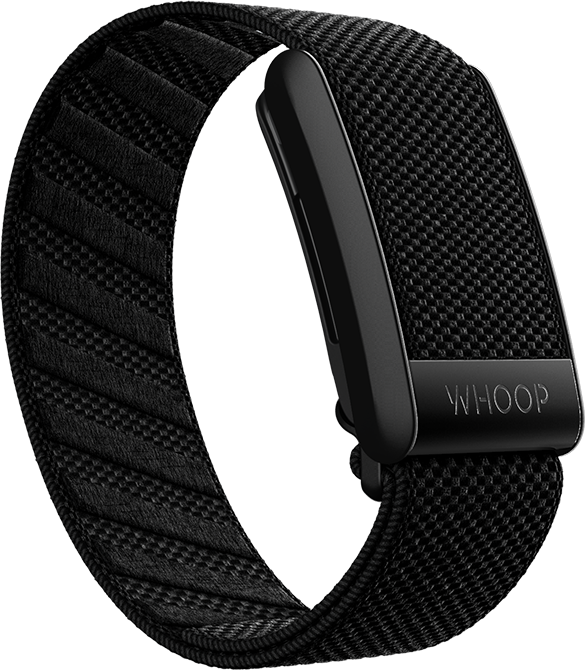
Whoop is a wristband wearable that, for all intents and purposes, provides users with the same data that Ōura does, but that’s where the similarities end. The company has not released anything as comprehensive as Ōura’s S-1, but with a large Series G investment, an IPO is clearly in Whoop’s sights.
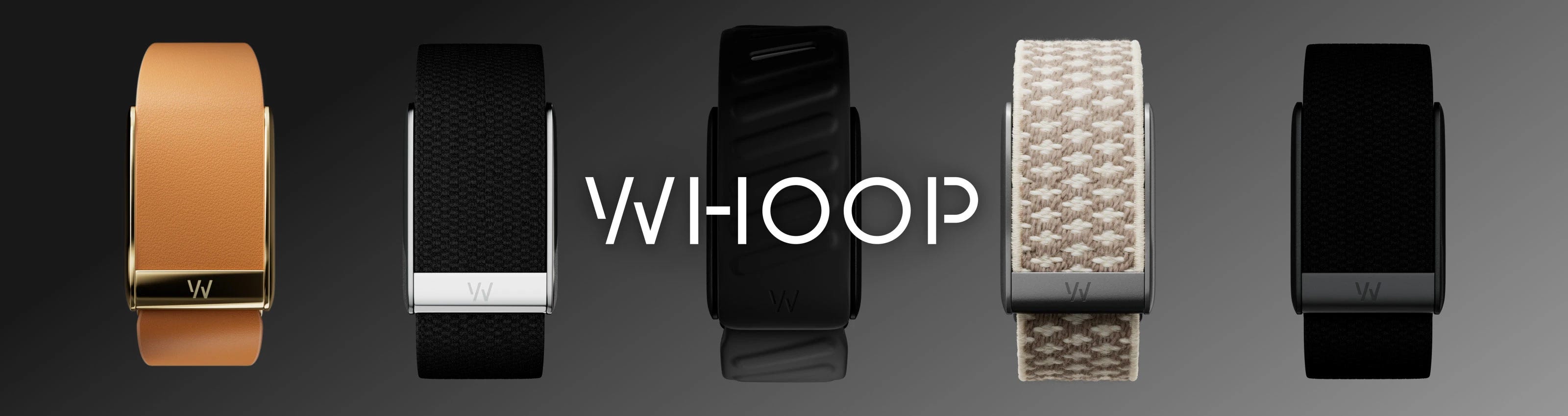
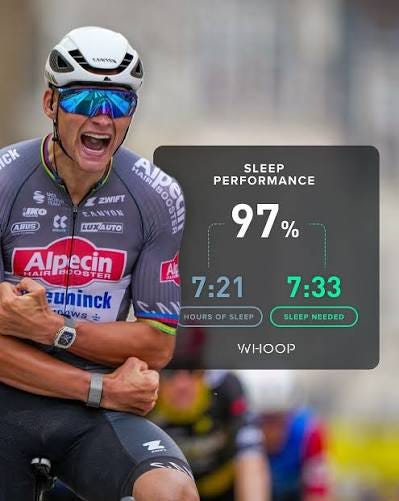
Founded in Boston in 2012, Whoop has become the other name that dominates the dedicated health-tracking category alongside Ōura. How it got there is a completely different story. The wristband has found its way to the average consumer, but only after years of strict association with athletic performance. You even see this play out within the company’s cap table with star athletes like Mathieu van der Poel, LeBron James, and Cristiano Ronaldo listed as investors.
Of the two companies, Whoop is the one consistently tied to endurance sport, with partnerships including UAE Team Emirates XRG, Alpecin-Premier Tech, and the UCI Mountain Bike World Series. If we zoom out we will also see that since 2017 Whoop has signed over 20 institutional sports partnerships, whereas Ōura has only recently ramped up their own sports sponsorships. Whoop was built on sports marketing, and Ōura is now using sports to supplement its growth.
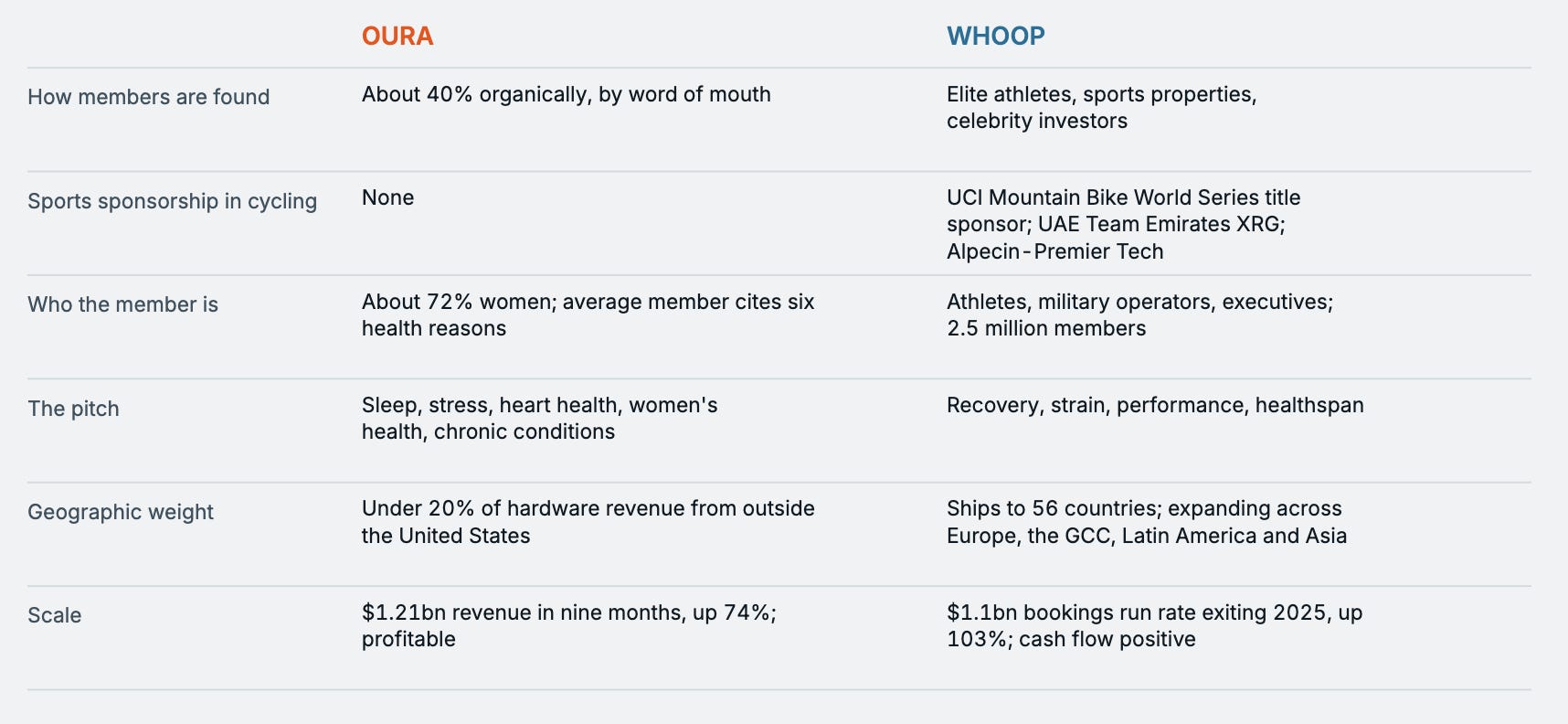
While we don’t know their internal marketing data, Whoop seems to be proof that professional cycling is producing a real benefit and drawing new members to at least one mainstream wearable. Whether it remains a justifiable marketing channel once these companies are in the public markets is another question entirely. With the approach of these two companies being starkly different, the answer lies within the battle to maintain market share.
Hold up, Apple just threw a monkey wrench
On Wednesday, Apple announced the Apple Watch Series 12 product line introducing several new health and hardware features that overlap with those of Whoop and Ōura. The timing is hard to read as coincidence, with Ōura charging toward an IPO. Ōura and Whoop have done the hard work of market development and validation, and now Apple will try to use its brand capital to boost hardware sales. Assuming most of Ōura and Whoop users track their stats on an iPhone through the companies’ respective apps, Apple has a real argument that their new watches will consolidate and simplify users’ health tracking.
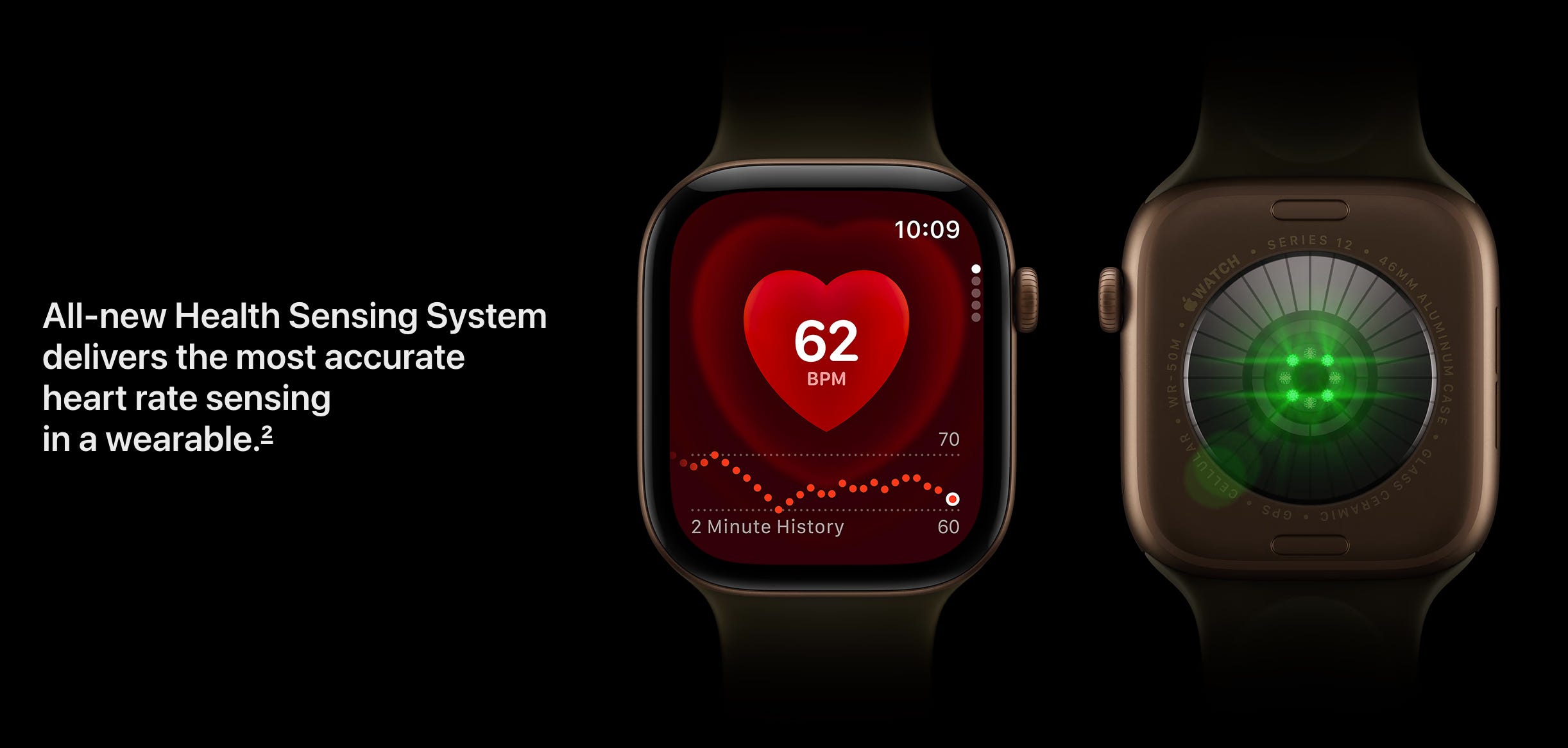
Ōura rings and Whoop bands are low-profile sensors that offer no value beyond their tracking capabilities. Apple Watches allow users to listen to music, view and send communications, and search the web in addition to their health-sensing capabilities. The added utility argument is undeniable, but will that be enough to dethrone the brands we have been discussing?
While Apple is launching a new watch with popular features, most consumers will just view it as a new model for a product platform that is already over ten years old. The association consumers have with the Apple watch is not fitness, it’s a convenient extension of their iPhone. While the simplicity of Apple operating systems might make the Apple Watch more appealing to older consumers, young and tech-savvy consumers already associate best-in-class health tracking with Ōura and Whoop. A final moat for the two devices is their simplicity. Neither has a screen to distract users or pull their attention away from exercise or other tasks. The Apple Watch has existed for over a decade and has had various health tracking-sensors, and still Ōura and Whoop thrived. It is unlikely that changes with this new generation of watches.
The logical path to mutual benefit
The logical path to any particular endurance sport benefiting from the success of wearable devices and health tracking is that the platforms begin prescribing exercise based on a user’s health metrics. In July, Garmin, the maker of several health-tracking watches and devices, acquired TrainingPeaks. TrainingPeaks is the maker of the most popular training platform for endurance athletes, with planning tools and virtual training product. Garmin and TrainingPeaks are already directly tied to cycling with their products, so it makes sense that cycling will benefit from this acquisition and business trajectory. Can the same be said for brands that market to the mass consumer?
We have covered Strava’s 2025 Year in Sport report before, but it is worth revisiting because the data it contains complicates any pitch that cycling can benefit from the success of Ōura and Whoop, even if they were to start prescribing precise exercise to users. In Strava’s report, cycling ranked third among the most recorded activities behind walking and running. The social data compounds that trend. Hiking clubs grew at a multiple of 5.8, running clubs at 3.5, and cycling clubs at 2.8. Respondents also named mountain biking and gravel cycling the second most intimidating sport to take up, behind skiing and snowboarding. Put bluntly, running is the sport positioned to benefit the most from the rise of health tracking, not cycling.
Another path to mutual benefit is what motivates users. Gen Z respondents were 75% more likely than Gen X to say a race or event is their main motivation for exercise. If cycling is to benefit from the rise of Ōura and Whoop, then the path forward is a mix of increasing accessibility and utilizing events to spur interest and motivation. There’s one problem…
Realistically, cycling does not have the power to effect this change, so the wearable companies would have to find utility in the sport, provide accessibility, and use events in a way that has a measurable impact to the bottom line. Here is how Ōura and Whoop market with cycling.
How Ōura can encroach on Whoop
Ōura has made a hard push into sports marketing this year, becoming the official wearable of Team USA and the LA 2028 Olympic and Paralympic Games and a multi-year agreement with the LA Dodgers. These partnerships still cater to the average sports fan, which keeps the focus on the mass consumer. Whoop has established itself with pro, amateur, and new athletes. Whoop has proven that endurance sport as a marketing channel can build trust with this population, so there is plenty of market share on the table for Ōura to take advantage of.
With 72% of Ōura’s members being women and a product spine of women’s health features, Ōura has a chance to undercut Whoop for these female athlete segments, especially the recreational athlete. Women’s sports are an extremely effective marketing channel, and that efficacy only increases when you look at cycling.
The obvious answer is to become a sponsor of the Tour de France Femmes, though the broadcast route is more crowded than it looks. Whoop signed on as headline sponsor of Warner Bros. Discovery’s international cycling coverage in 2024, but MyWhoosh took over as lead sponsor of WBD’s live cycling for the 2026 season. The path to undercutting is simple and cheap to start. Begin by sponsoring a handful of top female cyclists and backing one of the strongest teams in the peloton, FDJ United-SUEZ. For a company of Ōura’s size, the investment is relatively small and low-risk. Get on the radar of more female endurance athletes, establish brand recognition in the European market, offer a competing storyline.
If Ōura pairs this strategy with running-focused campaigns, the campaigns prove effective, and the company starts to steal significant market share from Whoop, then more aggressive paths take shape. If we look a few years down the line and Ōura’s overall business model has lead to a valuation even higher than $16 billion, and especially if they are more involved with a user’s active exercise, then a major acquisition could establish the brand as the definitive wearable for cycling. The main target would be Zwift, which was last valued at ~$1 billion in 2020 during the Covid boom. Acquiring Zwift would mean owning the title sponsor of the Tour de France Femmes, and a direct integration with the go-to virtual training solution for cycling. It would not only undercut Whoop within cycling, but could remove its relevance in the sport entirely.
How Whoop navigates a fork in the road
We have outlined how Whoop has successfully used an international athlete marketing strategy thus far, but how will they navigate a new world where its biggest competitor is gaining momentum with an imminent IPO and a valuation roughly $6 billion higher? Does it speed ahead with its current strategy and begin to more aggressively pursue the international mass market before Ōura can, or does it double down on its targeting of performance minded individuals to take on companies like Garmin and Coros?
From Whoop’s Series G press release it seems like it is pursuing the former and prioritizing the mass consumer with assistance from new strategic investors like Abbott. Whoop has spent years helping elite athletes improve performance and longevity and now describes its mission as becoming the “preeminent global health platform.” Sports marketing will continue to play a major role in that growth, but the strategy must become more nuanced, blending the athletic performance narrative with a stronger consumer health narrative. Whoop could outmaneuver Ōura by becoming the preferred wearable of both athletes and health professionals and building a more robust diagnostics platform behind their hardware.
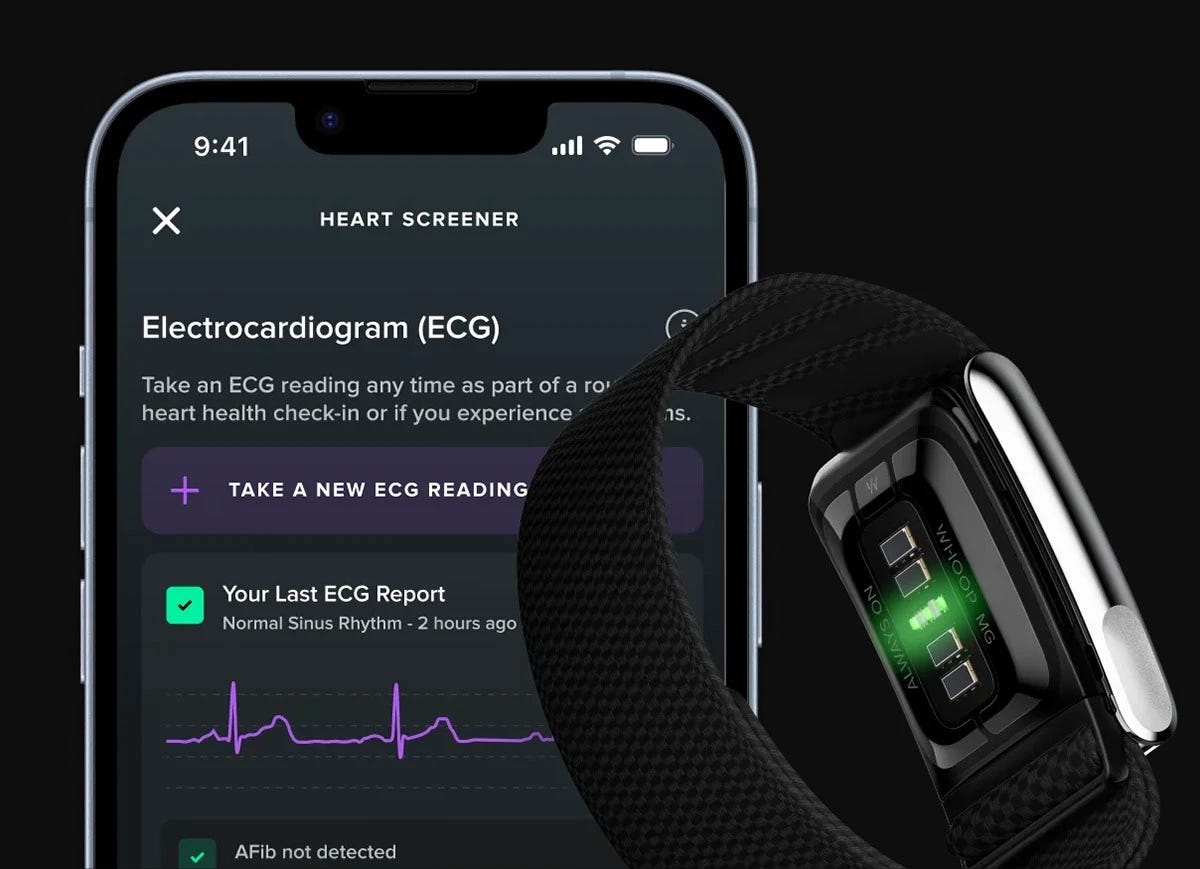
Strategic partnerships and acquisitions would likely play a major role in achieving this goal. Whoop already has a connection with one company blending athletic performance with metabolic health for the mass population: Human Powered Health. You can read the previous Built on Bikes piece on Human Powered Health to get the full picture of their platform and mission, but their leadership and experience in healthcare would be a valuable asset to Whoop moving forward. Whoop is already a partner for Human Powered Health’s Women’s WorldTour team, so a relationship already exists between the two companies. A full acquisition could combine the platforms to provide the best health tracking metrics on the market.
Finally, a partnership with an internationally recognized health service would only bolster its position. Admittedly, this is not a claimed area of expertise for Built on Bikes, but there are options available. Last week we mentioned Maven Clinic, and a partnership with a similar company could certainly be an avenue Whoop pursues to align with global health and gain a stronger foothold in women’s health. It is important that Ōura has partnerships with healthcare entities including Johns Hopkins, Eli Lilly, and Mayo Clinic, but Whoop still has a chance to build this narrative internationally before Ōura can.
A new frontier
The world of connected health and fitness tracking is about to change rapidly with new IPOs, innovations, and partnerships. Two companies sitting at the forefront of that change are Whoop and Ōura. Cycling and endurance sports have an undeniable connection to the space, but only Whoop has made that population of consumers mission critical in its marketing strategies. There is something to be said about Ōura being the first to IPO, and it plays directly into their strategy of capturing the mass consumer in the United States and becoming the preferred wearable of women.
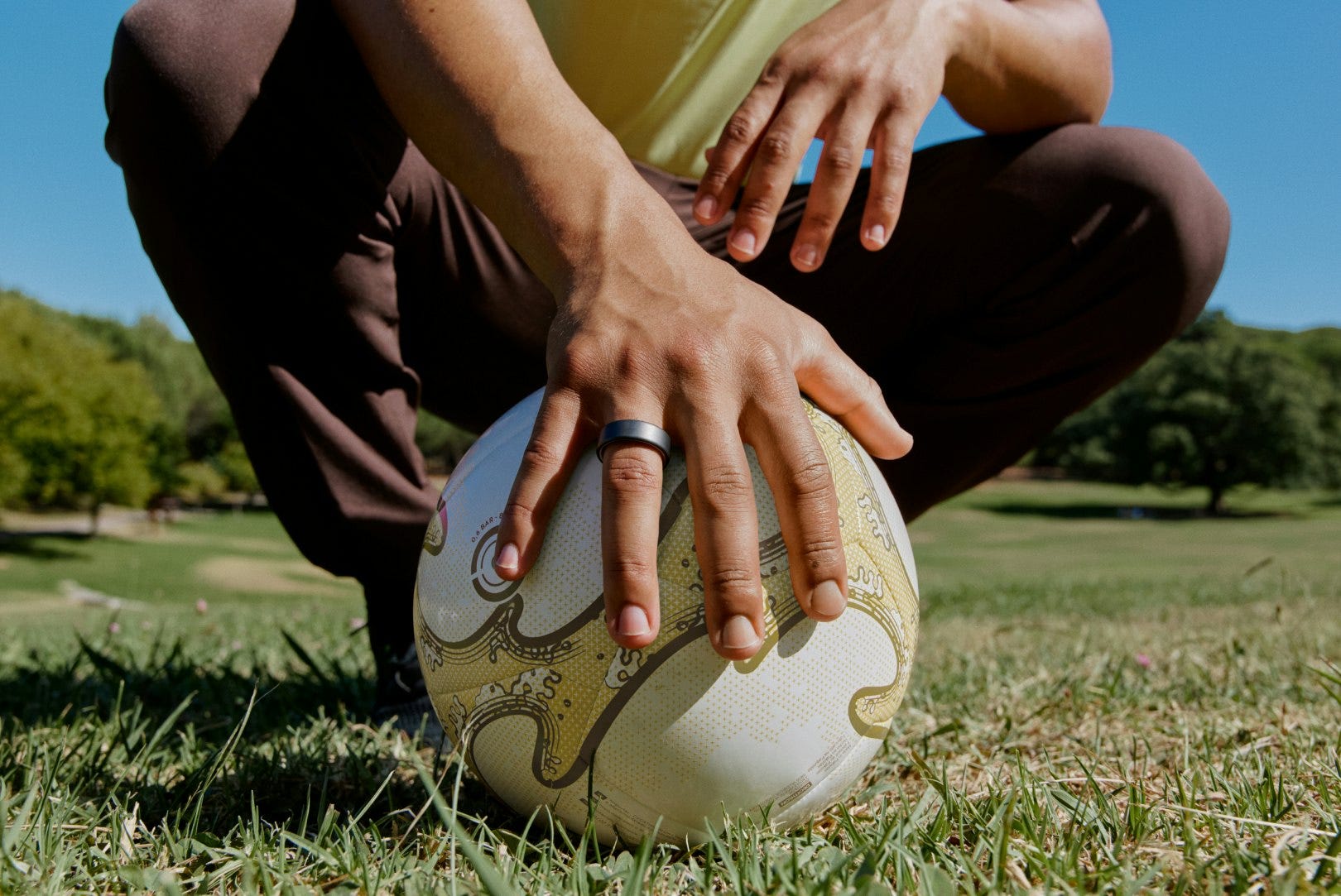
With Whoop likely to IPO in the near future, there are so many paths available to each company to achieve their mission and capture large swaths of market share. Both brands may stick to their guns and move forward with their current strategies, which are working just fine right now, or one can pivot to encroach on the other’s territory. Ōura seems poised to do so with athletic sponsorships and international expansion, while Whoop seems set to stick with its current strategies to become the definitive global health platform. We will see how the battle plays out, but consequences have real potential to affect endurance sports and cycling one way or another.
Ride and rip,
Kyle Dawes

I’ve always been a whoop guy but after a while felt like I was ignoring it in order to do my training, life, and job. I switched to an Apple Watch which was more useful on the go for all sorts of things! I don’t love the dual strap setup so I get not wanting to go whoop + garmin/coros/whatever and opting for an Oura ring or a do it all.
Great write up and very cool stats on who is using Oura!
The cap table is the real story buried in here. Whoop got LeBron, Ronaldo and van der Poel as investors, not just endorsers, which is why the athlete partnerships actually stuck for a decade instead of expiring like a normal sponsorship. Oura went the opposite way and won on product and word of mouth, 40% organic growth is a distribution channel most sponsorship budgets can't buy at any price. Neither company needed sport to survive, but Whoop built its whole credibility on it while Oura is only just renting it now that the IPO clock is running. That's the difference between a brand built on athletes and a brand borrowing them late.