


In case you missed it, last week’s piece was my most dense and in-depth analysis to date. After something that serious and analytical, I thought it would be fun to mix things up with a more abstract topic that is still easy to digest. This one will also be a bit shorter given all the travel and media commitments I have at Unbound this week, but that just means some great content is coming down the pipeline.
When thinking about a topic for this week, I found myself reflecting on how often people have been asking me about Built on Bikes lately, specifically what I write about. My answer is usually that a lot of it focuses on the business and investment side of the sport, as well as the developmental landscape in the United States. At the core of it all, my biggest goal is to start conversations that help grow the sport here at home, and sometimes the most abstract ideas end up being the best catalysts for those conversations.
For me, that kind of abstract thinking usually looks like presenting an idea and then mapping out hypotheticals for how brands or organizations could execute on it to expand their business and grow the sport simultaneously. This week follows that same pattern.
When I talk about developing cycling in the United States, I typically approach it from the angle of making the sport more interesting, marketable, and accessible to a larger audience. That framing puts a lot of weight on competition and entertainment value, but there are other paths to growing the sport that do not rely on those things alone. One of them is cycling brands expanding their market footprint in a meaningful way.
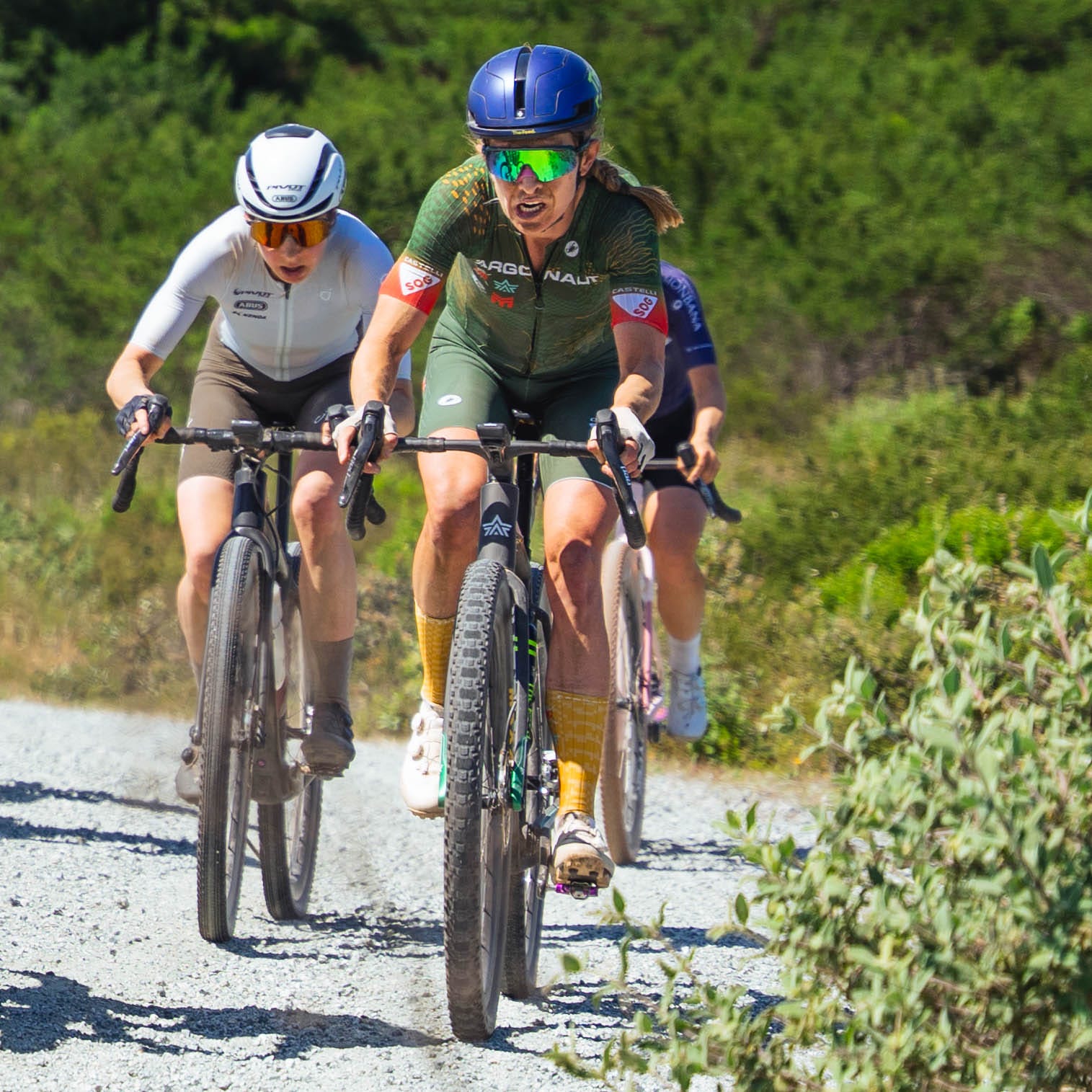
Cycling remains a niche sport in the United States, but brands still want to be here because the US represents the largest consumer market in the world. Whether it is a bike manufacturer or an apparel brand, the American market is largely untapped and presents significant growth opportunities. We have seen some progress over the years, but it does not feel like any brand has had the kind of viral moment that truly puts cycling on the map for a mainstream American audience.
Marketing campaigns in the sport have largely landed with existing cycling fans rather than reaching the broader population. Brands have been focused on winning the cycling market rather than taking the risks necessary to engage the wider consumer base. Other sports have benefited enormously from guerrilla marketing campaigns and unexpected viral moments. So why hasn’t cycling? That is what I want to explore this week: what could actually create a mainstream breakthrough or viral moment for cycling in the United States from a brand perspective.
The “moment” for other sports
Cycling is not the only sport that has had to work hard to grow its presence in the United States. Sports like soccer, women’s basketball, and gymnastics have all had long roads to mainstream acceptance among American fans. Women’s leagues in particular face significant systemic challenges and structural inequity, but there are clear examples of how individual sports seized cultural moments to accelerate their growth.
For soccer it was David Beckham departing Real Madrid to join the LA Galaxy, and more recently Lionel Messi signing with Inter Miami CF. The MLS adjusted their salary structure to allow marquee European talent to join, which created a media buzz that has compounded over the years and transformed the league into an internationally recognized competition with legitimate quality on the field.
Women’s basketball saw an explosion in popularity when Caitlin Clark joined the WNBA following her historic college career. A media frenzy during the 2024 NCAA tournament put women’s basketball squarely in the national spotlight, and the league seized that moment by making her the face of the sport. And across several Olympic cycles we have seen breakout performances from athletes like Simone Biles, Michael Phelps, and Shaun White generate enormous mainstream interest in sports that most Americans only think about once every four years.
The common thread running through all of these moments is straightforward. Each was sparked by a singular athlete performing at such a dominant level that mainstream media had no choice but to pay attention.
Cycling won’t have the same moment
We have to accept that cycling will not grow in the US through the accomplishments of a single athlete. It seemed that could be the case when Lance Armstrong was dominating the WorldTour, but once doping scandals tarnished his legacy, and the sport, all hopes of viral growth from a single source evaporated. Today we simply don’t have any athletes that will reach his level of accomplishment in the sport, so we can’t afford to wait around.
It is important to say that women’s cycling is the exception here. Our female athletes consistently perform at the highest levels of competition. I’ve already written how the United States can become the dominant nation in Women’s cycling, and I believe we will see the viral growth moment sooner rather than later. While we have incredible, and frankly, viral worthy performances from athletes like Kristen Faulkner, we haven’t had an athlete that transcends the sport yet.
As I go on to explain how we can seize unique marketing opportunities, the opportunities apply to both men’s and women’s cycling, but women’s cycling is undoubtedly poised to have more marketable moments from competition in the near term.
Other challenges
Thinking beyond the traditional phenomenon of a single athlete bringing a niche sport into the mainstream, cycling has had very few viral moments that successfully cross over to a general audience. When those moments do happen, they are rarely the kind of publicity the sport needs. The example that immediately comes to mind is the 2021 Tour de France, when a spectator holding a sign caused a massive peloton crash. The moment was covered by every major media outlet and spread across social media instantly, but rather than making people curious about the sport, it reinforced the perception of cycling as chaotic and unserious.
When brands have attempted cultural crossovers to reach new audiences, the results have largely fallen flat. On multiple occasions Rapha and EF Education teamed up with globally popular streetwear brand Palace. The kits were genuinely eye-catching and brought a coolness to cycling apparel that most people outside the sport had never associated with it. The problem is that the buzz never left the cycling community. It did not put Rapha on the map for anyone who was not already paying attention.
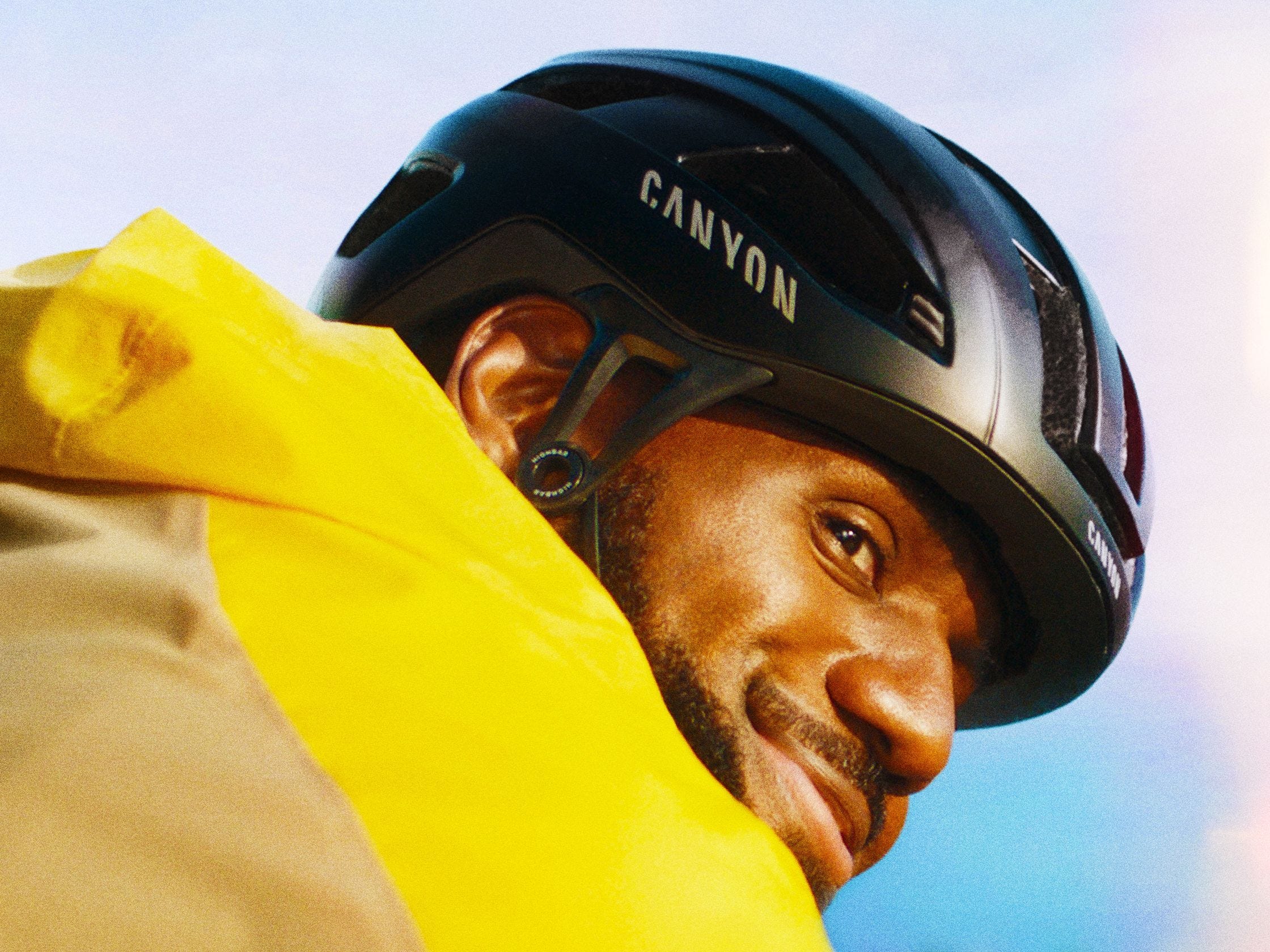
Another moment that looked like a viral opportunity on paper was LeBron James taking an ownership stake in Canyon Bicycles. Having one of the most recognizable athletes in the world publicly associated with your brand should generate enormous attention. It turned heads, but that was largely where it ended. Despite the public announcement and a fairly generic ad campaign, the investment got lumped in with LeBron’s many other business ventures and faded quickly. The tone of the campaign was essentially look, LeBron rides our bikes. It should have been, our bikes and the sport of cycling are changing LeBron’s life.
Despite these missed opportunities, I genuinely believe there is a path that brands can take to generate real interest from everyday consumers and eventually bring those people into cycling, whether as fans or participants.
It’s time for riskier marketing
By now you have probably figured out the angle I am taking with this piece. Instead of building marketing campaigns solely focused on capturing more of the existing cycling market from competitors, brands should take some calculated risks with their ad spend and try to reach the non-cycling consumer in a meaningful way.
It is a big ask, especially given that the cycling industry is coming off several years of economic headwinds. No brand wants to be the first to try something that might not work, but strategically diverting ad spend toward the wider US consumer market could be the difference between becoming a niche brand and becoming a dominant one in a product category.
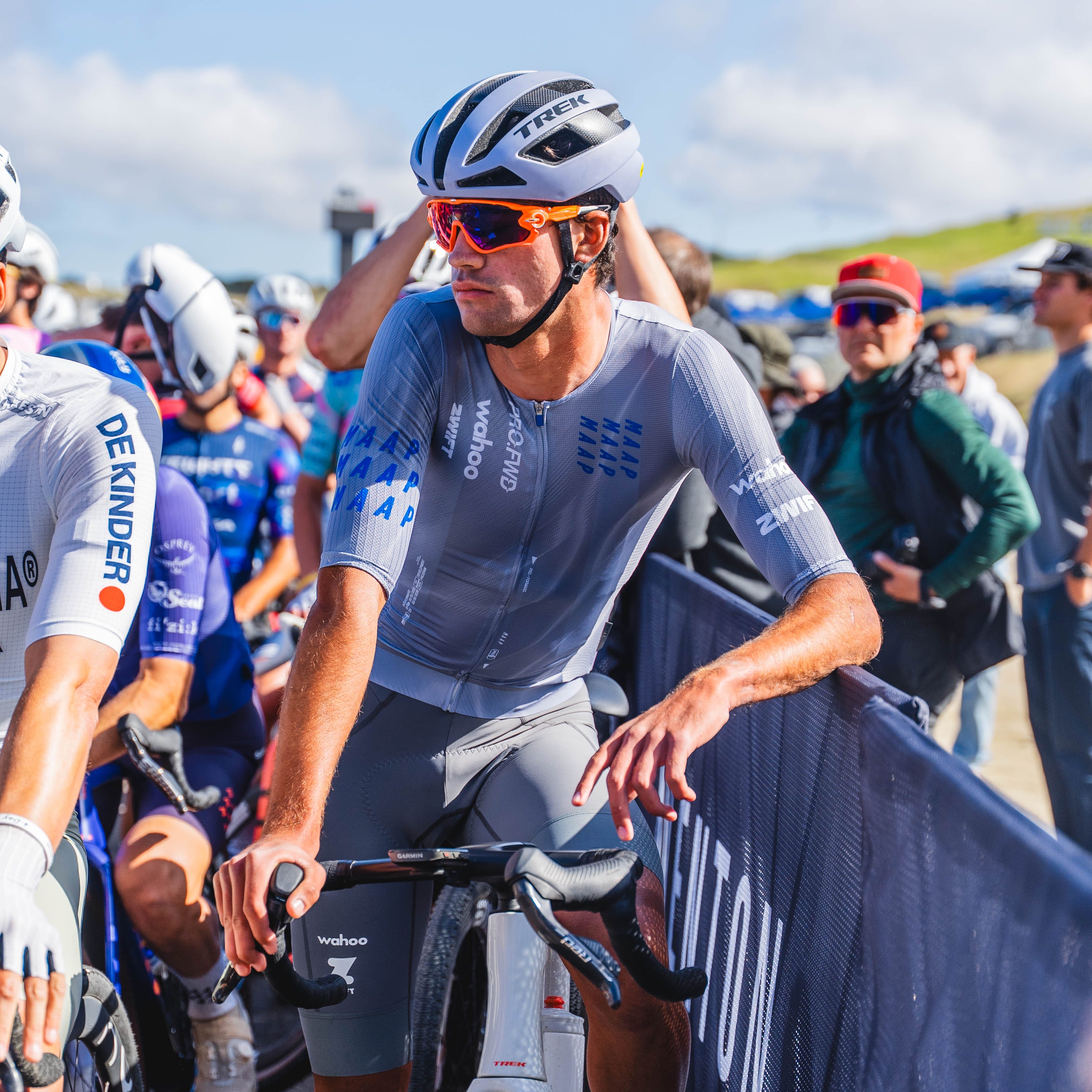
The concept is straightforward: put cycling in places it does not normally belong. That does not mean throwing things at the wall to see what sticks. There are specific product categories where brands can be deliberate and calculated about how they introduce cycling to a new audience. When you start thinking through what that actually looks like in practice, the possibilities get genuinely exciting.
While there are ways to be strategic about this type of marketing, it is definitely more art than science. Rather than taking my usual approach of breaking down the strategic elements that make a good guerrilla campaign, I think it is far more effective to just walk through some hypotheticals and let the concept speak for itself.
Finding cultural crossover
Much like skateboarding and running brands finding mainstream audiences through streetwear, cycling has no shortage of brands capable of catching the public’s attention. Not through performance kit, but through the growing range of casual clothing that brands like MAAP and Pas Normal Studios are releasing. The products being produced are eye-catching and stylish enough to work in plenty of contexts that have nothing to do with riding a bike.
One idea that comes to mind is brands like MAAP and Pas Normal Studios using other sports as a platform to showcase their casual wear. If you have spent any time watching American football, you have almost certainly seen star players arriving at stadiums on game day dressed in elaborate designer outfits. The stadium tunnel entrance has effectively become a fashion runway, and that is a prime opportunity for brands that are well known within cycling but largely invisible to the general public.
MAAP is a great candidate for exactly this kind of move. The brand is on the cutting edge of cycling fashion and has a deep lineup of casual wear that holds up on its own outside of a cycling context. Imagine high-profile players like Joe Burrow or Dak Prescott showing up on game day in some of MAAP’s more eye-catching pieces. Either nothing happens, or there is enough buzz generated to send people who have never thought about cycling to research the brand for the first time.
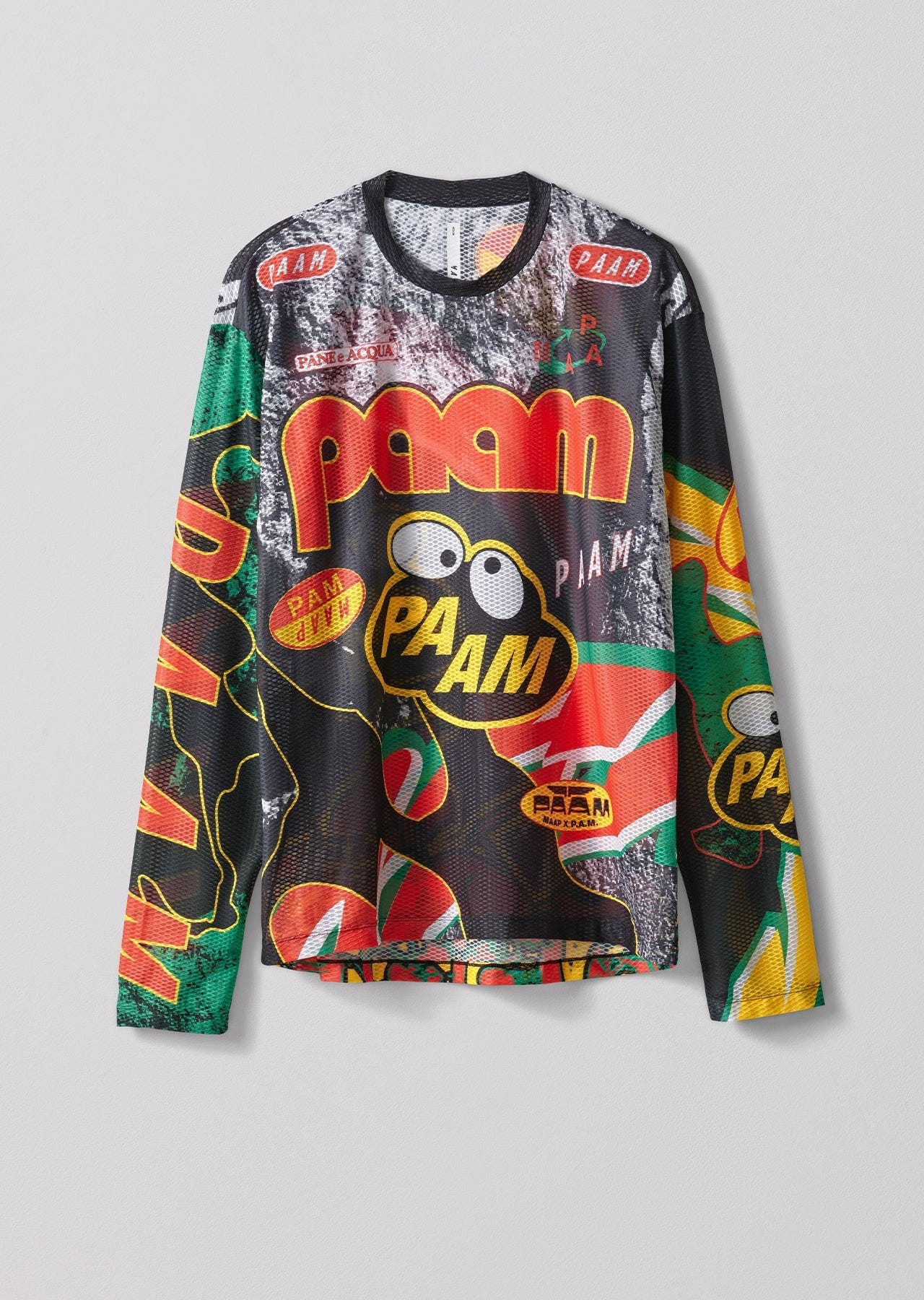
That is the kind of calculated risk brands should be taking. Getting high-profile athletes to wear your product will likely come with a significant price tag, but if it drives a new segment of consumers to research the brand and buy inventory, you have just unlocked an audience that no amount of cycling-specific marketing could have reached.
More subtle examples of this type of marketing could involve smaller brands entering the US market through groups with significant cultural influence. Take an eyewear brand like Alba Optics out of Spain. The brand is well known within cycling but largely invisible outside of it. Sports like Major League Baseball offer an interesting proving ground for a brand in that position.
Baseball players are accustomed to repping eyewear brands like Oakley and 100%, but what about a newer, stylish, and equally high-performing option? Alba Optics turn heads with their frame design and lens coloring, just unconventional enough to make someone stop and ask what they are looking at. Not every baseball fan would notice, but for the ones who do, the brand discovery moment could be significant.
The economics of a full team sponsorship may be out of reach for a brand at Alba’s current scale, but sponsoring a specific high-profile athlete is a more accessible entry point. The risks are real, but so is the potential upside.
Bringing racing back into the equation
While I have argued that cycling will not grow in the US on the back of individual athletes alone, the races themselves are brands in their own right. The Tour de France is a global brand. To a lesser but still meaningful extent, so are race series like the Mountain Bike and Cyclocross World Cups. Bringing those brands to a wider American audience is a marketing problem worth solving.
Part of the challenge is simply exposure. Most American sports fans have no idea that cycling commands fan bases in Europe that rival their own in passion and scale. If anything, I would argue that Belgians attending a cyclocross race or fans camping out on mountain passes during the Tour de France consume more beer on average than the typical American football crowd on game day.
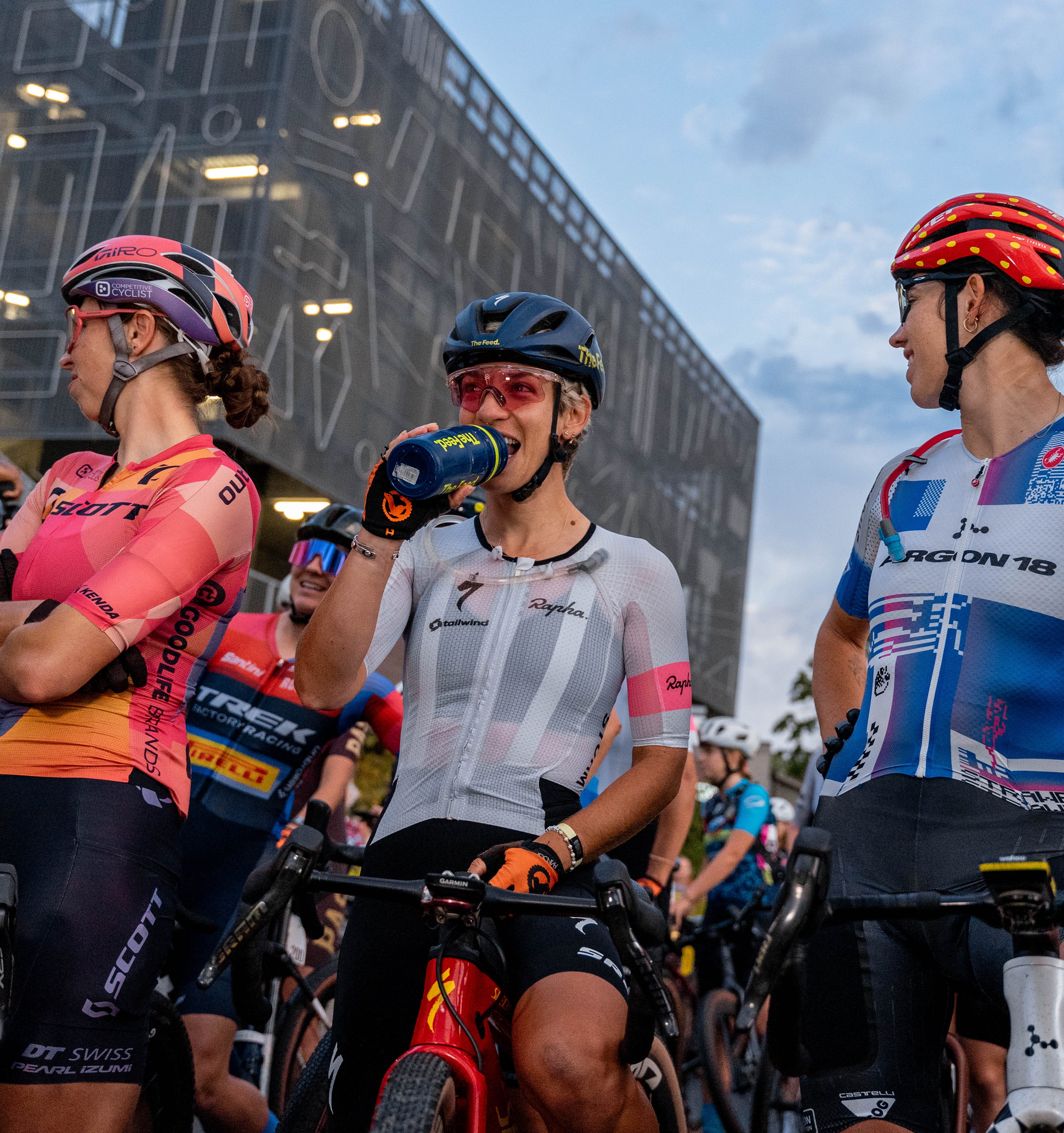
The atmosphere at cycling events is rowdy and electric. That story is not being told. While peak performance is obviously central to the sport, there is an equally compelling story about the fan experience that nobody is broadcasting to a mainstream American audience. A federation could partner with a major beer brand and produce a commercial built around fans handing riders a beer during a cyclocross race. Or set the scene on the side of a mountain with a full party atmosphere as the peloton rolls through. That kind of content would be genuinely surprising to an American viewer who has never associated cycling with that kind of energy, and surprise is exactly what drives shareability.
Small psychological shifts pave the way
All of these brand moves are subtle, but the psychology behind them begins to challenge people’s perception of cycling and sparks genuine curiosity. I often find myself thinking about how to grow cycling in the United States and getting overwhelmed by how monumental the task feels. Exercises like writing this article remind me that it is the small things that can have an outsized impact. It is going to take a million separate pieces coming together to grow the sport the way we want, and shifting the public’s perception of cycling should never be underestimated as a tool to get there.
In other news
Unbound is here
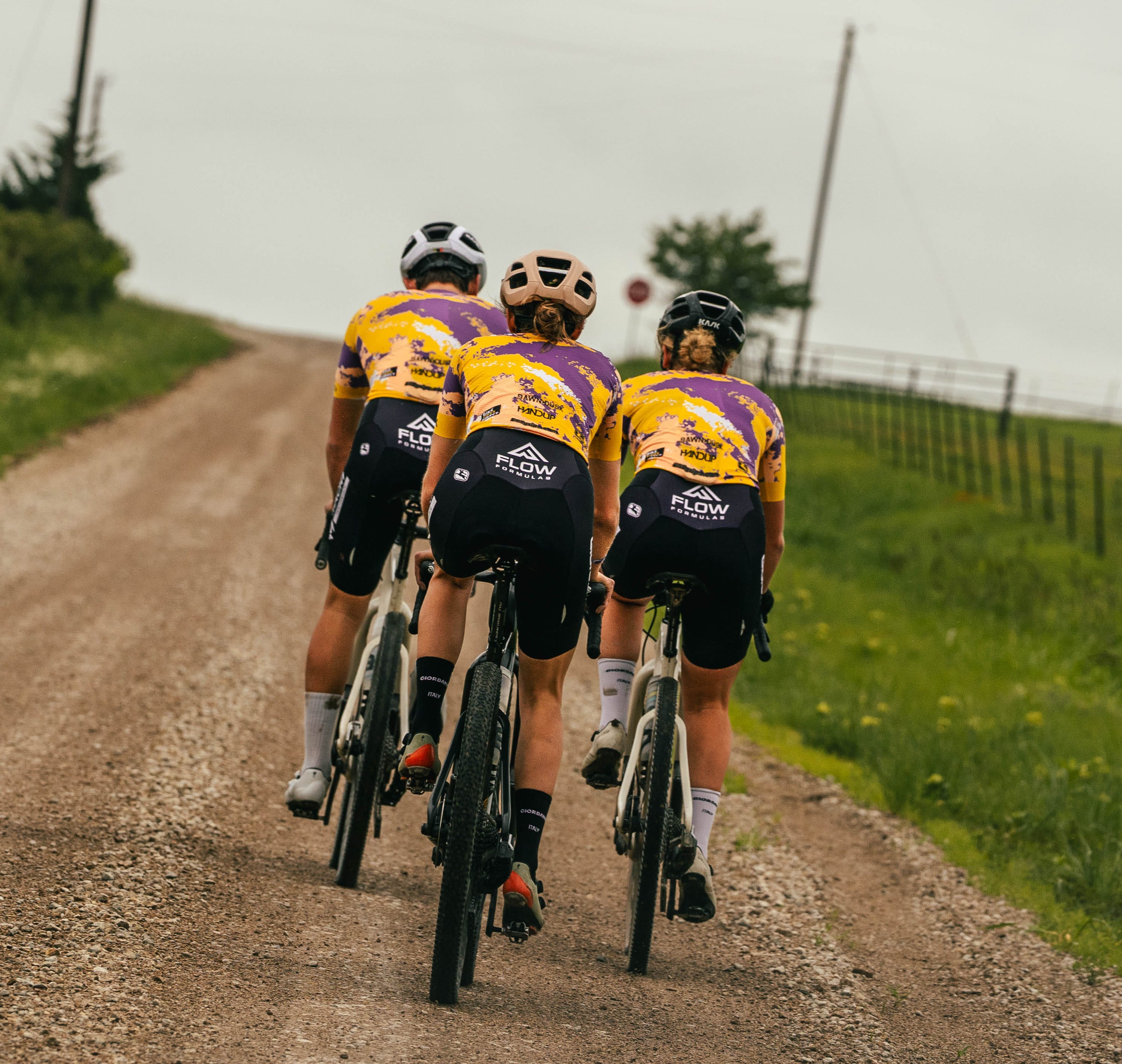
I am in Emporia, Kansas for the biggest gravel race in the world and the energy is electric. I am out here for several reasons, but the main one is serving as team photographer for the Mach1 Performance Devo team. For as much as I write about developing the sport in the United States, there is no team I would rather be with out here. Keep an eye out for a future article on this incredible group.
The Giro is… happening
Fitting to the themes I write about regularly, the Giro d’Italia is underway and the fan response has been underwhelming. Several media outlets have noted how difficult the race has been to follow due to a lack of depth in the field. It goes to show that America is not the only place where road cycling is struggling to engage audiences. The Giro is yet another example of the sport needing new storytelling approaches and fresh angles to keep fans invested.
Ride and rip,
Kyle Dawes
I think there’s a big opportunity for co branding races with a running component. Leadville has a bike and run aspect, Overland in Vermont has the same.
There’s even a special podium finish for top finisher that competed in both!
I’d love to see some cyclocross / XC races.
Great ideas. Thank you! Would love to see cycling become more of a mainstream sport. Lance made it happen for far too brief a moment. We Americans (and everybody else) do love our stars and brands love the opportunity to court and use them... for everything.
One area you did not touch on, and it's kind of a sore spot for me, are ebikes. My home backs up to a bevy of trails and increasingly ebikes are populating and some say polluting the experience. My opinion is shifting as some of my older friends are migrating to ebikes for a wattage assist and not for just coasting along. Plus, I think it's great that more people are getting outdoors, enjoying and hopefully becoming advocates for open space and protected cycling paths. How cycling can build off this I have no idea but it is a rapidly growing and not to be ignored market.
My son-in-law had his 7 year old son join a Boulder based mountain bike development program. His son loved it and hopefully he will one day be a cycling advocate and promoter. We could use far more such programs for our kids. They are ultimately the future of cycling and their involvement will have a direct impact on its popularity, cultural acceptance and support.
Thanks again for some wonderful ideas. Hopefully some of the brands you mentioned will take the hint. In the meantime have great fun at Unbound. We need many, many more events like that!