


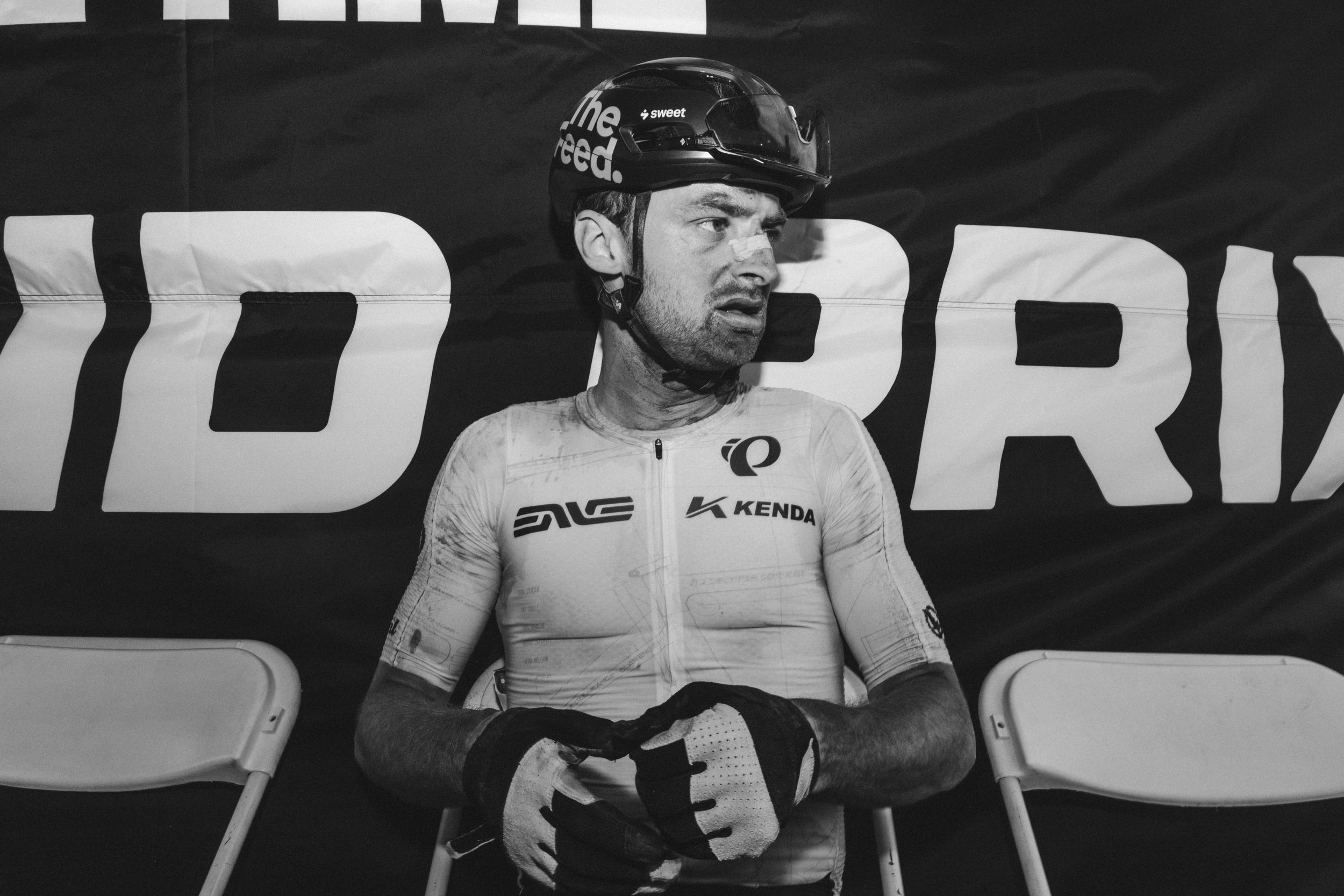
Prominent U.S. road races have been absent from the WorldTour calendar since 2020. When people talk about growing cycling as a sport in the U.S., success is often defined as bringing these races back and seeing more American riders competing at the top level. It’s easy to forget that in 2019, Tadej Pogačar won the Amgen Tour of California just a year before his first Tour de France victory. At the time, he even called California his main goal. How did we go from having that level of international prominence to having no WorldTour races on American roads?
The short answer: broken development pathways.
What will it take for road racing to become more popular in the U.S.? Gravel racing has been on the rise in the U.S. and starting to infiltrate Europe. Is gravel a potential path towards popularizing road racing here at home, and are the skills of a gravel rider transferable to the road? It’s difficult to know for sure, but few people are better positioned to unpack the dynamics between WorldTour road racing and the booming U.S. off-road scene than someone who has lived and competed in both worlds. For this piece, that person is Alexey Vermeulen.
A rider who’s done it all
When I set out to explore this topic, Alexey Vermeulen was the obvious choice to speak to. Like many gravel fans, I first discovered him through his standout presence in the Life Time Grand Prix. Gravel media often frames him as the former WorldTour rider turned model privateer. He’s an athlete who represents top brands, delivers results, and has built a social media audience of more than 43,000 followers.
Before becoming a staple in gravel racing, Alexey started his career on the road. In 2013, he joined the BMC Development Team as a junior rider and raced there until 2015. In 2016 he began racing with the WorldTour squad LottoNL-Jumbo (now Visma | Lease a Bike) before leaving that squad in 2018. Both BMC and LottoNL-Jumbo were known for attracting the best riders in the world, so it’s clear that Alexy’s talent was recognized from the start.
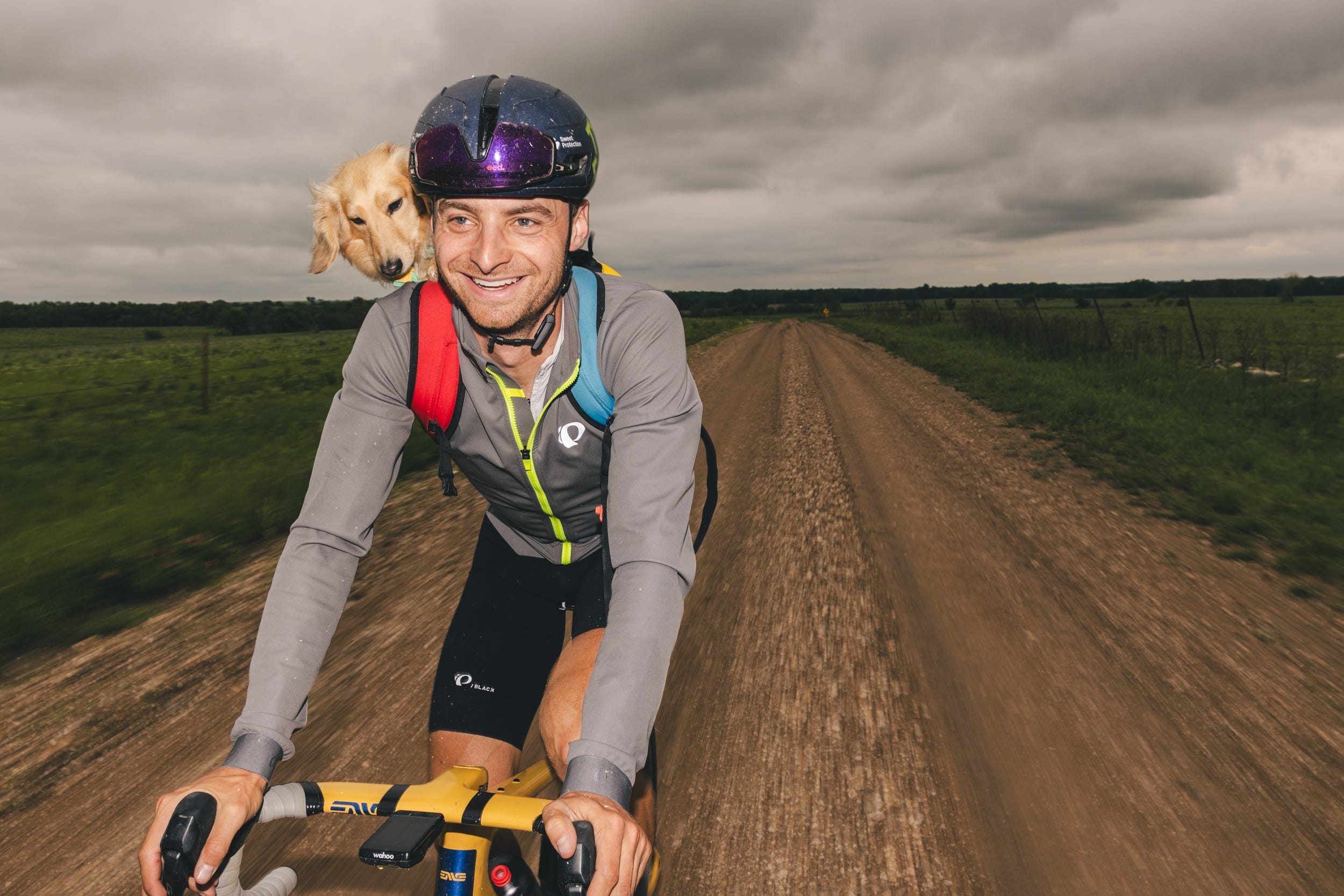
Unlike many of his peers who stayed on the road, Alexey’s career would take a different turn, eventually leading him to gravel. Since 2022, Alexey has collected wins at premier off-road events such as Big Sugar Gravel, Belgian Waffle Ride California, Chequamegon MTB, and The Rad Dirt Fest. His consistency and high performance has carried over to the Life Time Grand Prix, where he secured back-to-back 2nd place overall finishes in 2022 and 2023. That success has fueled Alexey’s career as a privateer, earning backing from top sponsors including ENVE Composites, The Feed, Sweet Protection, Chamois Butt’r, and Pearl Izumi.
Since he has excelled at both extremes of the sport, there was really no one better than Alexey to provide insights on whether the evolution of gravel racing could become a reliable pathway to rebuilding road racing in the U.S.
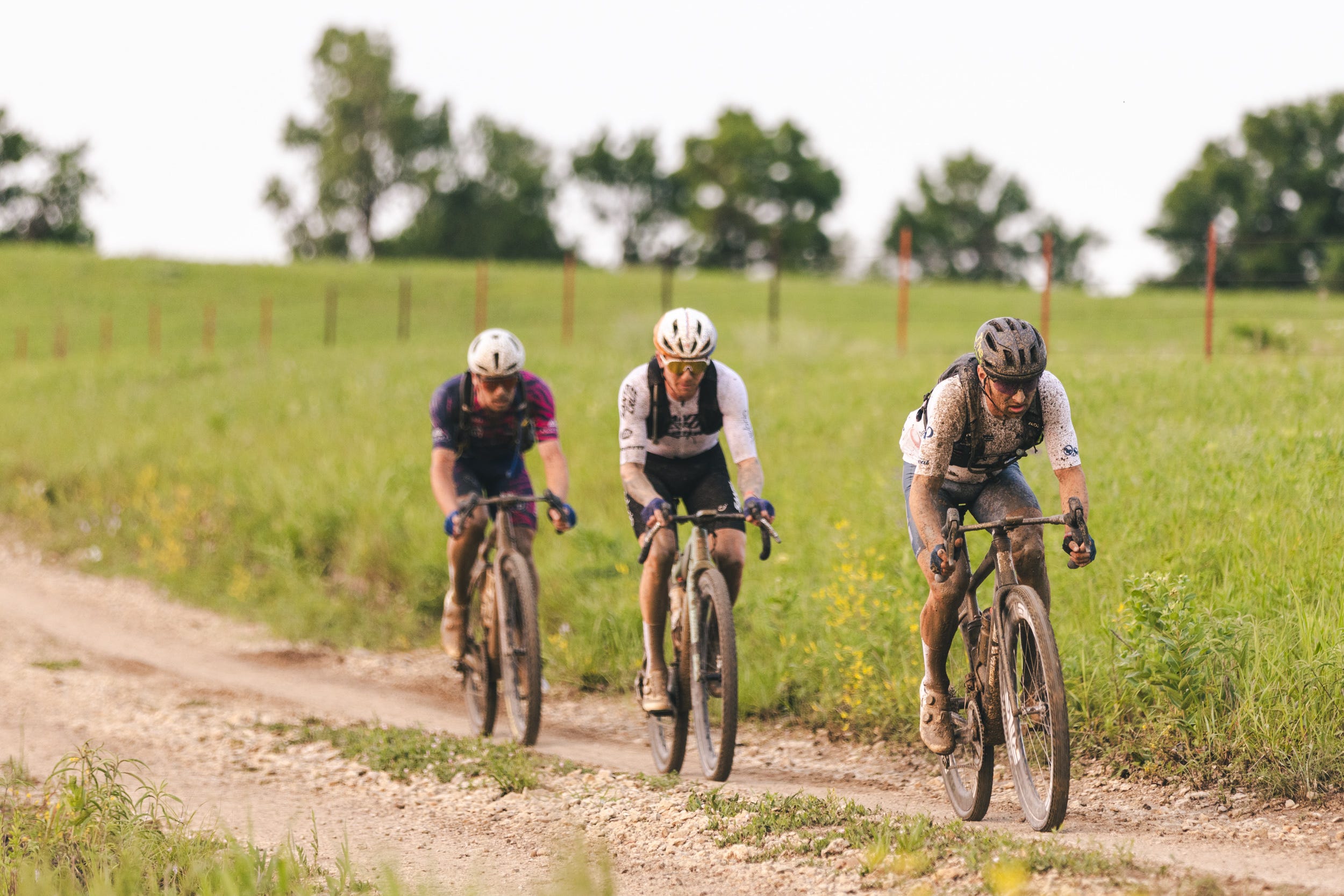
Demands of the athlete
Being a pro on gravel and on the road are two very different things. For junior athletes, the contrast is even sharper. When Alexey thinks about riders trying to reach the WorldTour from a Continental or Pro team, he puts it simply: “your job is to pursue your love of the sport and perform.” When an athlete is developing on the road, results alone can determine your path.
For a young rider, racing domestic gravel with hopes of reaching the WorldTour adds a layer of pressure that is not found on the road. In gravel, most pros don’t ride for a team. They operate as privateers, responsible for marketing themselves, securing sponsors, and managing their own programs, all while training and racing at a professional level.
Gravel riders are essentially running a stand-alone business, one that only survives if sponsors keep it funded. Instead of focusing solely on racing, athletes must balance performance with marketability. As Alexey explained, “my job is to sell bikes as much as it is to race, and I think people underestimate that.” Even with his impressive palmarès, he noted, “no matter how good you are, you have to have an online presence” in order to deliver value to sponsors.
All of the stress associated with building an athlete’s brand image can quickly become overwhelming, making gravel a pathway with hurdles that go far beyond on-bike ability. Gravel may be inching toward the road’s results-first mentality, but, for now, Alexey believes there is still an expectation for athletes to maintain an online presence.
Rider ability and development
It isn’t ideal that gravel riders carry the added stress of securing sponsors and managing their own logistics, but even if they can balance all that and still perform well, the question remains: can their talent translate to the road? It’s not a new debate, but there still isn’t much concrete evidence to prove or disprove it.
We do have some signals that WorldTour teams might be seeing gravel as a pipeline for viable talent. In 2024, Rosa Klöser signed with Canyon-Sram after winning Unbound Gravel. This year’s men’s Unbound winner, Cameron Jones, admitted on the With Pace podcast that road teams reached out following his victory. And going back to 2023, Keegan Swenson was rumored to have multiple WorldTour offers after his Unbound win and season-long dominance in the Life Time Grand Prix.
While there are only a handful of examples of gravel riders making the jump to the WorldTour, there are a number of riders who have left the WorldTour in their prime to become gravel pros. Since Alexey did just that, I asked him if he thought scouting gravel races in the U.S. will become more common.
“I certainly hope so for the sport, but I just don’t know how valuable it is. Everything I learned to survive on the road was learned in Europe when I was 19 and 20.” In the end, he added, “you can pick the strongest gravel racer, but it will be hard to tell if they’d be good at the road.”
It’s true, road racing is built on complex team tactics unfolding throughout every race, while gravel often boils down to raw power. A road rider must read the peloton and manage things like wind, positioning, obstacles, and sprint leadouts. Gravel races often start with a big group, but as Alexey put it, “the truth is that in most of these races you’re out there alone racing yourself.”
For Alexey, the added athlete demands and riding style associated with gravel simply don’t align with a successful road program. In the end, “you miss too much being in America rather than being alone in Belgium. When you’re a young athlete, you need to learn through action,” he explained. The best way to prepare for the WorldTour is in Europe, since those are the races riders will face most often.
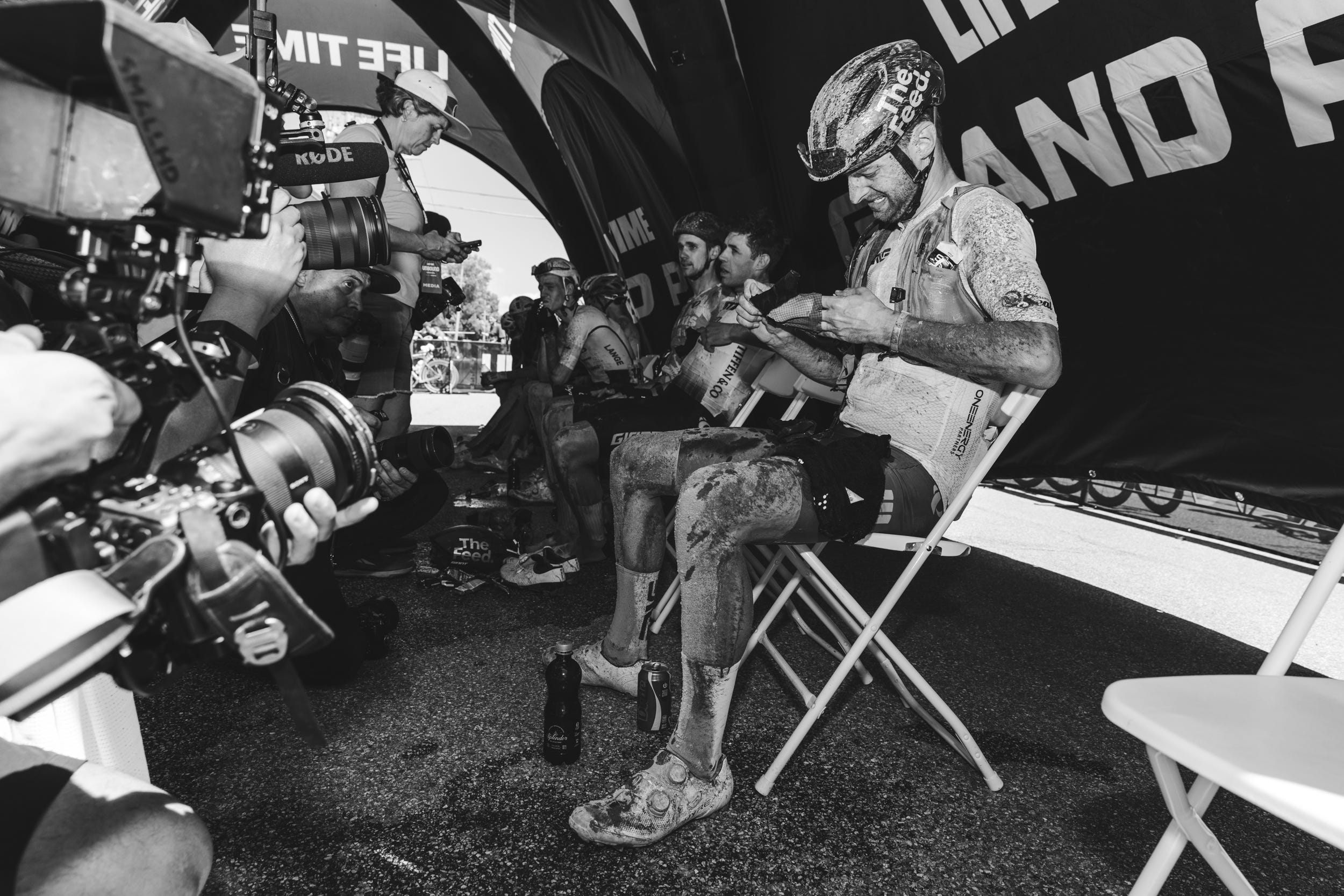
At a crossroads
It’s clear that gravel will most likely never translate reliably to the road. Alexey believes gravel talent can succeed on the road if teams understand what they are looking for and how to properly develop a rider. For the sake of growing American cycling, it seems like the best path forward is for gravel and road to evolve independently. This will provide the most vibrant and diverse cycling culture while delivering the most athletes to professional racing at home and abroad. In Alexey’s opinion there are plenty of things that both disciplines can be doing better to grow.
How gravel can develop
Gravel gets a lot right when it comes to business, but there’s still room to grow by producing more well-rounded talent. To support the next generation, Life Time recently introduced a U23 category in its Grand Prix race series, which quickly filled with young riders eager to attract teams and sponsors. I was very interested to hear Alexey’s perspective on this new category.
“That’s a tough one for me. I want to yell Life Time from the rooftops because they have created a sport and business for athletes, but it’s really hard for me to say that is the correct choice for young athletes. I give Life Time a lot of credit for taking action and fixing things as they go, but I think the U23 series is a work in progress.”
When he elaborated on his qualms it came back to the extra demands gravel athletes face. Alexey highlighted that “gravel is a lot more connected than the road, so these juniors are going to have to learn how to interface with brands and media. They will be learning more about how to act and communicate than how to train properly.” Life Time’s development program has the right intent, but in practice it feels like young athletes are being pushed into the deep end too quickly.
Seeking a more wholistic approach, Alexey has partnered with his title sponsor, ENVE Composites, to provide a well-rounded gravel development path called Phase II. The program supports two young athletes by giving them the resources to succeed both on the bike and off it. As Alexey put it, Phase II is “a chance to not only show two amazing athletes what it takes to be a professional cyclist, but also to allow them to meet the people working at companies who can make that dream a reality. Bike racing is about training hard, while also cultivating relationships and learning how to balance everything going on in your life.”
It’s the most thoughtful gravel development program I’ve come across, but it is resource-intensive and not easily scalable to a larger pool of athletes. Alexey recognizes both the importance and the limits of Phase II, noting, “I think gravel is starting to realize the single-athlete model isn’t sustainable and will move towards a team structure.” Gravel will have to grow to look more like road racing, but will hopefully endure as an iconic stand alone sport if the right steps are taken.
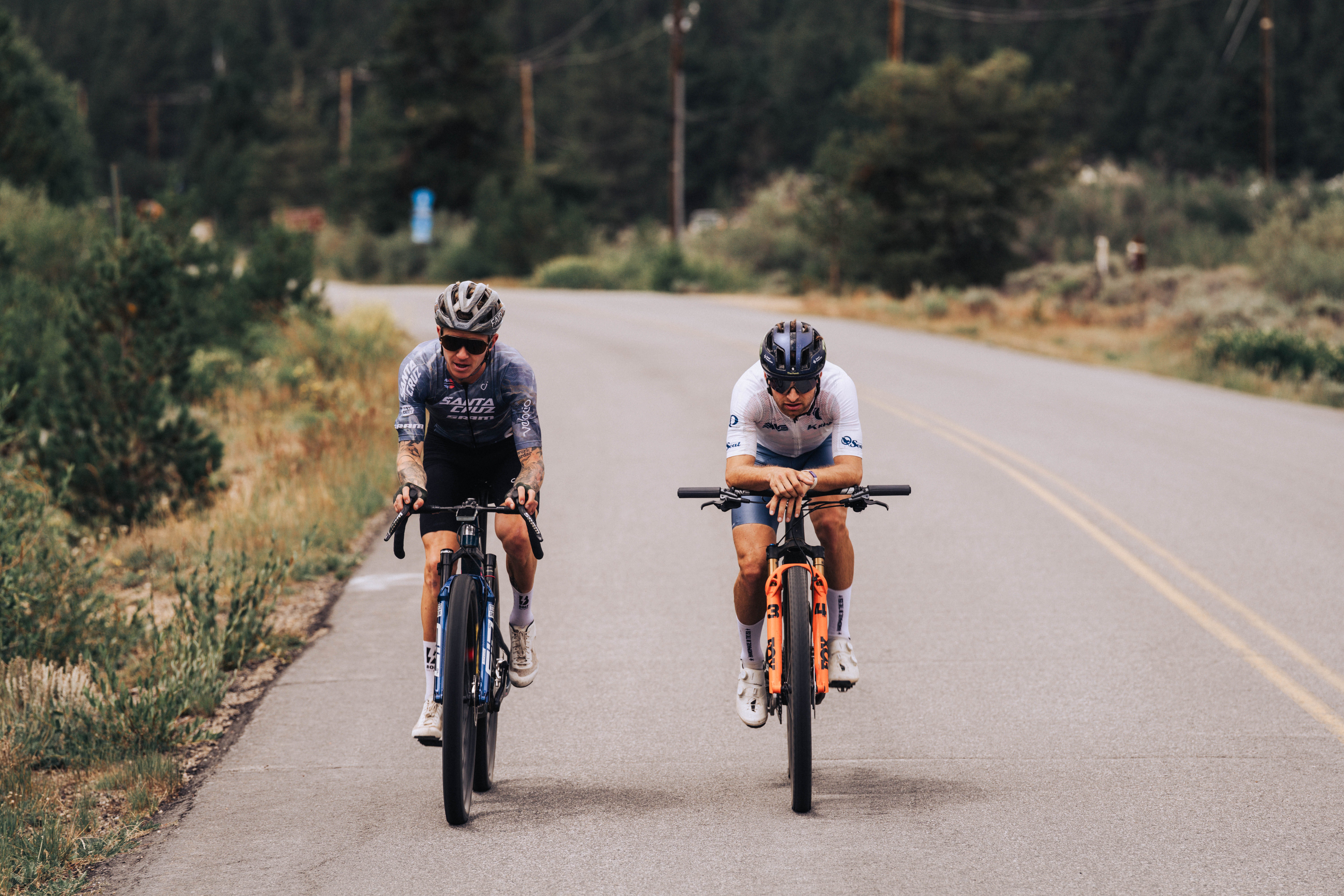
Reviving U.S. road racing
Since road racing will always be the best development path for juniors, we need to grow it in the U.S. Currently, moving to Europe is almost a necessity to earn a WorldTour spot, so we need to find a way to make it possible for athletes to develop at home. Achieving this will be a tall order, requiring significant investment and time.
Regrowing road racing in the U.S. won’t happen overnight, but it is straightforward in concept: we need more races and a clear development pathway for our athletes. Currently, there isn’t a reliable calendar of one-day and stage races for juniors or pros to gain experience in large pelotons. The decline in road races isn’t unique to the U.S. either; Europe is rapidly losing Continental and U23 races due to funding issues. If you are interested in possible solutions to this funding challenge, I discussed them in-depth with AG Insurance-Soudal team Founder, Natascha den Ouden.
In my discussion with Alexey, we were more focused on the athletes—how to attract them and incentivize participation in these races once they return. USA Cycling oversees American road racing, so they will need to find ways to build excitement and clearly communicate how they scout talent in order to engage and motivate athletes.
When discussing what motivates an athlete to pursue a career, Alexey pointed out, “Gravel will probably never be in the Olympics, and it will never have the history and romance of the road.” Two words in that quote stand out, Olympics and romance. The last time the U.S. truly went crazy for cycling was during Lance Armstrong’s Tour de France dominance, and the 2028 Los Angeles Olympics provides a prime opportunity to reignite that excitement and dreams of glory.
If USA Cycling can seize this opportunity, we could quickly have enough sponsors to fund junior teams and races, along with a sufficient pool of young talent to fill pelotons.
We also need to remember that money isn’t the only factor attracting teams and athletes to races. Juniors want to compete in events where they know the field is being scouted. Alexey emphasized, “We need a junior race series where USA Cycling makes it clear that those are the races they will be evaluating.” Currently, U.S. Road Nationals serve as the best example. “If you look at an Olympic year, Nationals is the most competitive event you’ve ever seen because riders know that race determines spots on the Olympic squad,” so we need similar races where juniors know that Continental and Pro teams are watching.
So much needs to go right, but if USA cycling can take advantage of a very big opportunity, there could be a very bright future for domestic road racing.
Moving forward
Since I became a fan of gravel and road racing, I’ve often heard debates on whether the two disciplines are equivalent and whether gravel can truly survive as a sport. I’m grateful that Alexey generously shared his time to dive into the intricacies of road and gravel racing and provided his insights as someone who has competed at an elite level in both disciplines.
I can’t predict how cycling will grow in the U.S., but hopefully this piece provided a clearer understanding of the challenges and opportunities facing development in domestic gravel and road racing. One thing is certain: both disciplines deserve their own dedicated scenes and developmental pathways. I’d love to keep this conversation going, so please use the comments to share your thoughts, ideas, and reactions to what Alexey and I discussed!
Be sure to keep up with Alexey’s privateer journey:
Ride and rip,
Kyle Dawes