


There is one topic that I have long avoided writing about, and that topic is Chinese bikes. Ever since attending X-LAB’s US launch event at Sea Otter earlier this year, the proliferation of Chinese bike brands in the United States has been the talk of the cycling industry. The phenomenon is global, but with the United States representing the largest consumer market in the world, all brands have their eyes on the American market to see how these bikes shake up the industry.
There are a few reasons I have avoided this topic. The first is that it is headline news in the cycling industry. The subject is well covered by traditional media outlets, and they can present the facts and industry inputs much better than I could. The second is my lack of experience with bike manufacturing and retail. While I have written about brands like ENVE and Ventum, those pieces are much more isolated to individual brands and not focused on the global cycling market. The final reason is the passion surrounding the subject. If I present a subject I am passionate about and have more than surface-level knowledge of, then I can accept any pushback that comes my way. But when I briefly mentioned this topic on LinkedIn, a war broke out in my post’s comment section. Discussion is great, but some comments on that post felt counterproductive.
With all this said, conversations I had with industry professionals at Big Sugar reemphasized how big this moment is for the industry. Bike manufacturers are very concerned about the coming years as much cheaper alternatives to their bikes hit the market. With Cannondale recently closing its US headquarters, it seems like other iconic brands are feeling similar pressures from the market. Inventory bloat, inflation, supply chain inefficiencies, tariffs, and several other factors are putting the squeeze on bike manufacturers. Chinese brands offering cheaper alternatives that do not sacrifice significant quality might be the straw that breaks the camel’s back.
It is a complex dynamic that could seriously harm brands that I know and love, so I do not take the topic lightly. That is why I will not dig into parts of the problem I do not know. What can bike brands do to weather the storm and regain their footing? As it relates to macroeconomic factors and supply chain inefficiencies, I do not know. But when it comes to branding, marketing, and consumer buying habits, I feel more comfortable and well-placed to discuss. For this piece we will have an honest discussion about the facts we know and do what we do best: throw out some observations and ideas. It may sound crazy, but I even think some brands will adapt and ultimately benefit from this challenging market correction.
A constant theme for Built on Bikes
Anytime we focus on growing the sport in the United States, the theme of effective storytelling seems to find its way into a piece. It is something I always come back to when a problem requires the engagement of consumers, especially within the United States. Perhaps the biggest benefit of storytelling is its ability to capture new consumers while also presenting products or the sport to existing consumers in a different way.
Gravel is a prominent example of storytelling driving growth for cycling in the United States while also reinvigorating the sport’s image among existing fans. American cycling fans went from having to root for riders who competed in Europe to having an abundance of American riders who actually race domestically. Now I hear accounts (unverified) from industry insiders that some of the largest cycling brands rely on gravel sales to carry their US business. Storytelling is not the only factor that makes this possible, but the rapid expansion of the discipline would not be possible without it.
Storytelling will not save a brand that is losing on every other business metric, but it can be a relatively inexpensive line of defense when new brands start to win on price and manufacturing power. How much heavy lifting that storytelling has to do is a complicated question. Answering it first requires an understanding of the scale of the competition and how those brands currently present themselves.
The market entrants
This newsletter has always focused on the sporting side of cycling, so we will take a narrower lens and look at performance-oriented bikes. The mass consumer and commuter markets are where the most pain will be felt, but I frankly do not know enough to offer input there. Performance and non-commuter bikes still represent large chunks of business for most bike brands, so it is worth defending that book of business aggressively. Looking at the performance bike landscape, there are three Chinese brands that have risen above the rest to prominence.
X-LAB by XDS
Winspace
QuickPro
All three brands focus on producing performance-oriented bikes that come with full carbon frames and components, and with upper-tier drivetrains from brands like SRAM and Shimano. The selling point is that their price tags can be half those of an equivalent bike from brands like Trek and Specialized. Chinese brands having direct access to local mass manufacturing methods condenses the supply chain and means costs are reduced enormously. Those savings are passed onto the consumer, resulting in shockingly low prices compared to name brand equivalents.

These brands have historic brands beat on cost structure, and there is relatively little that can be done to regain ground anytime soon. Still, there are intangibles that might limit their ability to penetrate the American racing and performance markets.
Affordable isn’t a brand, at least not yet
Ask a cyclist what they think of one of these brands and the most responses will be some version of affordable or Chinese. Winning on price has been the main focus so far with brand identity taking a back seat. To be clear, this is not a criticism. It is obvious that this strategy is paying off for the time being. It is much easier to dedicate resources to brand development if the economics and supply chain are rock solid. When it comes time to brand aggressively, these manufacturers can certainly use affordability as their brand identity, but that battle can only be won by one of the three.
For affordability to resonate as a brand, there has to be a mission behind it. The most logical angle is presenting a love for the sport and the desire to see more people get into the performance side of cycling. Having been in the room at X-LAB’s Sea Otter launch, I wouldn’t personally say they have that figured out yet. It felt like cultural differences were standing in the way. Winning on price has worked for XDS in other markets and with the mass consumer, but people spending thousands on a bike require more touch points to be convinced.

The other strategy used so far is athlete sponsorship. This is an effective approach to storytelling, but it is not as simple as giving athletes free bikes to ride. There is no more prominent example than XDS and X-LAB becoming title sponsors of the XDS Astana WorldTour team. X-LABs are being raced at the Tour de France, but I don’t see nearly enough media coverage around it. The team was an underdog to win a single stage of the race, and I could find no team produced media during the race. That meant no one was thinking or talking about X-LAB bikes. Athlete sponsorship is only effective when storytelling accompanies an athlete’s use of a product.
Can storytelling overcome an economic disadvantage?
With inflation and wealth disparities soaring in the United States, one would think now is the perfect time for cheaper brands to undercut industry incumbents, but for once, that might not be the case. Current US consumer habits are behaving differently from during previous inflationary periods. The pressure to pinch pennies and weather high prices seems to be less. In fact, US consumers are buying more despite having less to spend. There are signs, like increases in fraud and reduced savings allocation, that this behavior will eventually break, but for now, price is not the be-all and end-all. Assuming this spending behavior holds, branding will remain important to consumers and be an area of strength for the incumbents.
Another weakness for these new brands, and a lot of incumbents, is a lack of focus on women’s cycling. As we discussed in a previous article, athlete marketing is enormously important when trying to engage followers of women’s sports. This is an open area of opportunity for any brand to capitalize on. Brands like Specialized and Liv, which are already ridden by the best women in the sport, can create further moats against competition rather easily. Brand capital established with women now will be incredibly hard for new brands to claw back.
Cost optimization will have to be a major area of focus for incumbent brands, but it is also important to remember that these new competitors will need to fight like hell to evoke the same emotions in consumers that classic brands can.
What stories are most important?
Let’s assume inflation gets worse and current spending habits evaporate making cost a major selling point, what stories have the best chance of breaking through? The result does not even need to be a consumer purchasing your product, it could simply be communicating the value of your product so well that they choose to save until they can afford it. A key idea in behavioral economics is that consumers can and will behave irrationally. The rational choice would be to buy the cheaper product and save more money faster. What can a brand do to emotionally connect with a consumer so that they spend more and grow their savings more slowly?
We have already explained the importance of athlete marketing, focusing on women, and brand differentiation, but now it is time to think about how a brand wants these marketing channels to make a consumer think about themselves as a rider. What does riding one brand versus another say about me as a cyclist? Instead of rattling through a boring list, I think it makes sense to highlight a brand that has put on a master class in storytelling this season.
Specialized knew the assignment
Throughout the 2026 season, Specialized has shown that storytelling will be crucial in this new competitive landscape. Yes, Specialized has the money to sign all the best athletes, sponsor the best teams, and dominate competition, but it made that a fraction of its athlete marketing strategy. Across four major disciplines of cycling, road, cyclocross, gravel, and mountain biking, Specialized has implemented a unified content and branding strategy. The result is that Specialized gives the best and most interesting athletes the tools to get the job done at every race. The best way to explain it is by looking at two groups of disciplines.
Specialized Off-Road is red hot
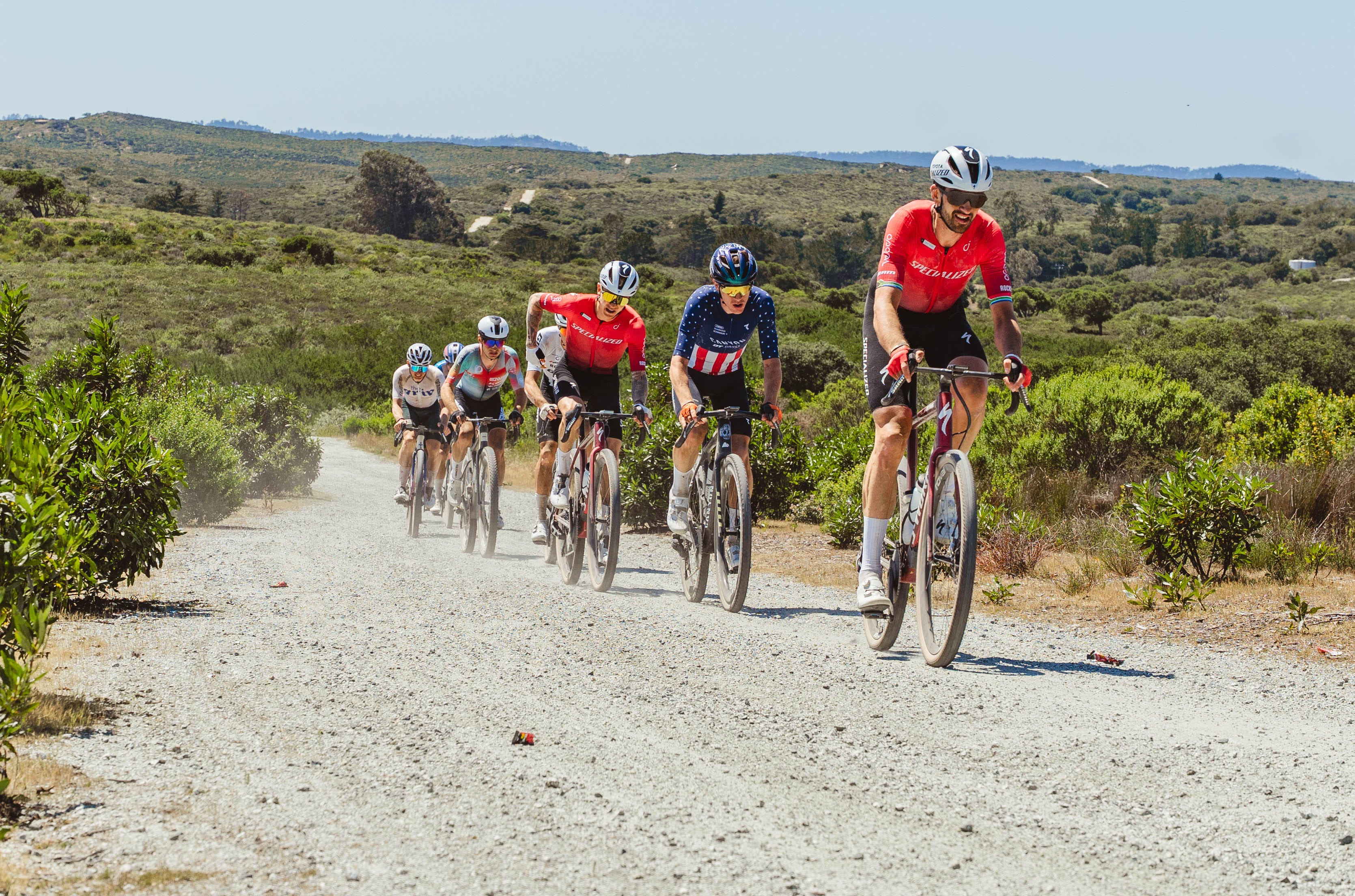
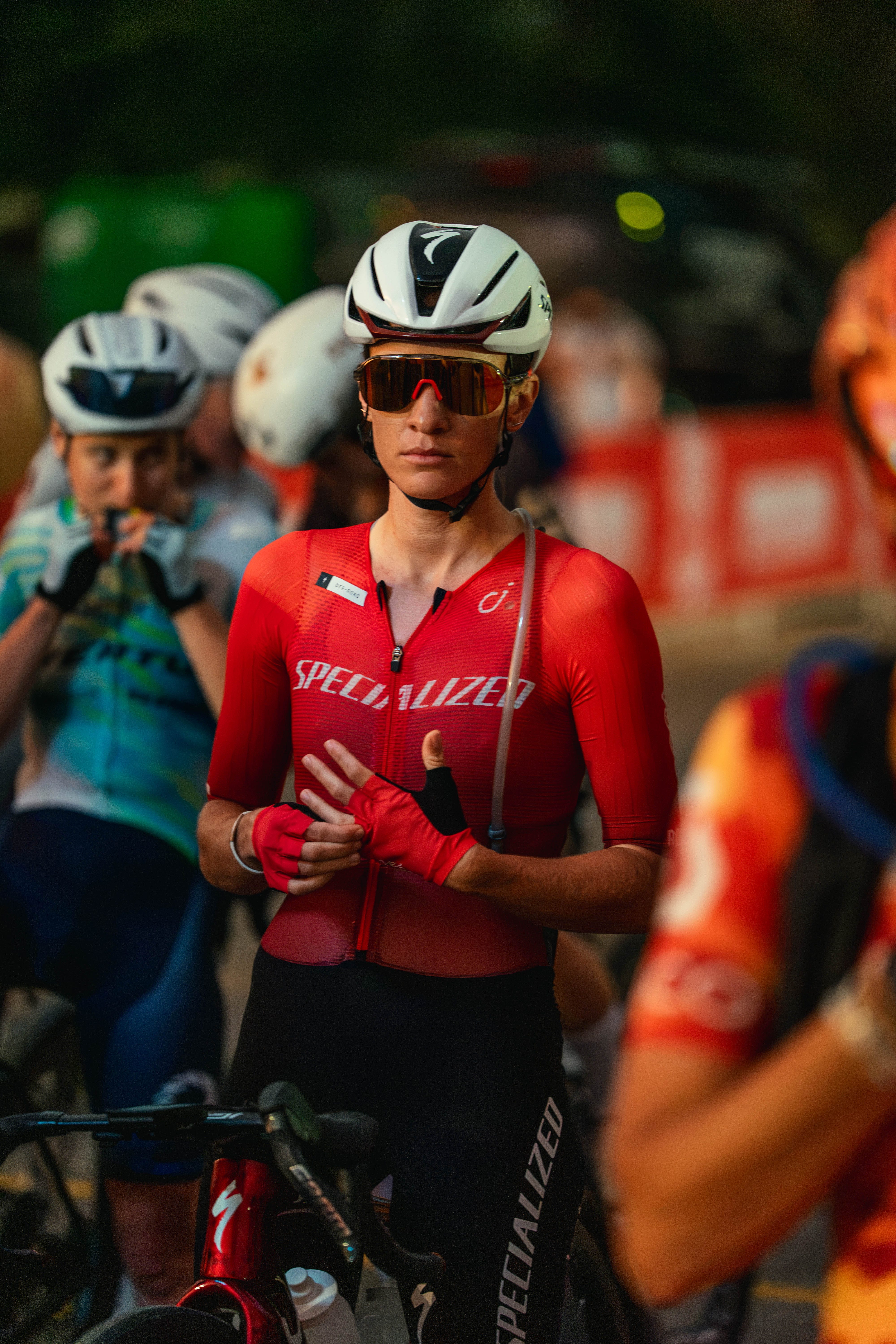
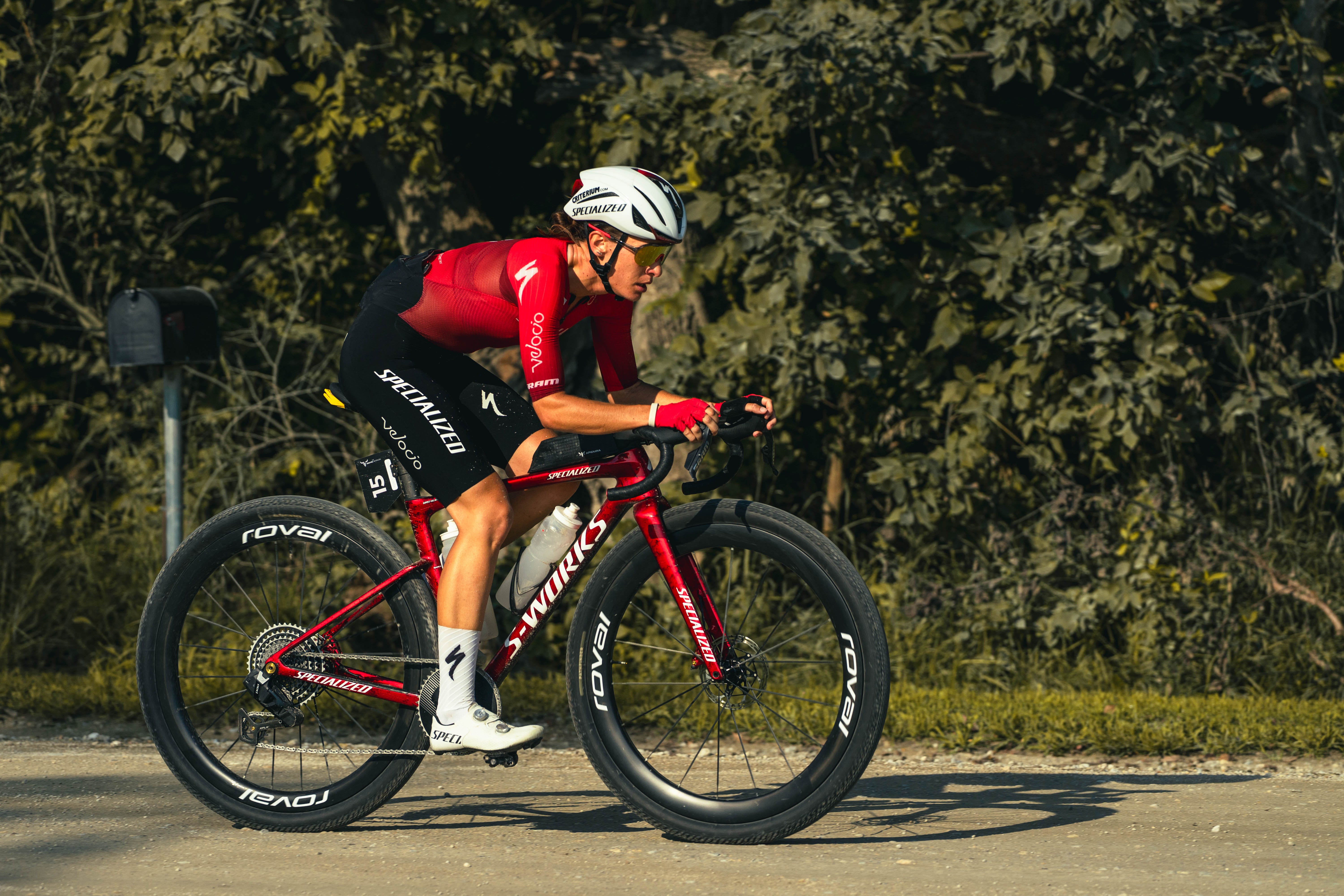
This season Specialized Off-Road made sure to create brand unity across its gravel and mountain bike teams. Completely ignoring the fact that its squads are stacked with top talent, each team followed a formula that made them the easiest for consumers to remember and picture. The first piece of branding was simple but striking kits across the factory gravel and mountain bike teams. Red jerseys, black bibs, and white helmets, shoes, and socks were the standard kit across teams. If that was not enough, athletes on these teams all raced bikes with the same textured red paint scheme. They even made exclusive red components for team members and made a point of marketing them. To my knowledge, Specialized is the only brand to implement this strategy in 2026.
Making women the focus for road and cyclocross
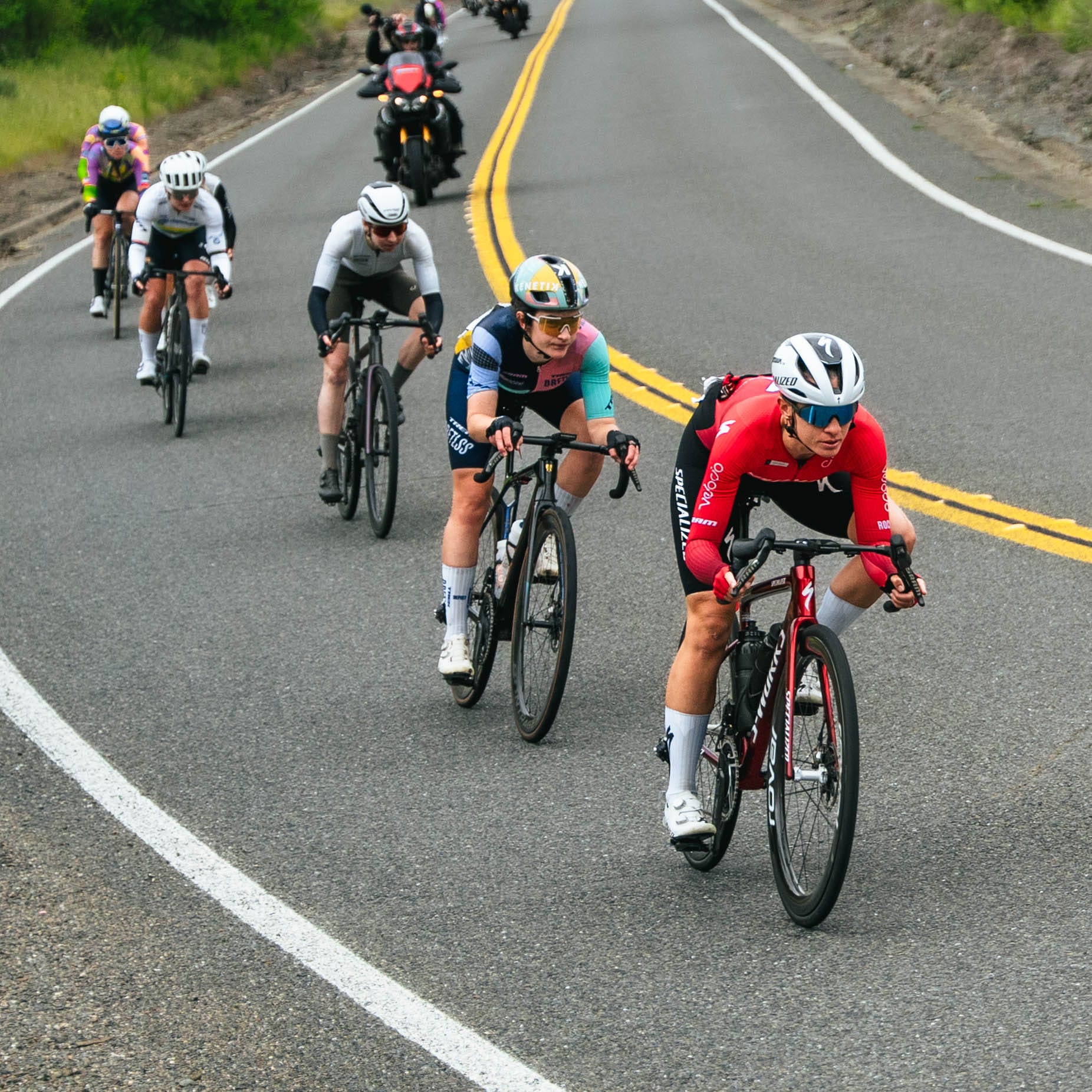
If I had to pick a team across the men’s and women’s WorldTour that left their mark this season, it is, without question, FDJ-SUEZ. Again, Specialized riders dominating the biggest races was only part of the equation. A lot of the credit has to be given to the FDJ-SUEZ marketing team, but given their close relationship, Specialized was almost certainly influencing decisions behind the scenes. Instead of spreading its storytelling across teams, it all felt directed towards this particular women’s squad. In the US, the signing of Kate Courtney almost eclipsed Demi Vollering’s Tour de France Femmes and World Championship titles.
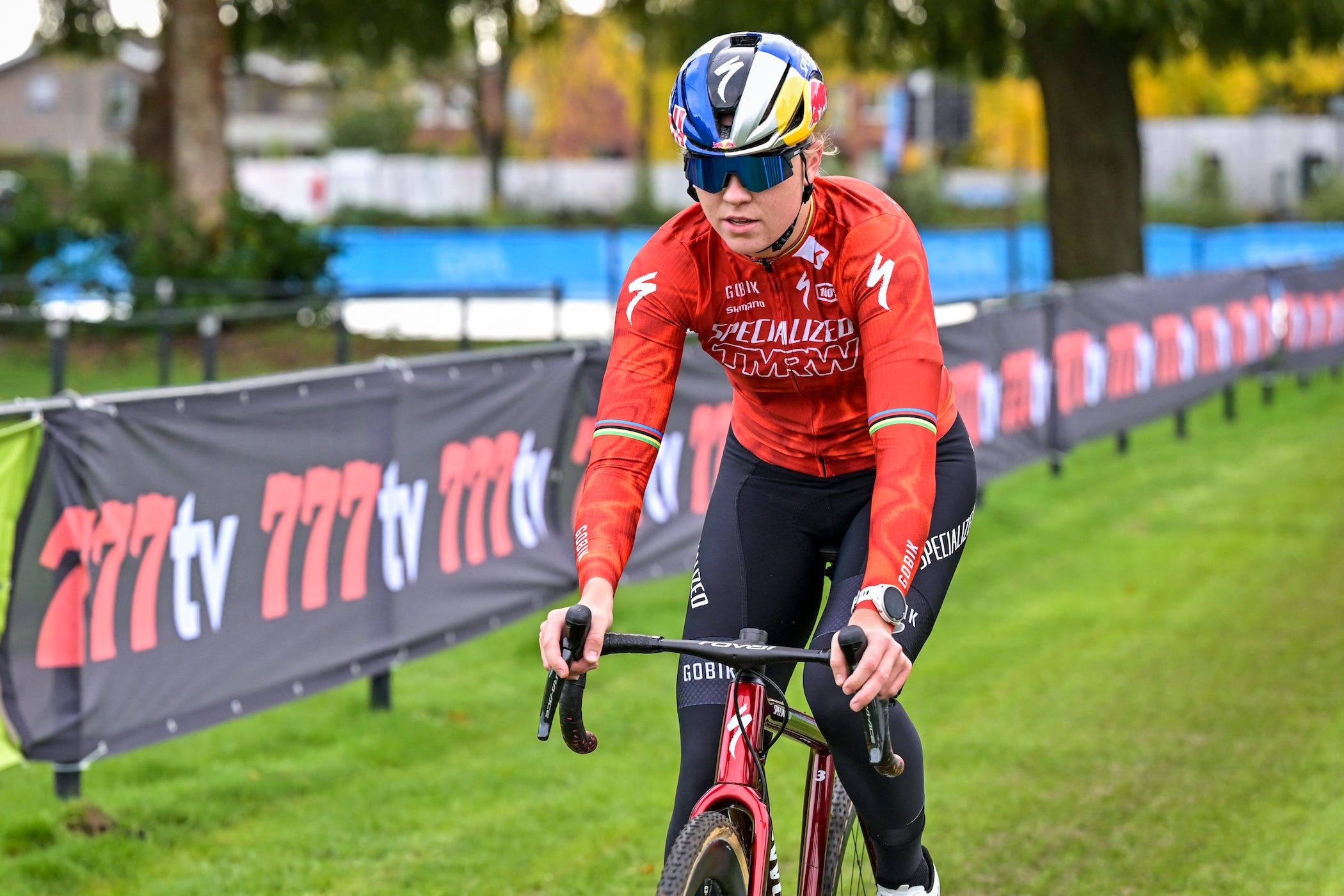
Additionally, for the first time I can remember, a major marketing push was executed for women’s cyclocross. The campaign was not highlighting a bike or a dedicated cyclocross team. It partnered with the FDJ-SUEZ owner to announce Specialized ;; TMRW, an initiative to foster new generations of road talent through a multi-disciplinary approach. The announcement even featured riders with cyclocross bikes bearing the off-road team paint scheme. There is nothing revolutionary about road riders riding cyclocross; this is very common. The reason this announcement felt special was that it united the brand across disciplines and emphasized development.
The actual storytelling
The detail that tied all these marketing moments together was the storytelling itself. Specialized ramped up the amount of video production it did this season, and it followed all the teams we just discussed. Across the Specialized and FDJ-Suez YouTube channels you will find behind the scenes content, podcasts, and production-grade features that focus on riders telling their stories and lifting the veil on professional athletes. This content is the only reason I came up with the idea for this piece.
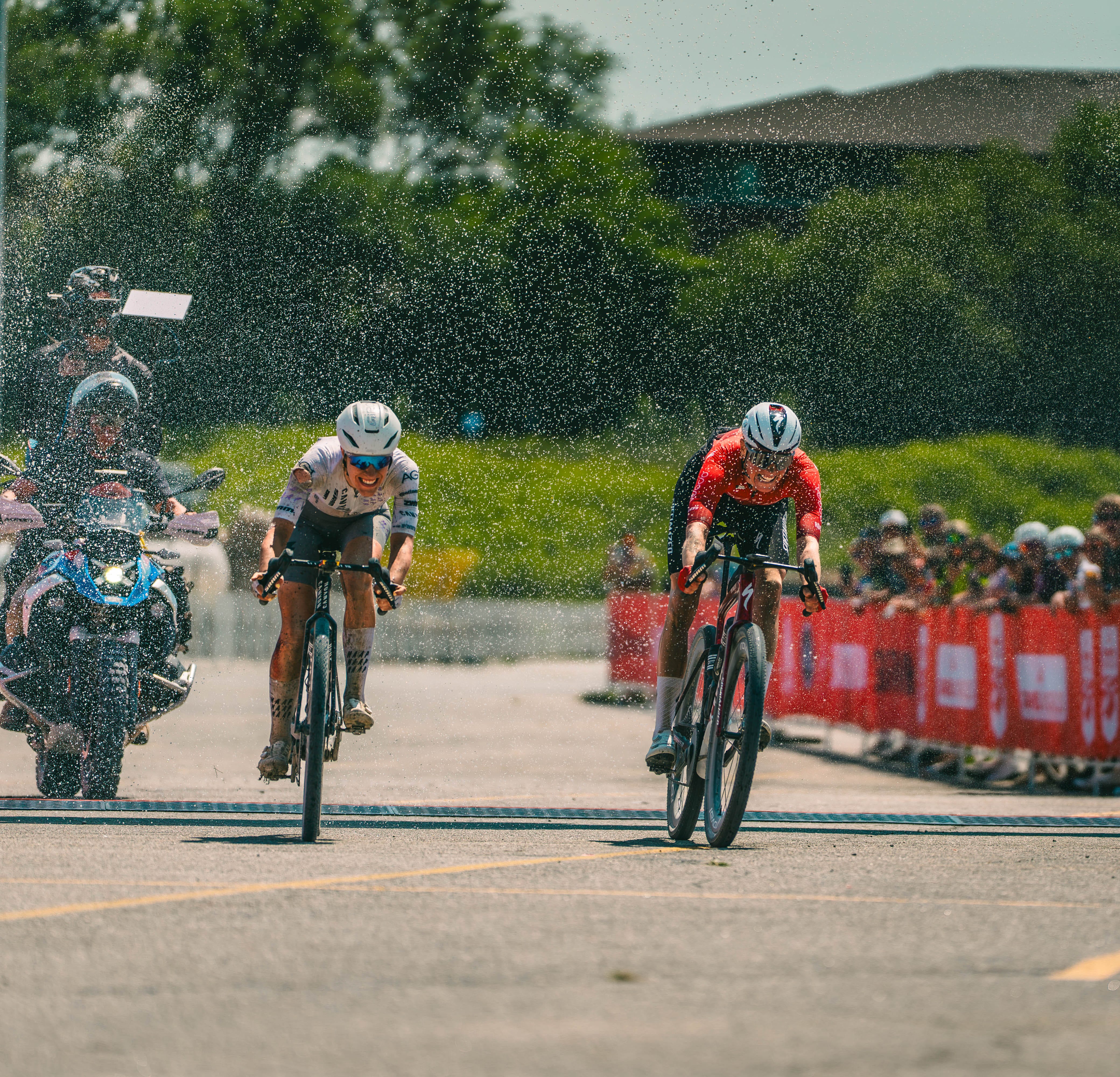
Specialized showed its possible for even the largest brands to rise to the occasion and change how they engage consumers on what seems like a moment’s notice.
To be continued
While this piece was rather brief, this topic turned from something I was unsure I should write about into something I will expand on in next week’s newsletter. Specialized’s strategy has captured my attention all season. It also raised the question of what other brands could be doing from a storytelling perspective to insulate themselves from a rapidly adjusting market. We know that even the biggest brands are dedicating resources to storytelling, so next week we will talk about the options available to everyone else.
Ride and rip,
Kyle Dawes

I'm female and older. I won't ever be a pro and I may never win a title. My time has passed. Too little, too late.
I do, however, love to ride and compete and walk around expos and dream of the what-ifs. The incredible growth and push of women's cycling, brands, apparel, teams, coaching, camps is awesome to watch evolve, even pregnancy is having fanfare.
It's a great spotlight.
Let the confetti fall!
🩷🤘🏻❤️
Spec. has always had some great storytelling. I always enjoyed their World Cup recap videos. There's some great stuff if you scroll way back on their YouTube channel. I'm also reminded of this rad doc on Howard Grotts https://www.youtube.com/watch?v=bDO4i9M5JKY