


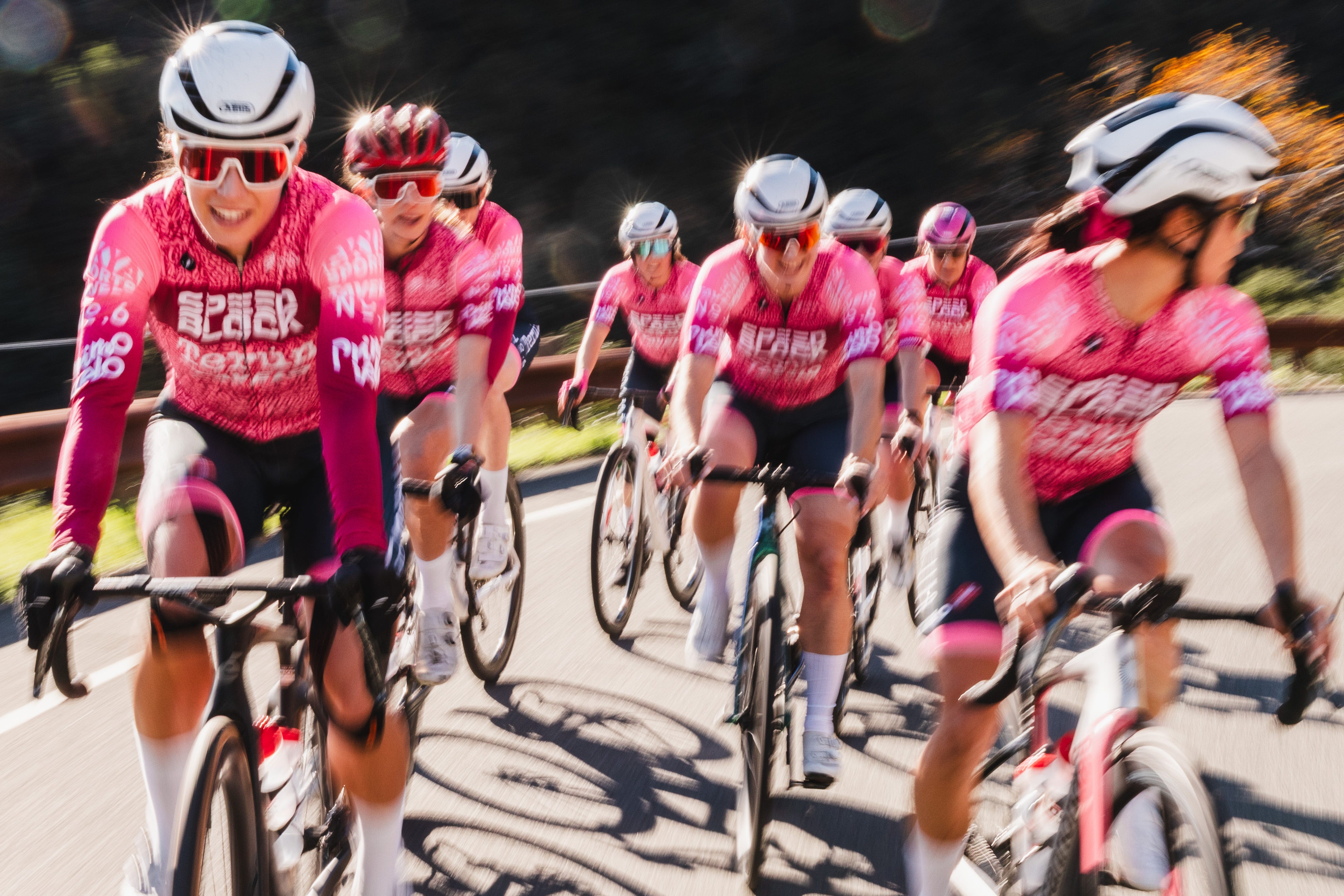
Two weeks ago, I published a piece outlining how the United States could become the dominant nation in women’s cycling. The focus was simple: there is a clear gap between the U23 level and WorldTour racing, and we have not built a strong enough bridge between the two.
I outlined two potential paths that could improve American rider development and ultimately produce more professionals. The first was a significant investment in the domestic road scene. More high-quality pack racing in the U.S. would better prepare athletes for the demands of European competition. The second was to expand our footprint of women’s Continental teams. A higher volume of Conti teams would increase competition domestically while also creating more structured stepping stones for riders aiming to race abroad.
The final component of that article addressed the economics of Continental teams and sponsorships. I broke down what it actually costs to start a Continental team and how those teams could be pitched to sponsors in a way that communicates real, measurable value rather than abstract exposure.
Shortly after publishing the piece, a former Built on Bikes guest reached out. Yuri Hauswald, Athlete Manager at GU, said the topic immediately made him think of a Bay Area team that is already attempting to bridge the gap between development and professional racing: SpeedBlock-Terún.
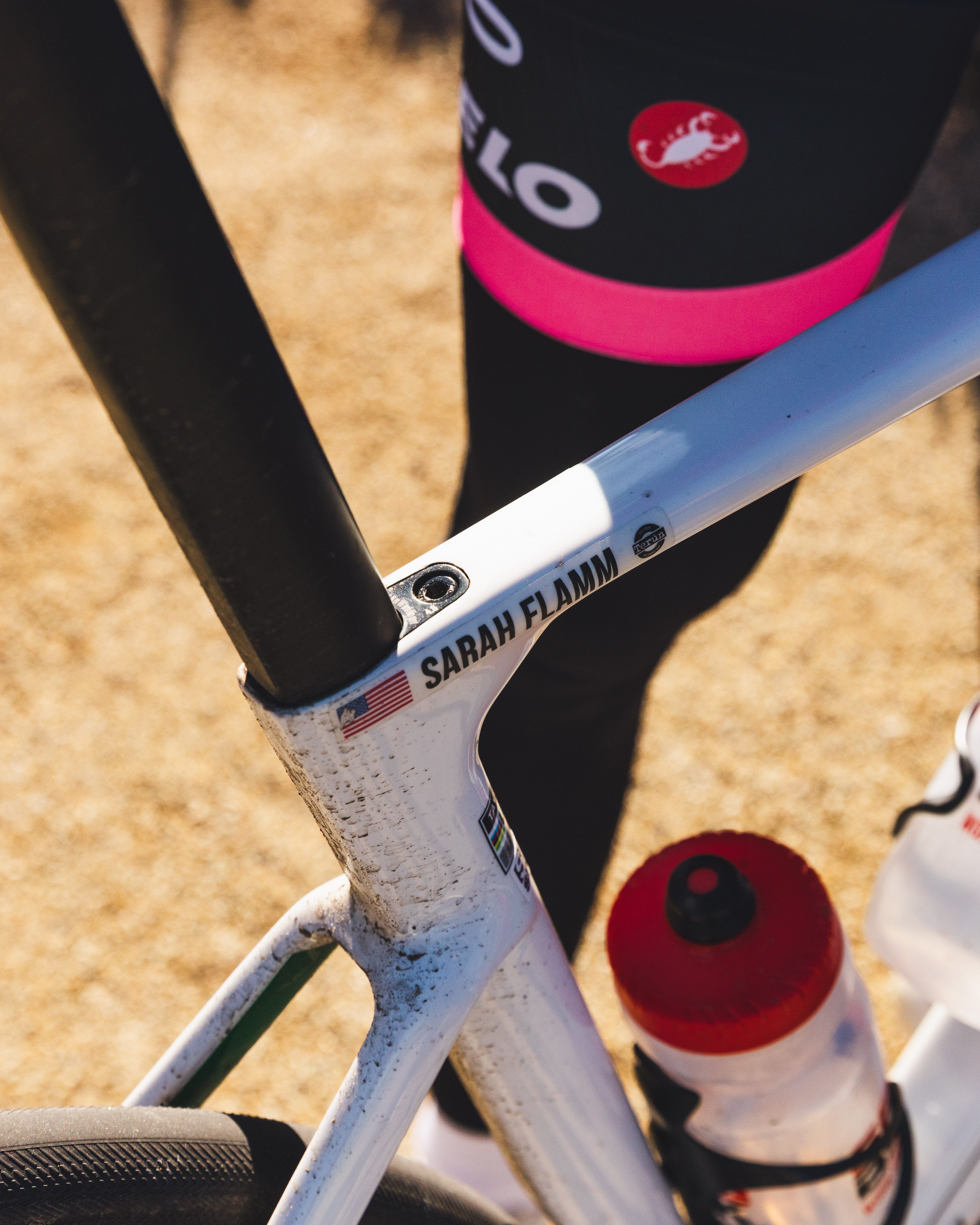
Yuri connected me with Sarah Flamm, who races for the team while also handling various administrative responsibilities. Within days, I had a call scheduled with Sarah and Erik Garfinkel, owner of Palo Alto Concrete and SpeedBlock, the team’s title sponsor.
Going into the conversation, I wanted to understand how SpeedBlock-Terún approaches rider development, how they have achieved longevity in a volatile domestic road scene, and how they think about professional ambitions as an organization. I was equally interested in hearing from Erik. What does it actually mean to sponsor a team like this? What factors matter when a sponsor evaluates a proposal? And how can teams create value in a way that feels sustainable rather than transactional?
SpeedBlock-Terún
Similar to my conversation with Eric Hill, founder of the UCI Continental team Project Echelon, I wanted to understand what makes SpeedBlock-Terún both viable and marketable in today’s domestic landscape. My goal is the same as it was with that piece, to highlight working models so other teams in the United States can learn from them and, in turn, help move the sport forward.
Before diving into what makes the team tick, a bit of background on the team.
Based in Palo Alto and founded in 2004, SpeedBlock-Terún operates as a three-tiered men’s and women’s program. The structure includes a club team, a development squad, and a domestic elite racing team. That layered system is central to how they think about sustainability and growth.
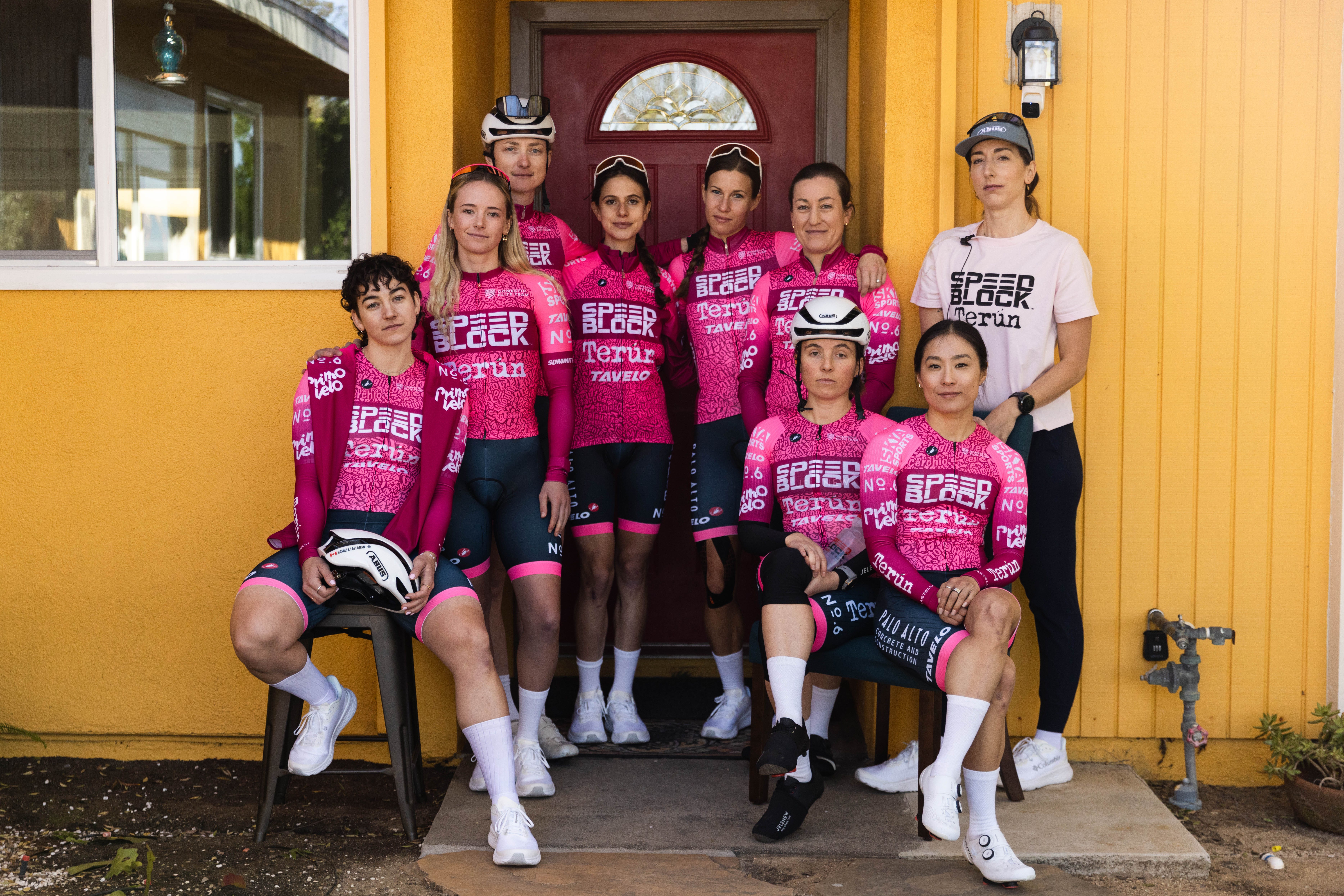
The team’s title sponsors reflect a community focused approach. SpeedBlock, a revolutionary concrete block system, is owned by Erik Garfinkel through his local company, Palo Alto Concrete and Construction. Terún is a Palo Alto pizzeria owned by Franco and Maico Campilongo. Both sponsors are deeply embedded in the community the team rides in every day.
Longevity in a volatile sport
The first thing I asked Sarah was how the team has achieved longevity in the American road racing scene and what’s made it possible. Sarah was precise in her answer, listing three pillars of the team’s identity that creates loyalty and attracts talent.
Community first culture
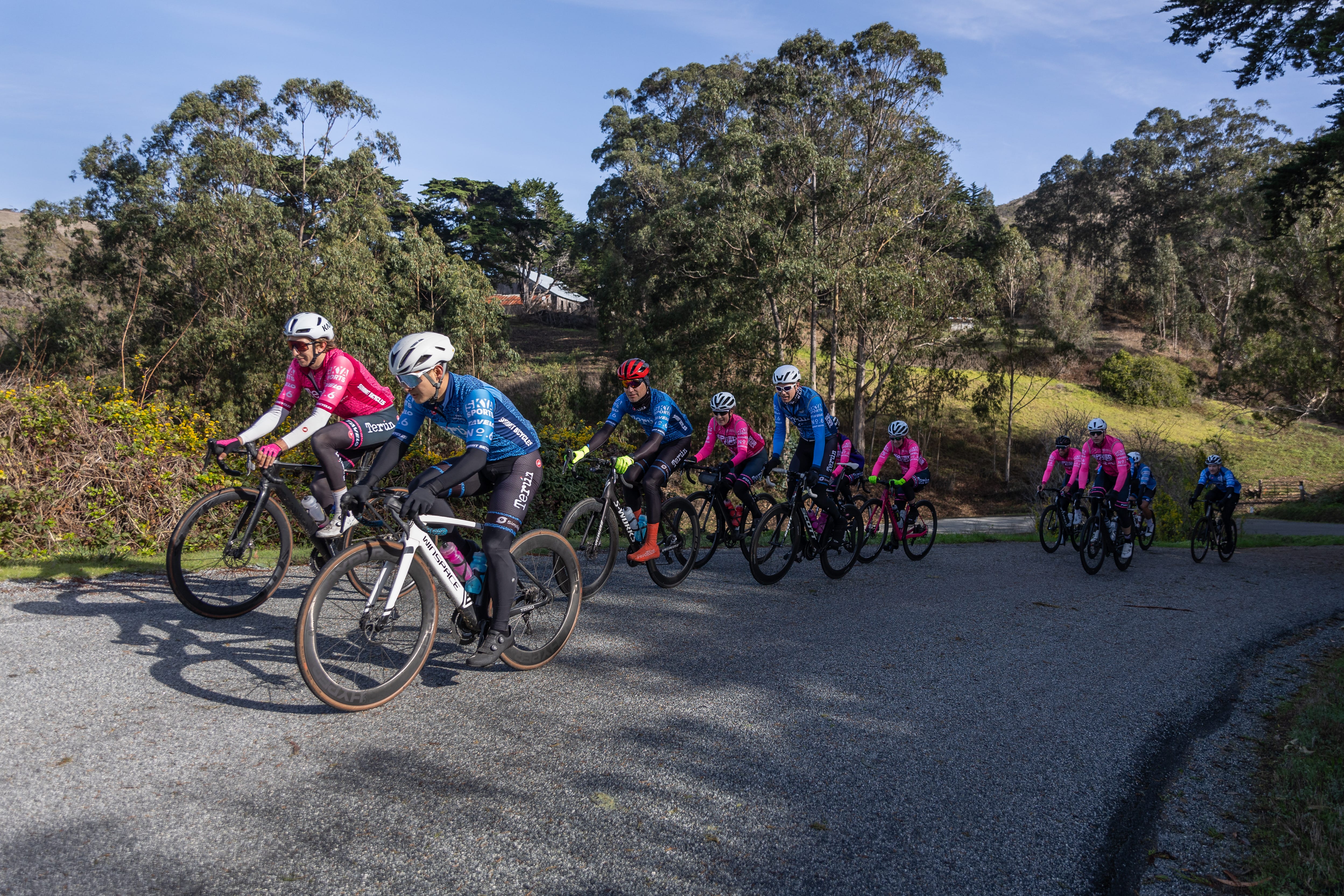
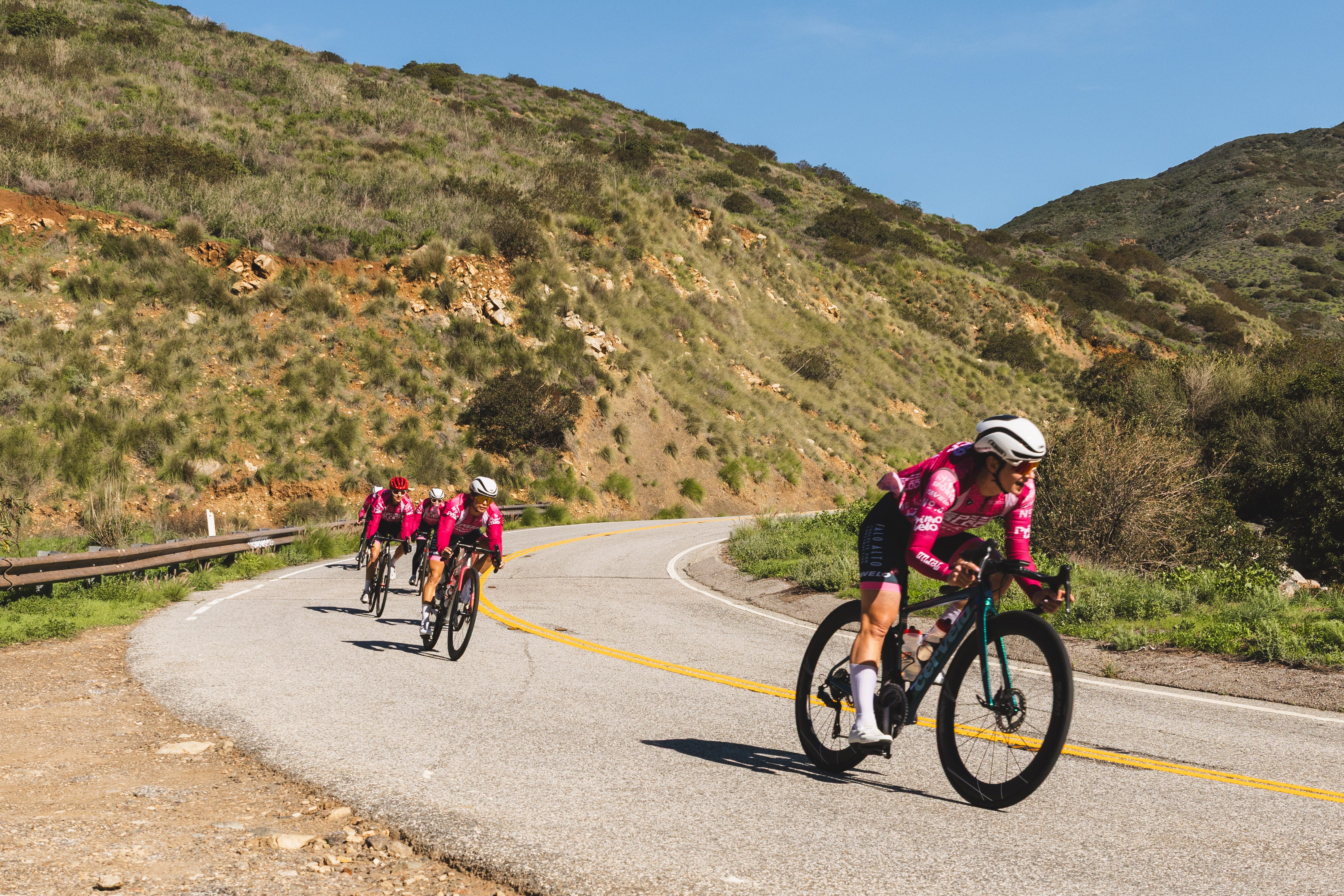
One of the most unique aspects of SpeedBlock-Terún is that it embraces a culture more commonly found in European club cycling. At its foundation is an 80-rider club team that is open to anyone who wants to join, supported by an active calendar of group rides and community events.
On top of that foundation are both a development team and a domestic elite squad for the most competitive racers. Together, these tiers create a system where community and performance coexist. The elite and development riders benefit from structure and professional support, while the broader club gains exposure to high-level racing experience that filters down through mentorship and shared training environments.
Sarah described the dynamic simply:
“The team is formed in a dynamic fashion. Friends bring friends, fellow racers recruit fellow racers. Folks who are involved genuinely enjoy riding bikes, being outside and like hanging out with each other. It’s a big tent, all types of riders are welcome.”
Local, tangible sponsors
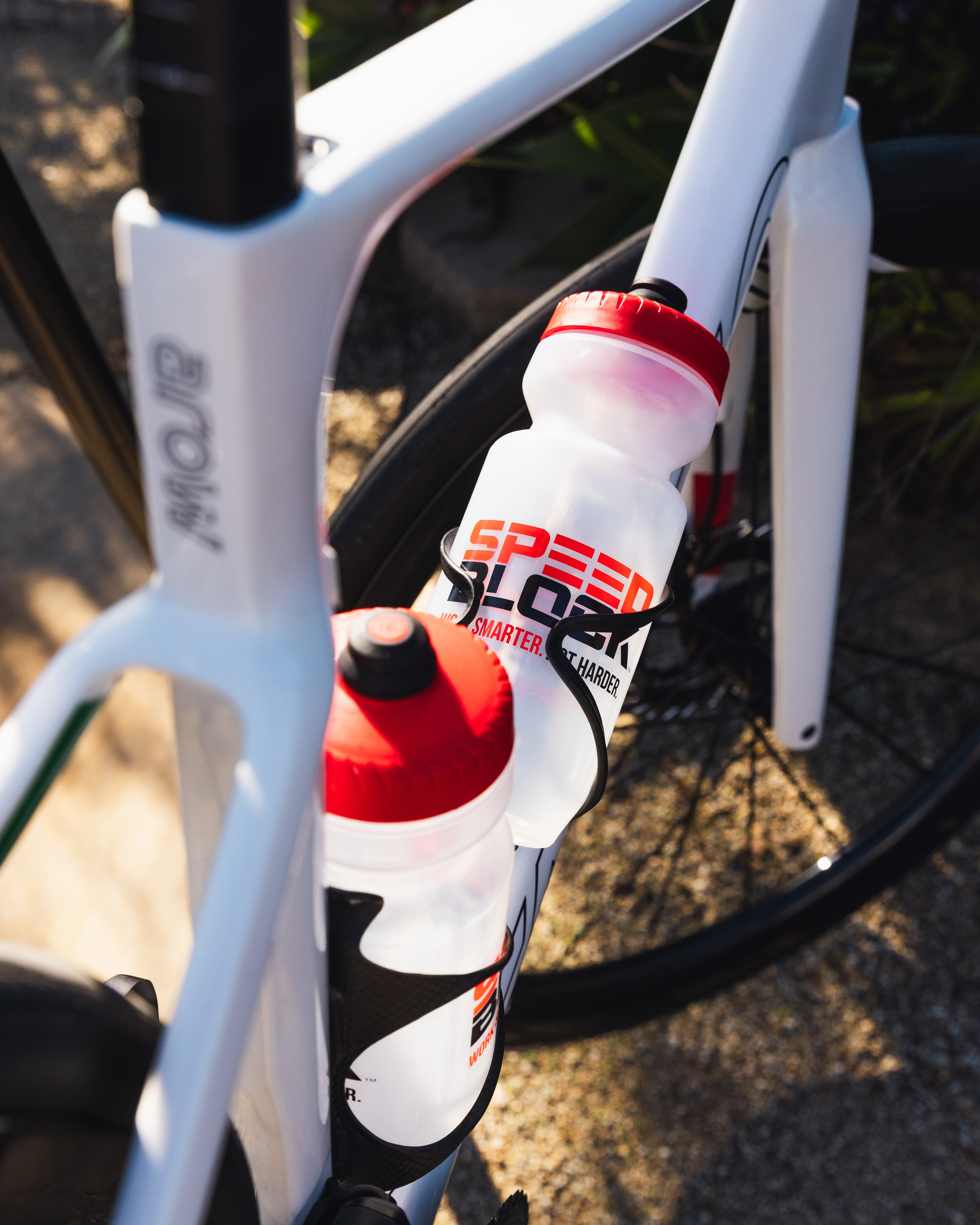
A major upside for local businesses that sponsor a cycling team is simple visibility. At any given time, multiple riders are out on community roads serving as rolling billboards. But beyond exposure, there is something more powerful at play.
Unlike sponsorships from intangible brands such as software companies, SpeedBlock-Terún represents businesses that are physically embedded in the community. Their sponsors are not abstract logos. They are restaurants people eat at and construction companies that build homes and commercial spaces in the very neighborhoods the team rides through.
Tangible sponsors from the team’s community create a mutually beneficial relationship. Sponsors benefit from consistent, visible advertising, while the team gains relevance beyond the cycling world.
Strong non-profit organizational structure
Just like Project Echelon, SpeedBlock-Terún is organized as a non-profit. Sarah highlighted that this is a major strength for the team because it creates a legitimate structure for decision making and administrative accountability, ensuring all funds go back into the organization.
“There’s a four-person board of directors, and those directors rotate out. We have a board president, a CFO, a secretary, a vice president, and we all meet and discuss administrative matters.”
Much like Project Echelon, SpeedBlock-Terún is a well-organized team with strong stories to tell, firmly rooted in the community they operate in. These elements work together to create a meaningful local footprint that naturally attracts emerging talent.
Development is a team effort
Attracting talent is important, but a team also needs to follow through on developing it. Sarah made it clear that SpeedBlock-Terún takes a long-term approach, prioritizing sustainability for both the athlete and the organization. The philosophy is protective and rider-first, avoiding the kind of pressure that can lead to burnout.
Key attributes of SpeedBlock-Terún’s development model include:
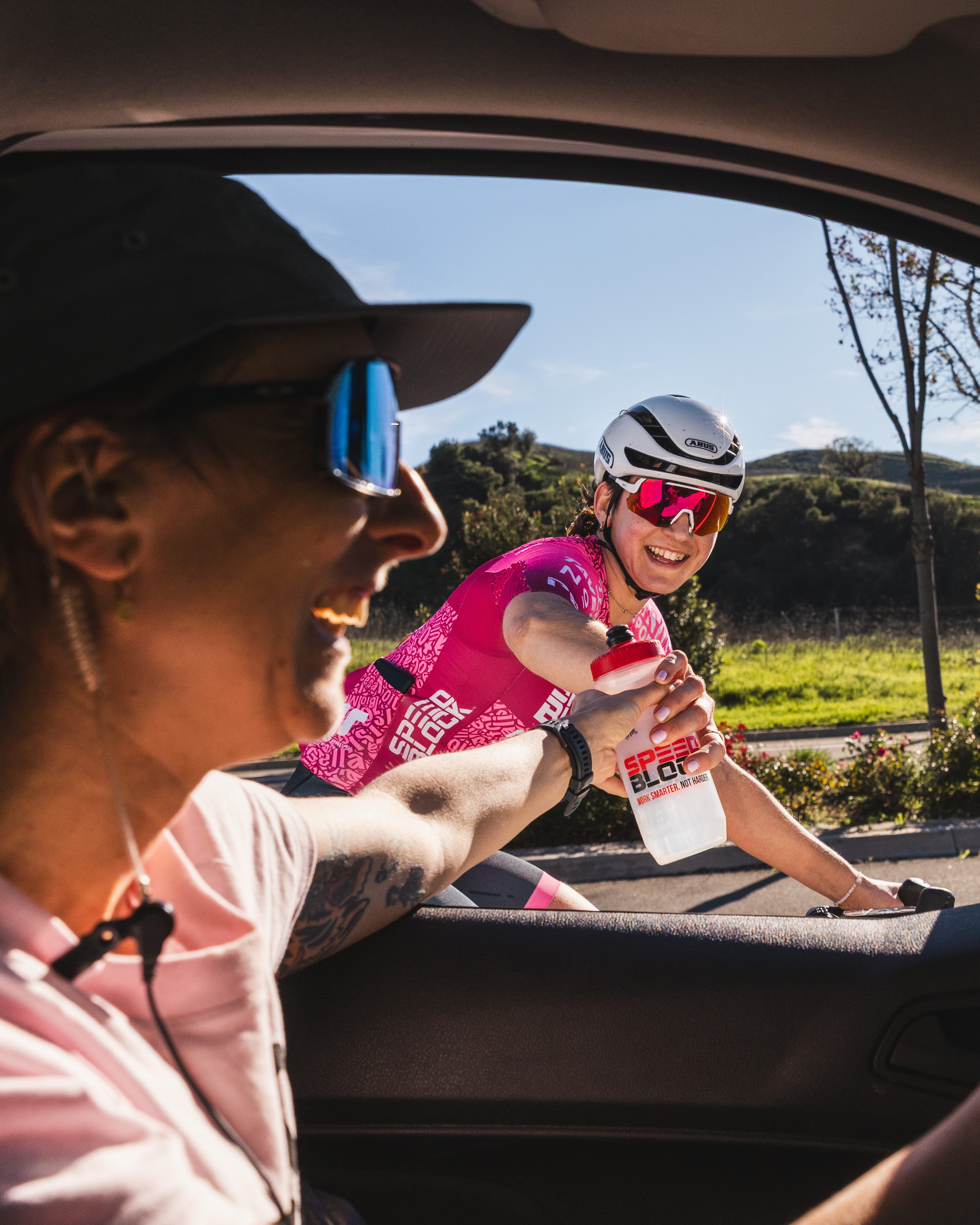
Access to professional support:
A recent example is the hiring of the team’s first director sportif.
“We’ve recently hired a professional who can assist with development this year. She is recently out of the sport after 12 years of professional racing and she meets one-on-one with riders to have check ins and chats. She will be at the races and she will be directing the team.”
Diffused leadership and mentorship:
Because the team is not currently a Continental program, it can retain experienced riders who help guide younger teammates.
“We have a diffused system of leadership so riders can teach their fellow riders. It’s really strong and sustainable.”
Rider-first policies:
There is no requirement to race in Europe or follow a rigid schedule. While the team targets certain events and may travel abroad for blocks of racing, riders maintain autonomy. That flexibility reduces stress and allows development across different environments.
“No one has this mentality of, ‘I have to race. This is so stressful.’ We don’t want that. The attitude is, we’re so lucky, we can train, we can ride, and we can race.”
Developing women’s cycling
This was one of my favorite topics to discuss with Sarah. She raised important points about the potential downsides of pushing American riders to Europe and the WorldTour as quickly as possible. Her perspective made me reconsider how heavily I emphasized that goal in my previous article.
The most significant risk is burnout. Intensive, accelerated development can shorten careers just as easily as it can elevate them. Sarah offered several viewpoints that support a different approach: build more Continental teams, strengthen U.S. racing, and focus first on creating a deep and sustainable domestic system. Producing a higher volume of WorldTour talent can follow from there.
“I’m not convinced that necessarily that a lot of riders want to go race in Europe. I’m not sure that that needs to be the goal necessarily or if that’s the best way to develop talent. We have some riders that did race in Europe and it backfired because they burnt out.”
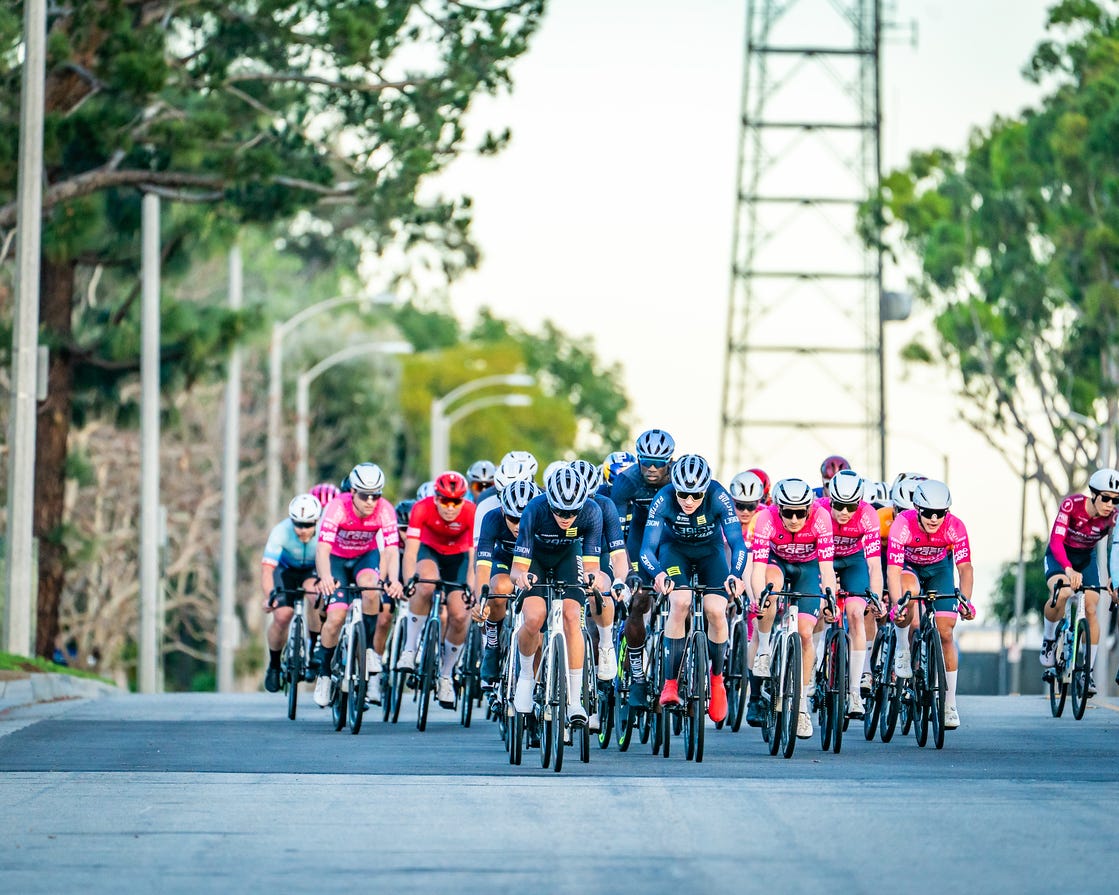
Staying rooted in the United States has benefited the team. Riders can learn race tactics from experienced teammates while remaining connected to their day-to-day lives. Sarah emphasized that the ecosystem of women’s road racing in the U.S. is stronger than many realize, pointing to events like the Redlands Cycling Classic as proof.
“This year there are 20 women’s teams. There’ll be 150 women in the field this year, which is the biggest field that women have ever had.”
Rather than solely acting as a bridge between amateur and Continental racing, SpeedBlock-Terún’s goal is to elevate its own program to Continental status, expanding its development capabilities from within. Sarah’s perspective suggests a more measured path forward: allow a steady trickle of American women to reach the WorldTour while continuing to invest heavily in domestic racing. Over time, that foundation could produce even more WorldTour talent.
Switching gears
After gaining valuable insight from Sarah, I shifted the conversation to Erik to better understand his decision to sponsor an American club team. Pitching a development or semi-pro team to U.S. sponsors is notoriously difficult, so my first question was simple: why?
It turns out Erik was more than casually familiar with cycling. He grew up in the sport, raced competitively, and even moved to Europe when he was younger to pursue professional racing. That background made it clear he understood what sponsoring a team entails. As he explained:
“I did it when I was younger, so I’m kind of giving back. For sure it starts with a passion.”
Passion alone was not enough, though. Erik emphasized that the team’s professionalism and structure played a major role in his decision. He had previously considered starting his own squad, but found it more practical and reliable to support an established organization with strong leadership and deep community ties.
“What I really like about Sarah’s team and the organization is exactly all of these she said, the community, the organization that they had already had. They’re professional.”
It may sound obvious, but pitching to sponsors who already have a connection to cycling is a significant advantage. For teams seeking funding, identifying business owners who are embedded in the sport may require more effort upfront, but it can make the pitch far more natural and effective.
As Sarah noted earlier, pairing that passion with tangible, community-rooted businesses creates a powerful combination.
How to be attractive to a sponsor
Erik made a pertinent point that for a team to be attractive to a sponsor, they need to have a media footprint. Especially for smaller teams that won’t get TV time, having a social following that is much broader than that of a sponsor’s is the single most attractive for a team from a marketing standpoint.
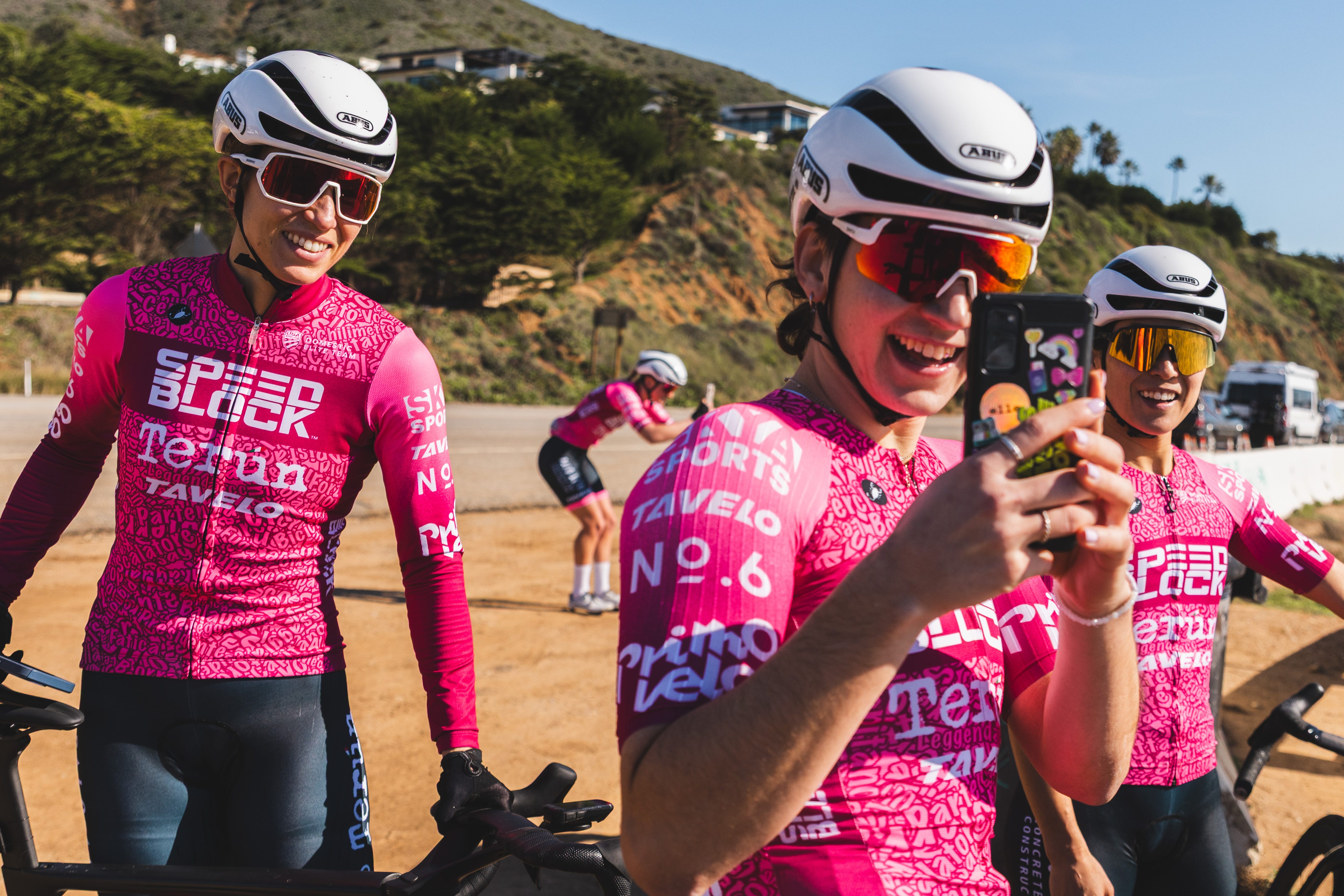
In the United States, live streaming for road and gravel events is on the rise, but still doesn’t reach a large enough or even local enough audience for the types of sponsors we are looking for. Erik believes the marketing landscape, and the role of teams within it, has fundamentally changed.
“It’s a new job that teams didn’t have to do 10 or 20 years ago. Be all the cool factors so that people rally for you and people want to sponsor you.”
Alongside that shift, he reinforced a point I’ve emphasized before: storytelling is how teams grow and attract sponsors. With teams like EF Education–EasyPost and Unibet Rose Rockets building large audiences through behind-the-scenes content, it’s more feasible than ever for a developmental program like SpeedBlock-Terún to carve out meaningful attention.
In many ways, SpeedBlock-Terún’s biggest opportunity may lie in telling the stories of its developing riders. With many athletes balancing full-time careers alongside racing, that narrative could resonate far beyond the traditional cycling audience and show what’s possible for “ordinary” people pursuing the sport at a high level.
Budgets
In my previous piece on women’s cycling in the United States, I broke down the financial commitments required to become a Continental team recognized by the UCI and USA Cycling. After learning more about SpeedBlock-Terún’s budget, I can admit I was generous in my projections for a hypothetical eight-rider Continental squad.
For SpeedBlock-Terún, moving up to Continental status is a realistic future goal. Even with a larger roster, the budget required appears more attainable than I previously estimated. It’s still a significant sum, but far more manageable.
The primary hurdles would be rider and staff compensation, along with travel costs. With the addition of another sponsor or successful fundraising, building a Continental team capable of targeting select European races feels achievable. My conversations with Sarah and Erik made the prospect of more U.S.-based pro teams seem far less distant.
SpeedBlock-Terún is taking the next step
My conversation with Sarah and Erik was incredibly insightful and, honestly, energizing. It added important context to my previous article and challenged some of my assumptions. Two weeks ago I was unaware of this team. Now, after speaking with two of its key figures, my perspective has broadened significantly.
I have a clearer understanding of:
What is already possible and actively happening in domestic development
The reliable building blocks that create a strong, marketable team structure
How far a well-managed budget can realistically go

More than anything, the conversation reinforced that meaningful progress in American women’s (and men’s) cycling is not theoretical. It is already underway.
Connecting the dots
Many of the points I made in my previous article were reinforced by Sarah and Erik’s insight, while others were challenged and refined. Both outcomes are valuable. This Substack is meant to evolve alongside the conversations shaping the sport.
My understanding of domestic development shifts with each new discussion, and I’m never hesitant to revisit or revise earlier theories. Grounded, real-world insight is how we make progress. Before wrapping up this topic, I want to clearly outline what currently feels like the most effective path forward for domestic development.
What are the building blocks of strong domestic development teams?
Every situation is different, so this is by no means a one-size-fits-all approach. But these are traits that have proven both successful and differentiating among the domestic teams I’ve spoken with.
Teams rooted in community succeed
This point carries a double meaning, but centers on one theme: having people physically present makes a team stronger.
Speaking with Sarah and Erik made it clear that SpeedBlock-Terún’s European-style club structure has been key to its longevity and growth. Riders have a community to train with, confide in, and learn from. The combination of a large club base, a development squad, and an elite team keeps the program visible, active, and appealing to sponsors.
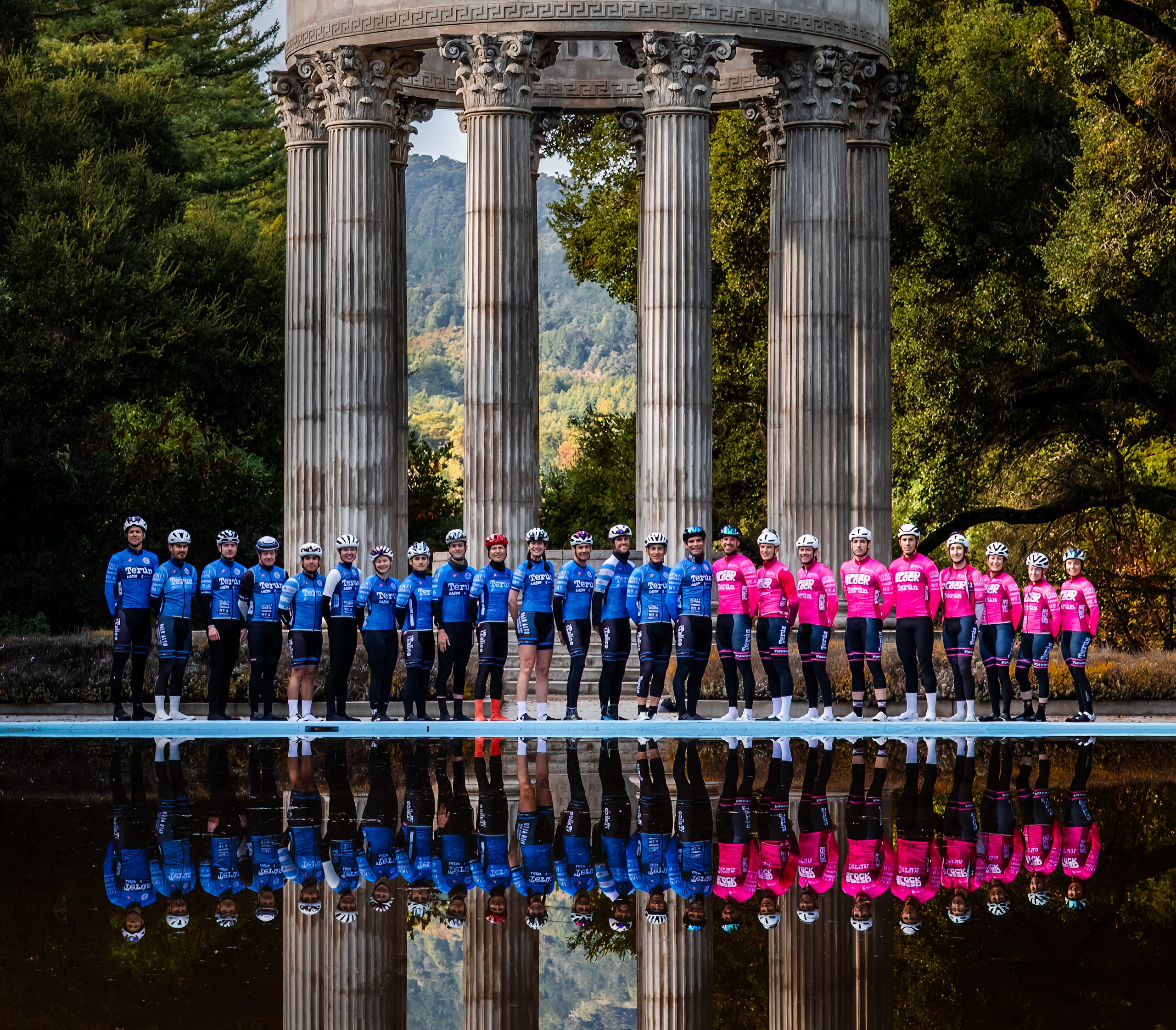
The second meaning of community is geographic. Rooting the team’s identity in a physical location creates tangible value for local sponsors. As we saw with Project Echelon and its active local outreach, becoming embedded in a community is highly attractive to businesses. SpeedBlock-Terún has successfully leaned into this through strong, locally rooted sponsorships.
There is a “type” of sponsor you should pitch to
As mentioned above, Erik pointed out the advantages of partnering with tangible, local businesses. If those businesses already have ties to cycling, even better.
Other desirable characteristics in a sponsor include:
A business model that typically generates strong cash flow
A genuine use case for increased community marketing, especially in a way that differentiates the brand and adds a “cool” factor to its image
Flexibility reduces burnout
While SpeedBlock-Terún is primarily focused on road racing, riders have the flexibility to target select events and even compete in other disciplines. That variety helps athletes develop a broader skill set, maintain their love for the sport, and balance professional ambitions with their careers outside of cycling.
It also raises an important question about how quickly we push riders toward European racing. Many domestic athletes may prefer to compete primarily in the U.S. rather than immediately pursuing the WorldTour. By incorporating European racing strategically, rather than treating it as the ultimate objective, riders can gain valuable experience without dramatically increasing the risk of burnout. It also allows them to make a more informed decision about whether that path truly aligns with their goals.
Continental status is nice, but not required
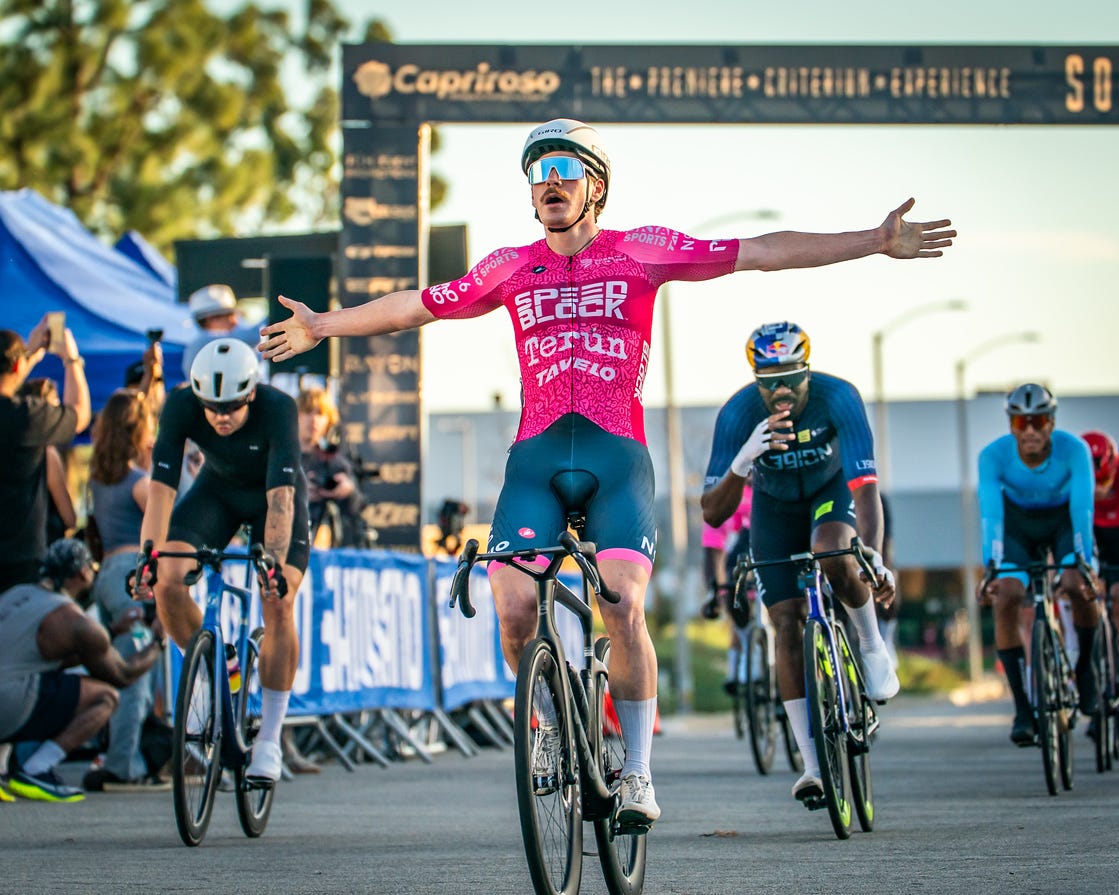
SpeedBlock-Terún is proof that elite domestic teams not only exist, but can thrive. I previously assumed Continental status was the minimum requirement to secure meaningful sponsor support. In reality, any team can attract sponsors if it can tell a compelling story.
In fact, we may need more teams like SpeedBlock-Terún rather than simply more Continental programs. Bridging the gap between U23 or amateur racing and the pro ranks is difficult. Jumping straight into the deep end does not always build skill, it often just teaches survival, as we saw with Hayden Christian. More strong domestic elite teams would deepen the U.S. racing scene and create a healthier development ladder. Over time, that could send more riders to Europe or even help make American road racing strong enough to attract the WorldTour back to the U.S.
Ultimately, budget determines whether a team survives. Domestic elite programs allow resources to stretch further than they might at the Continental level, offering a more sustainable path for many organizations.
Full speed ahead
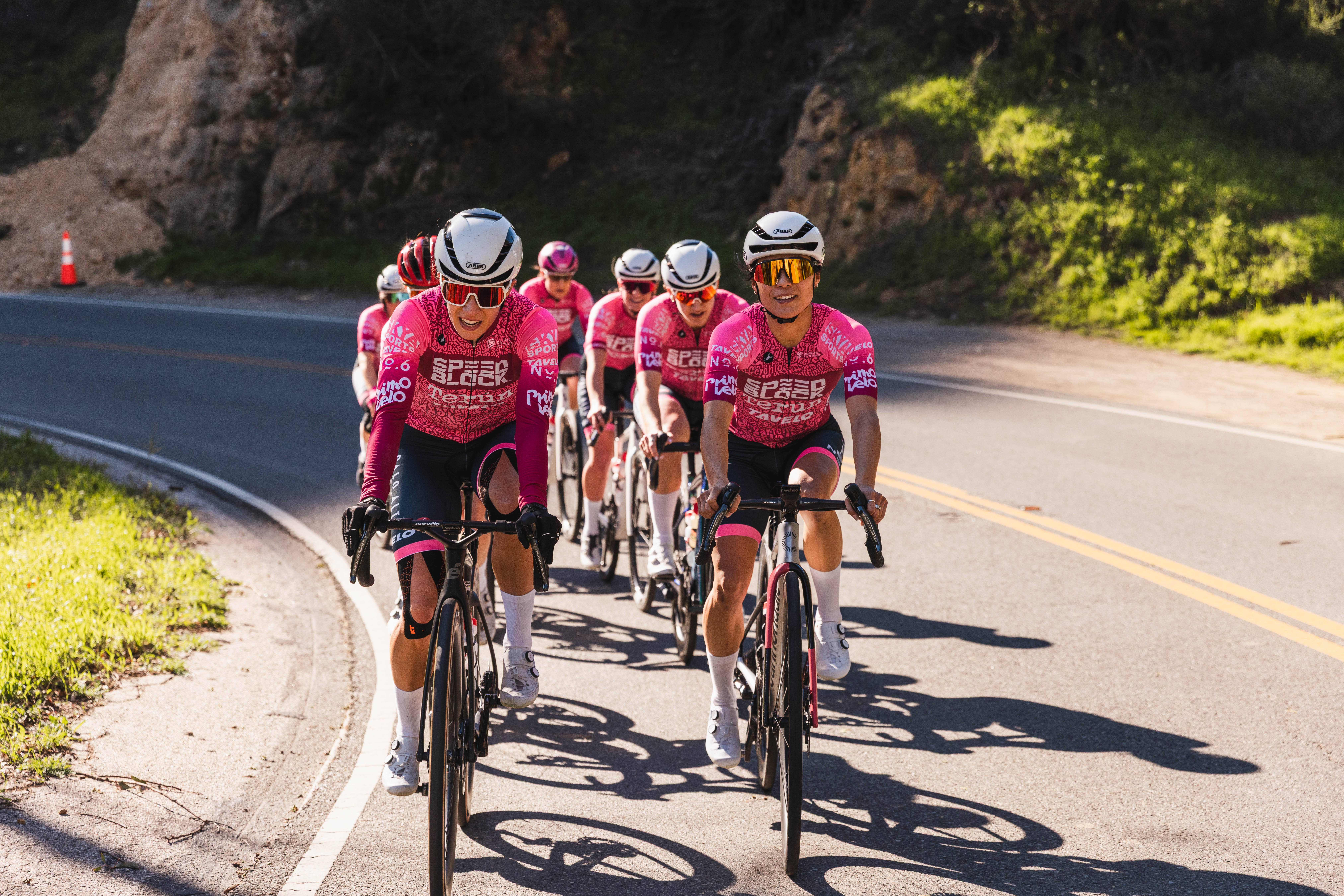
I’m grateful that Yuri connected me with Sarah and Erik. Our conversation gave me a clearer understanding of what makes a team both sustainable and marketable. SpeedBlock-Terún has a big year ahead, and I’m excited to follow their progress throughout the season.
Racing in the United States is alive and well. If we continue building sustainable and marketable team structures, there is real potential to elevate it back onto the world stage.
Be sure to follow SpeedBlock-Terún, SpeedBlock, and Terún Pizzeria!
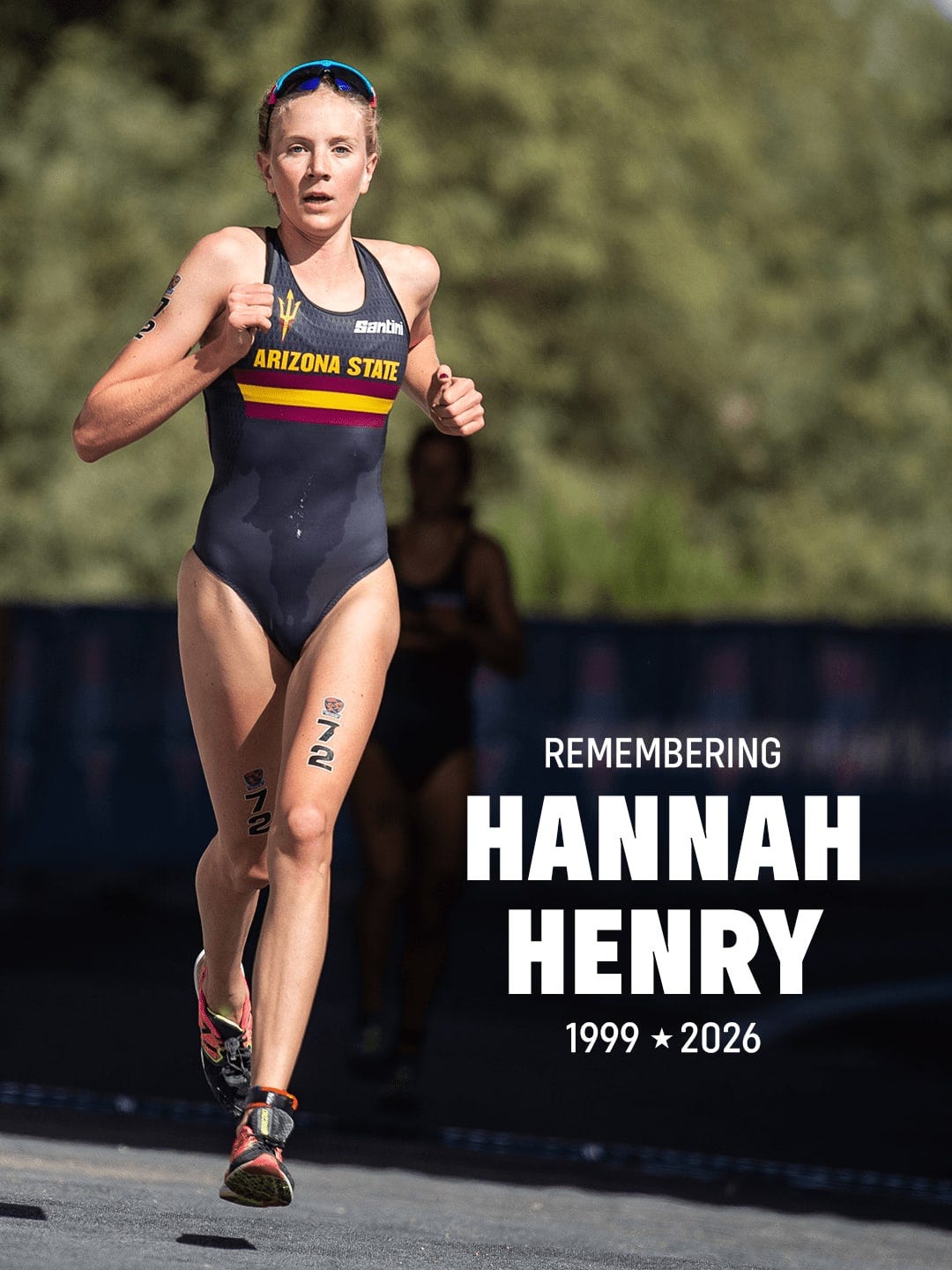
Remembering Hannah Henry
It’s with a heavy heart that I close another edition of Built on Bikes with tragic news. Last Saturday, two-time NCAA triathlon national champion Hannah Henry was struck and killed by a driver who fled the scene. Hannah was training in a dedicated bike lane when she was killed by a criminally negligent motorist. Sadly, this is not a unique story and something that has somehow become the default risk associated with cycling.
In addition to keeping Hannah’s family in our thoughts, I strongly encourage you to support the work of the White Line Foundation. The foundation was created by the parents of Magnus White, a 17-year-old national champion cyclist who was killed by a driver while training. They advocate for stronger safety measures, better driver education, and stricter consequences for motorists who negligently strike cyclists and pedestrians.
Visit their website to donate and prevent future road deaths.
Safe riding,
Kyle Dawes
My condolences go out to Hannah Henry’s family, especially her sisters.
They are so giving to our cycling community here in British Columbia, and we are grieving their loss with them
I believe that there is a lot of low-hanging return that sponsors could harvest from teams, by embracing the in person & community connections that this article refers to.
For example, at the highest level, bike brands that sponsor teams seem to be content with the TV exposure they receive. If I was one of those sponsors, I’d be more demanding of the athletes, expecting them to personally engage with the customer base. For example, in store appearances and customer ride participation for brands that have or anchor retail stores.
It’s that kind of personal touch that will really connect customers to a brand and build brand loyalty IMHO