


I’ve written several pieces about the business side of cycling, but have avoided one topic that is front and center for every industry: AI. It is proliferating every part of the cycling industry, from the supply chain where it is streamlining business operations and manufacturing, to performance where it is providing coaching and nutrition insights to athletes. We have even seen it touch hardware, like the RockShox Flight Attendant, which uses AI to continuously optimize suspension.
Compared to other industries, cycling and endurance sports haven’t embraced AI to the same extent. It makes sense. Endurance sports are focused on humans using their bodies to compete, and there is only so much AI can do for an athlete when they are actively racing.
The question isn’t if endurance sport will catch up to other industries in AI adoption, but when. As I thought about this, a more interesting question came to mind: what AI use case will dominate the endurance market and have the most impact on cycling?
As it currently stands, that use case is applications and platforms that help athletes and everyday hobbyists maximize performance through coaching, nutrition, and fitness tracking. No real surprise there, since we are already seeing major companies like Strava, Whoop, and Oura tackling this space and generating billions of dollars in revenue.
The problem is that those products only tackle one part of the equation. The same is true for platforms like TrainingPeaks and Join Cycling, which each address one specific use case. These platforms can integrate and communicate with each other, but that is asking a lot of the general market. People new to training won’t know about all of these platforms and will be looking for a one-size-fits-all solution that optimizes their performance and training in one place.
This week we’ll take a deep dive into AI in the endurance performance space. We are already seeing an influx of companies entering the market, but they remain siloed into their own subsections. The space will become increasingly competitive as new companies try to become the all-in-one solution while others look to merge and consolidate, but what will be the winning formula?
The current performance AI landscape
As I mentioned, cycling and endurance sports are already familiar with AI. Top WorldTour teams are using custom AI solutions that cover every aspect of performance, but for the privateer athlete and everyday hobbyist, the market remains fragmented into separate category segments.
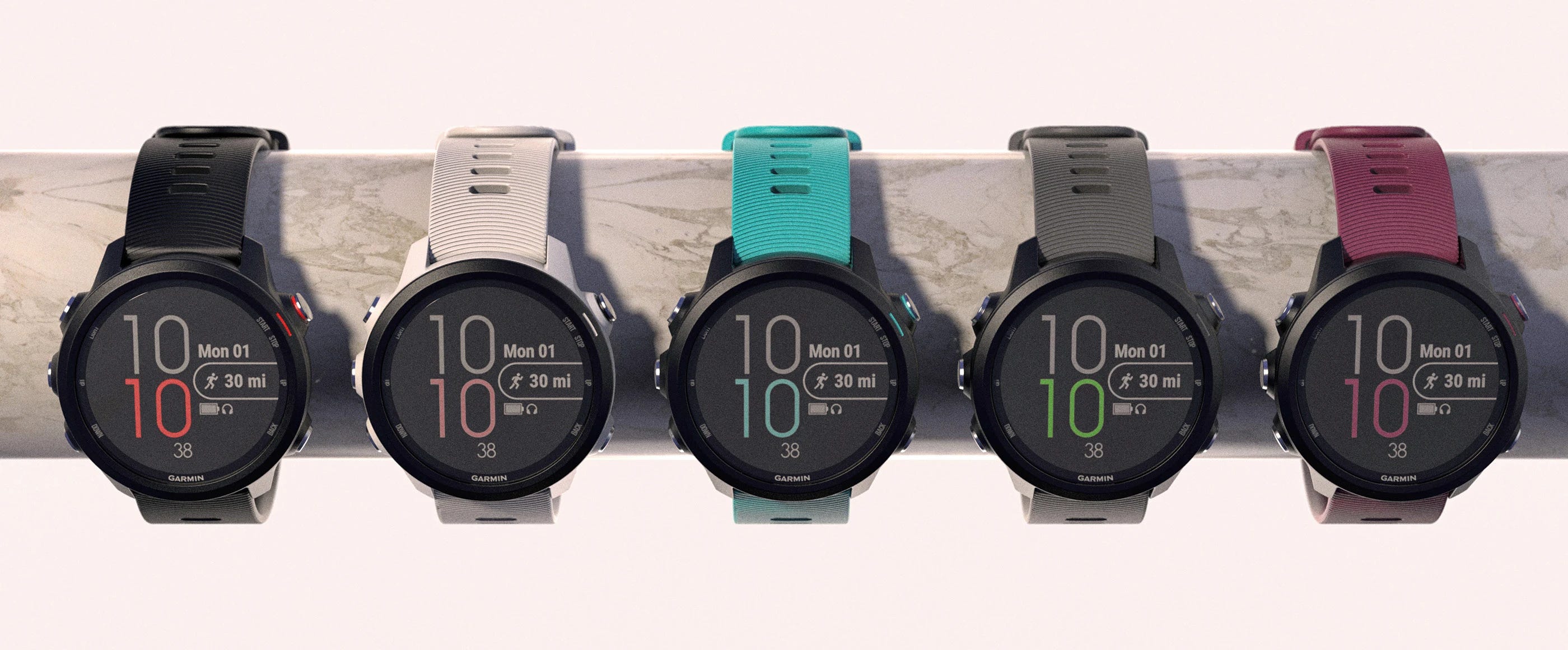
Wearables and Tracking: Companies like Garmin, Whoop, and Oura collect biometric data and track trends in sleep, heart rate, fatigue, and more. These products have reached the mass market and have already educated the public on what is possible when it comes to optimizing health and fitness.
Training and Coaching: These two functions could each be their own subcategory, but products that specialize in one often have features that encompass the other. TrainingPeaks, for example, allows coaches and athletes to develop a training strategy while also offering virtual training where athletes can connect their indoor trainer to the app. AI is then gaining insights from actual riding data to inform better coaching. Other examples in this space include Strava, AI Endurance, and Join Cycling.
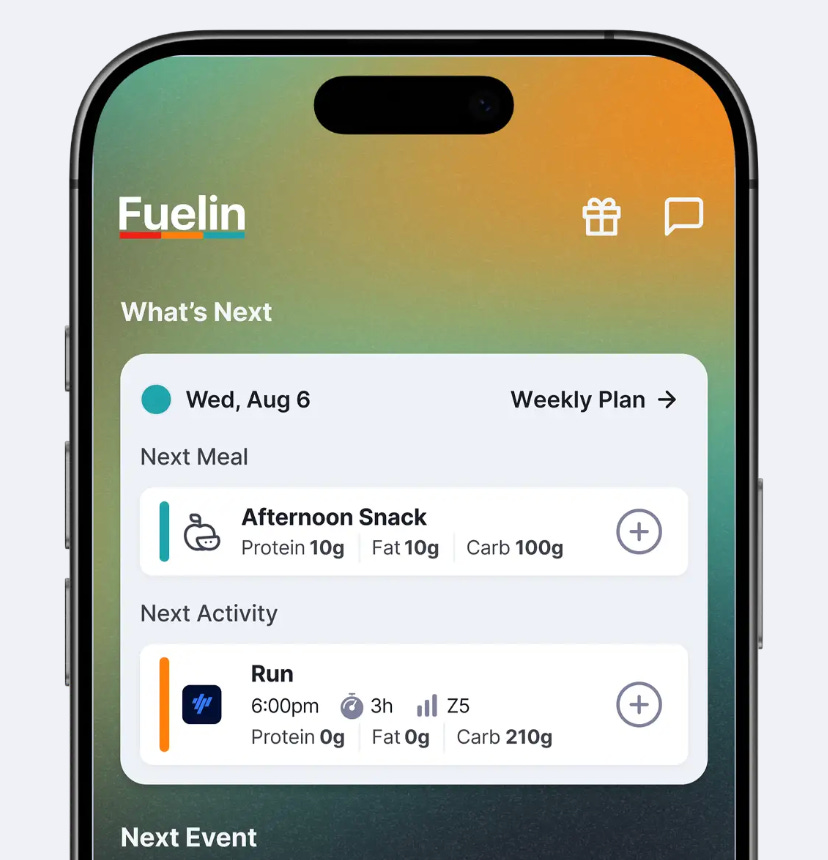
Nutrition: The key distinction for nutrition apps is that the best ones don’t just track daily meals and macros, they also optimize race and training nutrition specifically. Fuelin is a strong example, helping athletes dial in race day fueling while tracking their everyday dietary habits.
Many of these platforms already integrate with each other, but the core issue remains: new hobbyists won’t know all of these platforms exist. And even when they do, purchasing multiple subscriptions* at $100 or more each and integrating them all can feel overwhelming. You already know where I am going with this, but there is more nuance to the issue than simply picking three platforms and merging them into one service.
*The annual cost of maintaining subscriptions to Strava, TrainingPeaks, Whoop, Zwift, and Fuelin totals $735.
What gives a product the most potential to benefit from AI?
Before we get to the most likely scenario for an all-in-one AI endurance solution, I think there are some pieces of the equation that most people are missing. It cannot be overstated how a single attribute can take an AI product from good to transformative. To identify these attributes, it helps to understand the features that make an AI solution truly impactful, not just in sport but across most industries:
Creating equal impact for consumers and professionals
The ability to automate a process from start to finish while constantly learning, streamlining, and optimizing
Interoperability with other platforms through the use of an MCP*
Ethically collecting large amounts of user data for enhanced context and learning
Bridging the gap between the digital and physical world
It seems like our endurance-focused AI platforms already do all of these things, right? Mostly, but I have my doubts about how much actionable user data exists on more specialized applications compared to giants like Strava, Whoop, and Oura. That is piece one: a winning solution will need access to massive amounts of user performance data to develop more pointed analysis and actionable insights for athletes.
The second piece relates to bridging the gap between the digital and physical world. Wait, isn’t that the whole point of these applications? Yes, but that is not what I am referring to. These platforms have already gained popularity by bridging that gap, but there is another gap that remains largely unaddressed, and it comes down to nutrition.
*MCP stands for Model Context Protocol. Essentially, it allows an AI tool to connect with another application, learn from the data on that app, and then let you use the AI tool to work with that data.
Nutrition products are a key component in an all inclusive solution
Nutrition can benefit from all five attributes we just mentioned, but no application is currently bridging the gap between the athlete and actual performance nutrition products. Apps like Fuelin are checking most of the boxes, but can leave a lot of ambiguity in their nutrition plans. For anyone who isn’t a professional athlete, the guidelines can quickly become hard to follow.
Take a beginner who is new to performance training. Their nutrition app suggests consuming 60 grams of carbs per hour, 0.5 liters of water at a certain sodium concentration, and 30 milligrams of caffeine in hour two of their workout. How does a complete beginner even begin to decipher and implement a plan like that?
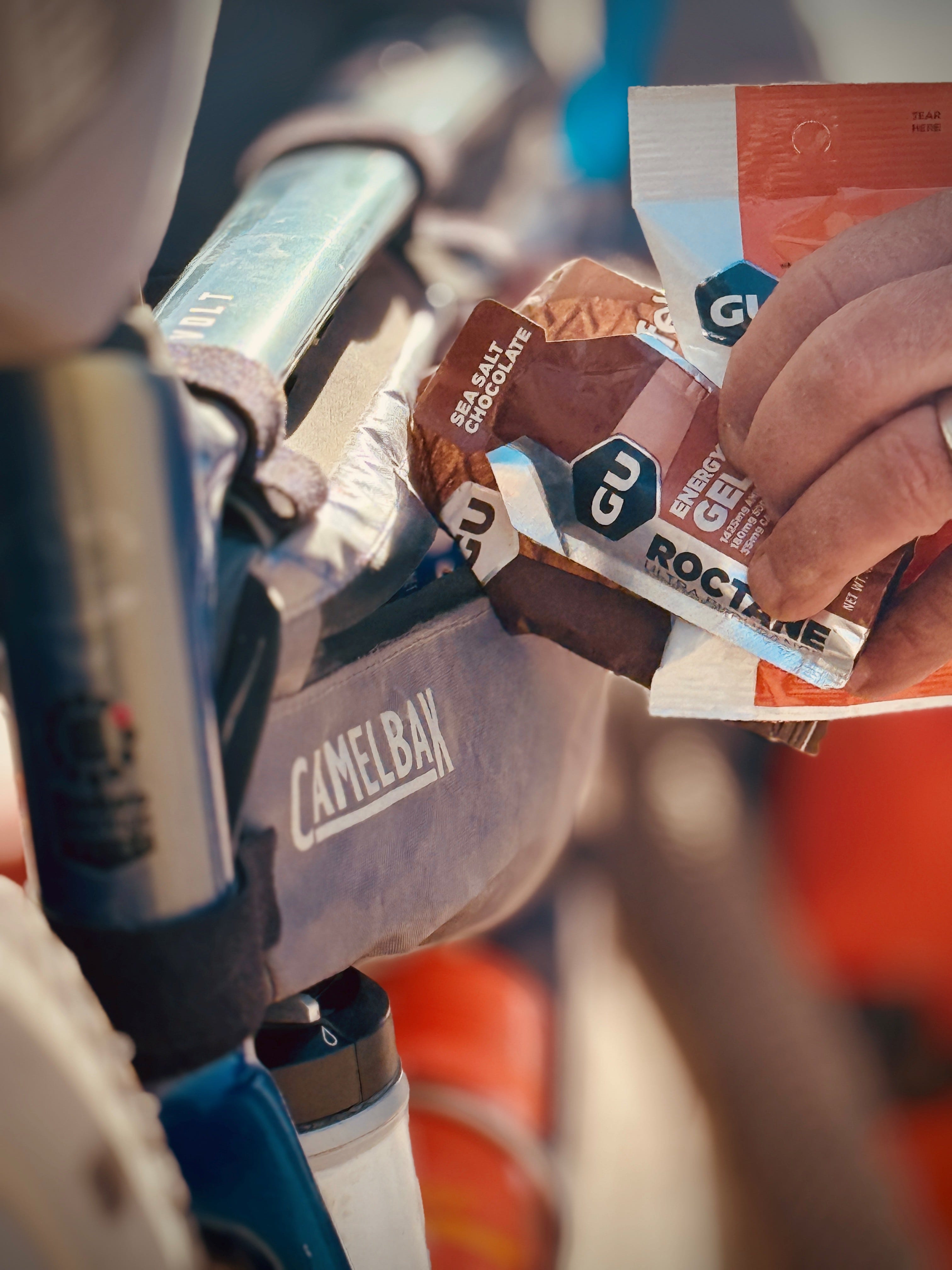
Assuming they have at least a basic understanding that endurance athletes use gels and performance nutrition products, the number of products to choose from is overwhelming. Each brand uses its own buzzwords, formulas, and dosing suggestions. On top of that, every person has a different gut tolerance, and dialing in nutrition requires a lot of testing and product mixing to get right. Someone might visit their local sports store or browse The Feed online and buy certain products in bulk, only to discover those products cause gut distress and do more harm than good.
For these reasons, a truly comprehensive AI performance solution will need a nutrition component that can guide athletes through product offerings and ideally automate their purchasing and testing, bridging the digital and physical world.
To meet the requirements of an all-in-one solution, nutrition AI products will need to do the following:
Meet athletes where they are at: Solutions need plans that serve both the seasoned professional and the beginner hobbyist. If a pro already knows what products work for them, the solution should focus on race and training specific nutrition requirements and ask for more detailed user input. If someone is new to the sport, the AI should take a holistic approach, suggesting products and nutrition plans while helping the athlete test different combinations. The dialogue between athletes and AI shouldn’t get lost in the finest details, but instead focus on building a solid foundation of understanding and performance implementation.
Continuously interact with the latest science: Current offerings employ staff dietitians and nutrition experts, which is great, but it is unclear whether their AI is being fed the latest peer-reviewed research on nutrition and performance. The ideal solution should constantly monitor the most relevant and accurate science, staying on top of developments that a human researcher might miss.
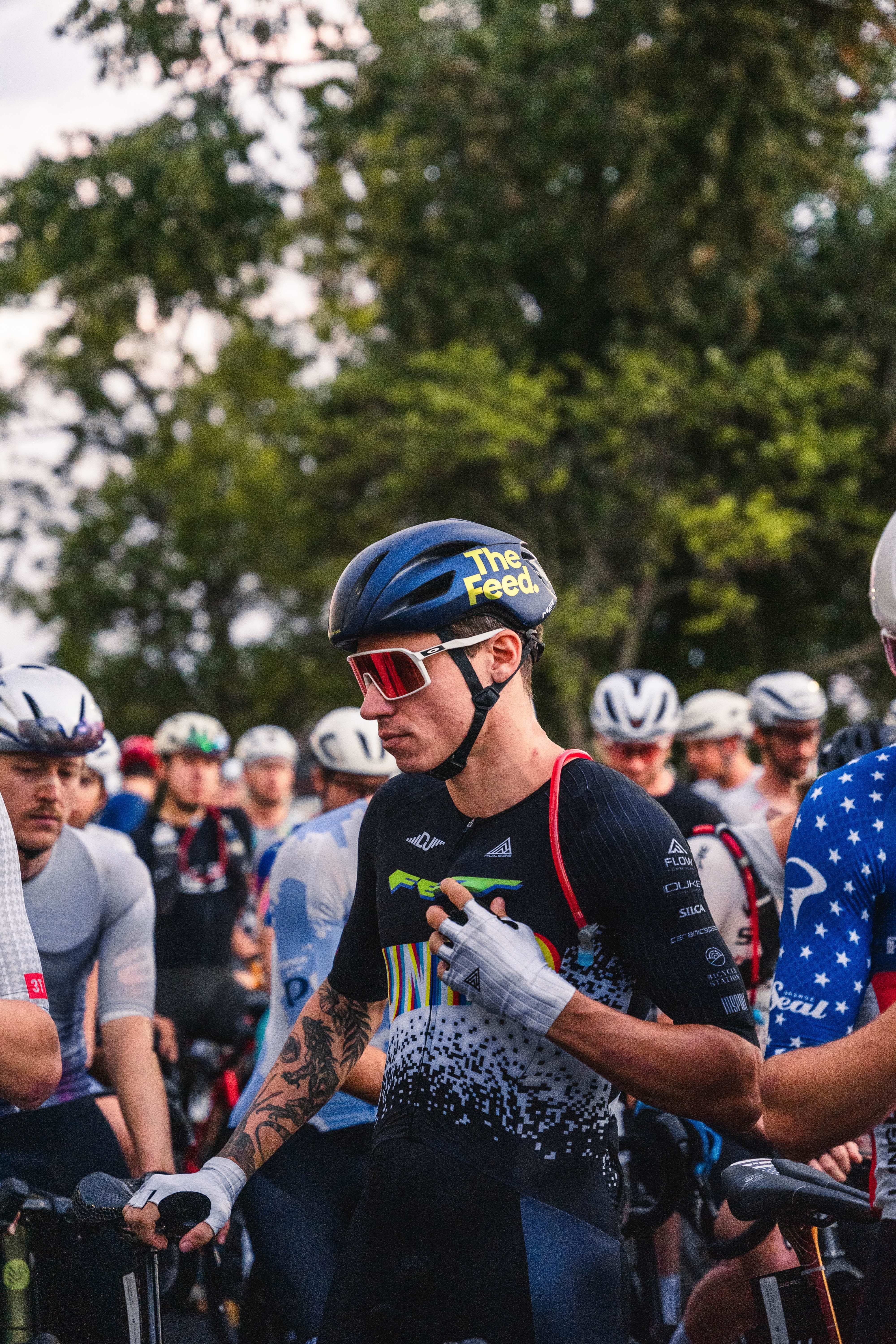
Connect to a marketplace: Integrating with a marketplace like The Feed is essential. The goal is to reduce the work an athlete has to do by helping them buy and test products suited to their preferences, rather than sending them to scroll through hundreds of options at a retailer. In an ideal world, the nutrition AI takes in athlete feedback on specific products and uses that to inform future buying decisions, making it a truly hands-off experience for the consumer.
So, what does the dream AI performance product look like?
The path forward is straightforward. All performance data and guidance needs to live under one platform and connect to third party retailers that provide the physical products that enhance an athlete’s performance. The AI also needs to be well trained on ethically sourced user data and peer-reviewed research that reflects the best performance practices.
Thinking as a cyclist, my dream platform would have the following functionality:
Workout planning, tracking, and reporting, similar to TrainingPeaks
The ability to create virtual workouts for indoor training systems, like Zwift or TrainingPeaks Virtual
Fueling coaching, tracking, and experimentation on and off the bike, like Fuelin
Social sharing capabilities, like Strava
A reasonable yearly subscription
Preferred partnerships with nutrition suppliers that can automate orders based on AI-assisted nutrition plans
Partnerships with retailers that can recommend the best third party wearables based on an athlete’s preferences and goals (Garmin, Whoop, Hdrop, etc.)
Personalization that draws on data from professional athletes to inform training for more dedicated amateurs
This is the starting point for a truly all-encompassing solution that could benefit a professional or a complete beginner training for their first triathlon, marathon, or gravel race. From that base, the possibilities for further capabilities get really interesting.
Imagine the platform partnering with a professional cycling team like Visma-Lease a Bike and gathering data from their riders’ training plans. You could ask the AI to analyze your training data and identify which rider you most closely align with. Say it determines your training and strengths most closely resemble Sepp Kuss. From there, your training gradually shifts to reflect your needs while nudging you toward Sepp’s rider profile. Or imagine a complete beginner watching Wout van Aert race and deciding that is their sign to start cycling. They could begin training and optimizing toward Wout’s rider type from day one.
There is an obvious slippery slope here, which is why it is important for the AI to have enough context to guide people toward the healthiest and most realistic path. If a 6’4”, 230 pound rider says they want to train like Jonas Vingegaard, there should be guardrails that flag that as a difficult and potentially unhealthy goal. Complete context is everything for an AI application, and products like these need to be developed with extreme caution and diligence.
These platforms will be a massive unlock for overlooked communities
One of the most meaningful benefits of this type of platform would be improved access to informed coaching guidance for athletes with specific physical considerations. Women are often completely overlooked in conventional training platforms and even in broader training discussions. Menstrual cycles and pregnancy are significant factors in structuring training goals, plans, and nutrition that are both effective and, most importantly, healthy.
The ideal solution would be able to track cycles and optimize training for every phase of them. For athletes who are pregnant and hoping to maintain fitness, reliable guidance can be incredibly hard to find, and a platform like this could ease that burden significantly. Post-pregnancy recovery presents an even greater challenge, as athletes need to be mindful of how certain nutrition practices and training loads affect them while breastfeeding.
An almost entirely overlooked situation is maintaining effective and healthy training for athletes who are in the process of transitioning or have recently done so. Having the context to guide an athlete through that process would be a significant unlock for trans athletes and could meaningfully contribute to greater representation in the sport.
As already noted, the AI will need to be continuously and rigorously evaluated to ensure it is providing healthy guidelines and consistently prompting athletes to seek medical advice before implementing certain practices.
Ultimately, a truly inclusive solution will broaden access to performance and lead to greater representation at every level of the sport.
Back to business, how do we get there?
Assuming the industry recognizes the need for an all-in-one solution that eliminates multiple subscriptions, how will the development of such a platform unfold? In my eyes, there are really only two possibilities.
An existing platform scales rapidly and gains the resources to outbuild competitors and develop comprehensive functionality
A consolidation event through M&A sees popular solutions fall under the same banner, integrating seamlessly to create a new product under unified branding
I believe the latter would be the best case scenario for consumers given the amount of data and infrastructure already available, but with AI companies raising money at a staggering pace, either situation is possible and a mix of both is most likely.
On the M&A route, there are several possibilities. A private equity firm or holding company could acquire companies like TrainingPeaks, Fuelin, and The Feed and initiate a merger to combine them and begin building out a comprehensive solution. Buying two or three companies at once might seem aggressive, but in the world of private equity, companies like these sit on the more affordable end of the acquisition spectrum.
We could also see strategic acquisitions, and there is one scenario that stands out as particularly high risk, high reward. In the context of this piece, the only companies in the space that are profitable enough to acquire others are Strava, Whoop, or Oura. Any of them could make a play at acquiring some combination of the companies mentioned above and build a one-size-fits-all solution under a well known brand name.
Say Strava acquires TrainingPeaks, The Feed, and Fuelin over a relatively short period of time. All three continue operating their independent businesses, but select resources are pulled from each to begin developing a new flagship subscription product. That product is an all-in-one AI assisted training platform with retail integration, priced at a fraction of what four separate subscriptions would cost.
What about wearables? Simple: partner with or recommend non-subscription biometric trackers like Garmin. If executed well and quickly enough, Strava is suddenly competing at the level of Whoop and Oura.
Time will tell
We see bold mergers and acquisitions happen across industries all the time, so a scenario like this is certainly not out of the question. AI is here whether we like it or not, and with endurance sports continuing to grow in popularity, consumers will eventually demand a comprehensive, all-in-one performance solution. The result will be more athletes and more talented athletes turning pro as a result. If it all comes together, this is certainly a case of AI for good.
Ride and rip,
Kyle Dawes
Ahtletes have long wanted one app to rule them all, thoughtful analysis.