


Whether it’s tires getting wider, the rise of suspension forks, or prize purses climbing higher each season, change and innovation are constants in gravel cycling. Because major series like the Life Time Grand Prix and Gravel Earth Series aren’t governed by the UCI, there are few hard rules about what’s possible for organizers, athletes, and brands.
That freedom has given athletes room to experiment — building franken-bikes, testing wild setups, and signing with any sponsor they choose. The organized chaos has fueled storytelling around individuality and performance, where every rider’s setup and strategy become part of the narrative.
At the center of it all has been the privateer: riders who train, race, and manage business on their own. The model has kept the sport approachable and made it has created careers for talented riders without pro contracts in other cycling disciplines.
But in the last few years, small gravel teams have started to emerge, and they seem to be the blueprint for what’s next.
It’s led to a growing debate: will professional teams eventually take over gravel and make it resemble road racing? Some believe that shift could further legitimize the sport, while others worry it could erode the individualistic spirit that defines it.
Like most trends in gravel, the rise of team racing is fluid, diverse, and confusing to the casual fan. In this piece, I want to unpack what’s happening, look at the forces driving this evolution, and share my perspective on where gravel racing might be headed next.
Traditional teams in cycling
Teamwork and strategy are nothing new in cycling. Most disciplines use team structures in some form, though how those teams operate can look very different from one to the next.
When it comes to gravel, there are two existing disciplines that share many of the characteristics we’re currently seeing with emerging gravel teams.
Road
First, there’s road cycling, the dominant discipline and by far the most team-oriented. In WorldTour racing, teams typically carry rosters of 28 riders and bring a select group of 7 or 8 to each race depending on the course demands. Because road racing takes place at high speeds and in large pelotons, teamwork plays a major role in drafting, positioning, and overall race strategy.
Beyond raw talent, race craft and tactical execution often determine the outcome. If a team can isolate a rival’s star rider, they’ll launch a series of attacks to wear them down and open a path to victory. It’s brutal, calculated, and resource-intensive on and off the bike.
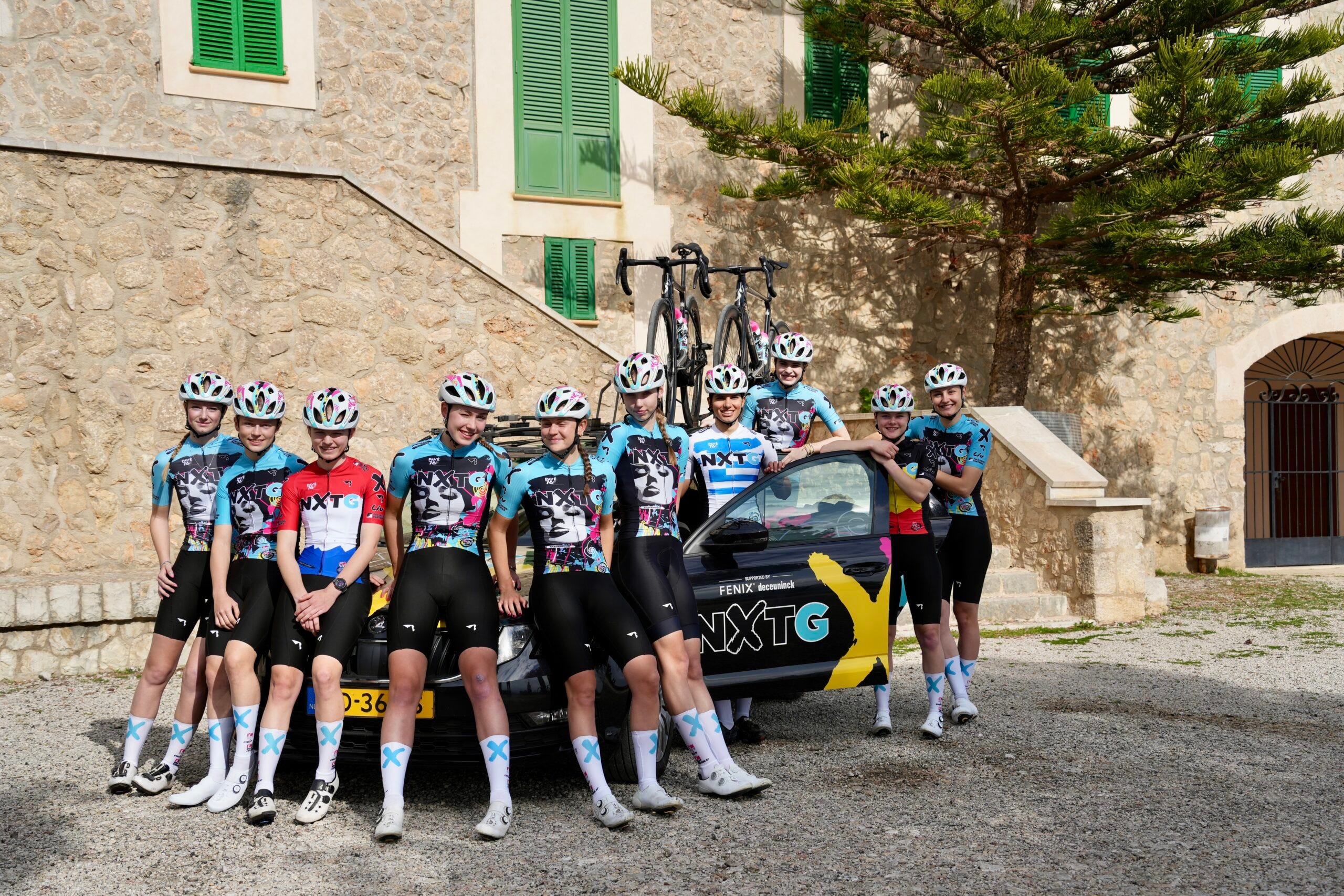
From a business standpoint, most road teams rely on title sponsors, often non-endemic to cycling, to provide the significant capital required to operate at such scale. A serious consideration when looking at gravel, a sport that generates far less revenue compared to road racing.
World Cup Mountain Biking
Cross-country mountain biking shares plenty of DNA with gravel, especially in its off-road demands. World Cup XCC and XCO teams are far smaller than their road counterparts. A typical World Cup squad might have up to 10 riders and bring just 2-4 to a race.
Because events are shorter and far more technical, teamwork looks completely different. With limited drafting and fewer tactical dynamics, success comes down to pacing, line choice, and consistency. The leaner team structure fosters collaboration more than full-scale cooperation. Riders are often competing for their own results, though they’ll lend support or hold back if a teammate is higher in the World Cup rankings or chasing valuable points.
Unlike on the road, it’s rare to see a rider fully sacrifice their race for a teammate.
From a business standpoint, most mountain bike teams are factory-backed, leaning heavily on endemic sponsors. The World Cup circuit is dominated by brands like Specialized, Trek, and Scott, each running tightly integrated factory programs that highlight both product innovation and athlete performance.
The current state of gravel teams
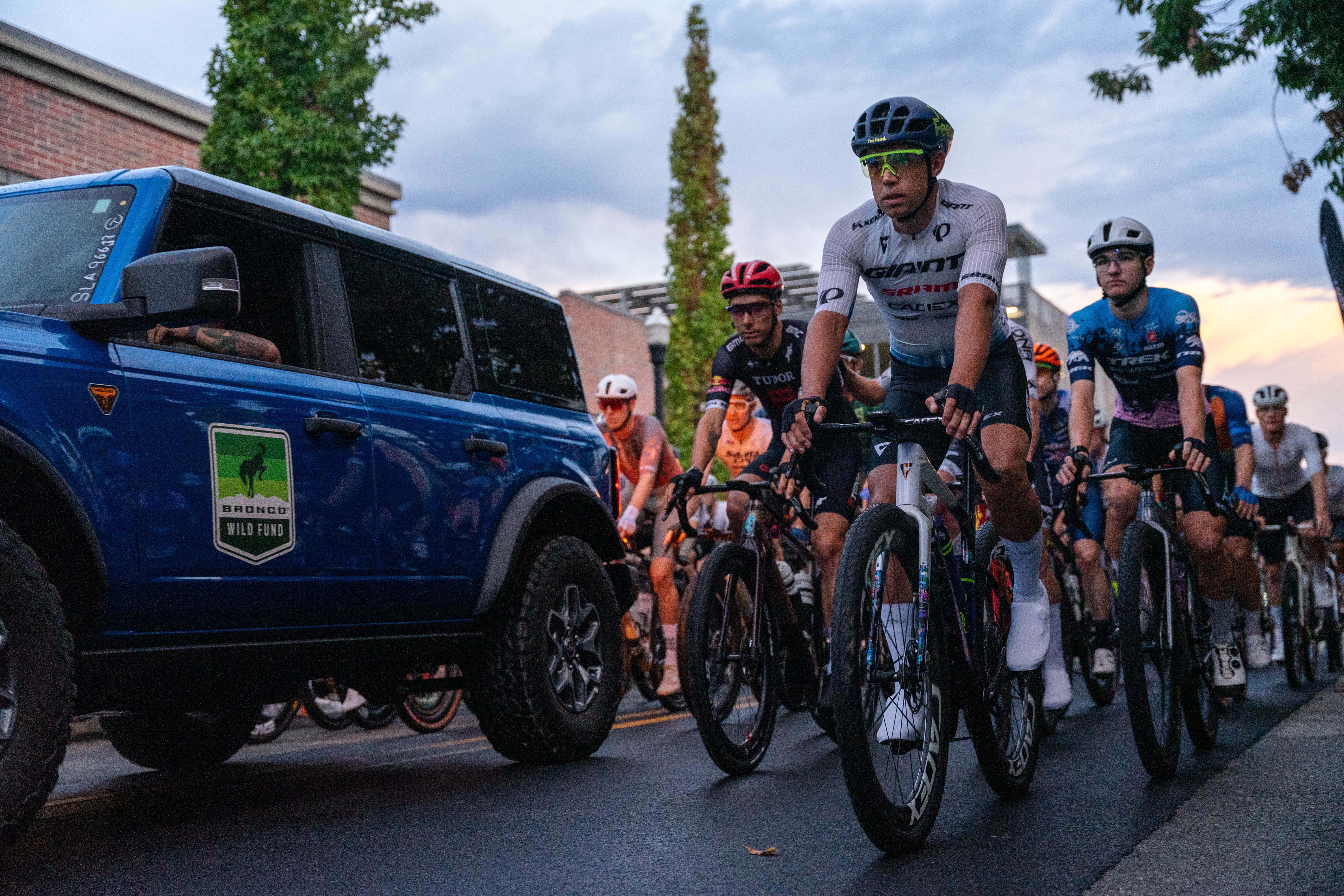
As I’ve mentioned, privateers still reign supreme in gravel racing. The calendar of major gravel events spans months and covers wide geographic regions, which makes it difficult to define a consistent team schedule or coordinate full-team training. One of gravel’s biggest appeals is that riders can train at home and travel far less frequently than in other disciplines.
That independence matters because, even among the most organized gravel teams, riders still train individually and build their own schedules, a key distinction that separates gravel from road and mountain bike racing.
At this stage, there’s no single dominant team model in gravel. The landscape ranges from loosely affiliated teams with no on-course collaboration to highly organized squads employing road-style tactics at the biggest events. As I see it, there are four common team structures emerging in professional gravel racing (excluding UCI gravel events).
The “teams”
I put teams in parentheses because this first category shares almost nothing with any traditional team structure in cycling. These “teams” are really collections of privateers who share sponsors and produce media together. They don’t use team tactics, rarely train or strategize together, and certainly don’t sacrifice results for one another if a good finish is still on the line.
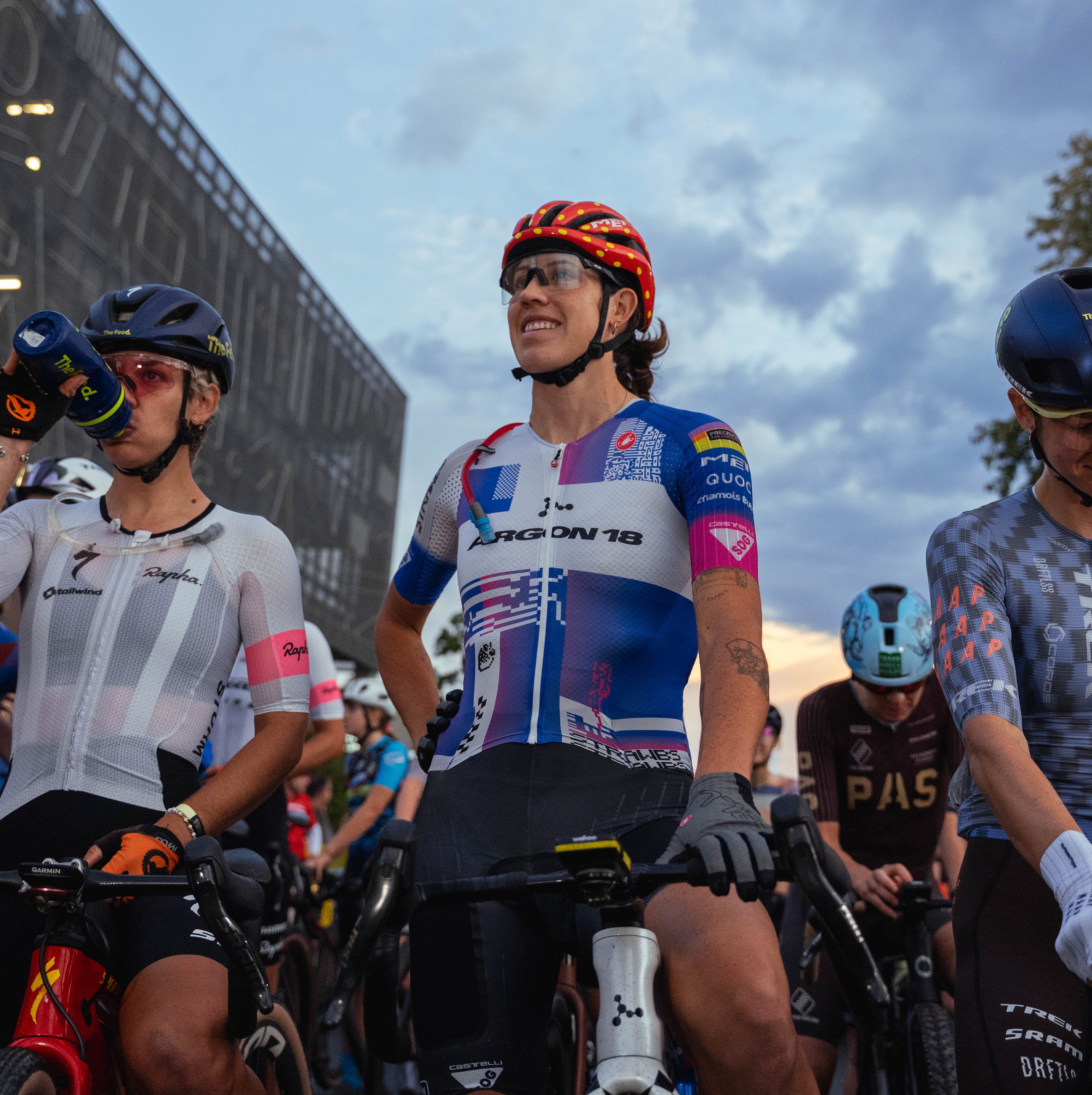
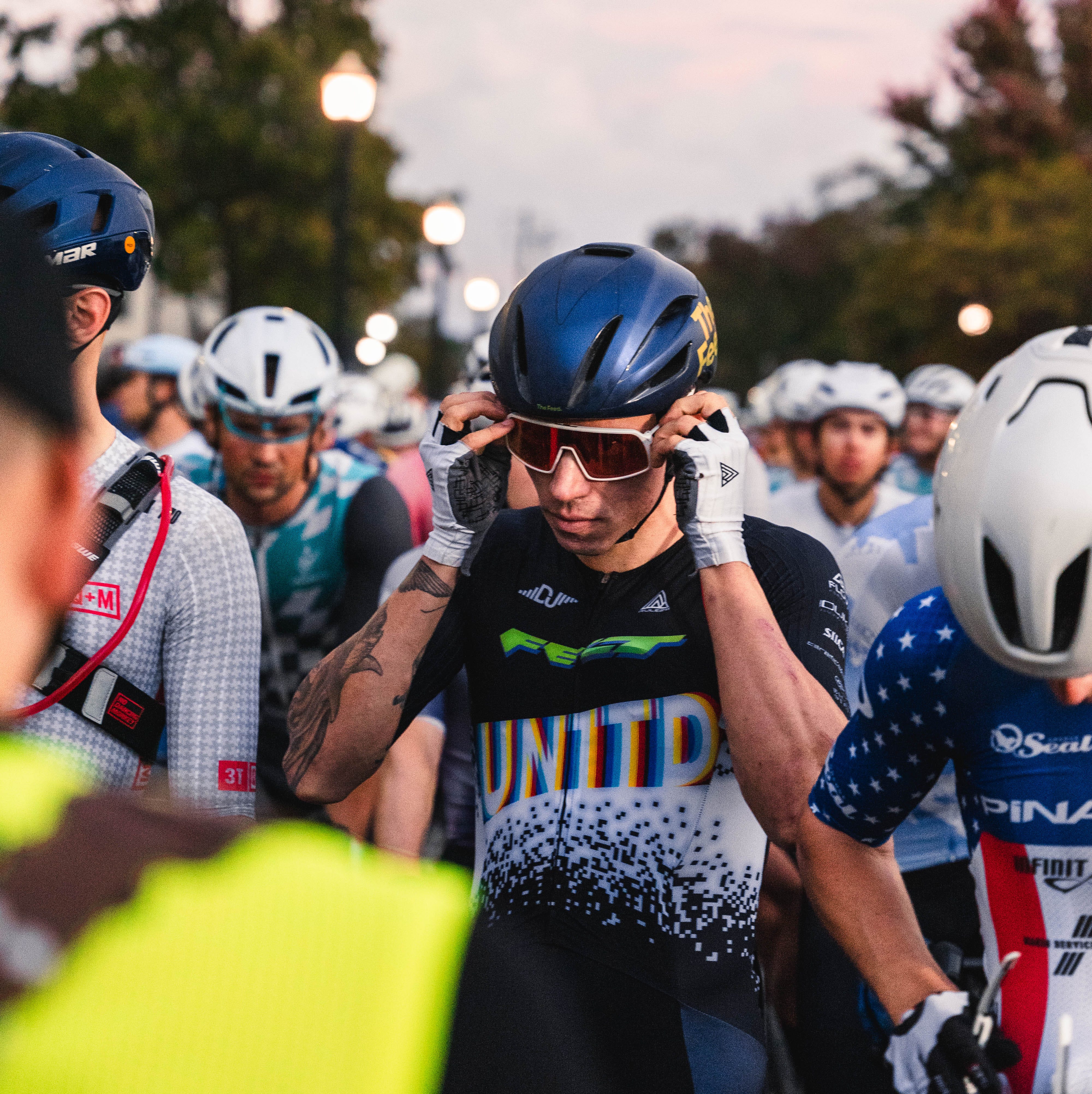
Modern examples of this structure include Felt UNITD and Castelli SOG. Felt UNITD features prominent gravel racers Dylan Johnson and Adam Roberge, while Castelli SOG has a slightly larger roster that includes Danni Shrosbree, Griffin Easter, Joe Laverick, and Rob Britton.
Castelli SOG actually describes itself this way:
“We aren’t a team, but we share an ethos: the love of the sport, the desire to ride, escape, and explore, and the equal importance of new friendships, new adventures, and throwing in a little bit of fun alongside the results.”
These loose team structures primarily serve a brand marketing purpose, offering companies a more visible and cohesive entity to sponsor rather than a group of disconnected individual riders.
Loose factory teams
In mountain biking, factory teams are well organized and operate together for most of the year. They carry a bike maker as their title sponsor and are branded as a cohesive unit. Gravel racing, however, operates differently. Certain bike manufacturers in the U.S. have begun incentivizing teamwork in major races.
Specialized has been the most prominent example. Top privateer athletes sponsored by Specialized will sometimes work together and refer to one another as teammates. Outside of that, the riders may be sponsored by completely different, and even competing, brands, but Specialized creates incentives to prioritize their riders’ cooperation.
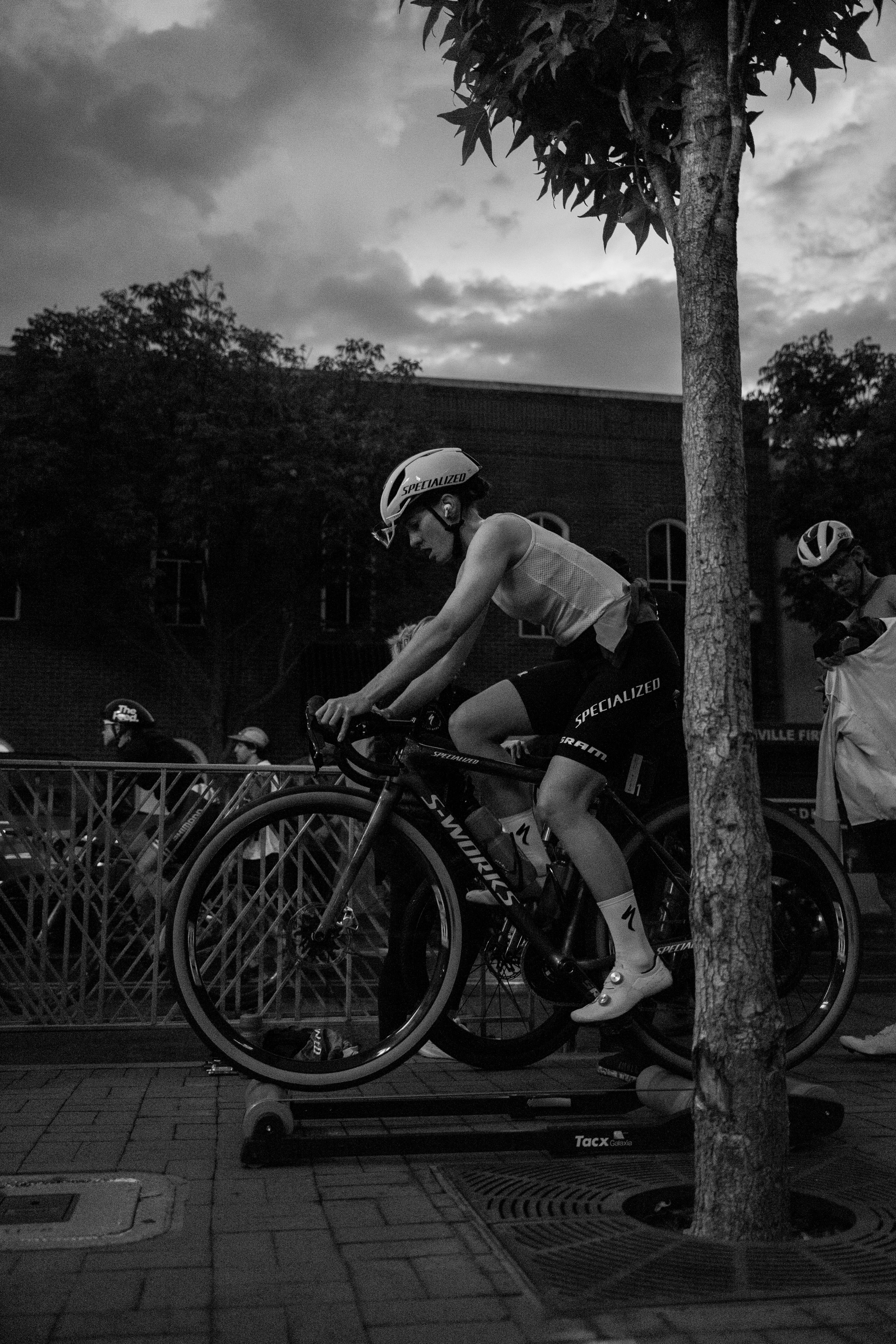
The result is a style of collaboration reminiscent of mountain biking. Specialized riders start and maneuver each race for their own results, but as the day unfolds and they gauge their form, they may communicate with teammates to ensure the best outcomes for Specialized.
This dynamic has been particularly visible in the women’s field over the last two years. At UNBOUND 2024, Specialized riders such as Sarah Sturm acknowledged that financial incentives were tied to cooperating for certain results, and that’s exactly what happened.
At the finish of the 200-mile race, a large group of women approached the line together, setting up a sprint finish. The group included two Specialized riders, Sarah Sturm and Geerike Schreurs. Knowing she wasn’t the strongest sprinter in the group, Sarah coordinated with Geerike before the sprint and gave her a leadout. The strategy paid off: Geerike secured 2nd place, and both riders presumably received the corresponding incentive payouts.
This is a very loose team structure and comes with some complexities that could complicate future cooperation. At UNBOUND, for example, neither Sarah nor Geerike were competing in the Life Time Grand Prix. Had either rider been participating in the series, cooperation could have been more challenging, as they might have prioritized earning points over assisting a teammate. It will be interesting to see whether more brands adopt this selective incentive model for specific results.
Partnerships
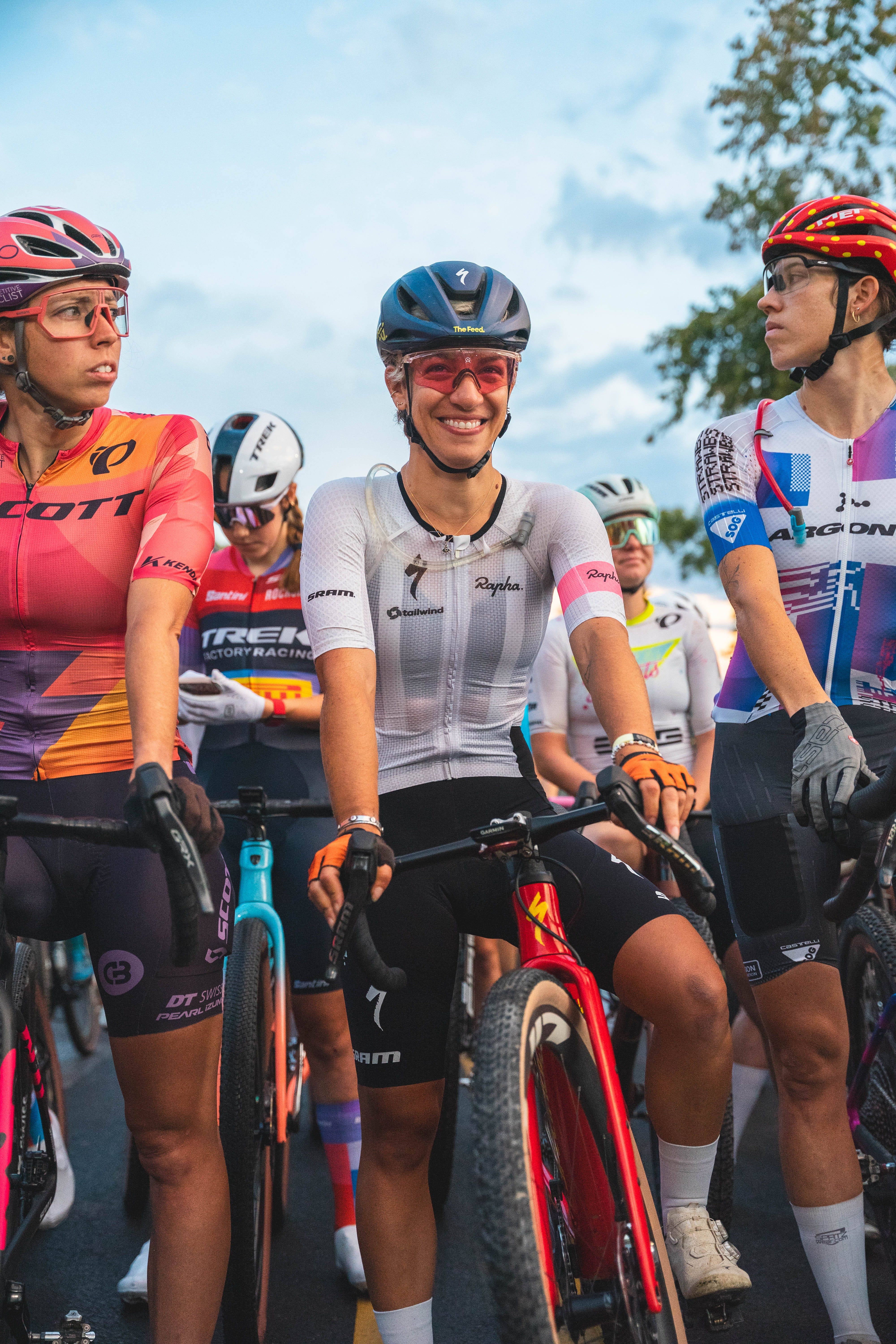
The following examples fall into the category of dedicated teams in the sense that they carry team names and have an understood level of cooperation. What separates them from traditional road or mountain bike teams is their size. Two good examples are Santa Cruz htSQD and Lunchbox Racing.
I refer to these teams as partnerships because they function more like two-rider units working together rather than full teams. Think of Felt UNITD if the riders actually collaborated during races. htSQD technically has four riders (two men and two women), but most of the meaningful cooperation happens between Keegan Swenson and Tobin Ortenblad. Lunchbox Racing, on the other hand, is a straightforward two-rider setup featuring pro racers Chase Wark and Drew Dillman.
The internal dynamics differ, but collaboration is heavy in both cases. Keegan and Tobin have become a defining duo in U.S. gravel because Tobin consistently sacrifices his own results to support Keegan. Over the last two seasons, Tobin has given up wheels, nutrition, leadouts, and even full-gas pacing efforts on major climbs to position Keegan for the win. The structure mirrors the small rosters of mountain biking while weaving in the tactical cooperation of road racing.
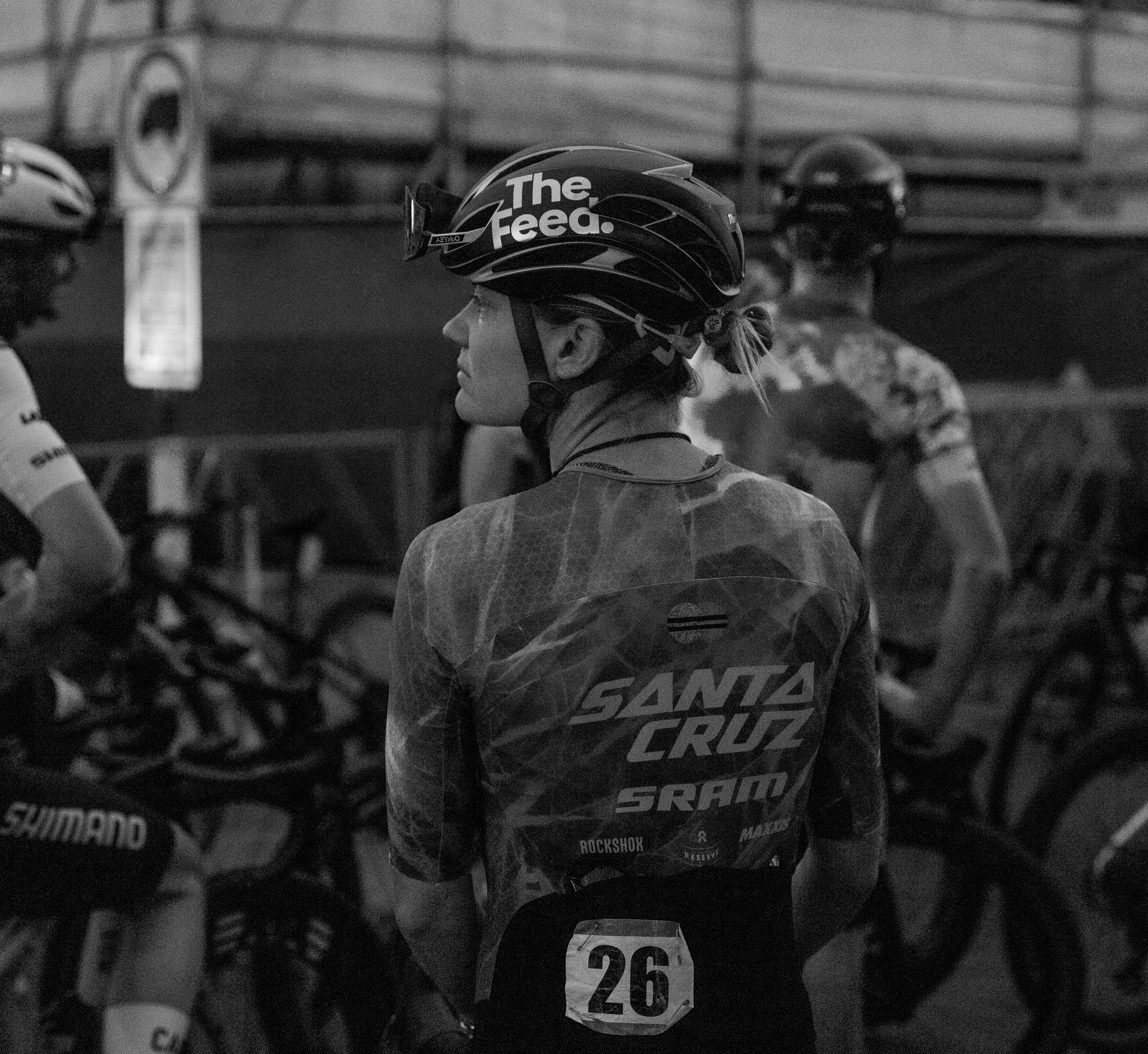
Lunchbox Racing operates with a more balanced dynamic. Drew and Chase develop training plans together, strategize together, and race with the shared goal of elevating both riders’ results. Instead of a clear hierarchy, they rely on communication and mutual support to maximize outcomes.
For gravel racing, this two-rider model offers several advantages: lower costs, tighter communication, and the ability for athletes to maintain their own personal brand identities. It’s a team structure that respects the individuality of gravel while still adding layers of strategy and support.
Pioneering gravel teams
One team comes to mind when I think about precursors to the future of gravel teams, and that is PAS Racing. PAS Racing is the largest and most organized team the gravel world has seen, and they operate internationally. Sponsored by the Danish clothing brand Pas Normal Studios, the team has become a pioneering force in the sport.
They are not operating at the scale of road teams, but PAS Racing is using team depth and coordinated tactics at the biggest gravel events around the world. They bring more riders to major races than any other team, they race with clear intent, and their results reflect the advantages of cooperation.
PAS riders still maintain a few individual sponsors, like bike sponsors, but they all race for PAS first. Their tactical approach resembles the loose factory-style structure I mentioned earlier. Riders presumably begin each race focused on their own result, but once the race takes shape they communicate and work together to secure the best outcomes for the team.
The pro women’s race at UNBOUND 2025 highlighted PAS Racing at its best. Cecily Decker and Karolina Migon rode away from the main group and worked together for the remainder of the race, eventually finishing first and second with Migon taking the win. Morgan Aguirre placed ninth, giving PAS three riders in the top ten. The men’s team showed similar strength at UNBOUND 2024 with a second-place finish and three riders inside the top ten.
PAS Racing is the most organized, branded, and cooperative team in gravel right now, but even they are not sacrificing riders the way road teams do. That leaves us with an open question: how will gravel teams evolve from here?
So what does the future look like?
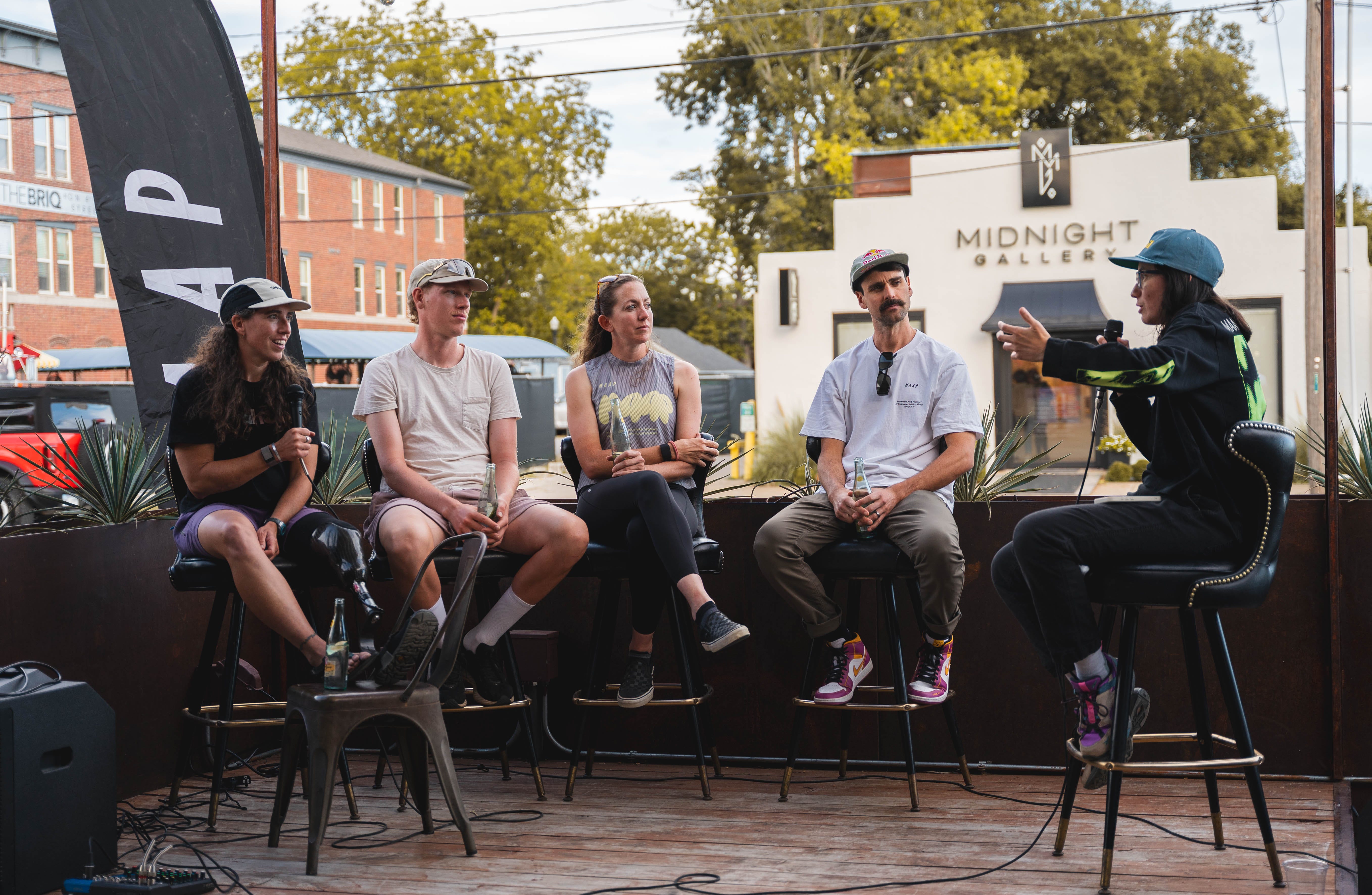
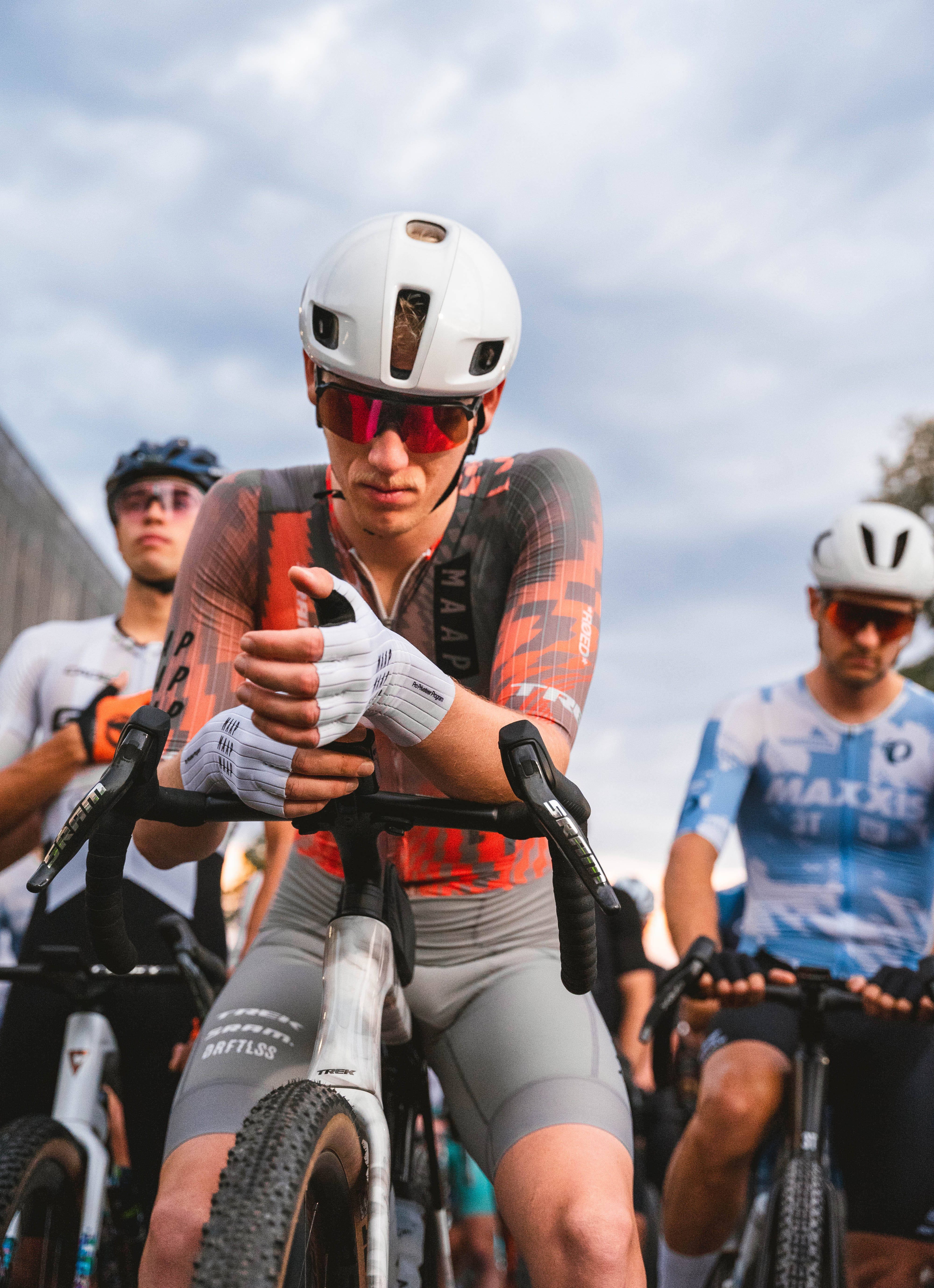
While I was attending the MAAP Future of Gravel athlete panel at the Big Sugar Classic, the panel of pro athletes agreed that 2026 would see teams play a major role in the outcome of gravel races. While panelists like Paige Onweller and Torbjørn Andre Røed are on an existing gravel team (Trek Driftless), privateers like Payson McElveen and Meg Fisher agreed we will be seeing many more teams in coming seasons.
What teams might look like will all come down to risk vs reward for sponsors. Grouping riders together in a way that will benefit all will require a lot more funding than supporting an individual privateer. If you are asking an athlete to sacrifice a result to assist a teammate, there will certainly be an expectation of performance compensation.
With the possibility of expenses ballooning out of control, it’s hard to tell what teams will look like in the coming years, but, I certainly have my opinions.
Road teams entering the sport
Gravel is still a blip on the radar for most professional road teams, but a handful of WorldTour and Pro Continental teams are giving riders the freedom to compete in off-road events. The most notable examples are Lachlan Morton with EF Education-EasyPost and Simon Pellaud with Tudor Pro Cycling.
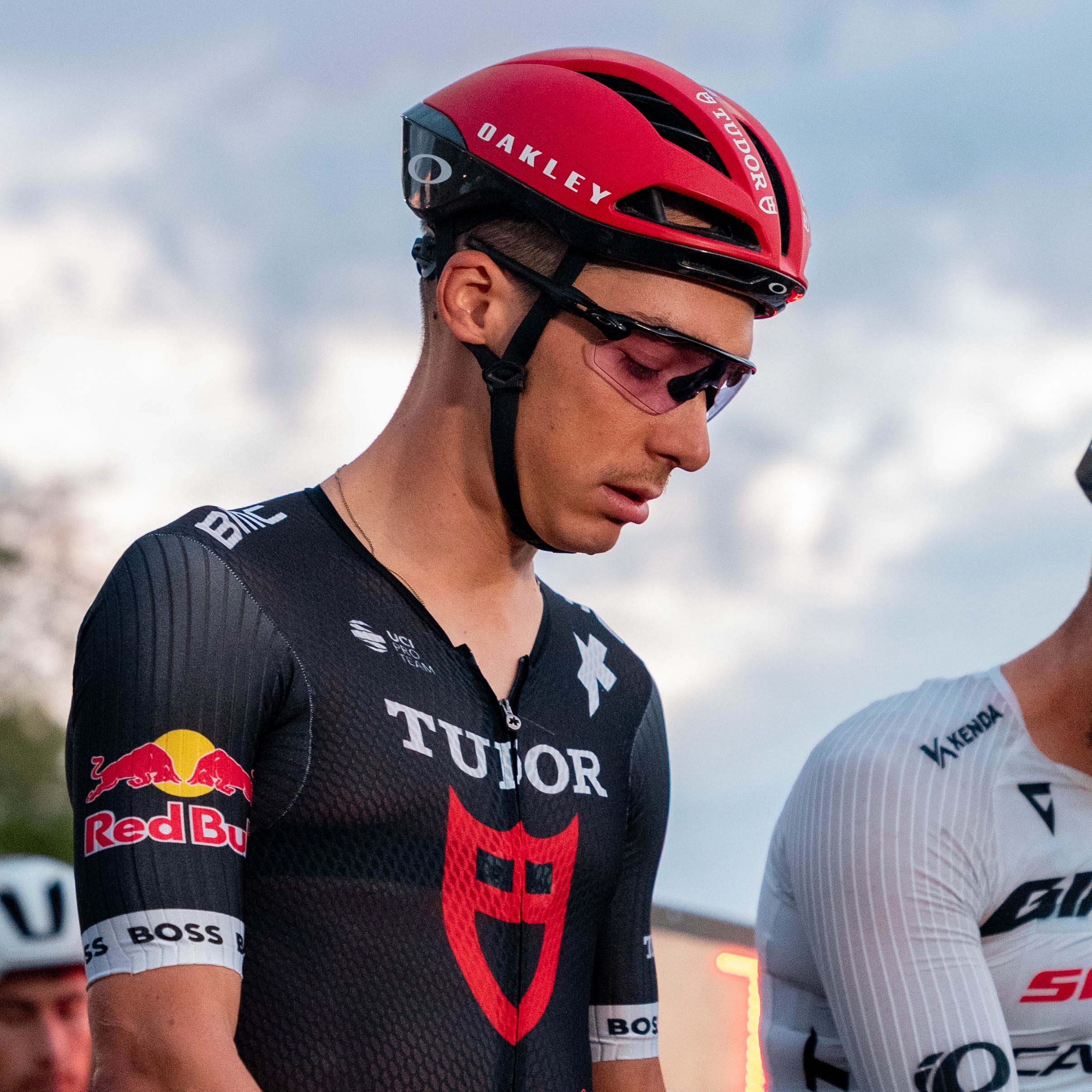
Will we see road teams embrace gravel with more riders? In the United States, it feels unlikely. Most major gravel events do not offer UCI points, and UCI points are what ultimately matter to any professional road program. While rule changes now allow road teams to earn points through other cycling disciplines, those points only come from UCI-sanctioned events.
Teams like EF and Tudor gain nothing in a competitive sense by sending riders to Life Time or Gravel Earth races. What they do gain is marketing value, media exposure, and brand alignment that they would not receive in traditional road events. That benefit can be significant, but it does not change the competitive incentives that guide team calendars.
Outside of occasional one-off appearances or riders leaving the road to pursue gravel full time, I do not see established road teams entering gravel in a meaningful way until the biggest gravel races enter the UCI system.
Lean and mean
The idea for this topic came from my obsessive following of the gravel scene in the United States. Since the Life Time Grand Prix wrapped up in early October, I’ve noticed two athletes from different programs consistently training together. PAS Racing star Cecily Decker and gravel legend Lauren De Crescenzo (LDC) of Factor Racing have been logging serious off-season hours and joking that they’re already prepping for next year’s Life Time Grand Prix.
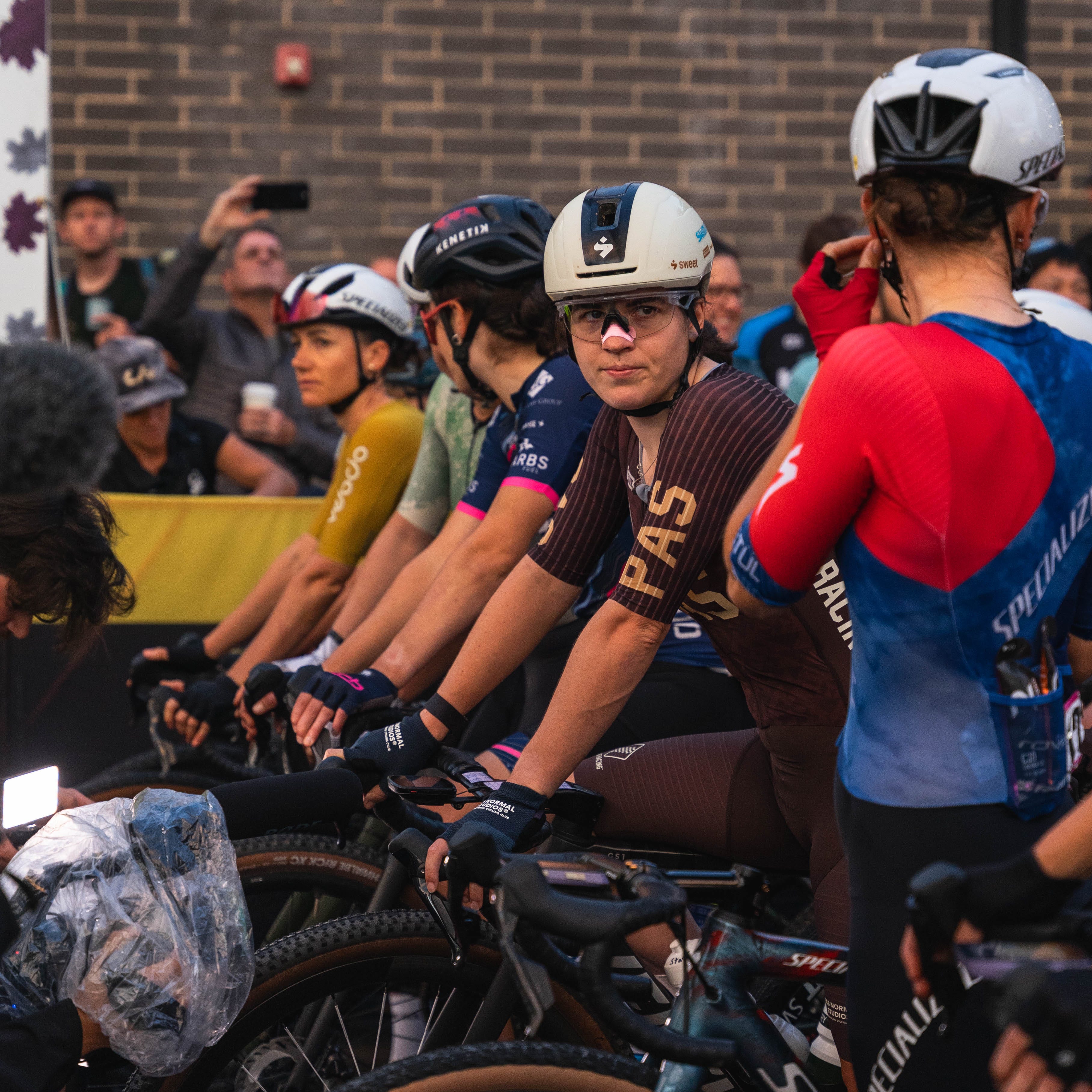
Plenty of pros train with competitors, so I’m not suggesting a partnership is forming between Cecily and LDC. Still, it’s hard not to imagine the possibilities if the two ever decided to team up during races.
Their racing styles mesh well. Both rely on the ability to produce high sustained power, and both have proved how dangerous that can be in long-form gravel. We saw what Cecily accomplished with a teammate at UNBOUND and throughout the Grand Prix. We also saw LDC add another chapter to her already impressive career with a win at the RAD Dirt Fest and a sixth-place finish in the overall Grand Prix standings.

There’s a real scenario where a well executed partnership could deliver better results for both riders compared to their current setups as a privateer and as part of a larger team. It would also be far more cost-effective for sponsors looking to support a team of athletes without funding a full roster.
If partnerships like this start to produce big results, the combination of performance upside and lower cost could open the door for more dynamic duos and trios across the gravel landscape.
The true gravel outfit
The final possible path I see is an evolution of the PAS Racing model, but with significantly more structure and less rider autonomy. In this scenario, teams take things a step further by aligning athletes’ competitive calendars and assigning defined roles to each rider.
I don’t think it’s realistic or financially practical for a gravel team to send five or six riders to every major race, but I do think we’ll start to see teams with real management infrastructure. That includes logistics support, coordinated race schedules, unified training frameworks, and staff who oversee rider development and race strategy.
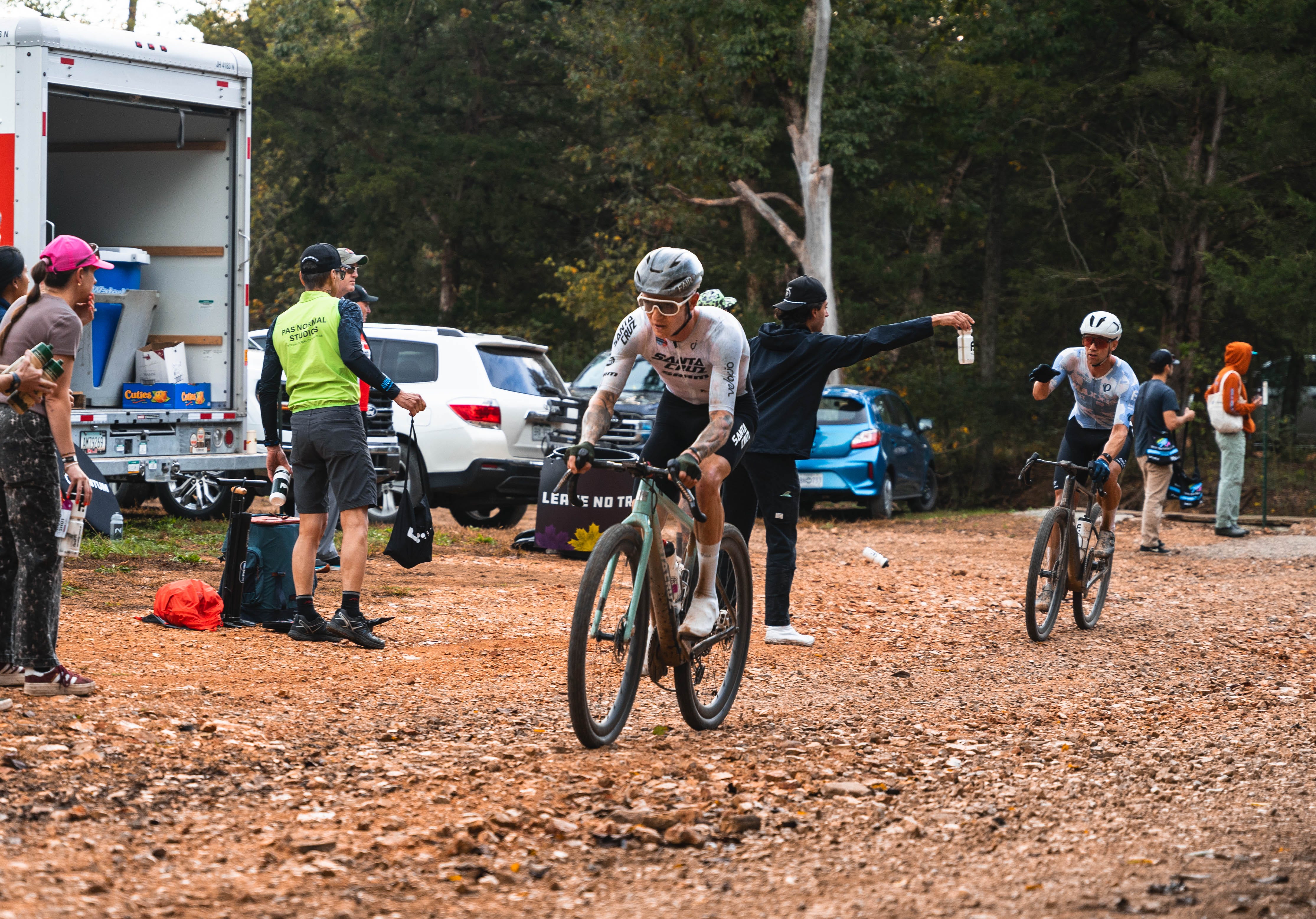
Even PAS Racing, the most organized team in gravel today, still gives riders considerable freedom in race selection, training, and planning. The next logical step is a team that signs a small to medium roster of athletes and operates with clear, top-down goals that dictate rider roles, race calendars, and even where athletes live and train.
Think of it as a road team, but scaled down and with slightly more individual freedom — a hybrid model that still maintains the core DNA of gravel while adding the structure needed for consistently elite team performances.
Final outlook
Teams are coming to gravel whether athletes and fans like it or not, and that part is certain. What’s still unclear is what these teams will actually look like. Will they chase unified team goals? Will they operate with just a few elite riders or build full rosters with captains and domestiques? And perhaps most importantly, will any of these teams actually succeed in generating consistent results? It’s too early to tell.
Based on what we’ve seen so far, I see two realistic scenarios emerging over the next few years, each with its own strengths and weaknesses.
In my eyes, the most likely path is small teams built around a roster of three or four riders. These teams would feature one or two proven high-level athletes who are expected to deliver results and one or two junior or unproven riders who fully support the leaders while learning from their experience. This model is the most financially viable for sponsors because investment levels can vary dramatically depending on their appetite for risk. A sponsor could simply pay rider salaries and cover logistics, similar to current gravel teams, or they could take it further by adding more structure and resources behind the scenes.
The second option is a similar small to medium sized roster, but with heavy structure and predetermined short-term outcomes. This would require more staff, more planning, and more financial commitment. It’s a bold approach because the team would be trying to implement road-style tactics in a discipline with countless variables that can wipe out even the best-laid strategies. I don’t expect to see a team attempt this in the coming season, but I do think someone will be brave enough to try it before long.
As more teams enter gravel, the best thing fans can do is look closely at the approach each program is taking. The structure behind the roster will reveal just how committed the athletes are and how invested the sponsors truly want to be. And in many ways, that will tell us more about the future of gravel than any race result ever could.
Ride and rip,
Kyle Dawes
Nice piece, Kyle!
I have a related thing on my to-write list. In the meantime, a few comments/thoughts that came to my mind while reading your piece:
1. Even PAS Racing, this past season, did not pay rider salaries. They covered travel expenses and some equipment (though not bikes), so every rider still had to have key sponsors with their own bonus clauses.
This also explains why PAS did not employ a lot of proper team tactics and, in particular, why we didn't see PAS riders act as domestiques. To have riders sacrifice their own results for the team leader, the incentive structure needs to be aligned. In that sense, htsqud was actually more akin to a road team than PAS 2025 was. From what I'm hearing, we'll have more teams that pay salaries next year. And I expect to see the first riders in clear domestique roles, and least in the races where that's useful (e.g., Unbound)
2. You mention road teams won't enter the gravel space, and I agree. I do think that the UCI rule change you mention may lead to 2nd to 3rd tier roadies show up at UCI gravel races from time to time (say their home race if it doesn't conflict with their road schedule), but that's about it.
But the two setups you mention, EF and Tudor, are actually not professional teams competing in gravel. In both cases, the riders are _not_ part of the WT team and, thus, don't take up a WT roster spot. Lachlan and the Tudor boys (both of which are in the 2026 LTGP btw 👀), wear the WT team's kit but have separate deals. The only riders who were gravel regulars and on an actual WT team last season were Rosa Klöser (who raced in her privateer kit in gravel, not her Canyon SRAM zondacrypto outfit) and Gee Schreurs (who raced for SD Worx Protime on gravel as well but will be on the new Specialized team moving forward).
But I actually find the EF and Tudor cases-particularly the fact that and how the latter ventured into gravel last season-more interesting. Because some sponsors of road teams apparently can be moved to also get invested in a gravel "side project".
I wonder if we'll see more of this, i.e., road teams creating such little side hustles. In particular, if they manage to make some of the infrastructure, resources, and know-how they have in areas like nutrition, training, or recovery, accessible to their "gravel boys and girls", that could lead to interesting case studies.
Fun read and learned a lot I didn't know! Sounds like the next couple of years in gravel racing should be quite exciting.