


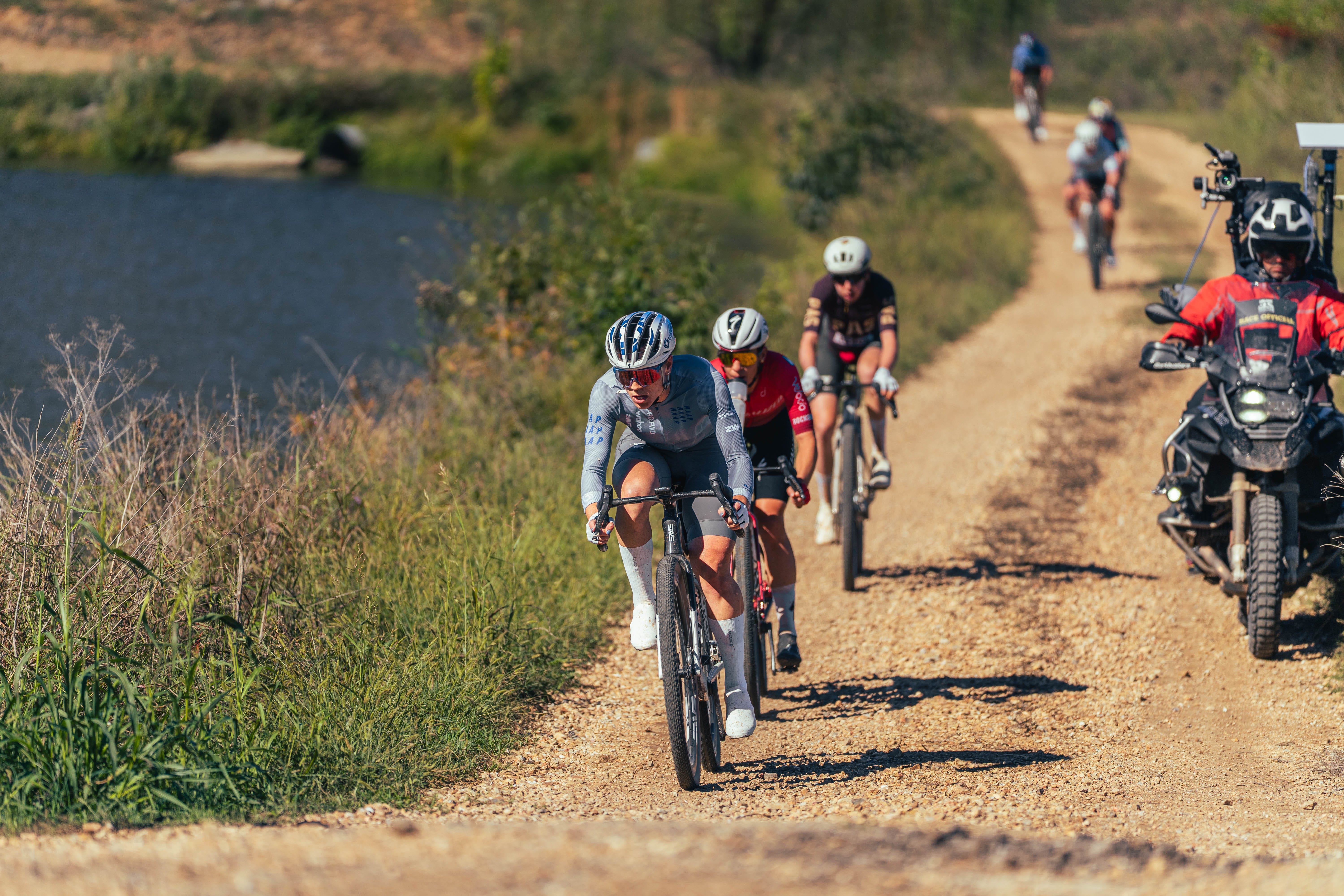
Last week I was writing on a flight to Bentonville, Arkansas, and this week I am still recovering my energy from the fantastic event that is the Big Sugar Classic. Plenty have already recapped the event, and my good friend Peter Abraham just released a new episode of the Speaking Of Bikes podcast where he and Mark Riedy share their industry takeaways from PeopleForBikes’ SHIFT Conference. Given the recent news of Cannondale shuttering its North American headquarters, I found this discussion between two industry veterans very interesting.
With the event, the race, and the industry trends covered, what else is there to talk about? One elephant left in the room is the Life Time Grand Prix (LTGP). The series just completed its fifth edition and it is incredible to see how far it has come. Before the iconic gravel rave, Kimo Seymour, President of Events and Media at Life Time, indicated the series would be taken to new heights in 2027. With prize money set to grow “exponentially,” what else is on the horizon for the series?
In an interview with Velo, Seymour and Life Time’s VP of Marketing, Michelle Duffy Smith, alluded to further expansion in the coming years, including international races and wider distribution. We will undoubtedly hear more over the next two months, but for the time being the cards are being held pretty close to the chest. This short period with a lot of unknowns seems to be Built on Bikes’ bread and butter. There are no publicly available plans for 2027 to scrutinize, meaning the opportunity is ripe to speculate and analyze what could be good next steps for the series.
Around this time last year we looked at the LTGP trying to understand what the series’ endgame might be. The recent interview with Velo seems to indicate that the media machine behind the series is still its largest asset, an asset that can be grown with further investment or sold to the highest bidder. While I no longer see Life Time selling the series anytime soon, there are still interesting questions surrounding the possibility of outside influence. Is Life Time in a position to allocate more cash to their events arm or would outside money and expertise be welcomed?
Adaptability, the LTGP’s other biggest asset
As a close follower of the series since its inception, I have found its adaptability impossible to ignore. From one year to the next, the series has implemented changes and looked different with each edition. Increasing the prize purse has been a pretty consistent change but things like livestreams, wild card selections, swapping of races, and number of automatic roster qualifications have changed significantly. The changes might not seem so big from one season to the next, but looking at the series in year one and year five has really shown how comfortable the series is to experiment with new ideas.
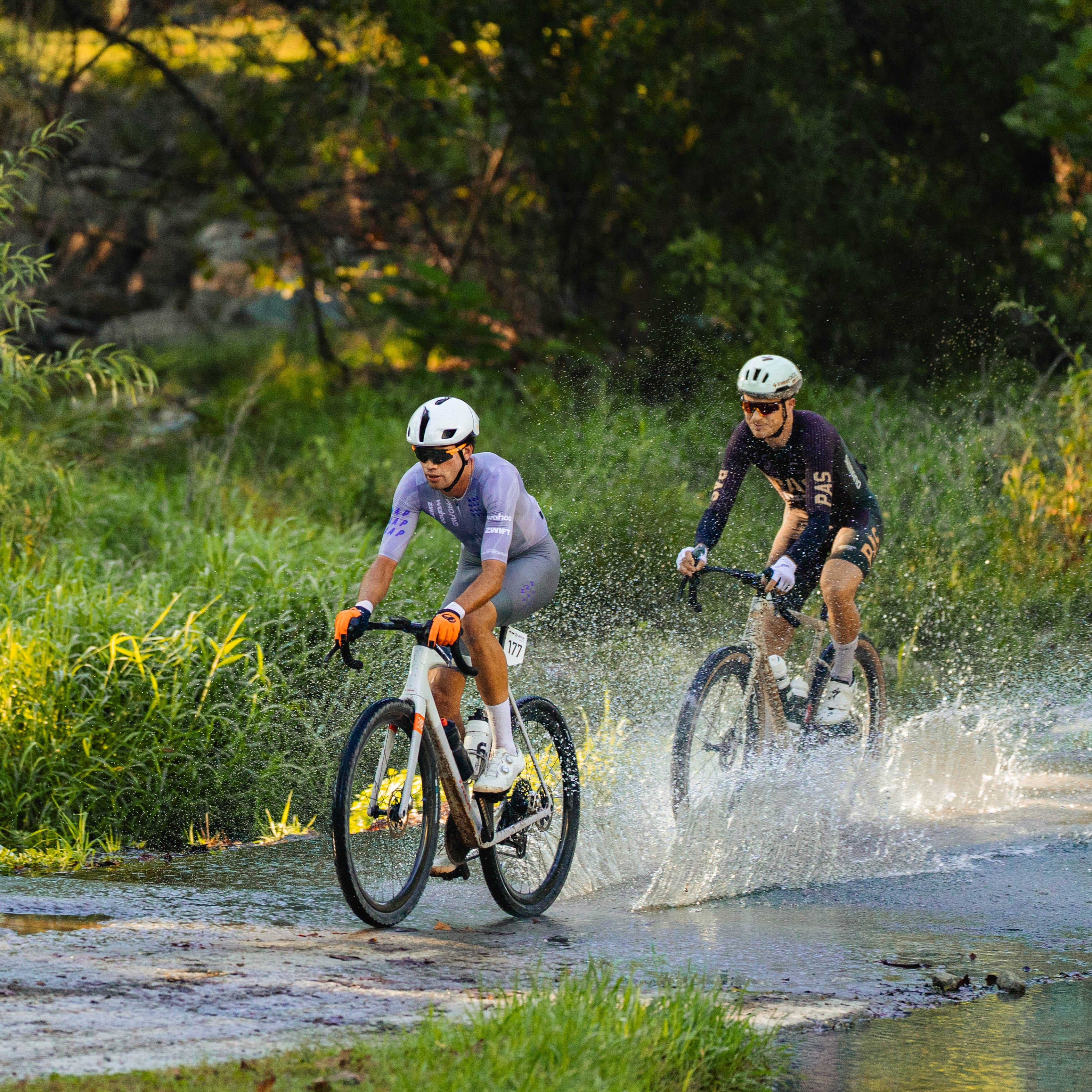
“Innovate or die” is a toxic saying in the startup world, but the LTGP’s survival can certainly be attributed, in part, to radical adaptability. Startups actually offer a great analogy for how professional gravel and marathon off-road events fit into the wider cycling landscape. Gravel is in its infancy and it is easy for fans of established properties like the WorldTour and World Cup Mountain biking to write off a new product they know little about. The WorldTour and other professional disciplines also seem unbothered by this new and mostly grassroots discipline. The WorldTour has experimented with “gravel” stages, but no one even considers the possibility of gravel overtaking the highest tiers of the sport.
The chance of a gravel series or event becoming more popular than the Tour de France in our lifetime (no pun intended) is slim to none. On the other hand, events like one week stage races, lesser known one day races, and disciplines like mountain biking should be on notice. Go back twenty years and you would find people who just knew the Blackberry phone would always be the industry leader, then everything changed overnight when Apple entered with the iPhone. That’s a much more exaggerated analogy, but it shows what can happen when a novel product enters a stale industry and disrupts it.
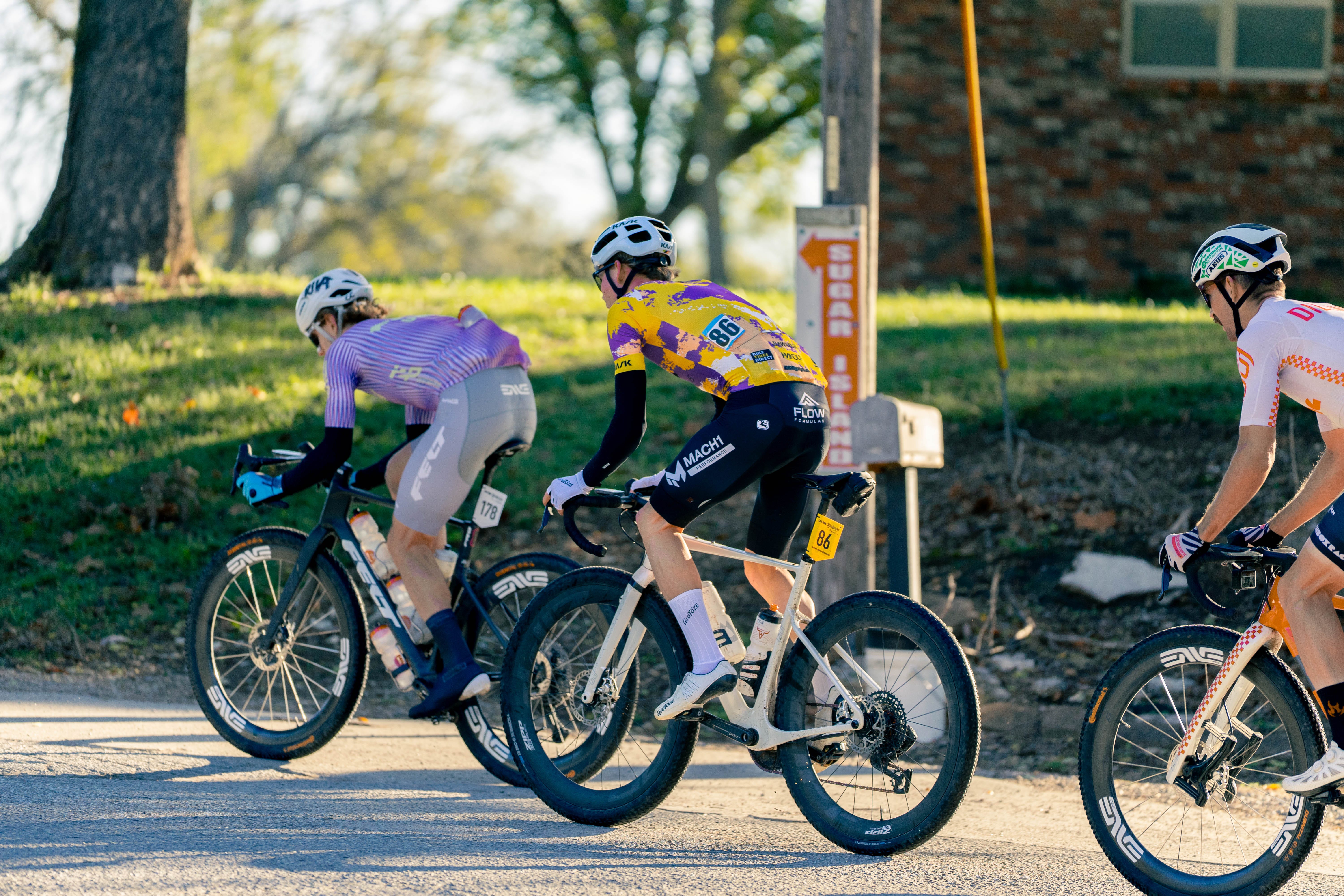
Off-road series, but especially the LTGP, are disruptors and have made significant strides forward since the first grassroots races started taking place ten years ago. Adaptability has allowed the LTGP to go from an obscure offshoot of American cycling, to a professional discipline that attracts World Tour riders to its events. While talking at the SHIFT conference, Peter Abraham told me that the energy around gravel today matches that of other Olympic cycling disciplines decades ago.
Moving Forward
As fun as it is to throw ideas at the wall through these pieces, it is only effective when all perspectives are considered. We have covered a lot of the positives for the series, but before moving onto what the future might look like for the LTGP, we should look at the weaknesses. SWOT analysis is starting to become a bit overused in Built on Bikes pieces, in fact we already did this analysis a year ago, Still, it is a great way to lay out all the variables affecting a business. We won’t rehash any of the variables covered in that previous example. Instead we will use the knowledge we gained this season to build on it, in a much more abbreviated fashion. We’ll also only focus on the general factors affecting financial opportunities instead of more acute variables like race course logistics.
Strengths
Adaptability. We have already covered adaptability as a strength.
Recurring investment. Every year the prize purse is growing, which suggests Life Time sees the value of the LTGP as a media asset. Securing more funds year over year from a publicly traded company or sponsors with fiduciary responsibilities to shareholders suggests strong financials behind the scenes.
Internal stakeholders. Having been in many Life Time event media meetings this year, I have seen that the series is guided by the steady, but adaptable, hands of Kimo Seymour and Michelle Duffy Smith.
Independence from the UCI. This means no red tape and freedom to innovate on a different schedule compared to other disciplines.
Weaknesses (all double as opportunities)
No international events: Life Time needs to make it easier for the biggest cycling stars to participate in events and give the series a boost in global legitimacy.
Live stream engagement. For anyone at Life Time reading this, do not take this critique the wrong way. The livestreams of Life Time events are solidly executed and everyone on screen is great, but certain things might be holding back audience engagement. After seeing the live coverage of Gravel Worlds, my eyes were opened to what a gravel stream could be and to what fans actually want. That means more emphasis on culture and professional quirkiness that complements the vibe of the discipline.
Distribution. Again, I think having the streams free to view on YouTube and Instagram is great, for now. In a plan for long-term, accelerated growth, is live streaming on YouTube the ceiling?
Maybe. But Life Time has always indicated a desire to compete with the upper tiers of professional cycling. Taking a chance and making streaming exclusive to a platform like Netflix could be worthwhile. Test the idea with a single, exciting event like Sea Otter or Big Sugar, and reassess if it is a viable alternative. Most viewers probably have a Netflix subscription, so my instinct is that views and audience would expand.
Opportunities
Outside investment. Bootstrapping with internal funds has gotten the series this far, and there is a lot to be said for maintaining control, but a big determinant of growth for most startups is outside investment and expertise. While Life Time provides strong internal funding, there is surely always a desire for a little more. Outside investment would provide the extra funds, but also bring the experience of those doing the funding.
Private equity has left a bad taste in the cycling industry, rightly so, but the LTGP can be selective about who it partners with to limit the potential for negative influence.
M&A. One thing extra funds could be used for is acquiring entities that either expand the series or bring more media responsibilities in-house. Acquiring events from series like Belgian Waffle Ride and Gravel Earth would not only help events seeing lower pro turnouts, but also give Life Time international expansion opportunities quickly.
Acquiring the series’ production partner, BCC Live Productions, brings the most crucial media duties in-house while creating revenue streams from competitor events that also use the production company.
Threats
Macro economic factors. The bike industry is not out of the woods from the Covid boom and decline. From everything I hear, more rough times are ahead or already upon us. Brands might determine gravel teams are not worth the spend, or series sponsors might disappear. I do know from first-hand interactions that gravel is keeping some brands afloat, so gravel could also be insulated from headwinds and become a bigger focus for brands. Time will tell.
The real question
There is little fear of the LTGP not being able to grow over the next five years, but the biggest unknown is how much more it can grow at its current pace and scope of adaptability. As we have seen, seemingly small changes from one year to the next compound over time. The LTGP is adaptable, but the scope of its adaptations has been rather narrow. How much should the scope of series improvements expand over the next five years?
I believe the series should take bigger leaps from one season to the next, but set limits on how expansive they can be to avoid overly frivolous spending. The first five years of the series built the foundation and created sustainability. The next five years should build the frame of the house: improving the quality of operations, expanding the series’ reach, and positioning it to encroach on the relevance of other disciplines over the next ten years.
Building the frame
Separating the foundation that was set in the first five years of the series from the structural framework of the next five years can be a little hard to unwrap, even for me as the person making this analogy. The sustainable foundation included the establishment of a media machine around the LTGP, obtaining financial and operational stability, establishing branding of the premier off-road series in the US, and proving gravel and marathon mountain biking could generate true fans that are repeat customers. As I see it, the frame will consist of five pillars that set the series up to aggressively pursue and obtain market share from traditional cycling disciplines.
*Obtaining market share doesn’t necessarily come at the cost of other disciplines, it just means the LTGP gets a seat at the table with leagues like the WorldTour and the World Cup mountain biking circuit.
Establish a prize purse ceiling
Raising the prize purse every year has attracted more athletes and has helped grow the series thus far. To focus on other rapid growth levers, Life Time needs to find a ceiling amount for the LTGP prize purse. When Seymour announced that the purse would grow “exponentially” in 2027, my natural question was: when do these increases stop and where is the ceiling where the series sees diminishing returns from raising rider incentives? Ultimately, what amount needs to be awarded to riders finishing in the overall top ten to ensure that stars from every discipline of cycling seriously consider competing? Will $150K for the winner do the job, or will it need to be $250K? Solve that problem and refocus effort on other growth levers.
Scalable broadcasting
Life Time has established reliable broadcasting, but it does not reach audiences the same way other professional cycling disciplines do. Life Time can still keep BCC Live as the production partner for the series, but polishing the output to near perfection and moving streaming rights to a major streaming service feels like a requirement if the series wants to compete with road cycling and mountain biking over the next ten years.
Expand the sponsor ecosystem
The LTGP has gained premium cycling industry and industry-adjacent sponsors, but the only non-endemic sponsor of the series is the Ford Bronco Wild Fund. To have a chance of competing with other disciplines, the series will need to attract major consumer sponsors. Whoop sponsors the premier mountain biking circuit, and major corporations sponsor WorldTour teams and races. How does Life Time attract the next generation of sponsors over the next five years?
Solve the team vs. privateer dilemma
The privateer model is genuinely interesting and brings remarkable athletes and storylines to the LTGP, but the proliferation of teams creates a clash in storytelling and ultimately makes the format harder to understand for new viewers. Over the next five years, Life Time will have to find a way for these two models to live in harmony and create consistency. A possible solution could be requiring an athlete to be on a team, but capping the number of riders from the same team who can participate in any given race at two or three. Additionally, only one athlete from each team may compete for the general classification in the series. This is probably not a perfect solution, but it provides an example of what needs to be determined over the next five years to ensure series continuity before rapid expansion.
Expand the roster of races that can be used in the series
To make the LTGP appeal to a more global audience, the series needs to become a global one. The series has become a pillar of American cycling, so most of the iconic races should stay in the United States, but expanding to other geographies is crucial.
Life Time should also get creative with what types of races it adds to the series. The series brand is off-road, but having more road-focused courses will help develop team dynamics, capture the interest of road racing fans, and potentially attract WorldTour riders. Nothing would rocket the series into the stratosphere like creating a modern classic, like Strade Bianche. Obviously the single race prize incentive would have to be great to attract WorldTour talent, since they will not gain UCI points in the process. If the race becomes prestigious enough, like Unbound Gravel has, then money becomes a secondary incentive.
Scaling is the new mission
It has been fun watching the LTGP grow from a small collection of grassroots races into a legitimate professional sports series. Over the past year I have been lucky enough to attend multiple events as media and witness the behind-the-scenes action up close. The series has survived its early-stage startup phase, so now the mission shifts to turning that success into scalable growth over the next five years and, eventually, making gravel a top discipline within the sport over the following ten. Time will tell, but I am excited to cover and be a part of the journey.
In other news
In line with today’s story, the LTGP is proving to be a new scouting ground for WorldTour talent. With Kate Courtney already joining a top road team after success at various Life Time events, we have now learned that Melissa Rollins will be joining the EF Education-Oatly WorldTour squad. Rollins has been a consistent presence in the LTGP, and after Courtney’s initial success on the road, more teams seem willing to give off-road athletes a chance.
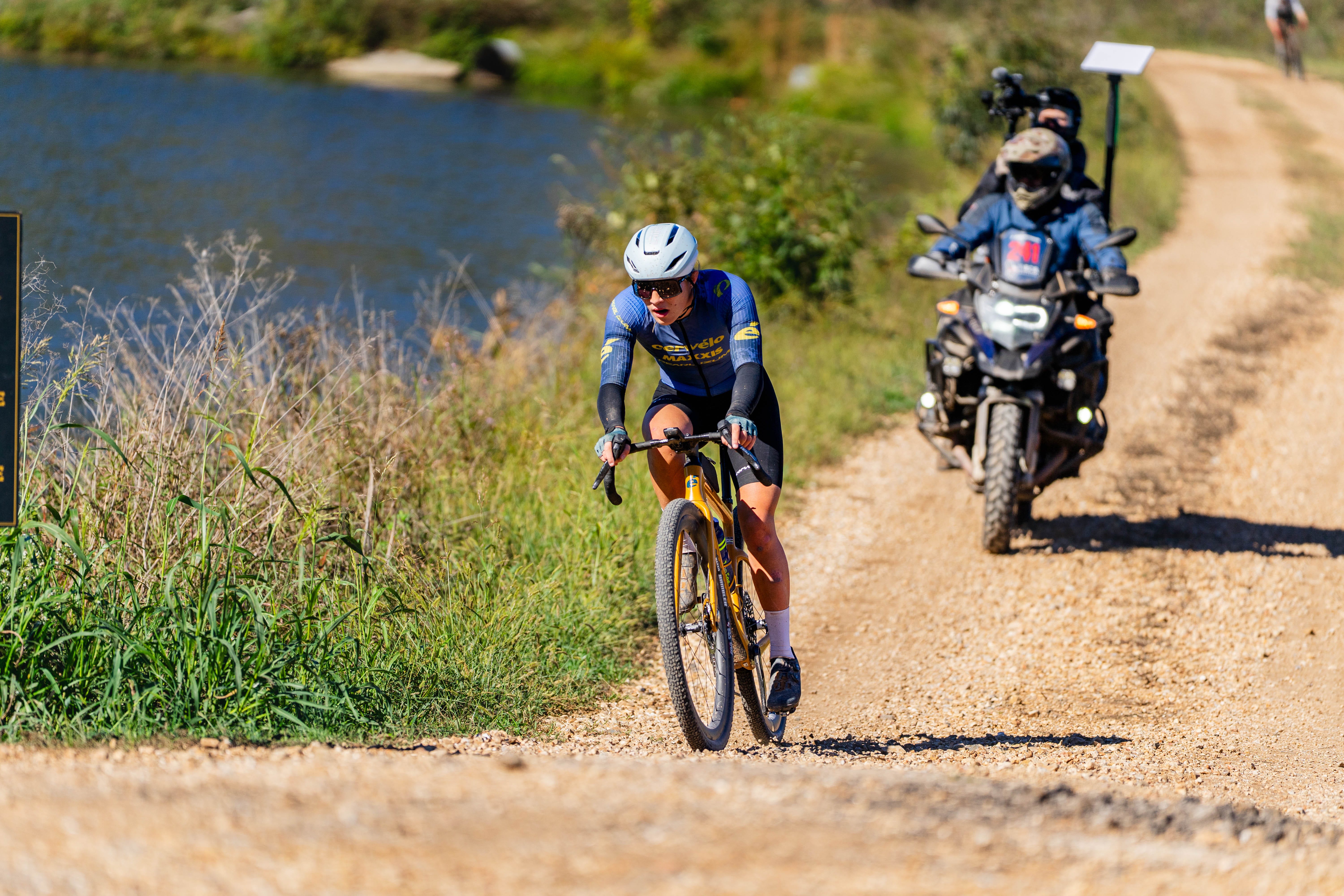
Even more exciting, in my opinion, are the rumors that U23 LTGP champion Kylee Hanel might be pursuing road racing next season. Hanel has already competed in road races with Visma-Lease a Bike’s development team and for Team USA at this year’s U23 Road World Championships. After placing fourth overall at Big Sugar, Hanel is making the case for U23 gravel as a place to spot raw strength and talent on the bike. She is a rider to watch.
Ride and rip,
Kyle Dawes
