


Last week, I announced that I would be consolidating my reporting on youth development in the United States into a new series called Foundations. This week, I continue that work by examining the fragmented landscape of junior racing, with a focus on the structural flaws, missed opportunities, and the constraints that shape our next generation of domestic talent.
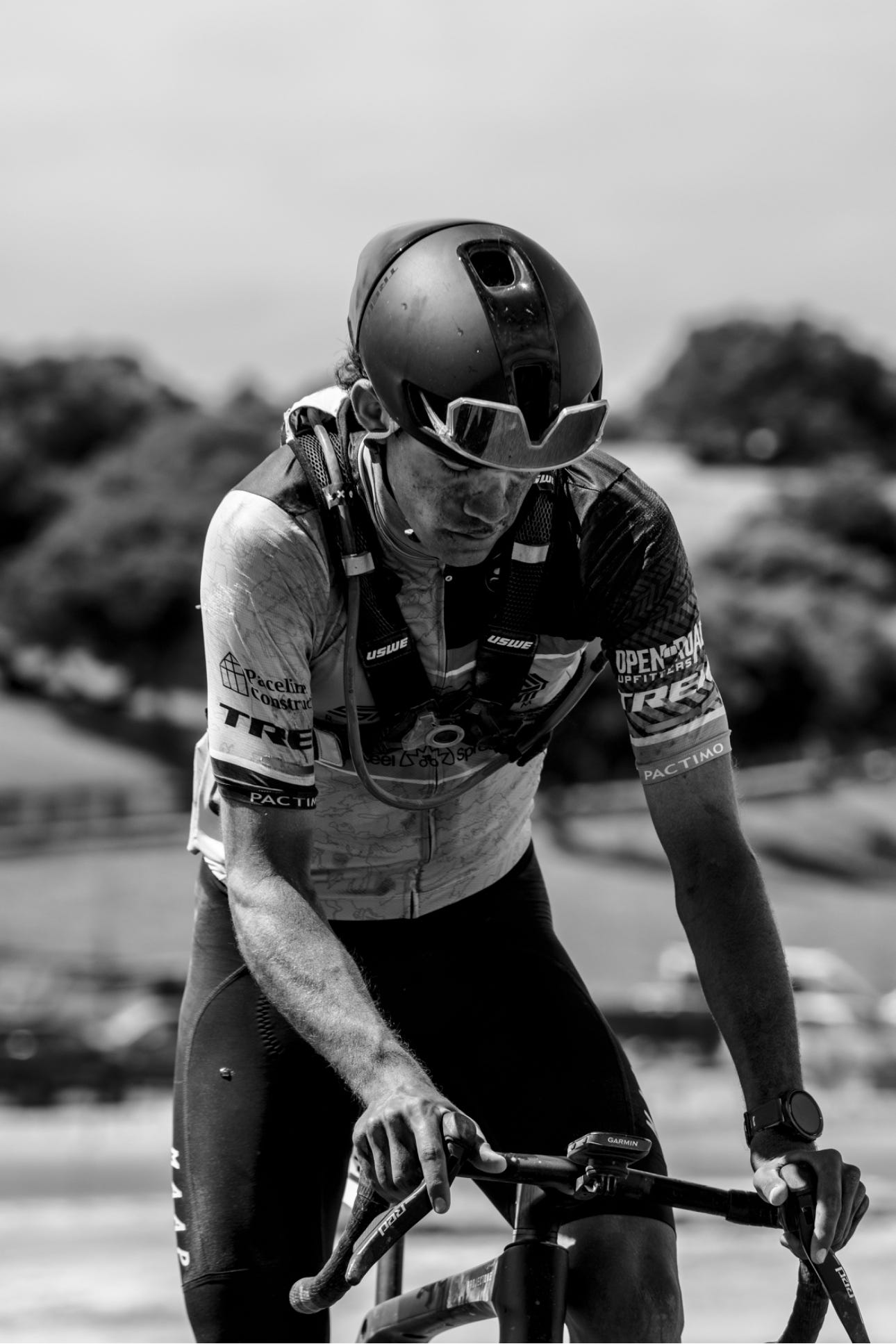
Much of my reporting has centered on current professional athletes and the systemic weaknesses within American development pipelines. This time, I wanted to hear directly from an athlete who has only recently exited the U23 ranks and is actively navigating the transition into the professional level. I spoke with Hayden Christian, a gravel and mountain bike specialist who took a non-traditional development path while still offering a clear view into what the modern U23 experience actually looks like.
With the majority of media attention focused on established professionals with results and sponsorships, up-and-coming athletes often face challenges that go largely unnoticed by media outlets, sponsors, and governing bodies alike. As athletes like Sarah Sturm and Alexey Vermeulen have emphasized, meaningful development starts from the ground up. If the sport wants to progress in the coming years, sustained attention on junior athletes should be prioritized.
In this article, I will frequently reference junior and U23 racing. “Junior” refers to athletes aged 17 to 18, while “U23” refers to athletes aged 19 to 22.
Hayden’s experience
After a recent conversation with friend of the newsletter, Holy Spirit of Gravel, I was introduced to Hayden as an ideal athlete to explore the realities of junior and U23 racing in the United States. She recommended Hayden not only because he is a friend, but because his development path highlights many of the structural challenges facing young riders today.
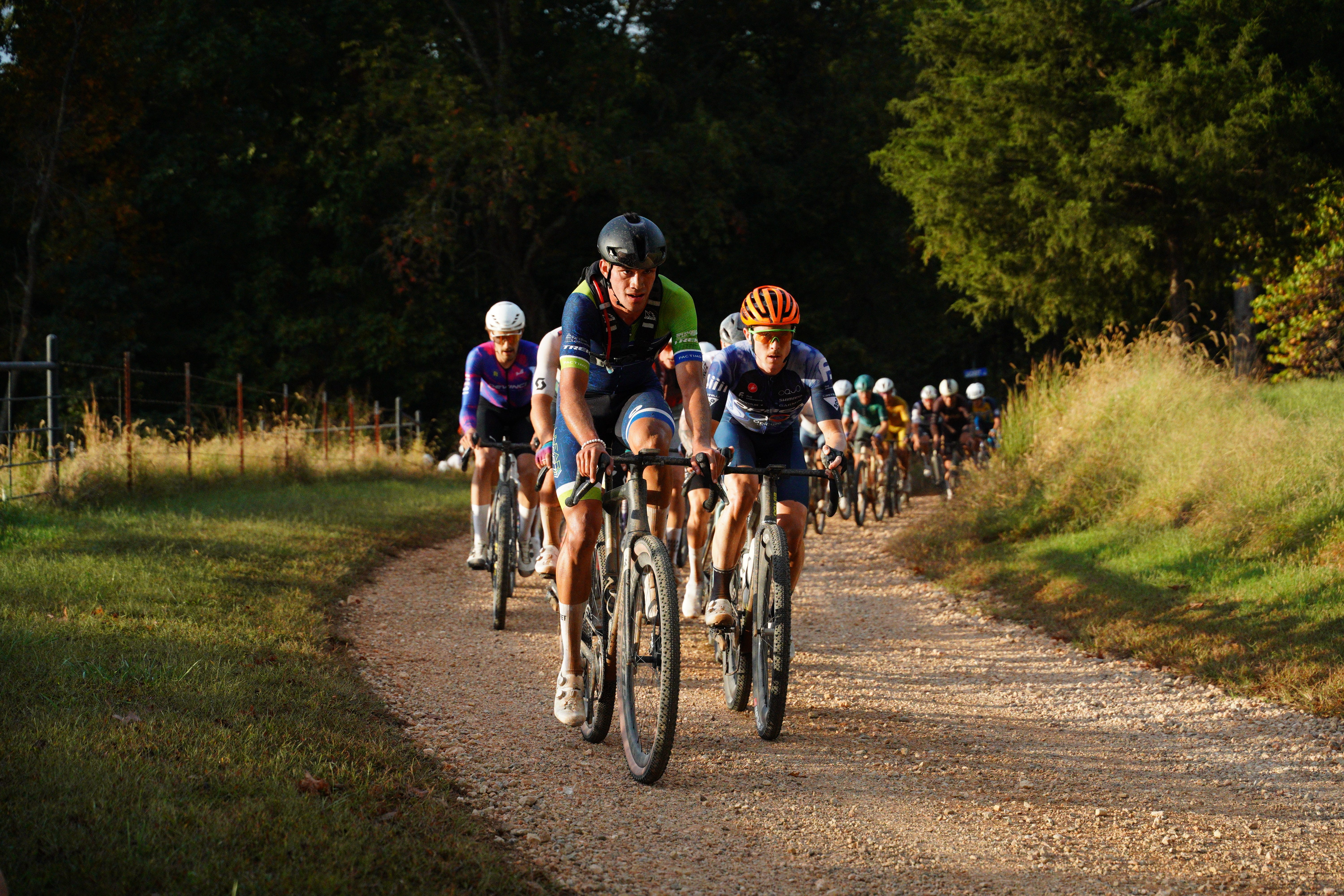
Hayden began racing as a mountain biker but competed in only one national-level junior race before aging into the U23 category. As we will explore, this transition offered limited opportunities for development and quickly became more about survival than progression.
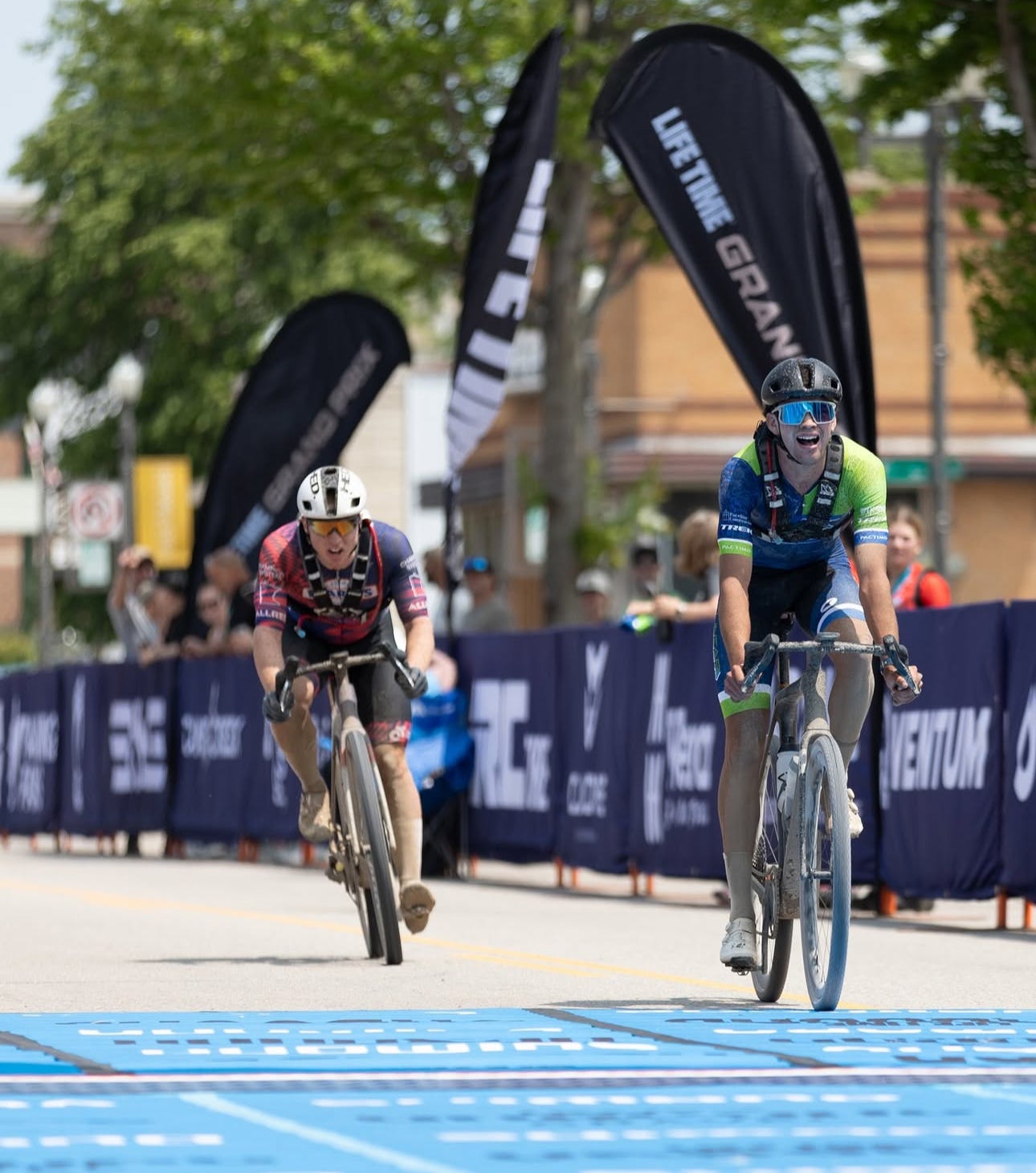
With U23 mountain biking failing to provide the amount of opportunities he was seeking, Hayden shifted his focus toward gravel racing. This year, he competed in the inaugural Life Time Grand Prix U23 series, one of the few structured development opportunities currently available to off-road juniors in the U.S.
After this season, Hayden aged out of the U23 category and is now racing professionally in top off-road events. This transition has introduced a new set of challenges that are common for young athletes navigating the jump to the professional ranks.
Taken together, Hayden represents a valuable case study. His path is unique, yet highly representative of the trade-offs young athletes are forced to make when choosing between limited development options.
Developing in the U.S. is hard
The dream for any young athlete is to race against the best professionals in the world. For mountain biking that means racing in UCI World Cup races. For Hayden, and for many other young racers, that opportunity can often come too soon. As mentioned earlier, Hayden competed in only one national-level junior race before aging into the U23 category.
The window for elite junior racing is extremely narrow. As a result, athletes are often forced to race older, more experienced U23 competitors without having first developed race craft against peers of similar age and ability.
Racing in the U23 category does not guarantee stable or developmentally appropriate competition for more experienced riders either. While USA Cycling sanctions U23 mountain bike races, meaningful exposure to World Cup teams largely comes through UCI events, which are limited in number across the United States. Limited opportunities become more limited because USA Cycling points do not transfer to UCI points. This creates a steep and often unforgiving learning curve, as Hayden explained:
“I had to race men’s elite class in the UCI, and it was brutal. It was basically not even racing. It was more along the lines of trying not to get lapped by Christopher Blevins on the second lap of the race.
That’s just how the system worked. If you don’t have [UCI] points, you line up in the back. There’s no U23 classification or scoring, it’s pretty crazy.”
Without a dedicated U23 classification at these races, young athletes are grouped directly with older elite professionals. As Hayden described, this environment does little to foster development or race craft. Instead, it forces young riders to compete for survival rather than growth.
The United States is unquestionably producing exceptional mountain bikers like Christopher Blevins, Riley Amos, and Haley Batten. Still, stories like Hayden’s suggest that the current system leaves meaningful development opportunities on the table and limits how many U23 athletes successfully transition to the professional ranks.
Overall, talent is not the issue. Categorization is. Hayden emphasized that sentiment.
“There are some incredible athletes racing U.S. Cups, but you have no idea who they are because there’s no media coverage. No sponsors are really diving into the mountain bike scene here in the U.S.”
In most disciplines, if the goal is to race professionally at UCI events, the lack of domestic UCI races and the absence of clear U23 classifications create an environment of scarcity and unequal competition. This structure consistently hinders rider development and limits how many young athletes are able to progress through the system successfully. These were some of the issues that led Hayden to pursue gravel.
Gravel as a development pathway
After hearing about Hayden’s background in mountain biking, one of my first questions was simple: why gravel? For Hayden, and for many other young athletes, gravel presents opportunities that simply do not exist in mountain biking or on the road
“I saw that there was way more opportunity within the gravel scene than there was trying to go the World Cup route. I think the World Cup, right now, is just a super hard path. Not that gravel isn’t hard, but I don’t think there are as many opportunities on that side [World Cup] as there are in gravel.”
In gravel, opportunity is being created through more level age-based competition and far greater media coverage. This shift has been led by one series in particular: the Life Time Grand Prix.
The 2025 season marked the first year the off-road series included a U23 field, creating one of the only prominent U23 circuits in the country that attracts both sponsors and top talent. As Hayden said:
“The U23 series is definitely giving people like myself and other young kids the opportunity to showcase their talents and not be subjected to racing elite pros like Keegan Swenson, where you’re constantly overshadowed.”
Gravel clearly provides a viable path to professional racing in the U.S., and it does so without the involvement of a formal sanctioning body. That open culture is exactly the type of environment other disciplines desperately need. Still, gravel is not without its own flaws, many of which stem from the financial realities of the sport.
Financial barriers affect junior and U23 athletes across every discipline, but despite significant outside investment flowing into gravel racing, very little of that money reaches the developmental level. For U23 athletes competing in the Life Time Grand Prix, it was surprising that basic costs such as race entry fees were not waived for the group that arguably needed the support most.
The issue came into sharper focus at the end of the season when current professional Alexey Vermeulen raised funds and covered entry fees for the top five U23 men and women. That gesture had a tangible impact on the athletes, including Hayden, and underscored both the generosity within the gravel community and the structural gaps that still exist.
“Just having our entry fees paid was massive. But I thought it was a little weird that a privateer who has bills to pay himself was raising money for U23s. I was a little confused as to why Life Time maybe wasn’t helping foot the bill on that.”
It is another example of how, at the youth level, small actions can have an outsized impact, and how inaction can quietly exclude talented athletes. Gravel and Life Time are proving that better development pathways are viable, but when progress depends on individual goodwill rather than clear, actionable policy, those pathways remain fragile.
Finances remain the biggest biggest barrier to development
I have spent a lot of time arguing that stronger collegiate cycling infrastructure and meaningful scholarships could ease the financial burden associated with high level racing. To show just how difficult a self supported development path can be, I wanted to listen closely to Hayden’s experience navigating mountain biking and gravel.
Equipment, race entry fees, and travel are the biggest expenses, and without sponsors, it is unlikely that most juniors can support their ambitions on their own. In reality, many young athletes rely heavily on family support to stay in the sport. In Hayden’s experience, that reality was clear:
“It’s a financial burden for sure if you do not have sponsors. Traveling all over the country, entry fees, logistics, it adds up really fast. Most U23s, their biggest sponsors are their parents. That’s just the reality. Most U23s are not getting help from bike companies because those companies are helping the very top of the top of the sport.”
Geography only compounds the issue. Whether it is mountain biking, gravel, or road, American athletes often have to travel long distances just to access competitive racing. For many, that means sacrificing the ability to live and train at home in order to reduce costs. Hayden explained how this has shaped his own choices:
“I’ve kind of subjected myself to living in places where it’s easier to travel to races. I’ll be in Arizona, then I move up to the Midwest partway through the year so the traveling isn’t as bad. I’m closer to the races.”
Most athletes and families accept that cycling is, to some extent, a pay to play sport. That is true for many sports in the United States, but cycling is unique in how little structural support exists to offset those costs. Outside of a handful of private teams and rare varsity programs, there is minimal contribution from USAC, club teams, or collegiate programs toward equipment, race entry fees, or travel.
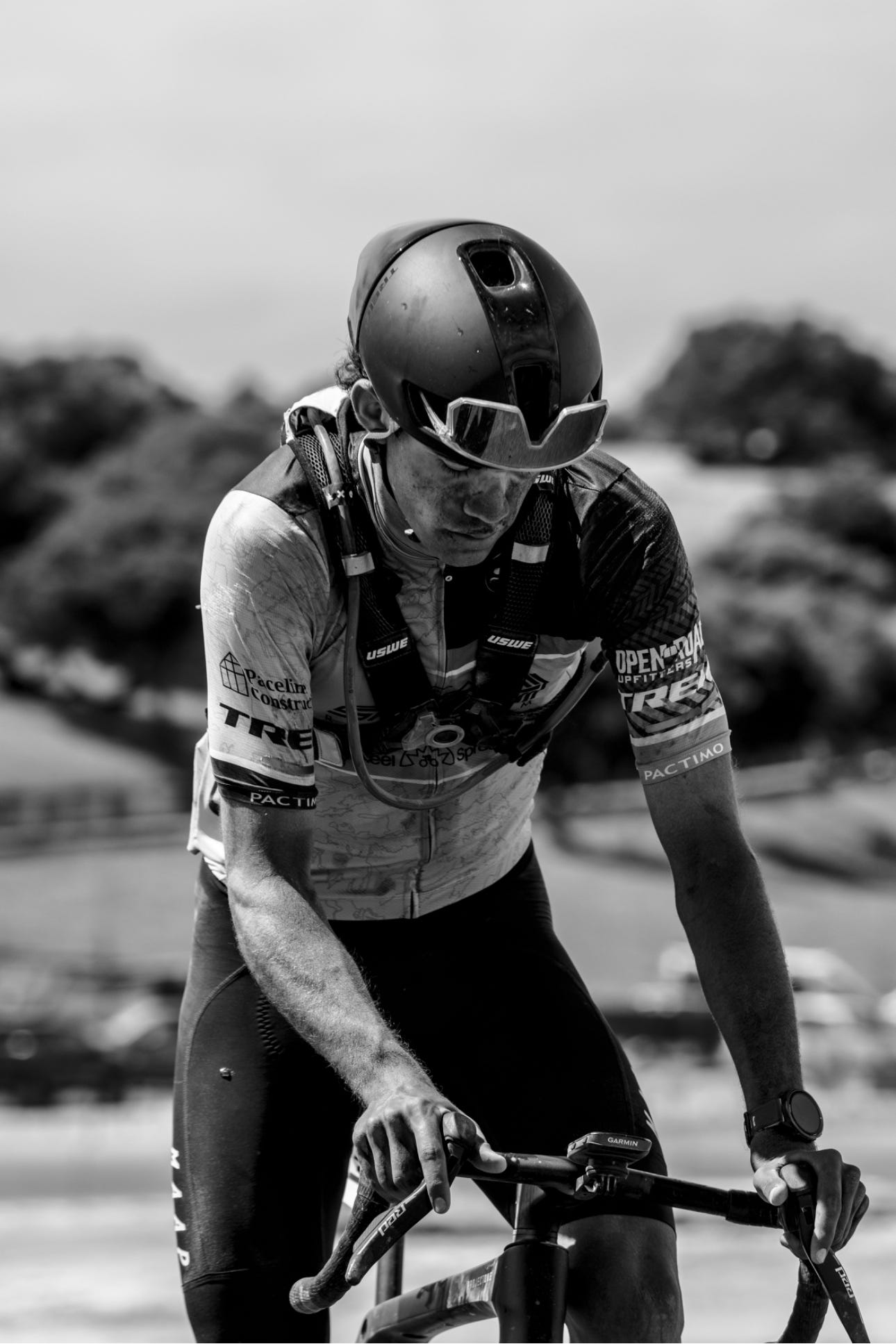
Without meaningful structural change and increased athlete support from organizations like Life Time, USAC, and colleges, the sport will remain inaccessible for many. Until then, youth development in American cycling will continue to be filtered by socioeconomic status rather than talent alone.
The choice not to pursue collegiate cycling
We all know this is my favorite topic, but my perspective has always been shaped by conversations with current and former American pros who have been removed from collegiate cycling for several years. That raises an important question. Since their time in the system, has collegiate cycling actually strengthened, or does it still offer limited opportunity?
After speaking with Hayden, it seems that little has changed on the opportunity front for talented riders. The lack of cycling scholarships and meaningful program funding remains the biggest drawback of the collegiate circuit. As Hayden explained:
“Originally, I wanted to go to Fort Lewis. That was my goal. But once I realized there’s just no money in collegiate cycling, I started questioning it. When I went to sign up, you had to make donations in order to be on the team. I’m from Texas, so I’d already be paying out of state tuition, plus paying to ride my bike.”
As a development pathway, collegiate cycling still does not carry the same legitimacy as other collegiate sports or as elite level individual racing.
“It’s not looked at as a development program like football or basketball. If you’re playing college basketball, you’re being developed to go to the NBA. If you’re playing college football, you’re being developed to go to the NFL. In cycling, most of the good people don’t race collegiately. They might go to school on the side, but they’re not racing collegiate bike races. They’re just going straight to World Cups or Life Time races.”
Hayden was quick to note that there are talented athletes racing within collegiate programs. However, those riders are unlikely to receive the same level of competition or development available through other pathways. Until collegiate cycling can offer deeper fields, establish legitimacy as a true development pipeline, and make financial sense for young riders, it will continue to be one of the weakest links in American cycling development.
Progress requires infrastructure
My conversation with Hayden affirmed many of my previous assumptions while also highlighting both emerging opportunities and the steep challenges facing athlete development in the United States. Hayden has been able to take advantage of new opportunities in gravel racing, including more level competition, increased sponsor visibility, and a clearer pipeline into professional racing.
Even with this pathway opening up, it remains narrow compared to the sheer number of young athletes competing across all cycling disciplines nationwide. A few realities still apply to nearly every aspiring rider:
Every pathway requires a significant financial commitment from the athlete and their family. Reliable financial assistance remains largely absent for collegiate riders and privateer athletes like Hayden.
Collegiate cycling remains an option, but it continues to lack depth of field, meaningful financial opportunity, and the legitimacy associated with other development pathways.
No pathway is straightforward. The current structure of junior and U23 racing in the U.S. is fragmented, with inconsistent categorization and limited clarity for athletes trying to progress.
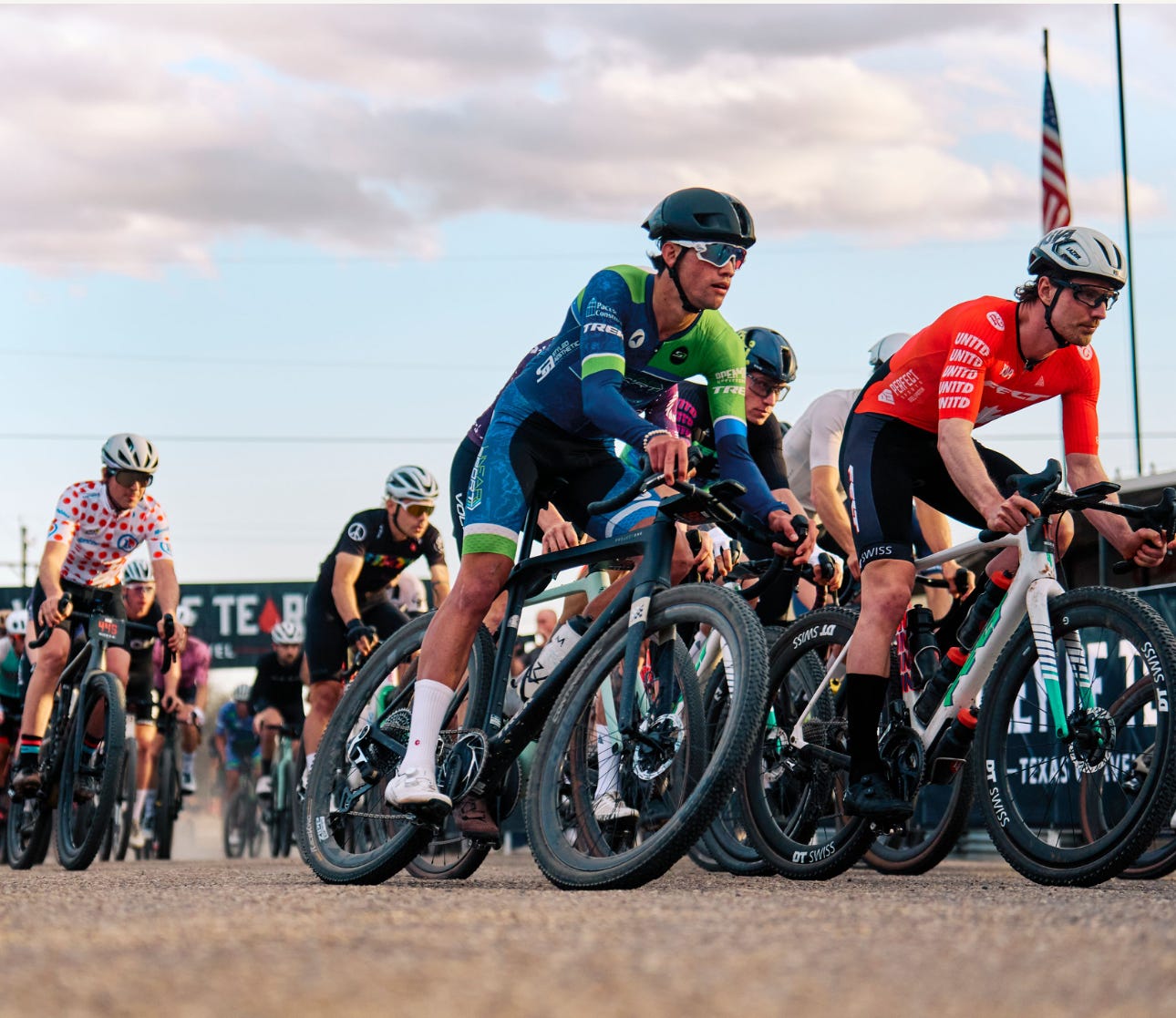
Addressing these issues will require real investment and a willingness to rethink long standing development structures. Governing bodies, event organizers, and private stakeholders, including USAC and Life Time, all have a role to play. Until there is a coordinated effort to better support emerging athletes, the United States will continue to fall short of producing the volume of talent needed to remain relevant on the world stage.
What’s next for Hayden?
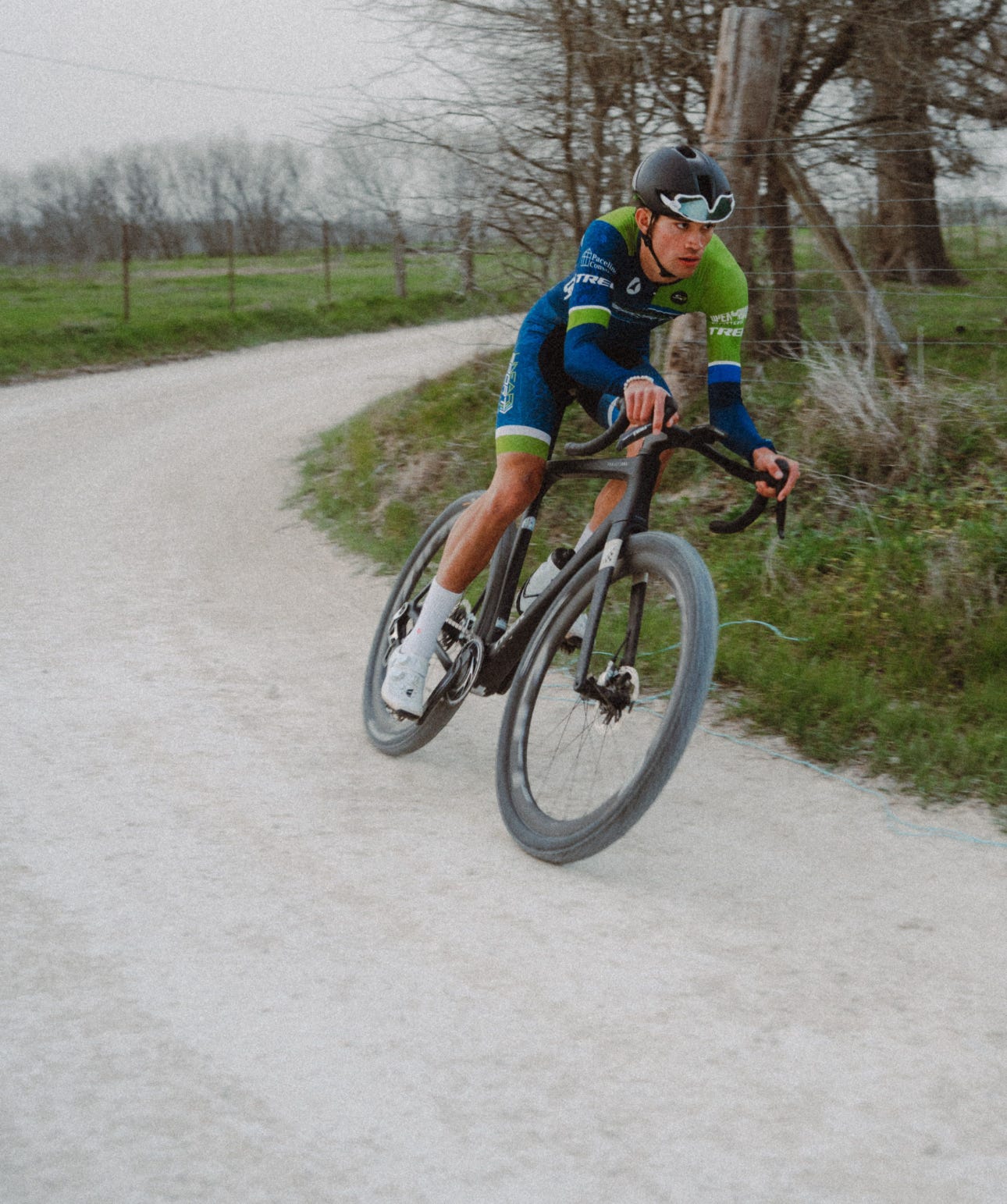
Hayden had a standout 2025 season, finishing third overall in the Life Time Grand Prix U23 series and winning the UNBOUND 100. In 2026, he plans to be more selective with his race calendar, focusing on the early part of the season and the back half of the year. These strategic decisions are closely aligned with his goal of delivering immediate and meaningful visibility for his sponsors.
While Hayden will continue racing select Life Time events, chasing a wildcard spot into the Grand Prix is not his top priority. Instead, he plans to use the added flexibility to pursue a broader range of opportunities across gravel and mountain biking.
I am excited to see how Hayden’s season unfolds and to hear the experiences that come with it, as they will continue to shed light on the realities of pursuing a professional career in cycling. I plan to reconnect with Hayden midway through the season and again toward the end to share those insights, so stay tuned.
Ride and rip,
Kyle Dawes