


I did not explicitly set out to build a publication focused on both the business behind cycling and developing the sport in the US, but I am glad that is the niche I have landed in. Those two subjects provide a genuinely never-ending stream of content. This week I am once again tackling something that touches both focus areas, though in a different capacity than usual.
When I write about developing the sport in the US, I typically focus on the levels that affect U23 athletes up through those just below the WorldTour. Today I am looking at an area of development that touches the top one percent of professional cyclists this country produces, and how a very specific type of investment in that group can drive competitive success that radiates across the sport and accelerates its growth domestically.
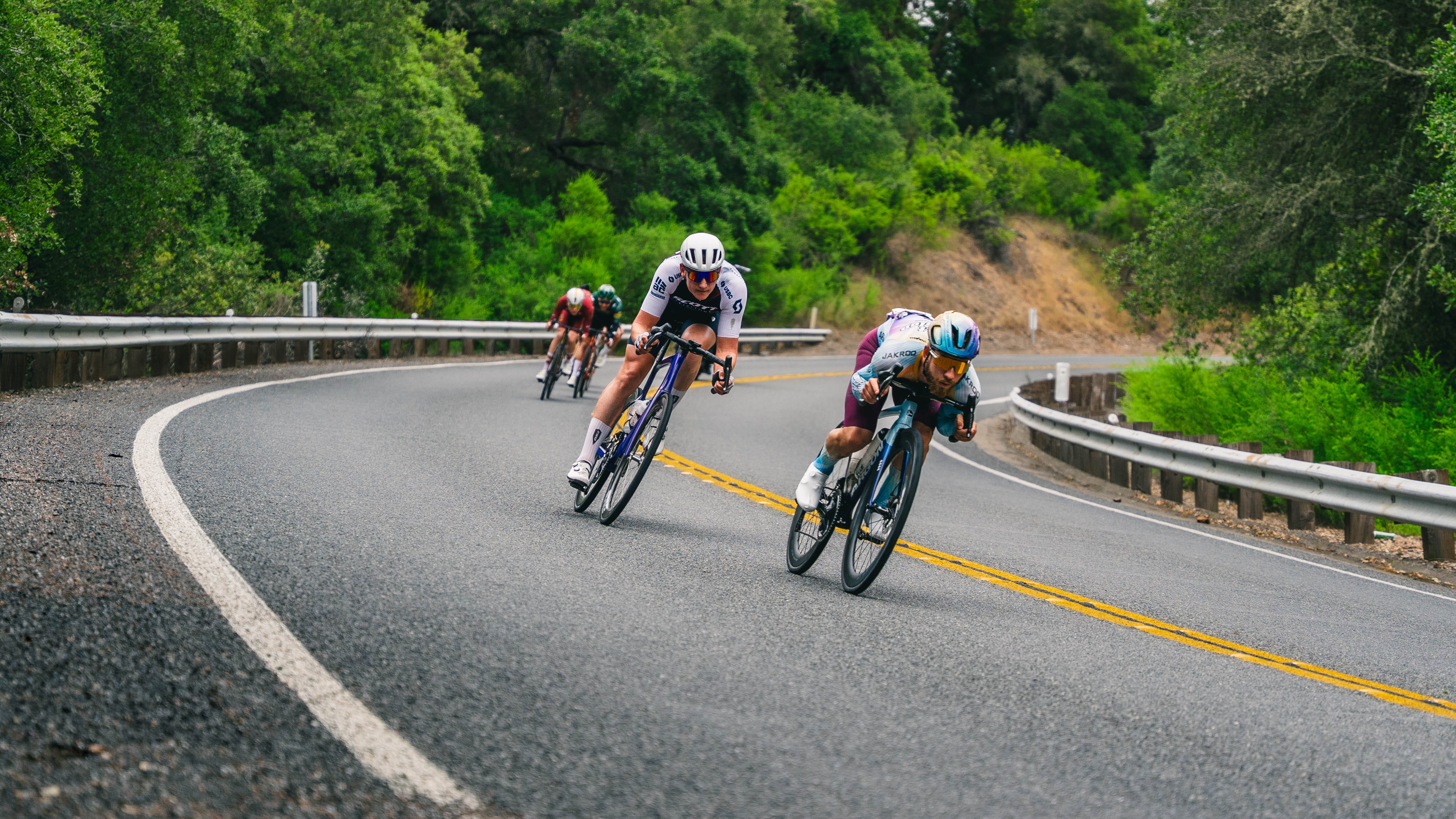
My piece on Rapha’s bet on the United States is a useful reference point here. In that story I detailed how Rapha is counting on the 2028 Olympics in Los Angeles to deliver a significant boost in the popularity of cycling in America. Through their partnership with USA Cycling, Rapha is banking on the success of US riders on the world stage to get more people racing bikes and wearing their kits. That same theme runs through today’s topic, which also centers on the performance of American riders at the 2028 Games.
If the biggest catalyst for growth coming out of the Olympics is the success of US athletes, what resources are we dedicating right now to give them the best possible chance? The answer is that those resources are significant, cutting edge, and true to the scrappy spirit that has always defined American cycling. Much of it is happening behind the scenes and has already produced two standout performances at the 2024 Olympic Games in Paris.
I know this because of conversations I had with USA Cycling officials at the SXSW event hosted by Hill Climbers last month, and I was reminded of it again during a venture capital group ride I participated in last week. USA Cycling is actively leveraging relationships with top venture capital investors, founders, scientists, and thought leaders to enhance athlete performance outcomes ahead of the 2028 Games.
In this piece we will be taking a closer look at USA Cycling’s Technology and Innovation Council, the work they have already done, what they are building toward ahead of the LA Games, and what it could mean for the sport domestically once the games are over.
What is the Technology and Innovation Council?
USA Cycling’s Technology and Innovation Council is an effort to harness America’s abundance of capital, its leading technology sector, and the broader cycling community to improve the performance potential of the US national team. The council helps USA Cycling deploy cutting edge technology like AI to inform performance decisions that give American athletes the best possible chance of winning on the world stage. It is another avenue for extracting marginal gains, but through resources that are uniquely American.
Origins of the council
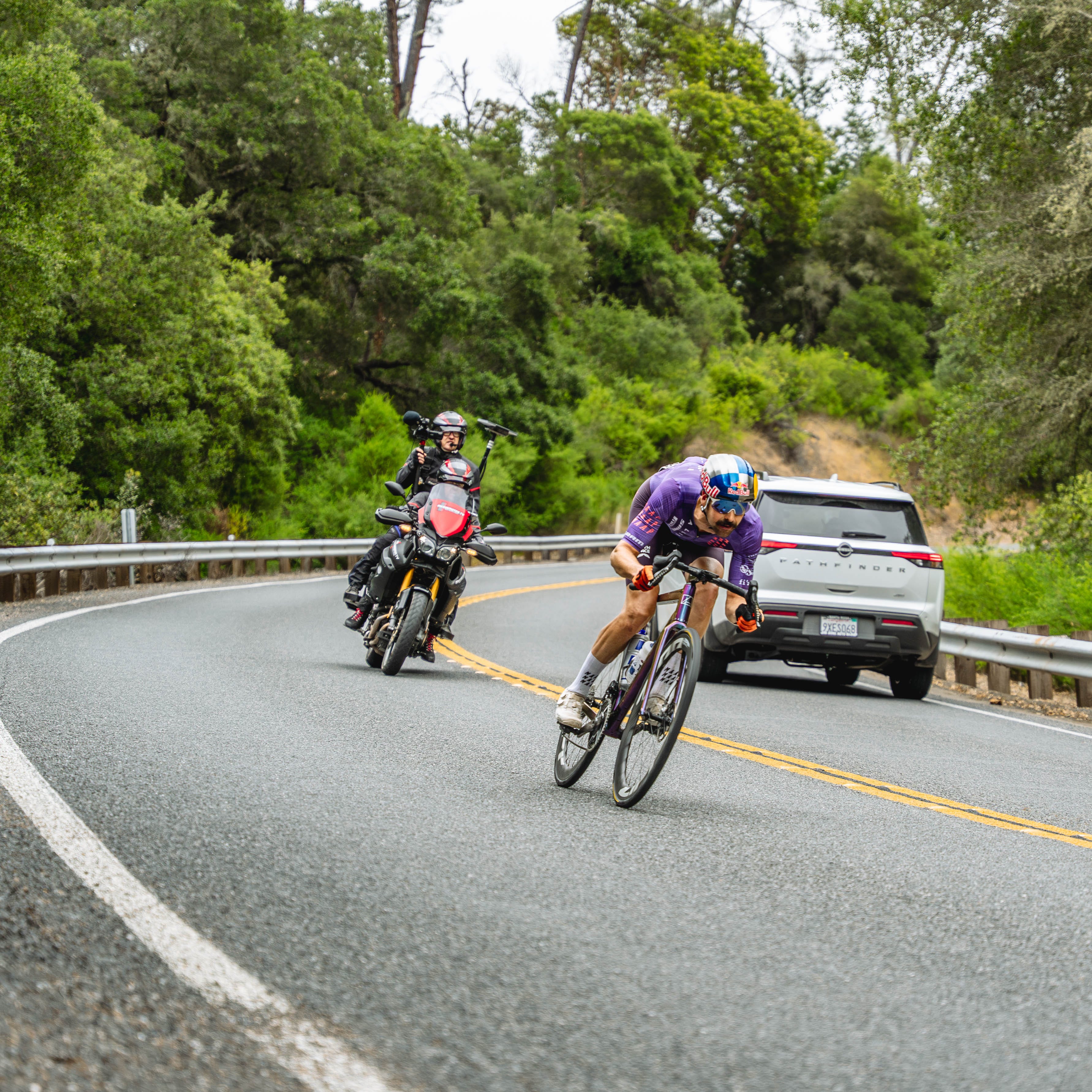
At the Hill Climbers investor lunch, USA Cycling Chief of Staff Karl Pelletier spoke about the origins of the Technology and Innovation Council. The story centered on a double Olympic gold medal performance that most of us are well aware of: the two extraordinary wins involving Kristen Faulkner at the 2024 Games in Paris.
Everyone in that room already knew Kristen’s story, but very few knew about the work behind the wins. Kristen deserves every bit of the praise she has received. She was ultimately the fierce competitor who went out and got the job done. But there was a substantial team of people at USA Cycling who helped her prepare, informed race strategy, and modeled scenarios ahead of competition. They did it through the use of AI and mathematical modeling to inform race strategy, team composition, and contingency planning. As someone on the team put it: “we mathed the shit out of it.”
The story had future sports documentary written all over it, and if that ever gets made, one of the central figures would be Ryan Cooper, Director of Product Management at Zwift and co-founder of BestBikeSplit. Ryan brought an extensive knowledge of AI applications in endurance sports to USA Cycling ahead of the 2024 Games, helping the team identify the best possible paths to gold. Through detailed modeling, athlete analysis, and competitive analysis, Ryan and the team pinpointed several areas that could be optimized for success:
Place emphasis on female athletes, who performed best in Olympic competition
A unique combination of athletes for the team pursuit could produce a statistically significant improvement in team performance
In the road race, Kristen Faulkner had a 6% chance of winning gold
Modeling identified ideal race scenarios for Kristen to outperform the competition
A genuinely cool use of AI, and the results were undeniable. What makes it even more compelling is that this innovation came largely from individuals who were not full-time USA Cycling employees. It was the passion and expertise of the broader American cycling community that made it possible. The message was clear: the wider technology community can help the US succeed on the international stage when the right people have a genuine passion for the sport.
Looking towards LA
Full disclosure: I do not actually know what is in the works for the 2028 Games, but there are some logical areas for expansion and educated guesses to be made based on the individuals involved in the council. Here is who is currently part of it:
Leading AI Experts
Former VP at OpenAI
Head of AI at Strava
Head of AI at Greystar
Ryan Cooper
Top Venture Capital (GPs and Founders)
Atria Ventures: life sciences investments
Union Labs: deep tech investments
Next Ventures: health and fitness investments
G2 Ventures: AI investments
DVx Ventures: venture studio focused on startup incubation across various sectors
Health and Physiology
Stanford Medicine: cardiologist researching cardiac health and athletic performance
Given how effective AI was in improving performance outcomes in Paris, it is a reasonable assumption that USA Cycling is doubling down on this approach with an expanded roster of expertise. In Paris, the modeling appeared to draw from a relatively focused set of variables including race data, aerodynamics, and rider power output. With this caliber of talent involved, that dataset will almost certainly be significantly larger heading into LA.
With physicians, AI experts, and venture capitalists connected to hundreds of portfolio companies innovating across multiple industries, far more athlete data will feed into the models. Biological markers, sleep, mechanics, and nutrition will all be variables used to optimize for race day. The home turf advantage of the LA Games will also factor in, with course data, weather patterns, and other location-specific variables informing preparation.
It is a reasonable bet that new training techniques, advanced products, and refined models will emerge in the lead-up to the Games and ultimately be adopted by the wider professional cycling community. And it is all happening because USA Cycling has had to get creative, engaging non-cycling industry professionals and leveraging resources that would be overlooked in more traditionally funded cycling nations.
Getting scrappy… with tech moguls
So maybe the AI worked in Paris, but one of the main architects of that initiative works for Zwift and has a deep history with professional cycling. Will bringing in more third party individuals who are only loosely connected to cycling as a hobby really move the needle? The answer is yes, and in fact their distance from the professional cycling world may be one of their greatest assets.
As I explored in my Hill Climbers piece, I firmly believe that our scrappy cast of cycling enthusiasts with successful careers outside the sport can make us stronger than other nations. Fundraising potential is uncapped, technology access expands rapidly, and enthusiasm is not dulled by the grind of working in the industry day in and day out.
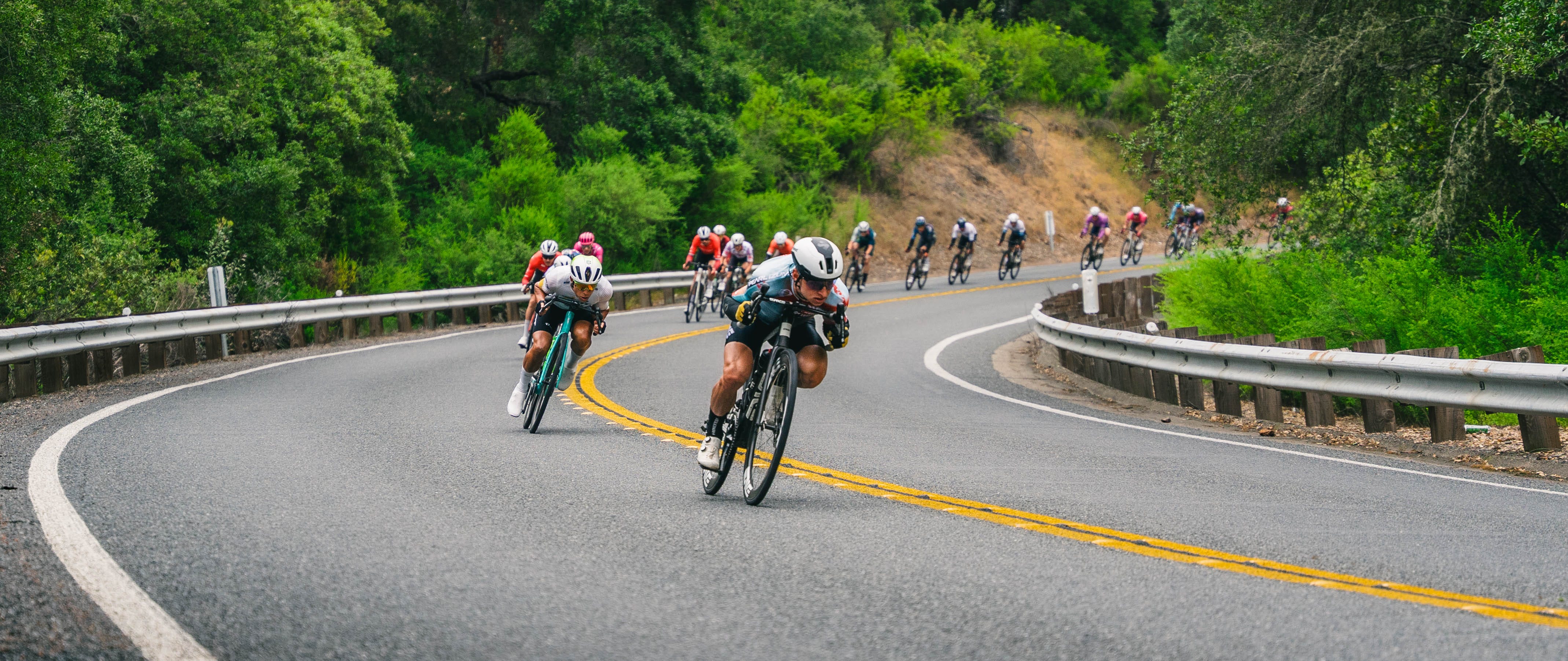
Other cycling federations, especially European ones, receive dedicated government funding and institutional support to run their programs and develop athletes. I wish we had that in the US, but the absence of that support has forced us to avoid complacency in ways that more established programs have not. Historic cycling nations have operated like well-oiled machines for decades, and that consistency, while a strength, also makes them prone to stagnating development initiatives.
Consider Belgium, where cycling is genuinely embedded in the national culture. Their federation is well funded and their developmental pipelines are robust. Those are arguably the two most important factors in producing top talent consistently, but that very success may be blinding them to further opportunities for innovation and improvement.
The US has a long way to go on both funding and development pipelines, but we have already identified an advantage that will be difficult for other countries to replicate. USA Cycling has engaged Silicon Valley, tapping top venture capitalists and technology experts to apply their skills and capital to the national cycling program. Other countries have technology sectors, but only the US has Silicon Valley, where some of the brightest and most resourceful minds from around the world are concentrated in one place.
In many ways we are working the problem backwards, and it is working. Years of incremental progress on funding and talent pipelines made it clear that a new approach was needed. Leaning into one of America’s core strengths, its capitalist ecosystem and culture of outside investment, USA Cycling emphasized external support at a moment when government attention was directed elsewhere. The result has been a wave of fresh perspective and innovation unburdened by years of cycling industry convention.
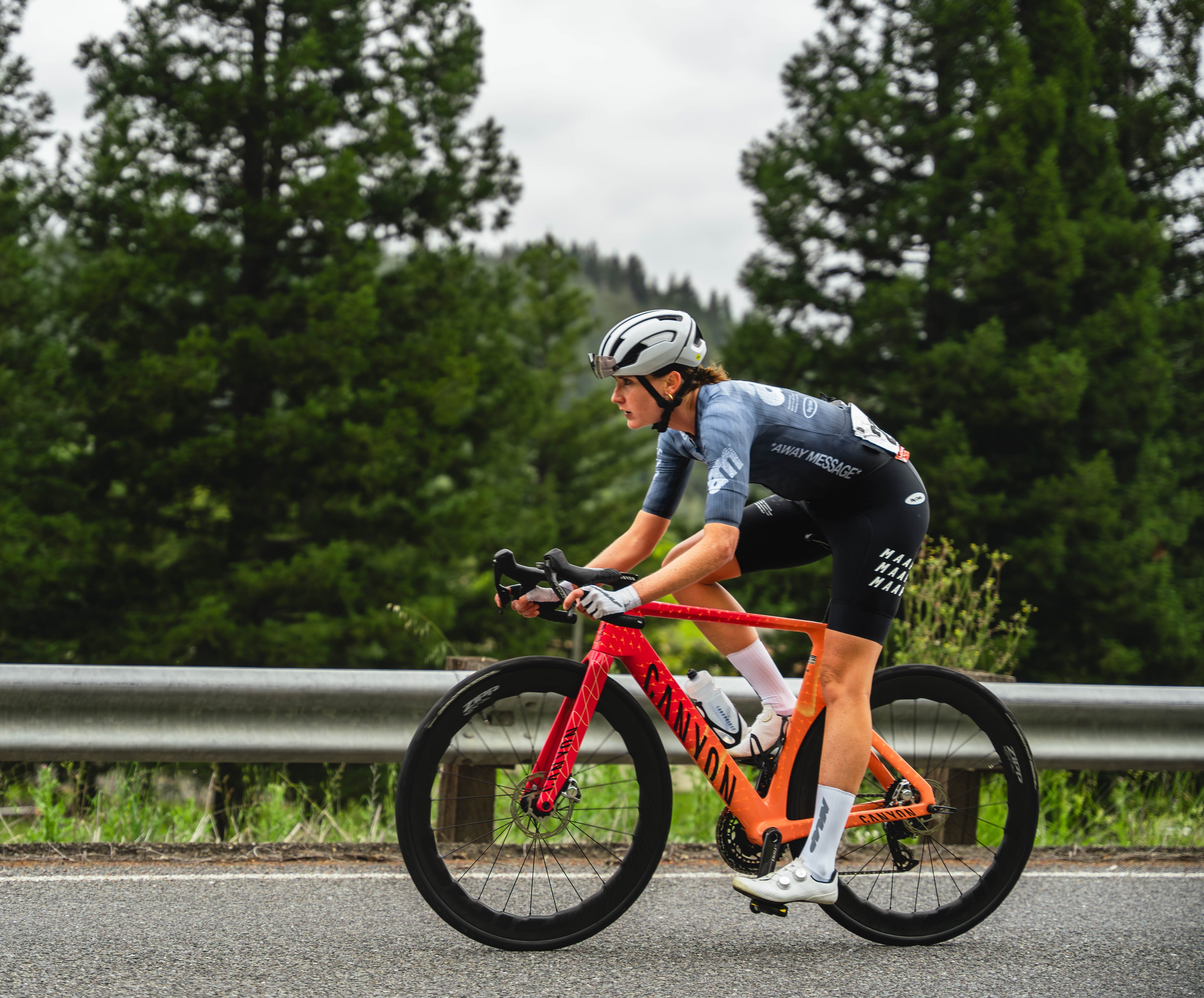
It all connects back to what Hill Climbers is proving on a smaller scale: our piecemeal approach to development acts as a hedge against complacency and tradition. By refusing to rely on any single system, we are forced to optimize across every dimension. Our athletes are the asset, and we have chosen to diversify the portfolio of resources dedicated to their development.
Where we can take it
From the outside looking in, the tech council appears relatively fixed in its focus through the LA Games, but the more interesting question is where the possibilities lead after the Olympics. It would be a real missed opportunity if the council ceased to exist once the Games were over or remained narrowly focused on national team performance. As we just discussed, the council plays a vital role in working backwards to secure more reliable funding for USA Cycling and developing better talent pipelines for riders. The work being done here needs to be built upon rather than archived.
The council’s network is already expansive enough to touch many aspects of athlete performance, which makes it more than reasonable to think it could also address several parts of the broader developmental value chain. There is no shortage of areas where tech professionals and entrepreneurs can contribute meaningful value, even those with no formal background in cycling. Venture capitalists in particular have an outsized role to play here. Their portfolios already span industries that could make development more precise, accessible, and sustainable if pointed in the right direction.
Possible expansions
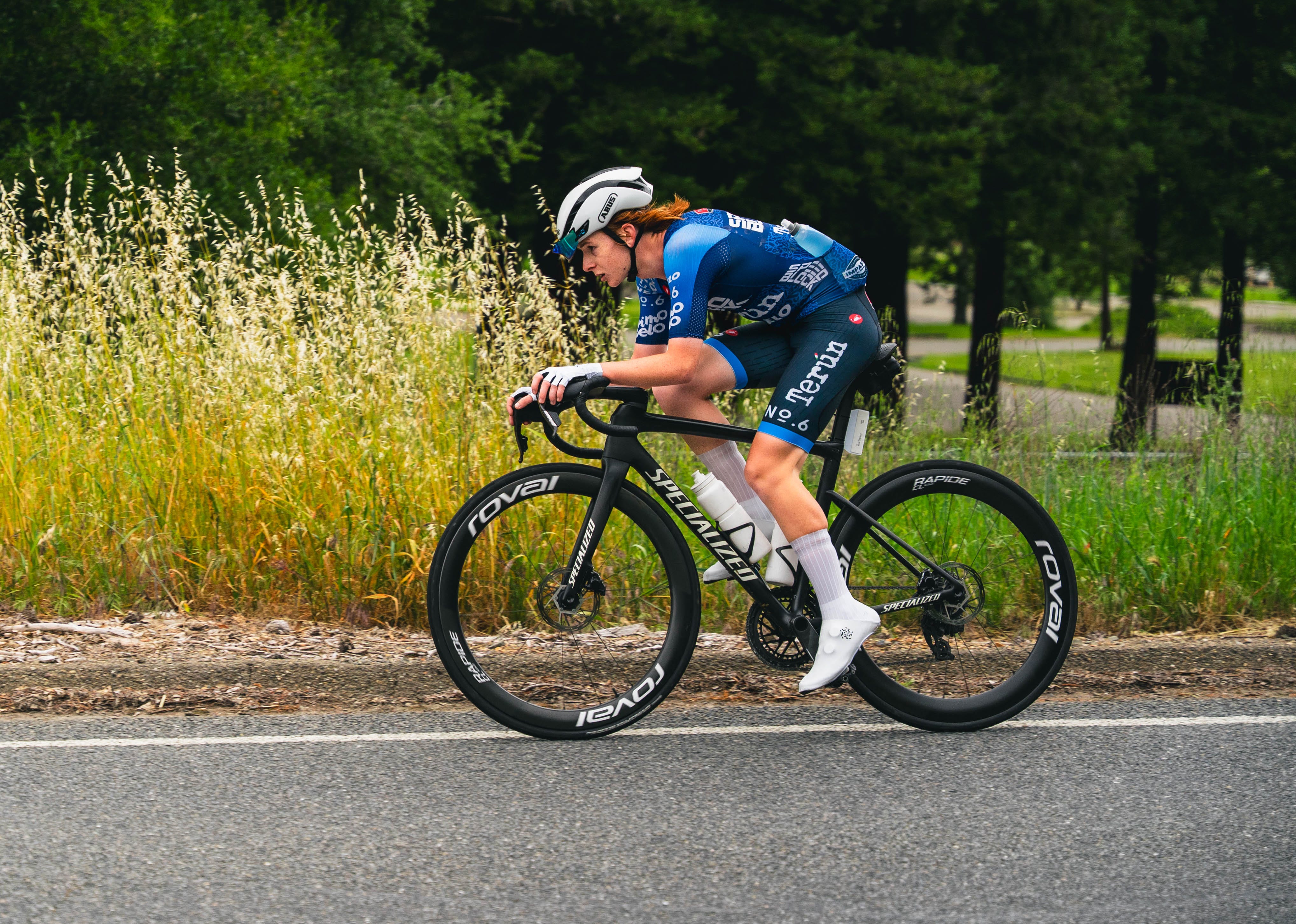
There are so many areas where technology can be applied to assist USA Cycling and the broader US cycling scene. For the sake of focus, three areas stand out most: domestic events, talent development, and internal operations at USA Cycling.
Domestic Events
Race organization and logistics: Organizing a cycling event, whether it is a road race, gravel race, or any other format, is expensive and time consuming. There is significant room for improvement, particularly in streamlining the process for organizers. A successful event requires managing a long list of moving parts including fencing and barriers, timekeeping, permitting, insurance, volunteers, and registration.
I have already written about how companies like Movemint are streamlining these workflows for organizers. Taking it further, there are products and companies that could partner with USA Cycling to improve each of those individual components. We need more road races accessible across the country, and the tech council could play a meaningful role in making that a reality.
Race coverage: Organizing an event is only half the battle. Getting that event in front of a wider viewing audience is critical to growing the sport and eventually converting viewers into athletes. Whether it is a high-tech drone company providing aerial coverage or a portable satellite company enabling streaming from remote locations, this is precisely the kind of area where a venture capitalist with hardware investments could help broker meaningful partnerships.
Travel and lodging: This is an area where the council is already active in a limited capacity. USA Cycling holds fundraising events in Silicon Valley and has brought on Philip Meyer, Managing Director of Rosewood Hotels, to assist with lodging for guests and athletes and support event planning and execution. Expanding that model through partnerships with national brands or tech-forward companies would broaden access to destination events significantly.
Talent development
Everything in this section represents ways to reduce stress on our athletes so they can perform when it matters most. It does not matter whether the stress is physical or mental — all of it accumulates and affects performance over time. There are several meaningful ways technology can help reduce those mental burdens.

Coaching and training: This is an obvious area where technology could benefit athletes, but it goes deeper than it might initially appear. Developing athletes need access to high-quality and responsible coaches. I have written about what this could look like in the age of AI training apps, but where we can go further is building accessible networks of data that help athletes train correctly relative to their competition. Asynchronous coaching options that include anonymized context on the performance of other athletes can help younger riders develop the skills they need to perform at the races that matter most. Paired with a human coach at a reduced cost, our young athletes will no longer be training in isolation.
Ed-tech: For road racing and mountain biking, the historical requirement to turn professional is still moving to Europe. That has not changed and will take time to change, but in the meantime technology can help ensure athletes do not miss out on important experiences or burn out along the way. As Alexey Vermeulen has highlighted, many athletes are forced to choose between pursuing higher education and chasing professional ambitions in Europe. Ed-tech is a booming industry, and if USA Cycling could build a technology stack for U23 athletes that allows them to pursue higher education and a professional racing career simultaneously, we would see a meaningful increase in the number of athletes willing to take that next step.
Counseling and mentorship: This connects directly to the previous point. Becoming a professional athlete is genuinely hard. From homesickness to missing important life events to navigating mental health challenges, young athletes pursuing a professional cycling career have a great deal to manage. Without the health resources that come with being on a professional team, that journey becomes even more difficult to sustain. If USA Cycling can develop a support technology stack for athletes at this stage, we will begin to see better outcomes for those who choose to pursue a professional career.
Finances: Cycling is not a particularly lucrative sport, especially at the developmental level. Dedicated athletes are willing to make sacrifices if it means a shot at a professional career, but that does not make the financial stress any less real. Investing platforms, accounting tools, banking technology, and other financial products could be a genuine lifeline for athletes trying to better manage their finances and reduce the anxiety that comes with living on a smaller income.
USAC operations
Internal systems and tooling: This might seem like a small detail, but even a technology stack refresh for USA Cycling’s internal operations could pay real dividends for the development of the sport. I encounter this value proposition every day in my own work. The solution I help sell allows venture capitalists to collect and store data quickly so they can spend more time actually providing value to their portfolio companies and investors. The same logic applies here. Equip USA Cycling with modern, automated tools to handle administrative work efficiently, and they can redirect that time and energy toward providing more value to athletes and the sport itself.
Full commitment to the future
We are now fully committed to this new frontier of development for domestic cycling. Without a meaningful boost in funding, not much will change unless we engage members of the cycling community who have capital, influence, and access to superior technology. A robust Technology and Innovation Council alone will not be enough to elevate us to the level of countries like Belgium and the Netherlands, but it gives us a much clearer pathway to building better development pipelines and generating the capital needed to achieve genuine competitive parity.
USA Cycling’s Technology and Innovation Council is ultimately about resourcefulness. What began as a creative solution to a funding problem has evolved into something far more significant: a replicable model for how the broader cycling community can contribute to the success of our national program.
Paris proved the concept has value. Los Angeles is the opportunity to prove it scales. And if we get that right, the benefits will not stop at the finish line in LA. They will ripple through every level of the sport, from the collegiate programs we are trying to build to the development teams racing for a shot at something bigger. The scrappy American approach to cycling development may just turn out to be our greatest competitive advantage.
In other news…
I have been calling this a newsletter for a while now, so I figured it was time to actually include some news. Moving forward, when there are relevant stories and developments worth highlighting, I will include a brief roundup at the end of each Friday edition. This idea was inspired by Seth Lareau and Trail Waves, and I want to give him full credit for sparking it.
MAAP continues to invest in development
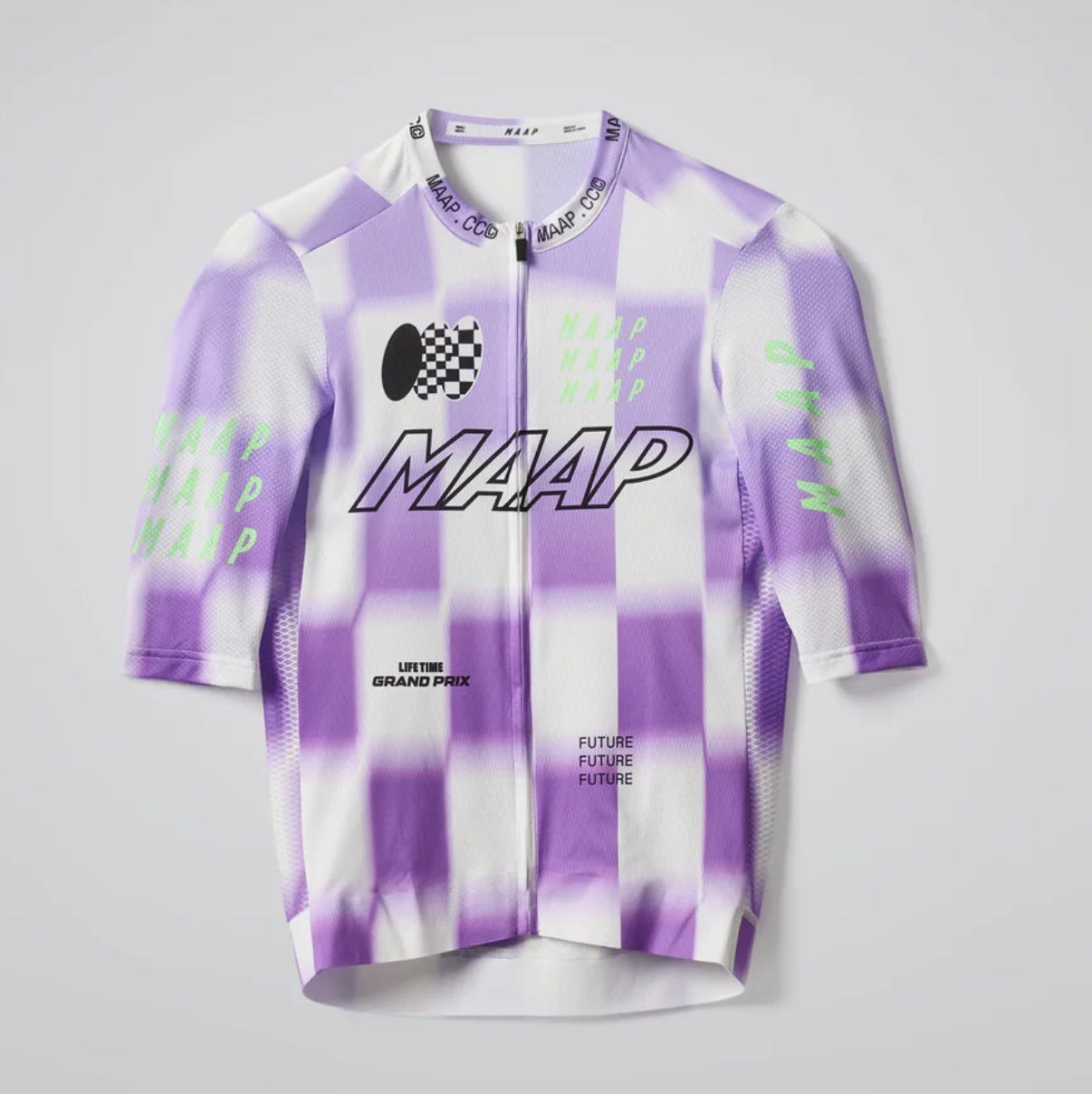
Along with sponsoring the Life Time Grand Prix and providing the leaders jersey for the series, MAAP just released a Life Time Grand Prix supporters jersey. Proceeds from sales will go toward their Off-Road Racing Fund, which will back one male and one female U23 athlete with professional level support every season going forward. There is a reason MAAP is far and away my favorite brand in the sport right now.
Races are recognizing the importance of culture
Just a short while ago, the Traka 360 finished up in Girona, Spain and if you were lucky enough to watch the live stream, Leni from Holy Spirit of Gravel was one of the commentators. From meme page, to cultural influencer, to professional voice, Leni is proof that culture matters in growing niched disciplines of the sport. Traka’s inclusion of her in production further exemplifies how powerful storytelling is in growing the sport.
I’ll be at UNBOUND!
That is right, I will be at the biggest gravel race in the world at the end of May. I will be there supporting the Mach1 Devo Team but will also be hopping around to network. If you will be there, let’s connect: [email protected]
Ride and rip,
Kyle Dawes