


We are running it back this week and talking about women’s gravel racing, but this time we will be focusing on a very different part of the gravel ecosystem. While last week was all about the UCI and sanctioned events that attract the highest concentration of pros, this week is about an independent race that takes place in a remote town in Montana. Compared to a race like the Women’s Gravel World Championships, this one falls on the opposite end of the spectrum for things like media coverage, funding, and rider demographics.
One thing the two have in common is that no male riders will be on course on race day. That might not sound like a significant detail, but it’s one that has a real impact on the perception of an event, especially for the riders who are racing. In fact, it matters even more in the United States.

The race we will be discussing is The Dusty Bandita, and I had the pleasure of interviewing its race director, Jenna Tomiello. While doing my usual interview prep, one question crossed my mind: what comes to mind if I think about women’s gravel in the United States? After covering various topics in women’s cycling, the one that rose to the top was mixed-gender fields. While it has become common for pro women to have their own start that ensures minimal interference from the pro men’s field, the mass participant rarely has the same experience.
Many consider the mass start format one of the distinguishing characteristics of American gravel racing, but is that characteristic actually a strength, or does it hamper efforts to get more women into the sport? As we learn about The Dusty Bandita we will gain insight into how the race has been successful and what that tells us about women’s gravel racing in the United States.
What is The Dusty Bandita?
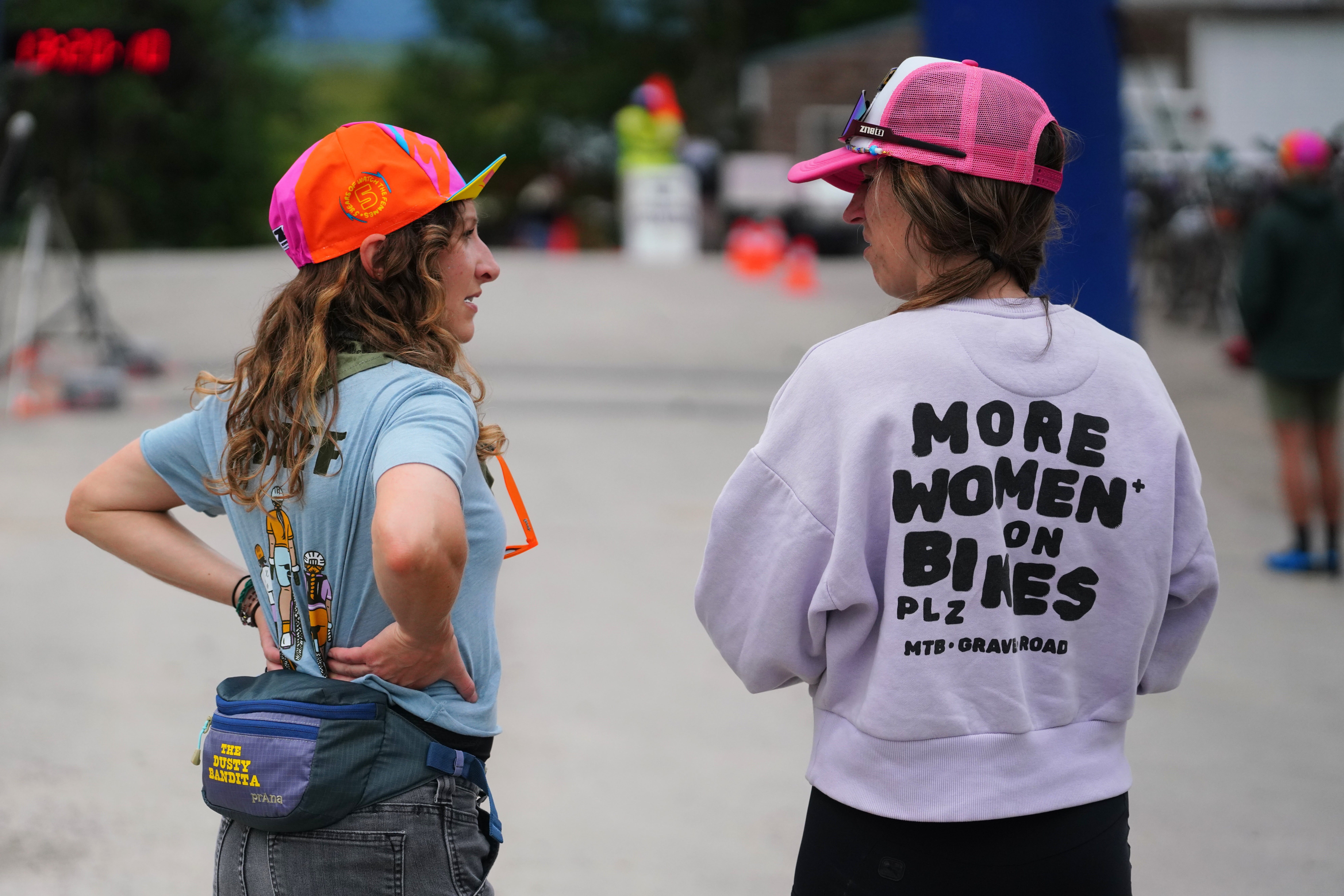
The Dusty Bandita is a women’s+ gravel race that takes place every June in Ovando, Montana. It was founded in 2022 and was the first women’s gravel event in the United States. Today the race consistently fills registration with hundreds of riders attending. The race has also expanded to include categories for all women-identifying, non-binary, and para athletes. Beyond the basic facts, The Dusty Bandita’s inclusivity statement paints the whole picture.
The Dusty Bandita is dedicated to amplifying the presence of women-identifying cyclists in the male-dominated sport of cycling, where women make up less than 25% of participants in many cycling events. We aim to bridge this gap by providing a safe, inclusive, and encouraging environment where women+ can build confidence, push personal limits, and connect with a supportive community.
Through our events, we strive to dismantle the barriers that have traditionally kept women+ underrepresented in cycling. We offer opportunities to explore breathtaking landscapes while fostering a sense of belonging and camaraderie both on and off the bike.
Representation matters, and increasing diversity in cycling inspires more women+ to join, creating a ripple effect of empowerment, resilience, and connection in a sport that thrives on community. Together, we’re redefining what belonging in the cycling world means.
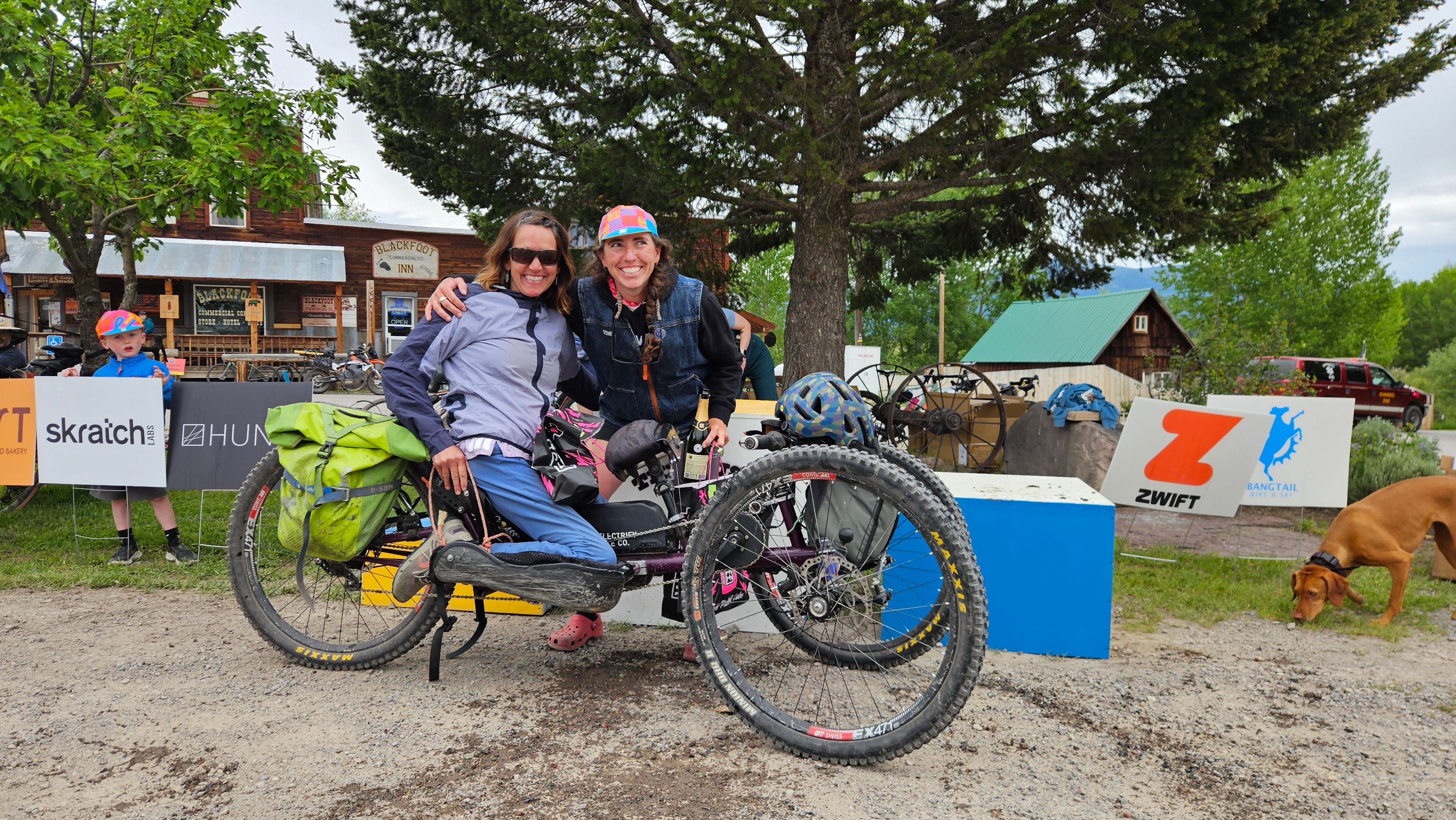
Origins of The Dusty Bandita
The Dusty Bandita’s identity is clear and well-defined, but what drove six women to build a first-of-its-kind event? It began when founder Bri Lui, Jenna and the others noticed a problem as they tried to convince more women to sign up for gravel races.
“I was talking with other women that I ride with, and at the time they didn’t want to race because they didn’t want to be racing alongside aggressive or competitive men. It was hard to convince them to join our local races, just because the competitive nature didn’t feel as welcoming. I think it was intimidating.”
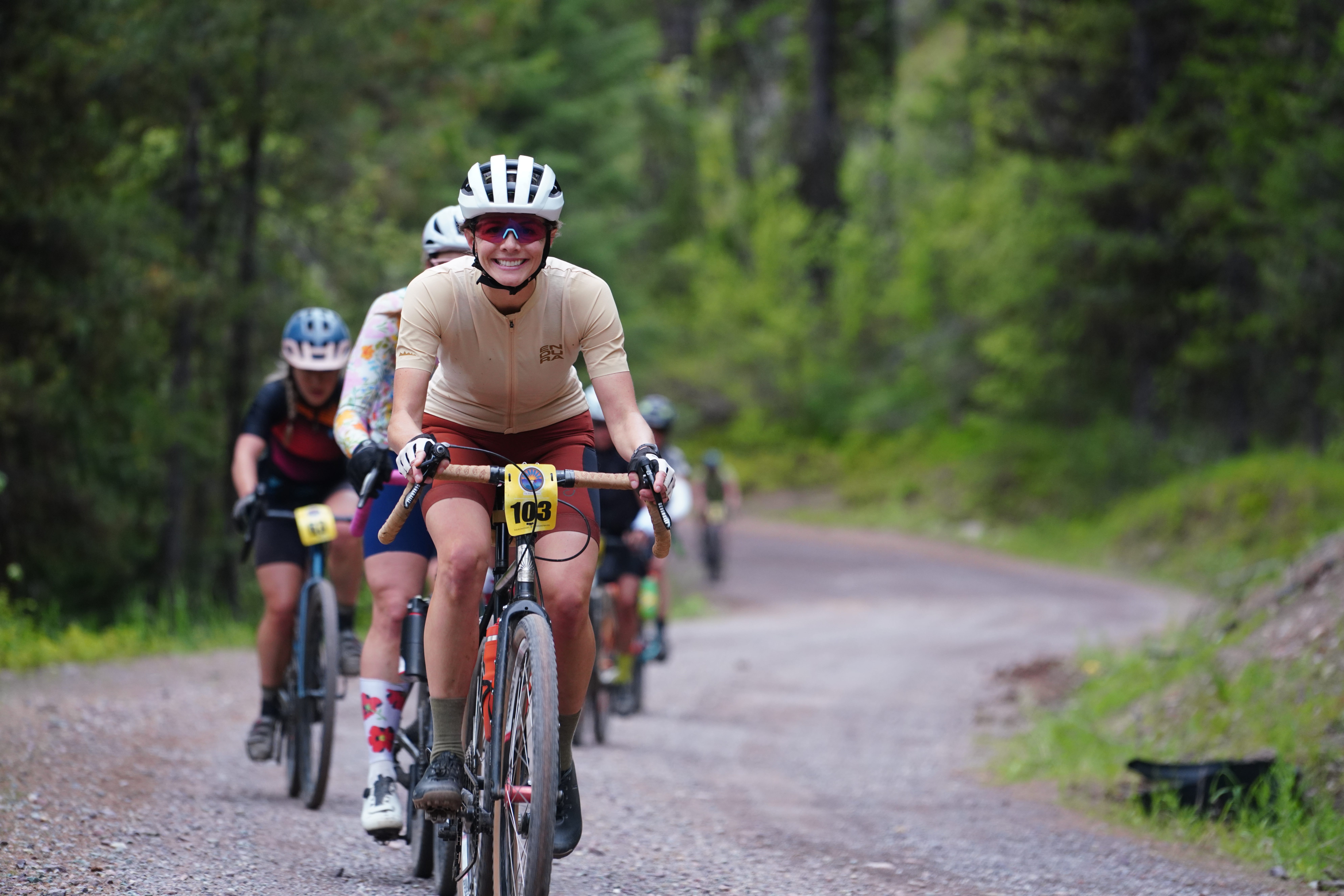
The idea for the race did not come from a place of animosity, but from the acknowledgement that elements of gravel racing did not feel welcoming or accessible to a significant number of women. Jenna and the founding team identified a clear barrier keeping women from entering the competitive and challenging side of cycling, so they took a bet that they could create an event that meaningfully grows both the sport and the number of women taking part in it.
It is a familiar mission and one that has been a focus of several Built on Bikes pieces, so it was good to hear that The Dusty Bandita prioritized the race experience over getting from idea to revenue-generating event as fast as possible.
“We took our time too, we could have pulled it off in a few months and had a race that happened, but wouldn’t have been the race that we wanted to present. So we took a year to really put the time into creating the race that we wanted to present to the racers.”
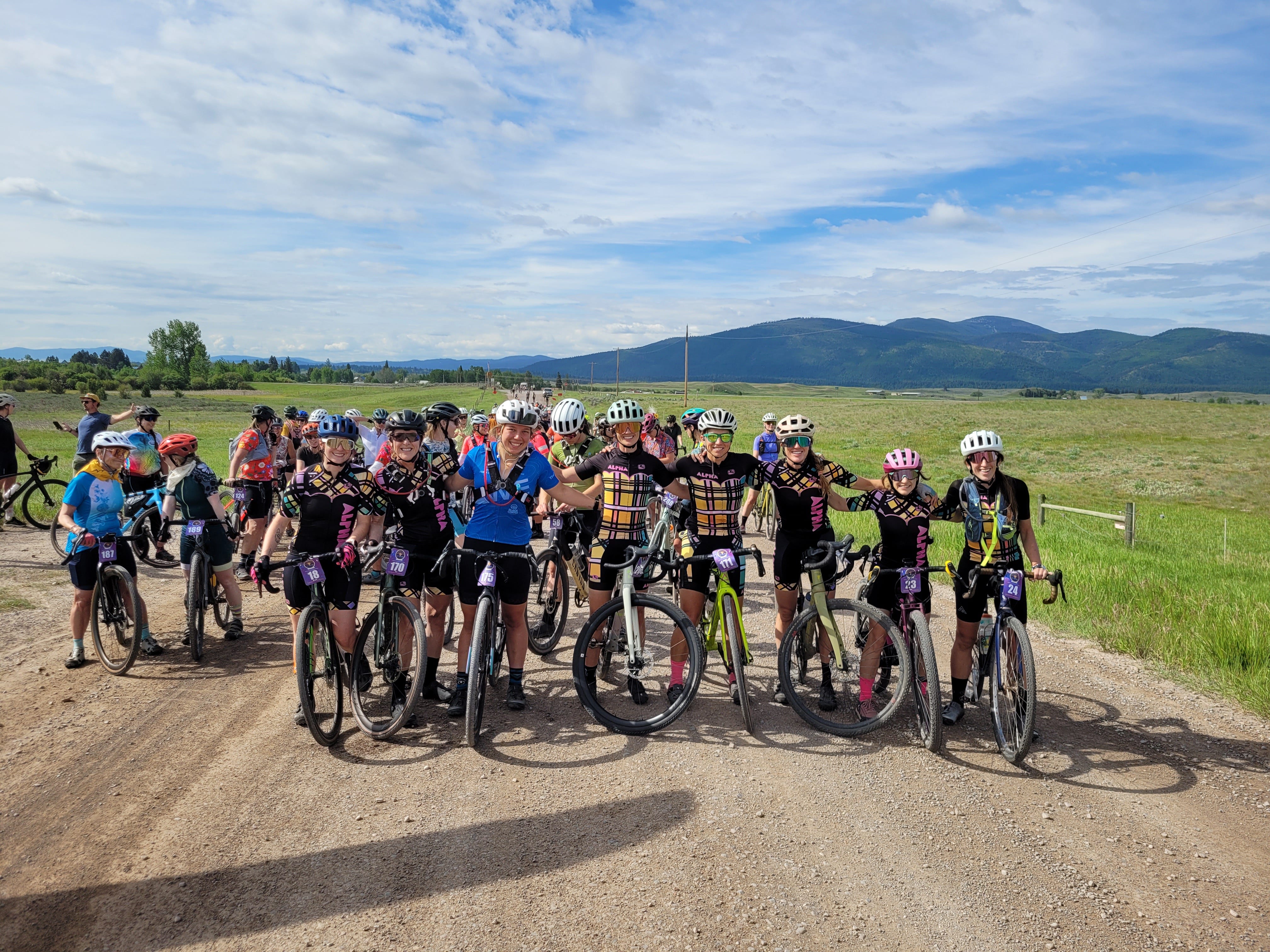
This level of care and attention to detail is visible in every aspect of the event. From choosing a name that will stand the test of time to expanding racing categories, The Dusty Bandita is always striving to do what is best for the riders and its host town of Ovando.
The growth story
As Jenna covered the growth and changes to the race over the years, a second story began to emerge. The popularity and success of The Dusty Bandita were not surprising considering the quality of the event, but the demand signaled a real opportunity that event organizers should capitalize on. We will cover that later in this piece, but keep it in mind as we discuss the growth of The Dusty Bandita.
When discussing the number of racers participating in The Dusty Bandita, Jenna gave figures that showed not only sustained success, but rapidly increasing demand.
“We’ve increased the number of participants by 100 almost every year, and the excitement is still there. Since last year we went from 300 people racing and a 200-person wait list to 400 people racing. We still had a 200-person wait list, so there’s still that increased demand.”
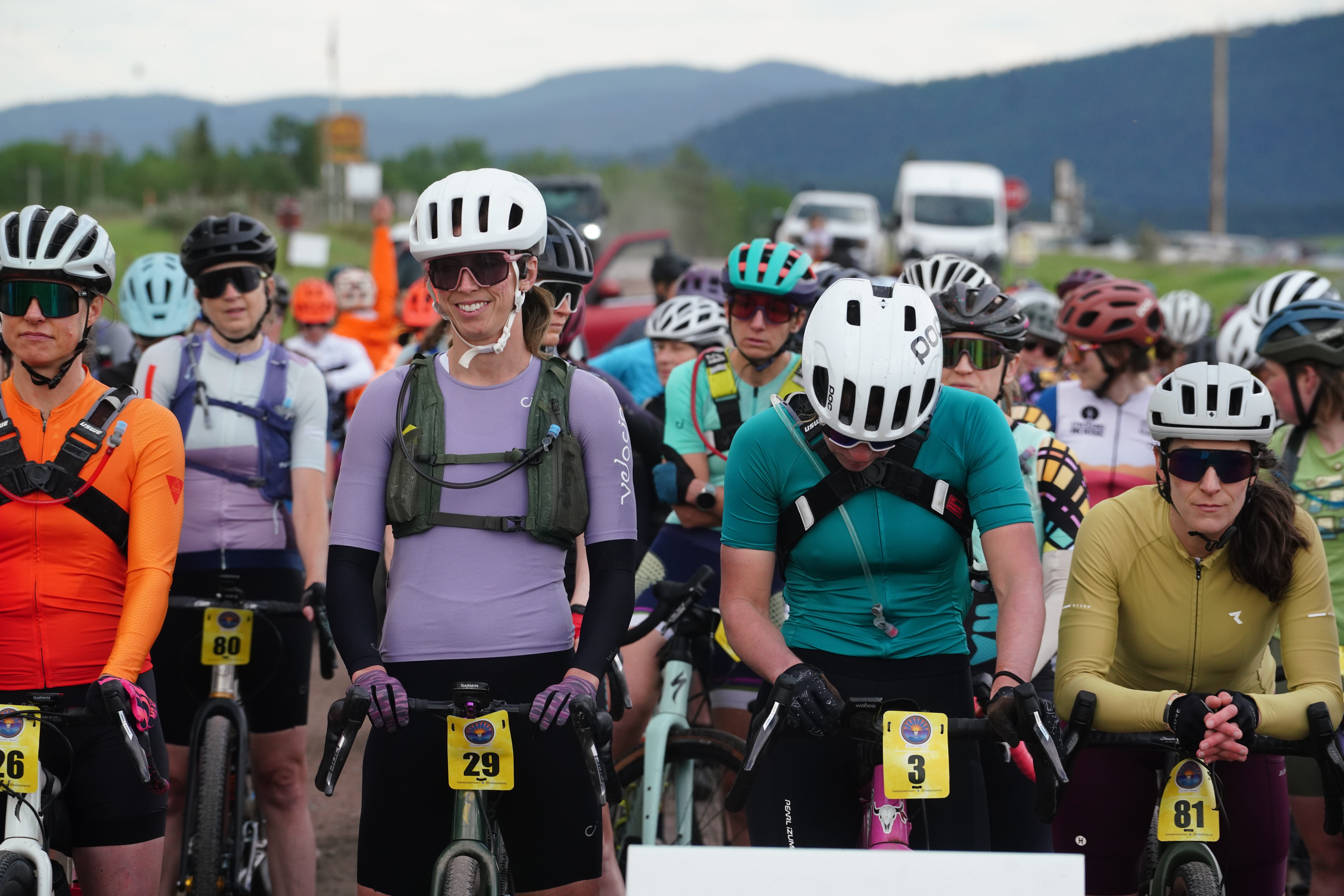
When you consider that The Dusty Bandita is hosted in a rural town with a population of 58 people, the sustained growth and demand become impressive. Gravel has long been a sport people build a destination trip around, but the ease of getting to an event still plays a major role in attendance. The range of riders making the trip also speaks to the event’s reach.
“This year we had 400 women and non-binary athletes attend. We had 27 states represented and two provinces. It has been exciting to see that people are making a trip out here just for this.”
On top of the event’s growth and reach, post-race surveys consistently show what The Dusty Bandita does for women’s gravel racing.
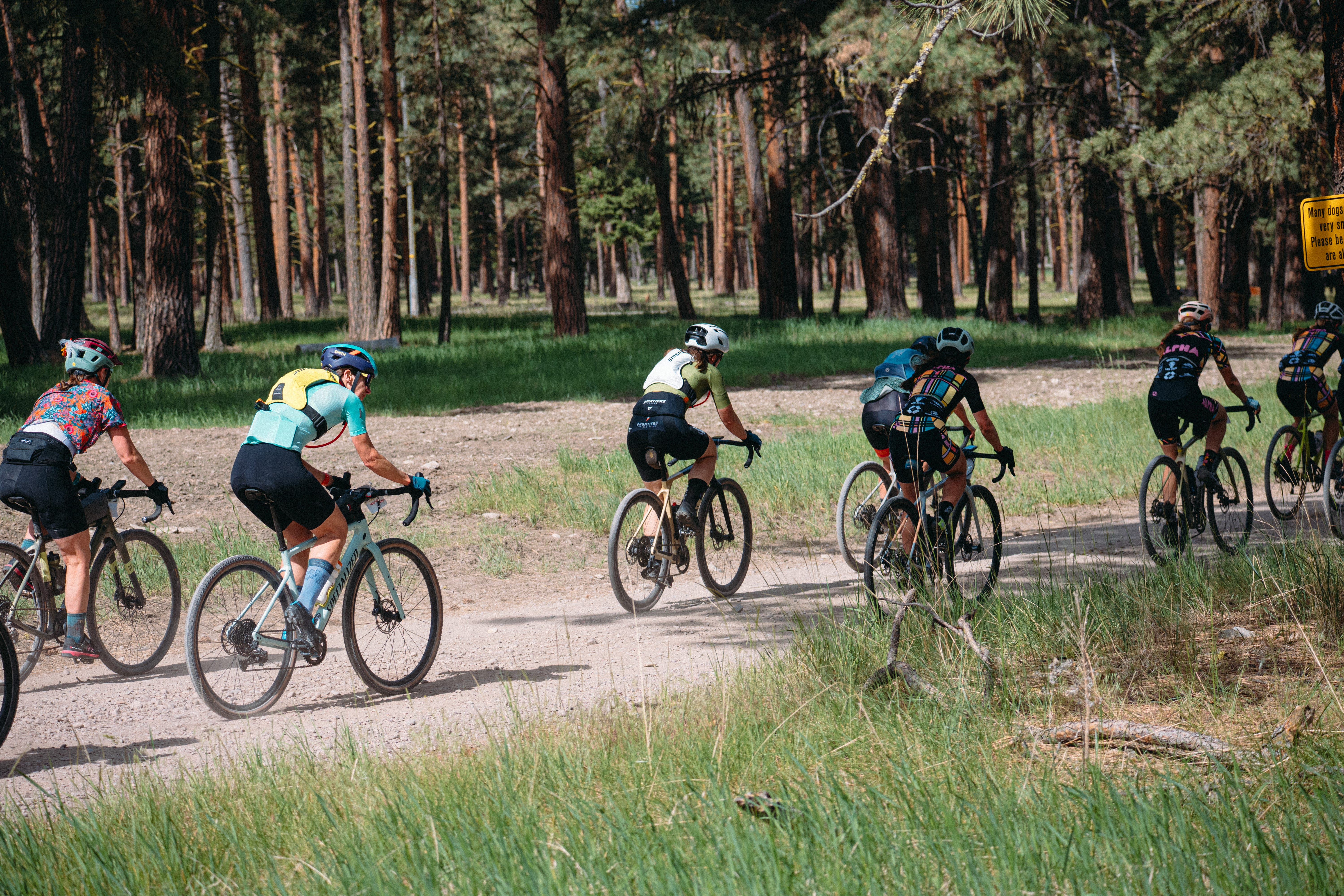
“For about 25% of our racers, it’s their first gravel race ever. That’s been consistent year after year. So even as we’ve grown, you still see that 25% of the field are first-timers. The impact is more women are starting to race with us and then they’re continuing to race after they’ve done the Bandita.
We get responses like: ‘I did my first Dusty two years ago, and since then I’ve done every single one,’ or ‘it was my first gravel race ever, and I’ve competed in X many since.’”
The keys to success
What we know about The Dusty Bandita is that it is a grassroots race, serving an underserved community of riders, and taking place in a very small remote town in Montana. Yet the race has had no problem achieving year-over-year growth or executing on the logistics that make the race possible. This race can hopefully be the inspiration for more women’s-focused races in the United States, but what has enabled the Dusty Bandita’s success, and what could other race organizers learn from it?
While speaking with Jenna, it became clear that the path to success doesn’t have to be overly complicated. That is not to say that organizing the event takes a tremendous amount of work and dedication, because it does. That is required for any race to be successful. These keys to success focus more on the intangibles that make the event enjoyable to be at and the branding that draws riders in and ensures the race gets the respect it deserves. Two characteristics stood out the most.
Community relations as an operating principle
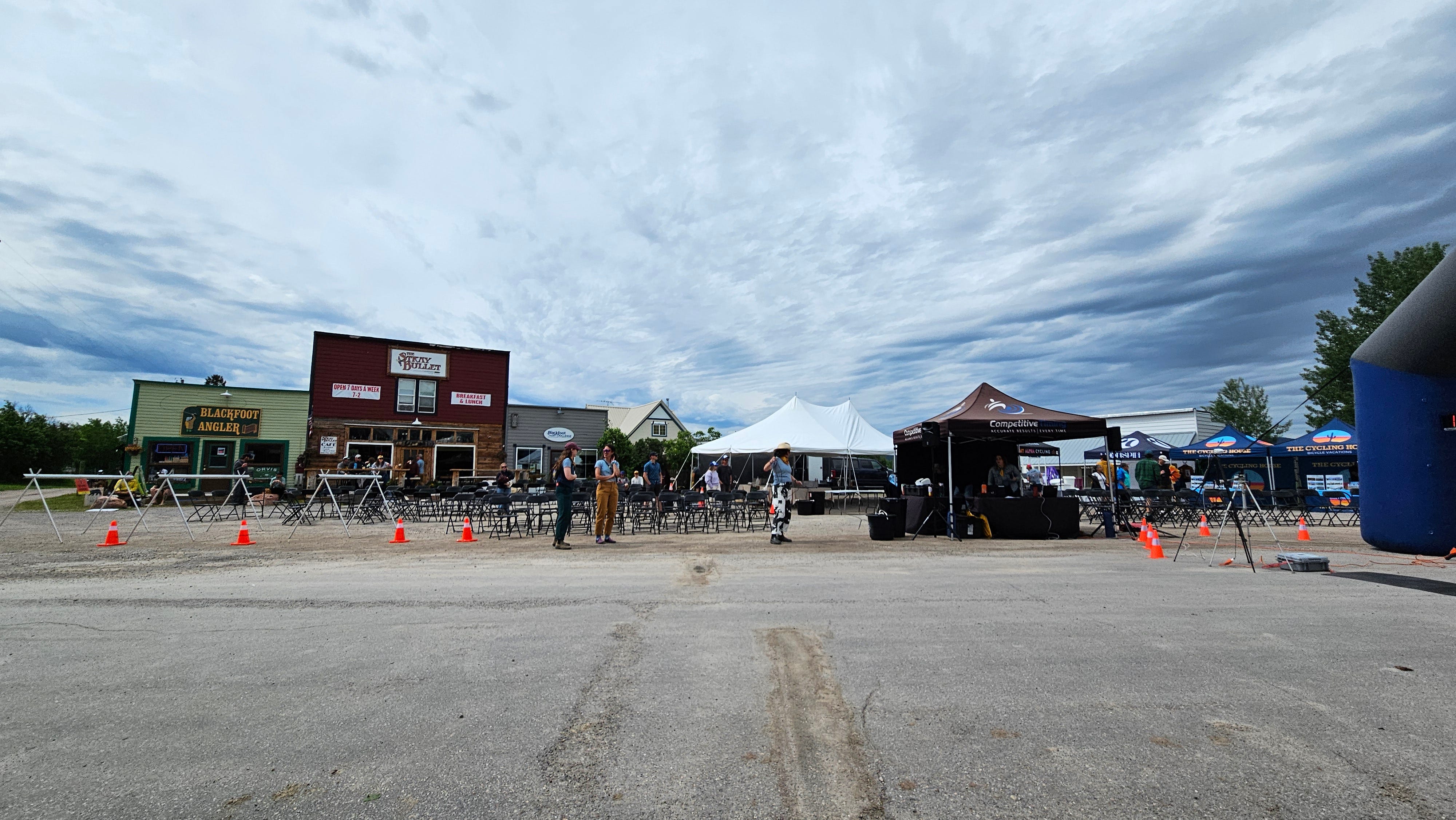
If you follow gravel closely, you will have heard about strained relations between races and their host towns. While most events have the full support of the towns they take place in, some can become inconvenient, burdensome, or downright destructive for locals. The Dusty Bandita route goes through private land and brings hundreds of people to a town of only 58. Maintaining strong relationships with the local community has meant that locals welcome and encourage racers year after year.
“Building good relationships with the areas that you have the race on is very important.We worked really hard with Ovando because like I said, it’s a town of about 60 people, and we can pretty much talk to everyone. We get a lot of feedback and we take a lot of time to meet with them beforehand. Getting their buy-in and getting their support for our races is super important and we couldn’t do it without them. And I wouldn’t want to do it without them.
They come out for the race. They cheer. It’s a big celebration for everyone in town too.”
Emphasizing that The Dusty Bandita is a race
Unfortunately, battling bias, whether it be unconscious or not, is one of the things that Jenna and the organizers have to be proactive about. When someone refers to The Dusty Bandita as a ride instead of race, it subtly implies that an all women’s event is somehow unworthy of being associated with competition. Jenna made it clear that The Dusty Bandita is a race.
“Something that I get more often than I would like is people assuming that it’s just a ride, and not taking the race part of it seriously in the way that they’re talking about it with me. We take the race part of it very seriously. I think that assuming that it is just a ride is part of that problem. Just because it’s an all women’s event, doesn’t take competition out of it. We have people who race and give it their all, and they’re elite athletes. We also have people who race and are doing it to complete it, and they are challenging themselves too. The word race, as far as our event goes, is really important.”
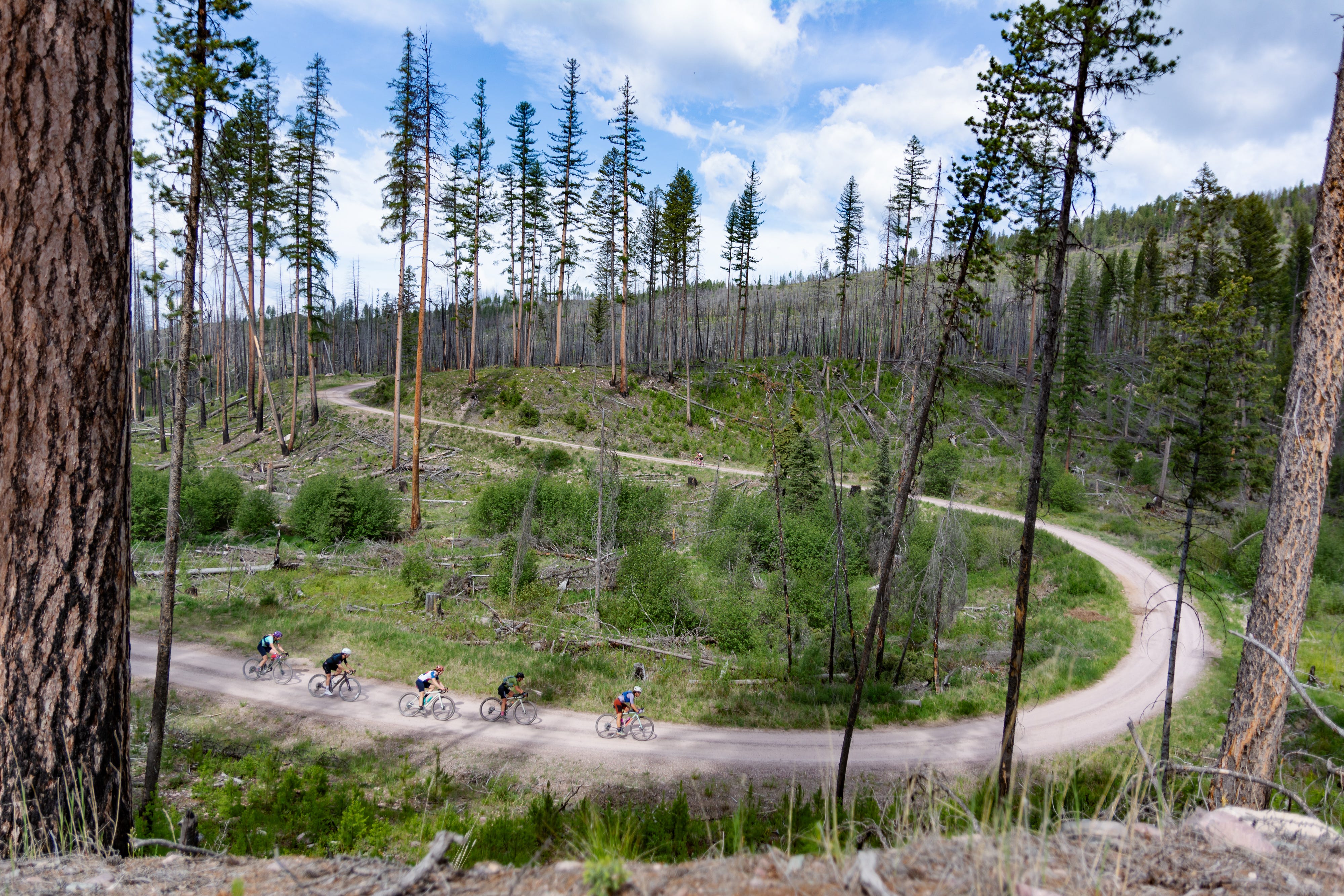
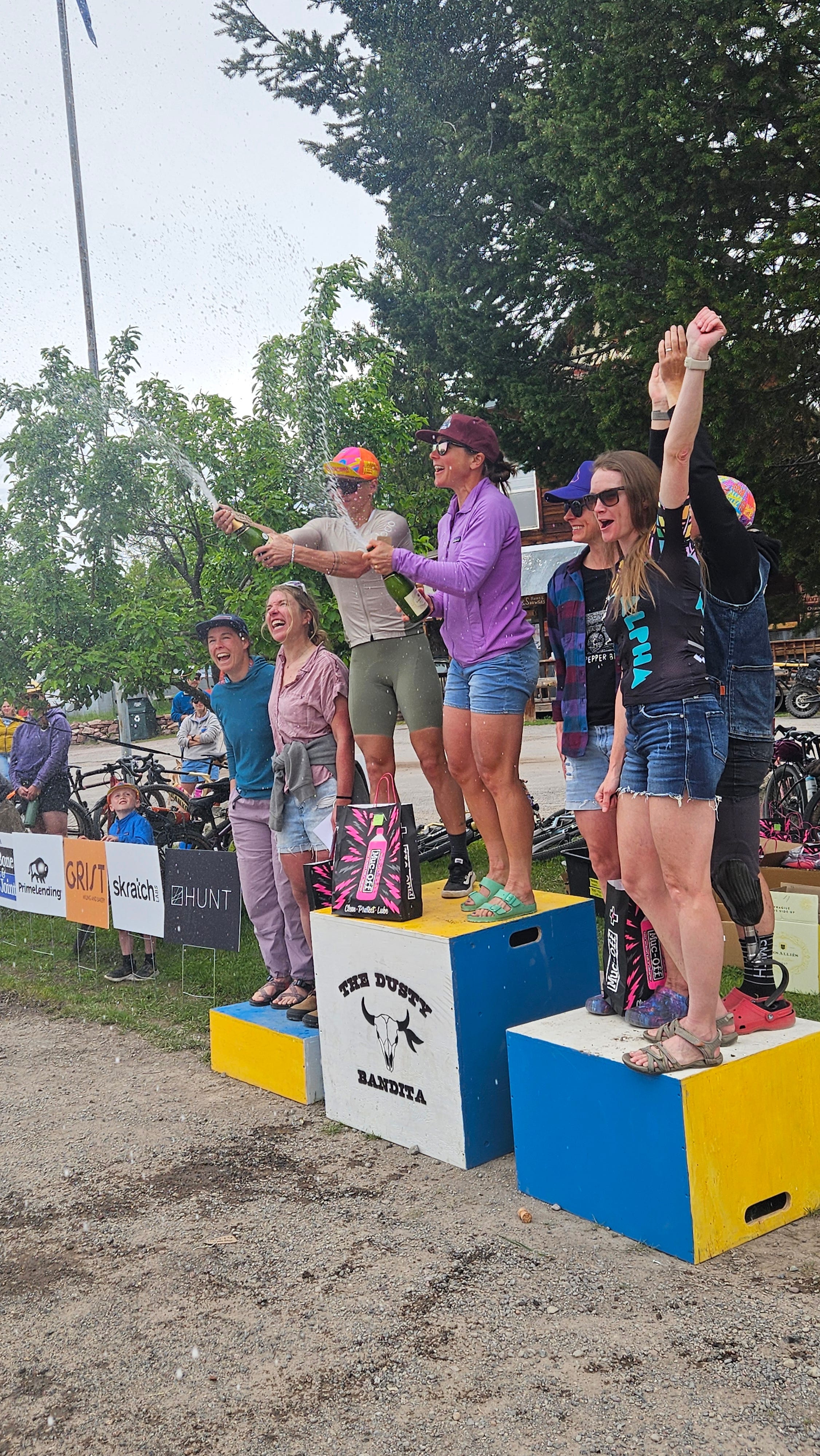
Another detail that adds to the event’s legitimacy is the inclusion of a prize purse. While few pros attend the event, for reasons explained below, Jenna and the team want to honor that the event is a race and that athletes put time and effort into attending and racing.
“We just added a prize purse last year and we’ll continue that moving forward. A little bit for the pro side of things, but more for just honoring and respecting what it takes to get there (finishing on the podium). It’s not like it’s a huge prize purse or anything, but for our long course, the top step gets $1,000 and we kind of go down from there.”
Focusing on the controllables
It is not unusual to hear people criticize a race if it overlaps with other big events, but sometimes that is genuinely out of an organizer’s control. Obtaining permits, permission from landowners, and organizing with a small community means organizers sometimes have a very tight window in which to put on an event. A challenge The Dusty Bandita has faced is overlapping with the largest gravel race in the world, Unbound Gravel.
On its face, this seems like a massive hurdle. For an event where every registration counts, overlapping with a race that attracts thousands of riders is not ideal. Looking at the facts paints a different picture.
The Dusty Bandita executes on raceday and puts on an event that creates a high volume of repeat customers. About 25% of participants are first-time racers, not the crowd you normally associate with Unbound. Unbound registers most participants via a lottery, and plenty of women who don’t get a lottery spot will be looking for an alternative event. Finally, The Dusty Bandita has differentiated itself on mission and race experience. People who prefer a women’s-only format will find the race and prioritize it in their schedule whenever it falls. Jenna broke down the challenge in her own words.
“Our race is on the same day as Unbound, and there’s no getting around that because of where we are and what our permits allow. For the pro side of things, that is tough, but we’re not going to pull too many people who would go to Unbound. We’re really happy to be a race for people who are just dipping their toes into gravel racing. I think we fill a really important niche there.”
The pitch to sponsors
One topic of interest was how Jenna pitches value to potential event sponsors. The demand and passion for the event are obvious, but what draws brands towards this unique event that overlaps with Unbound?
“The unique thing about our race is that there’s so many first time racers, so it offers this unique opportunity for sponsors to meet women at that point in time in their cycling journey. It’s an opportunity for any cycling brand or company that really wants to support inclusivity and equality in the sport and wants to support those women who are just stepping into it. From there, there’s so much room for growth within those women who are just starting.”
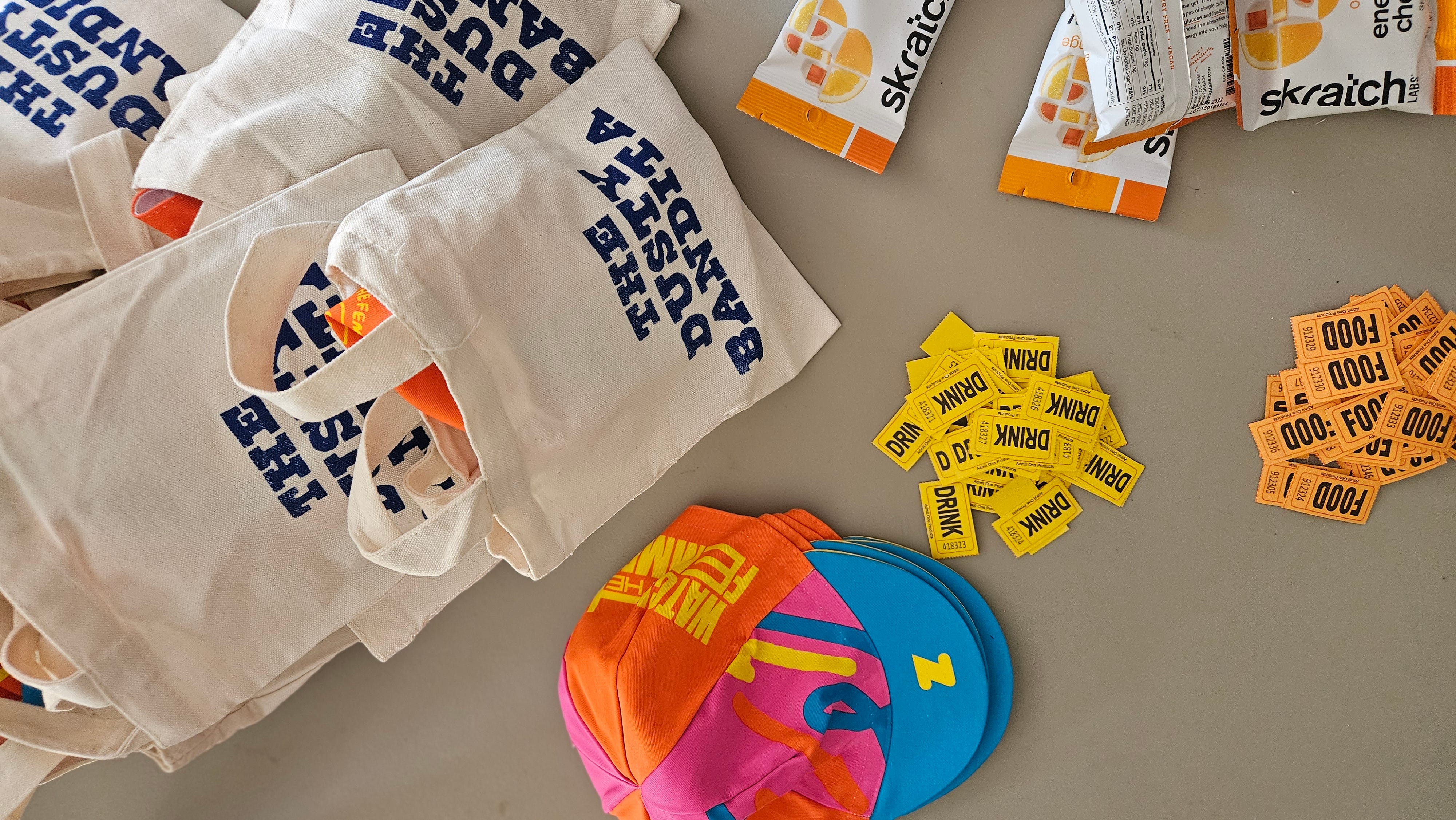
This point follows the same logic as the case we have made for more brand sponsorship of U23 and collegiate cycling programs. If a brand engages an athlete early, at a formative point in their cycling journey, the visibility and loyalty can last for years. The Dusty Bandita offers sponsors exactly that.
What comes next?
After learning about The Dusty Bandita’s impressive growth and demand figures and knowing they’ve already scaled to their max capacity of 400 participants, the question immediately became: when are you going to create a second event? While Jenna indicated a second event wouldn’t happen until at least 2028, she did acknowledge all signs point towards more Dusty Bandita events.
“If people are willing to come out to Ovando, Montana, which is a very rural town of like 60 people, I feel like there’s just endless possibilities throughout the country. So I feel like that is our next logical step.”
Is this what’s next for American gravel racing?
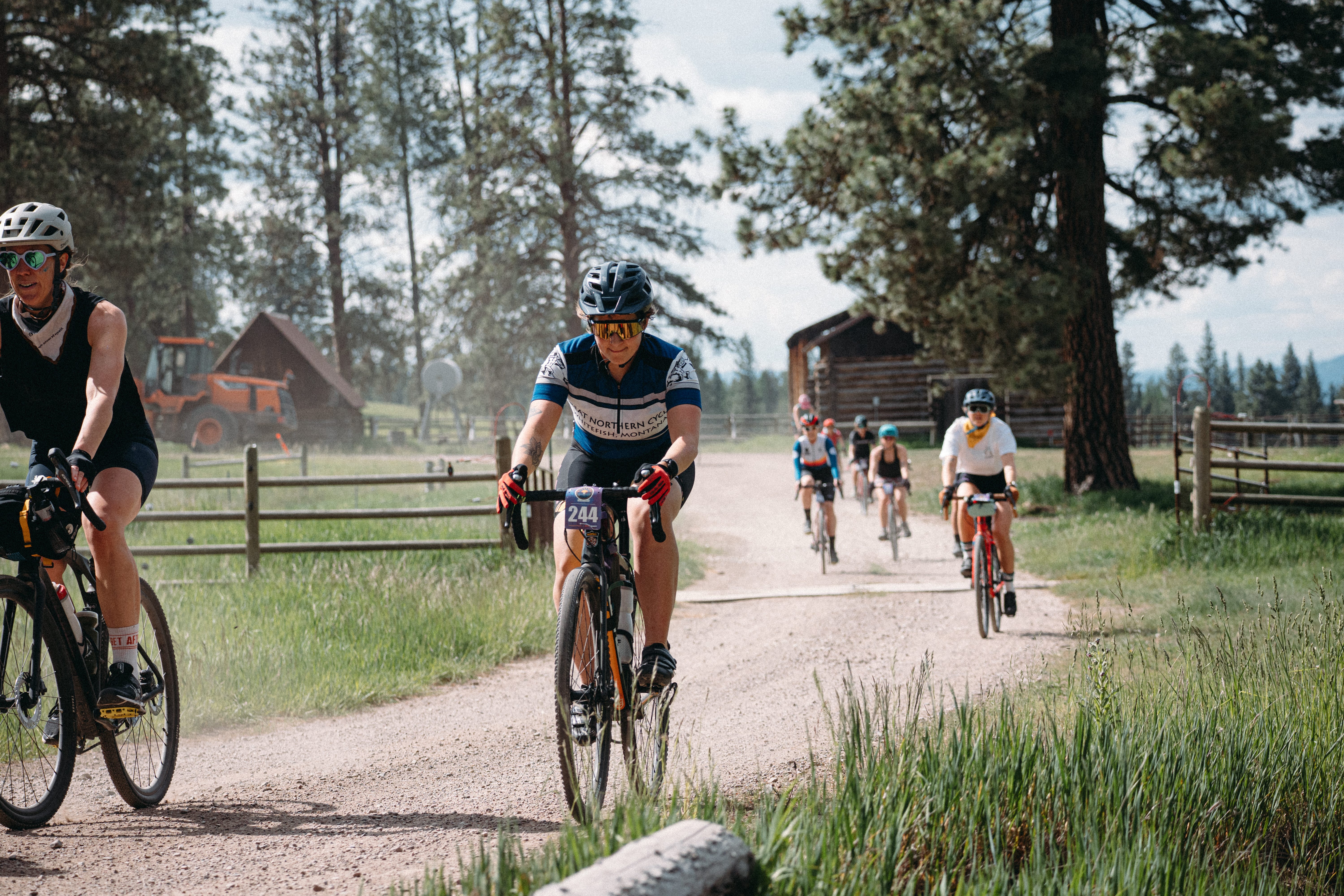
After talking with Jenna, it is clear that her event is addressing a real and prominent issue in gravel racing. The problem is not unique to the United States, but in a country where cycling is still a relatively niche sport, structural problems in event culture weigh heavily on the growth of the sport. The baseline figures over four years for an event that happens in rural Montana and overlaps with Unbound cannot be denied.
Year one field - 100 participants, sold out
Most recent field - 400 participants representing 27 states and 2 provinces
Overflow demand - 200 waitlisted at 300 racers and still 200 at 400 racers
First-time gravel racers - 25% of the field for four years straight
Possibly scaling from one event to two in only six years
These numbers present two opportunities for American gravel racing moving forward. The first is the viability and appeal of women’s gravel events, which could inspire a new wave of grassroots race organizers to start their own events. The other is for established gravel events to pursue truly separate races for men and women. While there would be added logistical challenges, the growth in women’s participation could justify the added cost.
I went into this project with little knowledge of The Dusty Bandita and now I cannot understand how I had not heard about the event sooner. The Dusty Bandita is a case study for what the future of American gravel racing could look like. Be sure to follow The Dusty Bandita as it grows, and share the story so this format can grow for years to come.
Ride and rip,
Kyle Dawes

Thanks so much for this coverage!