


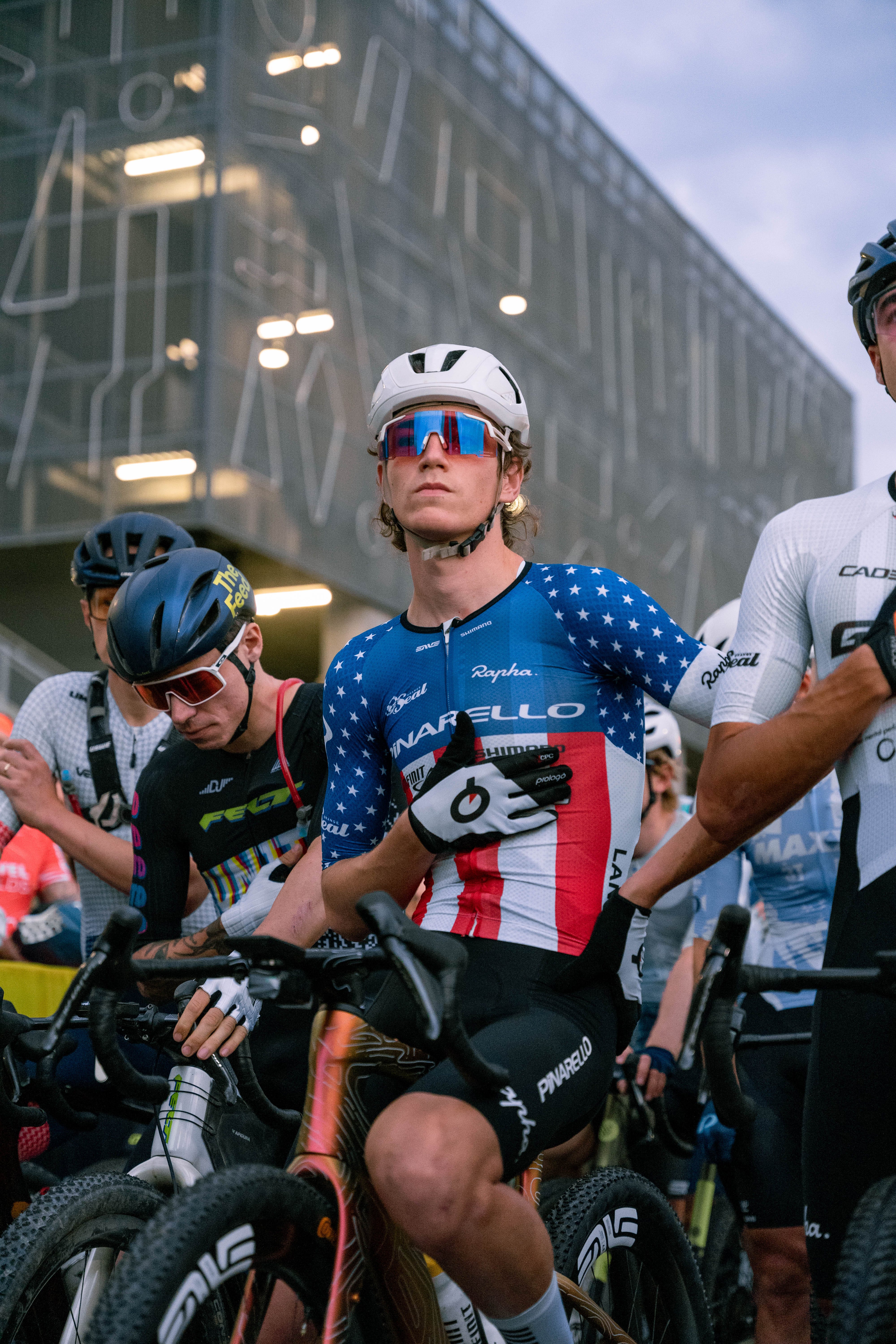
This week marks another installment of my Foundations series, where I examine the forces shaping the next generation of cyclists in the United States. With two articles already dedicated to this topic, I’m once again turning my focus to collegiate cycling.
In the first piece, I spoke with Sarah Sturm to better understand the importance of a strong collegiate ecosystem. Most recently, I explored the possibility of collegiate cycling transitioning from a purely club-based model to an NCAA sport.
In that NCAA-focused article, I outlined several barriers standing in cycling’s way, including the lack of revenue the sport would generate, challenges around talent identification, and questions about sanctioning. One organization loomed large throughout that discussion: USA Cycling (USAC). With cycling already meeting many of the prerequisites to become an NCAA sport, I found myself wondering why USAC had not taken the leap. Was the hesitation rooted in governance concerns, budget constraints, or something else entirely?
This week, we’ll begin to fill in those blind spots. By speaking directly with USAC, we’ll gain a clearer picture of the current state of collegiate cycling and a more grounded understanding of what would actually need to happen for the sport to transition to the NCAA.
For the first time in this series, we get a look inside USAC itself, specifically where collegiate cycling fits within its day-to-day operations and, more importantly, what it would take to meaningfully elevate the collegiate cycling landscape.
To get this inside perspective, I spoke with Eric Bennett, the current Director of Membership at USA Cycling. In his role overseeing membership registration across all age groups, combined with seven years of experience as a professional cyclist, Eric is well positioned to offer meaningful insight into the collegiate landscape.
Understanding USAC’s reality and priorities
USA Cycling acts as the governing body for the majority of cycling events in the United States and is responsible for organizing all national and Olympic teams. As I learned in a previous conversation with Micah Rice, USAC’s budget is remarkably limited relative to the scope of that responsibility. To put it in perspective, Micah estimated USAC’s annual budget at roughly $16 million.
With such lean operating parameters, USAC is forced to focus on high priority initiatives that generate the greatest upside and drive new membership growth. Historically, and especially with the LA 2028 Olympic Games on the horizon, Olympic success has been the organization’s top priority. Eric made that point clear:
“At the end of the day, a national governing body is judged on Olympic success. I don’t want to speak on behalf of leadership, but more or less their scorecard is based on Olympic success.”

That focus makes sense. For many Americans, their primary exposure to cycling comes through the Tour de France and the Olympic Games. Strong Olympic performances can bring meaningful attention to a sport that often flies under the radar.
We saw that effect firsthand in 2024, when Kristen Faulkner won gold for the United States in the Olympic road race and Haley Batten earned silver in mountain biking. Those marquee results translate directly into increased visibility and, ultimately, new membership revenue for USAC. By comparison, collegiate development represents a long-term investment, one that does not offer immediate returns and, at least for now, remains a luxury USAC cannot afford.
Where does collegiate cycling fit in?
As I’ve pointed out, USAC carries a broad and complex set of responsibilities, and collegiate cycling represents a relatively small slice of that pie. When looking at current USAC membership demographics, U23 riders, the primary age group for college students, make up the smallest subset of licensed cyclists in the United States.
Adult license holders: The largest share of memberships, but also the broadest age category
UCI racers: Athletes racing on professional teams or competing in UCI races
U19: Junior riders
U23: The college age group
Collegiate cycling is not being ignored, it is simply outnumbered. The level of support the discipline currently receives is proportional to its ability to provide long term value to USAC. Eric, along with the rest of the organization, cares deeply about collegiate cycling and, by his own admission, USAC has extensively researched the possibility of becoming an NCAA sport.
We will unpack the barriers they identified shortly, but first it is important to understand USAC’s current philosophy toward collegiate cycling and how it fits within the organization’s broader priorities.
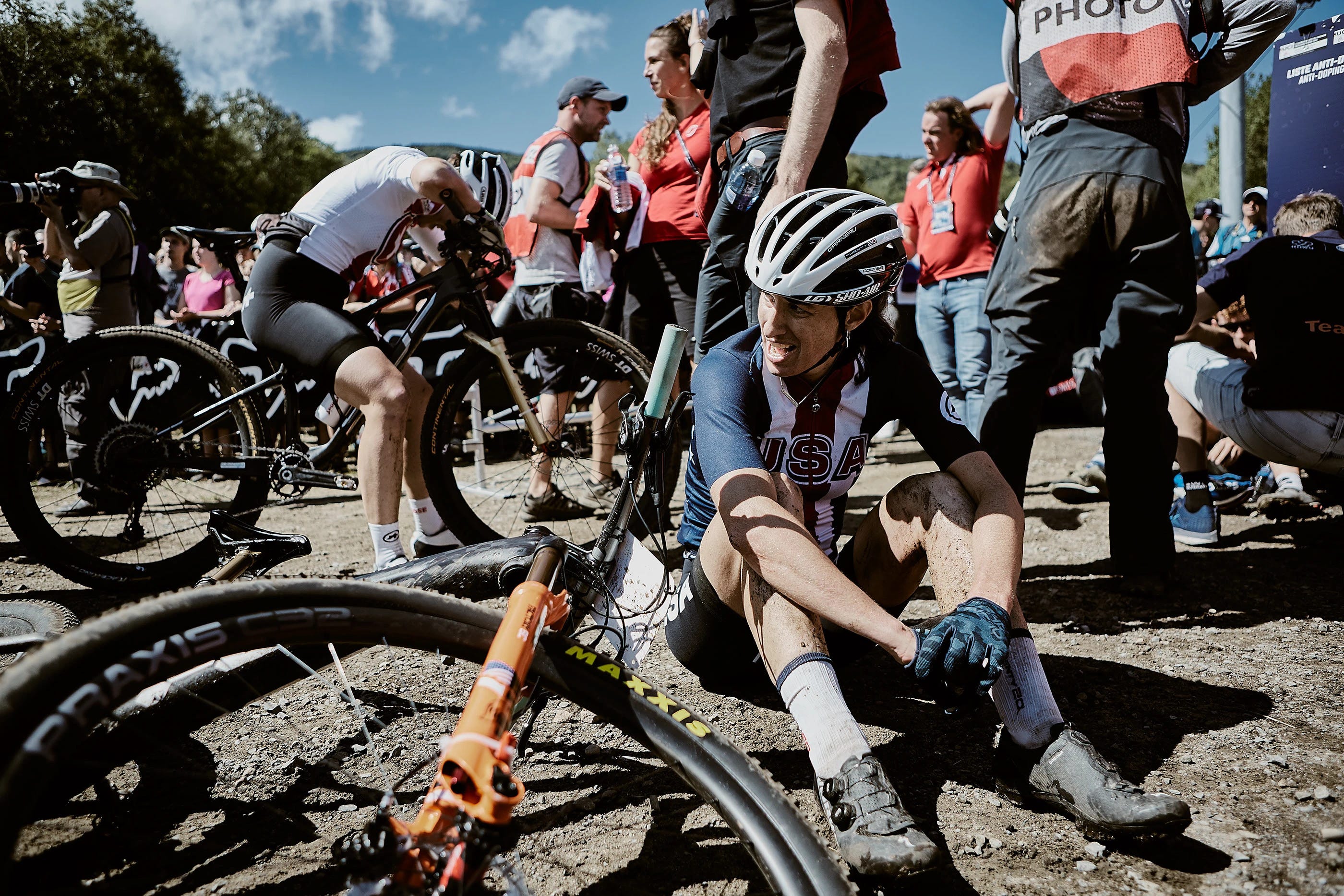
How USAC thinks about collegiate cycling
Throughout my conversation with Eric, it was clear that he and many others within USAC would love it if collegiate cycling became an NCAA sport. Given current operational constraints, however, they are focused on doing the best they can with the resources available. That raises a key question: how is USAC thinking about collegiate cycling today, and how are they using their limited resources to move the discipline forward as a developmental pipeline?
With time and funding constrained, Eric said the immediate priority is stability, both within collegiate cycling and across USAC as a whole. That focus is a direct result of the COVID-19 pandemic, which exposed the fragility of many collegiate club programs while also significantly depleting USAC’s funds.
At many universities, collegiate cycling clubs are sustained by a single highly motivated student. When that person graduates or steps away, the entire program can quickly unravel. That vulnerability was magnified during COVID, as Eric explained:
“We took about 100 steps back during COVID when all the universities were shut down. A lot of these programs shut down with that. Several of these programs were held together by one passionate cyclist. They build something with ten people, but when that person graduates, there’s no framework left.”

COVID also became the guiding force behind USAC’s focus on the 2028 LA Games.
“Exiting COVID, our funds were depleted. Now it’s all hands on deck for medal capability for LA.”
With that context in mind, Eric outlined how USAC is currently approaching sustainability and visibility within collegiate cycling:
“We invest a lot of energy and resources trying to make sure that those clubs that are getting off the ground have a sustainable future. Some clubs have been around for 100 years, some clubs are brand new, and that’s where we meet challenges.
We’re just trying to expose collegiate cycling as an opportunity to cyclists, whether they’re currently in the sport as a teenager or they’re in a high school league like NICA, and didn’t know they had a chance to ride a bike in college.”
The emphasis on sustainability extends beyond club programs. Even varsity cycling teams face ongoing challenges related to funding and institutional priority:
“Varsity programs are up against a lot. A lot of the varsity universities are smaller, but cycling is still considered second or third to programs like football. Their funding keeps getting pulled away.”
As the name of this series suggests, foundations matter. If cycling is going to grow domestically, those foundations need to be solid. Becoming an NCAA sport means little without a sustainable blueprint for club teams, broader awareness among incoming students, and varsity programs that are not perpetually treated as secondary to revenue-generating sports.
Why NCAA classification hasn’t been achievable
Finally, it is time to hear directly about the real challenges facing NCAA classification from someone with intimate knowledge of the situation. I have hinted at it throughout this series, but simply put, money is the single biggest barrier to cycling becoming an NCAA sport.
The cost for USAC
In previous articles, I outlined the baseline requirements for NCAA classification. What I was not able to access at the time were the financial guarantees that governing bodies are expected to provide for sports like cycling and gymnastics.
If cycling were to become an NCAA sport, the NCAA would still expect USA Cycling to continue sanctioning collegiate competition. Even under a hybrid model similar to collegiate gymnastics, the majority of the operational burden would remain with USAC.
Under this structure, the NCAA would oversee championships, eligibility, and scholarships, while USAC would retain responsibility for sanctioning most collegiate events. For the NCAA to assume oversight of an entirely new sport, additional administrative capacity is required, and that capacity must be funded by a third party. In this case, that third party would be USAC.
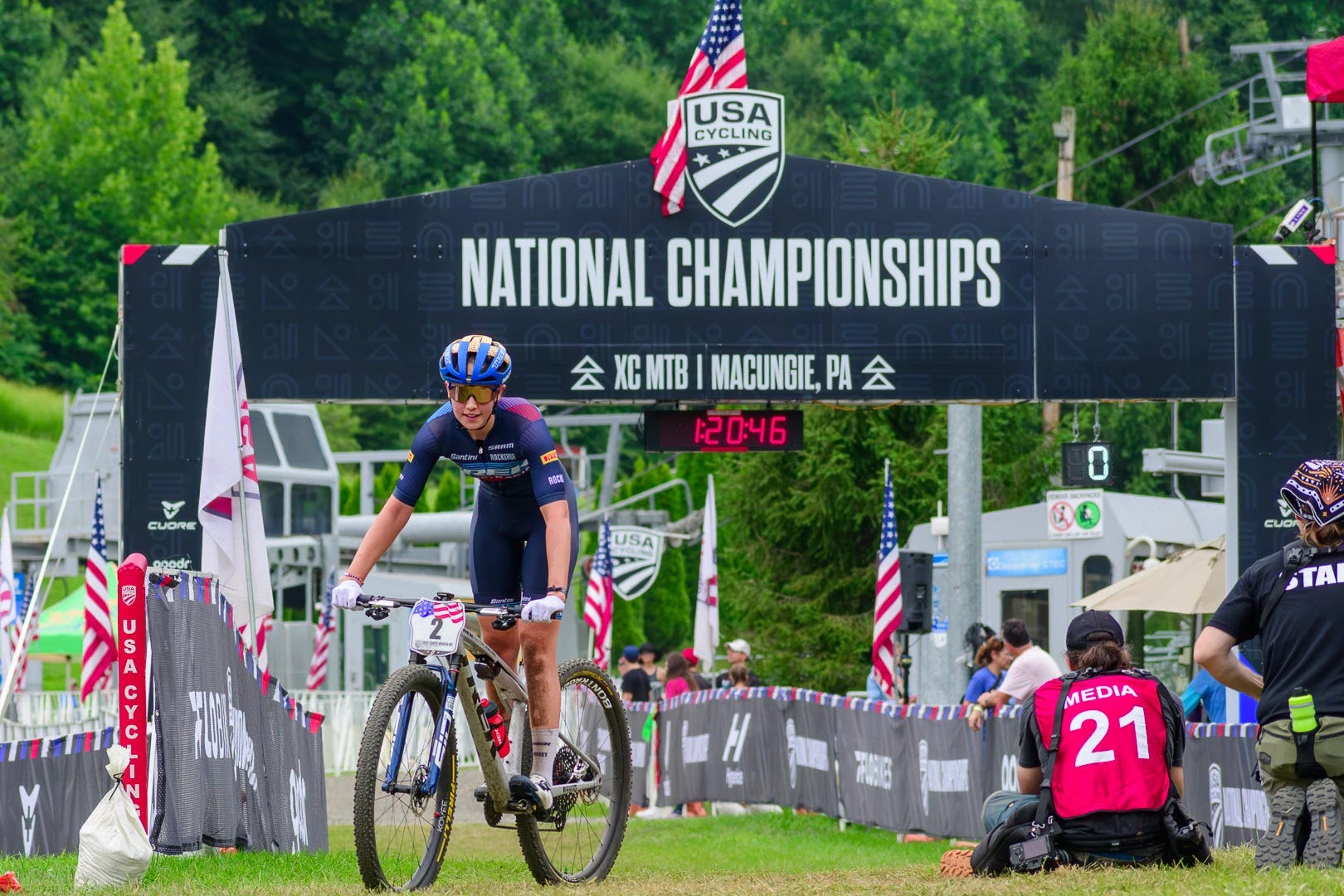
Eric was fully transparent about what that requirement looks like in practice. The cost of NCAA classification would be $1.8 million per year, with an initial three year commitment. After those first three years, the NCAA would continue to require the same $1.8 million annually in perpetuity. In other words, the minimum cost just to enter the NCAA system would be approximately $5.4 million.
To put that number in perspective, the $1.8 million annual fee rivals USAC’s current yearly spend on its Olympic program. If USAC is ultimately judged on Olympic success, it becomes clear why collegiate cycling sits lower on the organization’s list of priorities.
When you also consider where USAC’s revenue comes from, primarily membership dues, sanctioning fees, and donations, it is hard to see how that level of funding could be generated in the near term. At least not without fundamentally changing the organization’s financial model.
The cost for collegiate programs
USAC would not be the only organization facing steep entry costs. Universities themselves would also need to invest significant resources to create programs that meet NCAA requirements, as Eric pointed out:
“NCAA programs cost a lot of money and requires a staff. For each NCAA program, it’s multiple hundreds of thousands of dollars to fund. I believe there’s a three-year commitment for each of the programs.”
Financial pressure would exist at every level of the collegiate cycling ecosystem. If NCAA classification is ever going to become a reality, it will require more than policy changes. It will require creativity in how those funds are sourced, structured, and sustained.
So, what’s the plan?
With USAC’s revenue sources unlikely to grow exponentially in the coming years and the Olympics still more than two years away, is NCAA classification effectively off the table for now?
The reasonable answer is possibly. My answer is hell no.
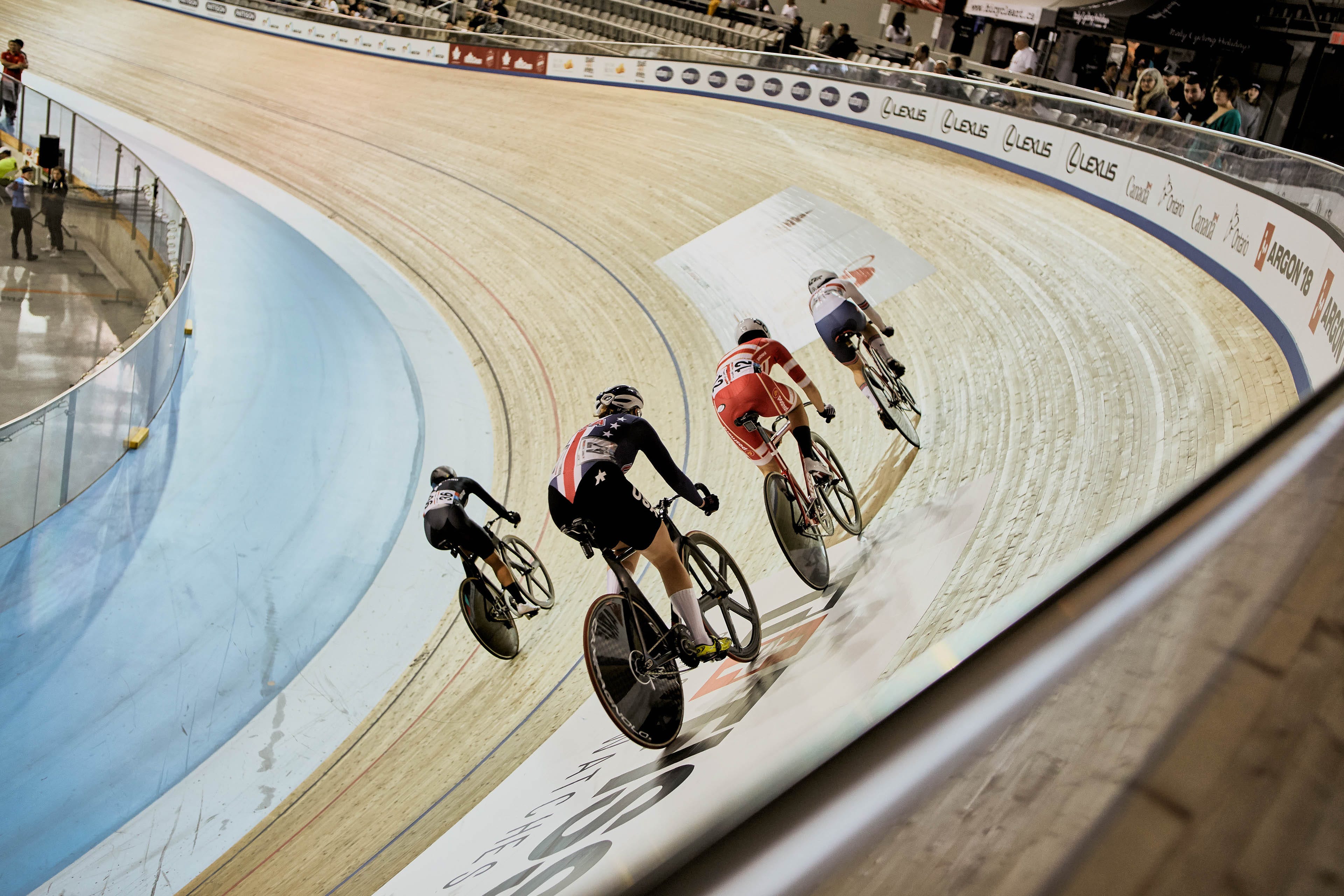
These are the facts:
It is unlikely that USA Cycling will see a surge in revenue large enough to independently cover the cost of NCAA classification.
In the near term, USAC’s resources are best allocated toward preparing for the 2028 Olympic Games.
The primary battle right now is maintaining the sustainability of collegiate cycling programs, and USAC has a clear understanding of how to support that goal.
If USAC does not have the internal resources to elevate cycling to NCAA status, that does not mean the door is closed. It means the momentum would need to come from outside the organization.
Yes, USAC would ultimately need to write the check to become an NCAA sport. But that does not mean the funding must come from membership dues or sanctioning fees. As a nonprofit, USAC is able to accept donations.
The scale of funding required would be significant. Which raises the next question: is there any precedent for an effort like this actually working?
Triathlon made the jump
The closest sport to cycling within the NCAA is women’s triathlon, and until I spoke with Eric, I did not fully understand how triathlon was able to achieve NCAA classification. Like cycling, triathlon includes cycling as a core discipline, has a national governing body in the United States, and does not generate meaningful revenue at the collegiate level.
Triathlon is certainly more popular than pure road cycling, or most cycling disciplines for that matter, but that alone does not explain how it cleared the financial hurdles. So how did it happen? Does USA Triathlon have a massive pool of discretionary funding, or was there outside support that made the difference? Eric’s answer gave some insight:
“Triathlon being an NCAA program is partially funded throug donation money.”

While it is difficult to pinpoint the exact donors behind the effort, reporting from both the NCAA and Triathlon Magazine indicates that approximately $2.6 million in grant funding provided by USA Triathlon was a major catalyst. That money was distributed to universities to incentivize full adoption of the sport and to help fund division level budgets.
More than anything, women’s triathlon provides proof of concept. NCAA classification for a non revenue generating endurance sport is possible. It simply requires outside capital, coordinated leadership, and a clear case for long term sustainability.
Replicating it for cycling
When I asked Eric whether the same path was possible for cycling, his answer was a resounding yes. When USAC receives funding through donations or fundraising, Eric said that NCAA classification is “always on the list of asks.” The challenge is specificity. If donors do not explicitly designate their contributions for NCAA classification, those funds are understandably redirected toward higher priority initiatives, most notably Olympic preparation.
The goal is not to pull resources away from Olympic development or elite level programs. It is to expand the pool of funders who can make the jump to NCAA status financially viable. That means identifying individuals who:
Are deeply passionate about cycling
Have the financial capacity to make a meaningful contribution
See the value of collegiate development, or can be convinced of the long term benefits NCAA classification would provide
I have already written about how wealthy families, such as the Waltons, have invested tens of millions of dollars into building cycling infrastructure and culture within their communities. Whether or not those conversations have already happened is beside the point. Minds change, and education is often the catalyst.
Through my work alongside venture capital investors, I have seen firsthand that there are many people who are both wealthy and deeply invested in cycling. This challenge needs to be approached the same way a founder approaches raising capital. Build relationships with people who understand the culture of the sport, articulate the long term value of collegiate development, and secure funding that can be explicitly allocated to pushing NCAA classification forward.
It is a big goal, but it is not an unrealistic one. With a coordinated and organized effort from third parties, the funding required to make collegiate cycling an NCAA sport could be raised far faster than most people expect.
What NCAA cycling means and what it could look like
This is entering the territory of my previous collegiate cycling pieces, but with a USAC official’s full attention, I wanted to get a more concrete sense of the impact NCAA classification could realistically have.
On the topic of talent identification and expanding the number of American professional cyclists, Eric believes the results could come quickly:
“Within one or two years [of NCAA classification], you’d probably field a couple more national team athletes from college.”
That number may sound modest, but cycling has always been a sport where a single athlete can shift public relevance overnight. We have seen that effect before.
Eric also reinforced my belief that elite talent exists far beyond traditional cycling pipelines, and that development efforts should not be limited to athletes who have been racing bikes for years. In fact, USAC is already operating with that mindset:
“We went to high schools, middle schools, and sporting events with watt bikes to do ten-second power tests. We’ve now tested over 10,000 athletes. We have one woman who’s going to make the Olympic team because of that program.”
Eric also emphasized the importance of recruiting from crossover sports like skiing, but also cautioned that NCAA expansion requires careful consideration of which cycling disciplines make the most sense at the collegiate level.
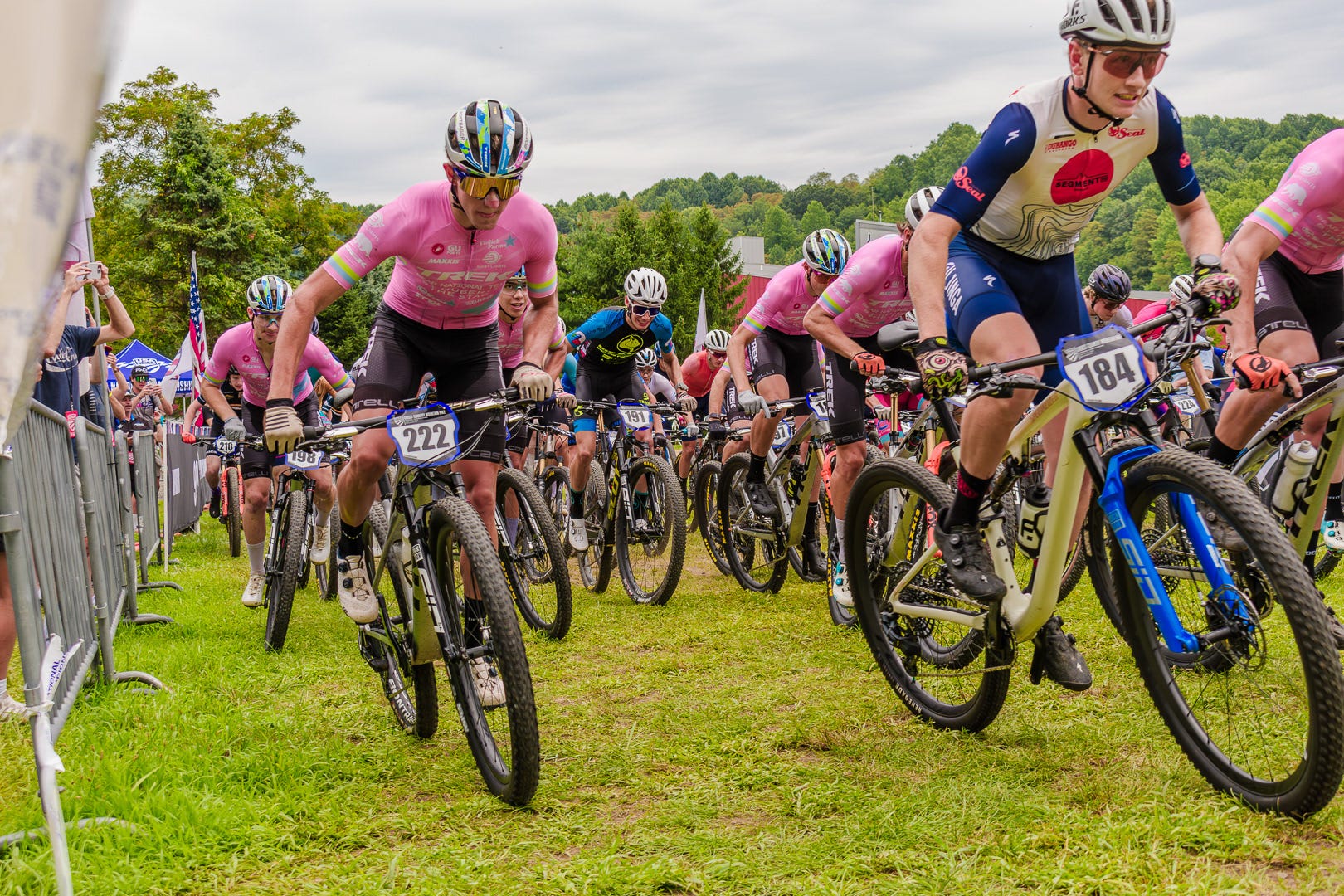
Road racing, he explained, is essential but logistically challenging. It is expensive to organize, difficult to travel for, and requires significant effort to recreate true pack racing similar to what exists in Europe. While Eric was clear that road racing cannot be excluded, he noted that mountain biking is currently far ahead in popularity. That popularity creates more immediate opportunities for collegiate adoption and program growth.
Finally, Eric pointed out that track cycling could also be a viable NCAA discipline, provided programs are built in regions with access to velodromes. Geographic reality, infrastructure, and participation trends all matter when considering how cycling could realistically take shape within the NCAA system.

The future is what we make it
Speaking with Eric was a pleasure and a truly eye opening experience. It highlighted both the harsh realities USAC faces in its day to day operations and the significant opportunities that remain untapped.
Making collegiate cycling an NCAA sport will not be easy. In fact, it will be very difficult. But difficult does not have to mean slow. If we can organize, communicate a compelling case to the right people, and build strong foundations for development, we have a real chance to create a historic moment for American cycling.
Sounds like part of the opportunity lies in finding financial resources through donors or better yet, sponsors for reg sport, Kyle! With some of the existing pathways to the top levels of the sport already in place, a strong argument would need to be made on how this new avenue as an NCAA sport is the best spend. I do think though that public/private partnerships are the way to go when you’re staying from ground zero!