


You may have noticed that I did not post a story last week, and that is exactly what happened. Sometimes life gets in the way of Built on Bikes, and I can promise that missed story will eventually be published. For now, we will move on to the next and hope last week remains a rare occurrence.
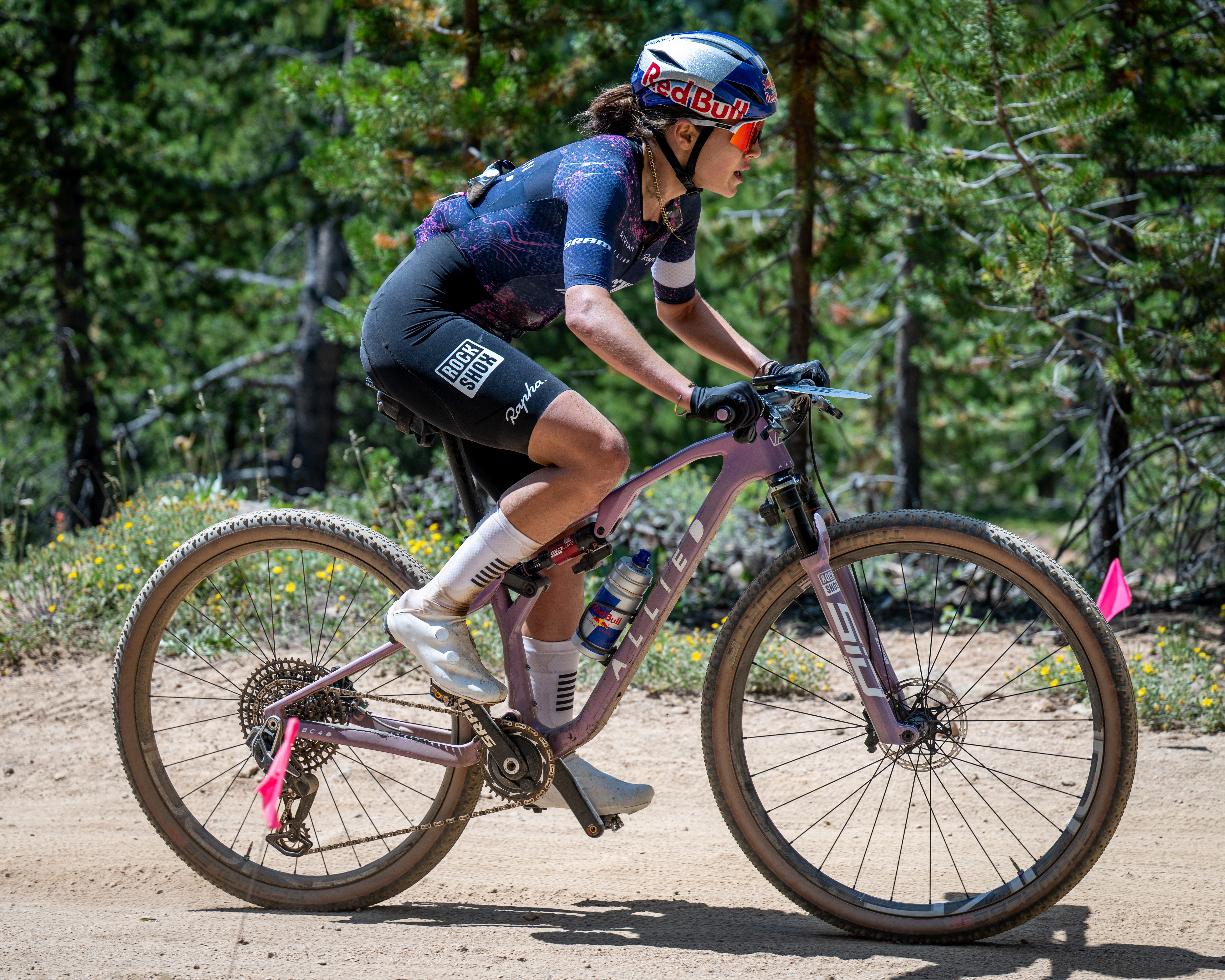
This week we will revisit a topic that drew quite a bit of attention the last time I wrote about it. That is where the sponsorship money in the WorldTour actually comes from. Last time we focused on the lack of tech-forward sponsors and the concentration of money among state sponsors and conglomerates. To be clear, I stand by my analysis in that piece, but there are a couple of partnerships within the WorldTour that go against the grain of bland and unknown team sponsors. One is an iconic beverage brand that sponsors riders and teams and the other is a world famous apparel brand that partners with two of the WorldTour’s best teams.
Those brands are, of course, Red Bull and Nike. Both live in global pop culture and bring flashy logos to the WorldTour. Together they bring legitimacy and flair to an otherwise overlooked sport in countries like the United States. Following the logic of my last sponsorship piece, these are exactly the types of brands cycling should want. I absolutely love that both associate with the sport, but it has to be asked: what are both brands getting out of their WorldTour associations? Is their strategy and execution effective or are they coming up short in terms of return on investment?
This week we will explore the partnerships and sponsorships each brand has pursued and piece together whether they should act as a signal for other iconic brands to enter the sport. Ultimately we will look forward and determine what the next culturally significant partnership could look like.
How the brands show up in the peloton
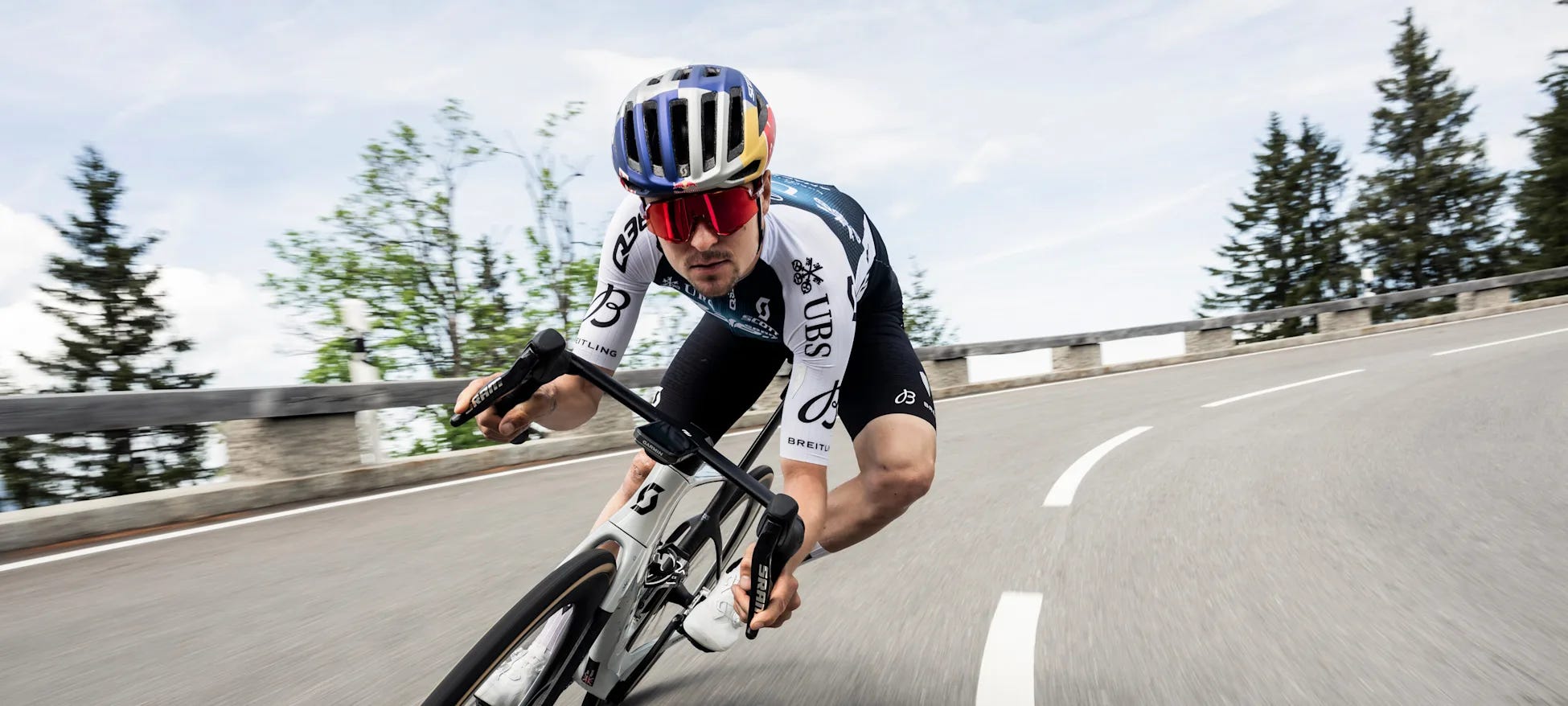
Looking at both brands reveals several different approaches to sponsorships within the WorldTour. While Nike works with two teams, Visma-Lease a Bike and FDJ-SUEZ, as an apparel partner, Red Bull shows up in the pro peloton in three different ways.
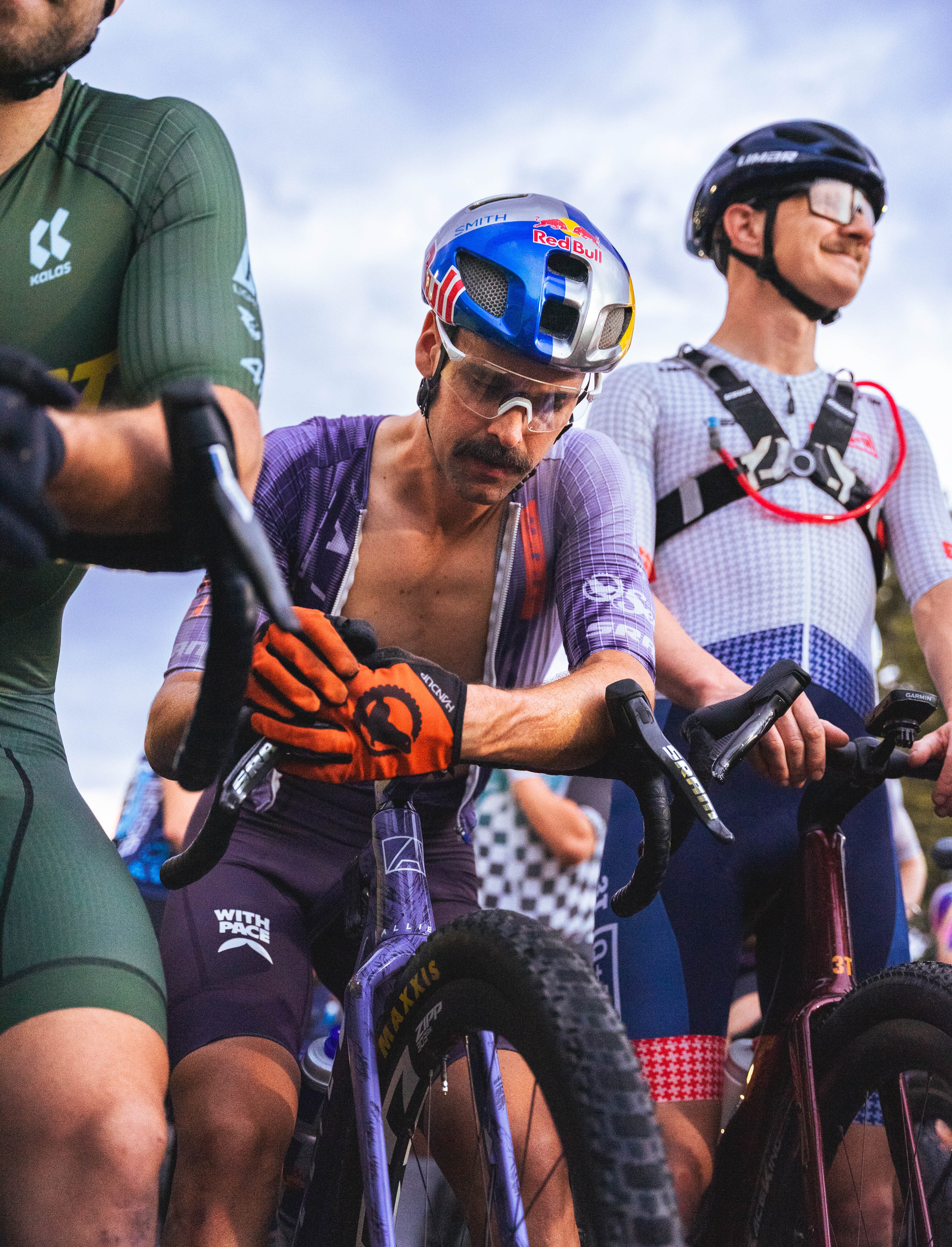
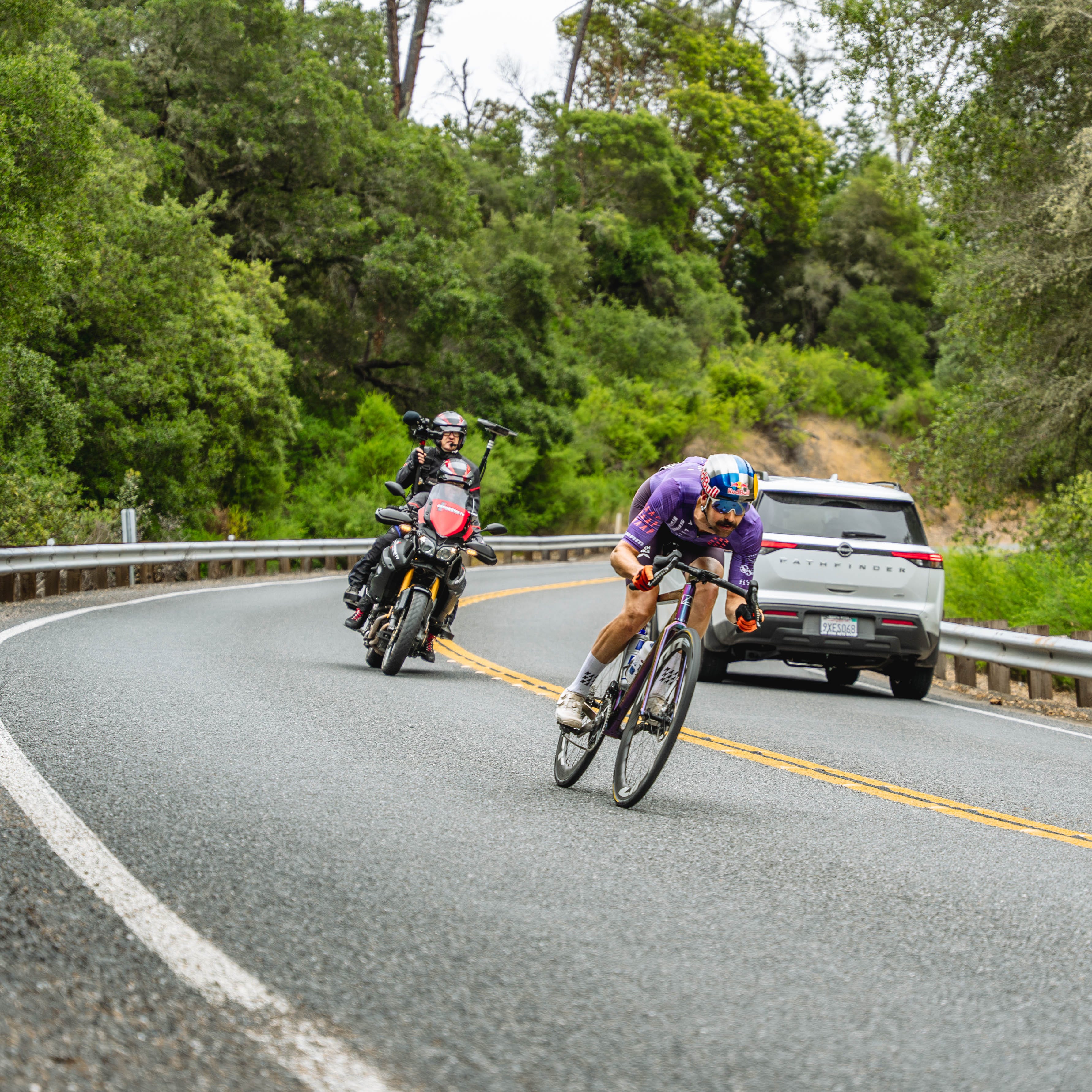
As an individual sponsor for athletes like Tom Pidcock and Wout Van Aert
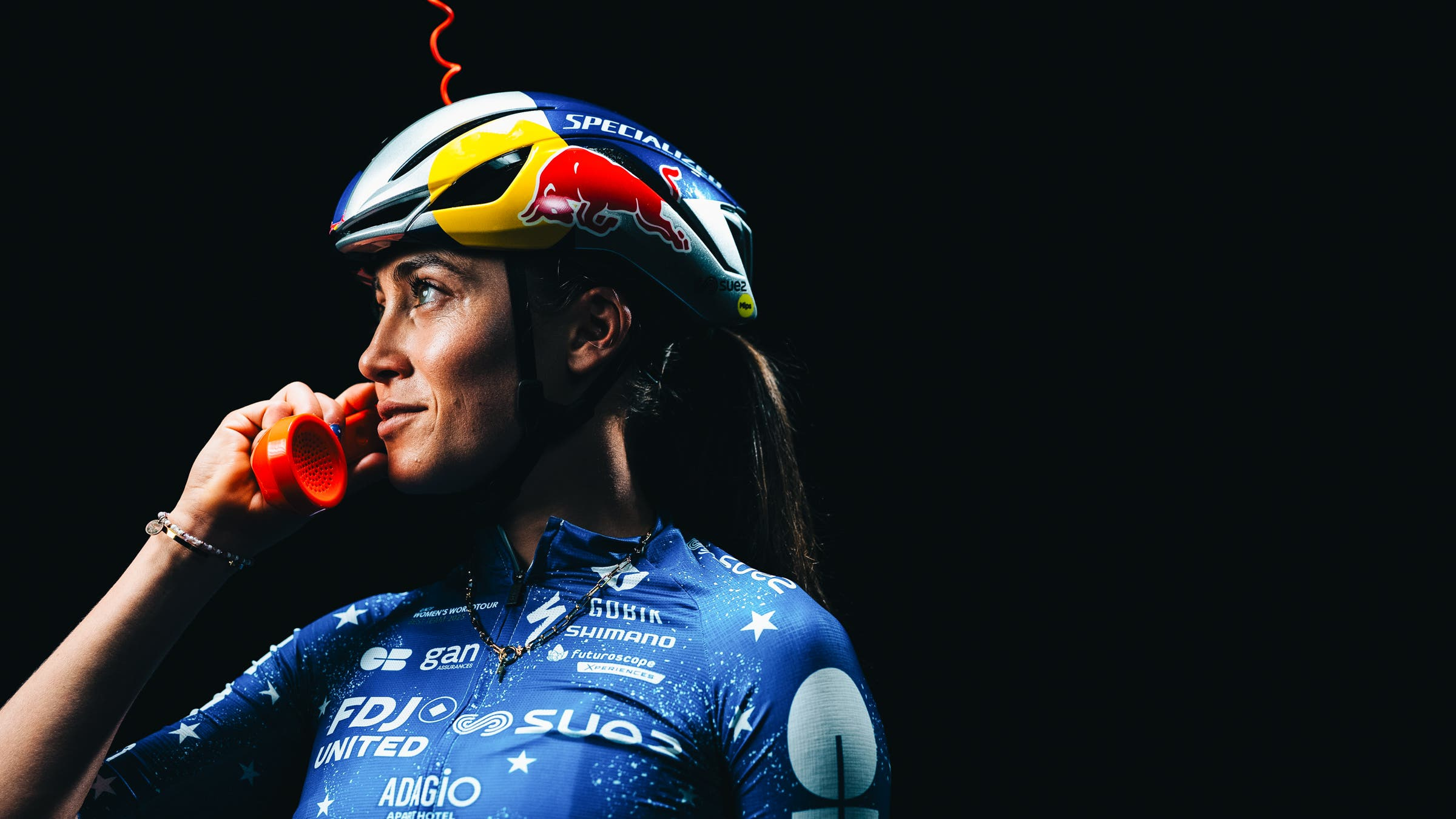
As a secondary sponsor of FDJ-SUEZ
As the title sponsor for Red Bull-Bora-Hansgrohe
In total, the four approaches taken by the brands represent different levels of financial investment, brand prominence, and marketing strategy. To see how these partnerships fit into each brand’s strategy, deliver ROI, and where they fall short, we will dissect Red Bull and Nike’s approaches separately.
Nike
The recent headlines for Nike have not been great. The iconic shoe maker has seen its market value fall by roughly 80% since November 2021 and was removed from the S&P 100 in September. With sales forecasts continuing to trend downward, it is curious that Nike is now forming partnerships with WorldTour cycling teams and apparel partners like Nimbl. So, what is the opportunity Nike sees, and how is it extracting value from cycling?
Strategy
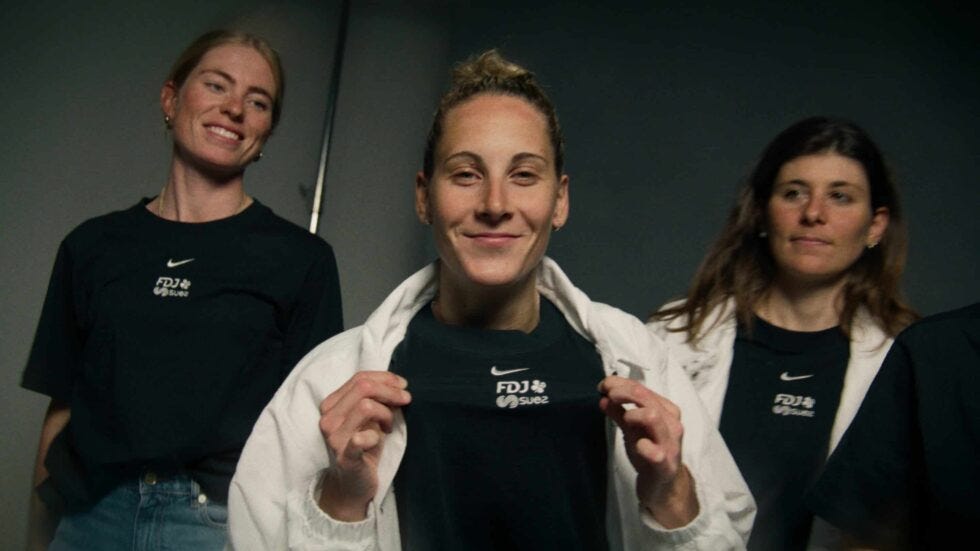
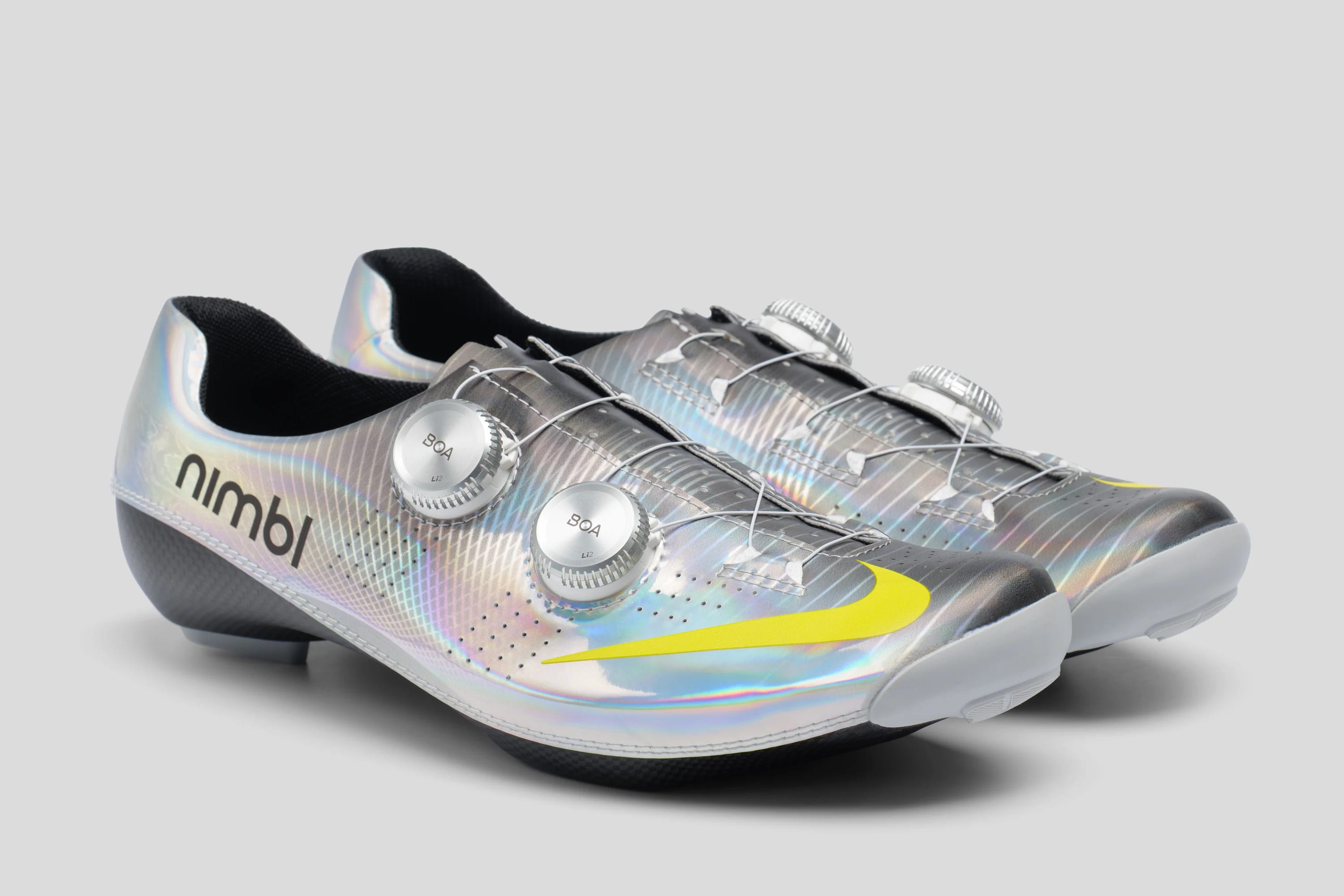
Nike has a very limited line of cycling products that includes indoor shoes, sunglasses, and socks. Its partnerships with WorldTour teams do not even showcase those products. Instead the swoosh appears on team merchandise and off-the-bike clothing worn by athletes. The closest it gets to performance is the collaboration with Nimbl, Visma-Lease a Bike’s official apparel partner. The biggest splash was when Nike’s iconic swoosh appeared on a pair of chromed-out Nimbl shoes worn by athletes in competition.
The clearest insight we have had into Nike’s cycling strategy is through Demi Vollering. The FDJ-SUEZ star has made appearances with the brand in recent weeks to lead run clubs and visit Nike’s headquarters in Beaverton, Oregon. The vision is to present Nike as the trusted brand used by the best athletes in the world. The message is sport agnostic. Vollering does not benefit from Nike while on the bike, but she uses the brand’s products while performing the most fundamental exercises and movements that we all do in our daily lives.
It follows the brand’s historic strategy of associating with the very best to inspire everyday consumers.
The target return on investment
It feels too early to speculate on the returns that Nike is seeing from these partnerships, but we can certainly theorize about its goals. The entrance into cycling could be a play to strengthen its position within endurance sports. Vollering’s run club appearance is what leads me to believe that. It is no secret that endurance sports like running, trail running, cycling, and triathlon are experiencing a boom in popularity. Run clubs currently dominate the culture and draw in all sorts of athletes, including cyclists. Association with athletes and teams is likely Nike’s shot at engagement and consideration when cyclists choose athletic clothing and footwear.
The problem
This will foreshadow our analysis of Red Bull, but Nike is, unfortunately, checking boxes with these partnerships. This is not the optimistic take that usually comes in these pieces, but given Nike’s history, it seems obvious that the brand is fulfilling a tradition of being associated with top athletes in every sport possible. With a struggling core business that relies heavily on the consumer habits of runners, Nike should be focusing its efforts there. Nike has seen great success with its trail running apparel and the brand should replicate the magic across its core product lines.
Red Bull
Red Bull’s presence in professional cycling is much more prominent, on-brand, and consistent with wider business objectives and strategies. Through its three tiers of sponsorship within cycling, Red Bull has clearly bet on the future of the sport. Red Bull is famous for sponsoring action sports, and now that it has entered the WorldTour, cyclists and bike riders might represent one of its deepest athlete pools. Red Bull’s sponsorships have worked, but there is still room for improvement.
Strategy
Red Bull’s association with action sports goes back decades and might be the single greatest example of sports marketing in history. Paired with the slogan “Red Bull gives you wings,” the company’s investment in the most daring athletes quickly made the brand anything but an energy drink manufacturer. The business’s foundation is its global distribution, but its marketing has made it the brand every consumer thinks of when they hear the term energy drink.
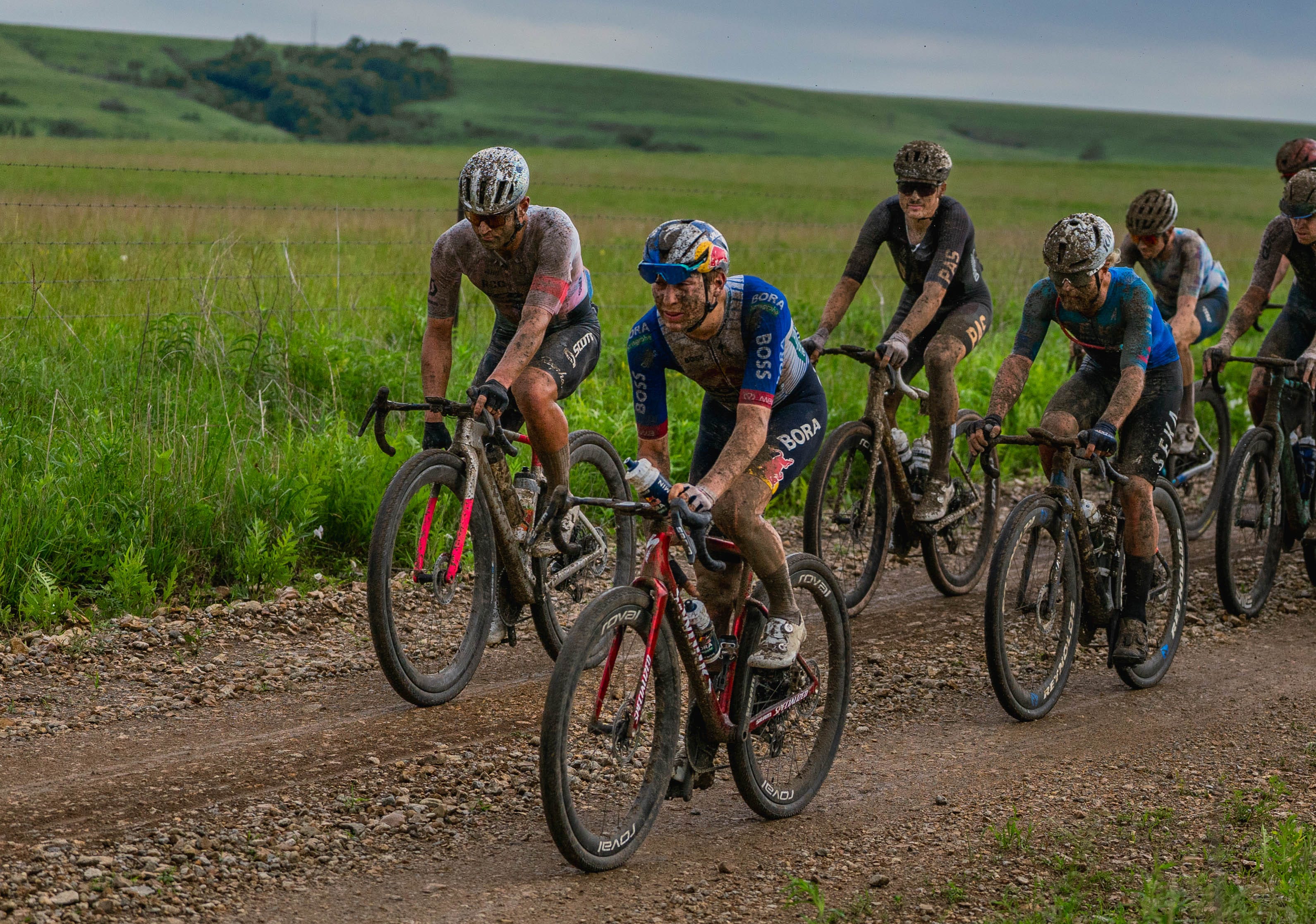
As was the case with Nike, road cycling is another check box for Red Bull. Every sport carries a different audience with different buying habits, so it is advantageous for Red Bull to associate with athletes in every sport possible. Considering endurance athletes live on sugary, caffeinated beverages during exercise, the association with cycling is a strong business case for the brand.
Realized return on investment
When Red Bull enters a sport, consumers know enticing content will come. Content featuring highly skilled athletes performing sometimes death-defying acts has become Red Bull’s biggest value add to consumers. Not only does Red Bull provide a consumable product, but it also provides an endless pipeline of content for sports and non-sports fans to consume.
Compared to Nike, Red Bull’s more committed investment to cycling has provided another content platform for the company. It started with sponsoring individual athletes like Tom Pidcock. After a hair-raising descent that enabled him to win the Alpe d’Huez stage at the 2022 Tour de France, Pidcock became one of the few Red Bull athletes in professional road cycling. Red Bull recognized cycling as a platform worthy of more investment in storytelling. In the years that followed, Red Bull doubled down on its investment, becoming the title sponsor of a WorldTour team and the secondary sponsor of a Women’s WorldTour team.
Last year, Red Bull had nine members of its WorldTour team produce enough bike power to tow a plane into flight. With over 3.2 million views, the video immediately justified Red Bull’s investment in cycling and showed the power a single sponsor can bring to a team.
Where there is still room for improvement
While Red Bull’s full investment in cycling has provided a better return than Nike’s limited approach, it would be hard to say its strategy was flawless. While building up to full team sponsorships was a calculated and conservative entry into road cycling, the approach diluted the impact of Red Bull’s decision to sponsor a full WorldTour team. Before team sponsorships, Red Bull already sponsored two of the sport’s most popular and prominent athletes.
Wout Van Aert and Tom Pidcock were so effective as ambassadors that Red Bull was already an entirely familiar entity within the WorldTour. So, when a team sponsorship was finally announced, the splash and marketing potential felt muted. It seems like Red Bull recognized this and took a different approach when sponsoring the Women’s WorldTour team FDJ-SUEZ.
The brand used Kate Courtney’s blockbuster signing to the team as the ultimate sponsorship announcement, which should pay dividends by bringing more female consumers to the brand.
What we learn from Nike and Red Bull
After looking at Nike and Red Bull’s WorldTour strategies, a few things become clear.
It’s easy to distinguish between checking a box and something daring
While I love that these brands have invested in the sport, the wow factor of their sponsorships has been muted by oversaturation. Nike and Red Bull have associated themselves with nearly every sport in existence, so the WorldTour feels like an obligation put off for too long. Fans see these two brands everywhere they look, so when they enter cycling it is not a spectacle.
This is not to say that sport-adjacent brands should not invest in cycling. In fact it is the opposite.
Market signals no brands are catching
Nike and Red Bull represent a very specific type of mass consumer sports brand. Their products and storytelling categories have become sport agnostic. Until cycling is one of the most popular sports in the world, the marketing tactics used for sports like Formula 1 and soccer will not translate to road cycling. The messaging that caters to billions of casual sports fans will not work on a more niche and uniquely invested audience. In cycling, Nike and Red Bull may not be generating enough hype to break out of the current fandom and engage new fans.
Still, their presence and investment in the WorldTour are a significant market signal. Two of the largest brands in the world have planted a flag in the WorldTour, showing that there is considerable value to be extracted from the sport. Red Bull and Nike just are not the perfect brand archetype to do so.
Content and the “mass-niche” brand
I won’t go into the importance of storytelling, since I have written about it plenty already. With that said, Red Bull did show that the most value is extracted when you pair brand visibility with actual content like its cycling plane YouTube video. That video racked up millions of views, but by Red Bull standards it reached a very modest audience.
The iconic brands that will benefit from a WorldTour sponsorship are those that already have a strong storytelling and content engine and have what I like to call the mass-niche appeal. These are brands that are globally known and put up big revenue numbers, but sell very specific product lines and have great storytelling formats for these more niche avenues.
What is a brand that fits in this middle ground? I’m glad you asked because it’s time to explore some wild ideas.
The perfect team sponsor is hiding in plain sight
We now know the building blocks of great sponsorships with mass-niche appeal, so I will get right to the point. While there are other companies that fit the criteria, the brand I think the WorldTour is perfect for is The North Face. You might have the same gut reaction I did when the thought entered my mind. Surely not? But when you dig into all the possibilities and parallels for the brand you will hopefully be left with the same reaction I have now. Why has this not been done already? Let’s break it down.
The perfect sport to add to the catalog
When you look at The North Face’s current roster of athletes you will quickly notice that it is hyper-focused on mountain sports like alpinism, rock climbing, skiing, snowboarding, and trail running. Its products are made for the mountains and any sport where it sponsors athletes needs to be intimately intertwined with the mountains. Some of cycling’s most iconic races and moments are defined by mountains, especially the majestic Alps of Europe.
Association with mountain athletics is not the only characteristic that makes cycling a worthwhile addition to The North Face’s sports marketing strategy. The brand has historically been associated with sports tied to rugged adventure in nature, but cycling up an Alp with screaming fans may feel out of place. It is not. The North Face’s focus on quality and performance products sometimes clashes with the culture of the sports it chooses to sponsor. The clash happens with more free-spirited and rugged sports like climbing and skiing. The high performance products could be considered a dilution of those sports’ culture.
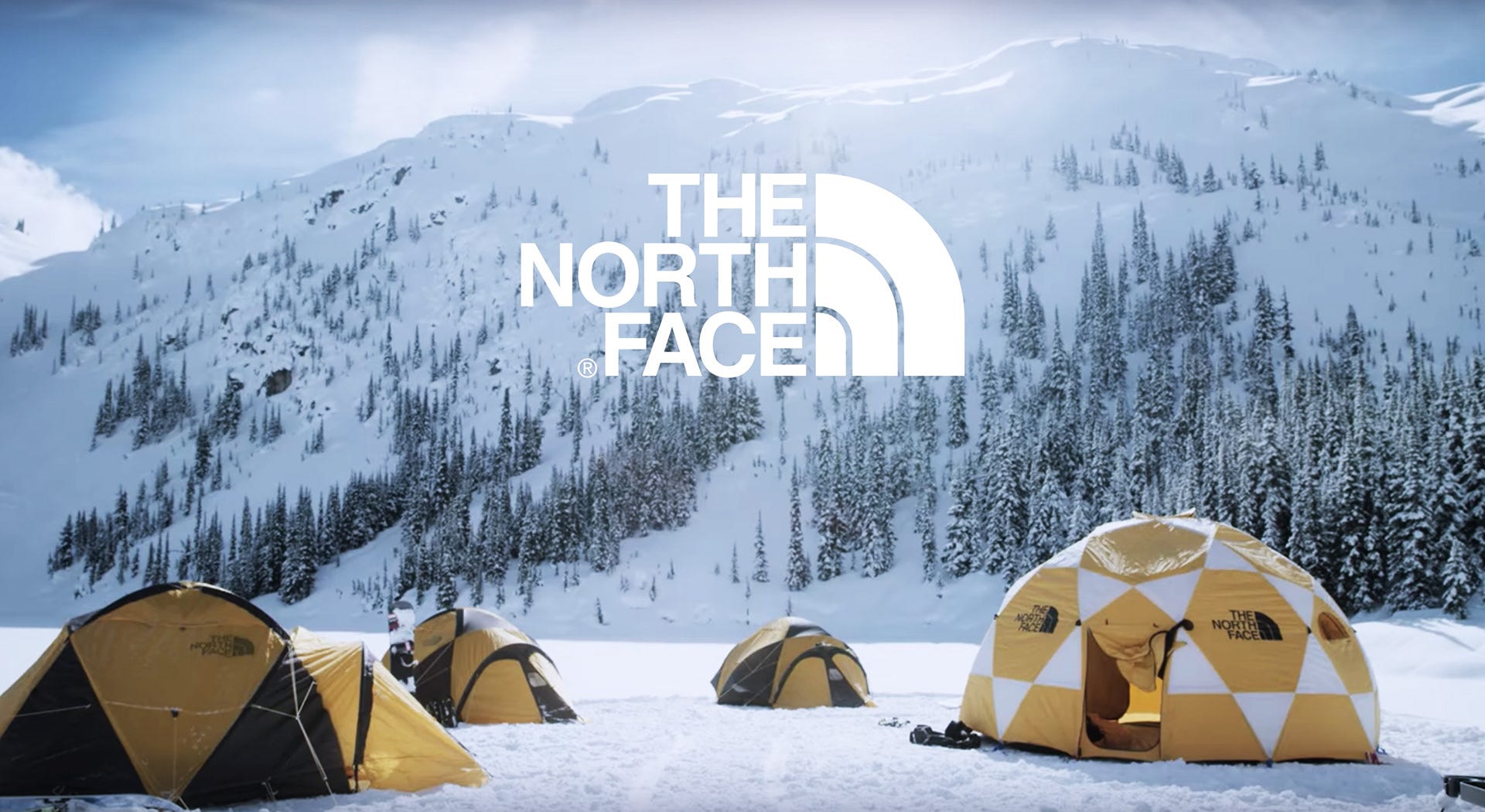
Cycling complements the brand’s equal commitment to absolute performance. You see it in The North Face’s athlete roster, with athletes like Alex Honnold. Honnold can, and does, exhibit the free-spirit nature of climbing while also focusing on climbing at the highest level ever witnessed. Cycling offers a chance for the brand to avoid any culture clash and associate itself with pure performance.
The final detail that makes cycling appealing is the brand’s push into trail running. As trail running continues to explode in popularity, we have seen how closely the sport interacts with cycling and how many athletes cross over between the two. With brands like Salomon partnering with Pas Normal Studios, there have been clear value signals toward association. If that were not enough, cycling also sees consumer overlap with climbing, skiing, and snowboarding. As the brand fights to differentiate itself from competitors like Patagonia, Arc’teryx, and Columbia, being the first to fully engage a sport enjoyed by outdoor apparel consumers will prove to be valuable.
A platform to expand and realign with historical brand messaging
WorldTour sponsorship is a marketing strategy that strengthens over time. The initial sponsorship and marketing would be bold, new, and flashy for a brand that has historically focused on adventure. If the brand sees a good return on investment, and as the WorldTour wow factor wears off, cycling offers plenty of avenues to expand and realign. Next could be sponsoring a mountain bike team, gravel athletes, or ultra-endurance cyclists. All of those disciplines fit with The North Face’s existing sports marketing strategy and create a more complete ecosystem. This only works, though, if the brand’s initial entrance to the sport is a big and unexpected splash.
Cycling offers a solution to the fashion question
As someone who tried to start a streetwear business, I was always confused by how outdoor apparel brands were interacting with the fashion space. Each brand seemed to have one product that made it a streetwear brand overnight. For Arc’teryx it was the beanie. For The North Face it was the yellow and black puffer jacket. For Saloman it was their Xt-6 shoe. The brands tried to push further into the space but it never felt like they made progress. Cycling offers a great environment for experimentation.
Cycling has become an incredibly fashion-conscious sport with brands like MAAP and Pas Normal Studios dominating on-the-bike aesthetics. Off-the-bike wear is wide open for the taking. The North Face does not need to start making cycling products, it would lose to those brands without question. Cyclists still care what they look like off the bike, though. MAAP and Pas Normal Studios have not cracked the code for casual wear or for products worn during other activities. The North Face is perfectly placed to gain cultural relevance within cycling by becoming the title sponsor of a WorldTour team, and then making statements with apparel worn by athletes off the bike.
Other areas of synergy
The only cost is the sponsorship
As we have already discussed, The North Face does not need to start making cycling apparel. Cyclists are picky about their kits and accessories, so an outdoor apparel brand entering that space could feel gimmicky. No extra overhead or production costs would be required, just the cost of a title sponsorship.
Women’s team sponsorship
As we strive for equality and equity in the women’s peloton, sponsoring a Women’s WorldTour team still offers a cheaper, and arguably more valuable, entrance into the sport at the highest level. If we are calculating risk, this is about the lowest-risk marketing experiment available, and it pleasantly shatters the norm for the brand.
Sponsoring a women’s team would also strengthen the brand’s ability to engage female consumers, who represent a major demographic in outdoor apparel.
Retail integration
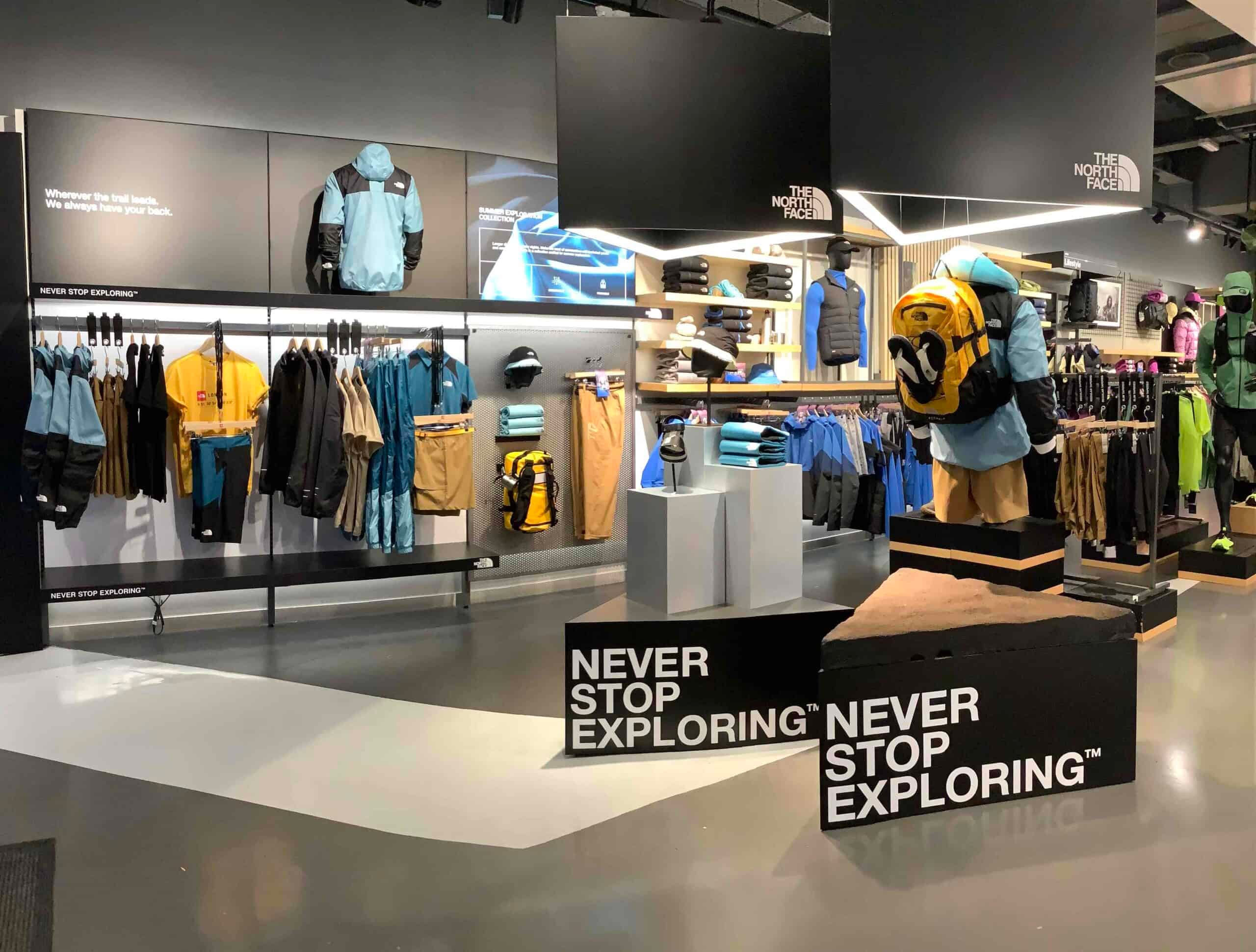
This point may feel like a small detail, but cycling offers a real opportunity to draw more foot traffic to The North Face’s physical storefronts. If you look at the layout and design of one of the brand’s retail locations, it is sleek and not dissimilar to a bike shop. Placing one of the flashy race bikes ridden by the team in a storefront, alongside an advert, would draw in curious consumers whether or not they are familiar with The North Face.
The possibilities are bright for the brand who decides to climb the mountain
Outdoor apparel brands sponsoring WorldTour teams is just one exciting possibility for reshaping how cycling is perceived by larger audiences. The hope is that this exercise in creativity shows how many well-known brands overlap with cycling, and how much they have to gain from a sponsorship that costs relatively little compared to other sports. I have learned not to underestimate the reach of simple articles like this, so hopefully more eyes will be opened to how fun and creative sports marketing can be, no matter the brand behind it.
Ride and rip,
Kyle Dawes
