


I am finally taking on the beast of a topic that is road racing in the United States. For years the commentary has been that the discipline is nearly dead domestically. I don’t fully disagree, but I hate that so many people have accepted this fate without offering any solution for bringing this quintessential discipline back home.
I have long avoided this topic because so many people have such strong opinions on it. In the early days of Built on Bikes it would have been easy to spew ideas on the subject. I am glad I held off. Nearly a year of writing about cycling development in the US has given me far more perspective, and I feel like I can now justify some of the wilder pitches in this story. Maybe I am naive, but a prevailing narrative has never stopped me from pitching entrepreneurial ideas and solutions.
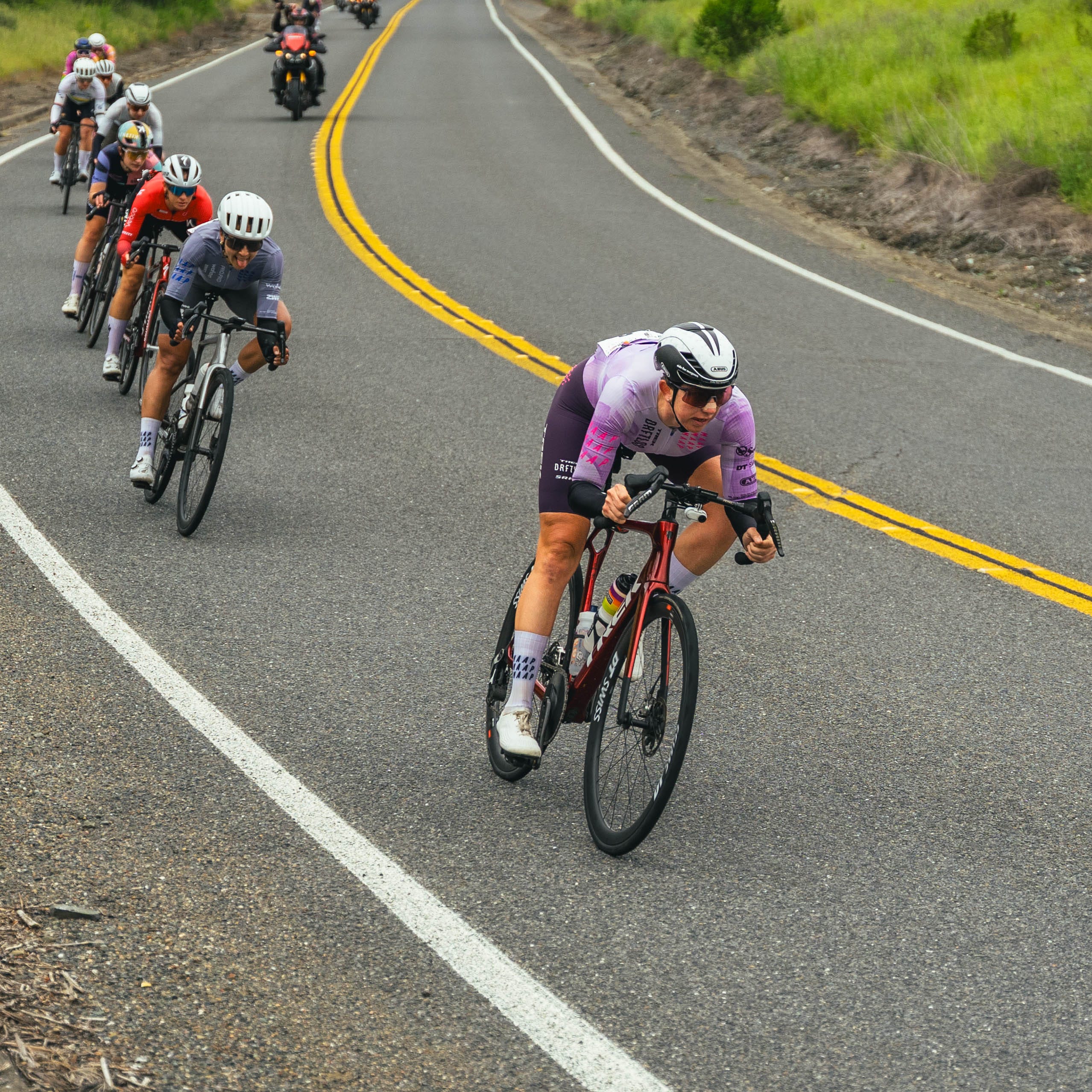
I have written about race series like Formula Fixed that are trying to reinvigorate bike racing in the US through creative new formats, but I think we would all like to see WorldTour road racing back in this country. If we want that, we will need to pitch something that strikes the right balance between tradition and excitement.
European road racing is steeped in tradition and, for better or worse, has kept the sport rigid and resistant to change over the last decade. Not that long ago the US had WorldTour races like the Tour of California and Tour of Utah. Now we are limited to a handful of one-day events like the Maryland and Philadelphia cycling classics. Both are great events, but neither consistently attracts the full roster of WorldTour teams and athletes.
So how do we pitch something enticing enough to attract WorldTour teams that is also financially viable and built for a modern audience? While in Emporia at Unbound Gravel, a few ideas came to mind for how we bridge that gap. The answer is not gravel racing, but there is something worth borrowing from it. This week is my pitch for bringing WorldTour road racing back to the US. There will be flaws and contradictions, and that is fine. Any good entrepreneurial venture starts with discovery and refinement.
What does it take to become a WorldTour race?
Before we can pitch unique event ideas, we need to understand what it actually takes to be classified as a WorldTour road race. The governing body for all WorldTour races is the UCI, and they have a well-earned reputation for creating frameworks that are hard to keep up with. The rules and regulations for organizing a WorldTour race are relatively straightforward, but how a race earns a spot on the WorldTour calendar versus remaining a Continental-level event is less clear, at least from what I could find.
From what I can gather from the UCI’s website and resources, a race needs to meet the following criteria to earn a WorldTour calendar spot:
Financial stability
Multiple operational years attracting top Continental, Pro Continental, and select WorldTour teams
A fitting place within the existing WorldTour race calendar
Proof of high-quality television broadcasting
Broad criteria, but the through-line is money. For better or worse, money talks in sports, and cycling is no exception. Take the Giro d’Italia. In recent years the race has leaned on foreign nations to host grand departs, which are typically the opening three stages of a grand tour and can take place outside the country the race is named after.
Recent Giro grand departs have kicked off in some surprising locations, including Albania, Bulgaria, and Israel. The reason is almost always financial. Every stage of a grand tour starts and finishes in a town or city, and those cities pay the race organizer, RCS, for the privilege. The further afield these grand departs travel, the more money is typically changing hands.
Why bring this up? If the UCI is comfortable sending riders to the Middle East for a race that is otherwise strictly European, I think they can find room on the calendar for an American race if the money is there. So, how do we address these areas?
Producing financial viability
To double down on that point: money will be the determining factor in bringing road racing back to the United States. Solving the financial question comes down to executing on two fronts, financial stability and financial opportunity. Stability focuses on the organizer and the event. Opportunity focuses on the teams and the race sponsors. We will explore both areas and then look at the domestic money sources that can provide each.
Financial stability
In Europe, pro road races generate revenue through broadcasting rights, sponsorships, and city start fees. In the United States, races are largely built on mass participant entry fees. Broadcasting revenue will be a non-factor in the early years of any new American road race, so we need to follow the model we know works: build a professional road race that is also enticing to the mass participant.
Sponsors are another pillar of financial stability, but a race has to deliver value to earn them. In Europe, broadcasting does that work. In the United States, mass participation will be what brings eyes to race sponsors. We have already seen this model play out with Unbound Gravel. The scale of participation at that event attracted sponsors, and free broadcasting has since created additional value for those partners. It is proof that we do not need to replicate the broadcasting model that props up European road racing.
Sponsors deserve their own section, but the short version is this: for financial stability in the American market, we need a road race that serves both professional teams and the mass participant.
Financial opportunity
Besides being on the WorldTour calendar, what makes a race attractive to a WorldTour team? It is easy to forget, but not all WorldTour races are created equal. A team would much rather win a single stage at the Tour de France than take the overall at the Tour of Switzerland. For riders the appeal is competing at the highest level, but for teams it is about sponsor visibility.
WorldTour teams are businesses that live and die by capital. Bigger sponsors mean more money, better riders, more wins, and the cycle continues. Unlike most other sports, where ticket sales and merchandise contribute to team revenue, cycling teams rely almost entirely on sponsors, and sponsors want their brand on the biggest stage possible.
To bring professional road racing back to the United States, we need to make races attractive to teams by either giving their existing sponsors a bigger platform or opening the door to better sponsors than what they currently have. I think the latter is where the United States can steal a march on some of Europe’s biggest races.
The United States is home to some of the largest corporations in the world and the most powerful consumer market on the planet, making it one of the most capital-rich environments in professional sports. If we can tap into that ecosystem, we will be well on our way to attracting every WorldTour team to our roads.
Sponsors and the mass participant
If we want to provide both financial stability and opportunity in the United States, we need to cater to both sponsors and the mass participant. This will all come down to race design, marketing, and operations. Those characteristics will lead to good sponsors, but the type of sponsors we attract matter, so before we dive into all the juicy race details, what type of sponsors and professional audiences do we want to attract?
Money and status sells
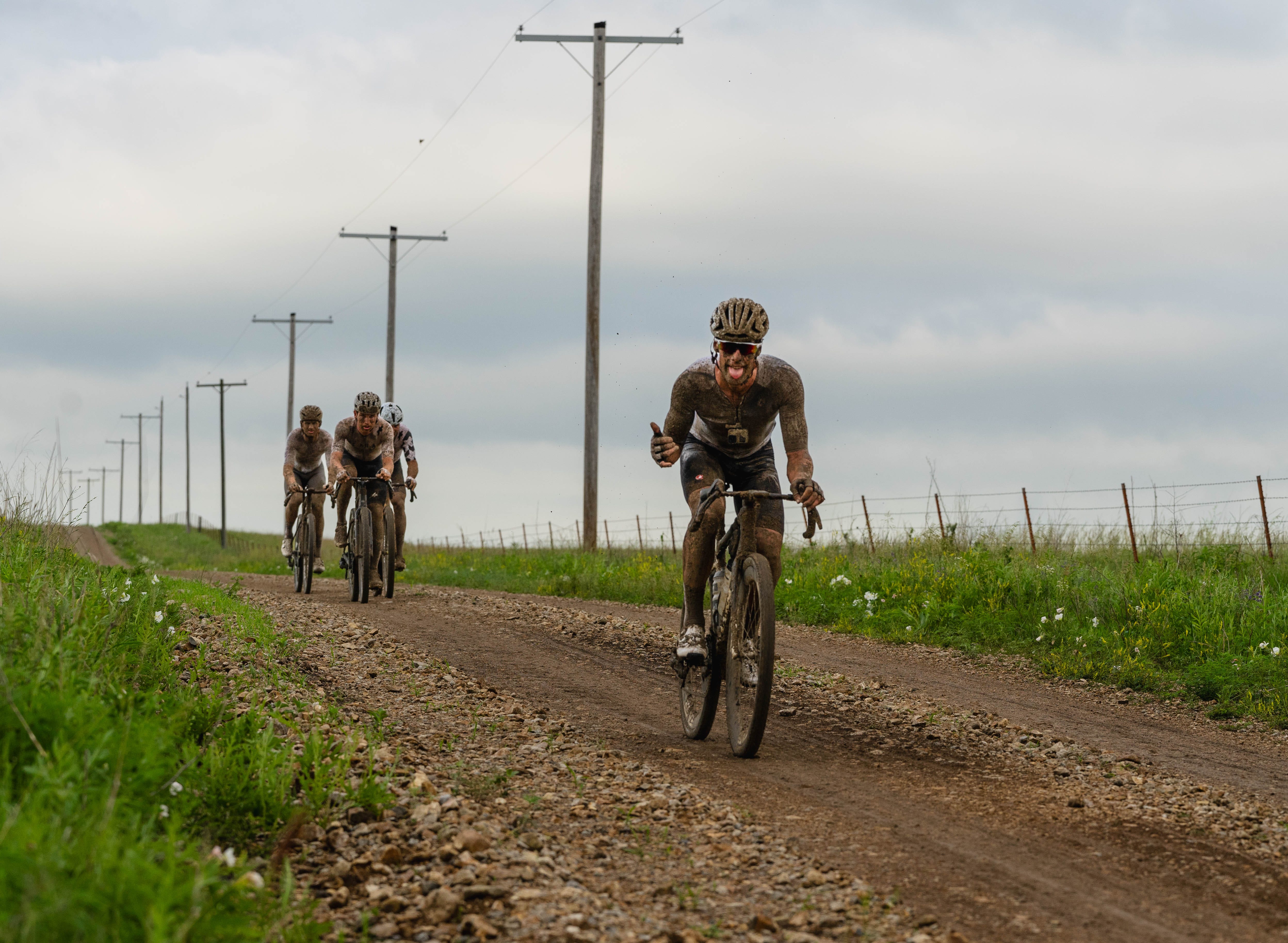
It can be hard to identify clear themes in WorldTour team sponsorships, but the rise of super-teams has made one thing obvious: obscure business sponsorships can no longer fund success at the top level. Team UAE is backed by one of the wealthiest nations on the planet, Red Bull-Bora Hansgrohe has one of the most recognizable beverage brands in the world fueling their budget, and even Visma Lease-a-Bike is attracting tech-forward AI sponsors like Mistral AI.
These are the types of sponsors a US race would need to attract to catch the interest of WorldTour squads. Two sectors stand out to me:
AI
High-end consumer technology
These two are worth focusing on because they overlap most naturally with the average road cycling enthusiast in the US and have the deepest pockets when it comes to sponsorship. It is anecdotal, but living in San Francisco makes it hard to ignore: wealthier individuals follow and participate in cycling, and more importantly, have the purchasing power for high-end products and work in the industries that sign massive AI contracts.
We have laid out the fundamentals required to catalyze a revival of American road racing, but what race brings all of these interests together?
Designing the ideal race experience
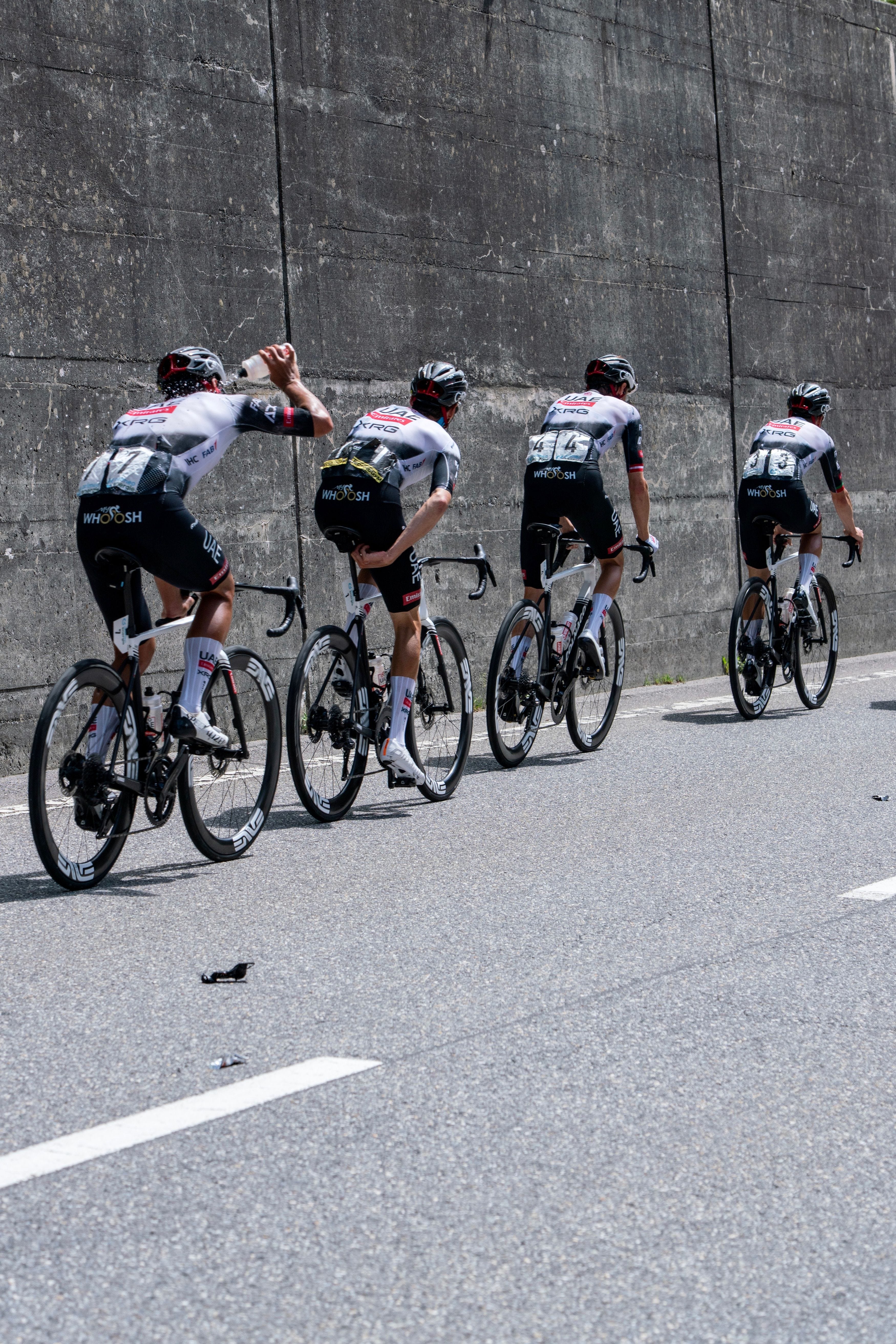
Engaging the mass participant, WorldTour teams, and sponsors requires careful thought across several variables. Everything from location to race format will influence how attractive an event is to each of those three parties. Some variables will speak more directly to one group than another, but together they should blend into a single compelling narrative that works for all three.
When I think about crafting the ideal American road event, a few themes stand out:
Location
Race format and design
Branding
These themes are deeply intertwined, but for the sake of being thorough, we will break each one down and look at how it impacts our three stakeholder groups and the sub-considerations within it. After that, I will follow my tradition of pitching something probably crazy but hopefully provocative.
Location
Location is the single most important variable in this equation because it has to work for every party involved. Mass participants need to see it as somewhere worth building a trip around, whether that is a dedicated cycling vacation or a trip with a race attached to it. American gravel racing has shown us that mass participants are fairly flexible when it comes to destination variety, so finding somewhere that functions as both a strong cycling destination and a broader vacation destination will only improve the odds of success on that front.
Location will also play heavily into branding opportunities, which we will get to later. For now, the key point is that our race location needs to be attractive to and frequented by high net worth individuals with ties to corporate sponsors.
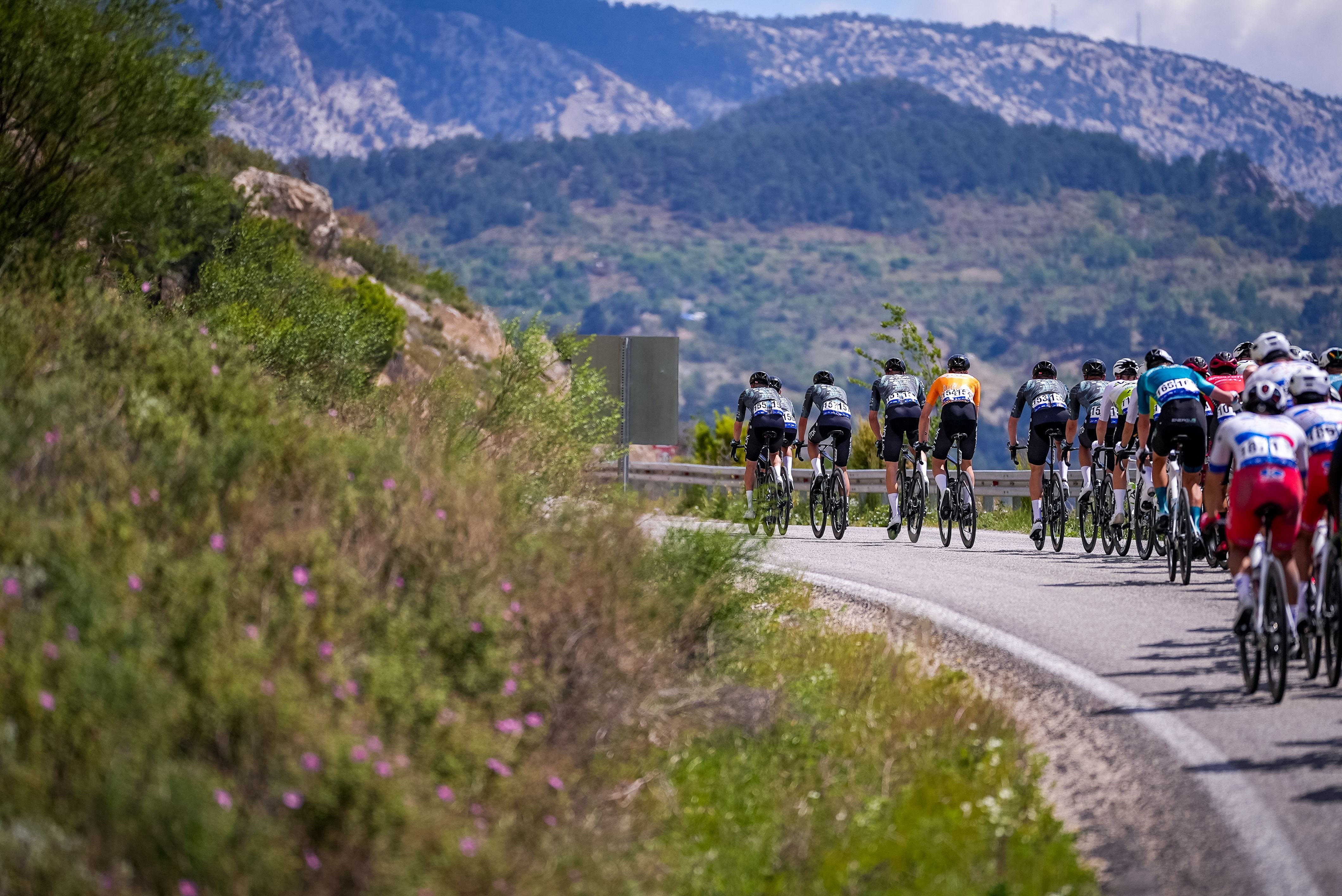
Infrastructure is another consideration. The host city needs to be able to absorb a significant influx of tourists and media without requiring extraordinary logistical coordination to make the event function. Climate and landscape tie directly into course design and calendar placement, reducing the risk of adverse weather. And a strong location has to deliver visually for viewing audiences. Course design can drive excitement, but the landscape itself determines whether a viewer sees the race as visually stunning or forgettable.
Race format and design
The race course itself will determine how desirable the event is for WorldTour riders and mass participants alike. Gravel has shown us again that riders are drawn to American courses that are a genuine test of fitness while weaving in an element of adventure. Course length also directly affects how the race fits into the WorldTour calendar and how worthwhile the trip is for athletes traveling from around the world.
WorldTour riders and teams will be hard to convince if an American race is either a one-day event or built around sprint finishes that Europe already offers in abundance. At the same time, a three-week tour makes no sense, and even a one-week race strains the WorldTour calendar, makes it difficult to sustain mass participation across every stage, and drives up operating costs.
An American road race needs to be an outright spectacle. It has to position its winner as someone who has conquered one of the hardest and most competitive events of the season, with action at every turn to hold viewing audiences and give mass participants a race worth traveling for.
Branding
Every component we have covered contributes to branding, which is ultimately what creates value for everyone involved, and especially for event sponsors. This is not a European road race, and it should not follow the traditional branding of European cycling events. This event’s branding should ruffle feathers in the industry and become one of the most talked about races on the calendar. In my mind, the race should be a spectacle in the vein of the Monaco Grand Prix of cycling.
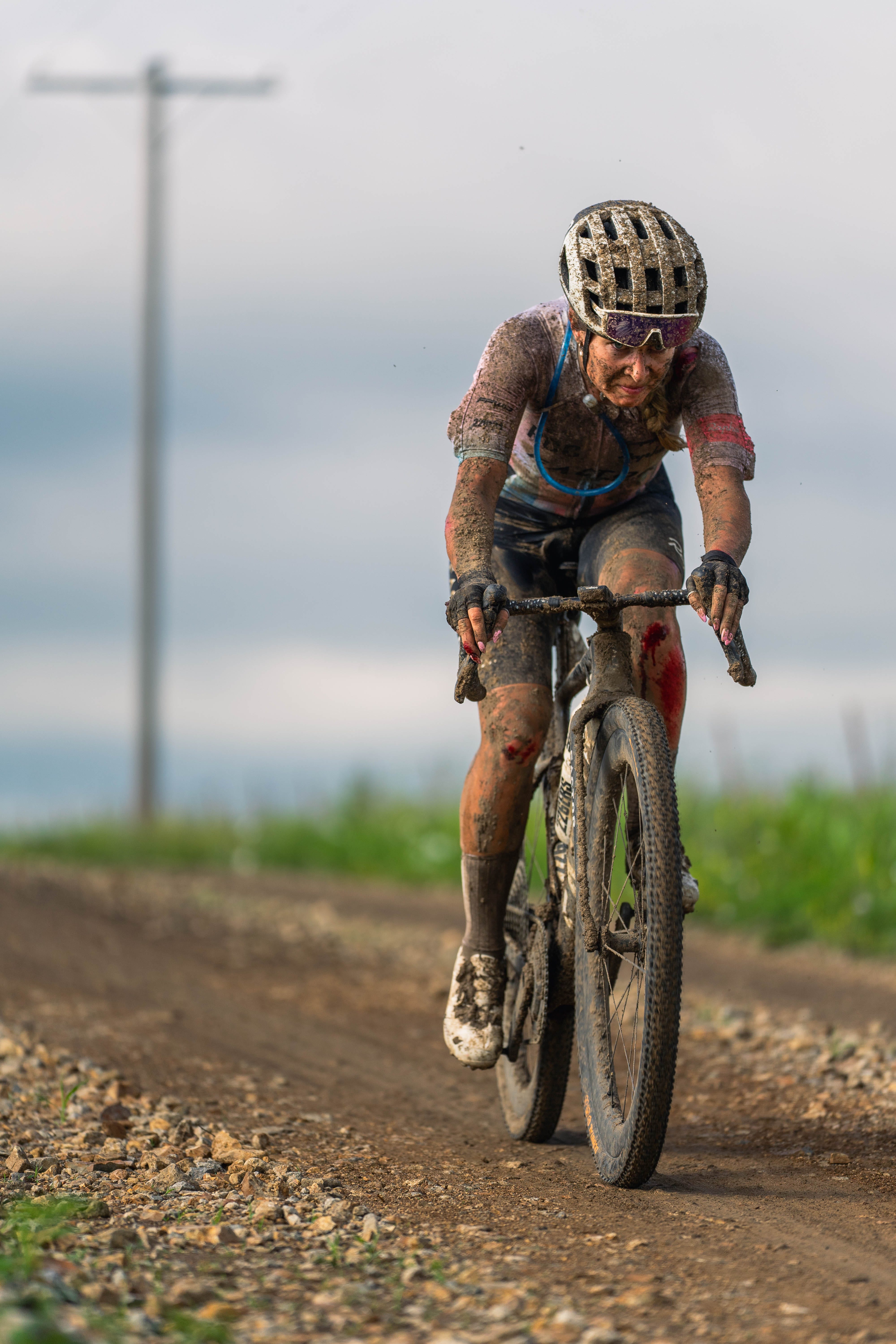
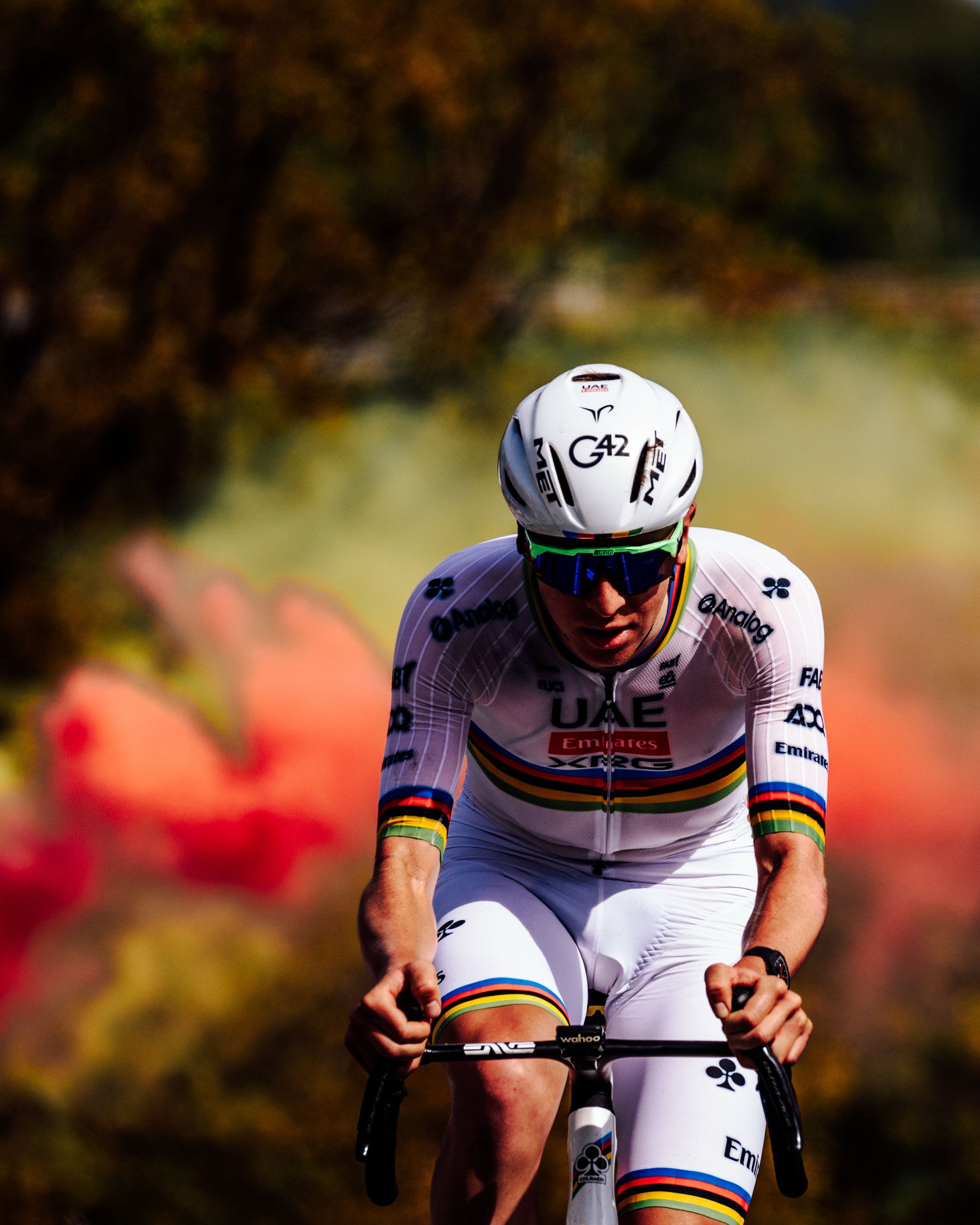
Part of breaking with European norms means making women’s cycling a major storyline. An American road race should have the women’s peloton race the exact same course as the men. In European road racing, the women’s field typically competes in shorter events, both in distance and overall duration. American gravel has pioneered a different standard by normalizing men and women racing the same event, and the United States could make a real statement in the WorldTour by carrying that philosophy into road racing.
Putting the logistical pieces together
Over the last year there have been rumblings of an effort to bring road racing back to America with the Tour of Colorado. USA Cycling even put out an official press release announcing the race in March 2025, with the event slated for September 2026. If you look it up today, there is almost nothing to find beyond that original announcement.
If you have information I do not, please share it in the comments, but I am skeptical this race is happening in a matter of months. The original announcement described a five-day stage race featuring high-alpine course profiles designed to test the world’s strongest riders. Without any follow-up coverage and with the race nowhere on the WorldTour calendar, I think it is safe to say this one is not bringing road racing back to the United States.
Why bring it up? The race I am pitching will share some DNA with the Tour of Colorado, but with key deviations that I think make it more viable. I am writing this sentence at the Denver airport, which feels fitting, because I do believe Colorado offers the most compelling race possibilities in the United States. It has the views, the climbs, and the brutal altitude. The building blocks are there.
If we take my key considerations for success and apply them, a traditional one-week stage race through the state runs into immediate problems. It follows a formula that already works in Europe and adds significant logistical complexity moving the peloton across a mountainous state over five days. My suggestion is a shorter stage race where every stage departs from the same location. That single change cuts down on race duration and eliminates the need for daily transport. No team buses moving across the state, one centralized command center for race operations and broadcasting. For mass participants, the simplicity becomes even more valuable. One accommodation, one travel route, one base for the week.
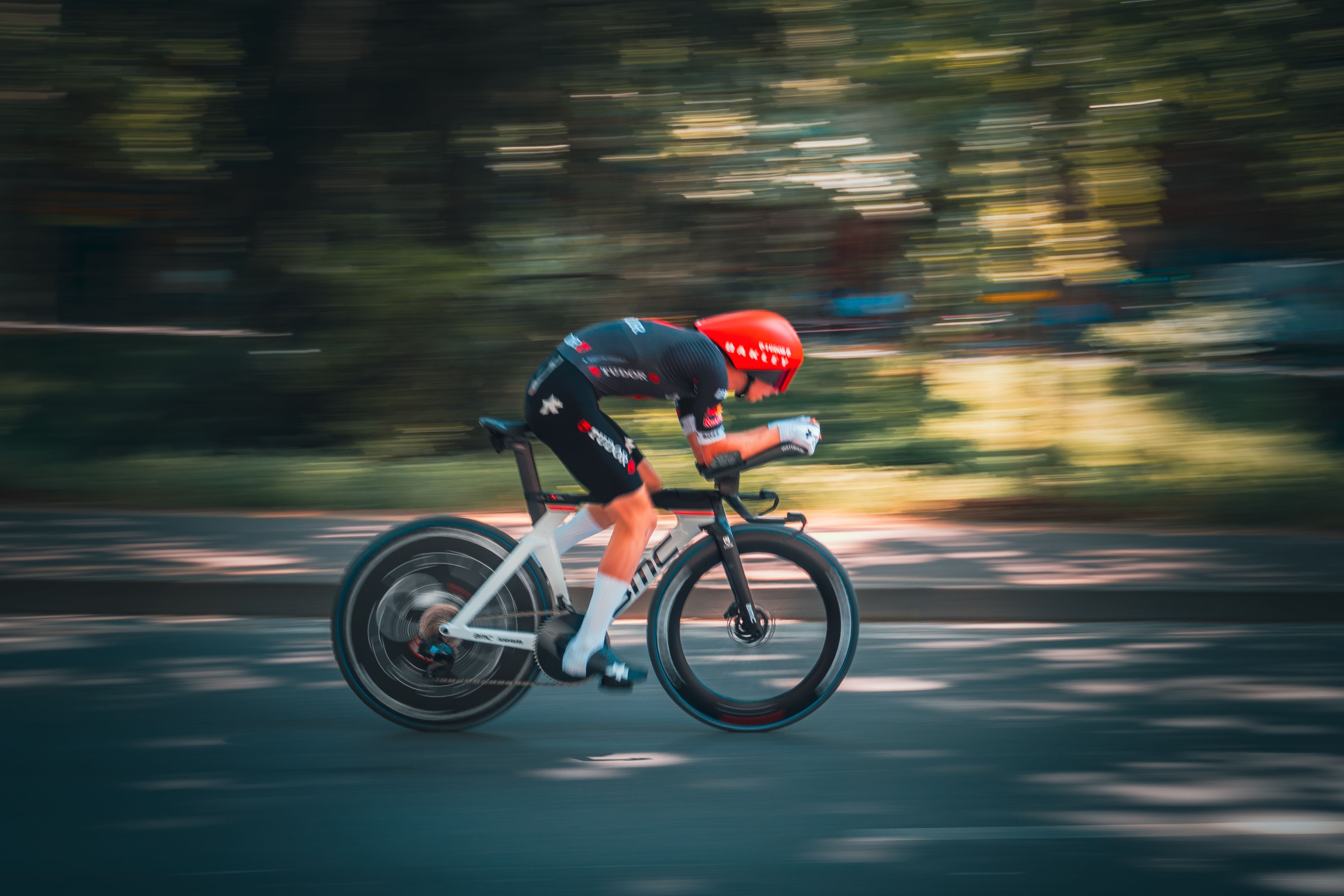
With that in mind, my proposal is a three-day stage race based out of a ski resort town like Aspen. Arguably the most recognized ski destination in the world, Aspen is no stranger to heavy tourism or high-level sporting events, with the X-Games taking place there annually. Surrounded by dozens of high-altitude peaks, each stage could be designed with genuine brutality and the race could legitimately become one of the hardest events on the WorldTour calendar.
To reduce logistical complexity further, one of the three stages could be an individual time trial consisting solely of an above-category climb. The trickier logistical question is mass participation. It is feasible and fairly standard for the men’s and women’s pelotons to race on the same day, but mass participants would need to be staggered to the following day. Road closures held over multiple days is a real constraint, and this admittedly introduces some safety considerations, though most amateur road races in the US currently take place on open courses.
On timing, the original Tour of Colorado timeline actually makes sense. It slots into the WorldTour calendar reasonably well, with the main conflict being the Vuelta a Espana. A mid-September race gives riders who competed at the Tour de France enough recovery time to show up competitive, and leaves room for athletes to still target the World Championships at the end of the month.
Back to branding
All roads lead back to money, so how does picking a resort town like Aspen contribute to a race rich with financial opportunity that catches the attention of sponsors, teams, and spectators? I said the United States should be breaking traditions, ruffling feathers, and creating a spectacle, and some of what I am about to pitch will reflect that. Parts of it might even be uncomfortable, but they are grounded in the harsh realities I see for cycling in this country.
Aspen is home to one of the wealthiest populations in America year-round. From media personalities to tech moguls, the town draws people who are recognizable to the public, to riders, and to sponsors. The executives who lead the organizations most likely to sponsor an event like this probably have residences there. That concentration of wealth could create exactly the kind of spectacle we are after, something closer to the Monaco Grand Prix than a traditional road race, and that visibility translates directly into capital for the event and for the teams that perform well there.
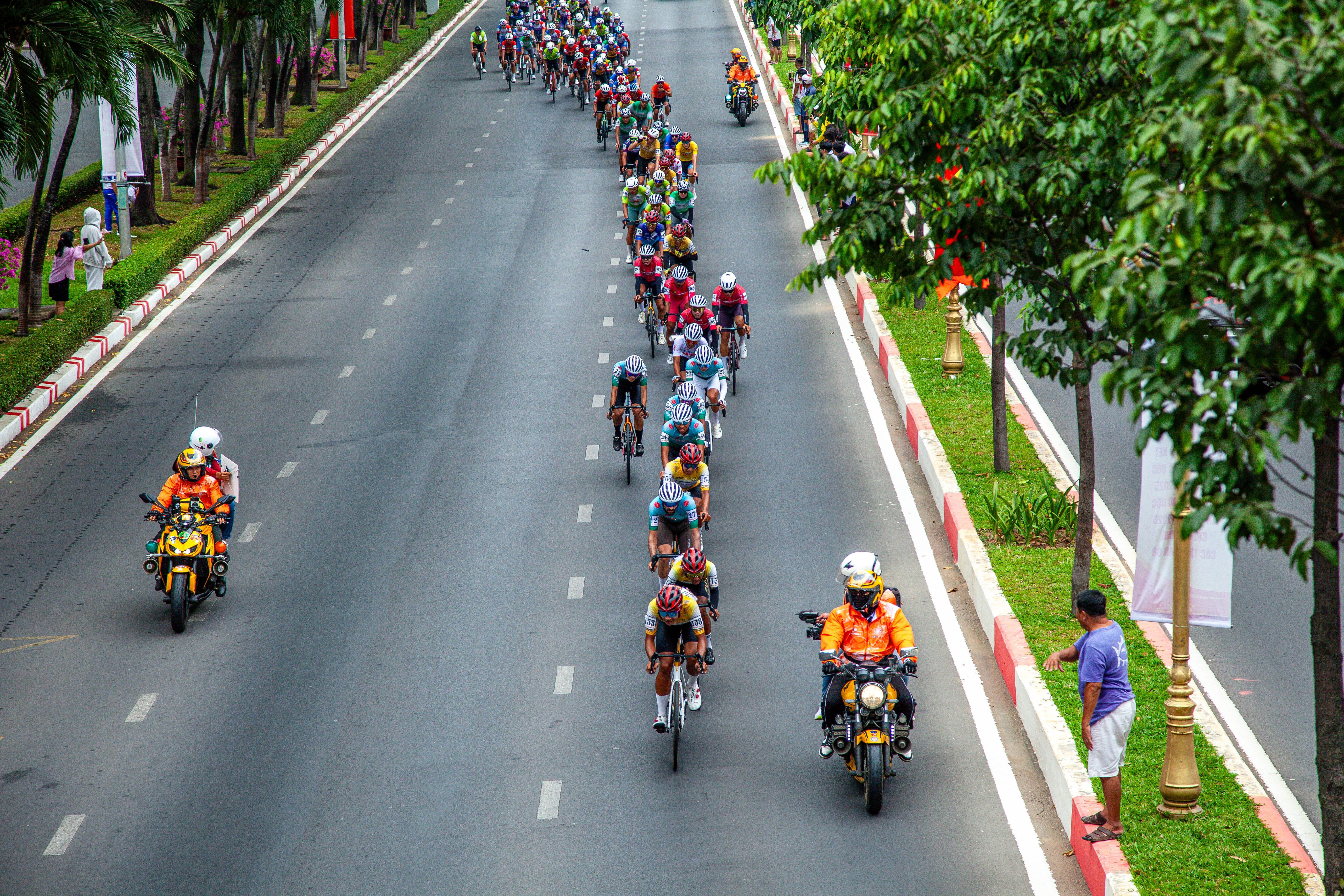
A potential risk is pricing out mass participants, though it seems unlikely that a WorldTour race would overwhelm the tourism infrastructure of a town built to handle Aspen-level demand.
Getting liftoff
Since starting Built on Bikes I have written extensively about getting more investment into the sport, whether that is development teams or races, so I will not dedicate a full section to it here. With that said, once there is enough financial investment to get the race off the ground and mass participation is creating stability, there is a path to WorldTour status by incentivizing participation from pro teams with strong social media followings.
Teams like Unibet-Rose Rockets, Modern Adventure Pro Cycling, and EF Education-EasyPost are known for high viewership across their social media channels. Of those three, only EF holds WorldTour status, which means there is an opportunity to drive strong engagement from the start by targeting Pro-Continental teams of this profile. Combined with mass participation, the conditions exist for viral moments that make the event impossible to ignore for sponsors, teams, and fans alike.
My idea for bringing WorldTour racing back to the United States probably will not be the one that does it, but I hope this piece shows how we could be thinking about the problem. Mainly, that bringing calculated risks to branding and race design might be what it takes to offer something truly unique to WorldTour teams. Disciplines like gravel have shown us that something different can take off, so maybe it is time to embrace that philosophy on the biggest stage we have.
Ride and rip,
Kyle Dawes
All of the off-season condos in Snowmass would make team and staff accommodations simple. Aspen is a great option
Interesting that you mention Tour of Colorado. I have been trying to reach out to them and have gotten nothing back. Very suspicious it will not happen.