


I do my best to stay up to date on macro trends within the cycling industry, and recently I came across a LinkedIn post from Wyatt Wees, host of The Business of Cycling podcast. In that post he surfaced an article from Cycling Weekly that painted a telling backdrop for the industry heading into 2026. My takeaway: 2026 is a big year for major brands to prove they can turn their sales and revenue numbers around.
The article highlighted Shimano seeing three straight years of declining profits, Giant’s profits shrinking by nearly half, and Canyon watching a third of its EBITDA disappear in 2025. Tariffs, inventory overhang, and deflation in China emerged as the primary macroeconomic factors weighing on big brands. The CEO of Giant summarized the environment simply by calling it “a feast and a famine.” All I could see in the article was famine, which raised an obvious question: who is feasting right now?
The answer, as I have written before, is smaller cycling companies with streamlined operations that are outperforming industry giants in key areas like margins, profits, and capital efficiency. While I have written about how brands like Pas Normal Studios are executing more efficiently than larger competitors like Rapha, I have also discussed how these smaller brands are becoming attractive targets for investors looking at M&A opportunities.
In my M&A article, I reviewed a market report from Houlihan Lokey that identified the key trends driving brand growth and stability. The main competitive advantages that emerged were:
Vertical integration
The ability to sell direct-to-consumer
Strong brand identity
In that piece I highlighted brands I thought were ripe for acquisition and strategic investment, but I also briefly mentioned a company that had navigated two separate acquisitions while maintaining its brand identity with zero erosion from either transaction. That company is ENVE Composites.

With industry giants struggling, ENVE presents a genuinely interesting case study: a brand firmly established in the market while still being small enough to avoid the weight of being an industry giant. That positioning gives them a real opportunity to become a leading bike frame and component manufacturer if they play their cards right. They could realistically establish themselves as the go-to brand for mid to high-end bikes and components, taking meaningful market share from companies like Specialized and Roval, Trek and Bontrager, Scott and Syncros, and Giant and Cadex.
ENVE Composites
ENVE’s history as a company is an important part of understanding their path to accelerated growth in the near term. The Utah-based company was founded in 2007 under the name Edge Composites before rebranding to ENVE Composites in 2010. From the start, they focused on producing high-end carbon fiber cycling components including wheels, rims, and handlebars.
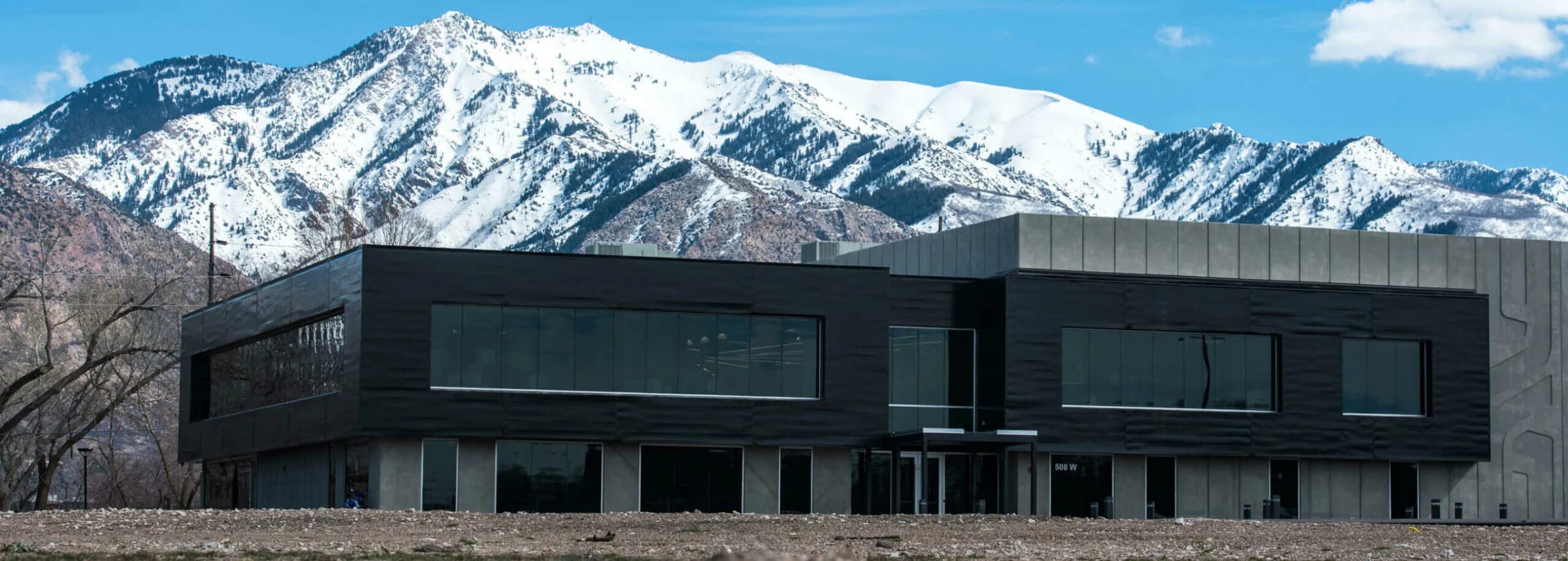
Throughout their history, ENVE has resisted industry norms by keeping manufacturing operations within their Utah facilities rather than outsourcing to Asia. That commitment to domestic, quality-first production helped establish them as a recognizable and respected brand at the premium end of the cycling components market.
As I mentioned in my piece on M&A trends, ENVE was acquired by Amer Sports for $50 million in 2016 and later sold to PV3 Investments in 2024 for an undisclosed amount. While those transactions appear to have had relatively little effect on the company’s overall strategy and direction, a significant inflection point came in 2021 when ENVE began producing their own bike frames for road and gravel.
Today the brand has built a reputation for best-in-class products, most visibly through their relationship with the top WorldTour team, UAE Team Emirates, and the sport’s dominant rider, Tadej Pogacar. ENVE’s refusal to cut corners or outsource for the sake of margins has made them one of the most prestigious brands in the industry.

Seizing the current opportunity
That same commitment, however, may now be working against them. Their 2024 sale for an undisclosed amount suggests their market share has remained relatively fixed, raising the question of whether their premium positioning has come at the cost of broader growth. It is the tradeoff that company leadership will need to carefully assess when considering future growth plans.
2026 presents a significant opportunity for stable, well-positioned brands to take market share from struggling industry giants. The question is how ENVE capitalizes on that window. The answer lies in leaning into their strengths more aggressively and expanding their reach faster than they have historically been willing to. Before we dive into how they do that, we should take a moment to acknowledge what has positioned them to take advantage of this unique opportunity.
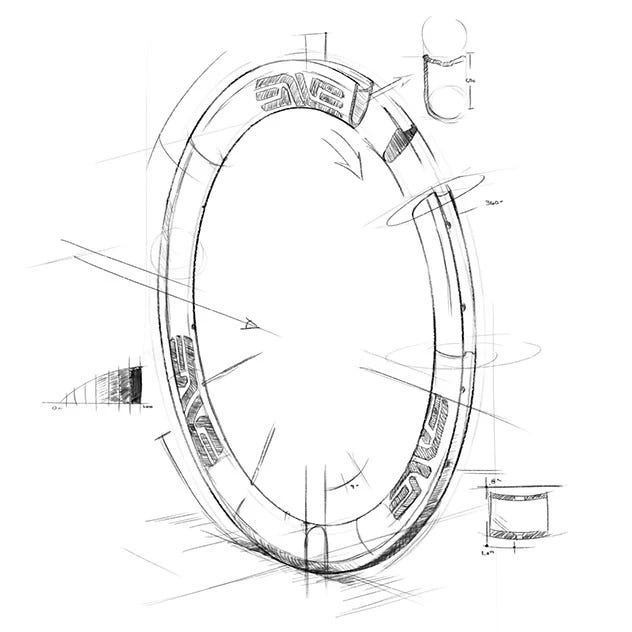
Bikes are the catalyst for deeper vertical integration
Of the three competitive advantages I surfaced in my M&A article, ENVE has already nailed strong branding and direct-to-consumer capabilities. The area where they excel but could build on further is vertical integration.
Vertical integration is when a company owns more parts of its supply chain. ENVE already owns manufacturing and direct-to-consumer distribution, but there are still gaps in their product lineup that represent untapped opportunity. By introducing bike frames, ENVE effectively entered a small league of brands that touch virtually every product used on a ride. That is a meaningful shift, even if it does not fit the traditional definition of vertical integration perfectly.

In doing so, ENVE is moving away from being purely a components company and toward being a full bike manufacturer, more closely aligning with brands like Trek, Specialized, and Scott. The key distinction is that each of those brands started by making frames and later acquired third party companies to build out their in-house component lines, think Bontrager, Roval, and Synchros. ENVE did it the other way around.
That difference matters more than it might seem. By building components first and frames second, ENVE ensures better continuity across the entire product line, faster innovation, and performance that is optimized from the ground up rather than assembled through acquisition. For the remainder of this article, when I refer to vertical integration, this is what I mean: owning the production and sale of more product categories beyond road and gravel bikes, without relying on third party acquisitions to get there.
The challenges of further integration
The good news is that ENVE controls their own destiny if they choose to expand their product footprint. The bad news is that doing so would be expensive and carries real risk. As the old saying goes, you have to spend money to make money, and in this case the opportunity on the other side of that investment is significant.
ENVE may also have the right owner to pursue such a path. The majority shareholder, PV3 Investments, is the private investment vehicle of Mark Hancock, founder of PACS, a publicly traded healthcare company worth billions. According to Forbes, Hancock has a personal net worth of $2.3 billion, meaning PV3 is well positioned to inject meaningful capital into ENVE if they choose to do so.
With ENVE’s most recent post-money valuation estimated at around $20 million according to Pitchbook, even a modest capital injection could go a long way. Two million dollars in new R&D represents just 10% of the company’s estimated value and a fraction of a fraction of Hancock’s net worth. It is safe to say that many bike manufacturers would consider that funding position enviable.
Whether that capital ever gets deployed remains to be seen, but even if it does, macroeconomic headwinds would still need to be navigated. Inflation and softer consumer spending are pressuring ENVE’s core customer base, while tariffs are raising production costs on the supply side. ENVE assembles their products in the United States, but they do not produce their own raw materials. The primary one, carbon fiber, is imported entirely from Japanese auto manufacturer Mitsubishi, which is currently subject to a 15% base tariff on US imports. That added cost gets passed along the chain and ultimately lands on consumers who are already feeling the squeeze.
The natural question is whether vertical integration could extend to raw material production. The honest answer is probably not. Carbon fiber is not widely manufactured in the United States, and acquiring a manufacturer would be well beyond ENVE’s current scale. It is also likely that sourcing domestically would cost more than importing even with tariffs applied. This is simply a cost of doing business, and importantly, it is an industry-wide problem. ENVE is far from alone in dealing with it and it should not be a reason to slow production or investment.
Consolidate before the expansion
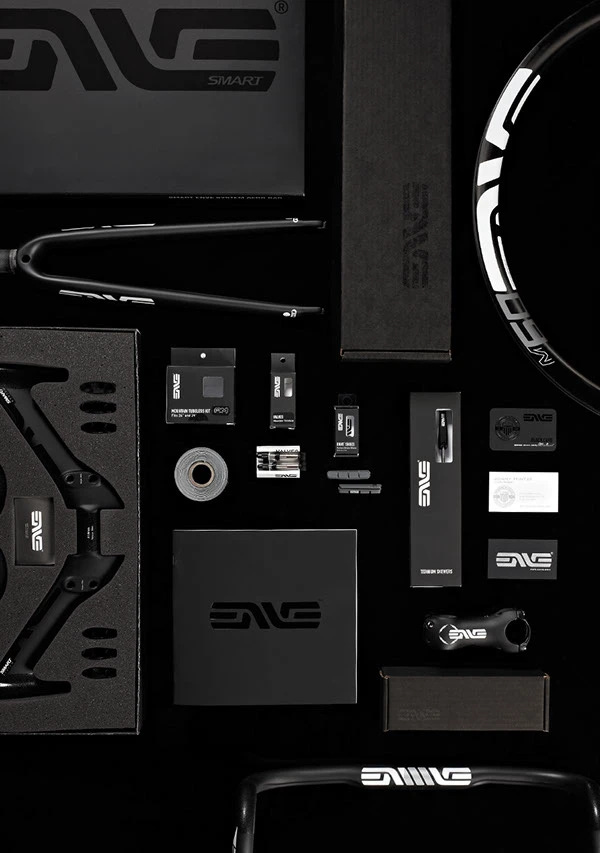
There is one final consideration before we get into what an ENVE market expansion could look like. Alongside any capital injection, ENVE should take a close look at their current product lines to determine whether there are auxiliary categories diverting resources that could be better deployed toward expansion. Without access to their financials it is difficult to say definitively, but product lines like cycling clothing, tires, and tools feel peripheral to the company’s core identity and competitive advantage.
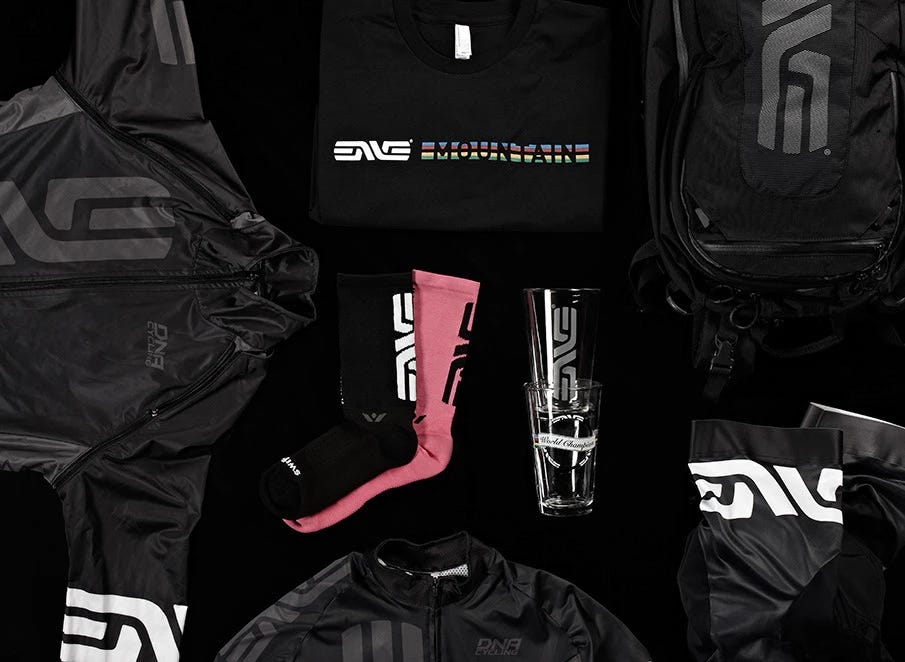
Depending on the cost and profitability of those lines, freeing up resources by cutting them entirely could be a smart move before pursuing something larger.
Where ENVE could expand
It didn’t take me long to think of product lines that could be successful expansions for the brand. Looking at their competitors like Specialized, Trek, and Scott, there is plenty of inspiration to draw from and gaps to fill. Some of the expansion areas I suggest are provided through these competitor’s in-house brands we mentioned earlier, and some are not manufactured at all by the competitors or their in-house brands. ENVE can innovate and improve off their competitors and do it more efficiently. Here are the areas that make sense.
Suspension
This is a product category that none of the major brands currently cover, which may be by design, but I think ENVE has an advantage that their competitors do not. Large bike manufacturers typically outfit their gravel and mountain bike frames with third party suspension systems, most commonly RockShox or Fox. There are boutique suspension brands beyond these two, but RockShox and Fox have set the industry standard, making it far more cost effective for large manufacturers to spec their builds with existing systems rather than developing proprietary alternatives that would struggle to compete with the brand recognition those names carry.
Brand recognition and reputation. Sound familiar? ENVE is widely regarded as the premier high-end component manufacturer, and a move into suspension would make a significant splash. It would become a sought after option for riders and teams almost immediately.
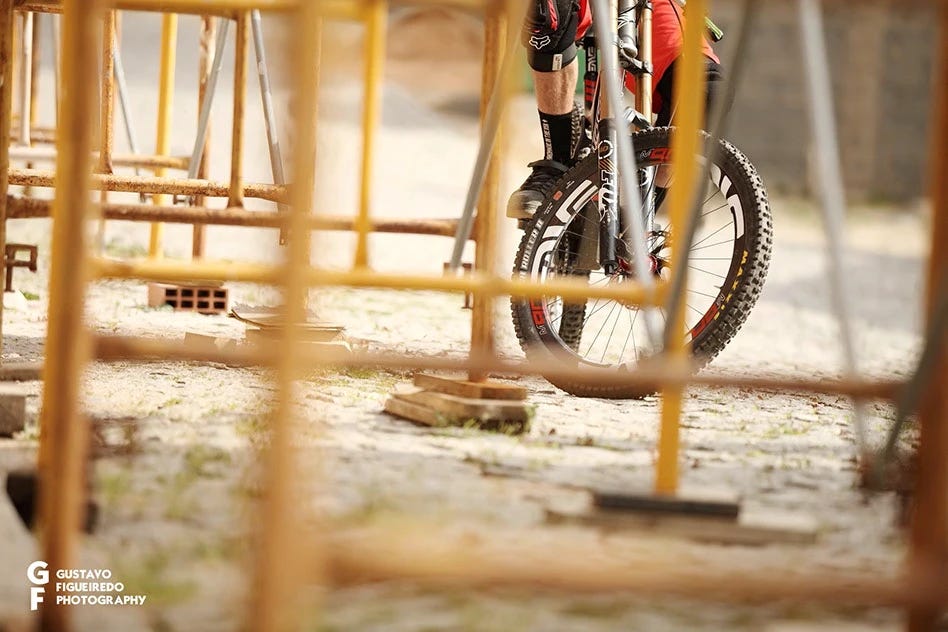
The natural pushback is that ENVE does not even make mountain bike frames yet, so why start with suspension alone? The first reason is cost. Suspension is already an expensive R&D undertaking, and adding a new frame category would multiply that investment significantly. The second is quality assurance. ENVE cannot afford to cut corners on either frames or suspension given how much their brand reputation depends on delivering best-in-class products. The third reason is strategic consistency. Starting with components before expanding to frames has always been ENVE’s development playbook, and there is no reason to abandon it now.
The rollout could be even more deliberate by starting with gravel suspension forks before moving into mountain bike suspension. Keeping the initial focus narrow and centered on performance, specifically race-oriented forks for gravel and cross country mountain biking, would give ENVE the best chance of launching a product that immediately earns the credibility the brand demands. As product expansions go, this one feels like a natural next step.
Gear
I know I just suggested that ENVE reevaluate auxiliary lines like clothing, but there is one hardware-adjacent category that could actually make a lot of sense. If ENVE were to manufacture shoes and helmets, they would be positioned to take market share directly from competitors, since major bike manufacturers already produce both. ENVE’s obsession with quality gives them a smarter entry point than most.
The story of the bike industry since COVID has largely been one of inventory overhang. Brands like Trek and Bontrager carry so many lines of bikes, shoes, and helmets that they are left with overstock they cannot move quickly enough. ENVE can sidestep that trap entirely by entering the market with a focused lineup: two shoe models, one for gravel and mountain bike and one for road, and one or two helmets.
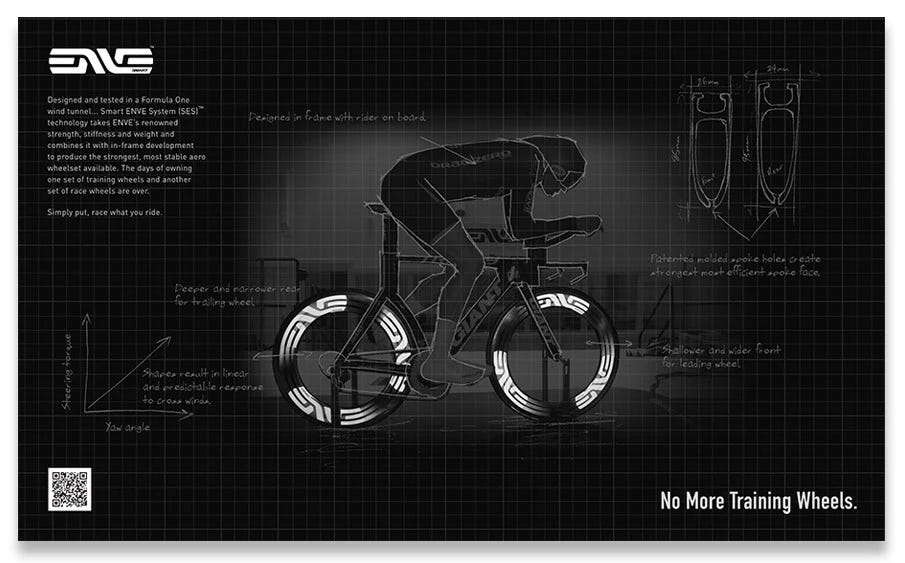
ENVE’s reputation for producing superior carbon fiber products creates an immediate opportunity to compete at the top end of the market, not just against the shoe lines of major bike manufacturers but against dedicated cycling shoe companies as well.
Keeping it simple
To be realistic, ENVE only needs to pursue one or two new product lines at a time, which is why the list above is intentionally short. The goal is to deploy resources effectively and maintain a slow, calculated expansion that compounds as the market adopts each new product. Once adoption and brand recognition in a new category are firmly established, ENVE can then reenter the R&D cycle for mountain bike frames and additional product lines beyond that.
A strategic acquisition that could make sense
One strategic acquisition stands out as particularly compelling: Ceramicspeed’s cycling division. Ceramicspeed is primarily a manufacturer of bearings used across a number of industrial sectors, but they have built a dedicated cycling arm focused on select componentry that ENVE does not prioritize, as well as drivetrain maintenance systems like their popular UFO Wax line. Ceramicspeed carries a reputation for best-in-class products that closely mirrors ENVE’s own, making it a logical addition if the finances make sense. Over time, a full rebrand under the ENVE umbrella would be a natural conclusion to that kind of acquisition.
How much of the market can ENVE capture?
With large brands struggling, the prospect of capturing market share is certainly exciting for ENVE, but how much of the pie can they realistically take? We know that major brands are pulling back significantly during these turbulent times, but it is worth asking how much of their trouble stems from their own strategic mistakes versus broader shifts in consumer behavior.
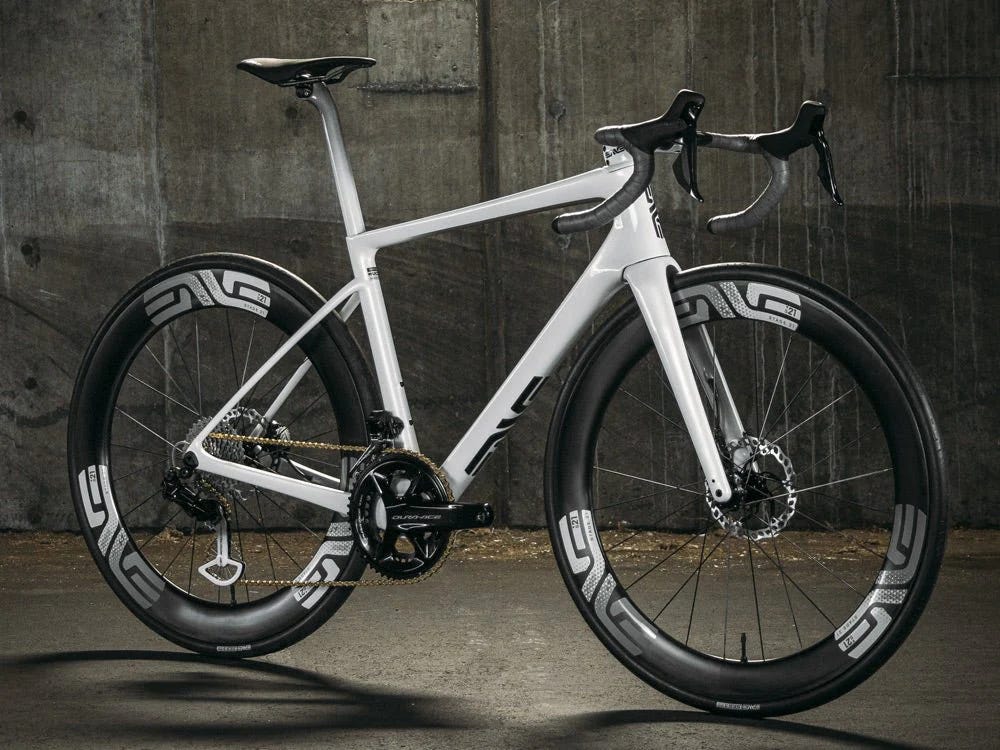
When we look at ENVE’s addressable market, high-end frames and components, the struggles of competitors likely lean more toward self-inflicted wounds than macro-driven demand collapse. ENVE’s frames start at around $4,100 and top out near $4,800. The consumers buying at that price point, and buying comparable bikes from competitors, tend to be wealthier individuals who are somewhat more insulated from macroeconomic pressure than the average consumer.
At that level, taking market share comes down to differentiation. Peter Abraham wrote a compelling piece on the state of the industry in 2025, and one of his central observations was how little differentiation exists between high-end bikes. With most carbon frame construction happening in Asia, bikes from different brands often share nearly identical manufacturing processes despite looking distinct on the surface. ENVE’s commitment to assembling frames in the US is a genuine and meaningful differentiator, particularly at a moment when competitor reputations may be softening.
Putting a precise number on how much market share ENVE can capture is difficult, but even single percentage points taken from brands the size of Trek, Specialized, and Scott will compound meaningfully over time. It positions ENVE to rise toward the top of a very short list of brands serious buyers consider when shopping at the high end of the market. It’s a hard task, but if ENVE sticks to their guns while taking some calculated risks, they have a unique opportunity to grow in the coming years.
A quick shoutout
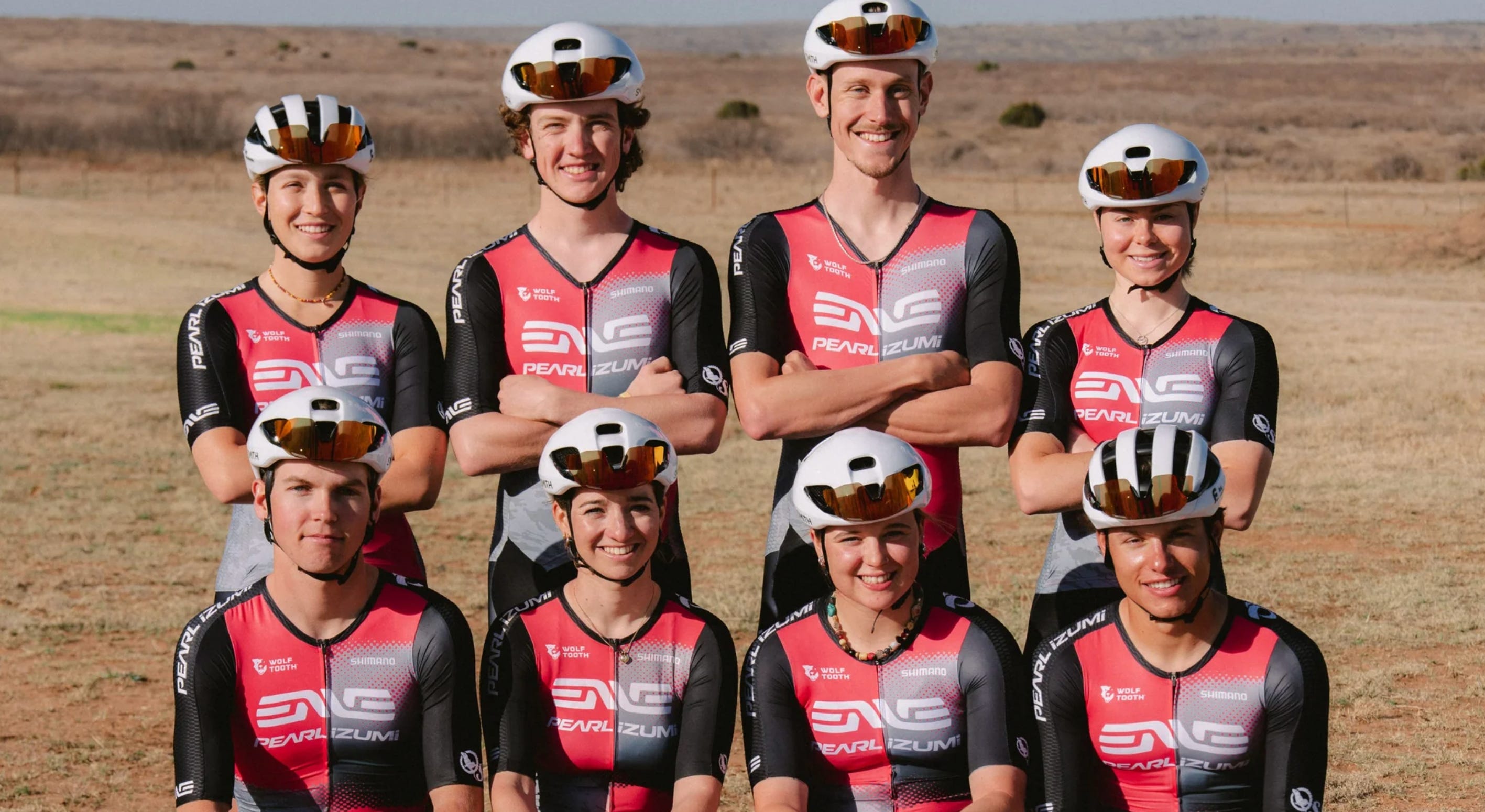
On a different note, I want to take a moment to highlight something ENVE is doing to give back to the sport. Recently, in collaboration with Alexey Vermeulen, ENVE launched a gravel development team called the MOG Squad. It is a genuine investment in the future of the sport from a brand that has always done things one way: the right way.
And a quick note
If you are reading this and will be at the Sea Otter Classic next week in beautiful Monterey, California, drop me a line at [email protected]. I would love to connect!
Ride and rip,
Kyle Dawes