


In my last piece reflecting on one year of Built on Bikes, I explained how I envision pairing my storytelling with select brands to create knowledge partnerships that can drive real change in America’s cycling development pipelines. It is an ambitious goal and convincing brands to come on board will not be easy. Part of my pitch will be about the value I can bring to a brand directly, but also about highlighting how investing in development programs could prove to be a sustainable and genuinely effective marketing opportunity.
The idea that brands can benefit from investing in development is not a new claim and has been touched on in previous Built on Bikes articles, but it is a topic I have never fully explored. What does success actually look like? What are the tangible benefits for brands that invest? Does the same strategy work across different types of brands? These are questions that need real answers before any brand commits to a development initiative.
The short answer is that sponsoring development programs creates early brand loyalty among the young riders who benefit directly. Beyond those riders spreading the word to family and friends, it gives brands an early entry point to identify supremely talented athletes who might otherwise be overlooked. If a brand is in the corner of the next breakout athlete, an entire generation of cyclists could grow up with that brand at the forefront of the sport.
These dynamics point back to one of my favorite topics: collegiate cycling programs. Collegiate programs present a compelling opportunity for forward-thinking brands to actively support domestic development, expand their brand footprint, and scout talent that could represent them for years to come. This piece will outline the rationale, the economics, and a practical action plan for brands considering a collegiate sponsorship.
Why investing in development works in the United States
Defining the scope of this pitch matters because it will not work for every brand depending on their objectives. If a brand sponsors a collegiate program, finds a talented athlete, and sponsors their professional career, that relationship will only hold if the athlete pursues a career within the United States. If a rider has a natural talent for road racing, going pro typically means joining a team with established sponsors that will make individual brand partnerships redundant. The hard truth is that athletes pursuing road or mountain bike careers at the highest level will likely be absorbed into teams with long-standing sponsor commitments.
That reality is real, but it does not tell the whole story. Professional careers built around the individual athlete are thriving in the United States. Across all disciplines, but especially off-road, the privateer model has become the default path for a growing number of young athletes. This is where early brand loyalty pays dividends. If a rider bursts onto the scene after years on a certain bike or in a certain kit, long-term partnerships generate genuine visibility across entire audience segments of a given discipline. If a sponsorship starts with something as simple as providing a free bike, the return on that investment can be substantial.
None of this is new and I am not reinventing the wheel, but to date most brands seem to be finding one-off sponsorships with young athletes they happen to encounter at events. That is not a bad strategy, but the talent pool is limited and the competition for junior sponsorships is fierce. Collegiate programs offer a more systematic approach, allowing brands to sponsor a larger number of athletes and play an active role in their development as they take the next step toward a professional career.
One pushback to this pitch might be the rapid rise of professional and development teams in disciplines like gravel, which could recreate the same sponsor saturation problem we see in road cycling. It’s a risk, but it could actually be a significant opportunity. Sponsoring a collegiate program gives brands something close to a development team while maintaining a relatively hands-off approach to the development process itself. Athletes at well-resourced universities already have access to coaching, facilities, and support structures that other factory teams would have to fund directly.
Professional level teams in off-road disciplines are anything but rigidly defined, which means brands without a team at the professional level can sponsor collegiate athletes and remain agile in how they support those athletes as they transition from collegiate to professional careers.
What does sponsoring a collegiate program look like?
As with so many topics covered on Built on Bikes, it depends. Ultimately it comes down to the budget and scope of sponsorship a brand has in mind when entering the market to partner with collegiate programs. Scope is the key word, because what a collegiate cycling program looks like can vary considerably. Considerations include:
Whether a school has a varsity program or a club program
Whether a brand wants to sponsor one or both
What disciplines are predominantly raced by the athletes in a given program
Whether it makes more sense to sidestep pure cycling programs and sponsor a triathlon program at a major Division I university instead
How involved a brand wants to be in athlete development and direct support
Working through each of these points makes it clear that there are almost endless approaches a brand can take when sponsoring collegiate programs, making this an investment area that can work for brands of nearly any size.
Varsity and club teams
The difference between collegiate varsity and club teams has been covered at length in previous pieces, so this section will only outline the considerations a brand needs to weigh when it comes to program type. If a brand chooses to partner with a university that has only a varsity or only a club program, the scope of their commitment and the goals they want to achieve through the partnership are relatively straightforward to define.
Sponsoring a varsity team means direct access to athletes who have already developed to a level where they compete in higher level competitions. Brands can be confident these athletes are serious cyclists with the ability to show up at high-level events with meaningful university support behind them. Team coaches serve as a direct line of communication to keep a brand informed on which athletes might pursue a professional career and would be ideal candidates for a longer-term individual sponsorship.
Sponsoring a club team comes with more variables. Skill level, commitment, university support, coaching quality, and athlete access can vary considerably depending on the school. Partnering with a club team reflects a more grassroots commitment to getting more people on bikes, while still offering the possibility of working alongside high-level athletes who may have chosen a particular university for reasons beyond cycling rather than pursuing a varsity program elsewhere. Brands need to do more research upfront and should understand this is more likely to be marketing through enablement than through athlete influence. The opportunity to find a future star is still real at the club level, particularly if a brand can gain access to varsity athletes competing in other sports who might be naturally suited for cycling.
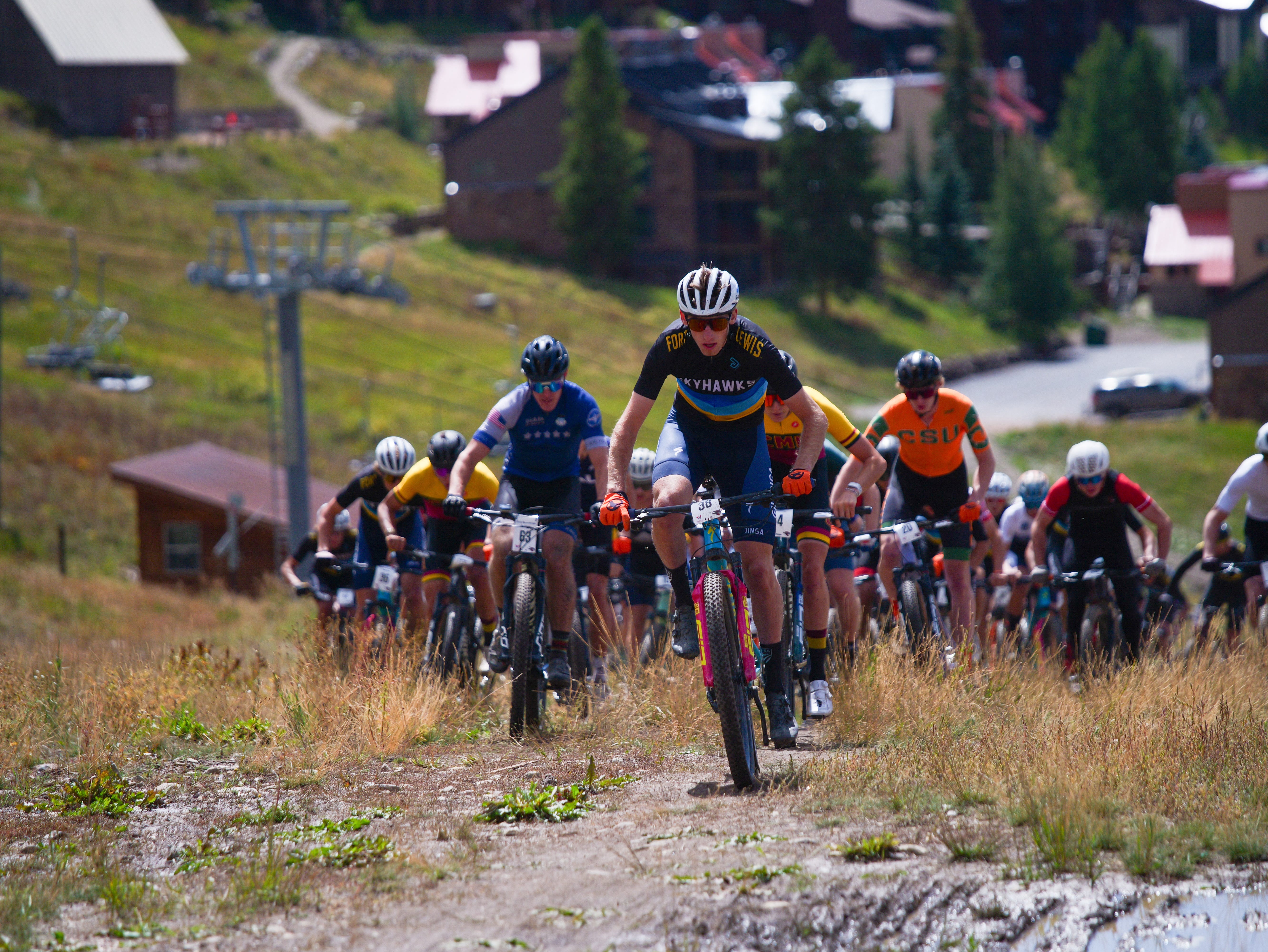
If a brand sponsors a university with both a varsity and a club team, a choice has to be made between supporting one program or both. Fort Lewis College has demonstrated how a close relationship between club and varsity programs can breed broader success, but supporting both also means significantly more athletes to provide product access and support to. Costs can escalate quickly, though one practical solution would be to provide free product to varsity athletes and offer club athletes a meaningful discount to incentivize adoption.
Budget and involvement
Taking a program’s size and breadth into account significantly affects the decision making process for bike brands, particularly for smaller brands still in a growth phase. If a program like Fort Lewis College has varsity and club teams competing across road, gravel, and mountain bike, then sponsorship can take many forms.
If a brand has a full line of bikes covering each discipline, do they provide bikes to every team, just one, or a mix of the three? The material cost of supplying product across multiple teams can add up quickly and create meaningful short-term financial pressure for a brand. It is important that a brand defines its commitment from the outset and makes its intentions clear to the program coordinator early. Collegiate programs receive very little support to begin with, so any sponsorship will be welcomed, but establishing clear operating guidelines will strengthen the relationship between brand representatives and program coordinators over time.
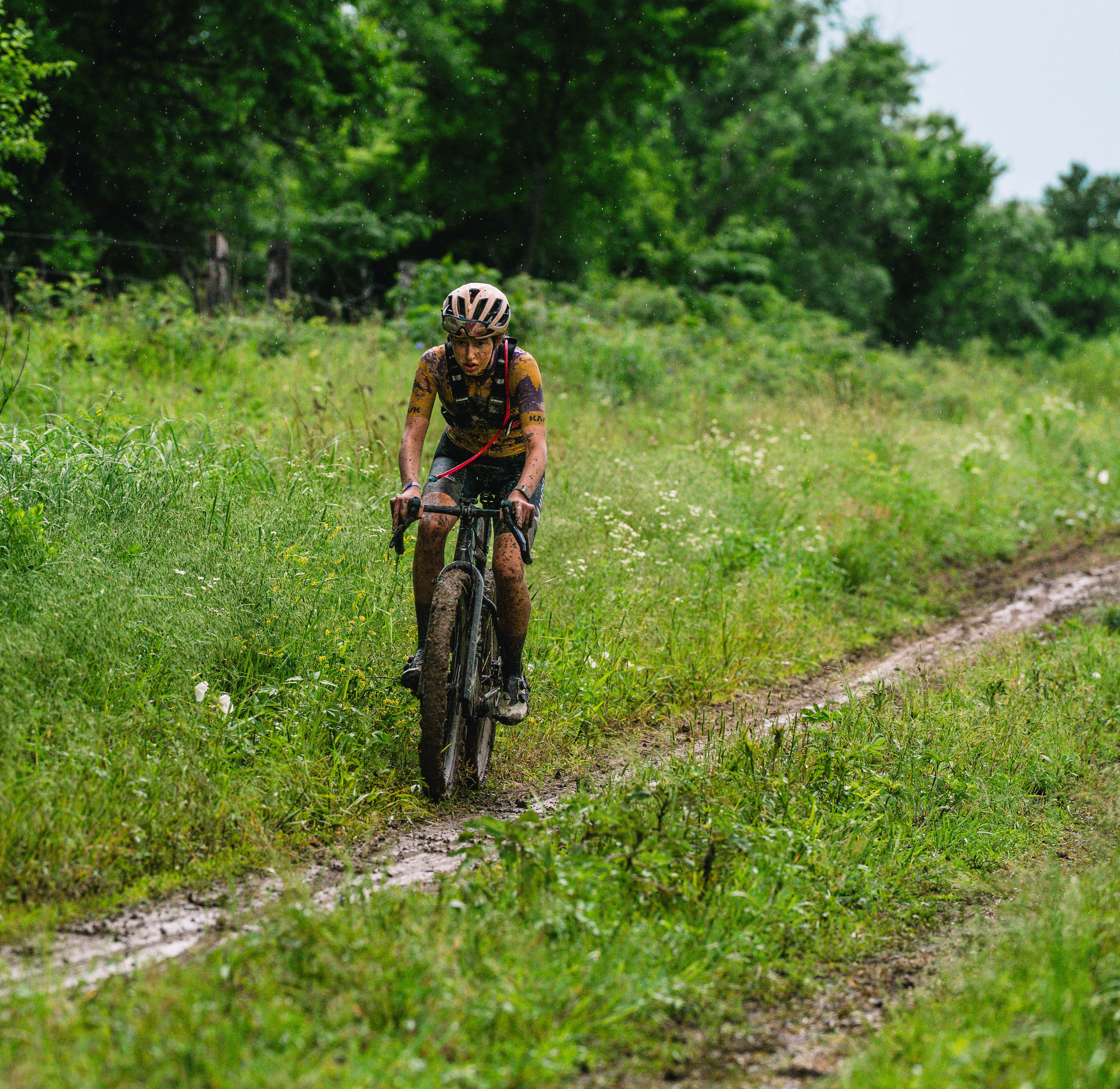
Brands should also be open to signing non-exclusive partnership deals, especially if their product line does not cover every discipline. Many brands carry gravel and road lines but not mountain bikes. If brands are willing to support a program alongside other brands with complementary product lines, the rising tide lifts all ships principle applies here as much as anywhere.
The final economic consideration is the depth of involvement a brand commits to. If a brand sees collegiate competition as a pathway to developing future professional talent, it will need to play an active role in that development to create genuine brand loyalty. Give an athlete a bike and they will be grateful. Give them a bike and become a meaningful factor in their development and they will carry a real bond with your brand into their professional career.
As Hayden Christian explained in his Built on Bikes interview, money was the deciding factor in his choice to pursue a privateer career rather than join a collegiate program. Joining a collegiate program would have meant paying dues to cover travel and equipment costs, whereas a privateer brand would cover those costs directly. This is a structural weakness in the collegiate landscape that brands are uniquely positioned to address.
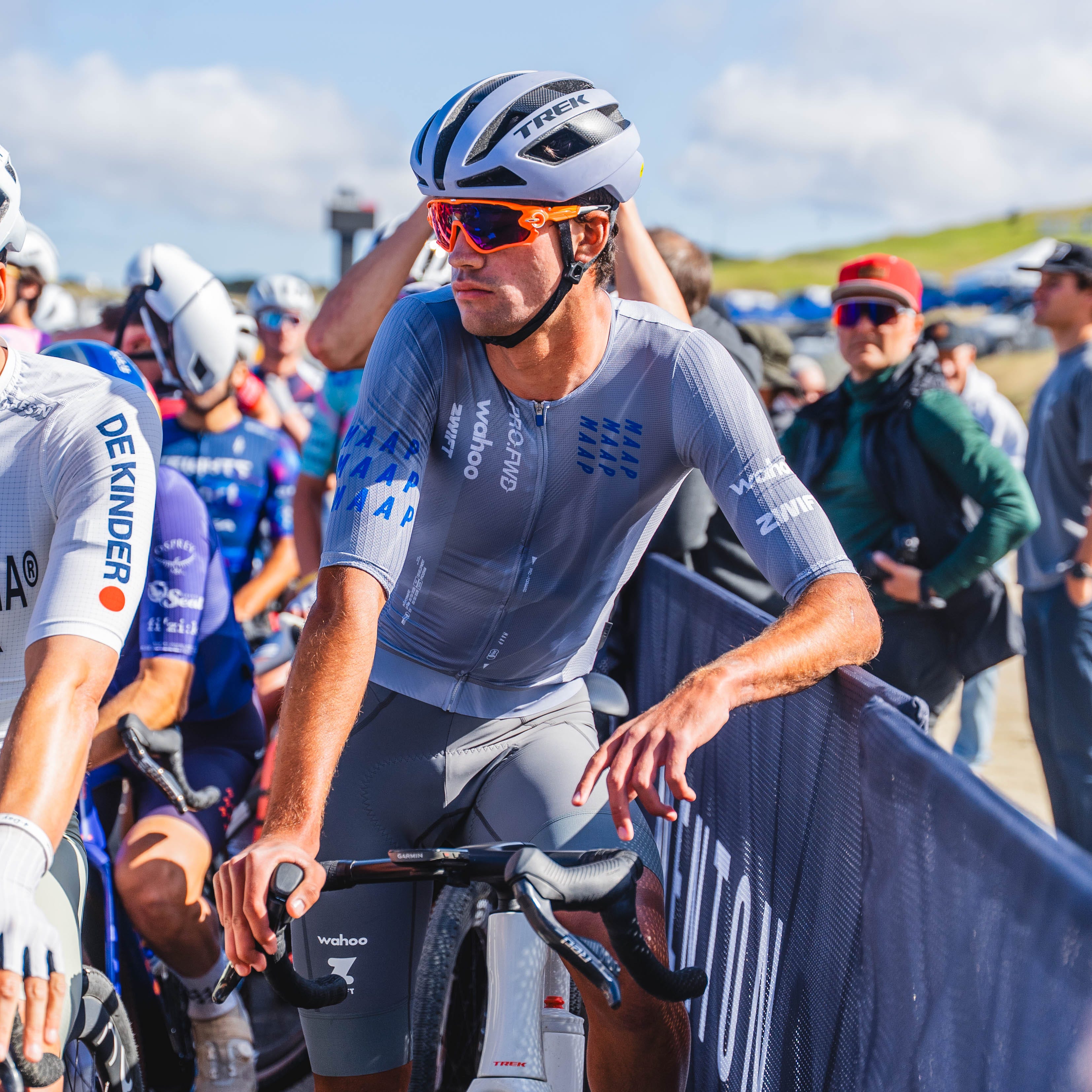
If brands have the financial resources to support program operations including travel, coaching, and general program costs, they could quickly attract top talent back into the collegiate system. Having spent time among junior athletes it is clear that a college education remains a priority for the majority of them, but balancing academics with a privateer career is extremely difficult. Development teams like Mach1 Devo and the ENVE Mog Squad are creating alternative pathways, but there will never be enough of these teams to support the growing number of athletes entering the sport. More professionally supported collegiate programs provide the right infrastructure, and brands should be leading the charge to build it.
Triathlon team sponsorship
Another topic covered in depth on this newsletter is how women’s collegiate triathlon has achieved NCAA classification, meaning high-level endurance athletes are now competing at large, marketable Division I institutions. I have not found a comprehensive study on the percentage of female cyclists who opt to join collegiate triathlon teams versus pure cycling programs, but my hunch is that triathlon pulls talent away from cycling because of its NCAA classification and the prevalence of teams at prominent academic institutions.
The goal should be to have cycling and triathlon programs at all NCAA institutions, but until then, triathlon cannot be ignored as a space where cycling brands can have real impact. Even at Division I universities, it is rare for triathlon teams to have an official bike sponsor. Athletes are still expected to source their own bikes and equipment for competition and training. It is hard to imagine a triathlon program turning down support from a bike brand, particularly if that brand creates room to encourage athletes to enter pure cycling events when they are not competing in triathlon.
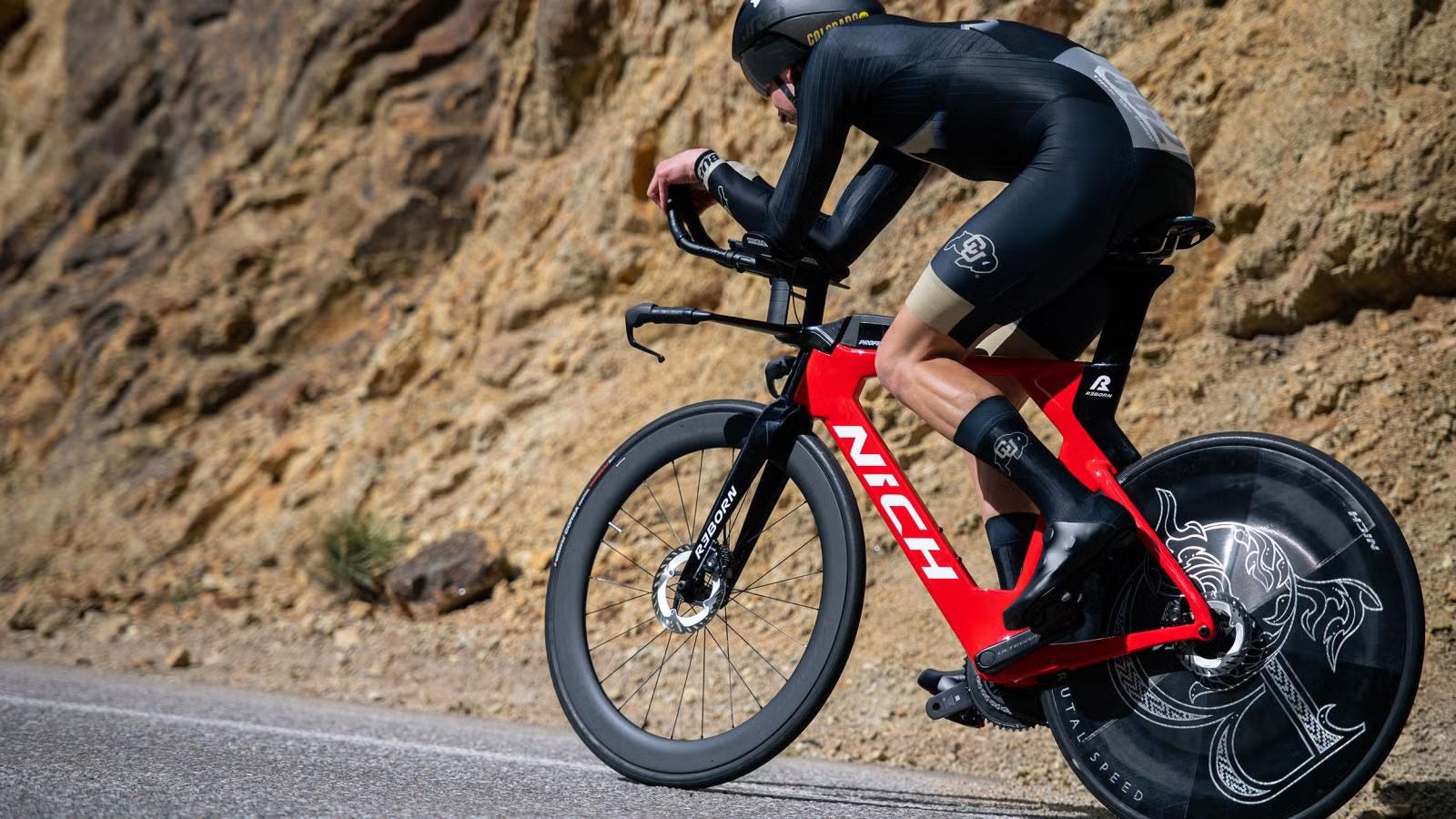
The idea is not that every athlete would be steered toward cycling as their primary discipline, but that programs and brands could work together to identify particularly gifted athletes for whom a cycling career might be genuinely viable. By default, NCAA triathlon programs cover costs associated with operations and travel to triathlon events, so for a select few athletes, brands could easily absorb the cost of supporting travel to and entry in cycling events. An added benefit for universities is that these athletes would represent their school at cycling events, effectively creating an unofficial varsity cycling program. With women’s cycling offering more professional opportunities than ever, NCAA women’s triathlon partnerships deserve serious consideration from cycling brands.
What brands can benefit the most from collegiate sponsorships?
There is something to be gained from sponsoring collegiate programs for any cycling brand, most importantly a reputation for supporting the growth of the sport in America. While that benefit applies equally across brands, certain companies stand to generate greater impact and achieve more visibility through a collegiate partnership. Bike brands would be the greatest beneficiaries.
Bike brands have the most to gain by making the sport more accessible to athletes, upgrading the single most essential piece of equipment for competition, and bringing the deepest pockets and most experience when it comes to athlete support. Being the primary piece of equipment means bike brands will also receive the most visibility and recognition for their contributions. If a collegiate team is active in their local community or on campus, people who see athletes riding around will make an instant connection to the brand and are more likely to consider that company’s products when they enter the bike market.
Whether a bike brand is an industry giant or a relative newcomer also influences how effective a collegiate sponsorship program can be. There is a reason major brands like Trek, Specialized, and Giant are not sponsoring collegiate programs: they simply do not see the need. If these brands can afford to sponsor WorldTour and World Cup teams, marketing at a level as granular as collegiate cycling is not an obvious priority. That said, I would argue these brands have reached a maturity level where doing something genuinely mission-driven could actually help revive brand image beyond their status as industry giants.
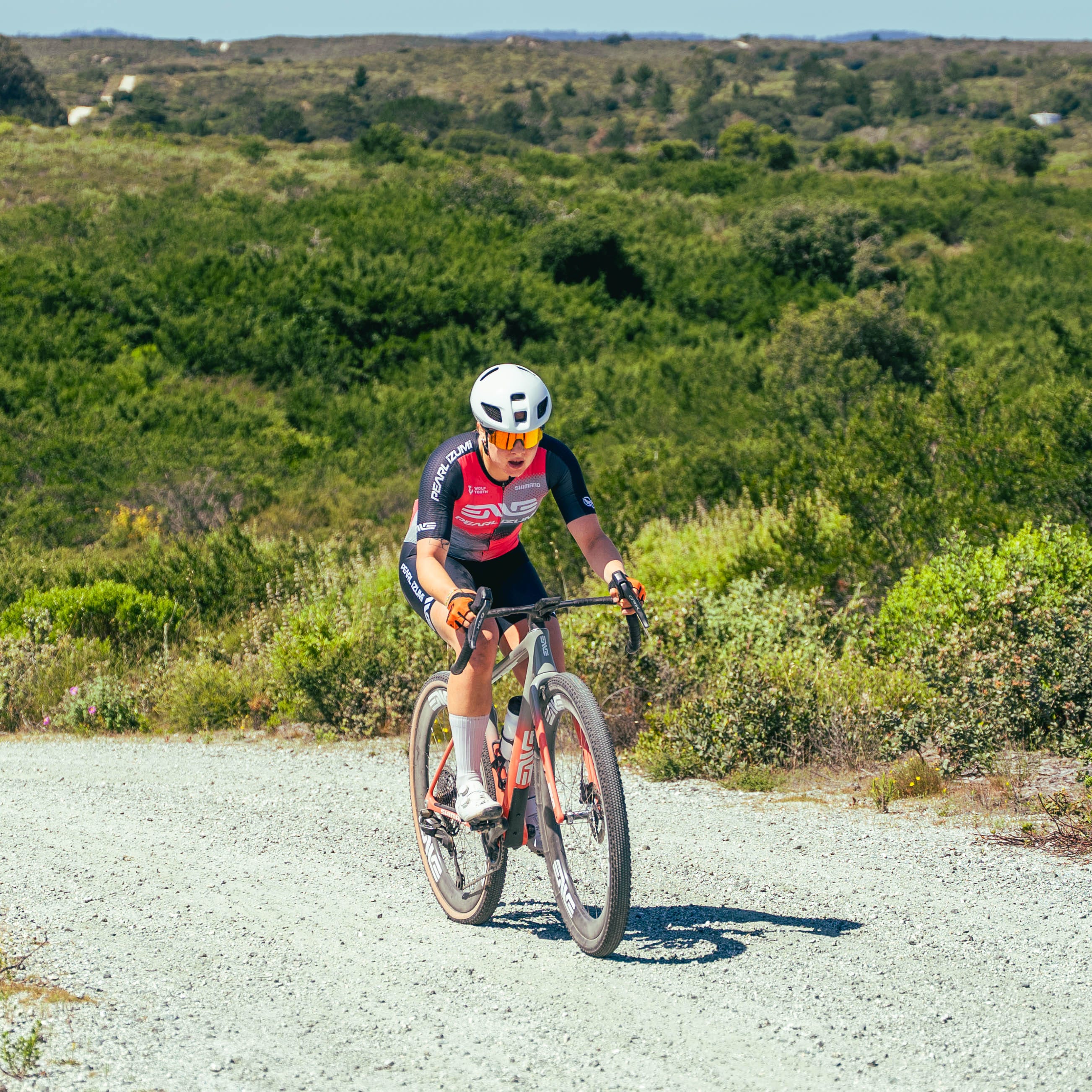
At the other end of the spectrum, collegiate sponsorship for very small brands carries the risk of straining finances at critical moments during a growth phase. For this reason, mid-sized bike brands are uniquely positioned to benefit from sponsoring a collegiate program. Their operations have matured to the point where they can provide inventory to athletes without putting the business at risk, but they are not yet at a scale where they can afford to sponsor teams at the highest levels of the sport or recruit young talent simply by outspending the competition.
Other brands including nutrition, apparel, and component companies also benefit meaningfully from program sponsorship. All of these are products that require more frequent replacement and, in the case of nutrition, constant restocking that becomes costly for individual athletes. While these products may not earn the same recognition a bike brand would, within a collegiate program they would be seen as just as valuable given how frequently athletes interact with them. Even if athletes do not pursue a professional career after college, most will continue cycling. Brand loyalty to a bike company might result in one significant purchase every five to ten years, but loyalty to nutrition, apparel, and component brands compounds into monthly and yearly transactions over an entire athletic lifetime.
The bottom line is simple: any brand with a product relevant to endurance athletes has room to benefit from sponsoring a collegiate cycling program.
Practical examples
Since I have already been having these conversations with brands, it felt useful to go ahead and outline some of the ideas I have been developing. If a brand reads this and thinks it is worth pursuing, by all means take it and run with it. The goal is to grow collegiate cycling and if anything here can catalyze real action, that is a win. Here are some specific examples of what I believe to be effective development initiatives for both brands and collegiate programs.
Ventum x D1 triathlon program
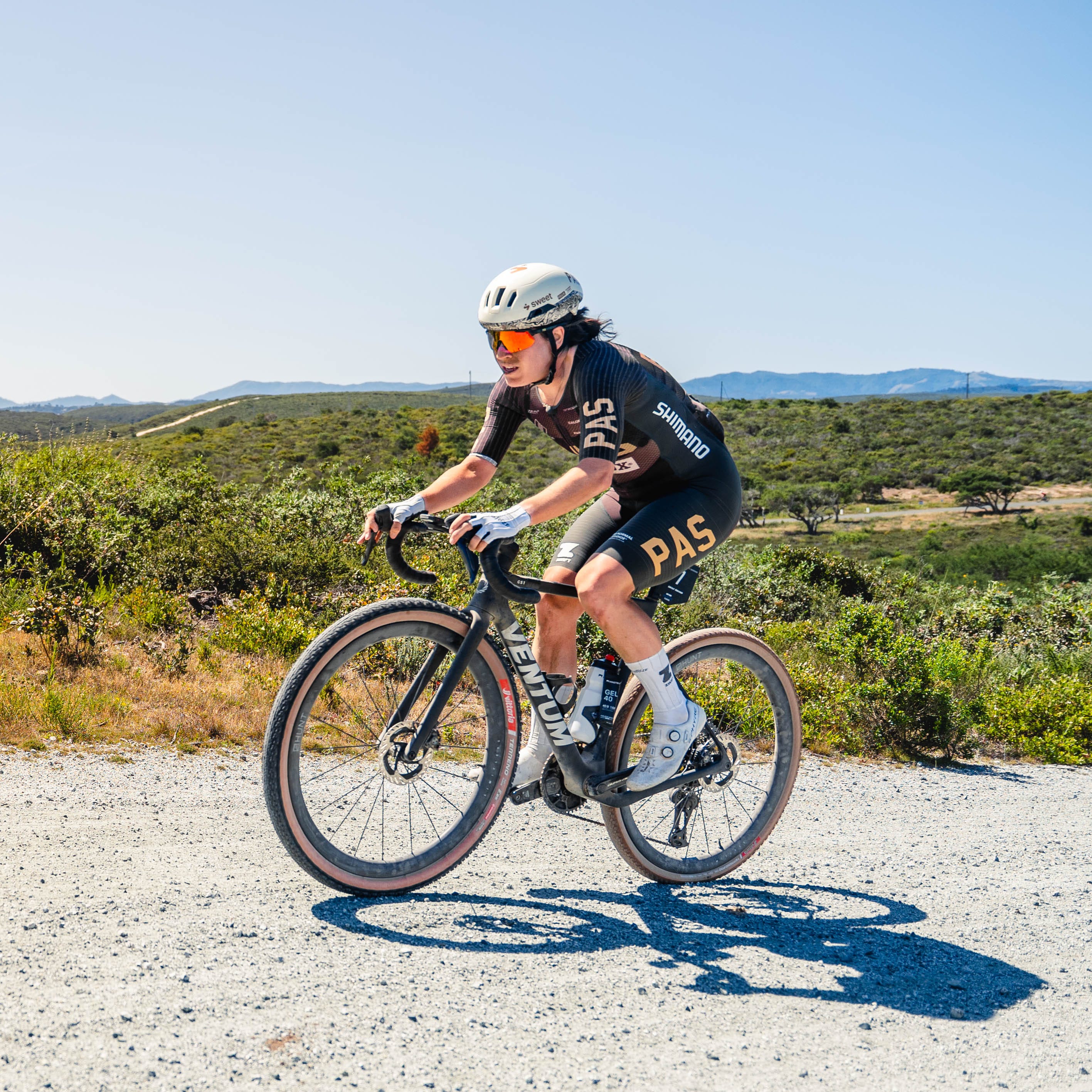
Ventum is exactly the kind of mid-sized bike company that could benefit significantly from partnering with collegiate programs. I have already written about their unique philosophy toward athlete sponsorships, they have matured their operations into a formidable mid-sized bike manufacturer, and their reasonably priced bikes built for genuine performance make them a natural enabler of development.
Ventum now has the brand reputation and athlete roster to be an attractive partner to a top Division I triathlon program whose athletes are known to be elite endurance competitors. One of Ventum’s most successful athletes, Cecily Decker, came from ski mountaineering before finding cycling, which shows that Ventum already understands there are unconventional paths to a professional cycling career. Sponsoring a women’s triathlon program could serve as another scouting ground while building the brand’s reputation among female cyclists.
Ventum’s roots are also in triathlon. Their triathlon bikes are ridden by some of the best professional triathletes in the world and any Division I program would be glad to have access to them. If the trade is a fleet of top-tier bikes in exchange for Ventum having the opportunity to help certain athletes explore other cycling disciplines alongside their triathlon competition schedule, I think any program would take that deal.
Enervit x collegiate programs
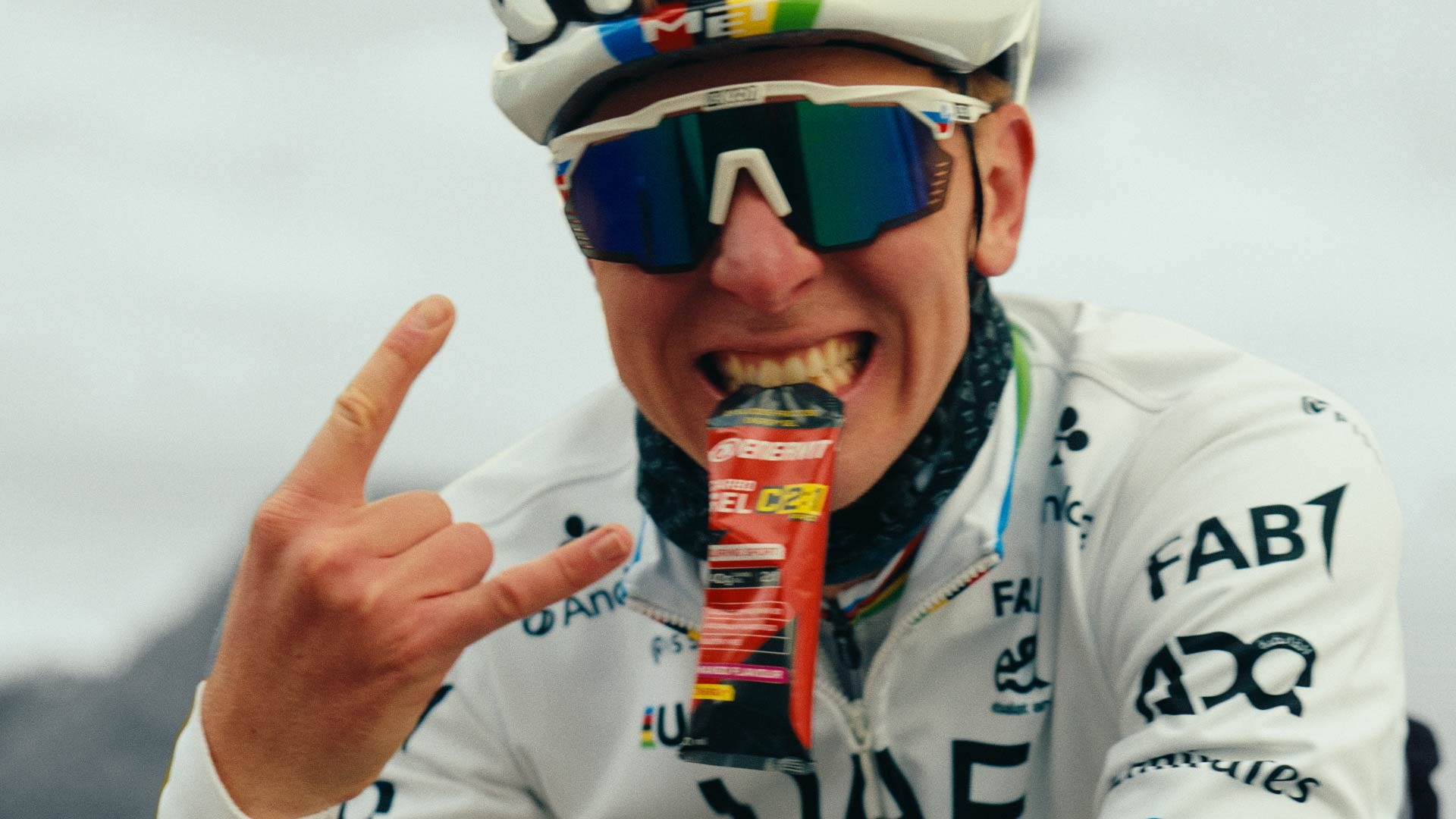
This one is not even a suggestion, it is already happening. As I covered in my story on Enervit, the brand currently sponsors Humboldt State’s cycling program and the University of California Berkeley’s triathlon team. These partnerships give Enervit a meaningful connection to local communities and athletes as they expand their US footprint. You can read more about their collegiate efforts here.
The long-term effects of collegiate sponsorship
We have covered the benefits for brands in detail, but how would collegiate cycling be affected in the long run if brands start sponsoring programs? It is difficult to say with certainty and depends heavily on the scope of investment, but broadly speaking these sponsorships would bring more legitimacy and professionalism to collegiate cycling, which would in turn attract more talent directly into collegiate programs.
Beyond NCAA classification, one of the things that makes certain collegiate sports feel genuinely professional is high-level brand sponsorship. When top high school football recruits see a Division I program outfitted with full Nike endorsements and world-class facilities, it has a real impact on their decision making. Cycling should be no different. If an athlete is weighing a privateer career against joining a collegiate team, knowing they would have a dedicated bike sponsor at college could be a meaningful factor in that decision.
If sponsorship extends to discounts for club athletes, more talent will inevitably enter the pipeline and the strongest will rise to the top. In the broader mission to grow cycling in the United States, collegiate programs can and will have significant influence if they are given the resources to fulfill that potential. If you are a brand or collegiate program director who resonates with this pitch, reach out. I would love to connect, make introductions, and help in any way I can.
In other news
We finally have gravel stats
I am not sure who started this so I cannot give proper credit, but yesterday I came across Off Road Index. They describe themselves as a complete index of gravel and mountain bike race results, all in one place. While the site is still in its early stages, it is a meaningful step toward off-road racing having a comprehensive results resource comparable to what Pro Cycling Stats is for road cycling.
Lauf Gravel Worlds
Next weekend I will be in Lincoln, Nebraska for Lauf Gravel Worlds. If you will be there and want to connect, shoot me a message. I will be hanging with the Movemint team, Mach1 Devo, and Holy Spirit of Gravel, I can’t wait for some great times!
Ride and Rip,
Kyle Dawes

Don’t focus sponsorship on masters racers. Instead, support riders in that 21–28 post-college gap—helping them stay in the sport, keep racing, and continue enjoying riding.