


The rise of off-road endurance events
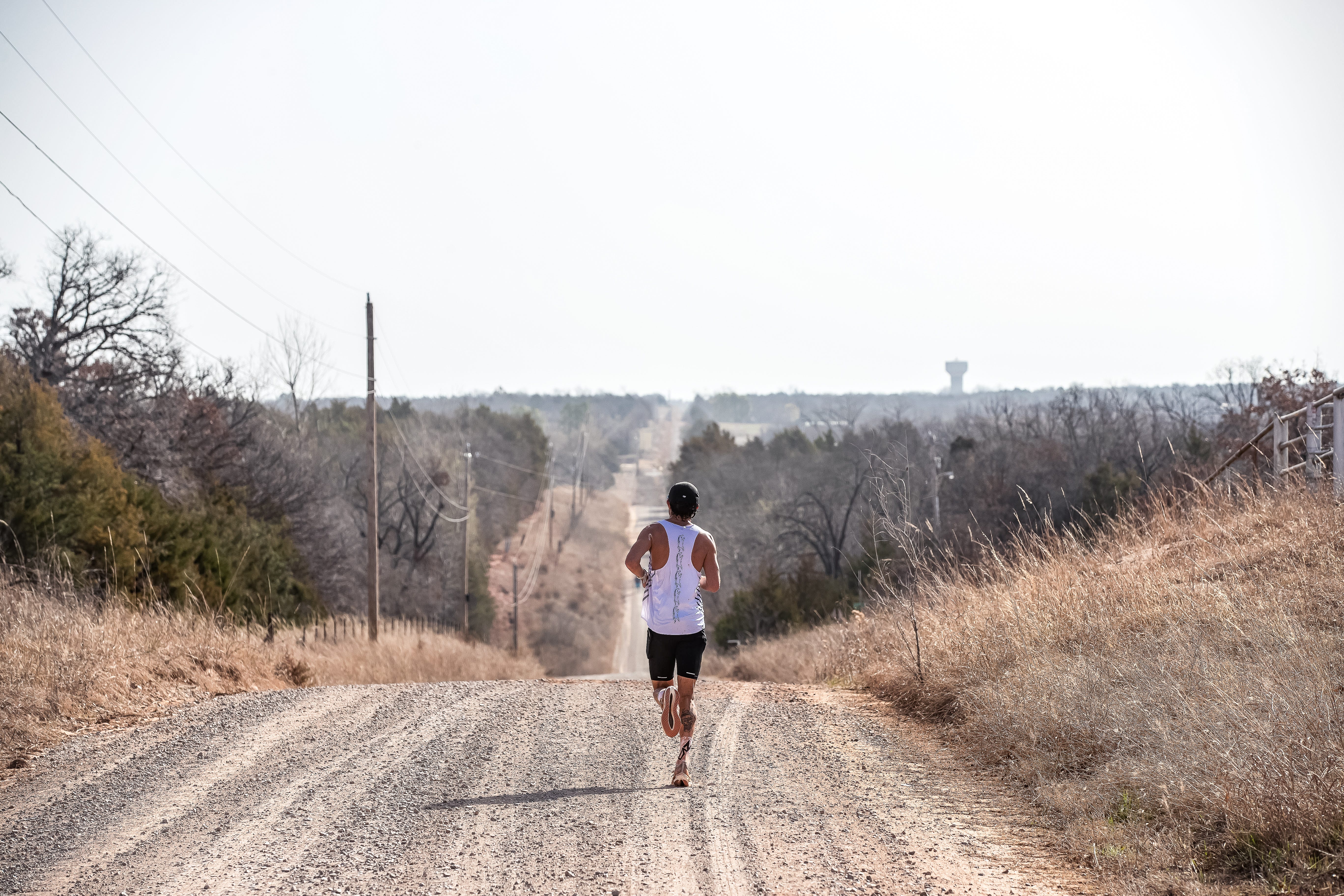
Most endurance sports saw market expansion during the pandemic, but few attracted more new participants than those with a trail component. Strava’s 2023 Year in Sport showed gravel cycling and trail running growing up to 50% faster than other endurance activities.
That rise in participation also fueled the prominence of competitive trail events. I’ve already explored how brands like Life Time are supercharging the growth of off-road cycling domestically, and trail running is seeing the same phenomenon. In 2021, UTMB, the largest international trail running series, partnered with Ironman to bring the sport to a broader audience.
Their partnership illustrates how endurance sports can develop a symbiotic relationship, generating growth for both sports rather than cannibalizing participants. Off-road cycling and trail running have each leveraged similar attributes to build momentum and drive growth within their respective sports.
A few factors contributing to their parallel growth trajectories include:
Strong grassroots event foundations
The social appeal of endurance communities and athletes
A growing desire for connection to nature
The adventure aspect within competition
The ability to participate fully as an individual
The overlap between trail running and off-road cycling is immense. Both sports attract similar athlete profiles, thrive in comparable environments, and emphasize community as much as competition. We may be on the verge of a wave of strategic partnerships between these two sports, and the potential benefits could extend all the way to the highest levels of competition.
Executed well, these partnerships could open the door for more athletes to participate in both trail running and cycling. Together, we’ll explore the rise of joint events that combine trail running and cycling, and the potential benefits of expanding this model to the highest levels of both sports.
(Side note: if you’re interested in the business of trail running, Seth Lareau’s Substack Trail Waves is an excellent resource.)

Cycling is embracing trail running
The spark for this article came from me noticing that the first race of the Life Time Grand Prix, the Sea Otter Classic, is introducing a trail running event in 2026. It caught my attention because Sea Otter has always been synonymous with bikes. The four-day festival hosts competitive road, gravel, and mountain bike races while also serving as one of the largest trade shows in the cycling industry.
While I was surprised to see Life Time introduce a trail running component to such a bike-focused event, it wasn’t an entirely new concept. It’s becoming increasingly common for gravel and off-road cycling events — especially those owned by Life Time — to host trail running races alongside their main bike race.
Some notable examples include:
The Mid South
Sea Otter Classic (Life Time event)
Coldwater Trail Race (Life Time event)
Leadville 100 MTB (Life Time event; originally a trail run before adding a MTB bike race)
Tahoe Trail (Life Time event)
The Rock Cobbler
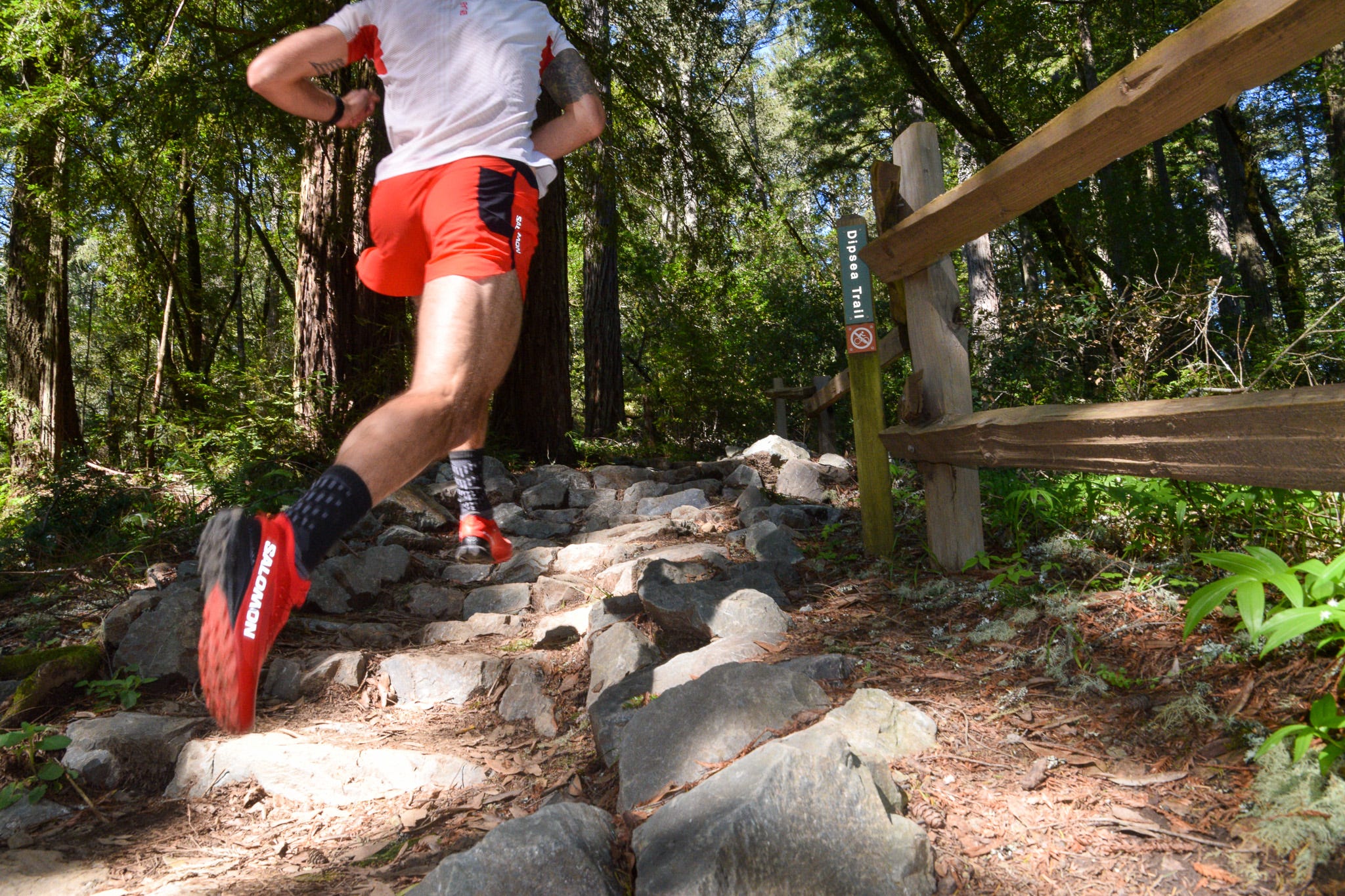
Every event approaches the relationship differently, but more organizers are embracing tail running events, and in some cases, combining them with the bike event to create the ultimate challenge. Races like The Mid South and Leadville now offer categories for athletes who take on both disciplines, ranking them by their combined times across events.
At the professional level, more athletes are successfully crossing over between sports or even competing in both simultaneously. Maude Farrell and Heather Jackson have built reputations by winning at the highest level in both trail running and gravel cycling. From an athlete perspective, the dual discipline approach is extremely beneficial, creating more sponsorship opportunities.
Of course, pros make up only a tiny fraction of total participants, which raises an important question: what’s the real motivation behind combining cycling and trail running events?
Big benefits for organizers
For organizers, the most obvious draw is added revenue with minimal extra effort. Supplemental trail running races often use the same course as the existing bike event, which means logistics are already in place. In many cases, the only additional expense is securing another day of permits, a cost easily offset by the influx of new participants.
By introducing a trail running component, organizers can tap into new athlete communities, expand participation numbers, and attract additional sponsorship opportunities, all while leveraging the same event infrastructure.
New participation
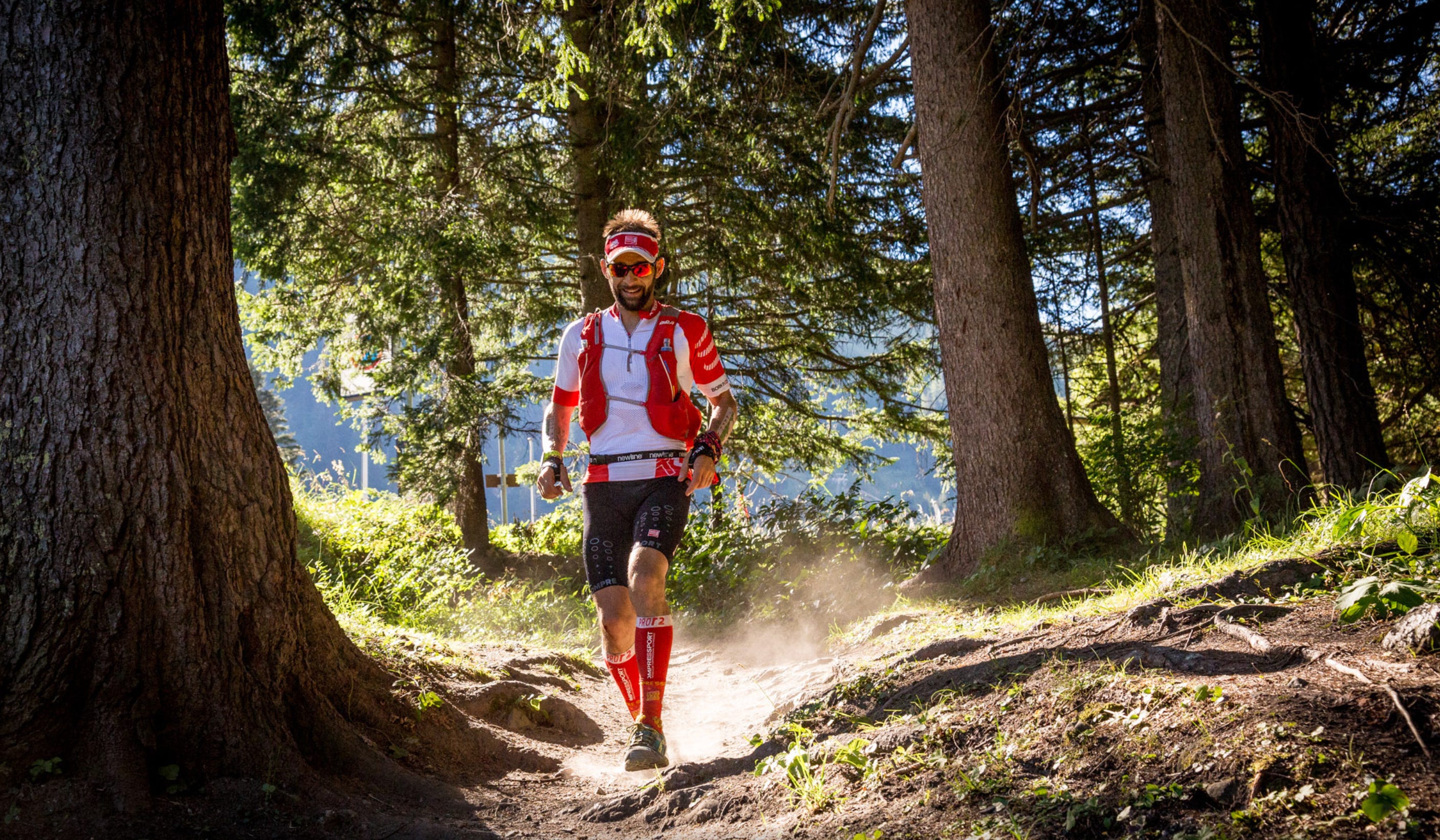
Reaching new participants is where things get interesting. As noted earlier, trail running and cycling already attract similar demographics, and we’re now seeing athletes who compete in both disciplines. Cycling events can generate additional revenue from two populations: crossover athletes and single-discipline athletes.
Single-discipline athletes are straightforward. If a bike race offers a trail run that matches the experience and challenge of the bike event, it will draw participants who are interested solely in the trail run, and the reverse is true as well.
If an event already has a strong history of selling out its standalone bike or trail running race, it likely has a pool of participants willing to try a new experience. It’s likely that some athletes may be curious about exploring other off-road endurance sports but haven’t signed up before due to logistical or financial barriers.
Trail-centric races often serve as destination events for amateur athletes. For those interested in branching out, traveling to a separate event may be impractical or costly. By allowing athletes to participate in both disciplines at a discounted rate and in the same location, organizers create a low-friction opportunity that could be the catalyst for them to finally try a different type of race.
While the dynamics are more complex, this seems to be the intended benefit of Ironman partnering with UTMB. No amateur is likely to complete an ultra trail race and then race an Ironman the very next day, but they might be motivated to take on an Ironman as their next major challenge.
In either case — whether Life Time’s trail running additions or the UTMB/Ironman partnership — the principle is simple: offering more endurance events naturally piques the curiosity of athletes, encouraging them to explore disciplines they might not have tried before.

Sponsorship opportunities leading to media opportunities
A broader range of events will inevitably attract more sponsors. More industry sponsors mean more revenue, which can then be reinvested into higher-quality media coverage. If multi-sport events can reach a wider viewing audience, they’ll also start to draw attention from non-endemic brands who bring even more ad revenue, and the cycle will continue.
Currently, most premier off-road series rely heavily on industry sponsors, but the Life Time Grand Prix has made progress by retaining Mazda as a presenting sponsor. If more top-level series can expand their media footprint, we could see a noticeable influx of non-industry investment into the sport leading to continued growth.
Both off-road cycling and trail running continue to improve their streaming options each year, but combining the two could accelerate the flow of sponsorship money, potentially helping events land on larger platforms or even television networks.
Where it could lead
Excluding the Life Time Grand Prix, Gravel Earth Series, and UTMB, most off-road races still operate at the grassroots level. Up to this point, I’ve focused on expansion opportunities at the elite level, but combining events could have an outsized impact on smaller, local organizers.
Adding a low-lift secondary event could be the lifeline struggling grassroots races need. We’ve already seen how small events can evolve into major institutions, Unbound Gravel and UTMB both started at the grassroots level before scaling into global empires. Any step that extends the lifespan or reach of these local events ultimately contributes to the broader growth of cycling and trail running alike.
Circling back to major series, branding remains a key factor. UTMB has cemented itself as the premier global trail running series, while the Life Time Grand Prix holds the same position for off-road cycling. Both organizations have built strong brand identities, and any rebrand carries risk, but there’s still room for opportunity.
Life Time could consolidate its existing trail running events into a dedicated trail series, while UTMB could experiment with a small circuit of cycling events. Professional cyclists recognize the prestige of UTMB and would likely jump at the chance to associate their names with the brand. The same would hold true for trail runners if Life Time can offer meaningful incentives to top professionals.
Finally, there’s one major opportunity still on the table. If a brand is willing to take the leap, it could establish the first true off-road endurance series, one that unites cycling and trail running under a single competitive calendar. Whether it’s Life Time, UTMB, or another ambitious organization, the entity that builds this bridge has the potential to redefine endurance sports and solidify a trail-based event calendar that becomes a mainstream pillar of competition.
This is just my take on where things could be headed, but I’d love to hear other perspectives. Drop your thoughts in the comments!
Ride and rip,
Kyle Dawes
Great insights here Kyle. With the current running boom we are experiencing, it seems natural these new runners with move towards trail running in time.
These duel events would further segment the the culture of outdoor trail sports, bringing more eyes, brand interest and sub culture.
Maybe even new progressive brands 👀