


I’ve danced around the subject of storytelling in cycling in previous editions of Built on Bikes, but beyond offering suggestions to improve the impact of the limited Youtube series, Call of a Life Time, I haven’t explored the topic in depth. In the grand scheme, youth development and strong foundations will always matter most when it comes to growing the sport, but media that attracts fans and capital cannot be overlooked. Without sustained fandom and revenue in the United States, cycling will continue to rely on being scrappy rather than scalable.
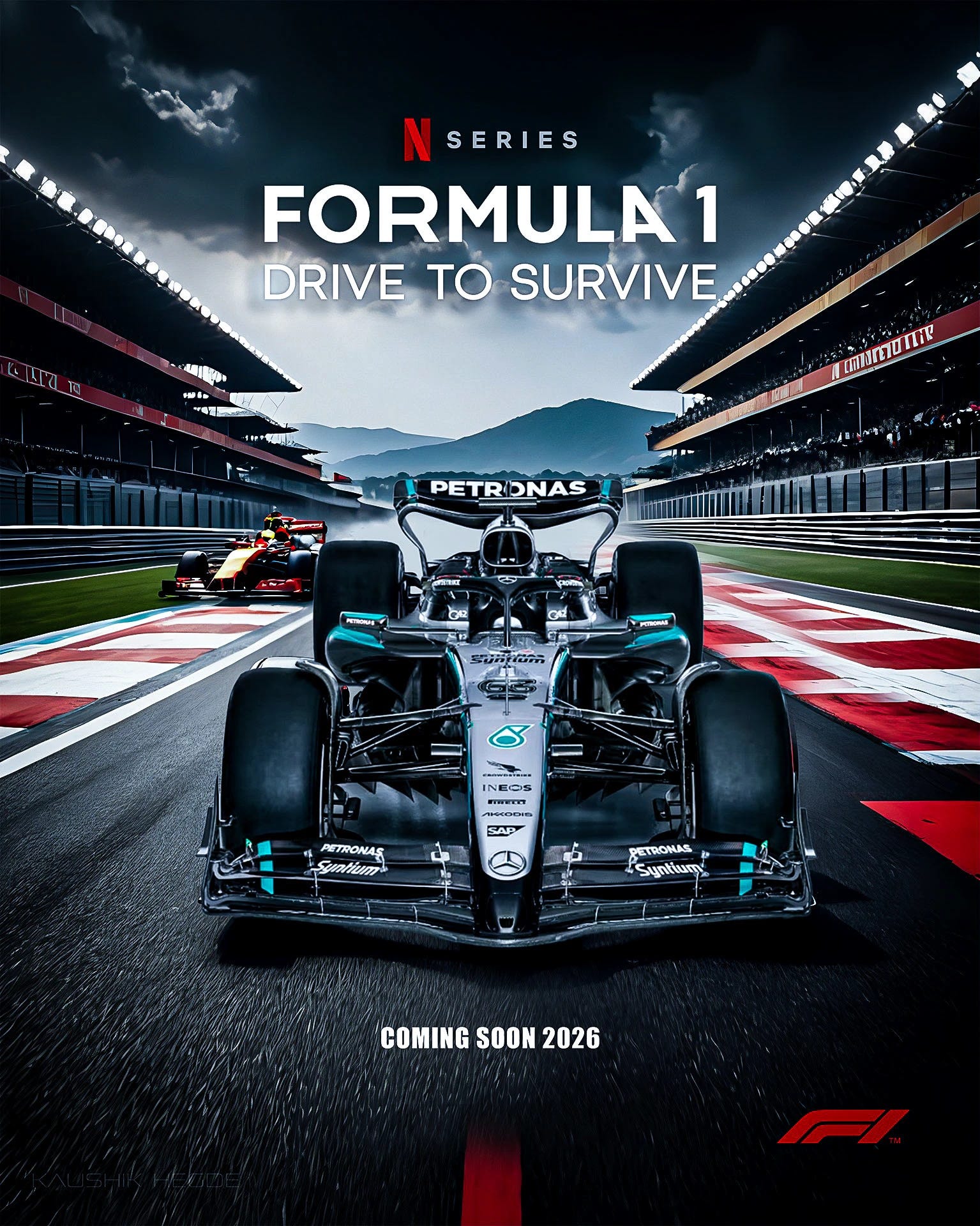
The world of sports marketing changed when Netflix released the first season of the Formula 1 documentary, Drive to Survive. Formula 1 had long been a global powerhouse with significant revenue, but the motorsport consistently struggled to break through in major markets like the United States. Now, with seven seasons available on Netflix, the series has fundamentally reshaped F1’s fanbase. Live race viewership has increased by roughly 70%, and the calendar has expanded to include two additional races in the U.S., representing a shift in both interest and investment.
Many sports have attempted to replicate the success of Drive to Survive, and most have fallen short. Formula 1 provided a clear proof of concept that a narrative driven docuseries can materially grow a sport’s audience.
The Last Dance, a limited series chronicling Michael Jordan and the Chicago Bulls dynasty, reignited interest in a defining era of basketball and delivered a meaningful boost to the NBA during the Covid pandemic. It followed a different format to Drive to Survive, but it again showed the power of human centered storytelling in sports.
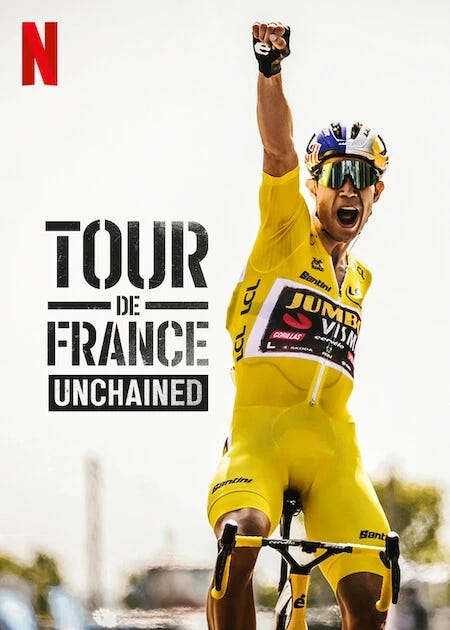
Cycling did attempt to enter the streaming arena with Netflix’s Tour de France: Unchained, a series that closely followed the Drive to Survive format. Ultimately, it failed to break through and was canceled after three seasons. The sport has also experimented with more limited docuseries, such as The Least Expected Day: Inside the Movistar Team, but those efforts largely struggled to reach audiences beyond existing cycling fans.
There is certainly a way to convey the excitement of cycling, but to date, the sport has not found its breakthrough moment. Call of a Life Time, which chronicles the Life Time Grand Prix, has helped grow interest in gravel cycling and shows that it is possible to reach audiences beyond existing fans. Still, cycling as a whole has struggled to break into the mainstream in the United States.
So why has cycling fallen short? What viable alternatives exist for growing the sport’s fanbase? And how do we finally crack the code for telling compelling, scalable stories in cycling? It starts with understanding where we’ve previously fallen short.
Addressing the elephant in the room
There is no getting around the fact that cycling had its best chance at mainstream relevance with Tour de France: Unchained (TDFU). So why did it fall short, and what can we learn from it? More importantly, does its failure mean cycling is doomed in its attempt to reach the mainstream in the United States, or does it simply mean we have not cracked the code yet?
Why it failed
According to multiple reports, the series, produced by Netflix France, delivered only average viewership and disappointing consumption in its home market. It’s likely that the revenue generated by the show failed to offset high production costs. More importantly for the sport, TDFU did not meaningfully expand cycling’s audience in key growth markets like the United States.
So why did it fall short?
Why it was not impactful
Focusing on one race: Unlike Drive to Survive, which follows an entire Formula 1 season, TDFU centered on a single event. While the Tour spans three weeks and offers multiple overlapping storylines, it still limits how deeply viewers can connect with riders on a personal level. Fans meet athletes only within the context of this one race, rather than following their successes, setbacks, and evolution across an entire season.
As a result, the series never paints a complete picture of professional cycling. It exists almost entirely within the vacuum of the Tour de France, leaving little room to explore the broader rhythms of the sport or the full arc of an athlete’s journey.
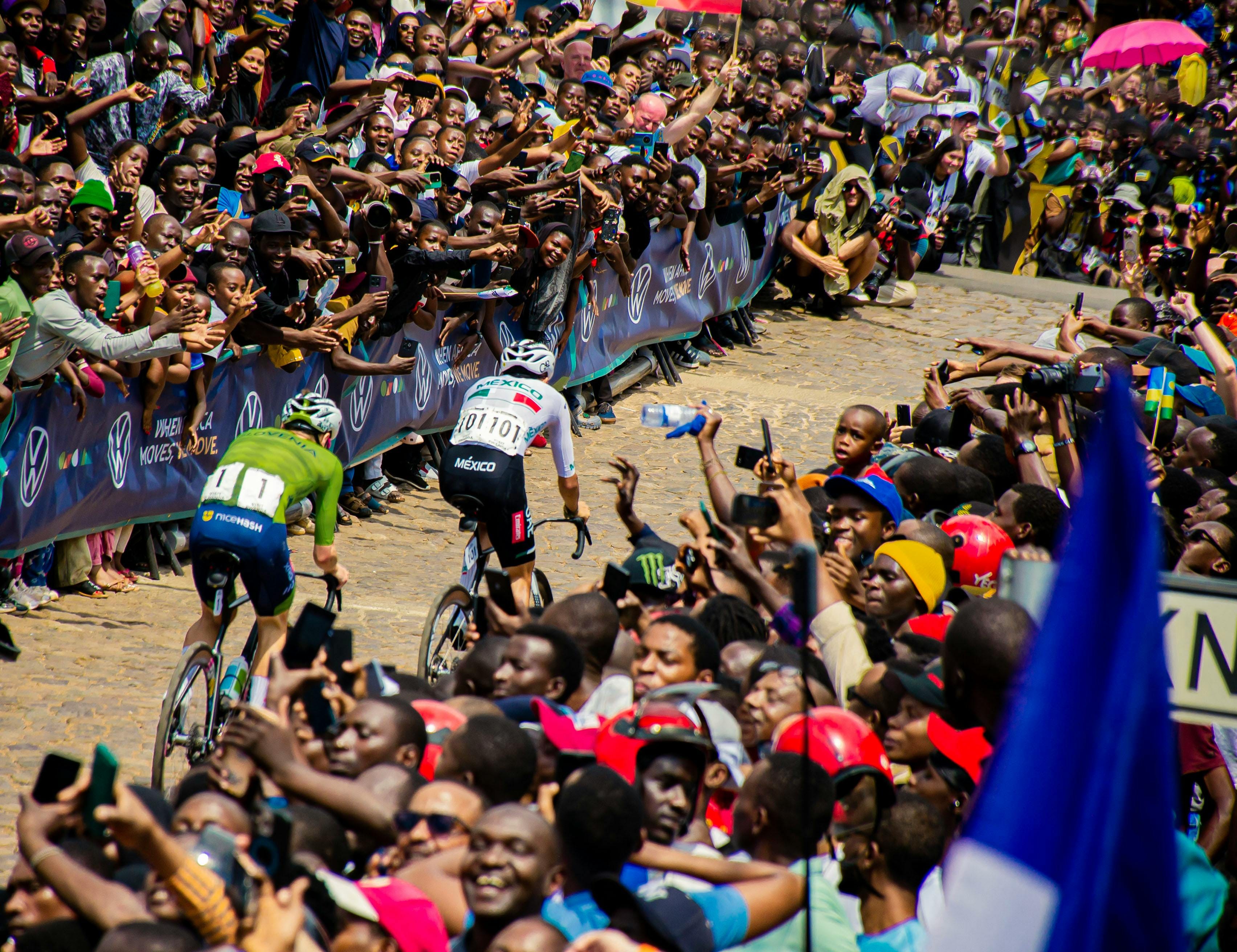
Stigma: The Tour de France is the most recognizable race in cycling. Ask someone on the street what they know about the sport and the Tour will likely be the first thing they mention. That level of notoriety should, in theory, make it an easy entry point for new audiences. In reality, I think it does the opposite.
Cycling carries a reputation for being confusing and, to non fans, boring. For viewers who have not immersed themselves in the sport or its culture, seeing a Netflix documentary built around the Tour de France may actually reinforce that stigma. The assumption becomes simple: this is going to be bland, technical, and hard to follow.
Drive to Survive succeeded because it leaned fully into drama. It did not ask viewers to understand Formula 1 before watching. Instead, it introduced the sport through conflict, personality, and stakes. Cycling, and particularly the Tour de France, has yet to be framed in that same way for a mainstream audience.
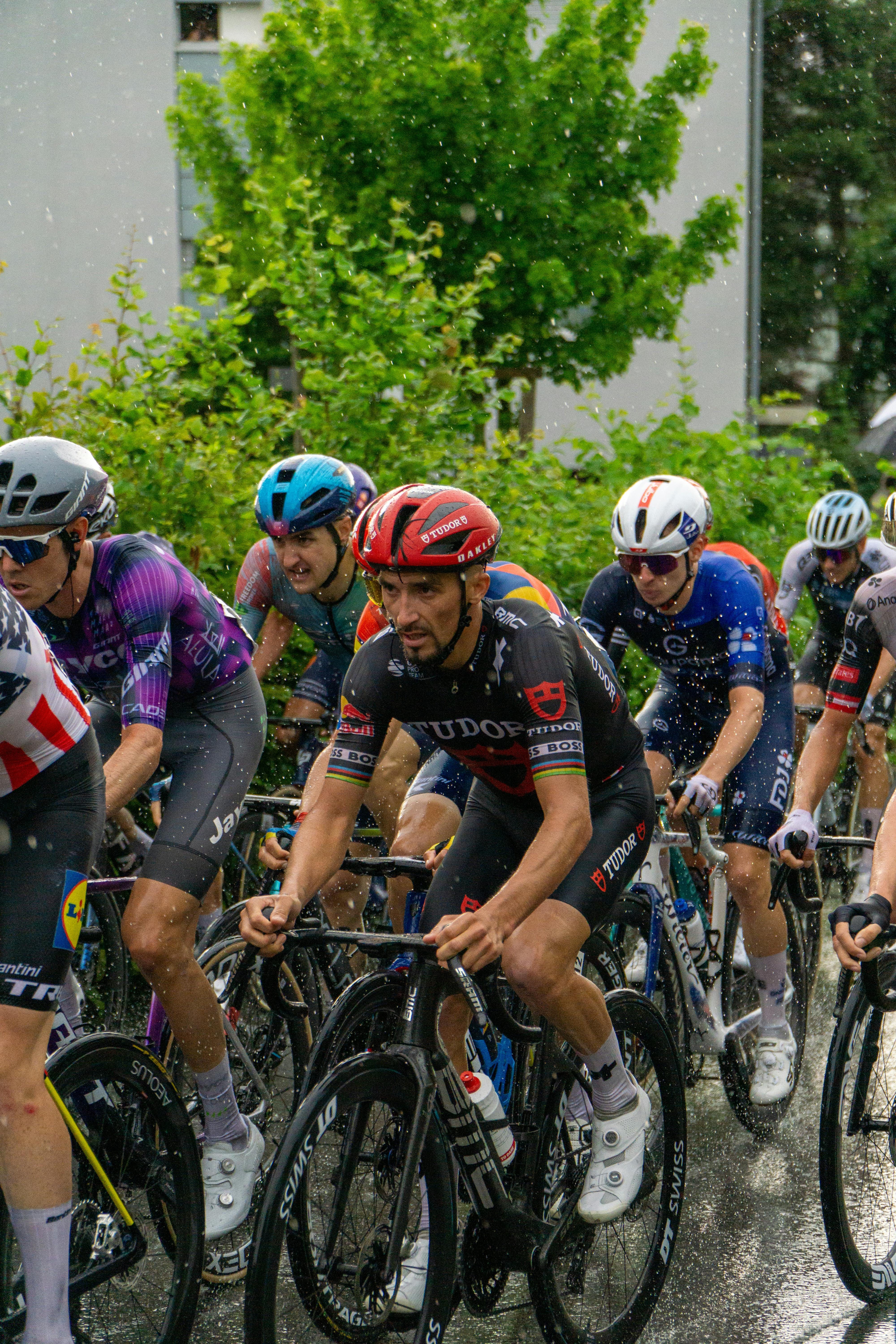
Lack of grit: For me, this is the series’ biggest detractor. The series was obviously produced to mimic the dramatic tone of Drive to Survive, but did not execute to the same level. Cycling is arguably one of the most brutal and sacrificial sports on the planet, but TDFU was only able to give a glimpse into that reality.
Focusing on grit
Most audiences do not fully grasp the level of dedication and sacrifice required to be a professional cyclist. Drive to Survive succeeded because it showed both the intensity and risk of racing at the highest level and the glamorous lifestyle that surrounds the sport. It humanized the athletes by highlighting the tension between life on the track and life off it, creating a compelling and polarizing duality.
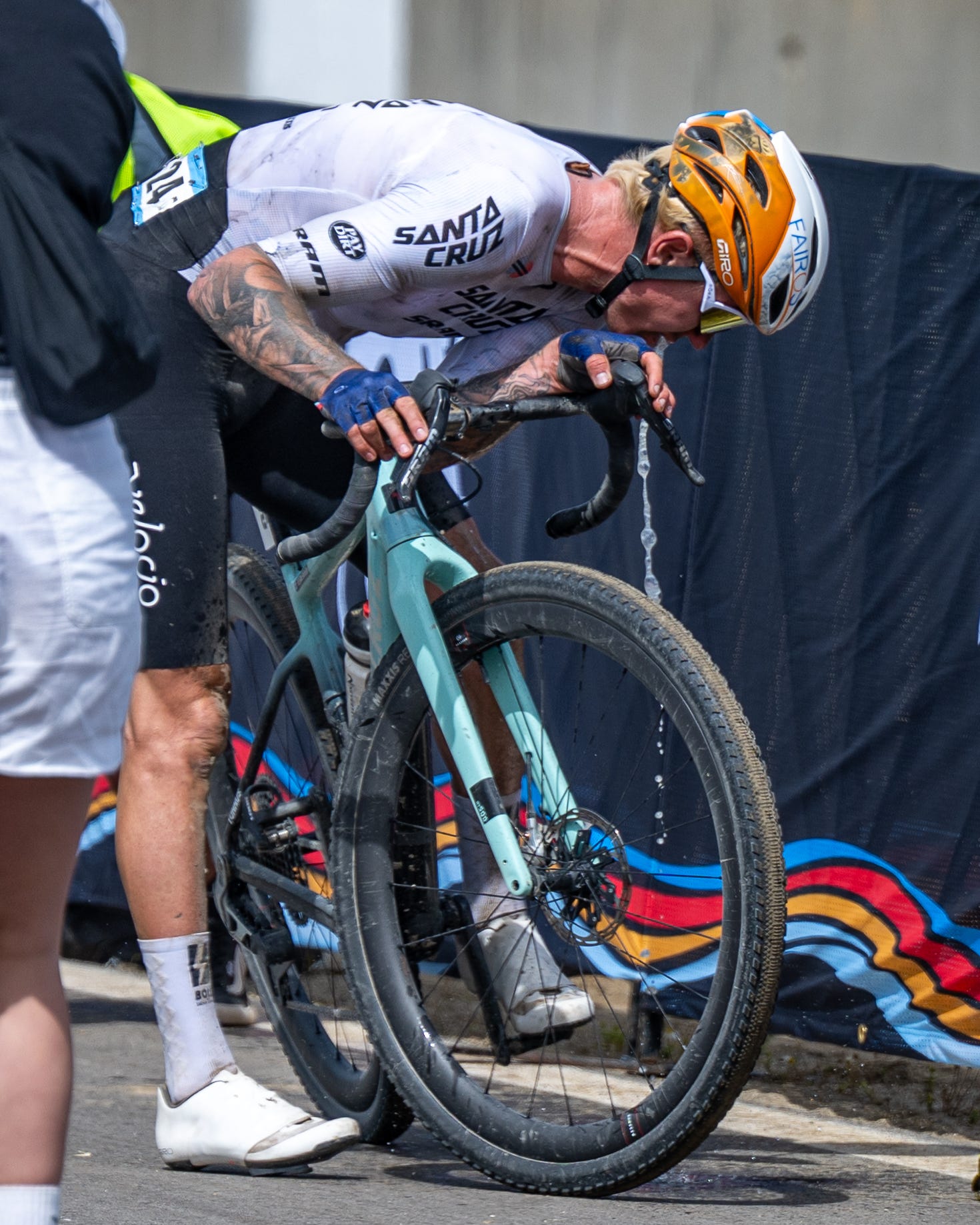
Cycling has moments of acute intensity similar to the start line of an F1 race, but the sport is far more all-consuming in daily life. Following riders across an entire season would unlock much stronger human narratives by revealing the constant stressors that define the sport.
From leaving home at a young age to pursue development, to spending the majority of the year away from family, cycling is a hard lifestyle that often takes more than it gives. Thousands of hours of training, relentless nutritional discipline, constant travel, crash recovery, and, tragically, fatalities in the sport are all part of the reality. A documentary that authentically captures this environment while weaving in narrative tension could create deep emotional investment in the athletes themselves.
TDFU touched on many of these themes, but only scratched the surface. Viewers were introduced to the successes and struggles of riders like Tom Pidcock and Fabio Jakobsen, yet the narrative was continually pulled back into the Tour de France itself. The Tour can showcase superhuman endurance, but without the broader context of what riders endure before and beyond those three weeks, it becomes difficult for new audiences to form meaningful connections.
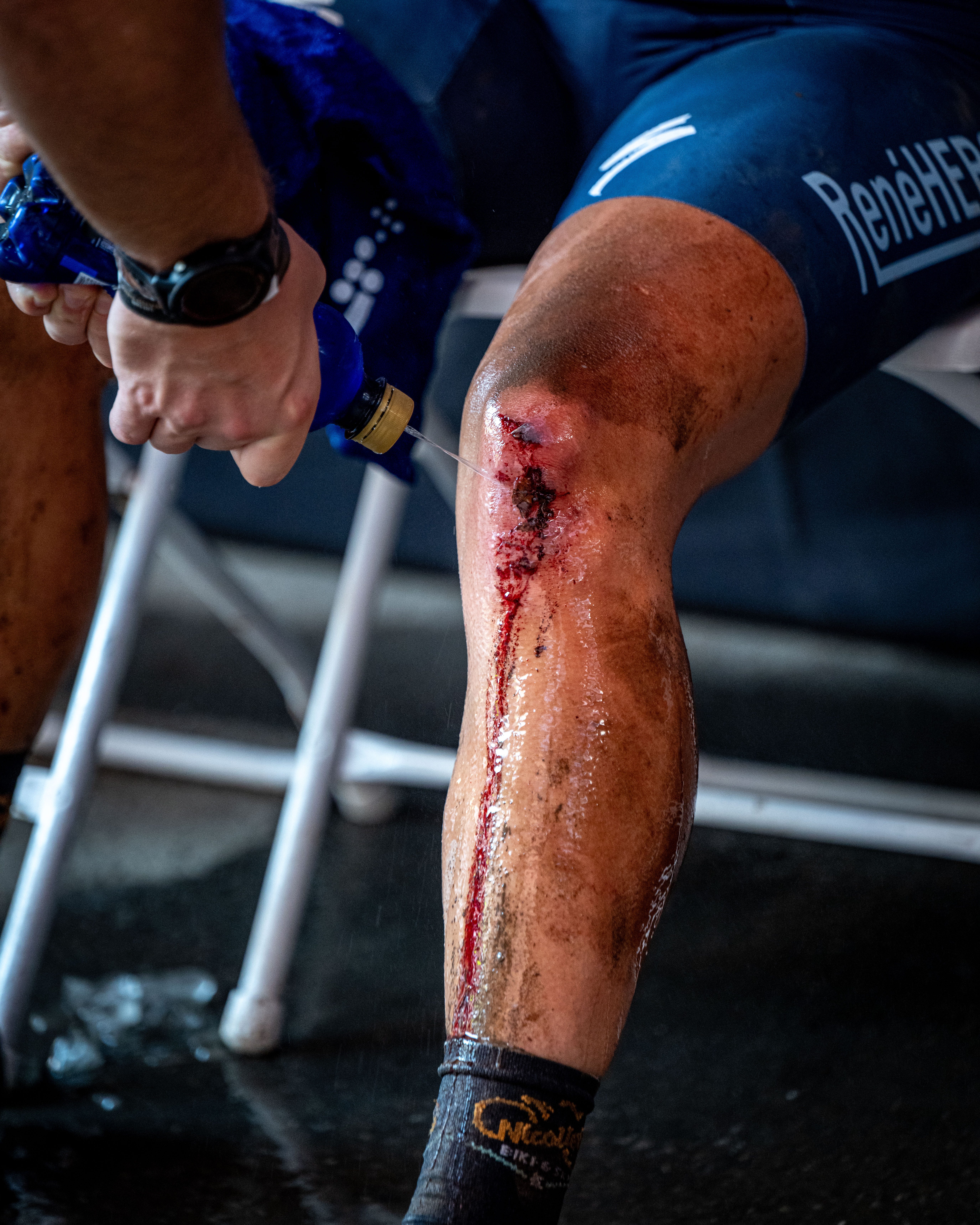
Any future attempt to tell cycling’s story must take a more comprehensive view of professional’s life outside of racing. Without that depth, cycling will continue to struggle to translate its intensity into lasting fan engagement.
What are viable alternatives?
Cycling is an incredibly diverse sport that spans multiple disciplines, continents, and has professional competition for both men and women. To suggest that the underwhelming reception of recent documentaries proves cycling is not built for mass engagement is shortsighted. Nearly every high profile cycling documentary to date has centered on WorldTour road racing, a discipline that is not exactly known for flashy personalities, races with constant action, or easily digestible narratives.
If the goal is to crack the code of a successful cycling documentary, the issue is not the sport itself, but the angles being chosen. There are several approaches that could dramatically improve how cycling stories resonate with broader audiences.
Span an entire season
Following teams and athletes across a full season provides a far more intimate look at the realities of the sport. It allows audiences to witness long-term arcs, including breakout performances, injuries, setbacks, and moments of sacrifice that cannot be captured within a single event. Broadening the scope beyond one race is essential if the goal is emotional investment and narrative depth.
Follow a different discipline
At this point, shifting away from WorldTour road racing may be a requirement rather than an option. Road cycling has struggled to capture mainstream attention in the United States, but other disciplines offer far more immediate appeal to new fans. World Cup mountain bike racing stands out as a prime example.
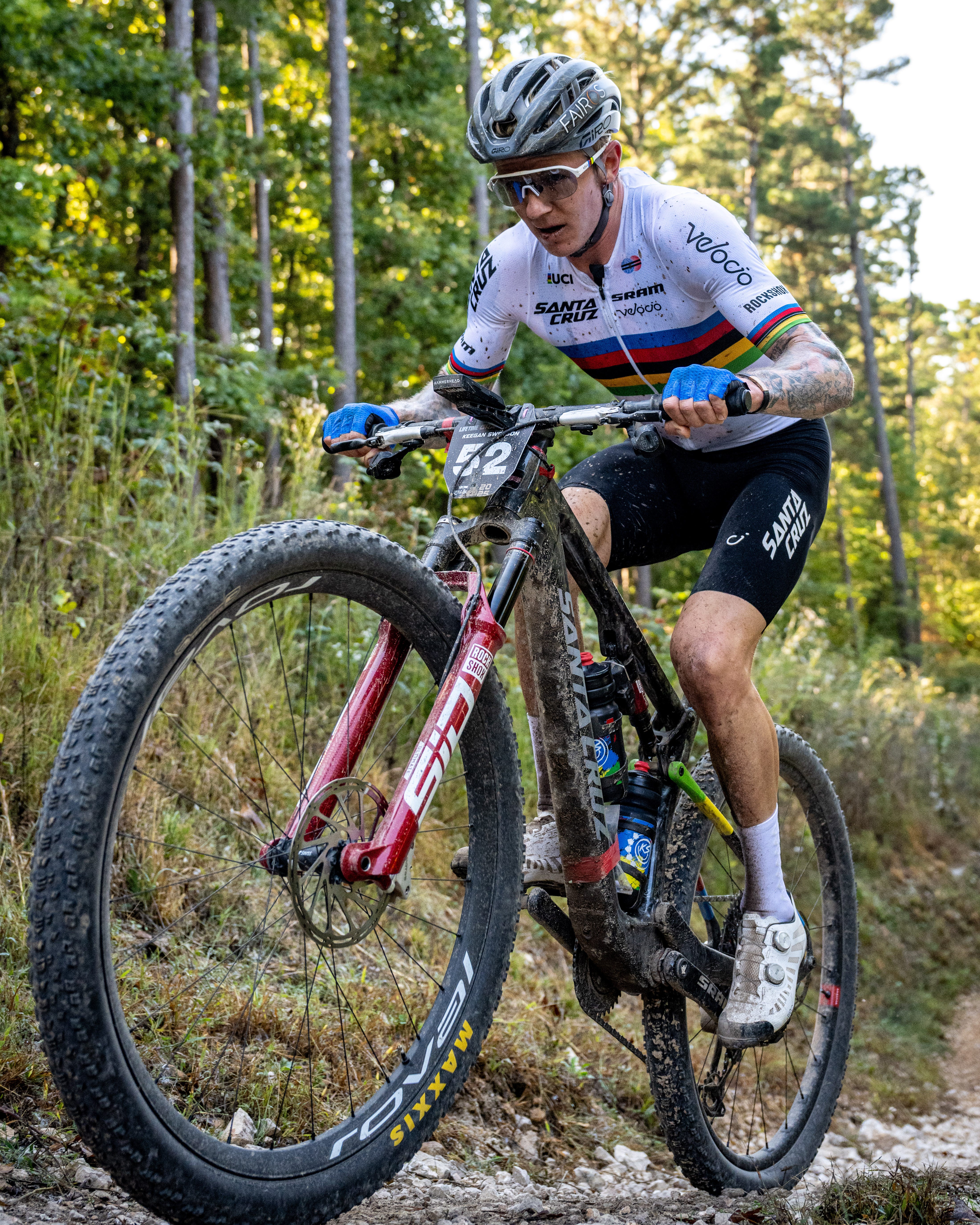
The cross country format is simple to understand. Riders complete laps on a course and the fastest competitor wins. The discipline also carries a clear action and adventure element that road cycling lacks. A series could even alternate between cross country and downhill racing, tapping into the same audience that already engages with action sports like snowboarding, skateboarding, and BMX.
Follow women’s cycling
Despite progress at the professional level, media attention and investment still overwhelmingly favors men’s racing. Outside of the pro peloton, women represent one of the fastest growing demographics in recreational cycling. Failing to tell the story of women’s cycling is a massive missed opportunity to connect with this growing demographic.
Women’s racing often produces a wider range of winners and naturally includes narratives around inequality, access, and overcoming structural barriers. Sports documentaries still skew heavily toward male audiences, so a well produced series focused on women could differentiate itself immediately, attract new viewers, and potentially drive meaningful growth in participation.
There are many alternative directions cycling media could explore, but these three stand out because they directly contrast the approaches taken in previous documentaries. More importantly, they offer a clearer and more realistic path toward expanding the sport.
What success looks like in the U.S.
It’s difficult to put a single number on what would define success for a cycling documentary in the United States. Companies like Netflix can point to profit and viewership metrics, but those measures alone fail to capture actual impact. The more important question is how much cultural momentum is needed to meaningfully expand cycling domestically.
Do we measure success through new USA Cycling licenses, increased bike sales, higher viewership of professional races, or the return of WorldTour racing to the U.S.? The answer is likely a combination of all of the above, but the earliest and most important indicator may be a shift in how the sport is perceived culturally.
Ask an American what they know about professional cycling and the response will almost always include the Tour de France and Lance Armstrong. One is an event and the other is an athlete, and that level of association is not unusual. Ask a European about American football and you will likely hear the Super Bowl and Tom Brady. The difference is that the Tour and Lance pairing no longer serves the sport well in the U.S.
Armstrong immediately triggers associations with doping, which is a real part of cycling’s history but not the story that will grow the sport today. If cycling hopes to reach a broader audience, perception must shift. Americans need to associate cycling with more than one race and one controversial figure.
The reality is the United States continues to produce elite riders across multiple disciplines, and the global racing calendar extends far beyond the Tour de France. Yet the prevailing image of cycling in America is stuck in the late 1990s and early 2000s. To move forward, the sport must shed that baggage and present a modern, expansive view of what cycling actually is.
Tying cultural perception back to measurable outcomes, a few indicators stand out as signs of domestic success:
A modernized perception of the sport that moves beyond Lance Armstrong and the Tour de France
Increased viewership of professional races outside of the Tour
Broader public awareness that cycling extends to disciplines beyond road racing
The return of more UCI sanctioned events to the U.S., including WorldTour races
A possible formula for domestic success
This section is admittedly speculative. I am not a sports marketer or media professional, but I think it would be useful to tie this discussion together by outlining the type of media that could present an alternative view of cycling and stand a better chance of connecting with domestic audiences.
The pillars of my hypothetical docuseries are:
Focus on American athletes
Showcase a cycling format that is easily digestible
Follow a long enough timeframe that allows real human stories to develop
Place meaningful emphasis on female athletes
Establish a new identity for cycling in the United States
Considering these factors, the most direct path to success would be to follow mountain biking. If the goal is to capture the attention of a domestic audience quickly, viewers need to feel an immediate connection to the athletes and understand the competition format without explanation.
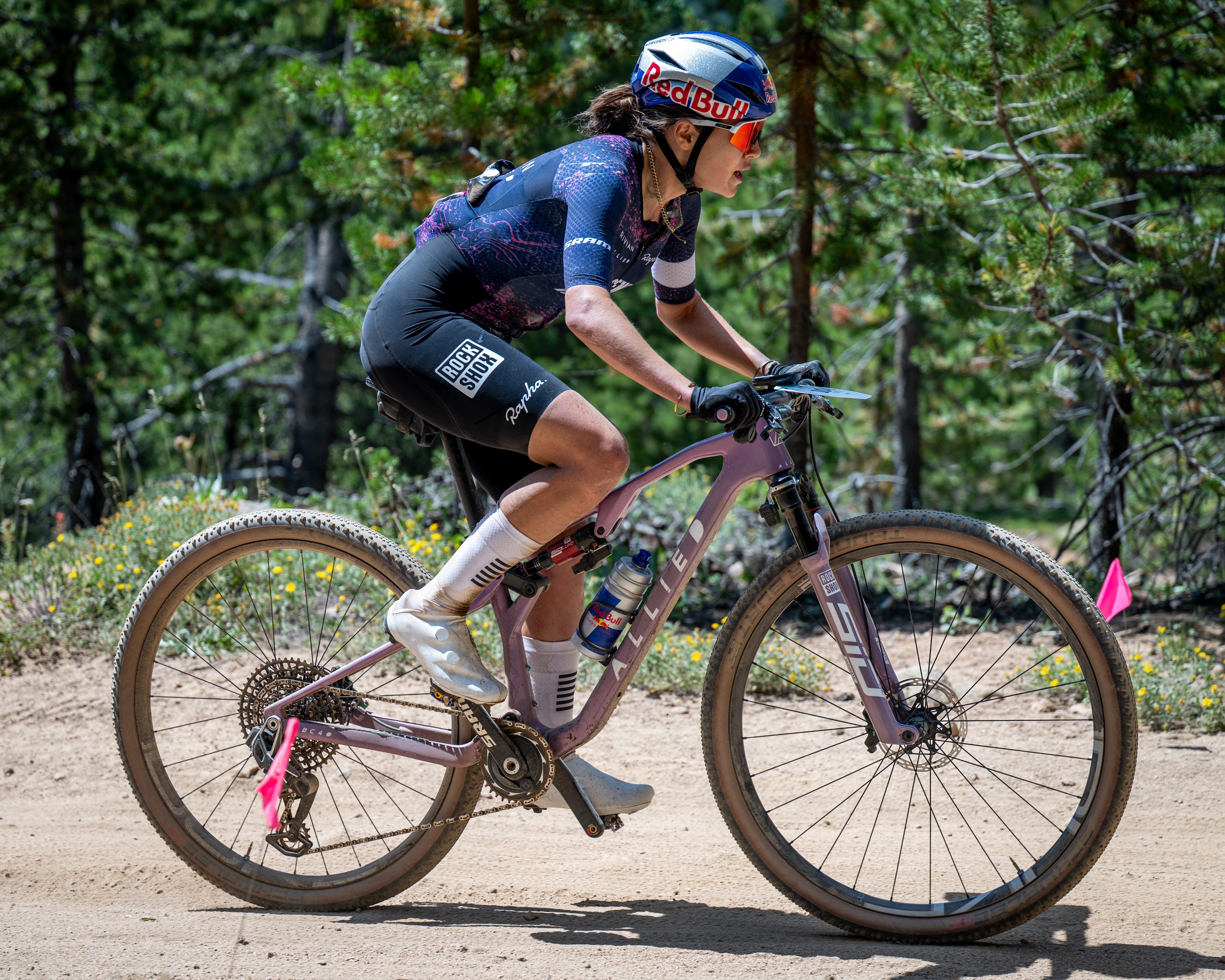
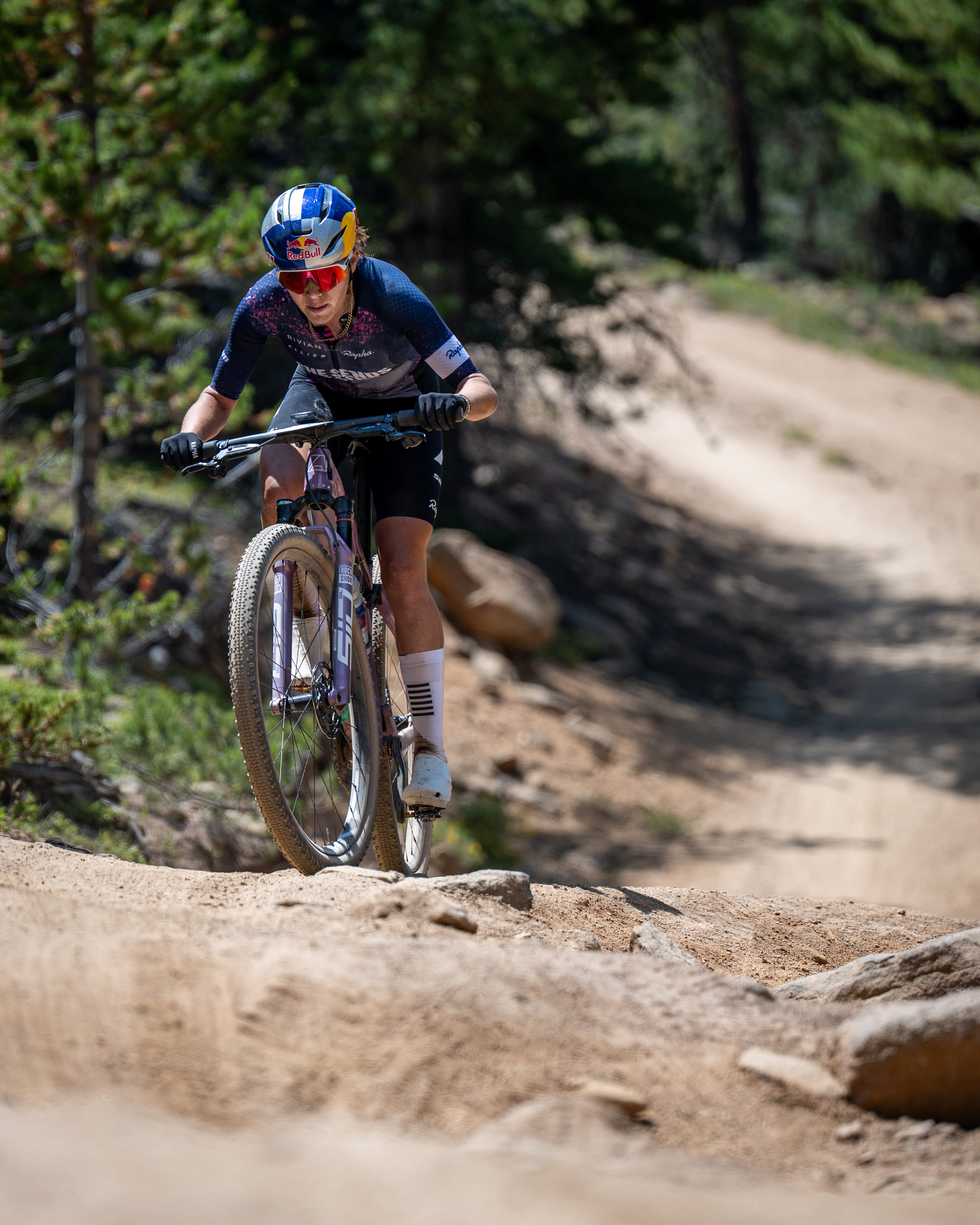
World Cup cross country mountain biking offers both. The race format is intuitive and it is currently the discipline that most clearly showcases American excellence in the sport. Christopher Blevins just delivered one of the most dominant seasons in recent memory, while Haley Batten secured a silver medal at the 2024 Paris Olympic Games. Rising talents like Riley Amos offer a clear ascent narrative, and established stars like Kate Courtney provide a compelling veteran presence.
Beyond format and cast, World Cup mountain biking has the intangibles that translate well to broader audiences. The discipline highlights grit, adventure, and sacrifice. The race circuit spans the globe, offering the same sense of legitimacy and international intrigue that fans find in Formula 1. Cross country racing also strikes the right balance of extreme fitness, technical skill, and visible action that has resonated with American sports audiences in the past.
There is also strong historical and cultural alignment. The United States has deep roots in mountain biking, and the timing could not be better. With the 2028 Los Angeles Olympic Games approaching and the 2030 World Championships scheduled to take place in Durango, Colorado, the sport is entering a period rich with storytelling opportunities.
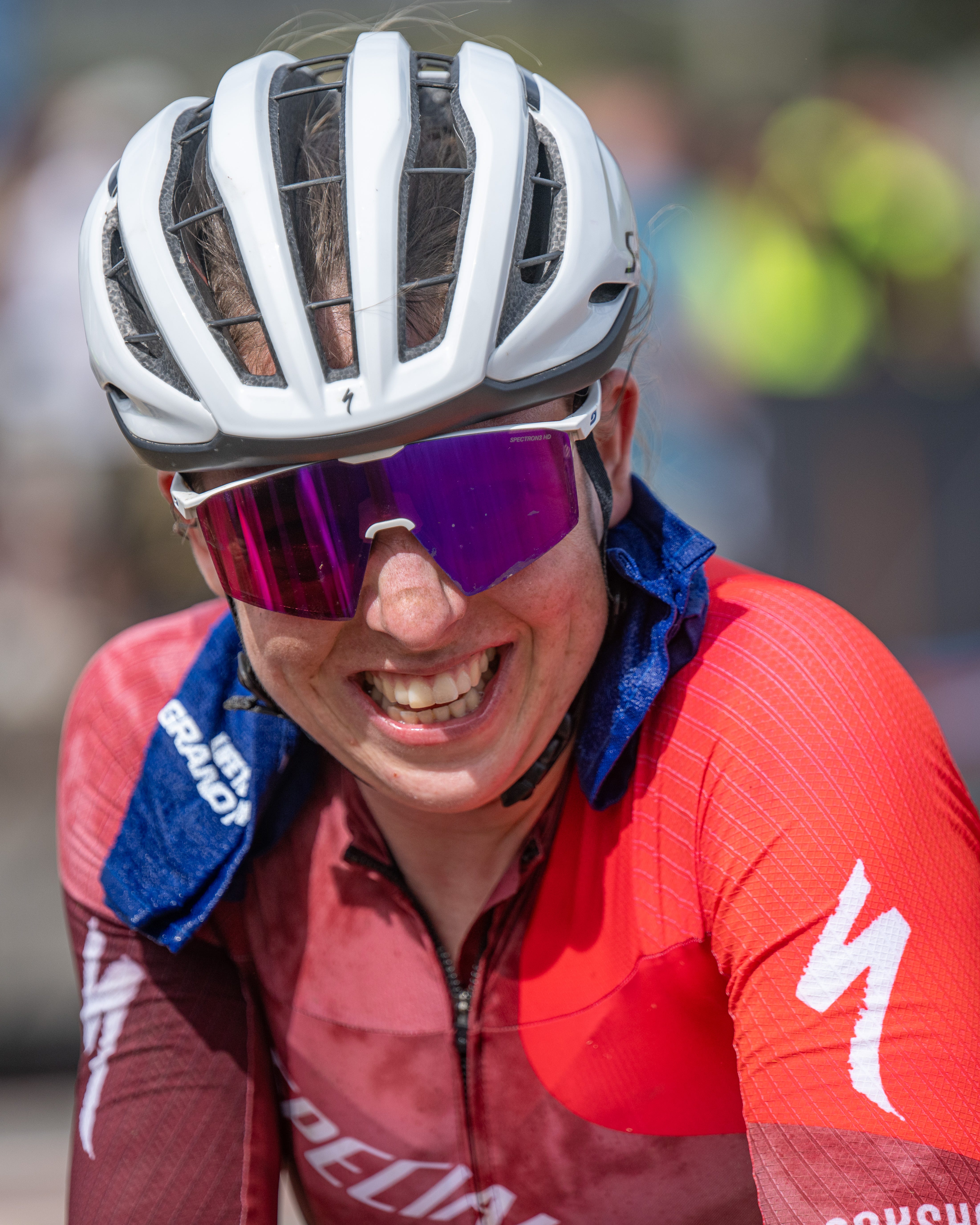
Accessibility matters as well, even in subtle ways. It may sound trivial, but highlighting a discipline where athletes race on flat handlebar bikes could have a meaningful psychological impact. When Americans think of professional cycling, many still picture the Tour de France and road bikes. In everyday life, however, they are far more likely to see and ride flat bar bikes, whether as commuters or recreational riders.
For kids in particular, this distinction is important. Beyond being incredibly boring for them to watch, road cycling has equipment and bikes that kids won’t be familiar with. When a kid sees Christopher Blevins or Haley Batten charging through a rock garden on a bike that resembles their own, the sport immediately feels accessible.
If I were tasked with proposing a winning formula for a cycling docuseries in the United States, this would be my answer. It might fail. It might face production challenges I am overlooking. But without experimentation, the sport will never know which stories are capable of breaking through.
Impacts are the goal
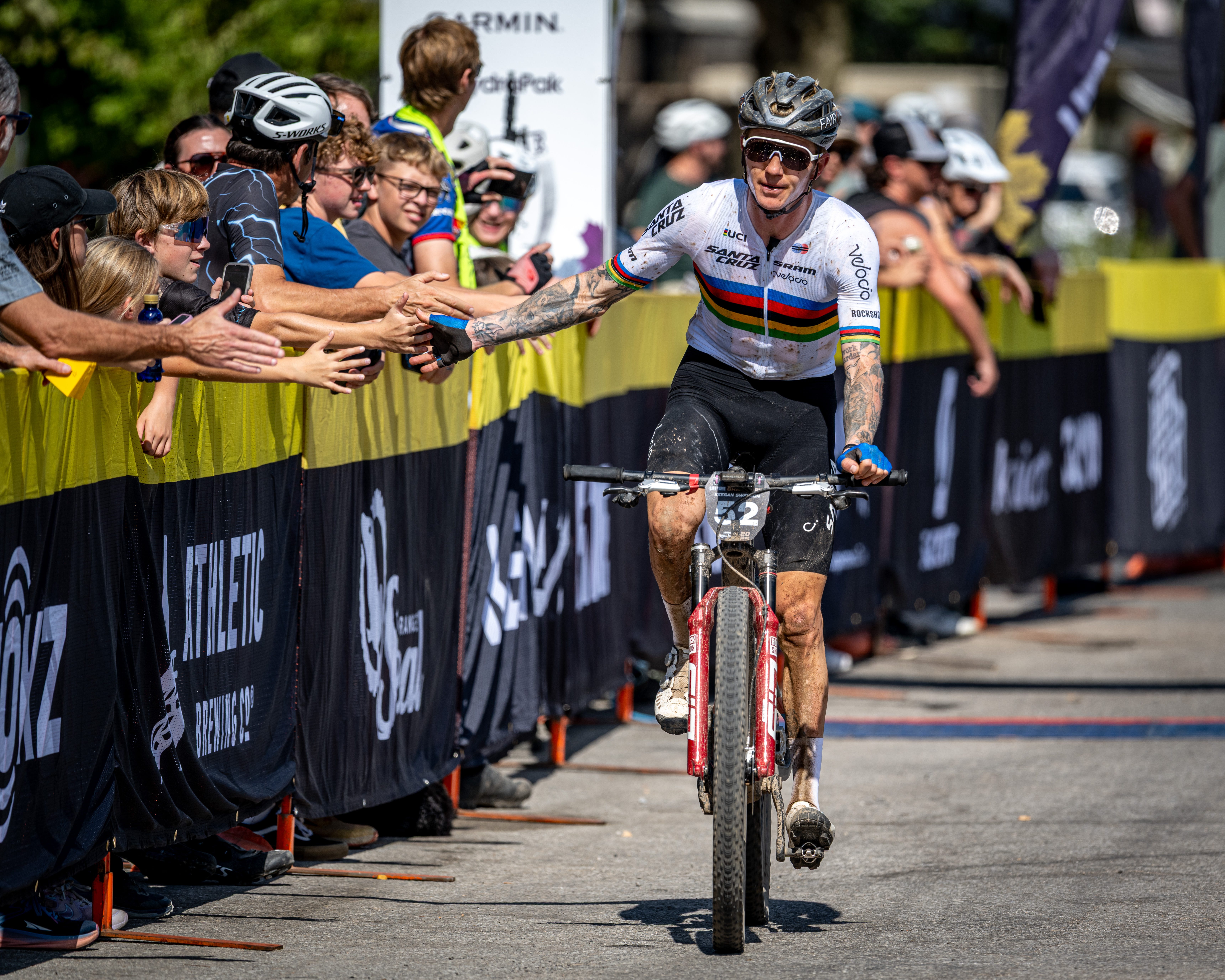
Drive to Survive helped bring two new Formula 1 races to the United States and pushed the sport firmly into the mainstream. If a docuseries can have that level of impact for a sport that 99% of fans will never experience firsthand, cycling should be able to generate real momentum around an activity that is far more accessible to the average person.
Whether success is measured by more people on bikes, increased viewership, a stronger domestic race calendar, or a meaningful shift in public perception, any future documentary must accomplish one major goal: make cycling relatable and entertaining.
With the 2028 Olympic Games coming to Los Angeles and the 2030 Mountain Bike World Championships heading to Durango, Colorado, the sport has rare and timely opportunities to grow in the United States. The challenge now is whether cycling can present a compelling enough vision to convince a major media company to tell that story.
Ride and rip,
Kyle Dawes
I like this! I think a big part of the whole Netflix and F1 thing that people forget is that DTS was just one part of a bigger media puzzle that was already in play. It was the final (very public) piece to one of (if not) the best marketing strategies in recent sporting history.
F1 also has a very closed narrative that's quite simple to tell. There are the same twenty drivers and ten teams racing each weekend. They're all working towards the World Championship. LTGP kinda has this, but how do you explain it if some random person comes in to win Unbound?
Highly recommend this book: The Formula: How Rogues, Geniuses, and Speed Freaks Reengineered F1 into the World's Fastest-Growing Sport
I think you've hit the nail on the head. IMO, what the Red Bull Marketing team has been doing for years is what needs to be copied to grab people's attention (I'm referring to large stunts and crazy mountain biking acrobatics). That's what people find entertaining online. Road cycling just feels really boring & linear if you're looking at it from the outside in. F1 was in the same situation with the cars going around and around on the track, but then the production team started adding onboard POV cameras that showed not only put into perspective the speed of the car and the road, but also the driver and the quick turns of the steering wheel. Adding those new perspectives and live infographics showing stats + the live radio channels really brought the viewer into the broadcast and turned the race into a dramatic experience. F1 fans are stats crazy. Put live POV Gopro chesties on Mountain Bike or BMX racers and put sensors in their pedals or soles to display their watts on the broadcast. Production wise, that's the direction I would take.