


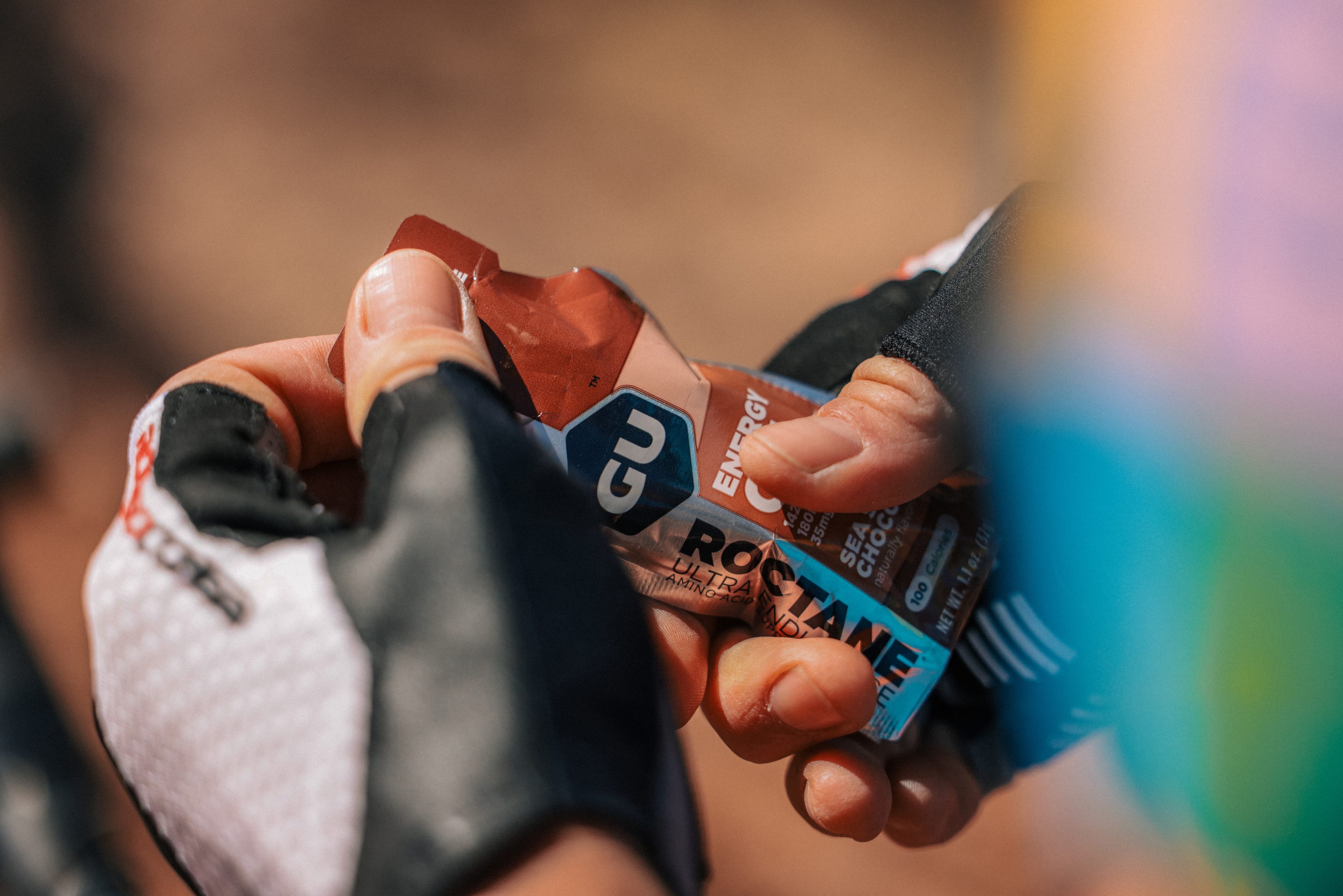
When most people think of athlete marketing, their minds might go straight to bikes and clothing sponsors. They are the most visible products during a race and the bike is quite literally what the sport revolves around.
Whether it’s a privateer or a pro team, there are many other essential partnerships that fill out an athlete’s sponsor roster. One of the least visible, but still incredibly important, is nutrition. Fueling is a fundamental part of a cyclist’s performance, and athletes can’t afford to get it wrong.
This makes the marketing landscape for nutrition brands uniquely complicated. With limited visibility during races, these companies need to maximize impact from their athlete partnerships. Athletes, meanwhile, can be selective about who they align with, only committing if they trust the product will deliver on their performance fueling needs. The result is a more limited pool of athletes for nutrition brands to recruit from compared to other product categories.
And in recent years, nutrition distributers like The Feed have disrupted the space, sponsoring athletes and offering them the ability to access multiple products at once rather than committing to a single brand.
How do nutrition sponsorships work within athlete marketing, and what are the different roles they play in the athlete/sponsor relationship? I spoke with Yuri Hauswald, a veteran endurance athlete for GU Energy Labs and the company’s Athlete Manager, to explore these dynamics from his experiences at a leading brand in the space.
GU, an intriguing case study
There are hundreds of nutrition brands that cater to endurance athletes, but few have been around as long or reached the success of GU. Founded in 1993 by Bill Vaughan, GU was among the earliest entrants into endurance-specific fueling, alongside brands like Clif Bar, Science in Sport, and Honey Stinger.
Today, GU remains a market leader, but the landscape of fueling options has expanded rapidly. The 2010’s brought new brands like Maurten, Skratch Labs, and Precision Fuel & Hydration to the market and they grew quickly with their high-carb products. GU built its reputation as one of the original science-oriented nutrition companies with its amino acid technology, but now the space is crowded with brands claiming to have perfected the science of fueling.
As a result, the current state of nutrition marketing is as complex as it has ever been. Untangling how these companies fit into the sponsorship landscape isn’t easy, but looking closely at a brand like GU offers a unique opportunity to better understand broader market dynamics.
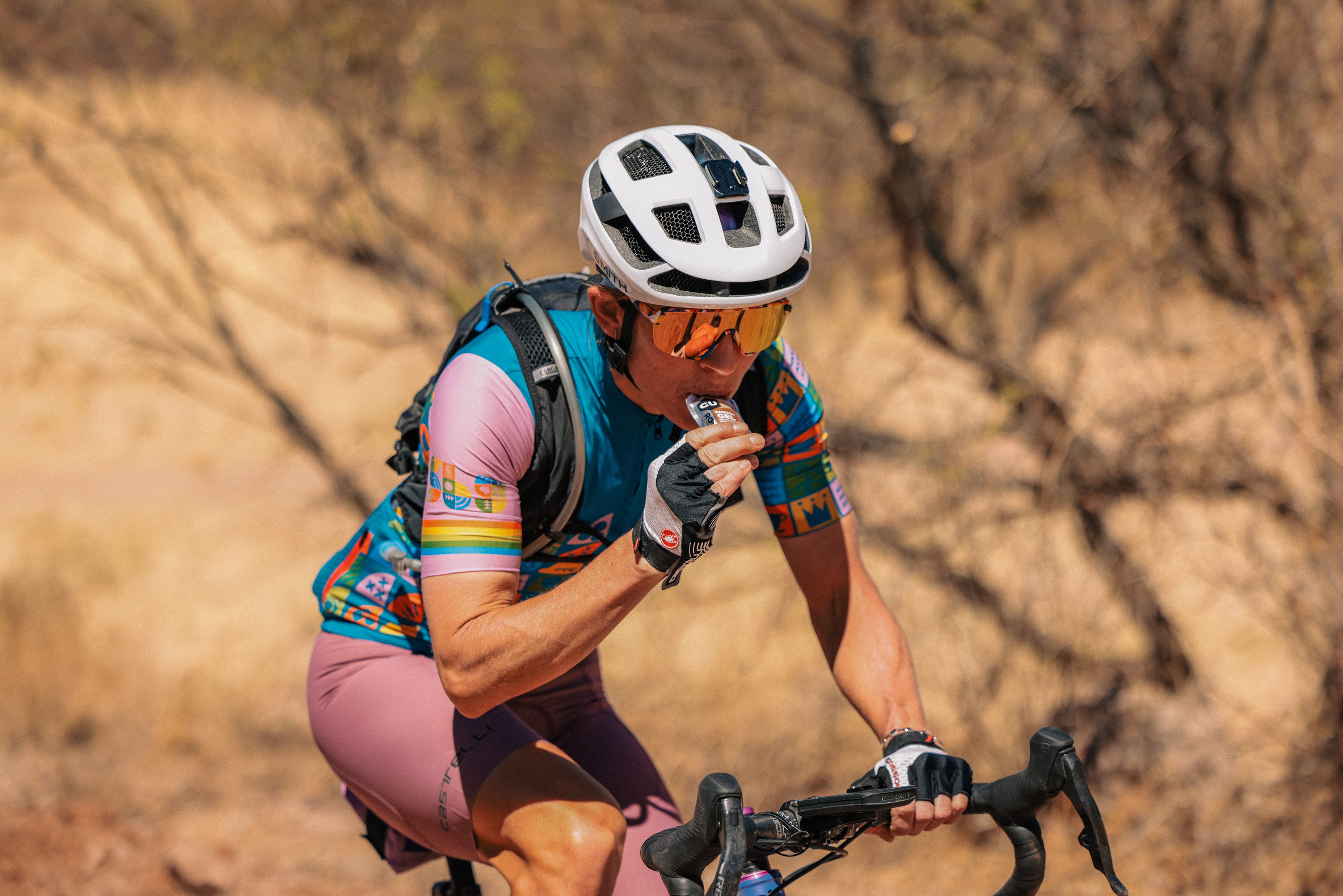
What sets GU apart is a holistic approach to marketing. Unlike many of its competitors, GU touches every corner of the endurance nutrition market, meaning they navigate market dynamics affecting almost every subset of nutrition products. Several factors contribute to this wide reach, including:
An emphasis on diversity and empowerment
A track record of successful athlete marketing
Accessibility for new athletes entering the sport
Deep community engagement
I explored each of these topics with Yuri, and his experience offered a clearer picture of the role nutrition sponsors play in athlete relationships.
Athlete management at GU
As I discovered in my story on Ventum’s athlete strategy, it’s common and practical for former athletes to step into athlete management roles. Yuri follows that path, but with one key difference. He manages GU’s athlete relationships while still being actively sponsored by GU as an athlete.
His own career is probably the most relatable pro story you’ll find. For eleven years, Yuri balanced life as an English teacher while racing professionally at events around the world. That dual identity made his journey less traditional than the typical pro cyclist, but also more grounded. His results and contributions to the sport are prolific and earned him a spot in the Gravel Cycling Hall of Fame in 2023. All these experiences now shape how Yuri works with GU athletes.
Since Yuri has touched every aspect of endurance sports—from competing at the highest levels, to coaching, to building communities. He brings that range of experience to GU, shaping an athlete marketing strategy that matches the brand’s broad market reach. Learning his philosophy, objectives, and execution offers a unique lens into how GU fits into the bigger picture of athlete sponsorships.
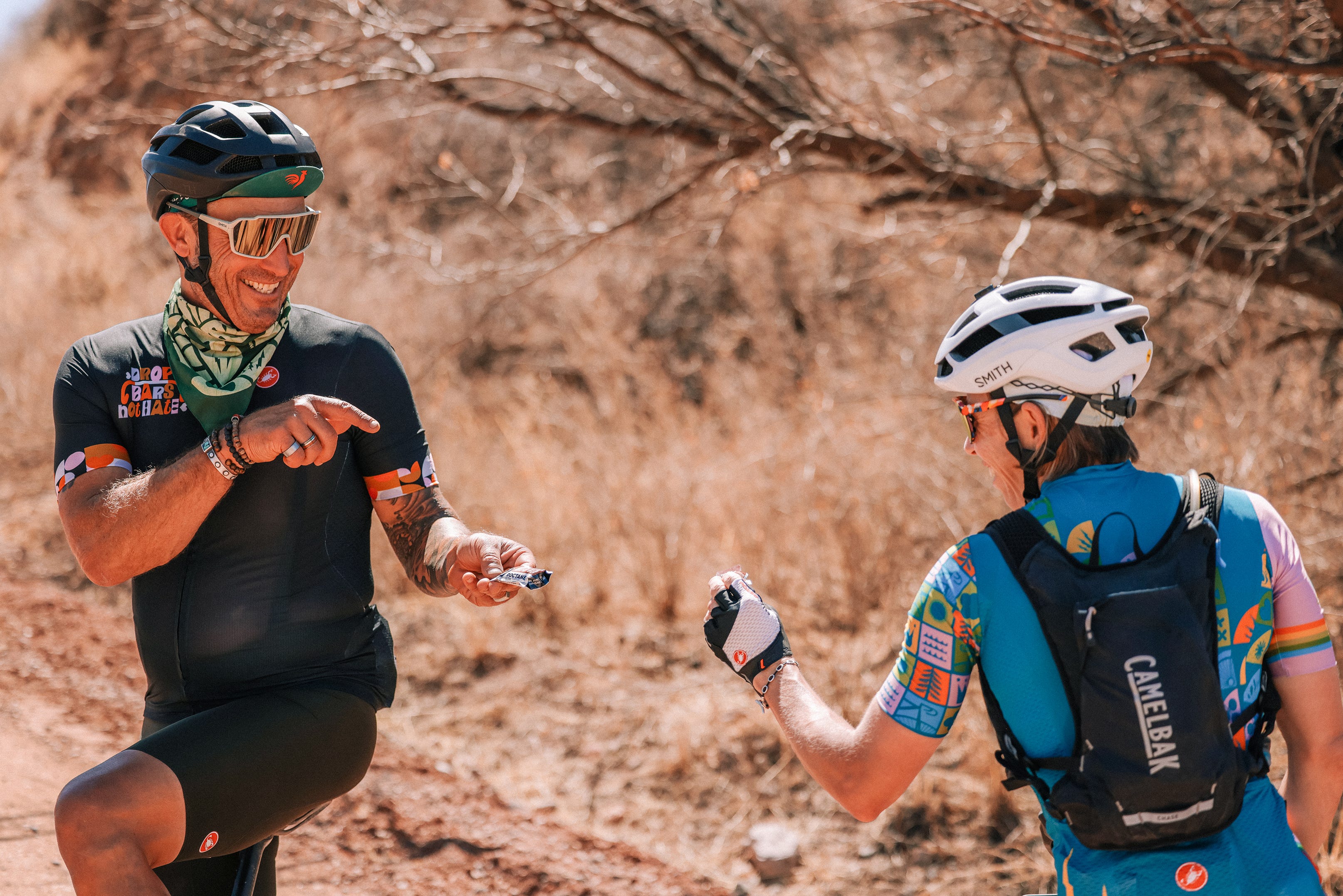
Becoming a GU athlete
Yuri’s selection process for new GU athletes looks very different from other brands that might prioritize social following or race results above everything else. He’s focused on building a roster of well-rounded athletes, defined by a combination of attributes:
Strong morals and values
“It’s not just about results for us. I want athletes who are good humans, who give back, who are community minded. That’s just as important as their performance on the bike.”
Authentic belief in GU’s mission
“We look for alignment. Are they going to represent GU in an authentic way? Do they actually use our products? I don’t want to bring somebody on who is just looking for a paycheck but doesn’t really believe in what we do.”
Balancing performance with community leadership
“We’ve got world champions and Olympians, but I also want that up-and-coming gravel rider who’s leading group rides and inspiring their community. Both types of athletes matter to us.”
Commitment to diversity and representation
“I’ve made it a point to broaden the roster. That means different backgrounds, different types of athletes, not just the same mold of racer we’ve always seen. We want people who reflect the full scope of the endurance community and represent diverse backgrounds.”
A collaborative spirit
“The best athletes are the ones who help tell the story. They’ll share their experiences, post authentically, maybe even come to events with us. That kind of collaboration is way more valuable than a logo on a jersey.”
At the core, athletes need to share GU’s belief that everyone should have access to physical movement, natural spaces, and wholesome nutrition. They also need to live GU’s values: accountability, athleticism, collaboration, innovation, longevity, and love.
From my conversation with Yuri, it’s clear that he embodies these same values in both his role as Athlete Manager and as a sponsored athlete himself. He sets the standard and expects his athletes to meet it. That might sound like a high bar, but Yuri explained how his own experience as a GU athlete gave him a unique perspective on the benefits of being part of the brand’s roster.
What it means to be a GU athlete
While GU athletes are encouraged to build authentic community connections, they also receive a depth of support from Yuri and the broader GU team that make those efforts easier. For GU-sponsored athletes, the brand isn’t just one of many partners, it becomes a central pillar in their overall development, often playing a more prominent role than other nutrition sponsors would. Yuri explained it best through a NASCAR analogy:
“We don’t want our athletes looking like NASCAR drivers with a hundred logos slapped all over them. It dilutes the authenticity. We’d rather they have fewer, more meaningful partnerships that they can really represent.”
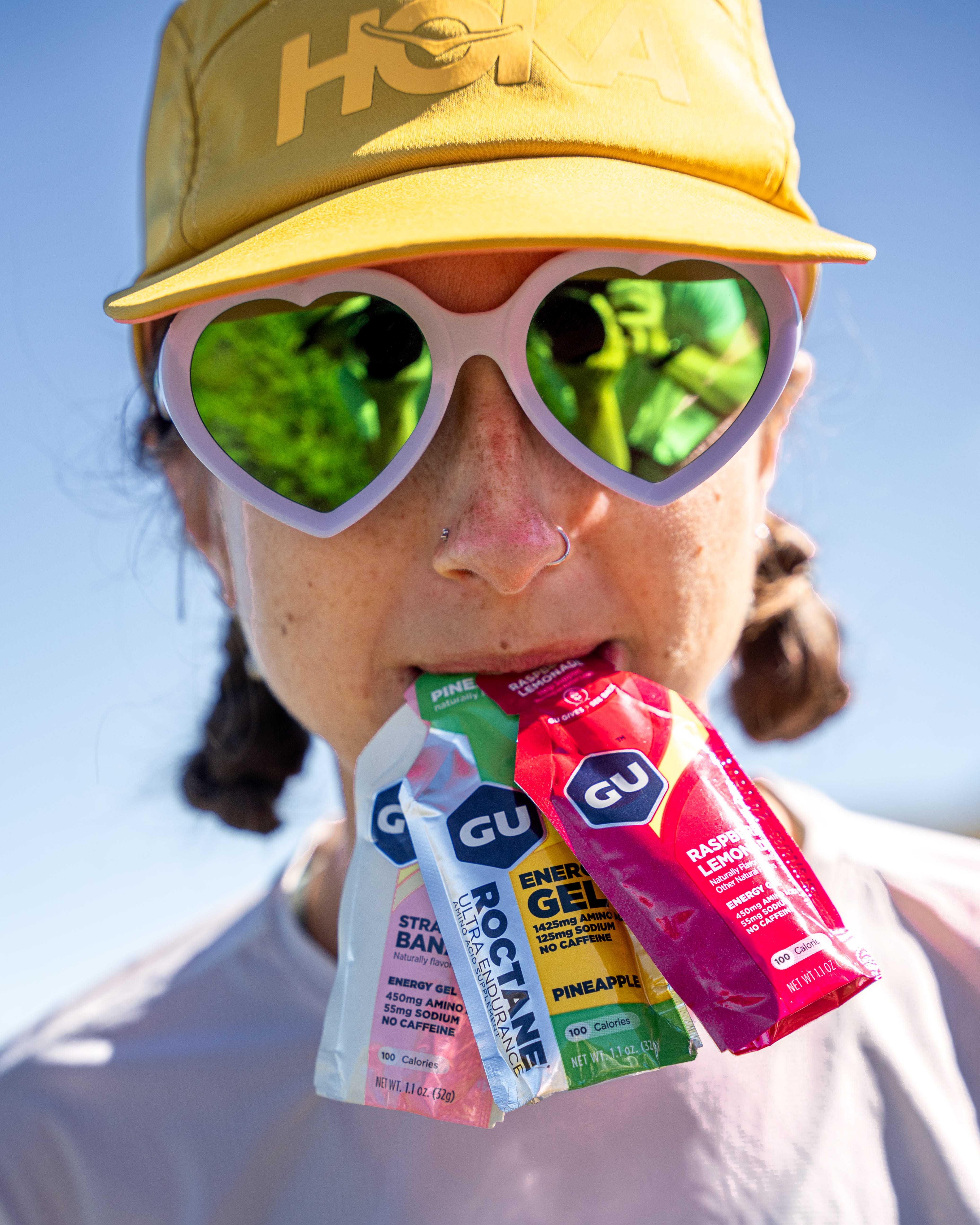
The approach transforms athletes into true advocates for GU, due to:
A long-term vision for partnership
Unrivaled performance and nutrition resources
Opportunities to contribute directly to product R&D
Encouragement to pursue goals and share stories that resonate with their communities
Long-term sponsorship
For many athletes managing their own sponsorship deals comes with a recurring cycle of stress. Every few years, contracts expire and the search begins again. With GU, the expectation is different. Yuri’s goal is for the athlete and brand to be committed to the long haul.
Yuri sets that tone from the start. Having been partnered with GU for more than 20 years himself, he is proof that the company takes care of its people. Before contracts or negotiations even enter the picture, athletes see that he has been supported for decades and that he will make sure they are too. As he explained:
“Some of our athletes have been with us for 10, 15, even 20 years. That longevity only happens because we invest in them, not just with free products, but with real relationships and support.”
While Yuri is often the first touchpoint and the one building trust, athlete support is a company-wide effort that extends far beyond him.
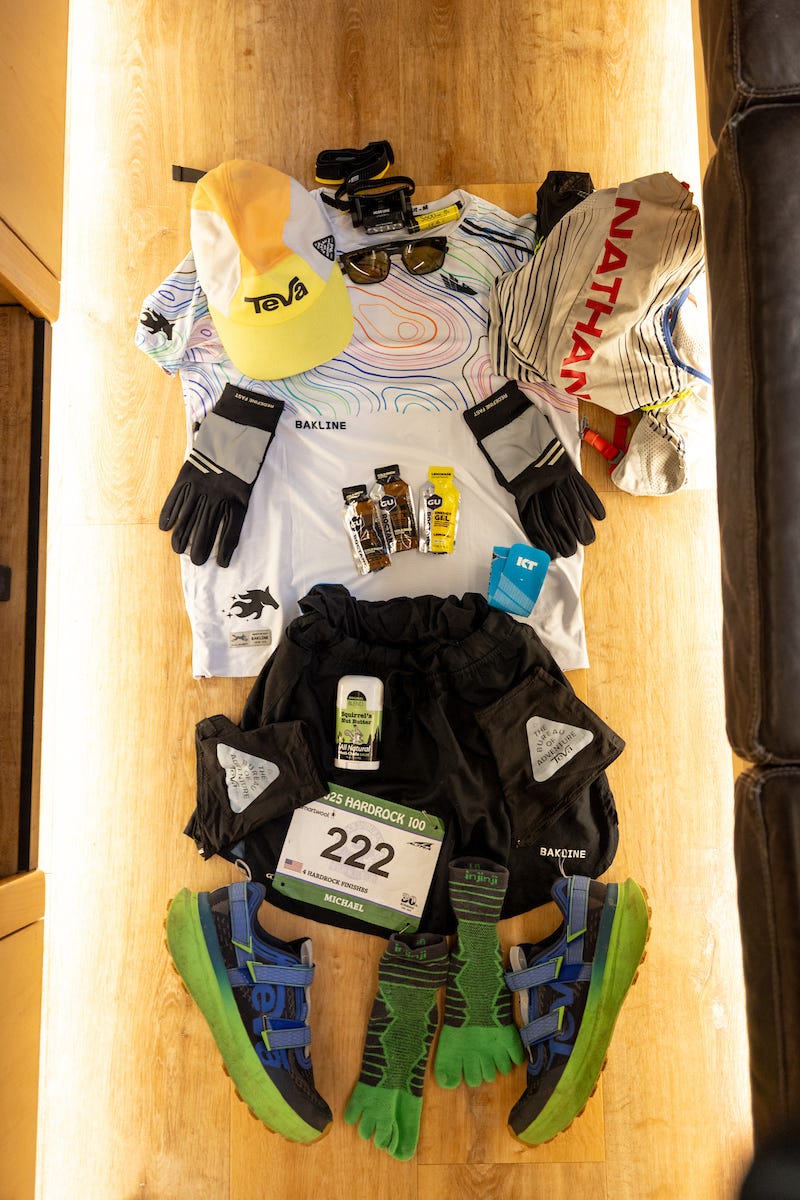
Performance resources
New brands might advertise their products as the most scientifically advanced and optimized for performance, but the truth is that effective nutrition looks different for every athlete. Many factors beyond carbs per hour determine an optimal fueling strategy, including gut tolerance, sodium expenditure, palate preference, caffeine intake, recovery needs, effort-specific nutrition, and more.
Testing all these variables for optimization is extremely difficult without access to professional nutritionists and lab equipment. While newer brands might optimize for carb intake, they often cannot provide athletes with the resources to determine how to best use their products. That is where an established brand like GU has an advantage. As Yuri highlighted:
“Not every athlete gets to work with a sports science lab, but with GU they do. It’s a big differentiator. They can try things, measure performance, and really dial in their nutrition. We also have an in-house nutrition team that athletes can leverage. If they’ve got questions about fueling strategies or product use, they can work directly with our experts.”
While GU’s performance labs might not reach the scale of labs at companies like Red Bull and Nike, for cyclists, especially privateers, these resources are invaluable.
R&D Participation
As an amateur gravel racer, I was candid with Yuri about how I have recently perceived GU. I told him that the brand acted as an amazing gateway for me to start experimenting with performance nutrition. GU’s wide variety of gel flavors, branding, and presence in stores made it the most accessible option compared to minimally branded and unflavored products that now saturate the market.
As I became a more serious cyclist, I shifted away from their products toward brands that were in vogue, the ones offering higher-carb options than GU. I asked Yuri if this shift has impacted athletes when considering GU as a sponsor. He was honest:
“It can make it harder to sign certain athletes, sure. If someone is locked into the ‘more carbs equals better’ mindset, they might go with a brand that promises that. But we’ve found that the athletes who choose GU are usually thinking beyond just numbers on a label.”
“We’re not trying to be the brand that just packs the most carbs into a single serving. Our products are designed for digestibility and long-term gut health. Some athletes get that right away, others need more education.”
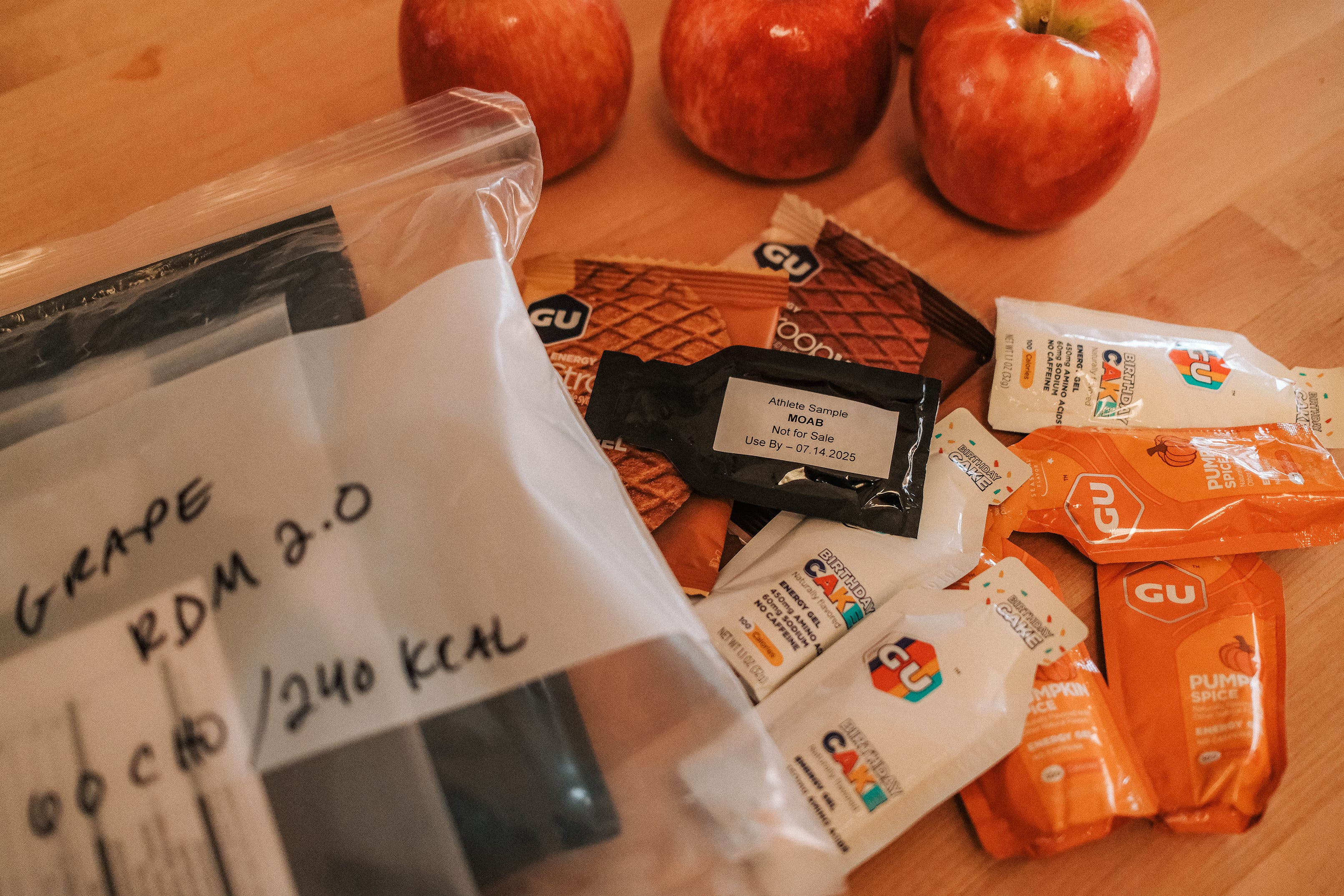
Yuri also emphasized that neither he nor GU make half-hearted promises just to have athletes on the roster. If a GU athlete has concerns about the effectiveness of certain products, their feedback is guaranteed to be heard and acted upon, either by connecting them directly with the GU performance lab or by involving them in R&D. The high-carb craze is no exception.
Without sharing specifics, Yuri explained that GU actively monitors trends and rigorously tests new products. The process may feel slow, but it is deliberate and does not compromise athlete performance.
“Our athletes get early access to products we’re still developing. Their feedback is invaluable because they’re using it in real-world conditions, not just a lab. They’ll tell us how it sits in their stomach, how the energy release feels, and what tweaks might make it better. That input often shapes the final product.”
“We’re careful not to compromise our core approach. It’s about finding the right balance between innovation and what has always made GU successful.”
Empowerment
I’ve previously discussed how storytelling is crucial for growing the sport of cycling, and the same principle applies to brands. GU’s mission and values require that consumers feel connected and empowered through their products, and athletes provide the clearest example of this in action.
GU’s collaboration with athletes extends beyond performance coaching. The brand also supports athletes in increasing their influence without the pressure of having to win races. For those who desire it, an athlete’s biggest asset does not have to be their athletic ability—it can be their personality and passion. Showcasing these qualities can deliver more marketing impact than any race victory.
As someone actively involved in building the cycling community, Yuri’s passion for this mission was evident:
“It’s not just about sponsoring pros. We invest in athletes who are building local communities, leading rides, and creating experiences. Those stories get shared and influence people who might never see a pro race, but they see GU in their everyday environment.”
Yuri’s commitment to diversity further strengthens this approach:
“Showing a diverse range of athletes isn’t just the right thing to do—it broadens who sees GU as a brand they can relate to. Our athlete roster reflects the community we want to serve, and that helps our marketing resonate across different segments.”
Yuri and GU act as true partners and resources for their athletes. Their attention to detail, honesty, and genuine relationships allow GU’s products to reach consumers beyond the small population who watch competition at the highest level.
Beyond individual athletes
Up until this point, the focus has been on how GU fits in as a sponsor for individual athletes. But the brand also markets its products through other channels, including teams, coaches, and events.
Teams
Yuri brings the same philosophy and objective when deciding to support teams:
“Teams give us a platform to reach multiple athletes at once. It’s efficient and allows us to support a group of riders who are already collaborating and sharing a story together. By sponsoring teams, we amplify the community aspect of our brand. Teams become ambassadors in their regions, creating engagement and inspiring other athletes beyond just the pro level.”
Supporting teams allows GU to extend its influence while reinforcing the community-driven values that underpin its marketing strategy.
Coaches
Another notable channel is sponsoring coaches. Many privateer athletes coack others on the side, and GU aims to be part of that story as well.
“Coaches are key partners for us. They influence how athletes fuel, what products they use, and how they approach training. Supporting coaches helps us reach athletes indirectly but meaningfully. They can educate, mentor, and inspire athletes, which amplifies GU’s presence beyond just the pro scene.”
By partnering with coaches, GU ensures that its products and philosophy influence athletes beyond the ones it directly sponsors.
Events
Even GU’s event sponsorship decisions tie back to its values and goal of reaching broader audiences beyond professional athletes.
“We prioritize events that align with our values—those that foster community, inclusivity, and sustainability. It’s not about sponsoring the biggest race every time, but the races that reflect who GU is.”
Events also provide opportunities for GU to educate consumers, connect with athletes, and support grassroots racing. These activations allow the brand to reach diverse audiences and reinforce its mission in real-world settings.
Zooming out
Now that we’ve explored GU’s athlete marketing operation in detail, it’s worth zooming out to the bigger question: what is the role and importance of a nutrition sponsor?
GU sponsors performance-focused athletes, community-driven athletes, diverse athletes, as well as teams, coaches, and events. Through these multiple channels, the brand has become one of the most widely recognized names in endurance nutrition. This broad presence shows up in athlete sponsorships, where GU often becomes the most involved and valuable partner for a given athlete.
For many athletes, a nutrition sponsor like GU can be just as important as their bike sponsor. The support goes far beyond financial benefits or race-day logistics. Yuri and the GU team actively support athletes in nearly every aspect of their training, performance, and community engagement.
Smaller nutrition brands, by contrast, may only provide products in exchange for social media posts, activations, and logo visibility. While this approach can still be effective, their role is often secondary to other sponsors. These brands also tend to receive less organic community engagement from athletes, which narrows the audience they reach.
Ultimately, these differences highlight the wide range of roles that nutrition sponsors can play. From fully integrated partners like GU to smaller, more transactional relationships, the market shows that a nutrition sponsor can either be a central force in an athlete’s career or a supplemental one.
The influence of a nutrition sponsor ultimately comes down to more than just the products they sell. Resources, values, team support, and athlete involvement all play a critical role. Even the best nutrition products can be meaningless if athletes aren’t equipped to use them effectively.
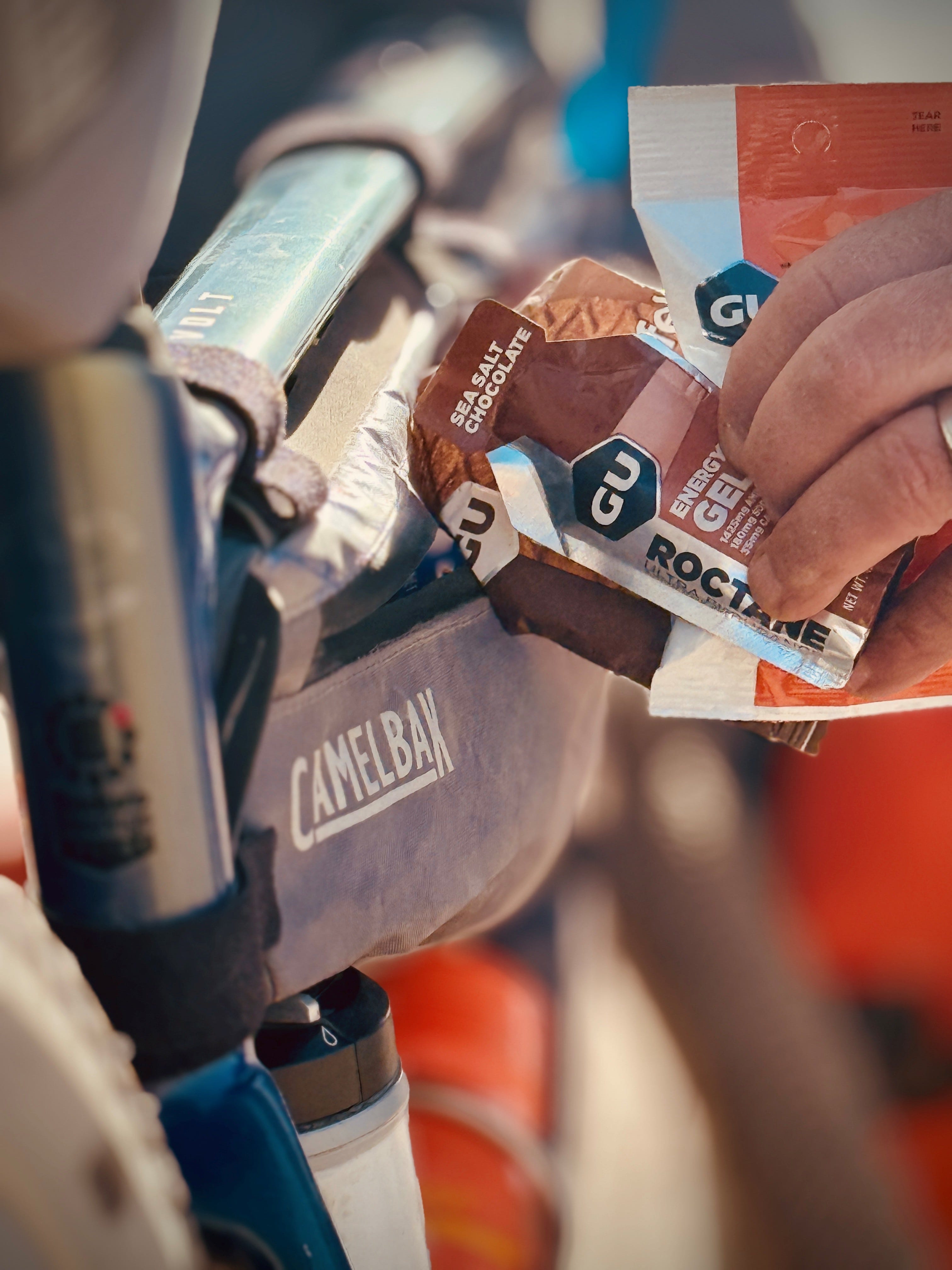
GU Energy Labs may not always dominate the very top tier of results-based performance, but they have become synonymous with endurance athletes and consumers alike. Their values-driven relationships foster long-term commitment and stability, both for athletes and the broader community. Despite being a giant in the nutrition industry, GU operates with the care and attention of a small family business, allowing them to remain heavily invested in the success of their athletes.
After speaking with Yuri, it’s clear that GU is focused on continuous innovation and becoming an even more well-rounded partner. As they expand their product offerings, it will be interesting to see if other companies are forced to match the level of resources and support that GU provides to its athletes.
Ride and rip,
Kyle Dawes
I agree that nutrition sponsors will continue to become more important and more visible as endurance sports prioritize nutrition at the same level as gear, etc.
One thing I found interesting was how GU acknowledges the consumer preferences of other brands, but relies on their core principles of being good for athlete’s stomachs long-term.
To what extent do they provide education around this topic? I used to use GU exclusively when I first started trail running, but eventually switched to other options for various reasons. However, I’m not sure I fully appreciate or understand the nuanced nature of how GU may be less harmful to my stomach.