


Since the race began 20 years ago, Unbound Gravel has grown into the largest off-road cycling event in the world, drawing thousands of gravel riders to Emporia, Kansas every summer. If you follow gravel cycling in any capacity your feeds have probably been overflowing with content from last weekend. The big storylines included epic course conditions that delivered a true mudpocalypse, 32-inch wheels making their professional debut, and the Specialized off-road team putting on a dominant performance.
I know you are probably ready for the media cycle to move on, but I have one more piece before we get to the rest of the gravel season. This year I attended the legendary event for the first time and all I can say is that it exceeded every expectation. In what genuinely felt like a pilgrimage, I left San Francisco, made my way to the Flint Hills of Kansas, and continued my streak of attending Life Time events as media while exploring the development of cycling in the United States from the frontlines.
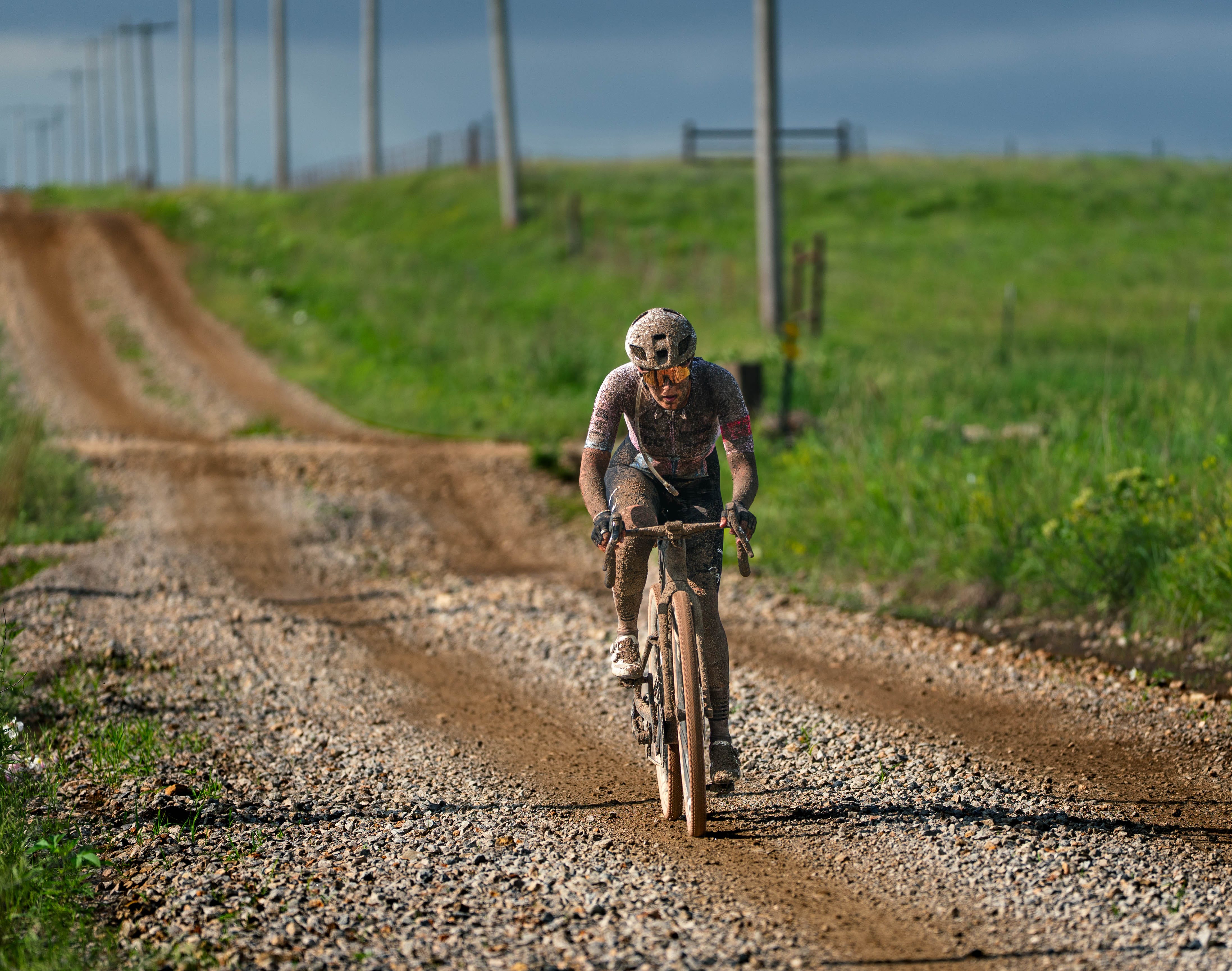
The only reason I was able to attend was because of some chance connections I made at the Sea Otter Classic last month. I wrote a debrief of that event and many of you seemed to enjoy it, so it felt right to do something similar for Unbound. Rather than covering the obvious storylines that have already been thoroughly documented by major cycling media, I will, as always, be looking at this event through the lens of developing cycling in the United States.
I have followed this race so closely over the last four years that I was honestly unsure whether being there in person would give me enough new perspective to write about. It absolutely did. Interacting with brands on the ground, meeting athletes, and working directly with a team for five days in Kansas gave me a view of the broader cycling ecosystem that simply would not have been possible from behind a screen. With that said, it makes sense to start by explaining why I was there, because my primary role at the race informs a lot of what follows.
Working with a development team
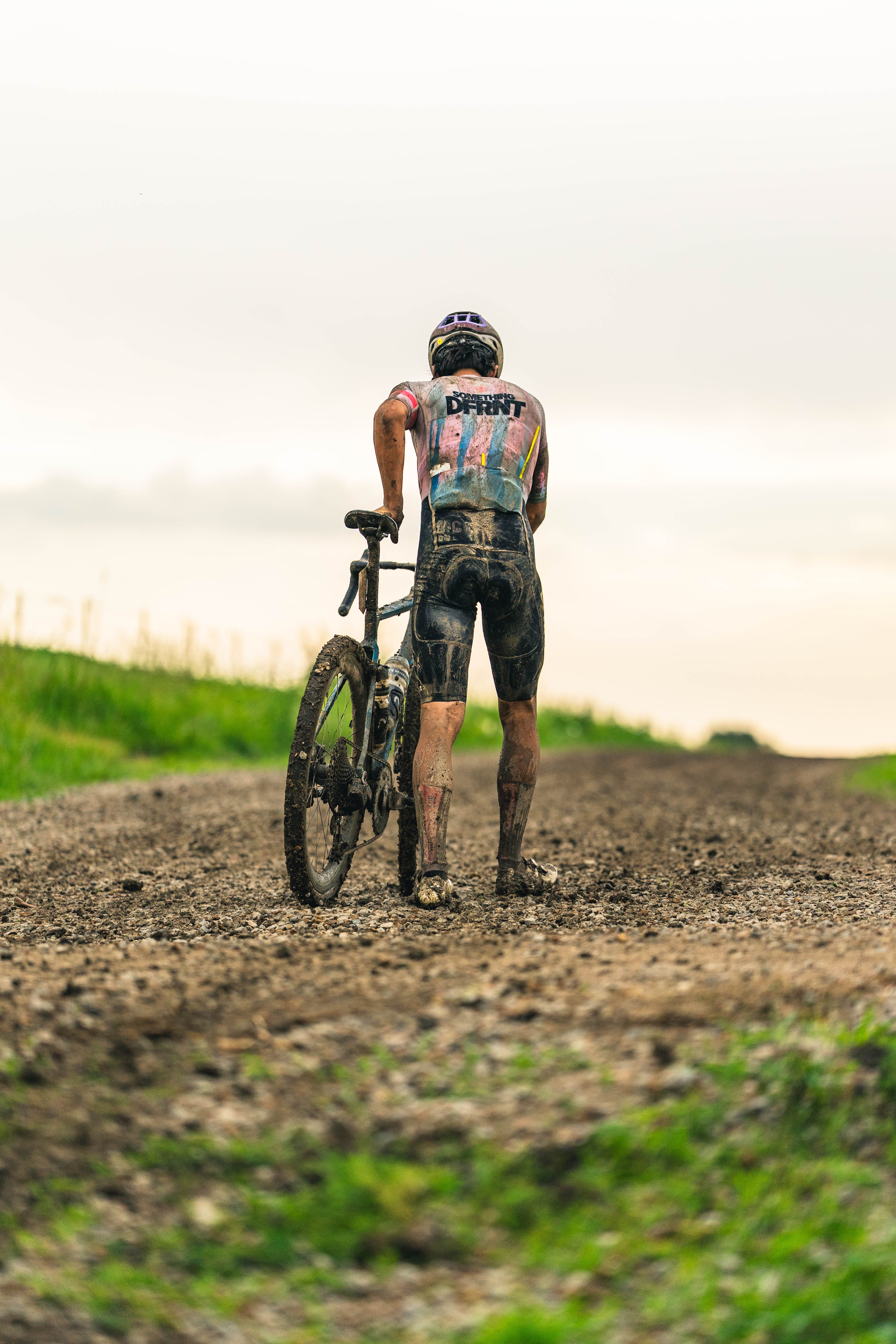
I touched on why I was at Unbound in last week’s piece and gave some background on the opportunity in my Sea Otter recap, but now that the race is over I think a bit more context will help frame the takeaways in this piece. At Unbound I was fortunate to take on the role of team photographer for the Mach1 Devo team, whose athletes were tackling the 100 mile course in the U23 field.
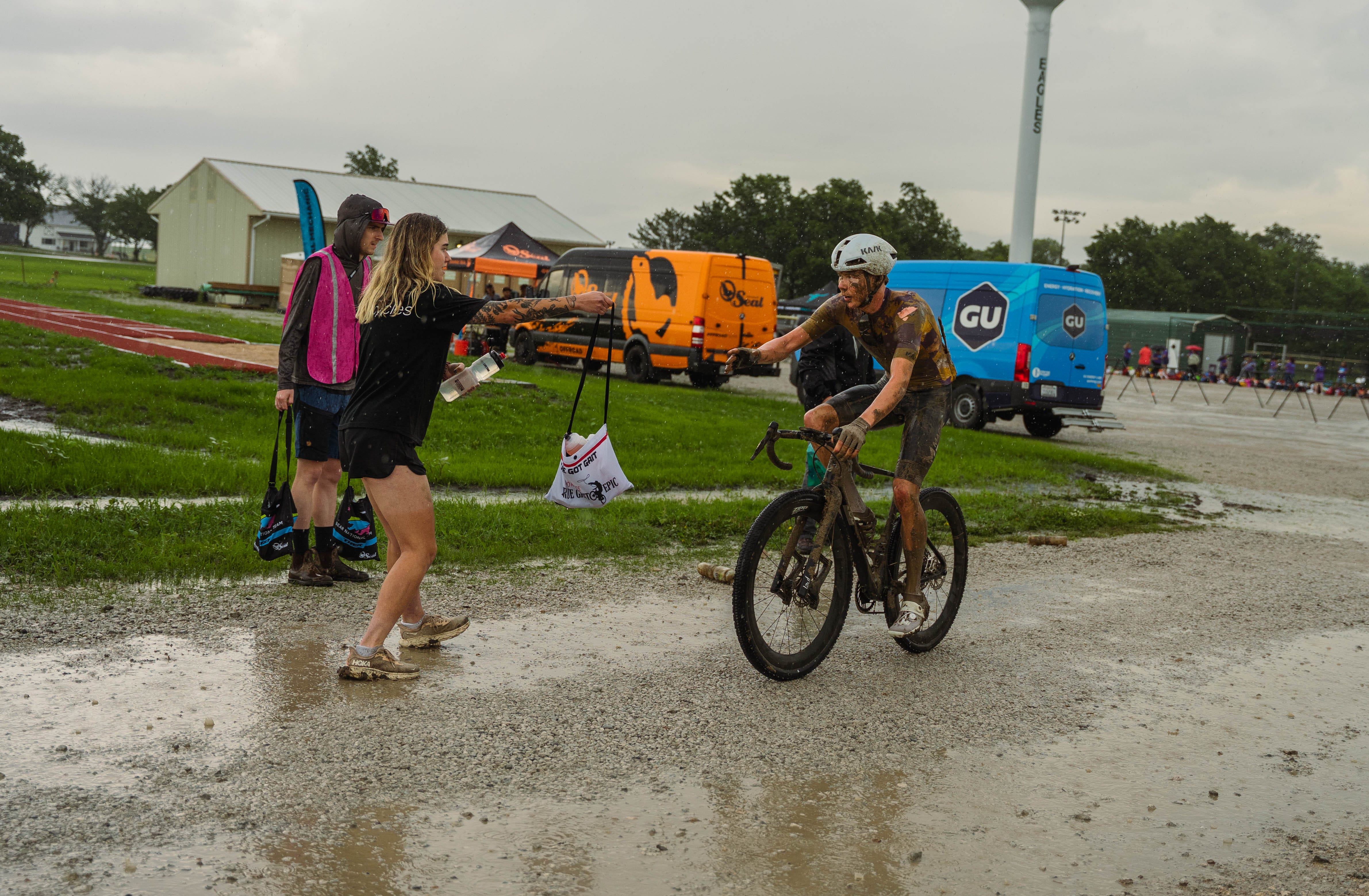
I will be writing a dedicated story on this team covering its riders, its founder, and its origins, so I will not go deep here. The short version is that I met the team’s founder Nina at Sea Otter last month and we struck a deal: I would photograph the team at Unbound and in exchange I would have a place to stay in Emporia with the team and their incredible host Lynne. We shook hands and that was that, sending me to Kansas for my first Unbound experience.
Unbound is essentially a week-long event encompassing the race itself, an industry expo, countless brand activations, and various community events, so it made sense to also attend in a media capacity and make the most of my time there. In reality my schedule only allowed for some quick networking at the expo and photography access to the start of the pro races, but it was productive time well spent.
In the lead-up to the event I also found out that longtime Built on Bikes collaborator Leni of Holy Spirit of Gravel would be in attendance, so we made plans to create some content together between our packed schedules.
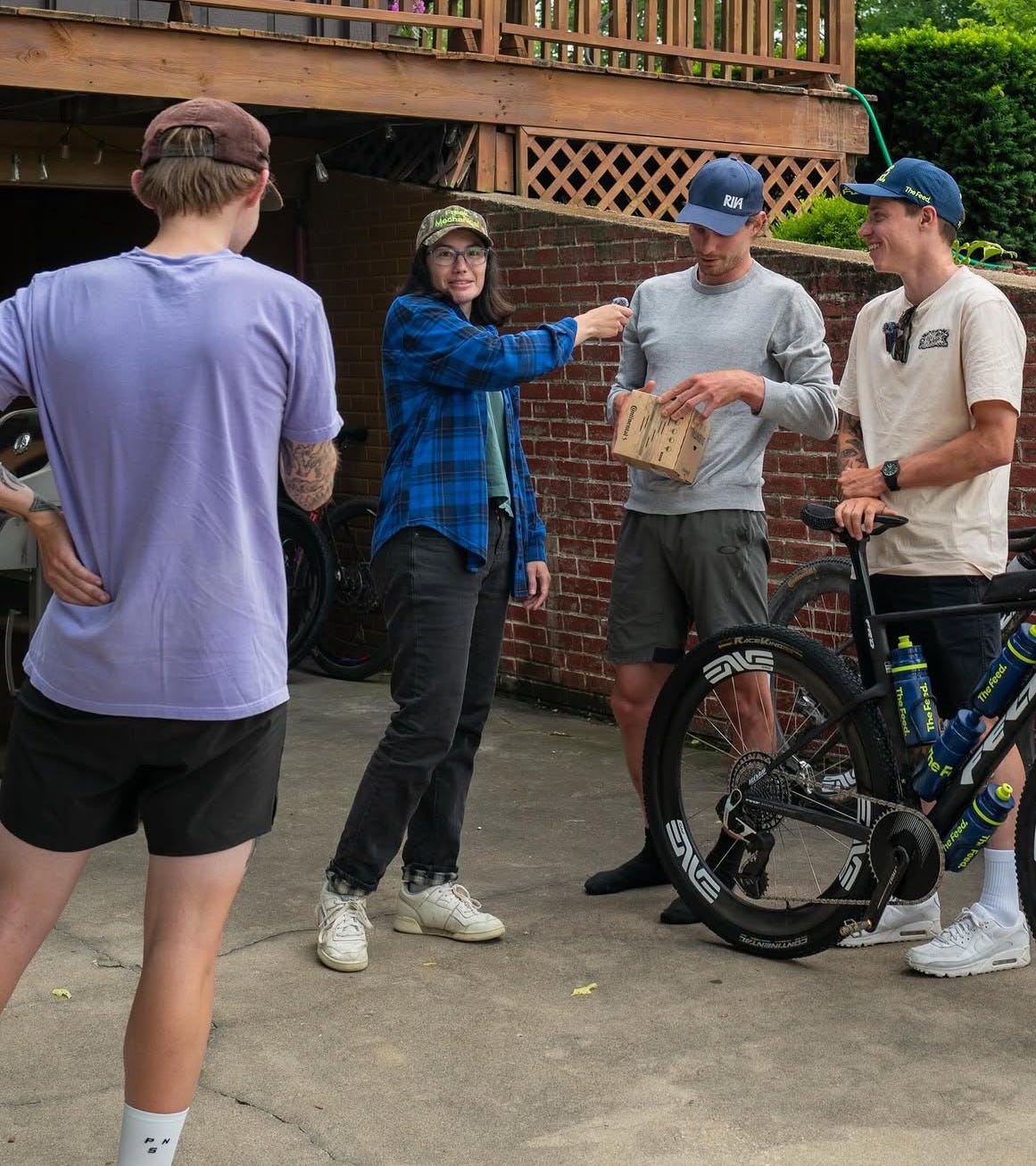
The week was complete madness in the best possible way. Scattered storms, daily photo sessions with the Mach1 team, expo networking, photo editing, and a rain-soaked mud-coated race day that will go down as one for the Unbound history books. I spent the majority of my time getting to know the Mach1 riders and capturing media that I hope gives people a better window into the U23 gravel landscape. That is actually where I want to start with my first takeaway.
U23 racing shouldn’t fly under the radar
I am completely biased here, but spending the week at Unbound with a U23 squad convinced me without a doubt that the U23 fields in the Life Time Grand Prix deserve significantly more attention. Better coverage of these athletes is not only viable, it would set a crucial precedent for American racing.
For expanded coverage to be viable, it would need to draw a meaningful audience that creates revenue potential without diluting coverage of the pro fields. There is a clear path to that reality and it starts with moderation. If there is one thing Life Time does consistently well with the Grand Prix, it is making incremental changes that gradually elevate the racing, the coverage, and the storytelling around it.
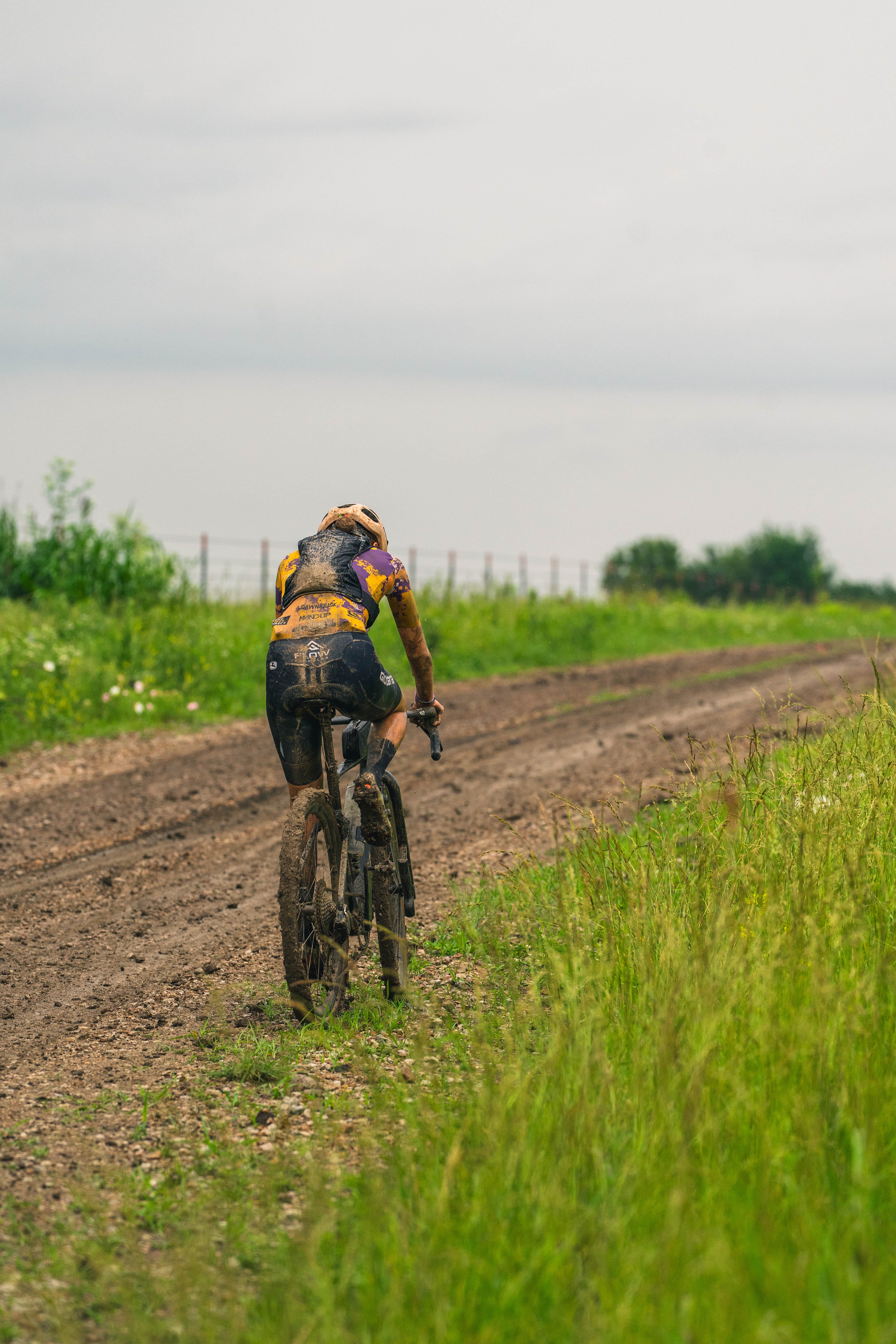
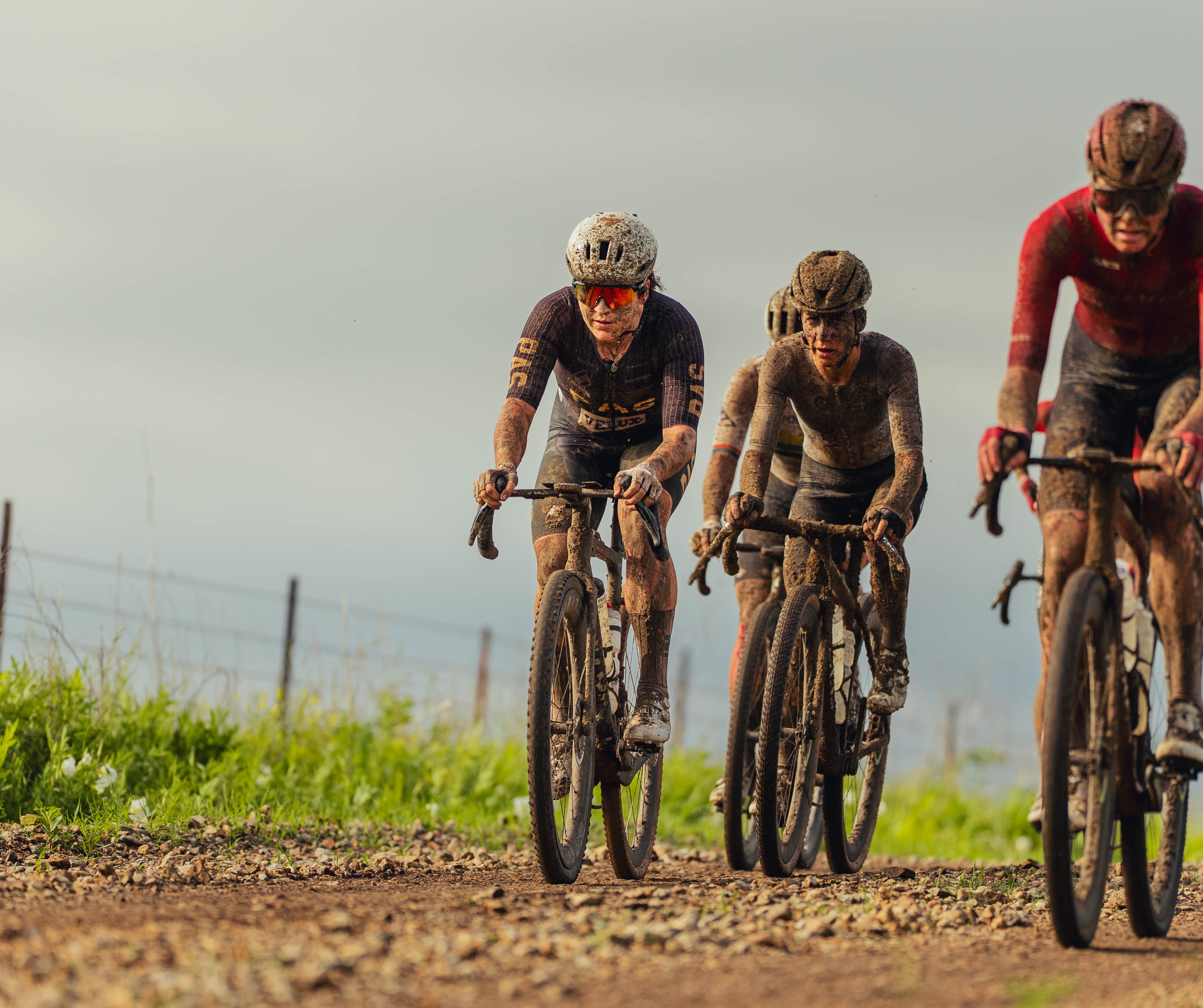
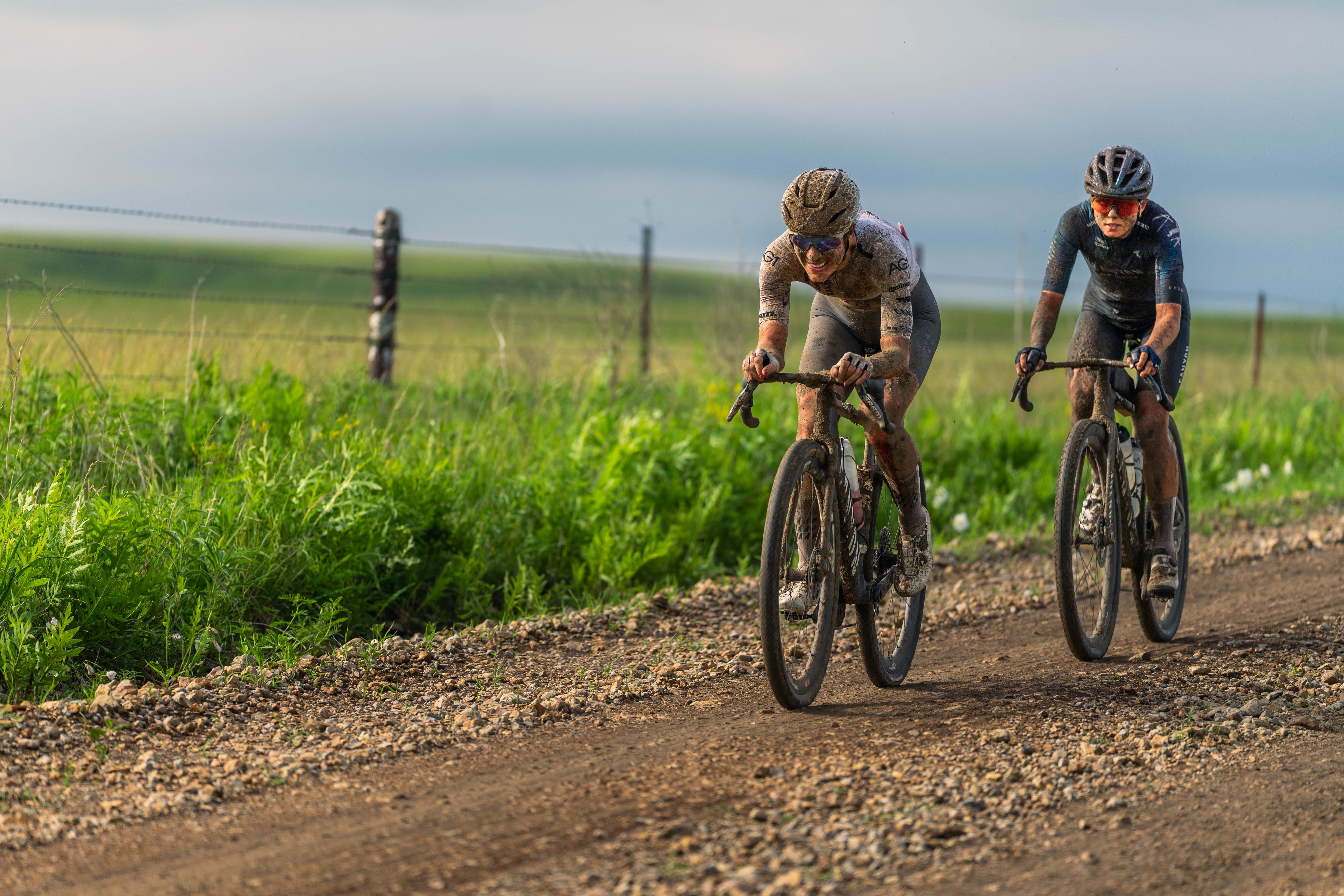
Having spent most of race day on the ground covering the U23 field, I can say with confidence that top tier race dynamics and genuine competition already exist. The men’s U23 race came down to a sprint finish. In just its second season, the U23 Life Time Grand Prix already has strong competitive parity and dynamic racing worth watching. The problem is that the stories of these athletes are not being told widely and there is no way to watch the U23 races live. A reasonable starting point is to prioritize the storytelling first and build toward live coverage from there.
Having spent real time with a U23 squad, I can say with conviction that the stories of these athletes are every bit as interesting, important, and compelling as anything being told in the pro fields. Gravel professionals, for the most part, are now able to focus entirely on performance. They are paid athletes and their lives outside of racing have become somewhat routine to outside audiences. That is actually a good sign. It means the sport is professionalizing in the way other major leagues have, where athletes only need to worry about competing.
For U23 riders that picture looks completely different. These are young athletes juggling school, sponsorships, part time jobs, and the demands of growing up alongside a grueling training and race schedule. It is the privateer struggle of five years ago, amplified. The storytelling potential behind these riders and their support systems is enormous, and capturing it could not be simpler. Spend ten minutes talking to one of these athletes and you will hear their cycling journey, discover their challenges, encounter their unique personalities, and form a connection that makes you genuinely invested in their success.
Live broadcasting is not on the table right now. Hiring an additional film and production crew to cover two more race fields is not practical for Life Time at this stage. But if we look back at Life Time’s original Call of a Life Time YouTube series, there is already a blueprint for how this evolves. Before there was live race coverage, there was a small YouTube series that showcased Grand Prix athletes inside and outside of competition. It generated enough engagement to help make live broadcasting possible and built fan connections that still exist today. The same progression can and should happen with the U23 field.
If we can make this leap forward in U23 coverage, it will set a valuable precedent in our broader effort to grow cycling in the United States. Life Time is currently front and center in American cycling, and if they can demonstrate that interest in U23 racing is real and sustainable, that proof of concept can carry over to other disciplines and other organizations. Unlike Europe, the United States already has a deeply established appetite for college sports and developmental leagues, as we see with Minor League Baseball. If we can tap into that willingness and get American fans watching U23 cycling alongside professional racing, we will have built something European cycling culture does not have: a fan base that grows with its athletes from the very beginning.
Unbound by the numbers
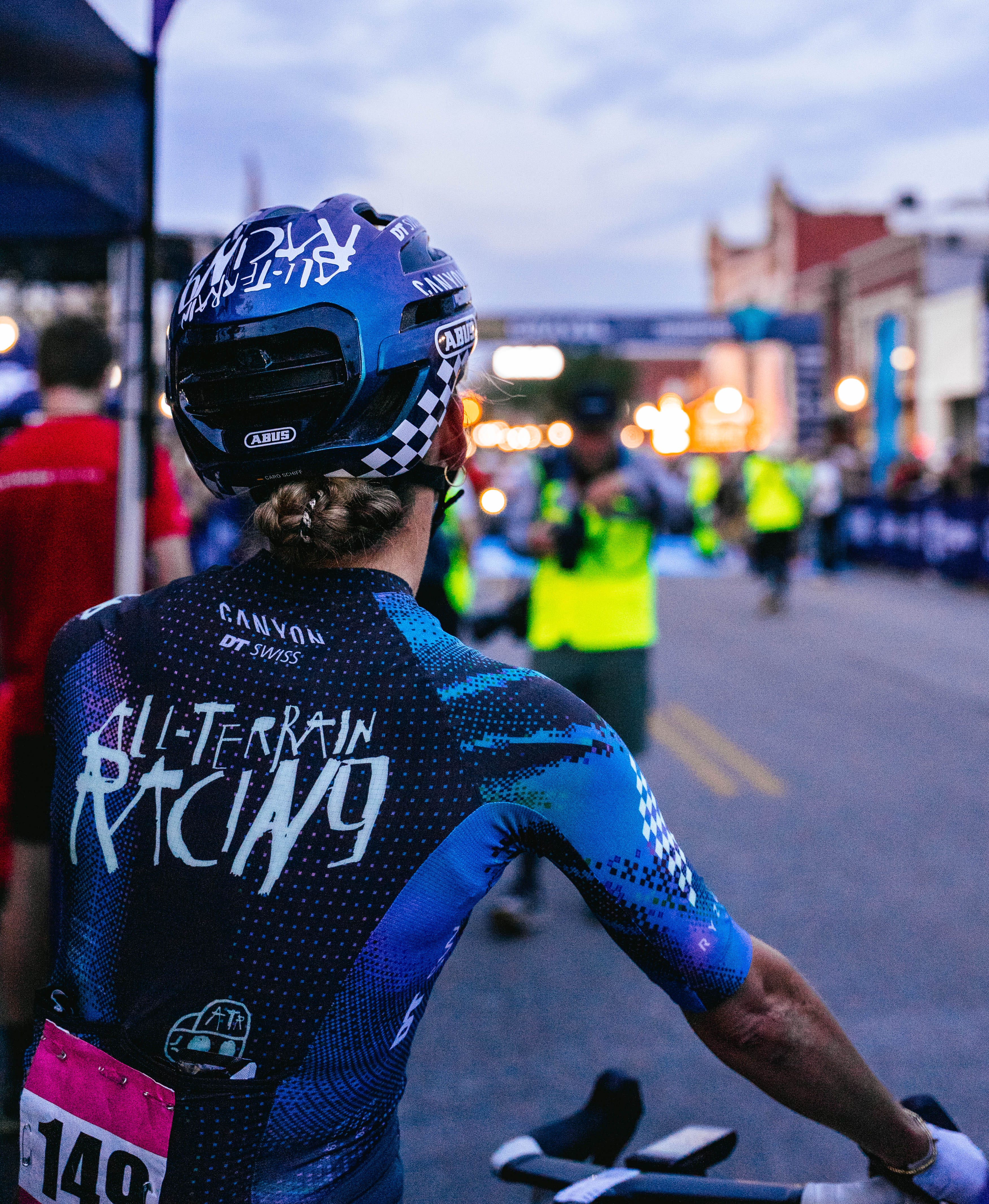
Life Time media credentials also come with access to statistics that are not widely circulated but absolutely should be. These numbers paint a clear picture of growth and economic impact that could prove crucial in convincing investors, brands, and governing bodies to take cycling in the United States more seriously.
Here is the quick rundown:
5,000+ riders in attendance
Participants from all 50 states and 52 countries
23% of participants were female
$21,770,000 in economic impact for Lyon County (2024 figure, likely higher in 2025)
11 hours of live broadcasting
496,931 live views of the race
20,637 average concurrent viewership
52 minutes average viewing time
18,000+ comments on the live stream
For me, there are four big takeaways from these numbers.
Real viewership domestically and abroad
Ryan Cross, Director of Partnership Marketing at Life Time, put the concurrent viewership number into sharp context by pointing out that the average NBA arena capacity is 18,900. The average number of people watching Unbound at any given moment was 20,637. NBA viewership overall dwarfs those numbers without breaking a sweat, but we are talking about live coverage of off-road cycling in America. That is a genuinely promising baseline.
I would be curious to see a demographic breakdown of the audience, but it is reasonable to assume domestic viewers drove the majority of viewership while a meaningful international audience tuned in as well. That combination demonstrates real advertising potential and gives streaming platforms a concrete data point for what Unbound could deliver on a larger provider like Netflix or Max.
Earlier this year a UCI Gravel World Series race featuring Wout van Aert was live streamed on HBO Max, but I would be willing to bet Unbound would draw an even larger audience on that platform even without WorldTour start power behind it. These numbers present a genuinely exciting case for the future of gravel broadcasting in the United States. We just need to continue to secure investment and tell compelling stories that add an extra dimension to the fan experience.
Economic impact is a true selling point
Whether it is pushback on street closures for road races or permitting hurdles for the use of public and private land, organizing cycling events in the United States rarely comes without opposition. But if a race held in a town of 24,100 people can generate economic impact equivalent to $903 per capita, there is a real and compelling case to pitch races to more communities across the country. A new race will not reach Unbound’s scale overnight, but the model exists and the proof of concept is there.
Mass participation is the next selling point
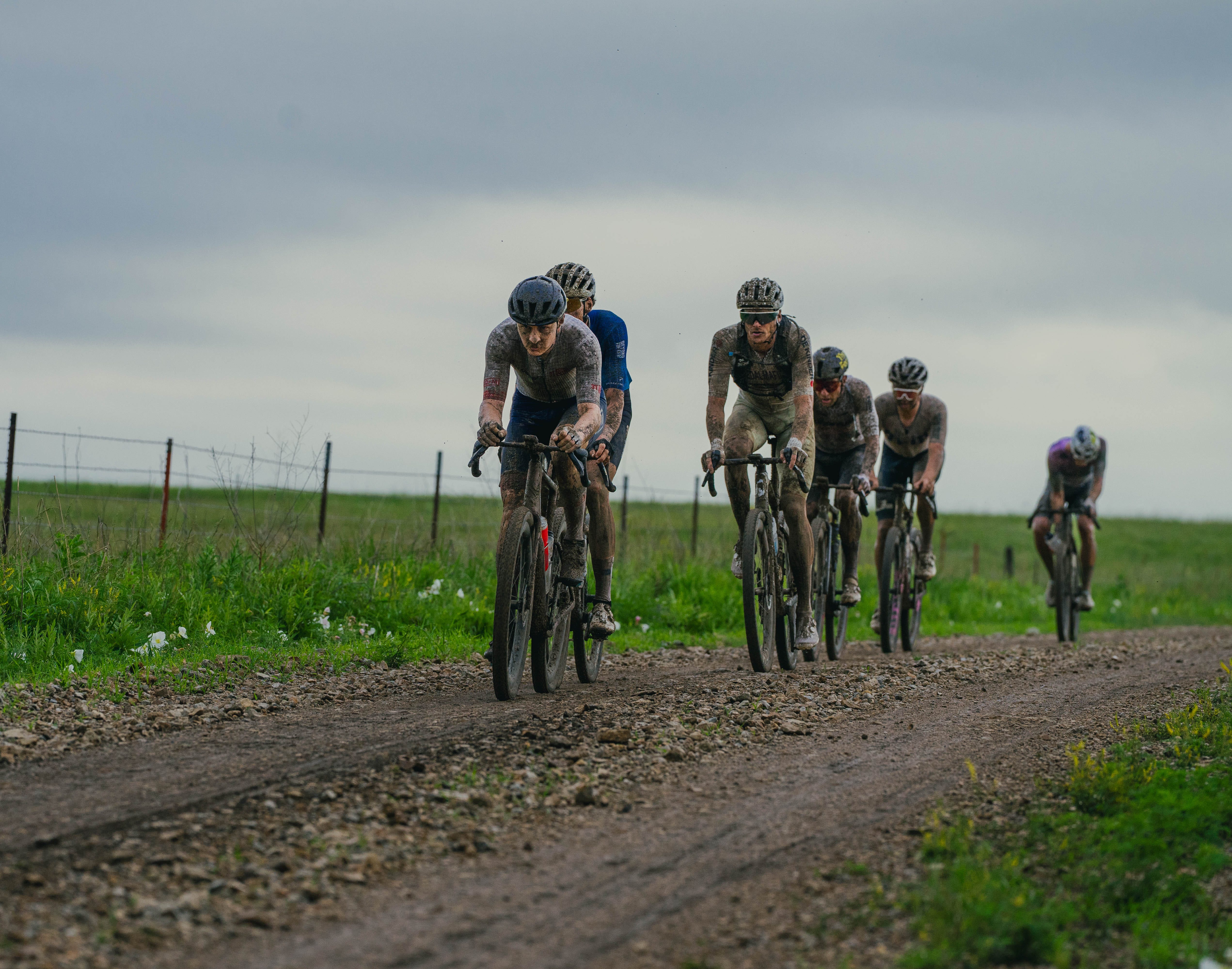
Nothing new here. Mass participation is the formula for success in the American market, and at Unbound it is also the mechanism that attracts world class talent to race on US soil. I think Unbound could serve as a genuine case study for bringing road racing, and eventually WorldTour racing, back to the United States. We have seen some early traction with Levi’s Gran Fondo, but there is room to improve on that model for road racing specifically. Levi’s is a demanding event, but it is not operating anywhere near the scale or cultural weight of Unbound.
I will leave it there because a full article on this topic is coming. Stay tuned.
Unbound is not even close to its ceiling
The 23% female participation figure is the most underappreciated number in this dataset. The percentage has been rising year over year, but it also shows how much runway remains for this event to grow. I have written about women’s cycling being one of the most important keys to growing the sport in the United States, and I think Unbound is uniquely positioned to continue telling the stories of female athletes in a way that drives meaningful growth for women’s cycling broadly.
Media is an all hands on deck approach
These last two takeaways were inspired by a conversation I had with Leni from Holy Spirit of Gravel after the race wrapped up. We were reflecting on the week and thanking each other for the ways we had helped with each other’s content. The collaboration looked different on each side. I drove Leni to and from the airport and helped her film some athlete content while she introduced me to people I had genuinely been hoping to meet for a while.
Leni made a point that stuck with me. She described the process of making content that moves gravel forward as an all hands in the pot situation. Outside of major cycling media networks, the creators who distribute content to audiences beyond the diehard cycling fan tend to genuinely support each other. I could not agree more, and the truth is I would not have been at Unbound at all if Nina had not offered to help a stranger she met in a feed zone.
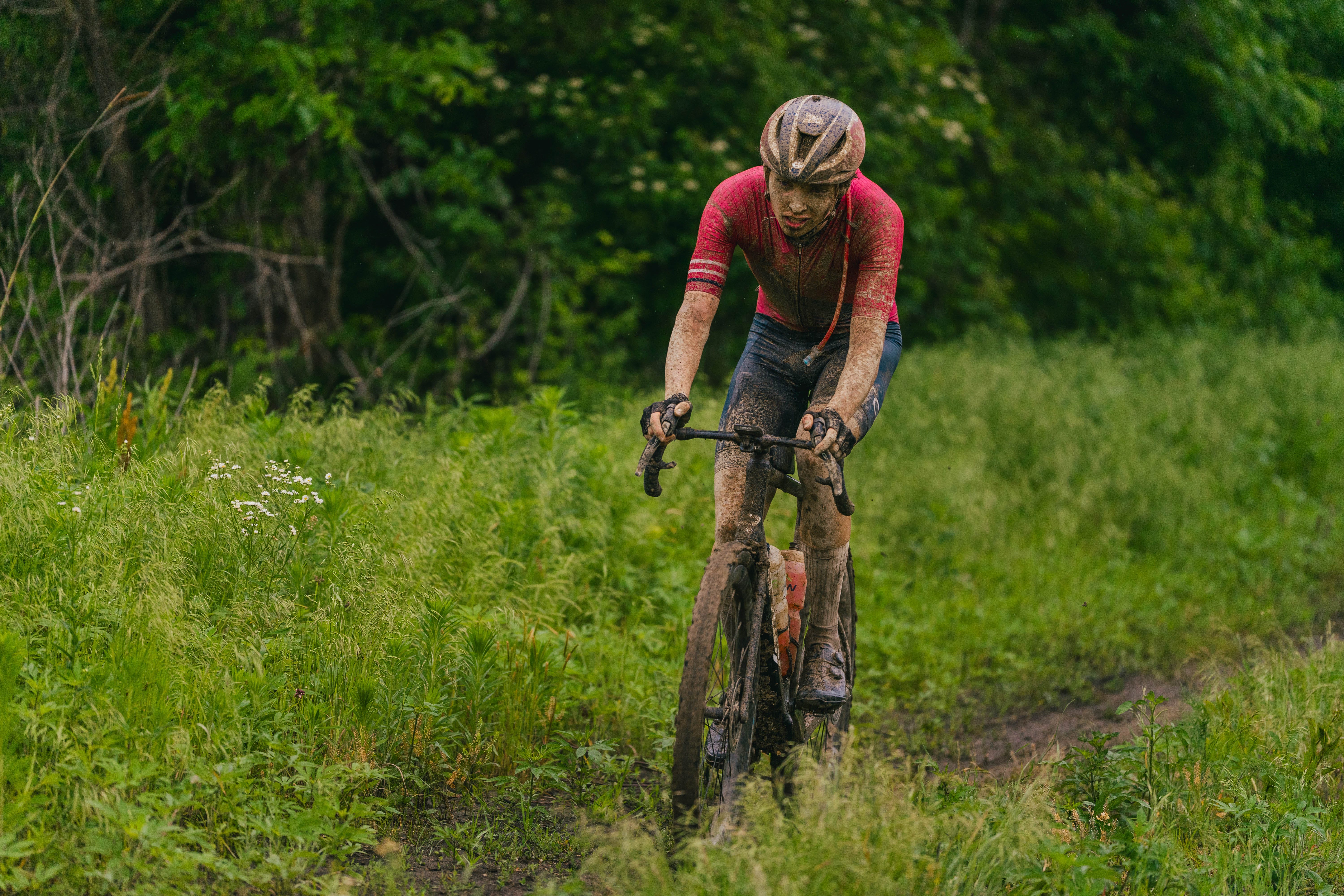
There is a remarkable amount of independent media at gravel events, and from everything I experienced, the people behind it are genuinely happy to help each other out. It comes from a shared love of this strange and wonderful sport and it has been a consistent asset for gravel’s growth in the US and globally.
Part of me wonders whether there is room for more of this kind of independent media collaboration in the WorldTour, but that is a conversation for another day.
We’re seeing a subtle culture shift in pro gravel
In a recent episode of the Holy Spirit of Gravel podcast, Leni made an observation that rang immediately true for me. She acknowledged that there is still meaningful work to be done to make the pro side of gravel easily approachable for the general public, but fans of the sport now intuitively understand the language, the storylines, and the trends surrounding the pro fields.
Look at Unbound five years ago. The pro race was not nearly as deep with talent and was not even the primary focus for most gravel fans at the time. Unbound was still known primarily as the great mass participation event and the spiritual home of gravel riding. If you had walked the expo back then and asked people about the pro race, you would have found plenty who knew very little about the professional field.
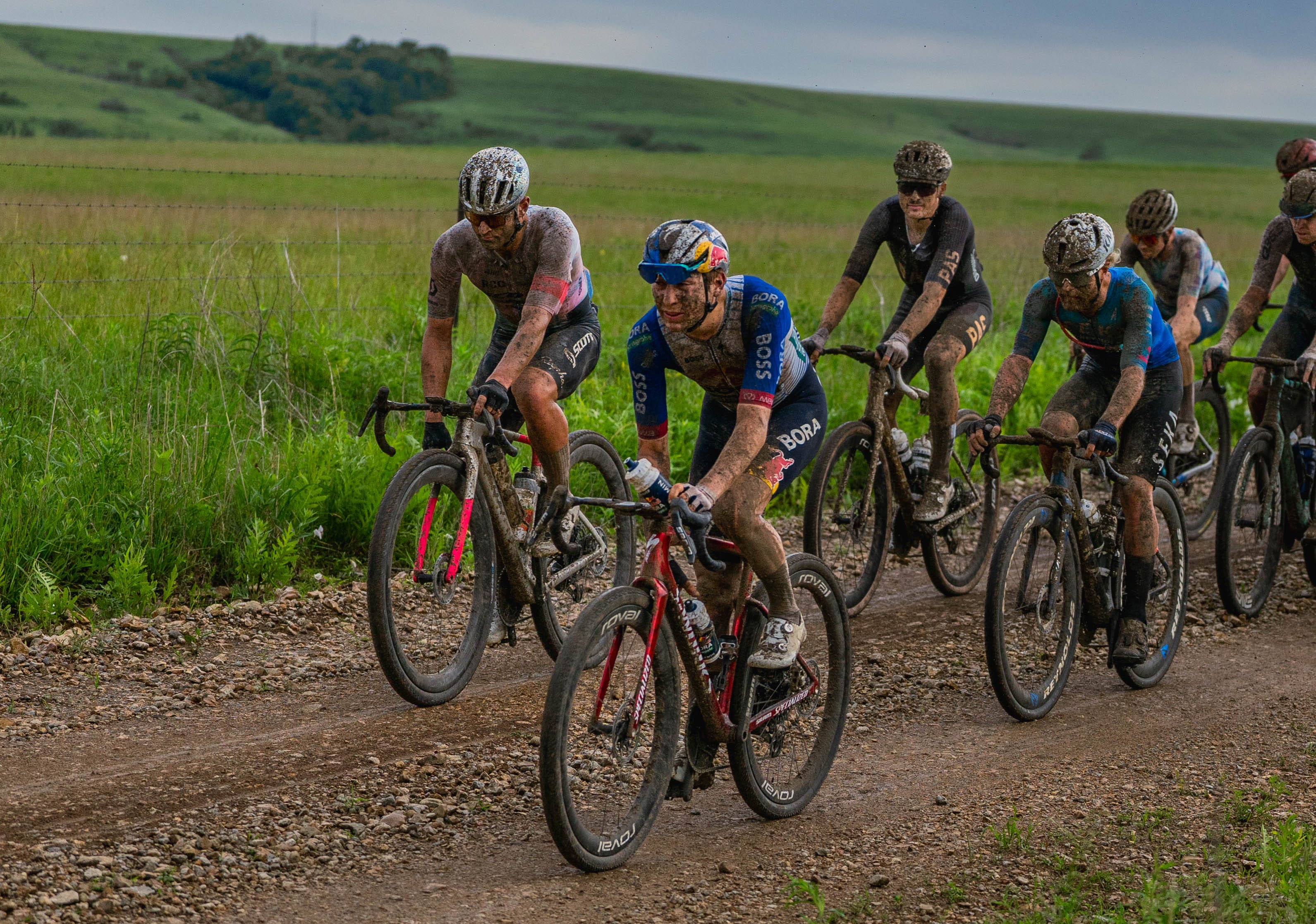
Fast forward to today and the pro race is unambiguously the main attraction and the cultural epicenter of the event. The average gravel fan at Unbound will have heard about the new Specialized Crux, the dominant Specialized super team, and details from athletes’ personal lives like Sarah Sturm joining the commentary crew while navigating pregnancy. Knowledge that used to live exclusively with the most devoted gravel followers is now common currency among casual fans.
Someone brand new to the sport will still need to do some research to get fully up to speed, but even for casual observers the lore is established and accessible. That cultural literacy is the product of two things working together: the independent media ecosystem I mentioned earlier and the excellent branding work Life Time has done with the Grand Prix. The sport may still feel niche to outsiders, but the progress over the last five years is genuinely impressive and the next five years are exciting to think about.
In other news
Specialized won the marketing battle
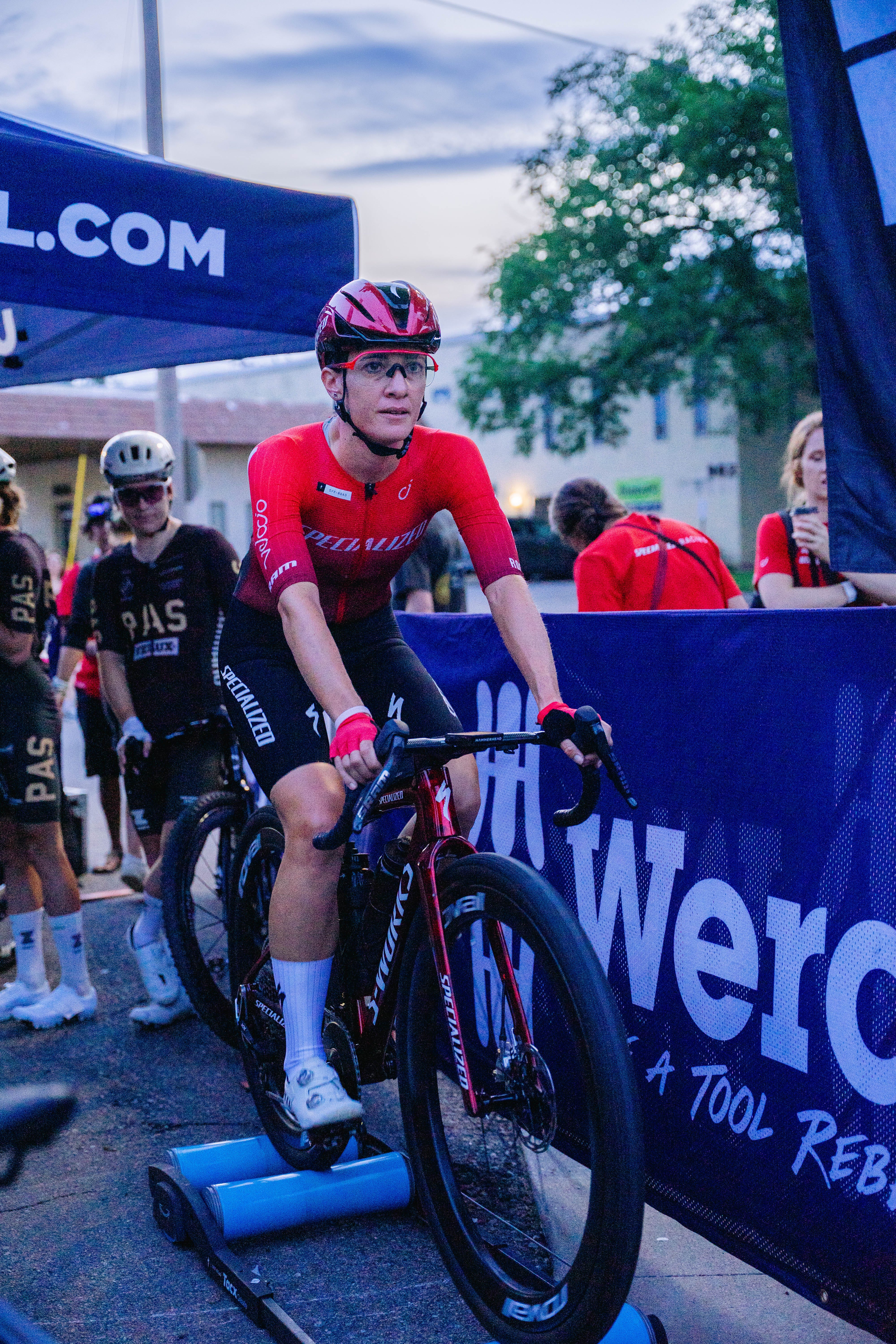
Going into Unbound, all eyes were on Scott, who were equipping their riders with prototype gravel bikes featuring 32-inch wheels. The new wheel format has been one of the biggest talking points in the industry this year, but Specialized also arrived with significant media momentum behind the full release of the new Crux gravel bike. The Crux went 1, 2, 3, and 5 in the men’s field and 1 and 2 in the women’s. That result provided immediate proof of concept and ensured that the bike everyone is talking about coming out of Unbound is Specialized’s new speed machine. I may or may not want one for myself now, badly.
Blink and you’ll miss it: Kate Courtney is on the road
I keep secrets well, so I have known about some rumblings of this news for a while, but I will not share anything beyond what is already public speculation. Recently American mountain biker Kate Courtney competed in the Tour de Féminin road race for Team USA and won the final stage in a sprint finish. Why is she racing on the road? It would appear Kate has her sights set on making the American road team for the 2028 Olympics in Los Angeles.
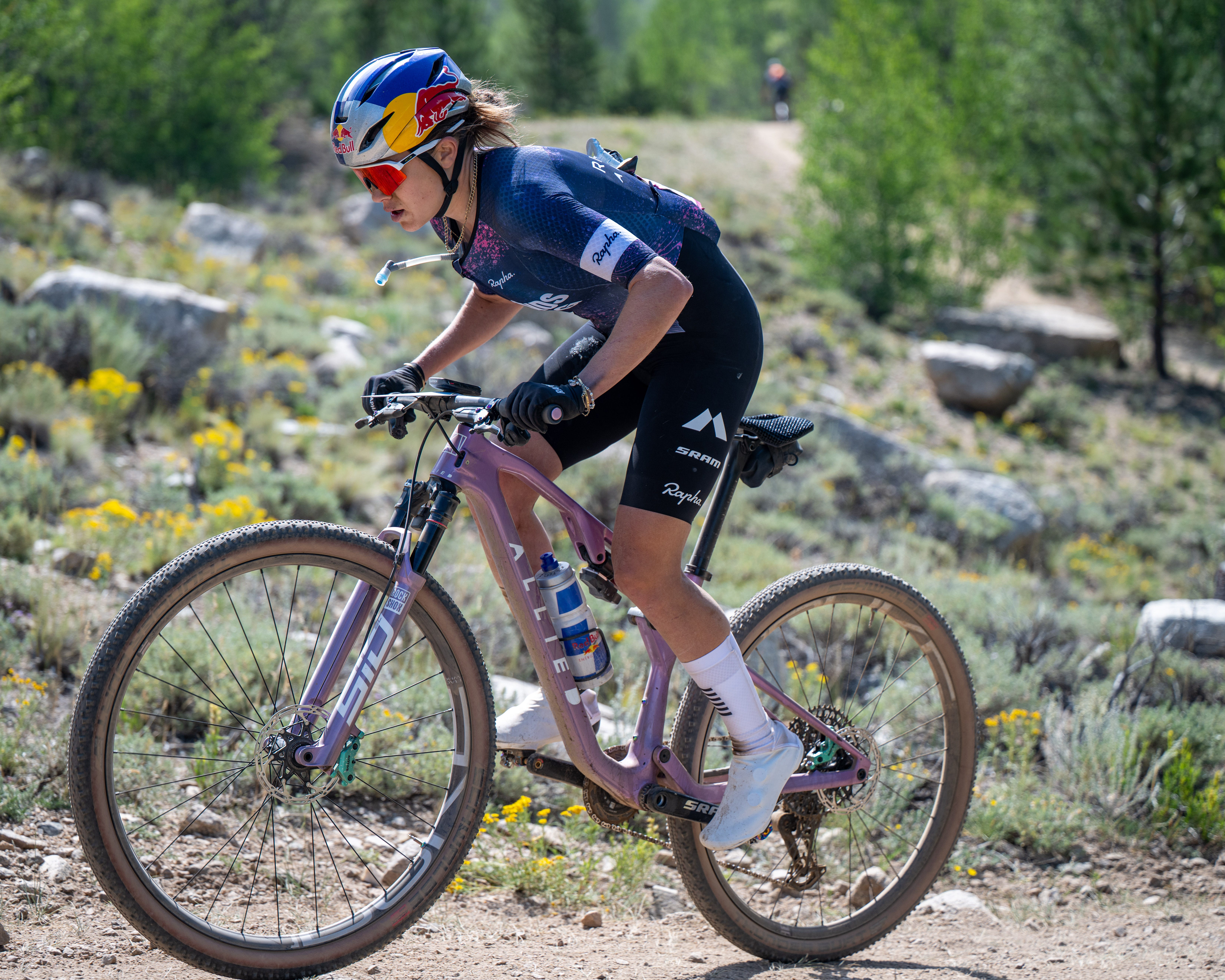
I have already heard the predictable narrative that the team spot should go to a dedicated road racer. It is the same argument that followed Lindsey Vonn at this year’s Olympic Games, with critics suggesting she was taking a coveted spot from a younger rider. Vonn earned that spot outright, and if Kate earns this one, the same will be true. As I have written previously, USA Cycling uses every tool available to build the strongest possible teams, so nobody makes that roster without deserving to be there.
Having a Red Bull athlete competing at the LA Olympics would also be a significant marketing moment for American cycling, but I can assure you that marketing upside is not the driving force behind this potential career pivot. Let’s go Kate.
Ride and rip,
Kyle Dawes
Perhaps another relevant question is who will be the first U23 rider to start their own “Cooldown” / “With Pace”?
In addition to LifeTime’s evolving content pipeline, the current gravel pros largely built (and maintain) their own storytelling machines
Great piece! So much storytelling in the U23 community- and I’m here for it!👏👏👏